Think vegetarian dinners can’t give you real protein?
If you’re short on time, these easy high protein vegetarian meals prove otherwise, giving you dishes that fill you up and fuel your weeknights.
They’re busy-weeknight friendly, ready in 30 minutes or less, and use simple staples you probably have, like chickpeas, tofu, tempeh, Greek yogurt, quinoa, and beans.
Each recipe lists protein per serving and quick swaps so you can pick a taco, bowl, scramble, or stir-fry that matches your appetite and time.
Quick High-Protein Vegetarian Recipes (Ready in Under 30 Minutes)
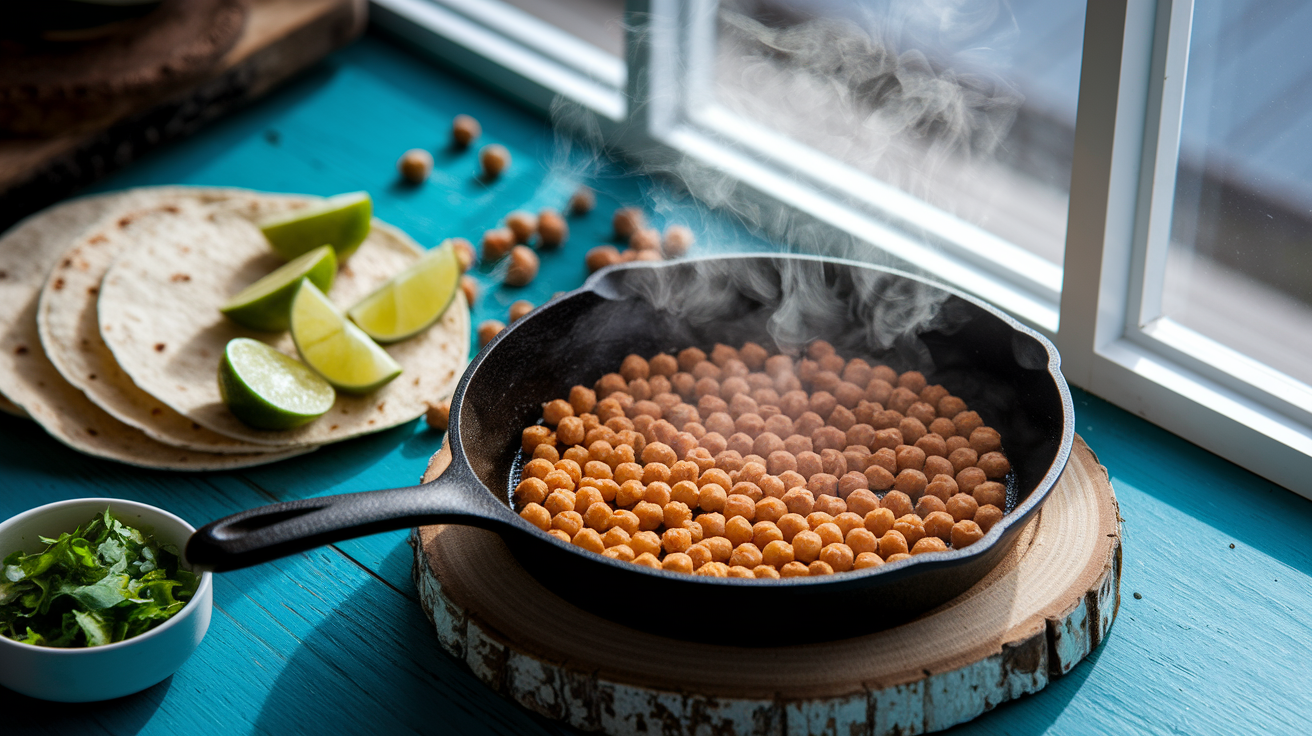
Crispy Chickpea Tacos with Lime Crema take about 15 minutes and deliver 22 grams of protein per serving. Drain a can of chickpeas, toss them with smoked paprika, cumin, and cayenne, then pan-fry in a single layer for 8 minutes until they get golden and crisp. While those cook, whisk together Greek yogurt, lime juice, and minced garlic for the crema, quick-pickle some red onion in lime juice, and shred cabbage. Load warm tortillas with the crispy chickpeas, crema, pickled onions, and cabbage. You’ve got a meal that feels special without the fuss. The secret to texture? Don’t crowd the pan. Give each chickpea room to breathe, and they’ll get that golden crust instead of turning into a mushy disappointment.
Sesame-Ginger Tempeh Bowl clocks in at 20 minutes and packs 31 grams of protein per serving. Slice an 8-ounce block of tempeh into thin strips and marinate for 5 minutes in soy sauce, sesame oil, fresh ginger, and maple syrup. Pan-fry the tempeh about 4 minutes per side until it gets caramelized edges, then serve over cooked quinoa with steamed edamame, sesame seeds, and sliced green onions. Keep cooked quinoa in the fridge so you can toss this together on a Tuesday without thinking twice.
Mediterranean Scrambled Eggs with Feta takes less than 15 minutes and provides 28 grams of protein per serving. Crack 6 eggs into a bowl and scramble them gently over low heat, folding in crumbled feta, chopped sun-dried tomatoes, and baby spinach near the end. The low heat matters. Cook eggs like you’re coaxing them, not forcing them. Pull the pan off the burner while they still look slightly underdone because they’ll finish cooking on the plate. Serve with whole-grain toast spread with hummus and a side of sliced cucumber and tomato for breakfast-for-dinner that never gets old.
Black Bean and Quinoa Power Bowl is a 15-minute assembly job that hits 25 grams of protein per serving and uses almost no dishes. Heat a can of black beans with cumin and smoked paprika, layer them over leftover quinoa, and top with sliced avocado, pumpkin seeds, salsa, and Greek yogurt. The beauty of this bowl? Flexibility. Swap the salsa for pico, the avocado for roasted corn, or the yogurt for a squeeze of lime depending on what’s already open in your fridge.
Thai Peanut Tofu Lettuce Wraps come together in under 25 minutes and offer about 24 grams of protein across four wraps. Press a block of extra-firm tofu for 10 minutes, cube it, and pan-fry until golden on all sides. Toss the warm tofu with a quick sauce made from peanut butter, soy sauce, sriracha, and lime juice, then pile it into butter lettuce cups with shredded carrots, cilantro, and crushed peanuts. Pressing the tofu isn’t optional if you want texture that holds up. Those 10 minutes turn spongy blocks into something you’ll actually want to eat twice a week.
High-Protein Vegetarian Breakfasts
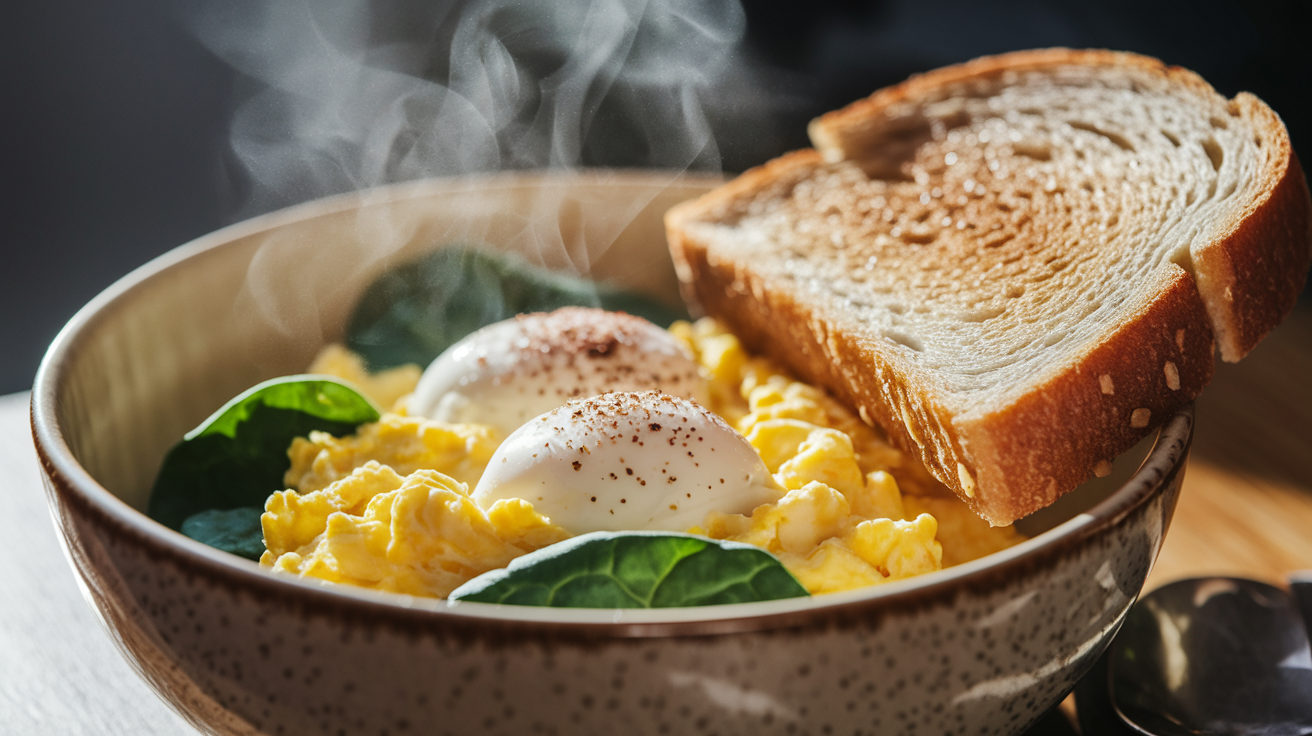
Cottage Cheese Veggie Scramble takes 12 minutes and delivers 30 grams of protein per serving when you scramble 4 large eggs with a full cup of low-fat cottage cheese and a handful of spinach. The cottage cheese melts into the eggs and creates pockets of creamy richness without adding cream or butter. Cook over medium-low heat, stirring gently, and serve with two slices of whole-grain toast to push the protein even higher. If your week is chaos, prep the cottage cheese and spinach mix the night before and just scramble in the morning.
Greek Yogurt Protein Bowl is a 5-minute breakfast that hits 25 grams of protein when you layer a cup of plain Greek yogurt with a quarter cup of granola, a tablespoon of almond butter, sliced banana, and a sprinkle of chia seeds. The yogurt does the heavy lifting. One cup alone gives you about 20 grams, and the almond butter and chia seeds add another 5 grams combined. This bowl travels well if you pack the granola separately so it doesn’t turn into mush by mid-morning.
Tofu Breakfast Scramble with Black Beans cooks in 15 minutes and provides 28 grams of protein per serving. Crumble half a block of firm tofu into a hot skillet with turmeric for color, nutritional yeast for a cheesy note, and cumin for warmth, then fold in half a can of drained black beans and diced bell peppers. The tofu picks up the spices quickly, and the beans add both protein and substance. Serve with a warm corn tortilla or over roasted sweet potato cubes if you need more fuel for the morning.
High-Protein Overnight Oats require zero morning effort and deliver 22 grams of protein per serving. Mix half a cup of rolled oats with half a cup of Greek yogurt, half a cup of milk (dairy or soy), a scoop of vanilla protein powder, and a tablespoon of chia seeds the night before, then refrigerate. In the morning, top with fresh berries, honey, and chopped walnuts. The combination of yogurt, protein powder, and chia seeds turns basic oats into a breakfast that keeps you steady until lunch.
High-Protein Vegetarian Lunch Ideas
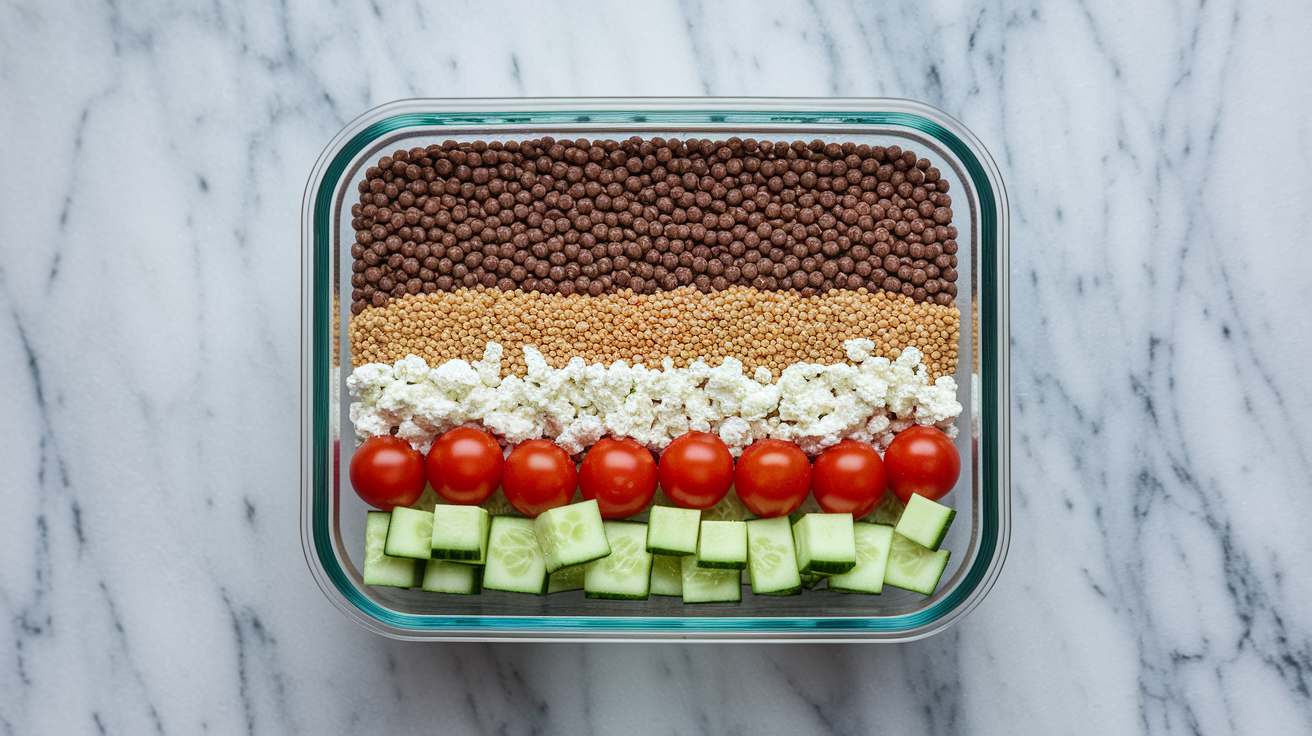
Lentil and Quinoa Power Salad takes 20 minutes if you use pre-cooked quinoa and canned lentils, and it delivers 26 grams of protein per serving. Toss a cup of cooked quinoa with a cup of drained lentils, diced cucumber, cherry tomatoes, crumbled feta, and a simple lemon-olive oil dressing. The quinoa and lentils together create a complete protein, and the feta adds a salty punch that makes the whole bowl feel more interesting than it has any right to be. Pack this in a container on Sunday and eat it cold all week. It actually tastes better after a day in the fridge.
Tempeh and Avocado Wrap comes together in 15 minutes and provides 27 grams of protein per serving. Slice tempeh thin, pan-fry until crispy, and layer it in a whole-wheat tortilla with mashed avocado, shredded lettuce, sliced tomato, and a drizzle of tahini-lemon sauce. Tempeh has a firm, nutty texture that holds up to being wrapped and carried, so this lunch won’t turn into a soggy mess by noon. If you’re prepping multiple wraps, keep the avocado separate and smash it fresh each day.
Chickpea Salad Sandwich takes 10 minutes to mix and packs 21 grams of protein per serving. Mash one can of drained chickpeas with a fork, leaving some chunks for texture, then stir in Greek yogurt, Dijon mustard, diced celery, red onion, and a squeeze of lemon. Pile the mixture onto whole-grain bread with lettuce and tomato. You’ve got a lunch that feels like classic chicken salad but skips the meat entirely. The Greek yogurt keeps the calorie count reasonable while boosting the protein beyond what mayo alone would deliver.
Tofu and Edamame Grain Bowl is ready in 18 minutes and offers 29 grams of protein per serving. Cook soba noodles according to the package, toss them with shelled edamame, cubed pan-fried tofu, shredded carrots, and a quick peanut-soy-lime sauce made from peanut butter, soy sauce, lime juice, and sriracha. Soba noodles alone deliver 24 grams of protein per 8-ounce serving, and the edamame and tofu push the total well past 30 grams depending on portion size. Eat this bowl warm or cold. It works both ways.
High-Protein Vegetarian Dinners
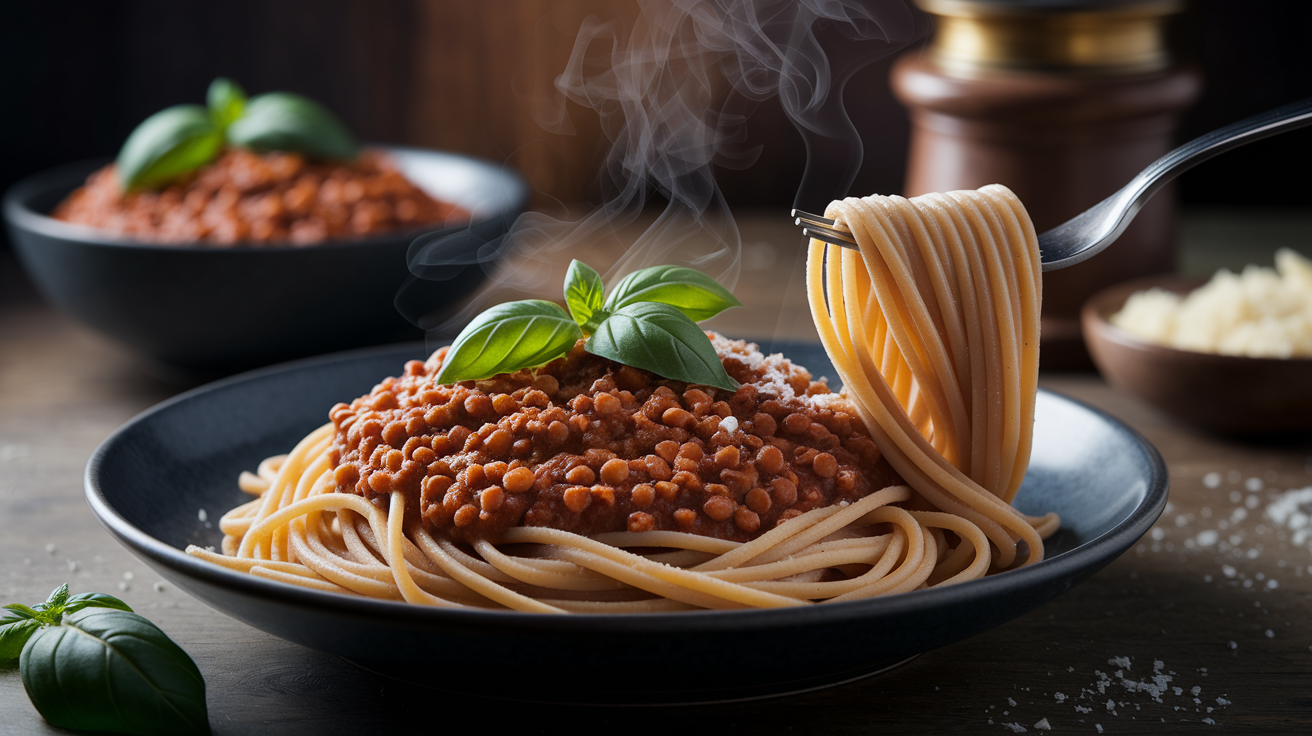
Red Lentil Bolognese over Whole-Wheat Pasta takes 30 minutes and delivers 22 grams of protein per serving. Sauté diced onion and garlic in olive oil, add one and a half cups of red lentils, a can of crushed tomatoes, Italian seasoning, and a splash of vegetable broth, then simmer for 15 minutes while the lentils break down into a thick, meaty sauce. Toss with 12 ounces of cooked whole-wheat pasta and finish with a sprinkle of Parmesan or nutritional yeast. Red lentils cook faster than any other variety. Fifteen minutes and they’re done. They hold up to freezing, so double the batch and stash half for a night when cooking feels impossible.
Paneer and Vegetable Skewers with Quinoa is ready in 35 minutes and provides 26 grams of protein per serving. Cube 8 ounces of paneer and thread it onto skewers with bell peppers, zucchini, and red onion, brush with olive oil and a sprinkle of garam masala, then grill or broil for about 10 minutes until the cheese develops golden edges. Serve over a cup of cooked quinoa with a squeeze of lemon and fresh cilantro. Paneer doesn’t melt like mozzarella, so it grills beautifully and gives you that satisfying chew that makes dinner feel complete.
Black Bean and Sweet Potato Tacos take 25 minutes and hit 24 grams of protein per serving when you use two cans of black beans and load each taco with shredded cheddar and Greek yogurt. Roast cubed sweet potato with chili powder and cumin for 15 minutes while you heat the beans with garlic and smoked paprika, then assemble in warm corn tortillas with quick cabbage slaw and a squeeze of lime. The sweet potato adds substance and a touch of sweetness that balances the smoky beans.
Tofu Stir-Fry with Broccoli and Peanut Sauce is a 20-minute dinner that packs 25 grams of protein per serving. Press and cube a 14-ounce block of firm tofu, pan-fry until golden, then toss with broccoli florets, sliced red pepper, and a sauce made from peanut butter, soy sauce, sesame oil, honey, and minced garlic. Serve over brown rice or soba noodles if you want extra protein from the grain. The peanut sauce clings to everything and turns plain tofu into something you’ll crave on a Wednesday night.
Spinach and Ricotta Stuffed Shells take 40 minutes and deliver 30 grams of protein per serving. Boil 12 jumbo pasta shells, mix 2 cups of part-skim ricotta with sautéed spinach, garlic, and a pinch of nutmeg, stuff each shell, top with marinara and shredded mozzarella, then bake for 15 to 20 minutes until bubbly. This dinner feels fancy enough for guests but uses pantry staples you probably already have. The ricotta and mozzarella together push the protein well past 30 grams per serving, and the leftovers reheat beautifully for lunch the next day.
High-Protein Vegetarian Snacks
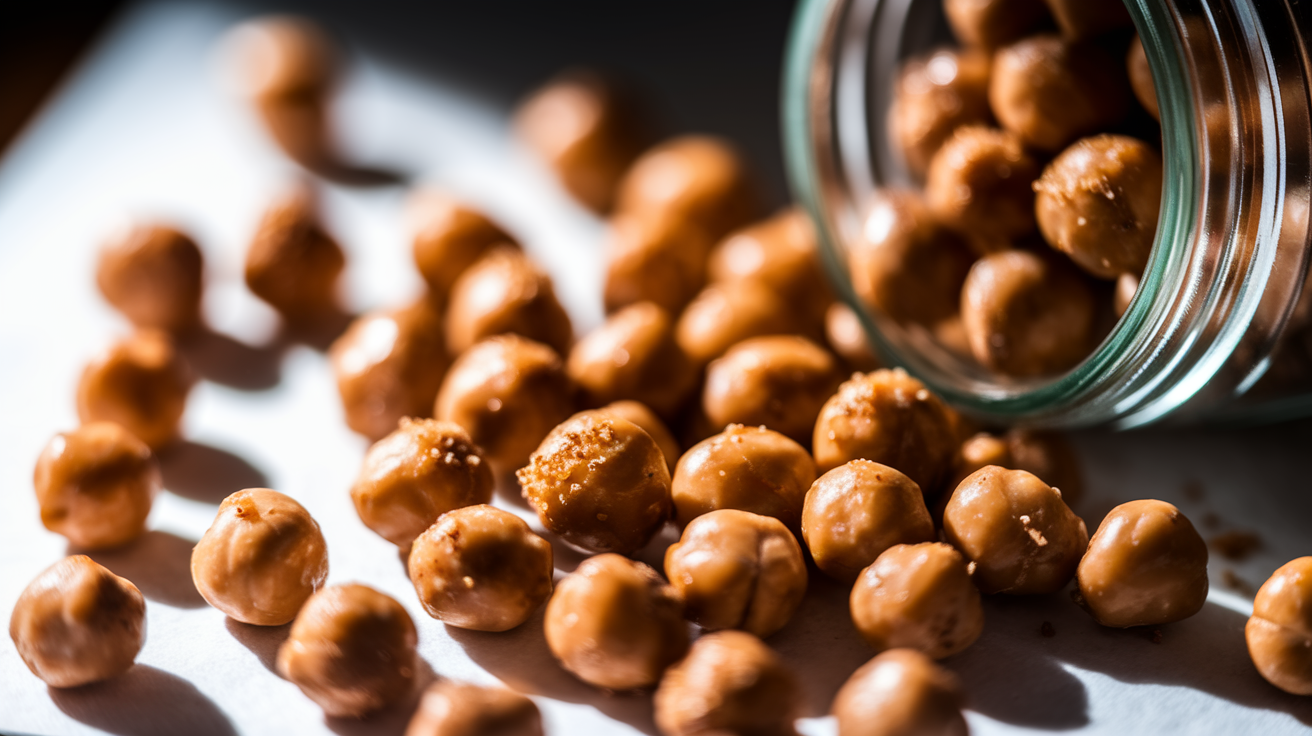
Roasted Chickpea Crunch takes 25 minutes in the oven and delivers 12 grams of protein per half-cup serving. Drain and dry a can of chickpeas, toss with olive oil and your choice of seasoning (smoked paprika and garlic powder, or cinnamon and maple syrup for a sweet version), then roast at 400°F for 20 to 25 minutes, shaking the pan halfway through. The chickpeas turn crispy and addictive, and they stay crunchy for a few days if you store them in an airtight container. These are the snack you grab instead of chips when you need something salty and satisfying.
Cottage Cheese and Fruit Bowl is a 3-minute snack that provides 25 grams of protein per cup of low-fat cottage cheese. Top with sliced peaches, a handful of blueberries, honey, and sliced almonds or granola for crunch. Cottage cheese has a mild flavor that takes on whatever you pair it with, so swap the fruit for diced cucumber and cherry tomatoes if you prefer savory. The protein content is high enough that this snack can double as a light meal when dinner is running late.
Peanut Butter Chia Pudding takes 5 minutes to mix and 2 hours to set, delivering 18 grams of protein per serving. Whisk together half a cup of milk (dairy or soy), 3 tablespoons of chia seeds, 2 tablespoons of peanut butter, maple syrup, and cinnamon, then refrigerate until thick and creamy. The chia seeds absorb the liquid and create a pudding-like texture, while the peanut butter adds richness and protein. Make a batch on Sunday and portion it into small jars for grab-and-go snacks all week.
Edamame with Sea Salt is a 5-minute snack that delivers 17 grams of protein per cup of shelled edamame. Boil frozen edamame in salted water for 3 to 4 minutes, drain, and toss with coarse sea salt and a squeeze of lime if you’re feeling fancy. Edamame is one of the few plant proteins that’s a complete source on its own, and it’s satisfying to eat because you get to pop the beans out of the pods. Small rituals like that make snacking feel more intentional.
Vegetarian Meal-Prep Ideas (High Protein)
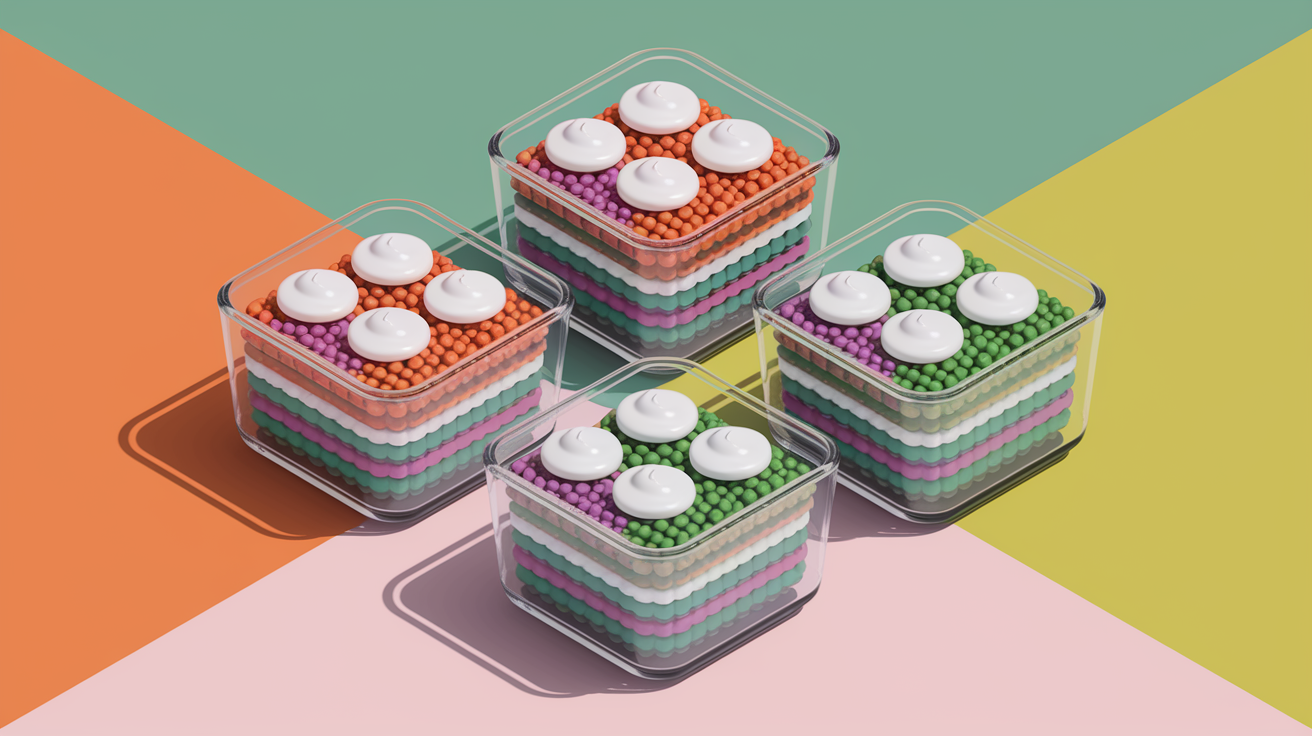
Big-Batch Lentil and Vegetable Curry cooks in 30 minutes, stores for 5 days, and delivers 27 grams of protein per serving. Sauté diced onion, garlic, and ginger in a large pot, add curry powder and turmeric, then stir in 2 cups of red lentils, 2 cans of diced tomatoes, 4 cups of vegetable broth, and 4 cups of chopped cauliflower or sweet potato. Simmer until the lentils are tender, about 15 minutes, then portion into containers and top each with a generous scoop of Greek yogurt and fresh cilantro when you reheat. The yogurt adds an extra 10 grams of protein per serving and cools the spice just enough to keep it interesting without being punishing.
Quinoa and Black Bean Prep Bowls take 25 minutes to assemble and last 4 days in the fridge, providing 25 grams of protein per bowl. Cook a large batch of quinoa, drain and rinse 2 cans of black beans, roast bell peppers and zucchini with cumin and chili powder, then divide everything into containers with sliced avocado, shredded cheese, salsa, and a lime wedge. When you’re ready to eat, you can warm the quinoa and beans or eat the whole thing cold. Works either way. The cheese and beans together push the protein count past 25 grams, and the avocado keeps the bowl from feeling dry.
Tofu and Broccoli Stir-Fry Kits prep in 20 minutes and store for 3 days, delivering 26 grams of protein per kit. Press and cube 2 blocks of extra-firm tofu, blanch 6 cups of broccoli florets, slice 2 red peppers, and pack everything into separate containers along with pre-portioned peanut sauce made from peanut butter, soy sauce, rice vinegar, sesame oil, and minced garlic. When it’s time to eat, pan-fry the tofu until golden, toss with the veggies and sauce, and serve over brown rice or soba noodles. Keeping the components separate prevents sogginess and gives you control over portion sizes throughout the week.
White Bean and Kale Soup makes a huge pot in 25 minutes, freezes for 3 months, and offers 18 grams of protein per bowl. Sauté diced onion, carrot, and celery in olive oil, add 4 cans of drained white beans, 6 cups of vegetable broth, 4 cups of chopped kale, and Italian seasoning, then simmer for 10 to 15 minutes until the kale wilts and the flavors blend. Portion into quart containers and freeze half if you’re cooking for one or two people. The beans hold their shape after freezing, and the soup reheats beautifully on the stove or in the microwave. Add a slice of crusty bread and a sprinkle of Parmesan when you serve it to bump the protein a bit higher.
Protein-Boosting Tips, Ingredient Substitutions, and Meal-Prep Strategies
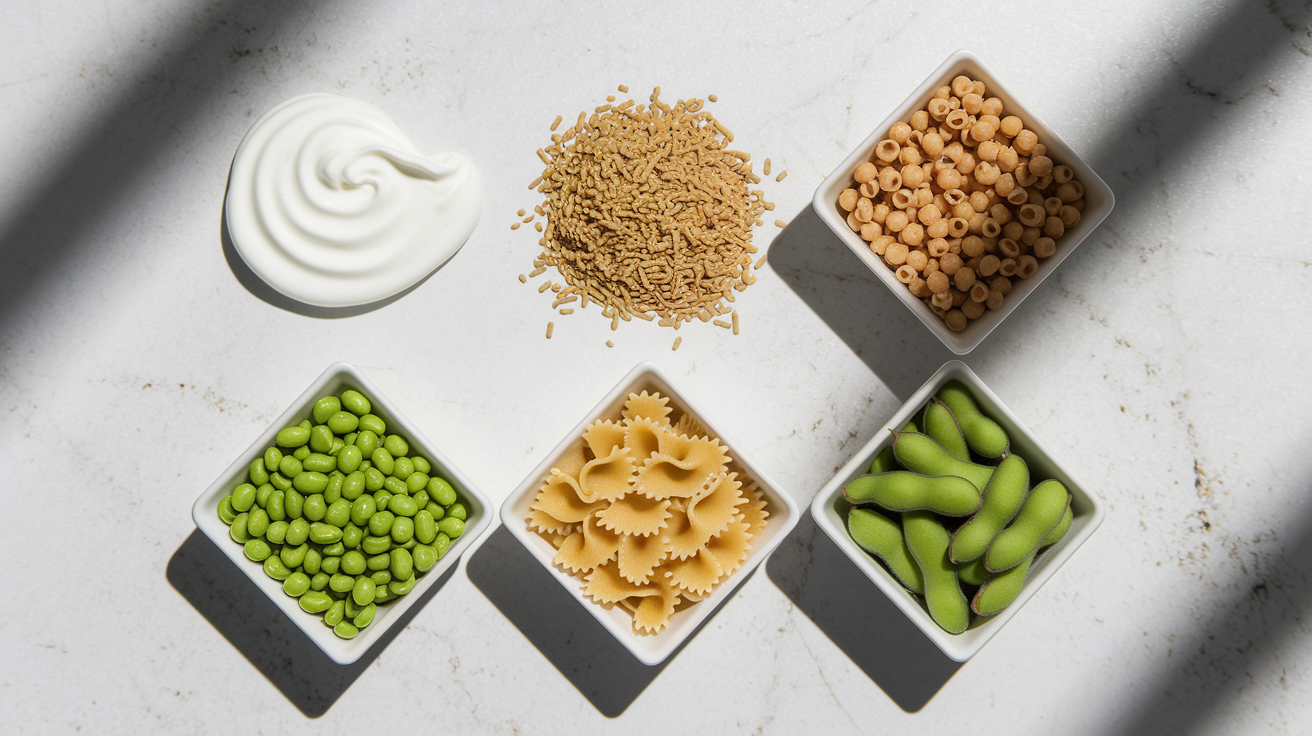
Small additions make a big difference when you’re chasing protein without adding complicated ingredients or extra cooking steps. These techniques work across almost any meal and turn a decent plate into one that actually keeps you full.
Stir a scoop of Greek yogurt into soups, curries, and grain bowls to add 10 grams of protein per half cup without changing the flavor profile. Top salads and bowls with a handful of nuts, seeds, or roasted chickpeas for an extra 6 to 8 grams of protein and a texture contrast that makes eating more interesting. Swap regular pasta for lentil or chickpea pasta to triple the protein content. Standard pasta gives you about 7 grams per serving, while lentil pasta delivers 20 to 25 grams.
Add a fried or poached egg to grain bowls, salads, or soups for a quick 6-gram protein boost and a creamy yolk that acts like a built-in sauce. Mix cottage cheese into scrambled eggs or use it as a base for veggie dips to layer protein sources without thinking about it. Keep a bag of shelled edamame in the freezer and toss a half cup into stir-fries, noodle dishes, or salads for 8 to 9 grams of protein in under 3 minutes. Use nutritional yeast as a finishing sprinkle on pasta, popcorn, or roasted vegetables to add a cheesy umami flavor and about 8 grams of protein per quarter cup.
When an ingredient isn’t available or doesn’t fit your diet, these swaps keep the protein count steady without forcing you to rewrite the whole recipe.
Replace tofu with tempeh or seitan when you want a firmer, chewier texture. Tempeh and seitan both have slightly higher protein per ounce than tofu. Swap black beans for lentils or chickpeas in tacos, bowls, and salads to vary the flavor and texture while maintaining similar protein levels. Use tahini or sunflower seed butter instead of peanut butter if you’re avoiding nuts. Tahini has a bit less protein but adds a savory depth that works in both sweet and savory dishes.
Substitute Greek yogurt for sour cream or mayo in dressings, dips, and sauces to double the protein and cut the fat without sacrificing creaminess. Trade paneer for halloumi or extra-firm tofu in grilled or roasted dishes. Halloumi has a similar squeaky texture, and tofu absorbs marinades better if you press it first. Use quinoa in place of rice to add an extra 4 grams of protein per cup and a nutty flavor that pairs well with almost any protein source. Replace regular cheese with cottage cheese or ricotta in casseroles and baked dishes to increase the protein content and lower the calorie density.
| Ingredient | Amount | Protein (grams) |
|---|---|---|
| Greek yogurt (plain) | 1 cup | 20 |
| Firm tofu | 14 oz block | 28 |
| Tempeh | 8 oz | 38 |
| Cooked lentils | 1 cup | 18 |
| Cooked quinoa | 1 cup | 8 |
| Canned black beans (drained) | 1 can (15 oz) | 21 |
| Canned chickpeas (drained) | 1 can (15 oz) | 21 |
| Large eggs | 2 | 12 |
| Cottage cheese (low-fat) | 1 cup | 28 |
| Shelled edamame | 1 cup | 17 |
| Peanut butter | 2 tablespoons | 8 |
| Paneer | 100 g | 18 |
| Shredded cheddar | 1 cup | 28 |
| Soba noodles (cooked) | 8 oz | 24 |
The simplest meal-prep strategy is to cook one large batch of a high-protein base (lentils, quinoa, or tofu) on Sunday, then build different meals around it throughout the week. Cook 3 cups of dry lentils in one pot and you’ll have 45 grams of protein per cup to work with, enough for curries, salads, grain bowls, and soups without repeating the same flavor twice.
Press and marinate tofu on Sunday night, store it in the fridge for up to 4 days, and pan-fry portions as needed for stir-fries, wraps, and bowls. Keep cooked quinoa in an airtight container for 5 days and use it as the foundation for breakfast bowls, lunch salads, and dinner sides. Batch cooking saves decision fatigue and ensures you always have a high-protein option ready when the week gets messy.
Final Words
Get cooking: quick recipes, hearty breakfasts, filling lunches, protein-rich dinners, snacks, and simple meal-prep tips all give practical options you can make fast. Each recipe lists time, main ingredients, and grams of protein so you know what you’re eating.
Use the swaps and protein-boosting techniques to tweak meals and pack your week with consistent servings. If you want a small next step, pick one recipe and batch it for two days.
These easy high protein vegetarian meals fit busy weeks and help you stay steady and satisfied.
FAQ
Q: What quick high-protein vegetarian meals can I make in under 30 minutes?
A: Quick high-protein vegetarian meals under 30 minutes use Greek yogurt, eggs, tofu, tempeh, beans, quinoa, or high-protein pasta and often hit 20–35g protein per serving with simple prep and one pan cooking.
Q: Which vegetarian breakfasts give about 20–35g of protein?
A: Vegetarian breakfasts that provide 20–35g include Greek yogurt bowls with nuts and seeds, scrambled tofu with beans, cottage cheese blends, and protein‑fortified oats topped with nut butter and fruit.
Q: What are easy high-protein vegetarian lunch ideas that fill you up?
A: High-protein vegetarian lunches that fill you up use quinoa, lentils, chickpeas, or tempeh—think grain bowls, lentil salads, or spiced chickpea wraps delivering roughly 25–40g protein per serving.
Q: How do I make high-protein vegetarian dinners that reach 30–45g of protein?
A: High-protein vegetarian dinners reaching 30–45g rely on tofu, tempeh, seitan, beans, or high-protein pasta paired with vegetables and whole grains, cooked as stir‑fries, bakes, or hearty pasta dishes.
Q: What high-protein vegetarian snacks work between meals?
A: High-protein vegetarian snacks include cottage cheese bowls, roasted chickpeas, chia pudding, protein smoothies, and steamed edamame—each usually providing about 10–25g protein per serving.
Q: How can I meal-prep high-protein vegetarian meals for the week and how long will they keep?
A: Meal-prepping high-protein vegetarian meals means batch-cooking lentils, tofu, quinoa, or chickpeas; stored in airtight containers, they keep 3–5 days in the fridge and hit 25–40g protein per serving.
Q: What pantry staples should I keep for high-protein vegetarian cooking?
A: Pantry staples for high-protein vegetarian cooking are canned beans, lentils, quinoa, high-protein pasta, nut butter, Greek yogurt, firm tofu, tempeh, and seeds for quick, protein-rich meals and snacks.
Q: How can I boost protein in a vegetarian recipe without changing the dish completely?
A: You can boost protein in a vegetarian recipe by adding Greek yogurt, a scoop of protein powder, extra beans or lentils, tofu cubes, tempeh, or a sprinkle of seeds and nuts for 5–15 extra grams.
Q: What simple ingredient swaps add more protein to common meals?
A: Simple swaps to add protein are replacing regular pasta with lentil pasta, using cottage cheese instead of cream, swapping rice for quinoa, or choosing tempeh or tofu instead of paneer.
Q: How should I spread protein across meals to meet daily targets?
A: You should spread protein across meals by aiming for 20–35g per main meal and 10–20g per snack, which helps most people reach daily targets while keeping energy steady and hunger controlled.