Think vegetarian meals can’t be high in protein and quick to prep?
Think again.
With simple stacking, like lentils, tofu, tempeh and Greek yogurt, you can get 20 to 30 grams of protein per meal without juggling five ingredients.
Batch cook for 60 to 90 minutes on a weekend, and you’ll have grab-and-go meals that reheat in minutes.
This post gives step by step recipes, a shopping list, and a one hour prep plan so you save time and stay on track all week.
Core Strategies for High‑Protein Vegetarian Meal Prep
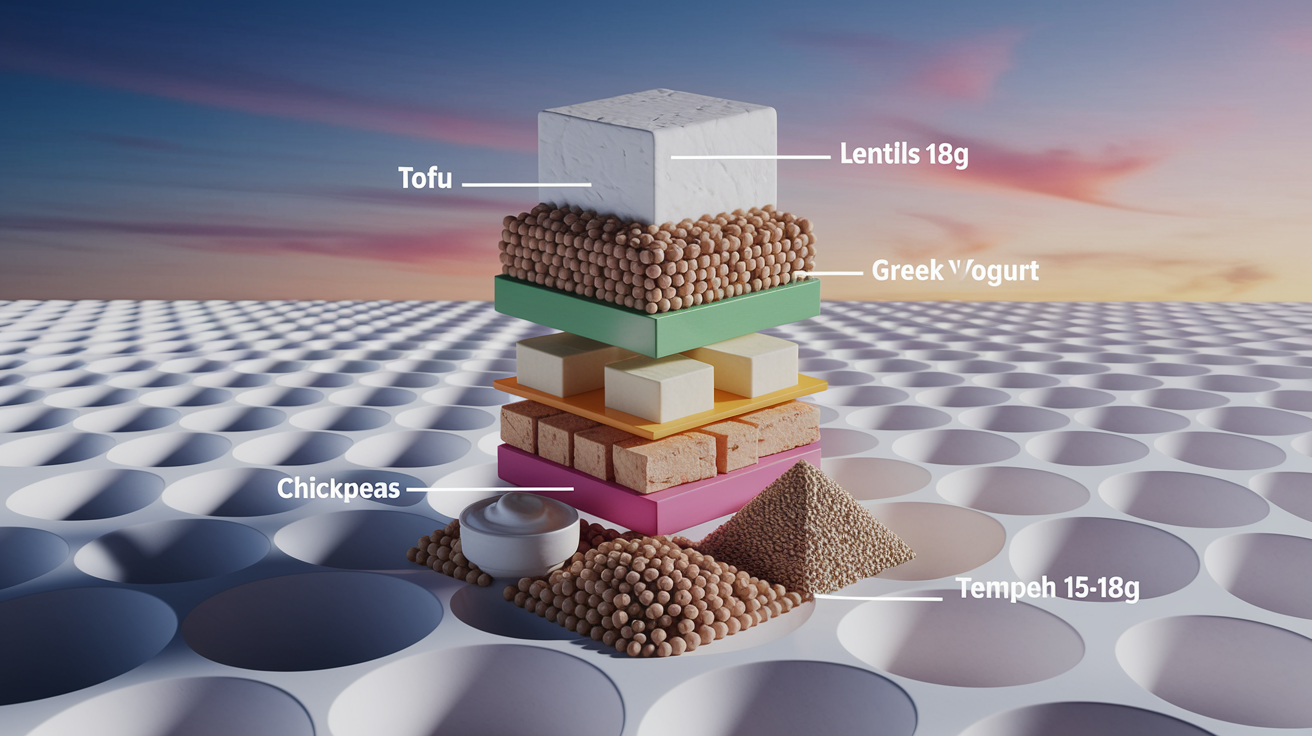
Getting 20 to 30 grams of protein per meal on a vegetarian plan isn’t complicated once you learn to stack ingredients. Start with a solid base: half a cup of tofu gets you 10 grams, one cup of cooked lentils hits 18, and half a cup of tempeh lands between 15 and 18. Then add a second layer. Toss in a quarter cup of Greek yogurt (5 grams), half a cup of chickpeas (7 grams), or a quarter cup of quinoa (2 grams). You’re already over 20 grams without juggling five different components.
If you’re pushing for 30, double the base or throw in a hard boiled egg (6 grams) or some cottage cheese (12 grams per half cup).
Batch cooking is what makes this work all week. Pick one afternoon and roast two sheet pans of tofu cubes, chickpeas, or tempeh strips with whatever spices you like. While the oven does its thing, cook a few cups of dry quinoa, brown rice, or farro on the stovetop. Simmer a pot of lentils or black beans at the same time. You’ll end up with three or four cooked protein sources ready to go. Store them separately so you can mix things up without getting tired of the same meal. One day you do tofu with quinoa and broccoli. Next day, same tofu over a salad with tahini.
Complementary proteins don’t need to be obsessed over at every meal, but pairing grains with legumes throughout the day covers all nine essential amino acids. Brown rice (about 5 grams per cup) with a cup of black beans (15 grams) gives you 20 grams of complete protein. Quinoa’s already complete on its own. And if you’re eating soy (tofu, tempeh, edamame), you’re covered without thinking about combinations.
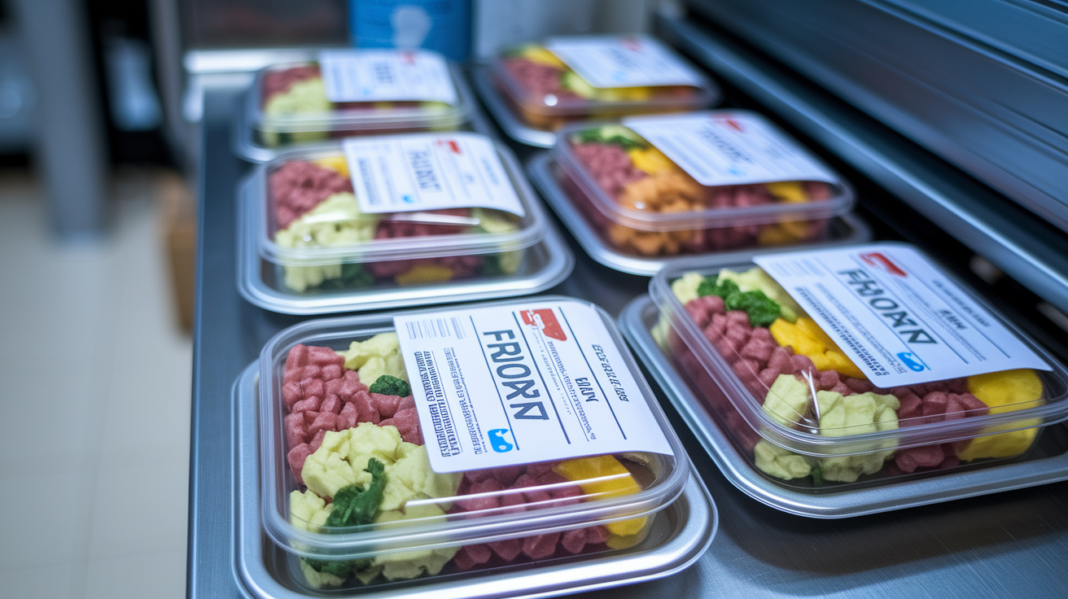
Most prepped vegetarian meals stay good for three to four days in the fridge. Prep Sunday, eat through Wednesday or Thursday. Want coverage through Friday? Freeze half your batch and thaw midweek. Label containers with the date and protein count so you’re not guessing later.
High‑Protein Vegetarian Shopping List Essentials
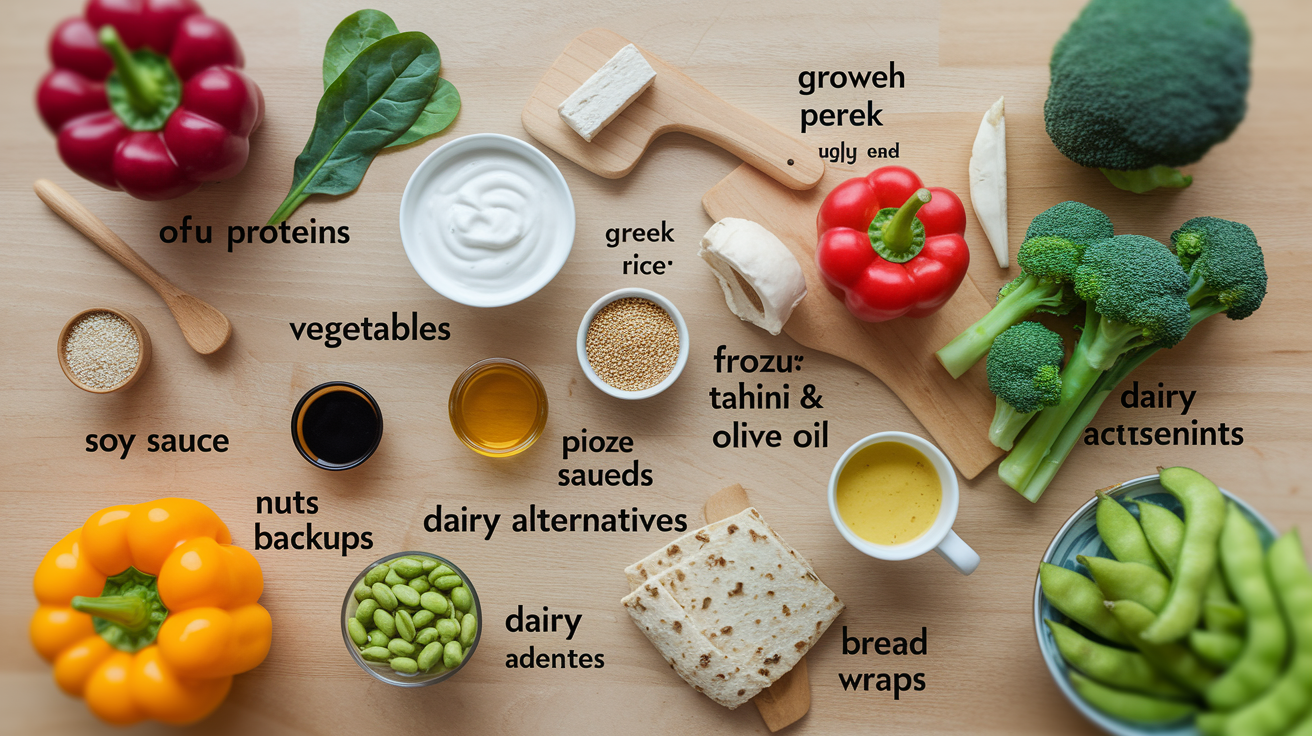
Organize your list by category so you’re not wandering back and forth through the store. Start with protein dense staples, then grab quick cooking grains, frozen vegetables for backup, and a few things that add flavor. This keeps you stocked for modular meals without buying ingredients that sit there unused.
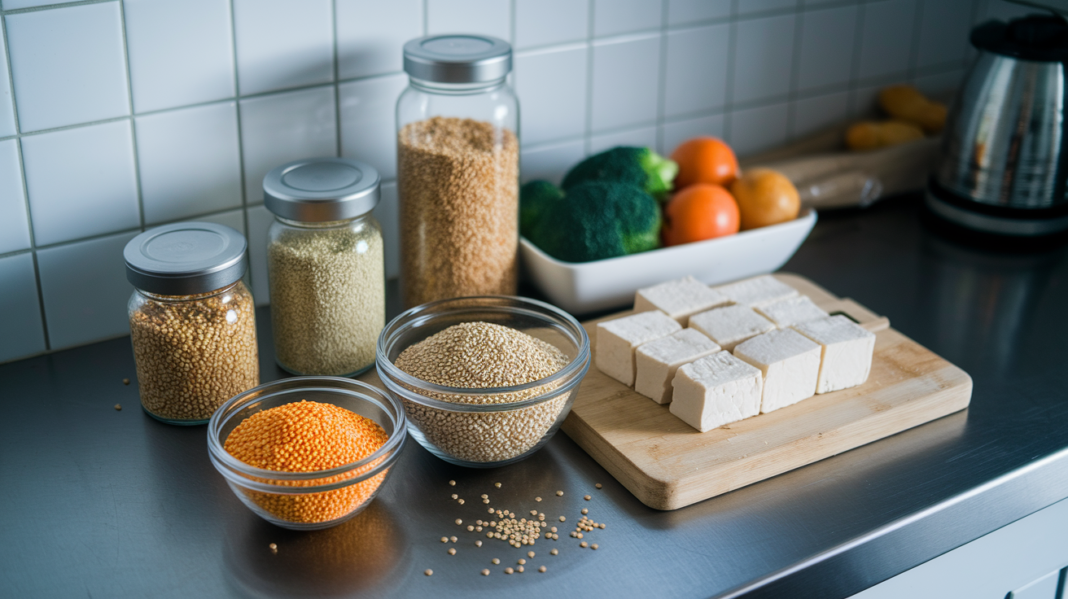
A typical high protein vegetarian week needs about two to three pounds of tofu or tempeh, two cans of chickpeas or black beans (or one pound dry if you cook from scratch), one container of Greek yogurt, one bag of lentils (red or green, depends on your recipes), and one box of quinoa or farro. Keep a jar of nut butter, a bag of almonds or pumpkin seeds, and hemp hearts for quick protein boosts. If you eat eggs, get a dozen. If you use dairy, add feta or cottage cheese.
Proteins: 2 blocks extra firm tofu (14 to 16 oz each), 1 package tempeh (8 oz), 2 cans chickpeas (15 oz), 1 bag dry lentils (1 lb), 1 container Greek yogurt (16 to 18 oz), 1 dozen eggs (optional), 1 block feta or cottage cheese (8 oz)
Grains: 1 bag quinoa (1 lb), 1 bag brown rice or farro (1 lb), 1 container rolled oats (if prepping breakfast)
Vegetables: 2 heads broccoli, 1 bag frozen mixed vegetables (12 oz), 2 bell peppers, 1 bag spinach or kale, 1 red onion, 1 knob fresh ginger, 1 head garlic
Flavor & sauces: Soy sauce or tamari, olive oil, tahini, smoked paprika, cumin, chili powder, garlic powder, 1 jar marinara or curry paste, 1 lemon, 1 lime
Pantry backups: Canned black beans (2 cans, 15 oz), nut butter (peanut or almond), pumpkin seeds or almonds, chia seeds or hemp hearts
Freezer: Edamame (shelled, 12 oz bag), extra batch of cooked grains or beans if you prep ahead
Dairy alternatives (if needed): Unsweetened almond milk or oat milk (1 quart), plant based yogurt (coconut or almond, 16 oz)
Bread/wraps (optional for lunches): Whole grain pita or tortillas (1 package, about 6 wraps)
Condiments: Hot sauce, rice vinegar, sesame oil, maple syrup or honey
Meal Prep Timeline, Portioning, and Storage Guide
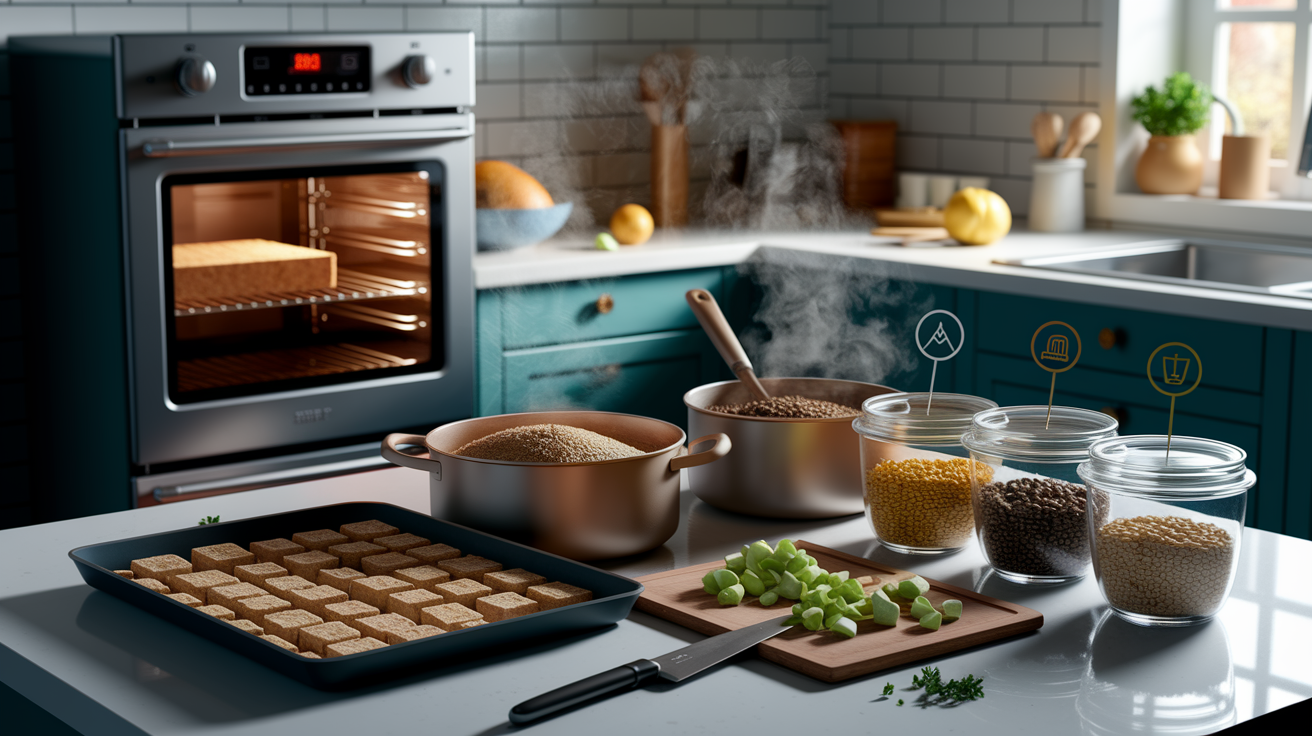
Block out 60 to 90 minutes on a weekend afternoon. Preheat your oven to 400°F and press your tofu if you’re using it. While the tofu presses for 15 minutes, chop vegetables and measure out grains and legumes. Get a pot of water going on the stove for quinoa or rice.
Toss your tofu or tempeh cubes with oil and spices, spread them on a sheet pan, slide them into the oven for 25 to 30 minutes. While they roast, cook your grains on the stovetop. Quinoa takes about 15 minutes, brown rice about 35, so plan accordingly. If you’re using canned beans, drain and rinse them. If you’re cooking dry lentils, start them early since they take 20 to 25 minutes.
By the time the oven timer goes off, your grains and legumes should be done or close. Let everything cool for 10 minutes, then portion into containers.
Portioning is simpler when you aim for a target protein range per meal instead of obsessing over exact grams. For most people, 20 to 30 grams per meal keeps you steady. That might be one cup of cooked lentils (18 grams) plus a quarter cup of feta (6 grams) over quinoa. Or half a block of tofu (20 grams) stir fried with a cup of edamame (another 8 grams).
Divide your batch into individual containers with one protein base, one grain, and one vegetable in each. Label the containers with the day of the week or the protein count if that helps you stay on track. If you’re prepping for two people, double the batch sizes and split into twice as many containers.
| Item | Refrigerator Shelf Life | Freezer Shelf Life |
|---|---|---|
| Cooked grains (quinoa, rice, farro) | 4 days | 2 to 3 months |
| Cooked beans or lentils | 3 to 4 days | 2 to 3 months |
| Roasted or stir fried tofu/tempeh | 3 to 4 days | 2 to 3 months |
| Pre cut raw vegetables | 2 to 3 days | Not recommended |
| Assembled salad (undressed) | 2 to 3 days | Not recommended |
| Soups or stews (bean based) | 3 to 4 days | 2 to 3 months |
High‑Protein Vegetarian Meal Prep Recipes (Step‑by‑Step)
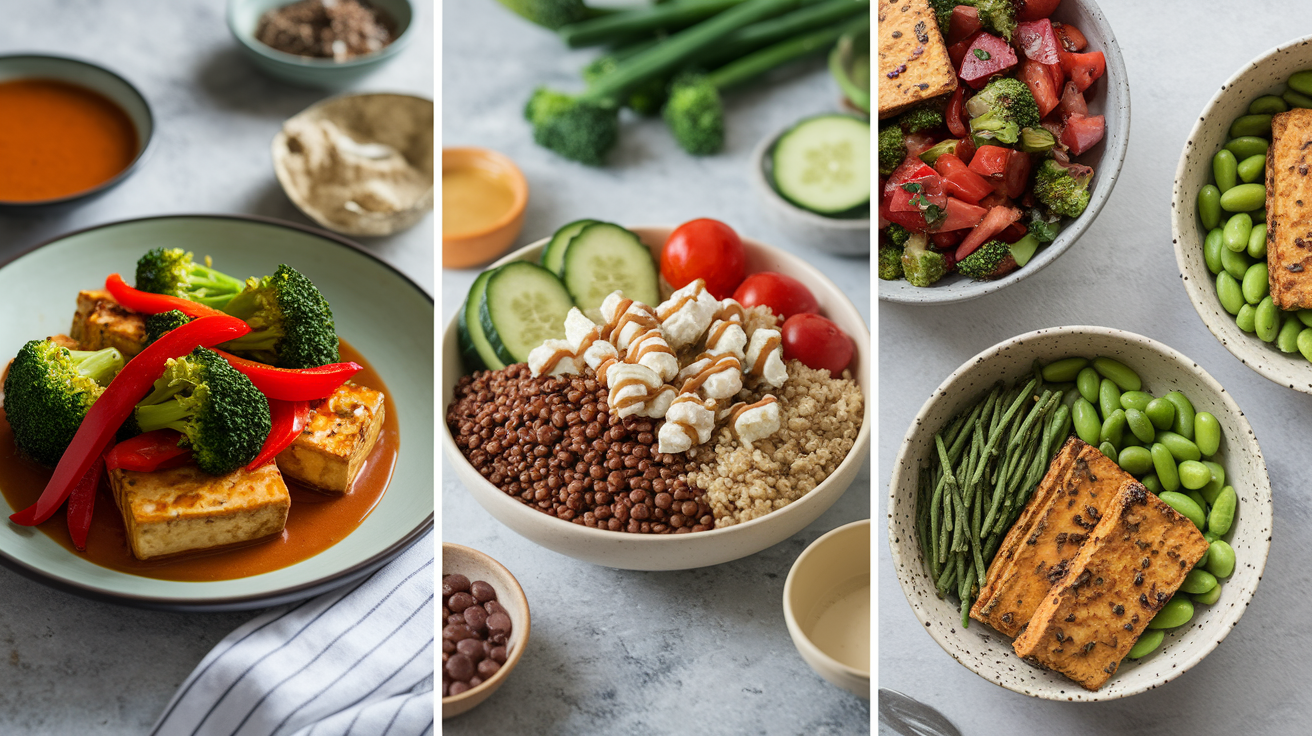
These three recipes give you breakfast, lunch, and dinner coverage for three to four days. Each one’s built around a single high protein base and designed to store well. Make all three in one session and you’ll have grab and go meals that hit your protein targets without thinking.
High‑Protein Tofu Stir‑Fry
Protein per serving: 22 to 28 grams
Prep time: 20 minutes
Storage: Refrigerate up to 4 days in airtight containers
Press one 14 ounce block of extra firm tofu for 10 minutes using a clean kitchen towel and a heavy pan. Cut the tofu into half inch cubes. Heat one tablespoon of sesame or olive oil in a large skillet over medium high heat. Add the tofu cubes and let them sit without stirring for 3 minutes so they get crispy on one side. Flip and cook another 3 minutes.
Push the tofu to the side of the pan and add one chopped bell pepper, one cup of broccoli florets, and half a sliced red onion. Stir fry the vegetables for 4 to 5 minutes until they’re just tender.
While the vegetables cook, whisk together 2 tablespoons soy sauce, 1 tablespoon rice vinegar, 1 teaspoon sesame oil, 1 teaspoon grated fresh ginger, and 1 minced garlic clove. Pour the sauce over the tofu and vegetables, toss everything together, cook for another minute until the sauce coats everything. Taste and add a pinch of red pepper flakes if you want heat.
Divide the stir fry into three or four containers. Add a scoop of cooked brown rice or quinoa to each container (about three quarters of a cup per serving adds another 5 grams of protein). If you want to push the protein higher, toss in half a cup of shelled edamame per container (adds 8 grams). Store the containers in the fridge and reheat in the microwave for 90 seconds or in a skillet with a splash of water.
Lentil & Quinoa Power Bowl
Protein per serving: 20 to 25 grams
Batch cooking steps: Cook lentils and quinoa simultaneously, assemble bowls once cooled
Rinse one cup of dry green or brown lentils under cold water. Bring three cups of water to a boil in a medium pot, add the lentils, reduce heat to a simmer, cook for 20 to 25 minutes until tender but not mushy. Drain any excess water and season the lentils with half a teaspoon of cumin, half a teaspoon of smoked paprika, and a pinch of salt.
While the lentils cook, rinse one cup of dry quinoa and combine it with two cups of water in a separate pot. Bring to a boil, then reduce to a simmer, cover, and cook for 15 minutes. Turn off the heat and let the quinoa sit covered for 5 minutes. Fluff with a fork.
Chop your toppings while everything cooks. Dice one cucumber, halve one pint of cherry tomatoes, and crumble a quarter cup of feta cheese (about 6 grams of protein). Divide the cooked quinoa and lentils into three or four containers (about three quarters cup quinoa and half cup lentils per container). Top each bowl with the cucumber, tomatoes, and feta.
Drizzle with a quick tahini dressing: whisk together 2 tablespoons tahini, 2 tablespoons lemon juice, 1 tablespoon olive oil, 1 minced garlic clove, and enough water to thin it to a pourable consistency. Store the dressing separately in small containers or jars and pour it on right before you eat so the greens don’t get soggy. If you want to add greens, tuck a handful of spinach or arugula into each container.
These bowls keep for 4 days in the fridge. For extra protein, top with a hard boiled egg (6 grams) or a handful of roasted chickpeas (about 7 grams per quarter cup).
Tempeh Veggie Meal Prep Bowls
Protein per serving: 30 grams
Marinating instructions: Marinate tempeh cubes for at least 15 minutes (or overnight in the fridge for deeper flavor)
Container portioning tips: Use 3 compartment containers to keep components separate until reheating
Cut one 8 ounce package of tempeh into half inch cubes. In a shallow bowl, whisk together 3 tablespoons soy sauce, 1 tablespoon maple syrup, 1 tablespoon rice vinegar, 1 teaspoon grated fresh ginger, and 1 minced garlic clove. Add the tempeh cubes and toss to coat. Let them marinate for at least 15 minutes. If you’re prepping the night before, cover and refrigerate overnight.
Heat one tablespoon of olive oil in a large skillet over medium heat. Add the marinated tempeh (save the leftover marinade) and cook for 3 to 4 minutes per side until the cubes are golden and crispy on the edges. Pour the reserved marinade into the pan and let it bubble for one minute until it thickens slightly and glazes the tempeh. Remove from heat.
While the tempeh cooks, steam or roast your vegetables. Use two cups of broccoli florets, one sliced zucchini, and one sliced red bell pepper. If roasting, toss them with a drizzle of olive oil, spread on a sheet pan, roast at 400°F for 20 minutes. If steaming, cook them for 5 to 7 minutes until just tender.
Divide one and a half cups of cooked brown rice or farro into three containers (about half a cup per container adds 2 to 3 grams protein). Add one third of the glazed tempeh to each container (about 15 grams protein per portion). Add one third of the roasted or steamed vegetables. If you want to hit 30 grams of protein, top each bowl with a quarter cup of edamame (8 grams) or two tablespoons of hemp hearts (6 grams).
Store the containers in the fridge for up to 4 days. Reheat in the microwave for 90 seconds, stirring halfway through, or warm in a skillet with a splash of water or vegetable broth.
Final Words
Batch roast veggies, cook grains, and portion proteins so each meal hits 20 to 30 grams. Use tofu, tempeh, lentils, chickpeas, and Greek yogurt to mix and match protein counts.
Shop once for lentils, chickpeas, edamame, tofu, tempeh, seitan, quinoa, nuts, and Greek yogurt. Keep items organized so batch cooking is fast.
Plan a 60 to 90 minute weekend session, refrigerate meals 3 to 4 days, and freeze extras for 2 months.
This high protein meal prep vegetarian approach makes weekday eating simple, tasty, and doable. Start small and keep going — you’ll get there.
FAQ
Q: How do I get 70–100g of protein a day as a vegetarian?
A: Getting 70–100g of protein a day as a vegetarian is realistic by eating 3–4 protein-focused meals plus snacks, using tofu, tempeh, lentils, beans, seitan, Greek yogurt, and adding a protein powder scoop if needed.
Q: How to get 30g of protein per meal as a vegetarian?
A: Getting 30g of protein per meal as a vegetarian works by pairing dense sources—for example 1 cup cooked lentils (18g) plus ½ cup tempeh (15–18g), or a 4 oz seitan serving with quinoa and veggies.
Q: What is the highest protein vegetarian meal?
A: The highest protein vegetarian meal is a seitan or tempeh bowl—4 oz seitan or a tempeh bowl often hits ~30g, and adding quinoa, beans, and seeds can push it to 40+ grams.