Think you can’t get 20 grams of protein from a single vegan meal?
Think again.
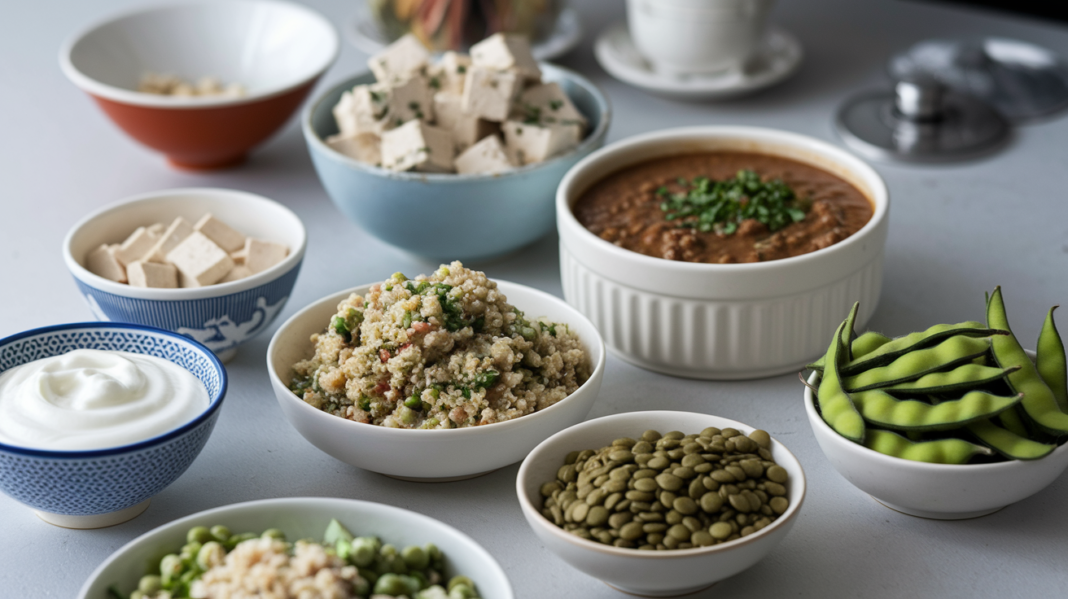
Everyday foods like lentils, tofu, tempeh, beans and seeds make meals that hit 20 grams or more per serving without odd substitutes or long prep.
This post lays out eight recipes, fast swaps, and simple meal prep tricks with protein counts so you can cook once and eat well all week.
No guesswork, just numbers and real food.
High-Protein Vegan Meal Ideas With Protein Counts Per Serving
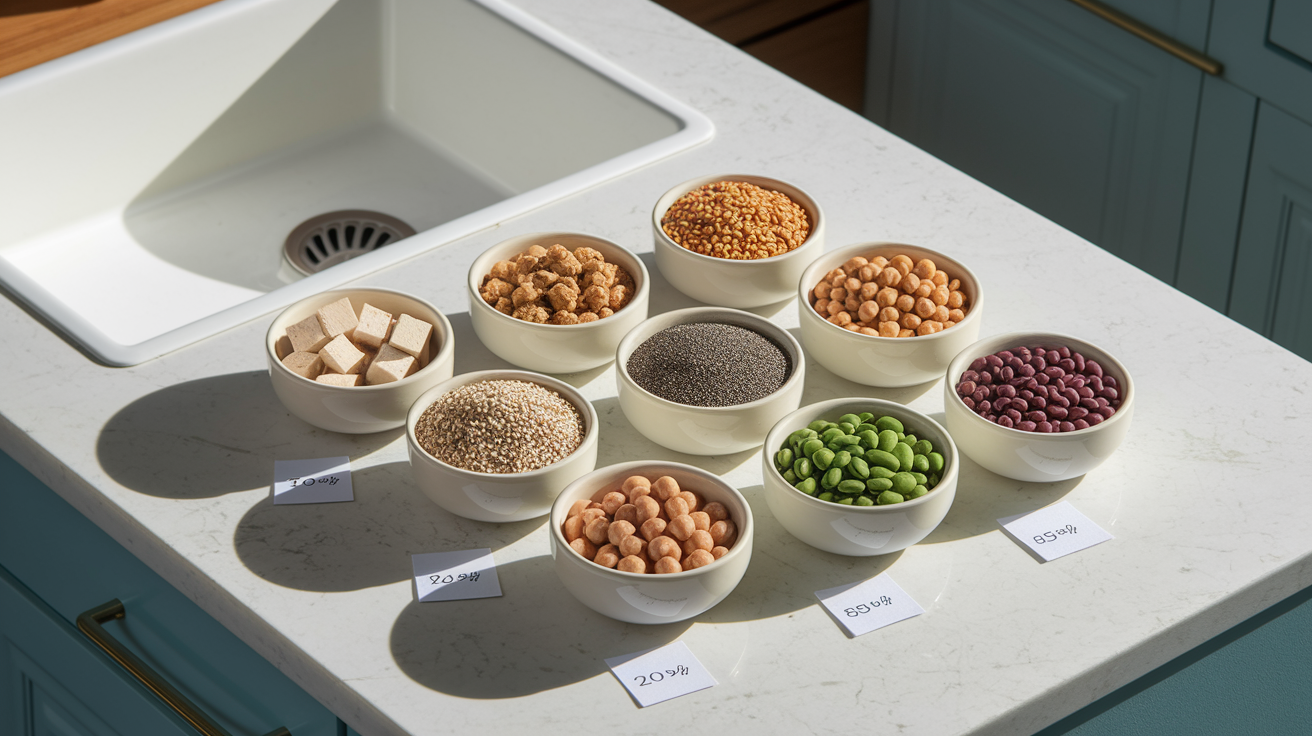
A high-protein vegan meal hits around 20 grams or more per serving. That protein comes from legumes, tofu, tempeh, seeds, and other concentrated plant sources. Nothing exotic. Just everyday staples you can toss into a grocery cart and actually use before they go bad.
The fastest options take under 20 minutes. Three Bean Salad lands between 24 and 32 g protein per serving and you’re done in about 10 minutes. Baked Tofu, prepped without oil, clocks in under 20 minutes and pairs with nearly any grain or vegetable you’ve got lying around. Berry Chia Pudding? Blend soy milk, berries, and dates. Stir in chia seeds. Let the fridge do its thing overnight. Wake up to 25 g protein.
Bowls, soups, and salads are the backbone here. They layer protein sources, they reheat without turning into mush, and they let you swap ingredients based on what’s actually in your pantry. Batch-cook lentils, quinoa, or tofu on Sunday and you’re halfway to lunch or dinner Monday through Thursday.
Here are eight specific recipes with their per-serving protein counts:
- Crispy Chicken Caesar Salad – 36 g per serving (using breaded plant chicken like Daring)
- Vermicelli Noodle Bowl – 35 g per serving
- Skillet Nacho Dip – 34 g per serving (pea protein ground beef plus refried beans)
- Macaroni Salad – 30 g per serving (tofu gives it that eggy texture)
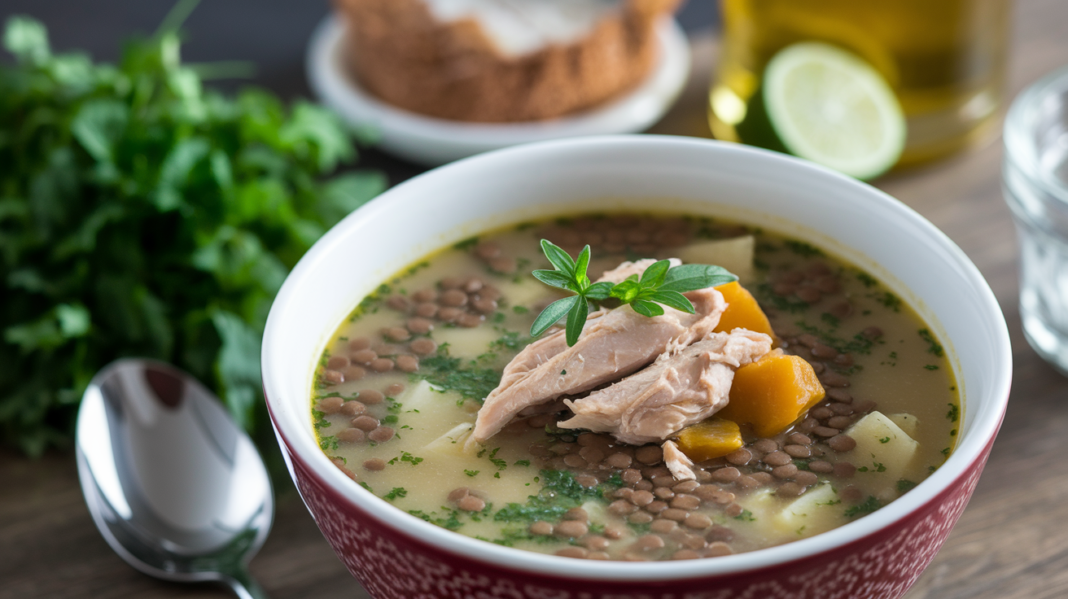
- Zuppa Toscana – 27 g per serving (potatoes, kale, vegan sausage)
- Bananas and Cream Oatmeal – 26 g per serving
- Berry Chia Pudding – 25 g per serving (soy milk, chia seeds, blueberries)
- Apricot Glazed Tempeh – 25 g per serving (pair with brown rice and toasted pumpkin seeds)
Understanding Vegan Protein Sources for High-Protein Meals
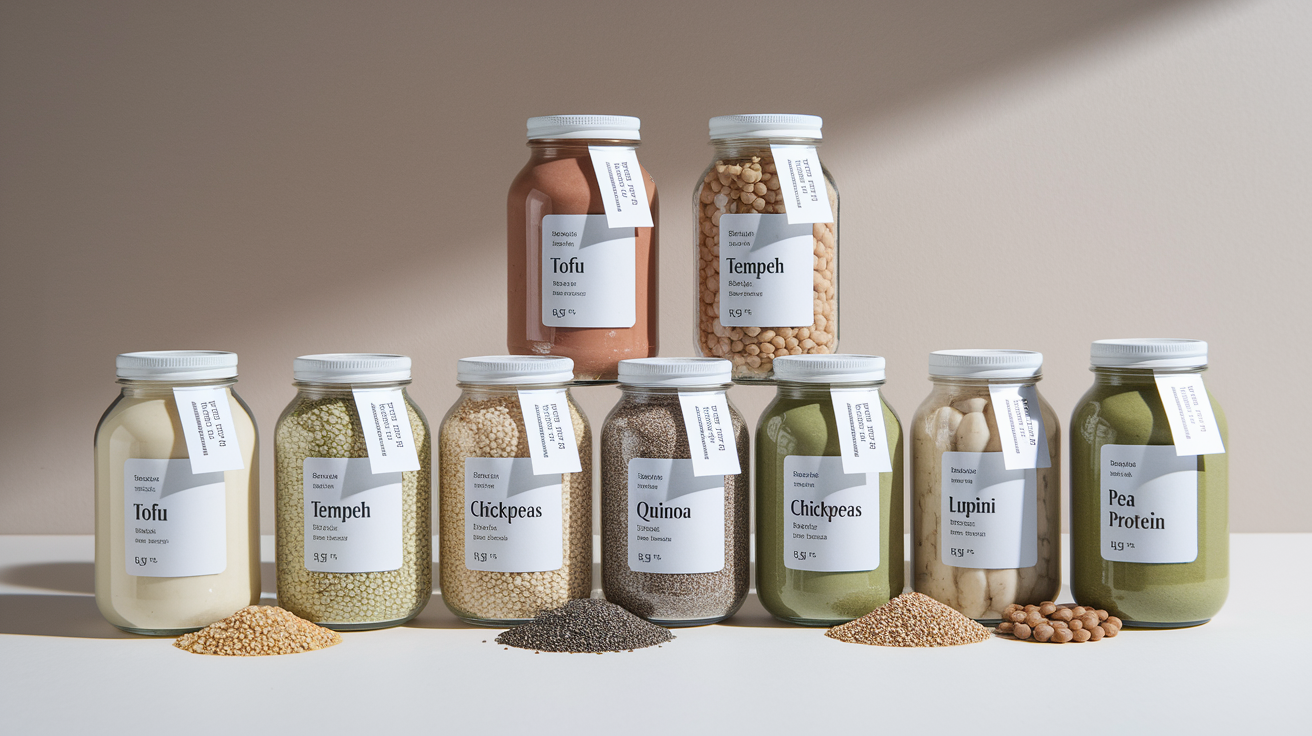
Not all plant proteins bring the same amino acid lineup, but you don’t need a biochemistry degree to build complete meals. Legumes like lentils, chickpeas, and black beans pack lysine but run lower on methionine. Grains like quinoa and brown rice supply methionine but less lysine. Eat both in the same meal or across the same day and the amino acids cover each other. Tofu ricotta over lentils and quinoa does exactly that.
The highest density sources show up across these recipes for good reason. They pack more protein per cup than vegetables or fruit. Tofu and tempeh both start from soybeans, but tempeh’s fermentation and whole bean structure push it slightly higher in protein and fiber. Lentils and mung beans cook faster than most dried legumes and hold their texture in soups and bowls. Pea protein crumbles and soy sausages concentrate protein into smaller portions, useful when you need a quick boost without doubling plate volume. Lupini beans, less common but increasingly available pickled in jars, deliver around 26 g protein per cup and slot into salads with zero cooking.
| Protein Source | Avg. Protein per Serving | Best Use Cases |
|---|---|---|
| Tofu (extra-firm, 4 oz / 113 g) | ~10–12 g | Crumbled into bowls, pressed and baked, blended into ricotta or sauces |
| Tempeh (3 oz / 85 g) | ~15–16 g | Marinated and grilled, crumbled into grain bowls, sliced for sandwiches |
| Lentils (cooked, 1 cup / 198 g) | ~18 g | Soups, grain bowls, sloppy joe filling, base for stews |
| Chickpeas (cooked, 1 cup / 164 g) | ~15 g | Roasted for salads, blended into hummus or sauces, tossed into curries |
| Quinoa (cooked, 1 cup / 185 g) | ~8 g | Grain-bowl base, side dish, mixed with legumes for complete amino acids |
| Chia Seeds (2 tbsp / 28 g) | ~5 g | Puddings, smoothie thickener, topping for oatmeal or yogurt |
Breakfast High-Protein Vegan Meals for Busy Mornings
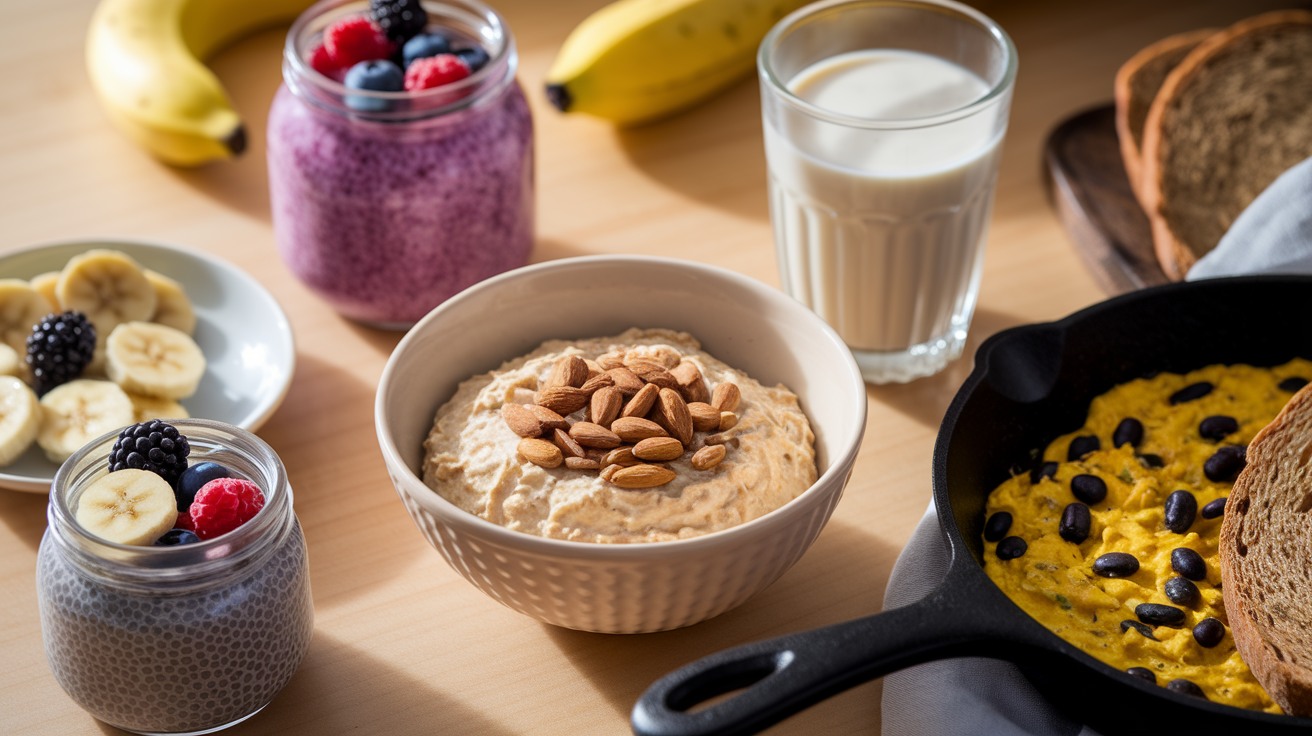
Starting the day with 20 grams or more of protein steadies blood sugar and delays mid-morning hunger better than toast or a banana alone. Protein slows gastric emptying. You stay fuller longer without needing a second breakfast by 10 a.m. Soy milk, chia seeds, hemp seeds, and nut butters turn familiar breakfast formats into higher protein versions without adding much prep time.
Berry Chia Pudding blends soy milk with frozen blueberries and a few dates for sweetness, then chia seeds gel the mixture overnight into a thick, spoonable breakfast with 25 g protein per serving. Bananas and Cream Oatmeal uses a higher protein oat base and likely includes soy milk or protein powder to reach 26 g per bowl. Both options prep in under 10 minutes of active work and hold in the fridge for grab and go mornings.
Quick breakfast combinations that clear 20 g protein:
- Overnight oats made with soy milk, chia seeds, and a scoop of hemp hearts, topped with almond butter
- Tofu scramble with nutritional yeast, black beans, and whole grain toast
- Smoothie bowl with frozen berries, soy milk, silken tofu, and a tablespoon of nut butter, topped with granola and seeds
- Whole grain toast spread with smashed edamame or white bean hummus, sprinkled with hemp seeds
High-Protein Vegan Lunches and Bowls for Sustained Energy
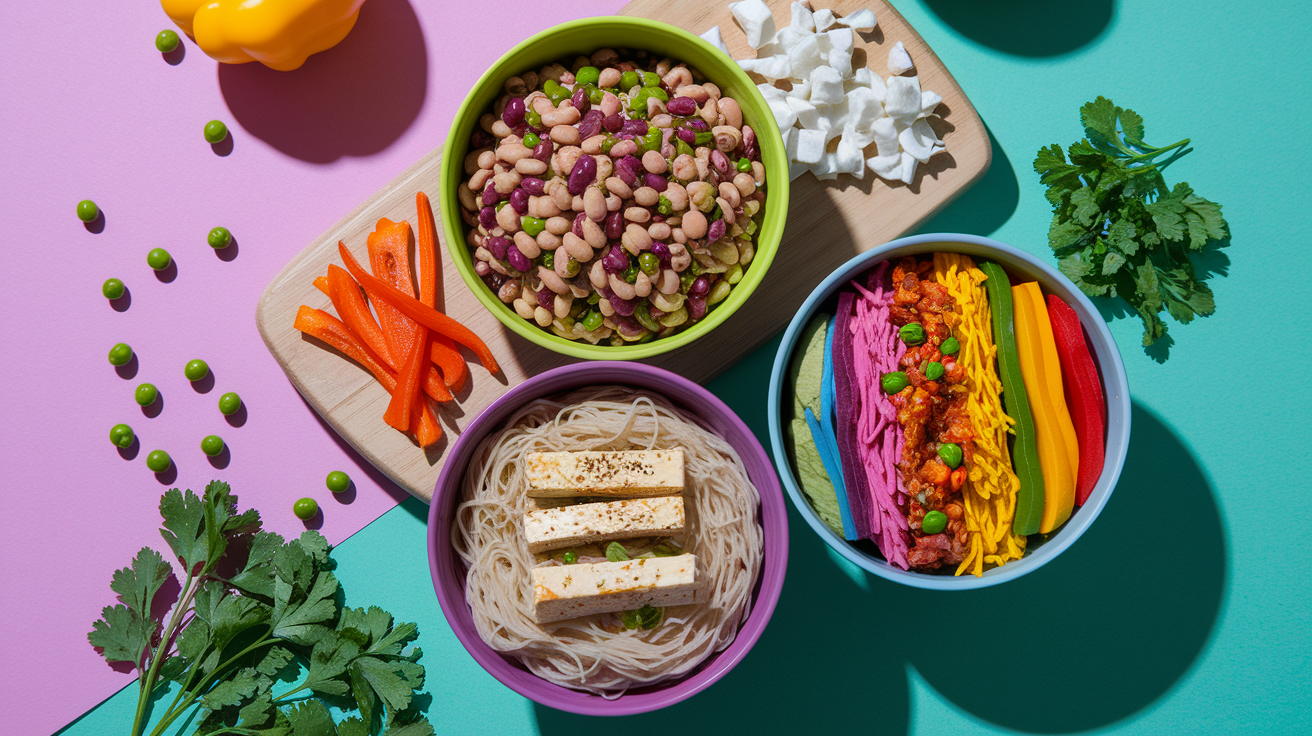
Bowls pack protein, fiber, and variety into one dish without requiring separate side prep. A base of cooked grains or greens. A scoop of legumes or tofu. A handful of raw or roasted vegetables. A tahini or nut sauce. That covers amino acids, micronutrients, and enough calories to carry you through the afternoon. The format also scales easily for meal prep. Cook quinoa and lentils on Sunday, chop vegetables Monday morning, assemble five containers. You’re set.
Three Bean Salad delivers 24 to 32 g protein per serving depending on portion size and whether you add lupini beans, which spike the count higher than a standard chickpea, kidney, black bean mix. Vermicelli Bowl, at 35 g per serving, layers rice noodles with marinated tofu or tempeh, shredded vegetables, herbs, and a peanut or almond sauce. It eats like a full meal and holds up in the fridge for three to four days. Rainbow Taco Salad brings 20 g protein from seasoned black beans or pea protein crumbles over greens, tomatoes, corn, and avocado.
Lentil Salad falls under 30 minutes to prep, highly customizable, and works warm or cold. You can toss cooked lentils with roasted vegetables, a handful of arugula, and a lemon tahini dressing for a lunch that doesn’t need reheating. The combination of lentils and tahini covers lysine and methionine, giving you complete amino acid coverage in one bowl. If your week is chaos, prep the lentils and dressing ahead, then mix them with whatever vegetables didn’t wilt in the crisper drawer.
High-Protein Vegan Dinner Options for Strength and Recovery
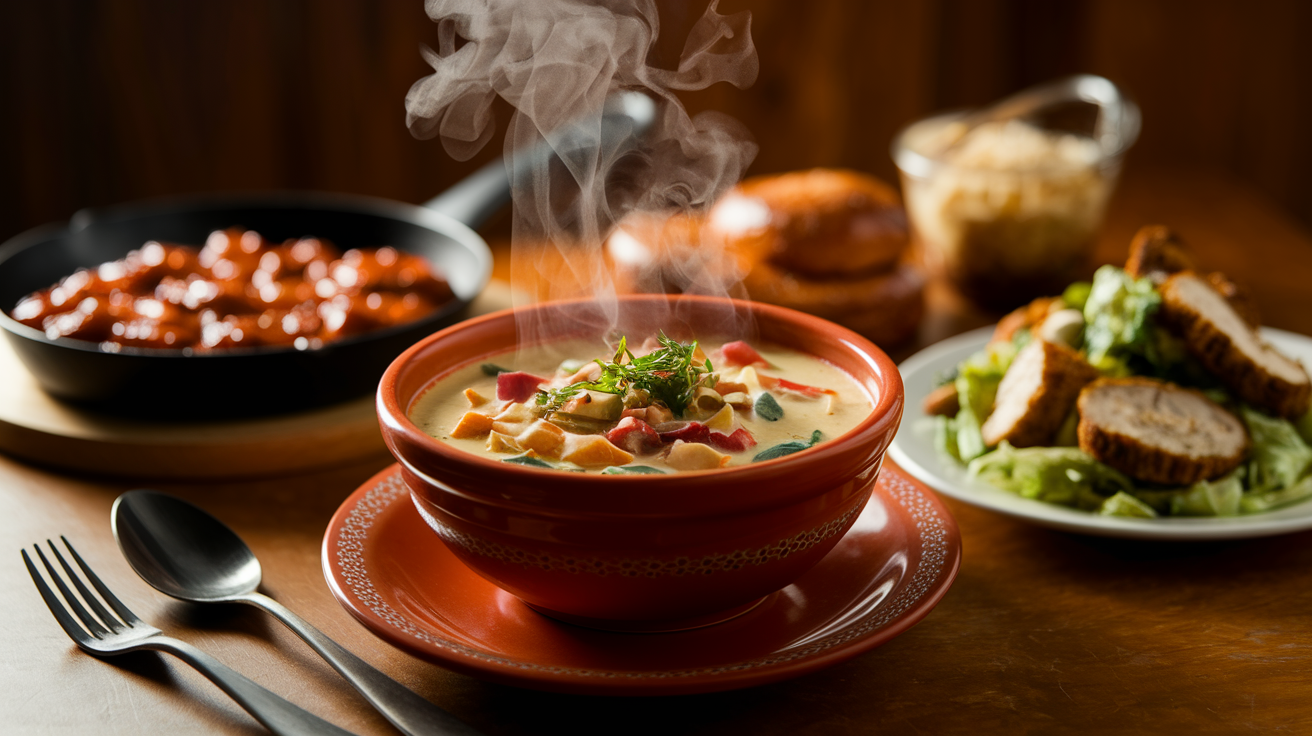
Dinner is where you can lean into higher volume, slower cooked meals that support muscle repair and keep you full through the evening. Protein intake around 20 to 30 g per meal supports muscle protein synthesis after strength training and helps maintain lean mass during weight loss or maintenance phases. Evening meals also offer more time to cook and sit down, so one pot stews, sheet pan roasts, and skillet dinners fit naturally.
Zuppa Toscana, with 27 g protein per serving, combines potatoes, kale, and plant sausage in a creamy broth. It’s a high volume soup that reheats well and stretches across multiple meals. One Pot Hamburger Helper hits 24 g protein from pea protein crumbles and pasta, and the single pan cleanup makes it weeknight friendly. Crispy Chicken Caesar Salad, at 36 g per serving when using breaded plant chicken, turns a salad into a full dinner with enough protein to recover from a workout.
Tempeh and tofu anchor most high protein vegan dinners because they brown well, absorb marinades, and hold their structure under heat. Grilled Rosemary Tempeh Flatbread delivers 23 to 35 g protein depending on how many flatbreads you plate per person. Skillet Nacho Dip, with 34 g protein per serving, works as a shared appetizer or a main dish when scooped over rice or roasted sweet potatoes. Apricot Glazed Tempeh pairs with brown rice, roasted squash, and toasted pumpkin seeds for a balanced plate that clears 25 g protein and adds healthy fats and fiber.
Here are eight dinner recipes with approximate protein per serving:
- Crispy Chicken Caesar Salad – 36 g (breaded plant chicken, romaine, nut parmesan)
- Skillet Nacho Dip – 34 g (pea protein ground beef, refried beans, cashew cheese)
- Zuppa Toscana – 27 g (vegan sausage, potatoes, kale)
- Apricot Glazed Tempeh – 25 g (tempeh, brown rice, roasted squash, pumpkin seeds)
- Dirty Rice – 25 g (seasoned tofu, bell pepper, onion, celery, rice)
- One Pot Hamburger Helper – 24 g (pea protein crumbles, pasta, tomato sauce)
- Grilled Rosemary Tempeh Flatbread – 23 to 35 g (tempeh, flatbread, greens, tahini drizzle)
- Roasted Vegetable Pasta – 21 g (high protein pasta, roasted vegetables, white beans)
Meal Prep Strategies for High-Protein Vegan Meals
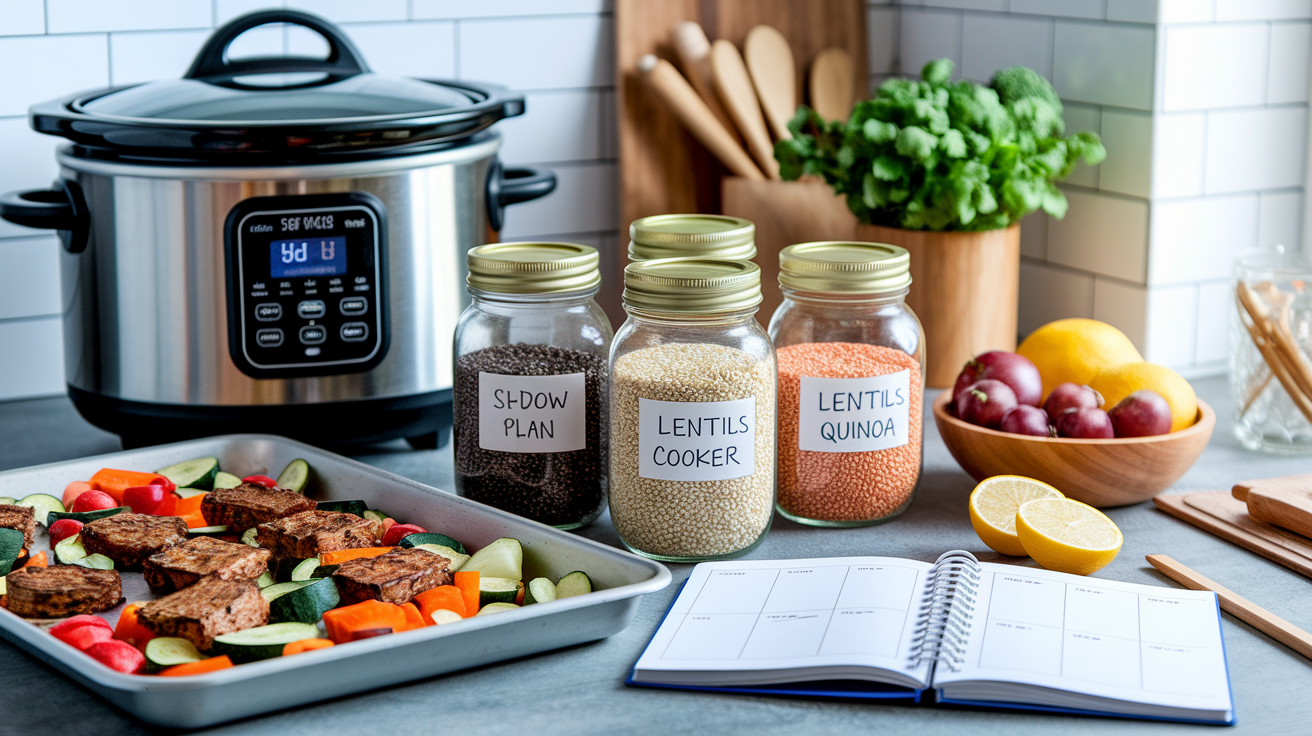
Batch cooking proteins and grains on Sunday cuts weeknight decision making to nearly zero. Cook a full pot of lentils, press and bake two blocks of tofu, roast a sheet pan of tempeh, and store everything in separate containers. When you need lunch or dinner, pull one protein, one grain, and whatever vegetables survived the week. Toss with tahini or a nut sauce. Done.
Smashed edamame spread holds in the fridge for 7 to 10 days, which means one batch covers toast, wraps, and bowl toppings all week. Almond butter sauce for noodle bowls doubles easily and keeps for five days, ready to toss with pasta, tofu, and steamed broccoli in under 15 minutes. Quinoa spreads better on a sheet pan to cool, which prevents clumping and gives you a fluffier base for bowls. Slow cooker meals like Lentil Sloppy Joes or Butter Chickpeas with Tofu let you load ingredients in the morning and come home to a finished dinner that stores for four to five days.
| Prep Method | Shelf Life | Best Recipes to Use |
|---|---|---|
| Sheet-pan roasting | 4–5 days refrigerated | Tempeh bowls, roasted vegetable pasta, apricot glazed tempeh |
| Slow cooker | 4–5 days refrigerated; 3 months frozen | Lentil sloppy joes, butter chickpeas with tofu, zuppa toscana |
| One-pot stovetop | 3–4 days refrigerated | Dirty rice, one-pot hamburger helper, chili mac |
| Cold assembly (no-cook) | 7–10 days for spreads; 3–4 days for assembled bowls | Three bean salad, lentil salad, smashed edamame toast |
| Batch proteins (tofu, tempeh, lentils) | 5–7 days refrigerated | Any bowl, salad, wrap, or skillet dinner; mix and match through the week |
Nutritional Considerations for High-Protein Vegan Eating
Daily protein needs sit around 0.8 g per kilogram of body weight for general health, and closer to 1.6 to 2.2 g per kilogram if you’re training for strength or muscle gain. A single high protein vegan meal supplying 25 to 30 g covers roughly one quarter to one third of daily needs for most people, which leaves room for lighter meals or snacks without stress.
Fiber comes along for the ride in most plant based high protein meals. Lentils, beans, quinoa, and whole grain pasta all deliver soluble and insoluble fiber, which supports digestion, cholesterol management, and gut health. The tempeh sheet pan recipe mentioned earlier supplies 12.4 g fiber per serving, nearly half the recommended daily intake. That’s a bonus you don’t get from animal based high protein meals. Beans also bring lysine, an amino acid often lower in grains, plus iron, zinc, magnesium, and folate.
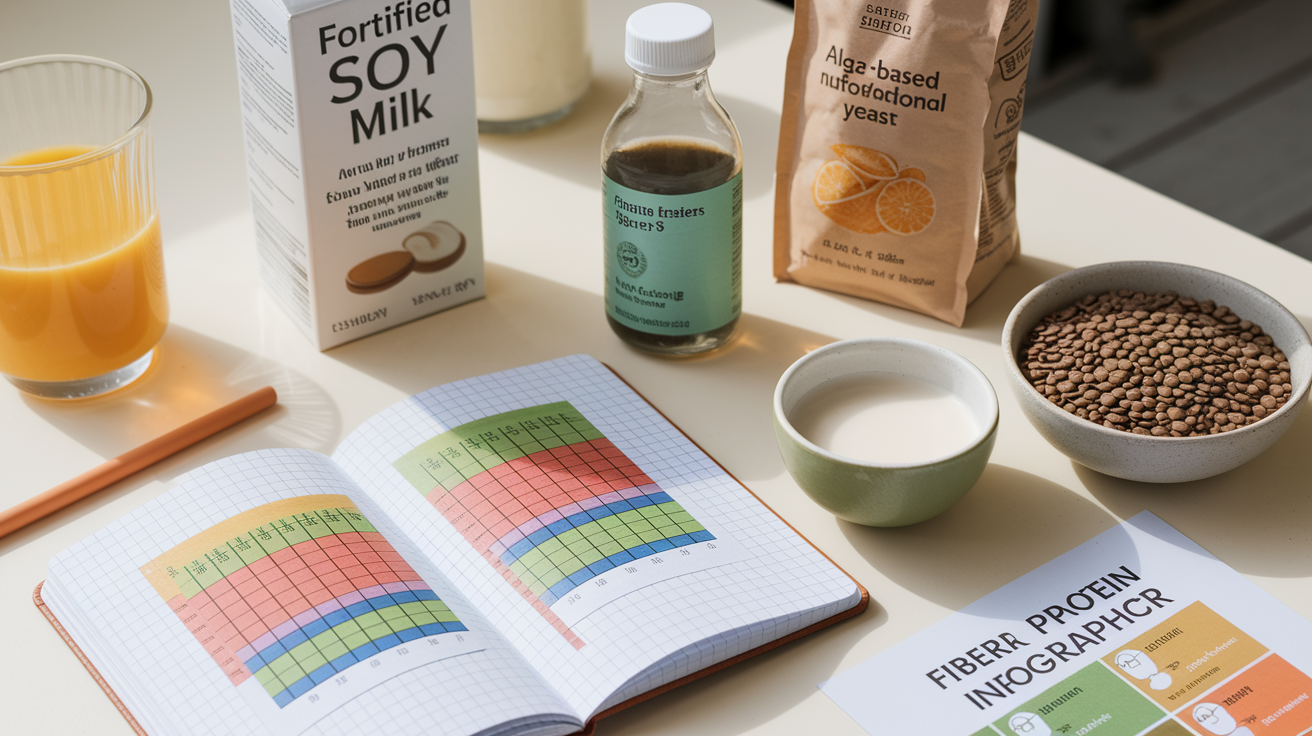
B12, omega-3s, and calcium require deliberate attention on a vegan diet because they’re harder to get from whole foods alone. Fortified soy milk, nutritional yeast, and algae based omega-3 supplements fill those gaps. Many of the meals already include fortified plant milks or nutritional yeast for flavor and nutrition. If you’re eating a variety of legumes, greens, seeds, and fortified products across the week, micronutrient coverage follows without needing a spreadsheet.
Final Words
Packed with 18 recipes and clear grams-of-protein labels, this guide gives fast breakfasts, hearty lunches, and filling dinners you can actually make. You saw quick wins like Three Bean Salad and Bananas & Cream Oatmeal, plus higher-effort options for strength and recovery.
Use protein sources like tofu, tempeh, legumes and quinoa and the meal-prep tips to build bowls, soups and sheet-pan meals that fit your week. If a day is chaotic, pick the 20-minute options.
Now pick two recipes, prep once, and enjoy high protein vegan meals all week. You got this.
FAQ
Q: What makes a vegan meal “high-protein”?
A: A high-protein vegan meal contains 20+ grams of protein per serving or uses dense protein ingredients like tofu, tempeh, legumes, seitan, or concentrated soy and pea products to meet muscle and satiety needs.
Q: What are the best vegan protein sources for high-protein meals?
A: The best vegan protein sources are tofu, tempeh, seitan, lentils, chickpeas, edamame, quinoa, and nuts or seeds; they pack the most grams per serving and mix well for complete amino acids.
Q: How much protein should I aim for per meal and per day?
A: Aim for roughly 20–40 grams per meal to support muscle and fullness; daily needs vary by weight and activity, but many people target 0.6–0.8 grams per pound of bodyweight.
Q: Which quick high-protein vegan breakfasts work and how much protein do they give?
A: Quick high-protein vegan breakfasts include Bananas & Cream Oatmeal (about 26 g) and Berry Chia Pudding (about 25 g); use soy milk, chia, and protein-rich toppings to hit 20+ grams fast.
Q: What lunch bowls and salads give steady energy and how much protein do they contain?
A: Lunch bowls like Three Bean Salad (24–32 g), Vermicelli Bowl (35 g), and Rainbow Taco Salad (about 20 g) combine legumes, grains, and seeds for lasting energy and complete proteins.
Q: Which high-protein vegan dinners support strength and recovery?
A: Dinners like Zuppa Toscana (27 g), Crispy “Chicken” Caesar Salad (36 g), Skillet Nacho Dip (34 g), and Apricot Glazed Tempeh (25 g) use dense soy, tempeh, or legume blends for post-workout recovery.
Q: How can I quickly boost protein in any vegan meal?
A: You can boost protein by adding tofu, tempeh, cooked beans, edamame, hemp or pumpkin seeds, high-protein pasta, or a scoop of plant protein powder to reach your target grams per serving.
Q: What meal prep strategies keep high-protein vegan meals tasting good and fresh?
A: Batch cook grains and legumes, roast tempeh or tofu on a sheet pan, double sauces, and store in airtight containers; most cooked meals last 4–5 days, some components 7–10 days, or freeze for longer.
Q: Are vegan proteins complete, and how do I combine foods for full amino acids?
A: Vegan proteins can be complete by mixing foods—like lentils with quinoa, beans with whole-grain bread, or tofu with rice—so you get all essential amino acids over the day.
Q: What micronutrients should I watch on a high-protein vegan plan?
A: Watch vitamin B12, iron, calcium, zinc, and omega-3s; include fortified foods, legumes, leafy greens, nuts or seeds, and consider a B12 supplement if you don’t eat fortified products.