Is swapping your regular pasta for protein pasta a smart move—or just another food trend?
It often is, especially if you want more protein, more fiber, and meals that keep you full longer.
In this post we’ll cut through the hype.
You’ll get a clear nutrition comparison, a short list of brands that actually taste and hold up, and a simple checklist for choosing by protein, texture, price, and diet needs.
No nonsense. Just what to buy and why it fits your weeknight cooking.
Understanding What Protein Pasta Is
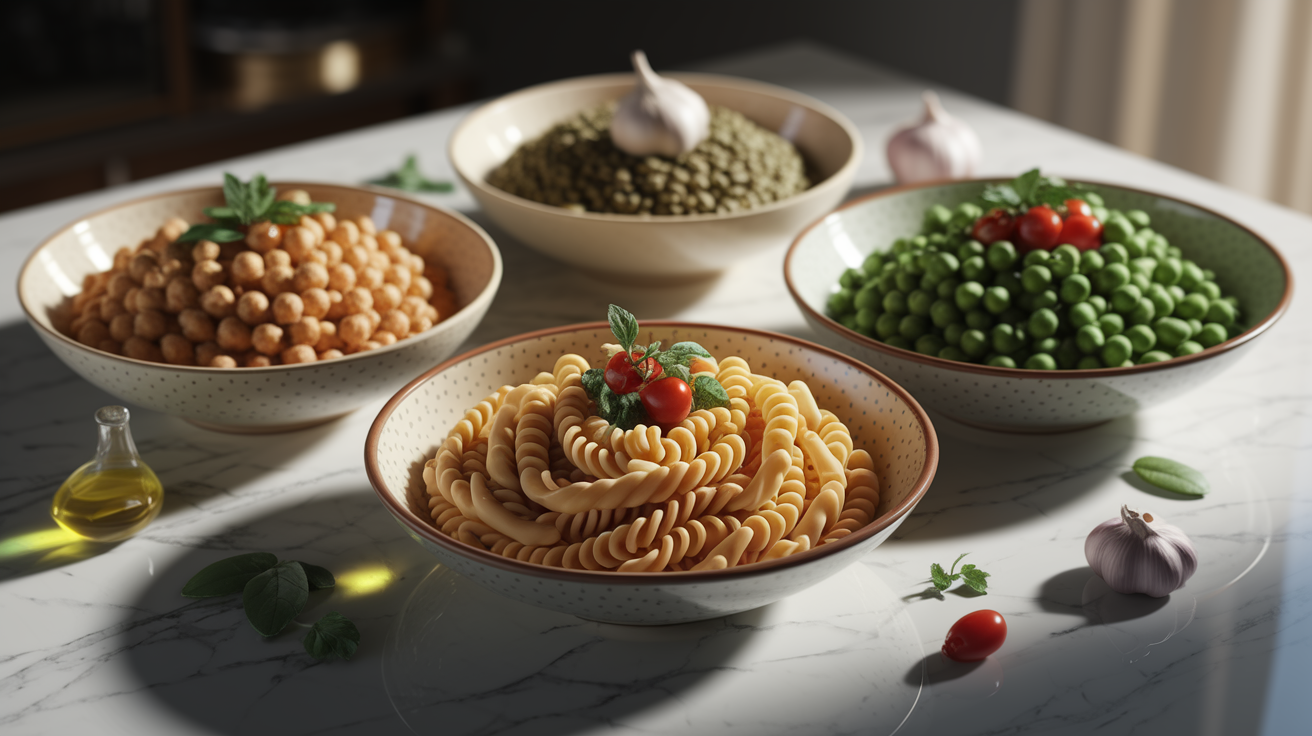
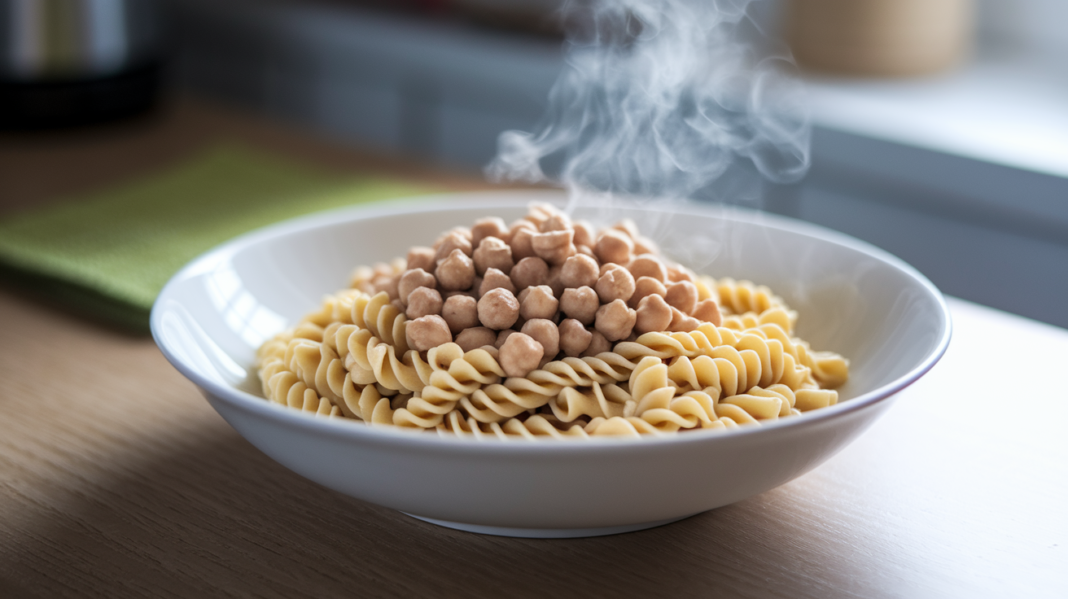
Protein pasta swaps traditional wheat flour for high-protein ingredients like chickpeas, lentils, or edamame. Some brands mix wheat with pea or soy protein isolates, but most lean on legume bases. You’re looking at 12 to 25 grams of protein in a standard 2-ounce dry serving, compared to the 7 or 8 grams you’d get from regular semolina pasta. Fiber’s higher too, and net carbs often drop.
A lot of these are gluten-free by default, which works if you’re dealing with celiac or just prefer to avoid gluten. The texture and taste change depending on what it’s made from, but you’ll find the usual shapes: penne, spaghetti, rotini, elbows. They all cook fast and work with whatever sauce you’d normally use.
People grab protein pasta when they want to hit protein targets without adding another chicken breast or protein shake to the day. It’s also helpful if you’re trying to feel full longer or keep your energy steady after meals. Meal prep’s easier because it cooks in minutes and holds up in the fridge without getting soggy.
Main reasons to use it:
- More protein per serving. Chickpea pasta gives you around 12 grams, edamame-based ones push closer to 25. Regular wheat pasta? Seven or eight.
- Higher fiber. You’re getting 5 to 12 grams depending on the brand, which helps with digestion and keeps you full.
- Gluten-free versions. Legume-based pastas skip gluten entirely, though wheat blends don’t.
- Simple ingredients. Most use legume flours without a ton of processing or additives.
Nutritional Comparison Between Protein Pasta and Regular Pasta
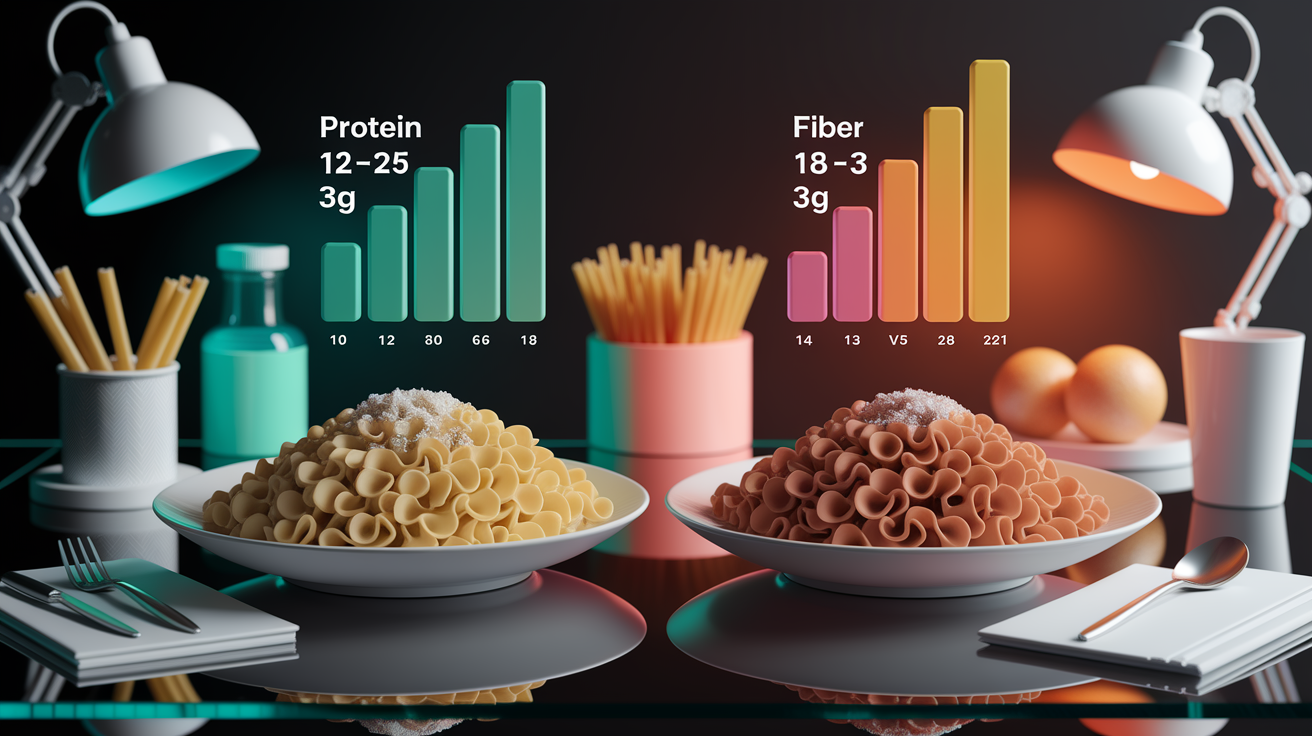
The macro split changes in ways that actually matter when you’re planning meals. Regular semolina pasta runs about 200 calories per 2-ounce dry serving, with 7 to 8 grams of protein, 40 to 42 grams of carbs, and 2 to 3 grams of fiber. Chickpea or lentil pasta lands somewhere between 180 and 220 calories, with 12 to 16 grams of protein, 30 to 37 grams of carbs, and 5 to 9 grams of fiber. Edamame and soy versions push protein even higher, sometimes hitting 20 to 25 grams, with fiber in the 8 to 12 gram range.
Carbs look similar at first, but the extra fiber brings net carbs down by 5 to 15 grams depending on what you pick. That difference helps if you’re watching blood sugar or just don’t want a big glucose spike after lunch.
| Category | Protein Pasta | Regular Pasta |
|---|---|---|
| Protein | 12–25 g | 7–8 g |
| Carbohydrates | 30–37 g | 40–42 g |
| Fiber | 5–12 g | 2–3 g |
| Calories | 180–260 | ~200 |
Practical Benefits of Choosing Protein Pasta
Swapping regular pasta for a chickpea or edamame version adds 6 to 15 grams of protein per serving without changing how you build the meal. If you’re aiming for 100 to 150 grams of protein daily, that boost makes it easier to hit your target without grilling extra chicken or blending another shake. It also keeps you full longer, which helps if you’re trying to cut down on snacking between meals or late at night.
The extra fiber slows digestion, so your blood sugar doesn’t spike and crash the way it might after a big bowl of refined wheat pasta. That’s useful if you’re managing insulin sensitivity or just don’t like feeling sluggish an hour after lunch. Protein pasta also holds up better in meal prep. The firmer texture stays good in the fridge for 3 to 5 days without turning mushy, which saves you from cooking every single night.
For vegetarians and vegans, it’s an easy plant-based protein source that pairs with vegetables, beans, or simple sauces. You don’t need to plan a separate protein component for every dinner, which makes weeknight cooking faster.
Common Protein Sources Used in Protein Pasta
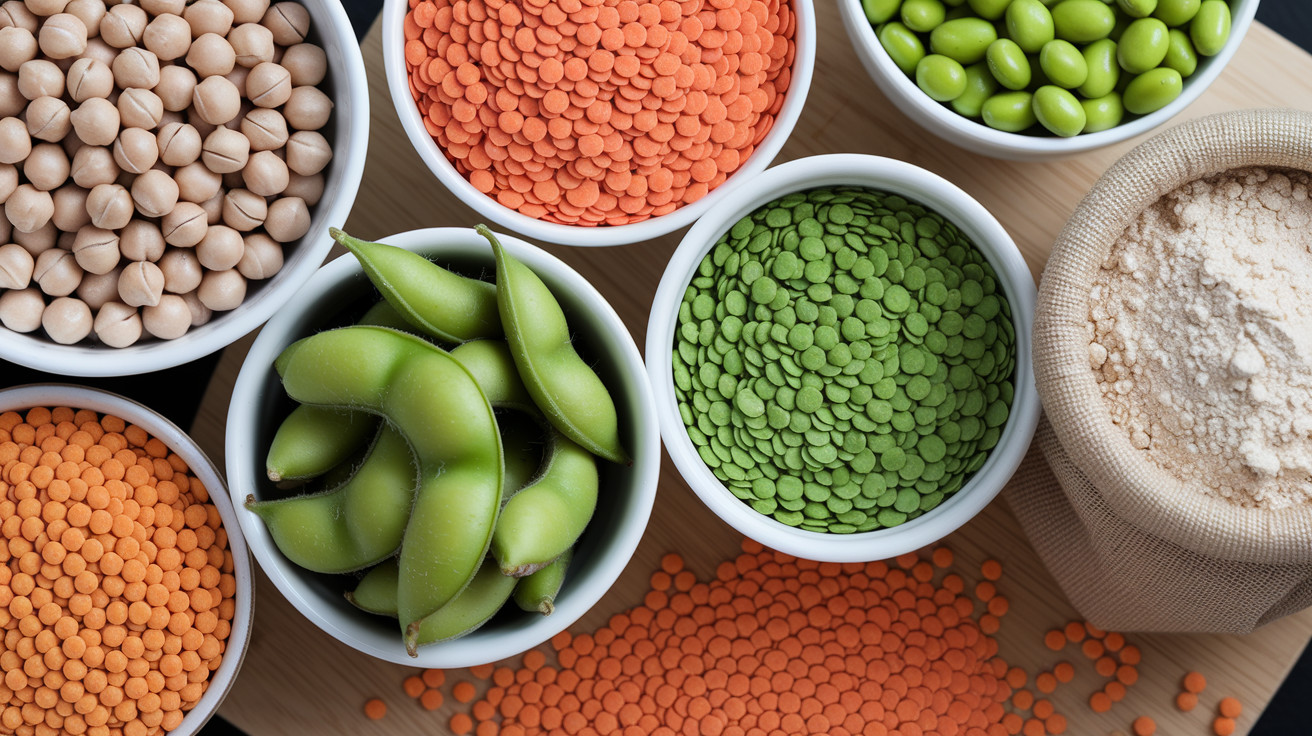
Chickpea pasta is what you’ll see most often. It gives you 12 to 15 grams of protein per serving, has a slightly nutty flavor, and a denser texture than wheat pasta. The color’s pale yellow, and the chew is more substantial. Some people love it, others find it too heavy. It holds its shape well in sauces and works hot or cold.
Lentil pasta, usually made from red or green lentils, delivers 12 to 16 grams of protein with a similar fiber boost. Red lentil pasta has a mild, earthy taste and can get soft if you overcook it. Green lentil pasta’s firmer and handles heavier sauces or baked dishes better. Both have a neutral enough flavor that they don’t overpower other ingredients.
Edamame and soy-based pastas pack the most protein, typically 20 to 25 grams per serving, plus 8 to 12 grams of fiber. They’re green and have a distinct bean flavor that’s more noticeable than chickpea or lentil options. The texture’s firm and springy, closer to traditional spaghetti in some brands. Edamame pasta works best in Asian-style dishes or simple preparations where the flavor fits with sesame, ginger, or soy-based sauces.
Mixed-legume blends combine chickpea, lentil, or pea flours to balance taste and texture. They land in the middle for protein and fiber while offering something closer to what you’re used to from regular pasta.
Top Brands of Protein Pasta
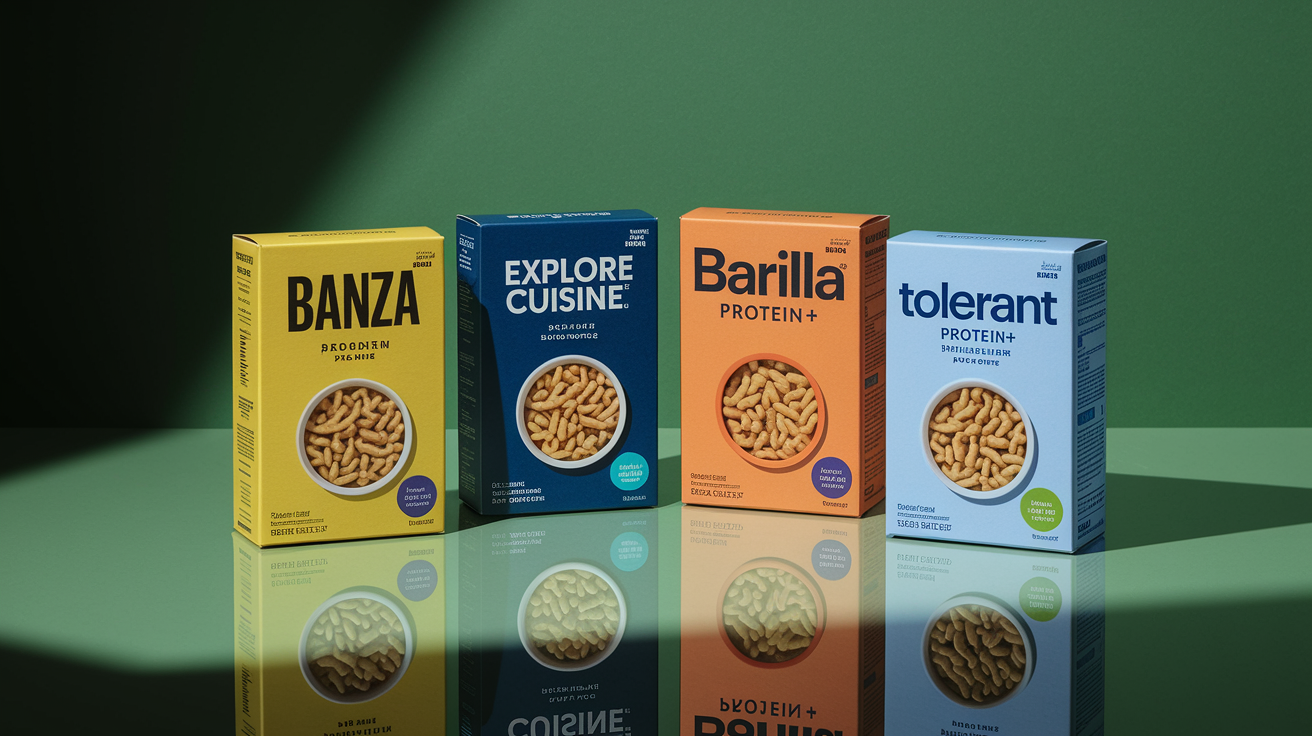
A few brands have become reliable choices for people who want more protein without giving up convenience. These are widely available and consistent across different shapes.
Banza uses chickpeas and delivers 13 to 14 grams of protein and 7 to 8 grams of fiber per serving. You’ll find it in penne, spaghetti, shells, elbows. Texture’s firm and slightly nutty. Price runs $2.50 to $4.00 per 8-ounce box.
Explore Cuisine makes edamame, black bean, and mung bean pastas with 20 to 24 grams of protein per serving. Fiber’s higher too, 8 to 12 grams, but the legume flavor is more pronounced. Price is usually $3.50 to $5.00 per 8-ounce box. Best for recipes where the bean taste works with the dish.
Barilla Protein+ blends wheat with added protein from legumes and grains. You get 10 to 12 grams of protein per serving, and the texture and taste are closest to traditional pasta. Price is around $1.99 to $3.49 per 12-ounce box. Good if you’re transitioning from regular pasta and don’t want a big flavor shift.
Tolerant offers red lentil and green lentil pastas with 12 to 16 grams of protein. Single-ingredient products, just lentil flour and water. Cooks quickly and has a mild flavor. Typically $2.50 to $4.50 per 8 to 12 ounce box. Widely available at natural food stores and major supermarkets.
Where to Buy Protein Pasta
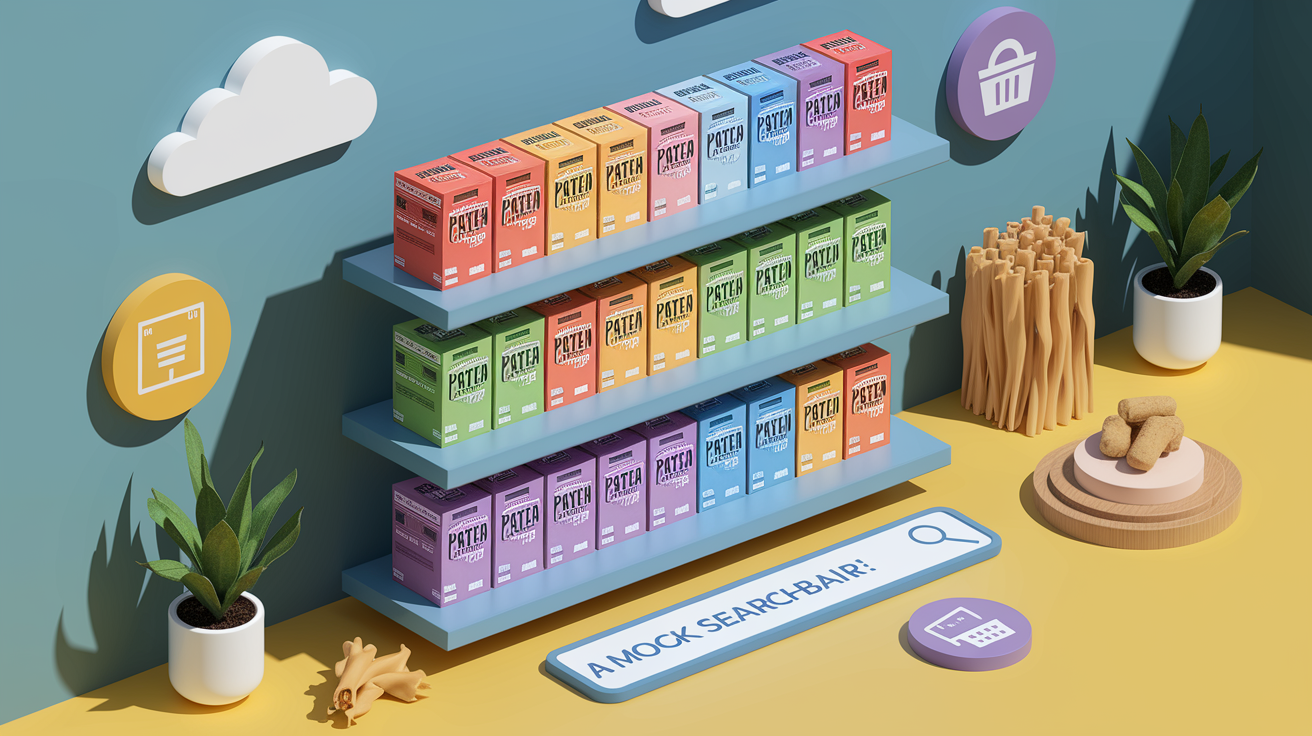
You’ll find protein pasta in the regular pasta aisle at most big grocery chains now, usually near gluten-free or health-focused products. Whole Foods, Trader Joe’s, Target, and Walmart all carry multiple brands and shapes. Natural food co-ops and regional supermarkets stock chickpea, lentil, and edamame pastas too, sometimes with store-brand versions at lower prices. Warehouse clubs like Costco occasionally carry bulk packs, which brings the per-unit cost down if you use it regularly.
Online retailers like Amazon, Thrive Market, and brand websites give you the widest selection and often run sales that make stocking up cheaper. Buying online lets you compare protein content, serving sizes, and prices per ounce before you commit. If you’re trying a new type for the first time, grab a single box from a local store to test texture and flavor before ordering larger quantities online.
Easy Protein Pasta Recipes
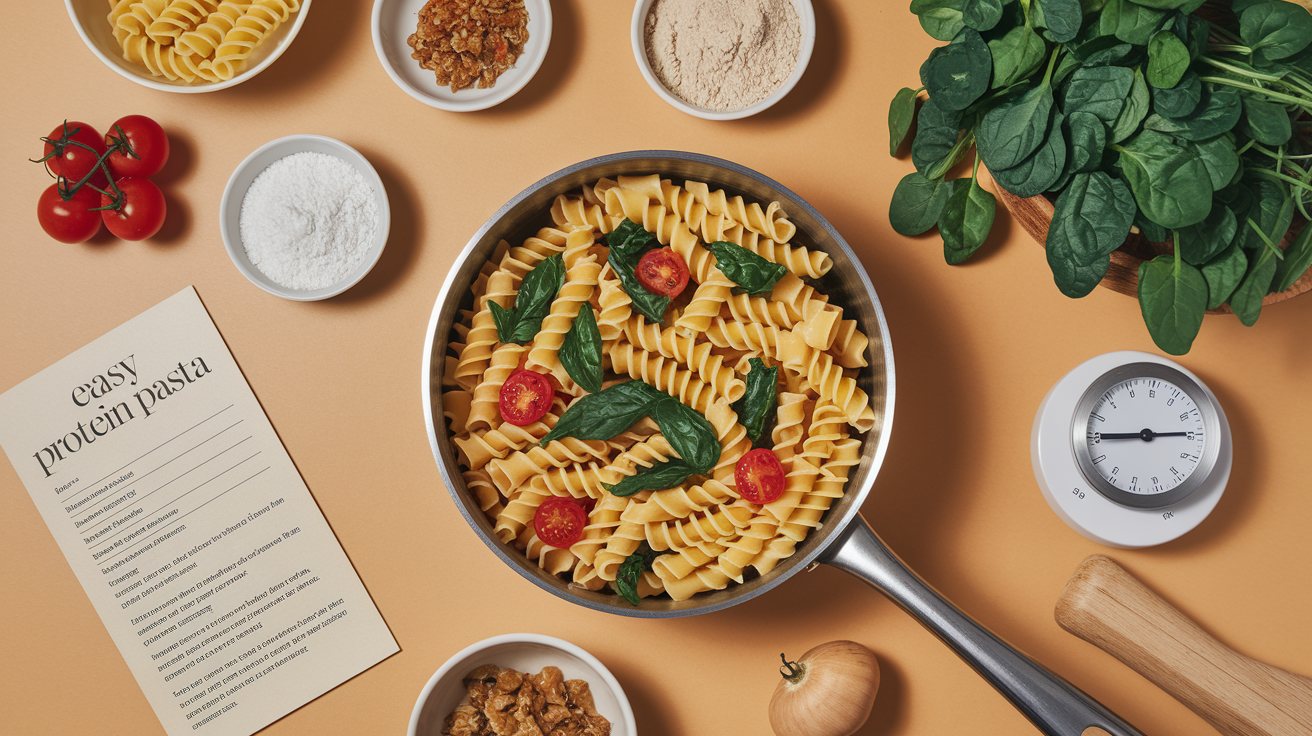
Protein pasta cooks in 6 to 11 minutes depending on the brand and shape, so it fits into weeknight meals without much planning. The higher protein and fiber mean you can build a balanced plate with fewer extra ingredients. Simple sauces work best because the pasta itself has more flavor than wheat noodles. Overcooking turns legume-based pasta mushy, so watch the clock.
Simple weeknight sauté. Cook 8 ounces of chickpea pasta according to package directions, usually 7 to 9 minutes. Toss with 2 cups halved cherry tomatoes, 3 cups baby spinach, 2 tablespoons olive oil, 1/4 cup grated Parmesan, and salt and pepper. The residual heat wilts the spinach and warms the tomatoes without needing a separate pan.
Protein pasta salad. Cook 8 ounces of edamame or green lentil pasta, rinse under cold water, and mix with 1 cup diced cucumber, 1/2 cup chopped red bell pepper, 1/3 cup parsley, 3 tablespoons lemon juice, 2 tablespoons olive oil, and salt. Yields 3 to 4 servings with 18 to 22 grams of protein per serving depending on the pasta base.
Baked pasta casserole. Layer 10 to 12 ounces of cooked lentil or chickpea pasta with 2 cups marinara, 1 cup ricotta or cottage cheese, and 1 cup shredded mozzarella in a baking dish. Bake at 375°F for 20 to 25 minutes until bubbly. The protein from the pasta and cheese makes this a complete meal with a simple side salad.
Final Words
Swap your usual bowl for protein pasta this week and see how it fits your meals.
You learned what protein pasta is, how it compares to regular pasta, the real-life benefits, common legume bases, top brands, where to buy, and a few easy recipes to try. Pick one recipe, grab a brand you like, and cook per package instructions. Pair with veggies or a lean protein.
Small steps, steady progress. Enjoy protein pasta meals and keep building this into your routine.
FAQ
Q: Is protein pasta good for you?
A: Protein pasta can be good for you because it has more protein and fiber than regular pasta, helping fullness and muscle support; choose legume-based varieties and watch portion size.
Q: What is the best pasta for kidney disease?
A: The best pasta for kidney disease depends on your stage; choose lower-potassium, lower-phosphorus, and moderate-protein options—plain wheat or labeled renal-friendly pastas—and check with your renal dietitian first.
Q: What type of pasta is high in protein?
A: Pasta made from legumes like chickpeas, lentils, and edamame is high in protein, often providing about 20–25 grams per serving versus 7–8 grams in regular wheat pasta.
Q: What is the best pasta for PCOS?
A: The best pasta for PCOS is higher-protein, higher-fiber options like legume-based or whole-grain pasta to help steady blood sugar and satiety; pair with lean protein and vegetables.