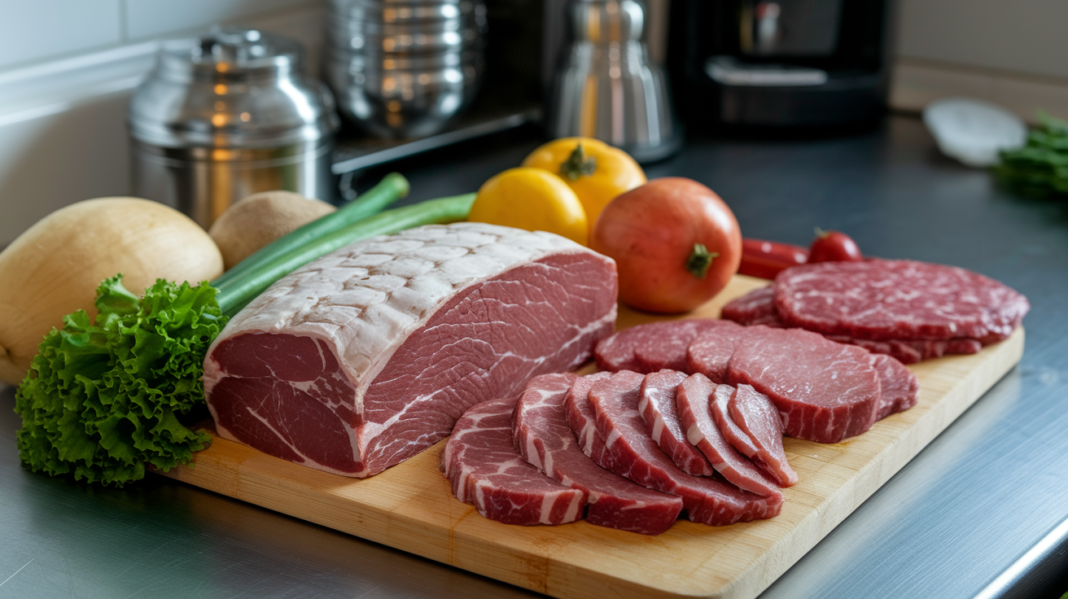
Want to eat meat that builds muscle without piling on fat?
Some cuts deliver 20-plus grams of protein per 100 grams while keeping fat in the single digits.
That means you stay full, hit your protein targets, and keep calories manageable.
This guide lists the top high-protein lean meats, shows the real numbers, and gives simple cooking and shopping tips so you get maximum nutrition with minimal fat.
Top Lean Meats Highest in Protein
When you’re hunting for protein that won’t pack on fat or blow your calorie budget, some meats just work better than others. Lean meat usually means under 10 grams of fat per 100 grams, with solid protein density so you’re getting more muscle fuel without the extra work.
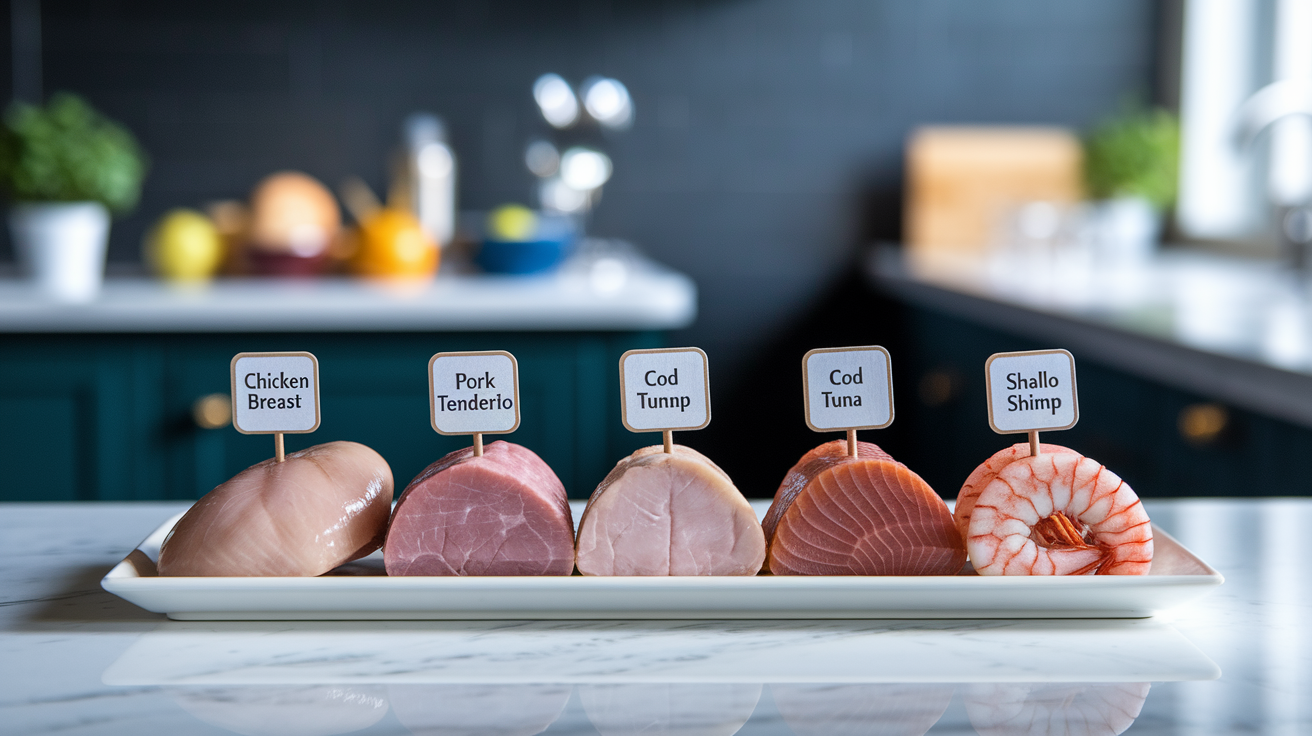
Here’s what delivers, with real numbers per 100 grams cooked:
Chicken breast (skinless) pulls 31g protein, 3.6g fat, around 165 calories. It’s everywhere, cheap, and you can cook it a hundred ways.
Turkey breast (skinless) gives you 29g protein, 1g fat, about 135 calories. Even cleaner than chicken if you care about shaving fat down.
Pork tenderloin sits at 26g protein, 3.5g fat, roughly 143 calories. Red meat that doesn’t act like red meat.
Cod (baked or steamed) lands at 23g protein, 0.9g fat, around 105 calories. White fish is basically protein with barely anything else attached.
Tuna (fresh or canned in water) brings 24g protein, 1g fat, about 116 calories. Dense, portable, and sits in your pantry forever.
Extra-lean ground beef (95% lean) delivers 26g protein, 5g fat, approximately 164 calories. Just make sure the label says extra-lean or you’re not getting this profile.
Shrimp (boiled or steamed) hits 24g protein, 1g fat, around 99 calories. One of the best protein-to-calorie ratios you’ll find anywhere.
If you want maximum protein with minimum fat and calories, stick with chicken breast, turkey breast, white fish, and shrimp. Pork tenderloin lets you eat something that feels like red meat without the fat penalty. Extra-lean beef works when you need beef’s flavor and iron but can’t afford fattier cuts. All of these clear 20 grams of protein per 100 grams with fat in the single digits, so portioning stays simple.
Nutritional Comparison of Popular Lean Meats
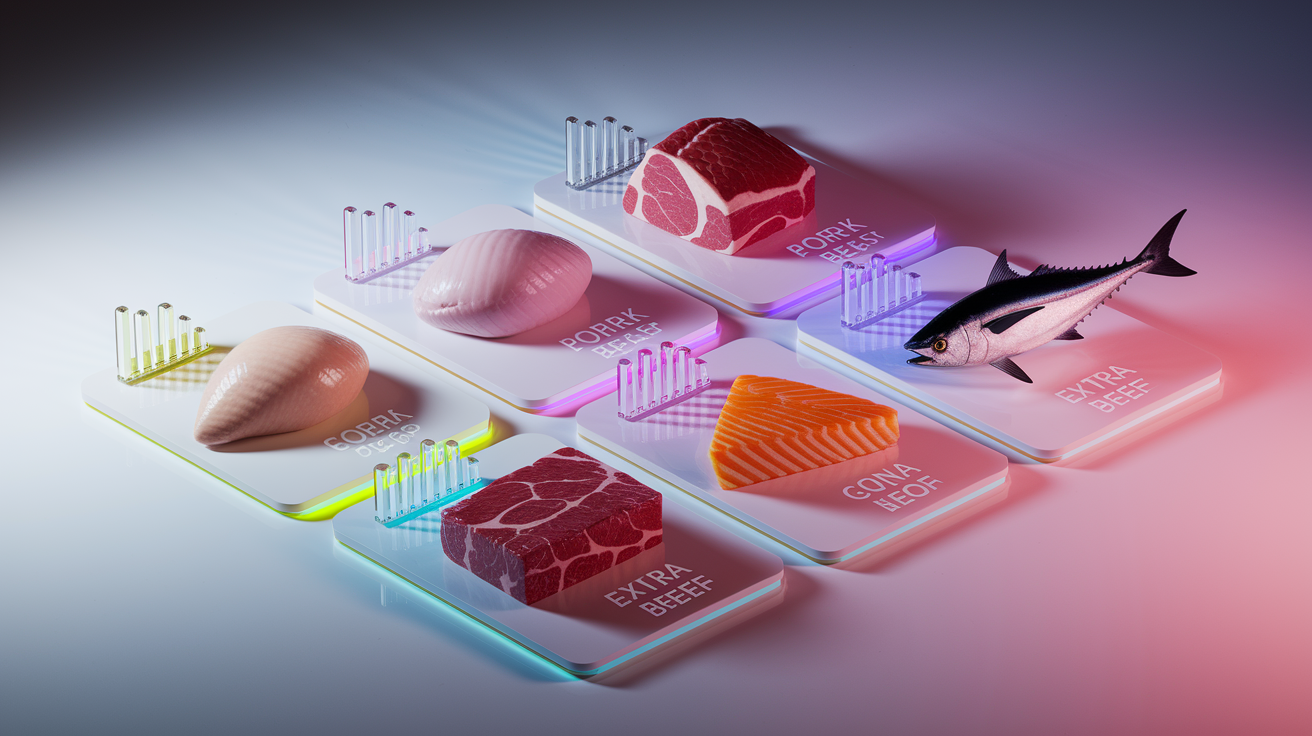
The gaps between lean meats aren’t massive, but small differences stack up when you’re tracking every day. Fish sits lowest on calories, poultry clusters in the middle with huge protein per calorie, and lean beef adds more iron with slightly more fat.
| Meat Type | Protein per 100g | Fat per 100g | Calories per 100g |
|---|---|---|---|
| Chicken breast (skinless) | 31g | 3.6g | 165 |
| Turkey breast (skinless) | 29g | 1g | 135 |
| Pork tenderloin | 26g | 3.5g | 143 |
| Cod | 23g | 0.9g | 105 |
| Tuna (water-packed) | 24g | 1g | 116 |
| Extra-lean ground beef (95%) | 26g | 5g | 164 |
Beyond the macros, you get different nutrients. Fish loads you with selenium and B12, poultry carries niacin and B6, lean beef stands out for iron and zinc. All of them have complete amino acid profiles, so muscle repair and protein synthesis happen no matter which one you pick. Cod and tuna win if you’re chasing highest protein per calorie. If you want more micronutrient variety or just like how red meat tastes, extra-lean beef or pork tenderloin still fit the lean category while adding iron and minerals poultry can’t match.
How to Choose Lean Meats for Different Diet Goals
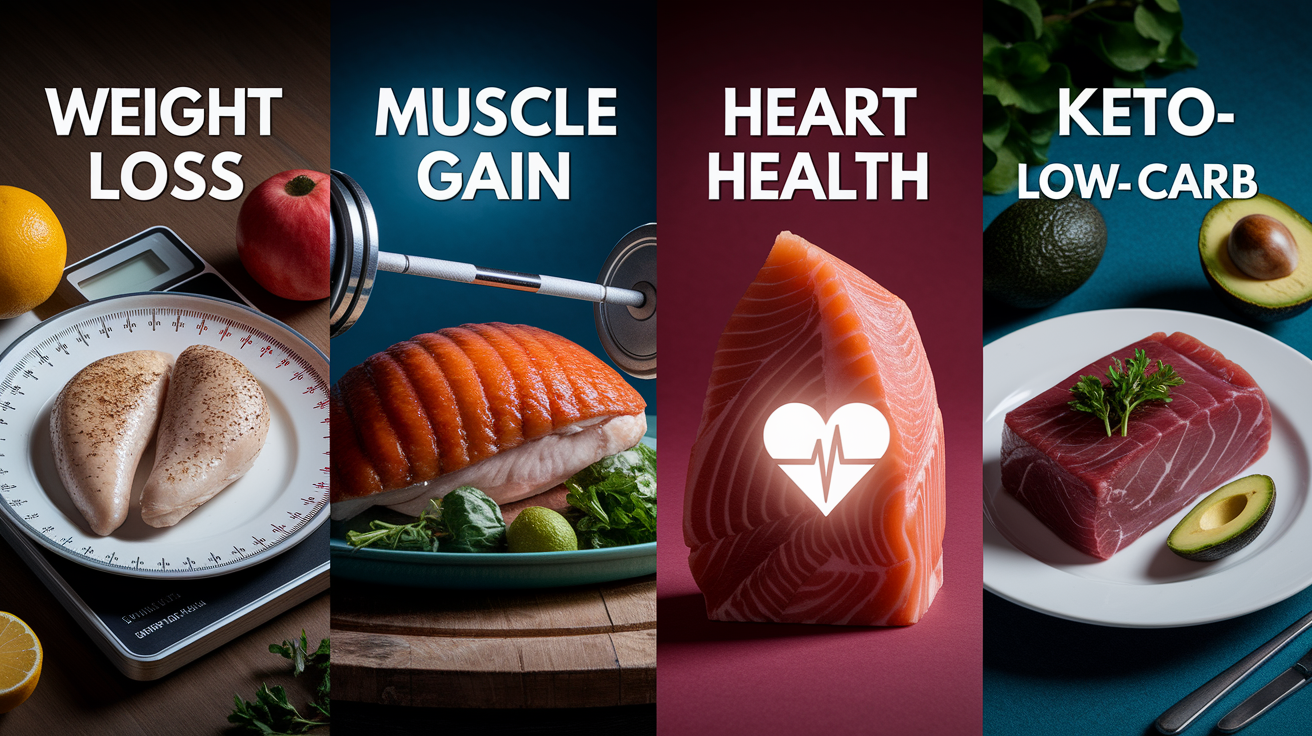
Weight loss loves meats that pack protein without many calories. Chicken breast, turkey breast, and white fish become daily staples because they keep you full on fewer calories and make macro tracking easier when you’re eating less.
Building muscle cares about total protein and amino acid delivery. Any lean meat on this list works, but rotating chicken, turkey, lean beef, and fish helps you hit higher daily protein without piling up fat. Lean beef brings extra iron for oxygen transport during training. Pork tenderloin gives you similar protein density to chicken with different flavor and cost.
Managing heart health or cholesterol? Poultry and fish rank higher because they’re naturally lower in saturated fat than beef or pork. For keto or very low carb plans, all lean meats fit since they’ve got virtually zero carbs. Just watch portions on fattier cuts, even when they’re called lean.
Quick picks:
Grab poultry and fish for lowest fat and calories. Use lean beef or pork when you want more iron or need flavor variety. Check labels for “extra-lean” or trim visible fat before cooking. Match portion size to your daily protein target, not just how hungry you feel.
Best Cooking Methods to Keep Meats Lean
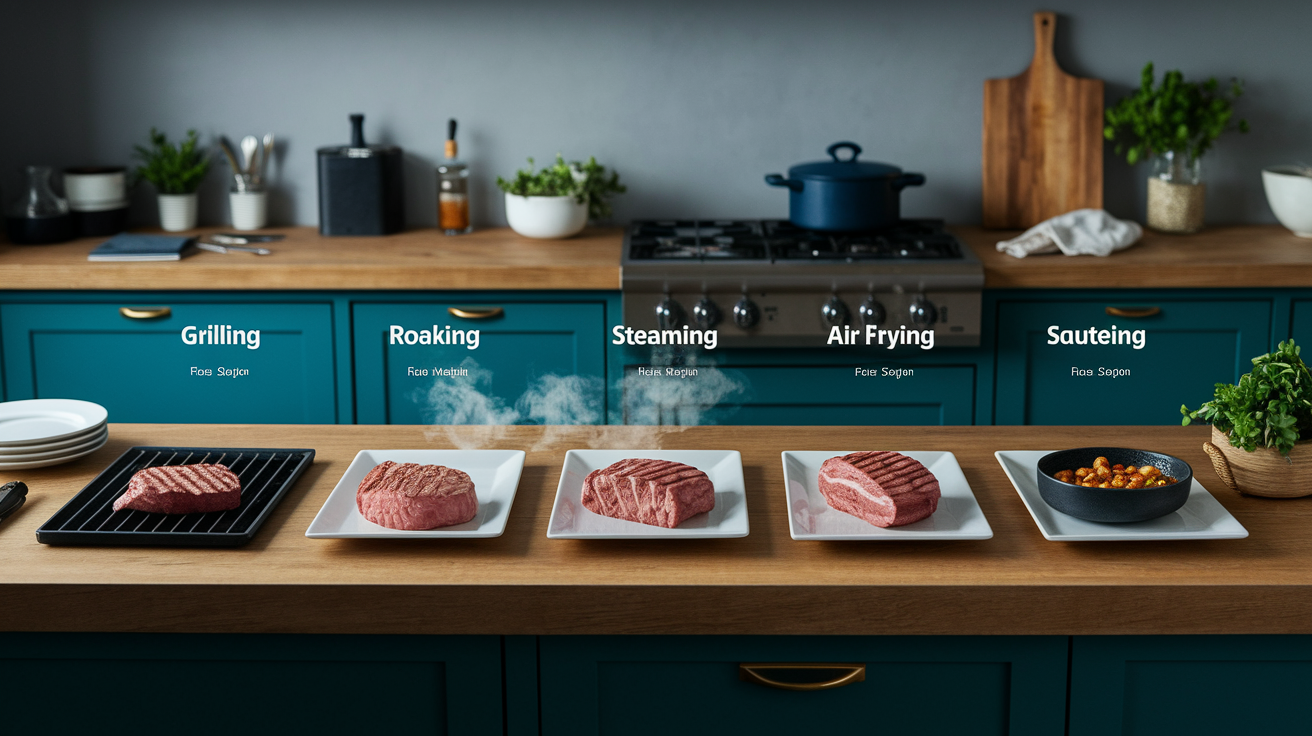
How you cook lean meat matters just as much as which one you buy. Frying in oil can add 50% more fat to an otherwise lean cut, while dry heat or water-based methods keep the nutrition where it should be.
Trim skin from poultry and cut away visible fat before cooking. You’ll drop several grams of fat per serving. Chicken breast with skin can carry an extra 8 to 12 grams of fat, turning a lean option into something else entirely. Once it’s trimmed, use methods that don’t need added fat or use very little.
Five cooking methods that keep things lean:
Grilling or broiling uses high, direct heat to brown the surface without oil. Use a non-stick grill mat or quick spray if sticking becomes a problem.
Baking or roasting in the oven at 375 to 425°F cooks meat through without extra fat. Line pans with parchment or use a rack so fat drips away.
Steaming or poaching with water or broth adds zero fat and keeps meat moist. Works especially well for fish and chicken.
Air frying circulates hot air to mimic frying texture with little to no oil. Use a light mist of spray oil if you need it.
Sautéing with minimal oil means measuring 1 teaspoon of oil (about 40 calories) in a non-stick pan instead of pouring freely. Add broth or water if the pan dries out.
Marinades made from lemon juice, vinegar, mustard, herbs, and spices add flavor without calories. Skip cream-based sauces, heavy barbecue glazes, or butter finishes when you’re keeping fat low. Let cooked meat rest for a few minutes and slice against the grain to keep it juicy without needing extra sauce.
Lean Meat Options for Special Diets and Restrictions
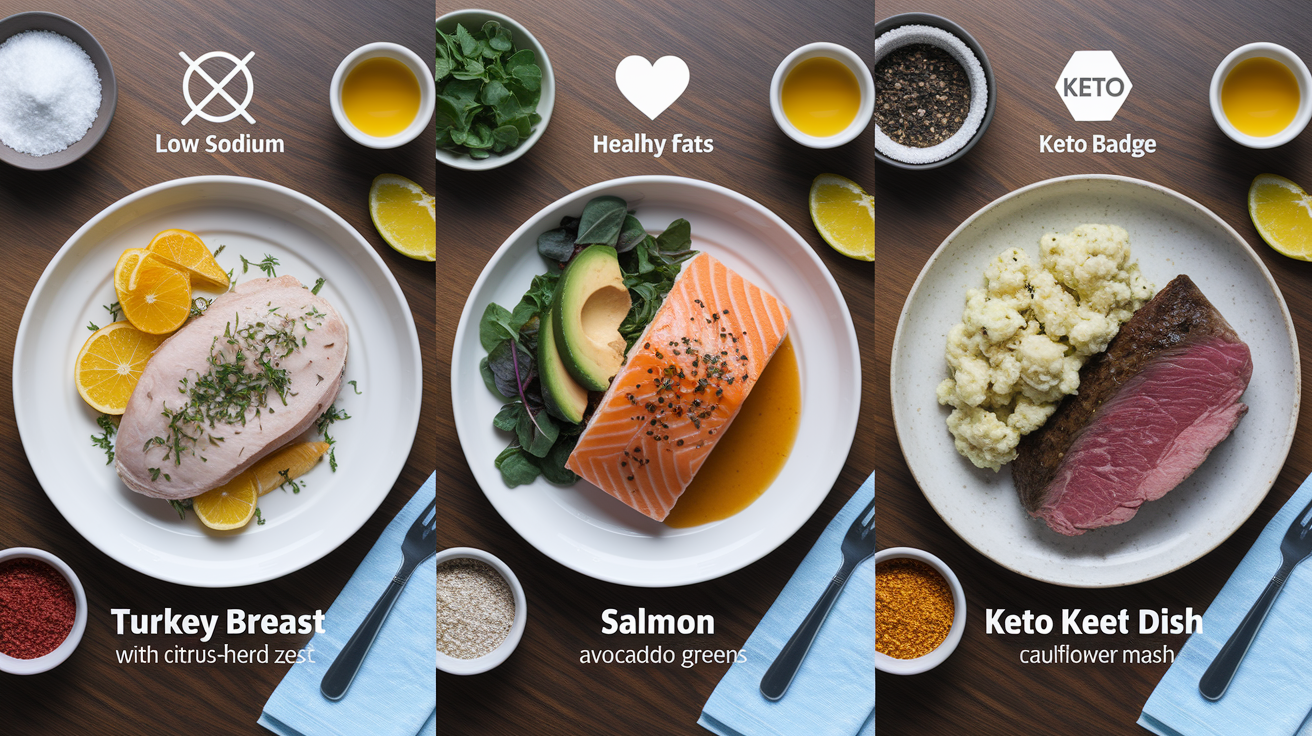
Fish and poultry sit at the top for people watching sodium, since they’re naturally low unless you add salt or buy pre-seasoned versions. Canned tuna in water and plain frozen fish fillets give you control over sodium levels, unlike deli meats or marinated cuts. If you’re on a low sodium plan, season with citrus, garlic, pepper, and herbs instead of salt or soy sauce.
Low cholesterol diets traditionally lean toward skinless poultry and fish over red meats. Turkey and chicken breast contain less saturated fat than most beef cuts. Fatty fish like salmon offer heart-healthy omega-3s that can support cholesterol management even though total fat is higher. Extra-lean beef (95% lean or leaner) works in moderation when you want red meat but need to watch saturated fat.
For keto or low carb eating, all lean meats fit because they carry zero or near-zero carbs. Protein density matters on keto since you’re balancing protein with fat to stay in ketosis. Turkey, chicken, and lean fish let you hit protein targets without overshooting fat macros, which helps if you’re using added fats like oils or nuts elsewhere. Pork tenderloin and extra-lean beef also work within keto frameworks as long as portions align with your daily macro split.
Budget-Friendly High-Protein Lean Meats
You don’t need specialty cuts or organic labels to get lean protein. Some of the best options sit in the everyday grocery aisle at prices that fit tight budgets.
Chicken breast is one of the cheapest lean proteins per gram when bought in bulk or on sale. Freeze individual portions in zip bags so nothing goes to waste. Canned tuna in water costs less than a dollar per can in many stores and delivers roughly 20 grams of protein per serving. It’s shelf stable, needs no cooking, and works in salads, wraps, or straight from the can. Turkey breast, especially when bought as whole bone-in breasts and roasted at home, often costs less per pound than pre-sliced deli turkey and gives you control over sodium and portion size.
Affordable lean meats to stock:
Whole chicken breasts. Buy family packs, trim, portion, and freeze.
Canned tuna or salmon in water. Protein dense, budget stable, no prep required.
Frozen white fish fillets. Cod, tilapia, or pollock often go on sale and store for months.
Ground turkey (93% or leaner). Works for meatballs, stir-fries, or burger patties.
Pork tenderloin on sale. Watch weekly ads. This cut frequently discounts and yields multiple meals.
Final Words
You’ve got the highest‑protein lean meats with exact protein and fat numbers up front — chicken, turkey, pork tenderloin, white fish, extra‑lean beef, tuna, and egg whites.
You also saw a clear nutrition comparison, how to pick meats for weight loss or muscle, the best low‑fat cooking methods, diet‑friendly options, and budget choices.
Use a few of these high protein lean meats in simple meals this week. Pick favorites, keep it easy, and you’ll build steady progress. Small wins add up.
FAQ
Q: What lean meat has the most protein?
A: The lean meat with the most protein is chicken breast, about 31g protein and 3.6g fat per 100g, making it the top lean choice for building or preserving muscle.
Q: How to get 100g of lean protein?
A: To get 100g of lean protein, eat about 320g cooked chicken breast (31g per 100g) or 345g turkey breast (29g per 100g). Mix portions across meals if needed.
Q: What meats to eat on Mounjaro?
A: On Mounjaro, choose lean, high-protein meats like chicken breast, turkey, white fish, pork tenderloin, and extra-lean beef to boost fullness and protect muscle; check with your clinician for personal advice.
Q: What single food can you survive on the longest?
A: The single food you can survive on the longest is often the potato, because it supplies carbs, some protein, vitamin C, and potassium, though it lacks several essential nutrients long term.