What if soup wasn’t just a starter but your full meal?
A single bowl can deliver 20 to 44 grams of protein, keep you full longer, and help muscle recovery.
And you don’t need hours of hands-on cooking.
Most recipes finish in under 45 minutes using simple boosters like shredded chicken, beans, lentils, bone broth, or quinoa.
Read on for 12 easy, real-food soups with exact protein counts and quick swaps you can make in five minutes to hit 20+ grams per bowl.
High‑Protein Soup Options That Deliver Maximum Protein Per Serving
A bowl of soup can actually replace a full meal when it’s got enough protein to keep you satisfied and help your muscles recover. You don’t need complicated recipes or weird ingredients to pack 20 to 44 grams of protein into a single serving. Most of these come together in under 45 minutes, so you can cook once and set yourself up for the week.
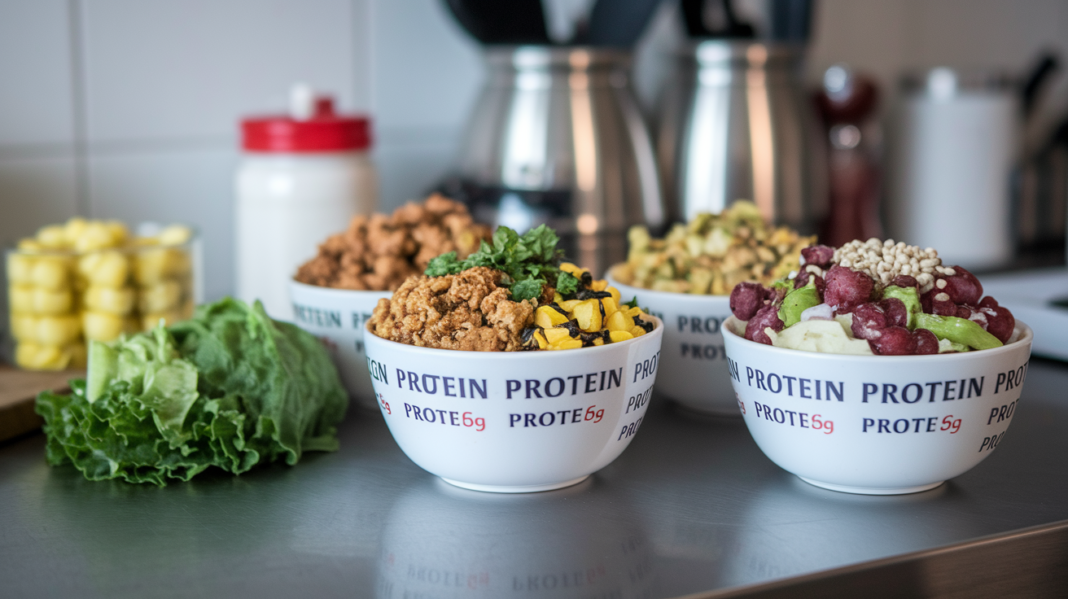
The protein source you pick changes the flavor and the calorie count. Chicken and turkey keep things lean. Legumes bring fiber along with the protein. When you combine white beans with shredded chicken or throw lentils in with brown rice, you’re pushing the total protein higher without stacking calories. One recipe gives you 33 grams of protein at 381 calories, which works well for lunch or dinner.
Here are twelve options with the exact protein per serving:
- Italian Wedding Soup: 44 g
- Healthy Chicken Pot Pie Soup: 42 g
- Creamy White Bean Chicken Enchilada Soup: 37 g
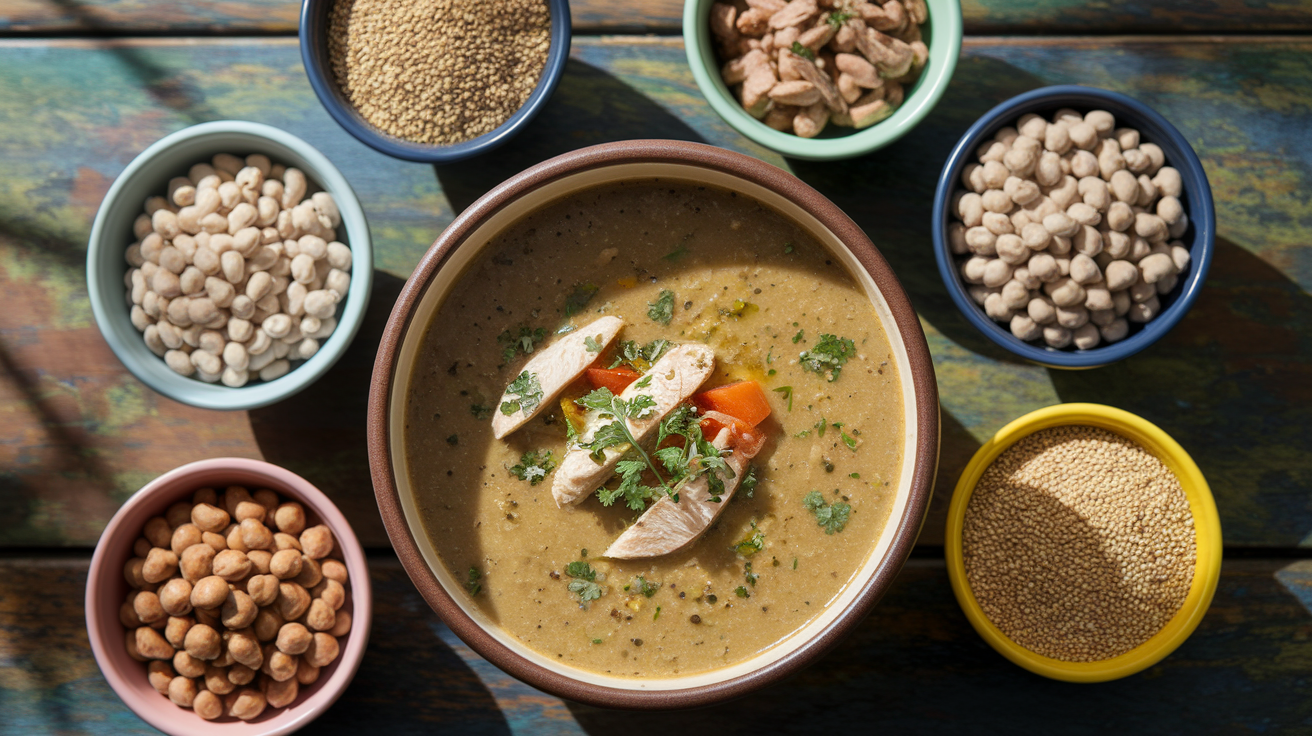
- Golden Turmeric Chickpea Chicken Soup: 33 g (381 calories)
- Green Chile Chicken Pozole: 30 g
- Slow Cooker Pumpkin Peanut Butter Chicken Soup: 30 g
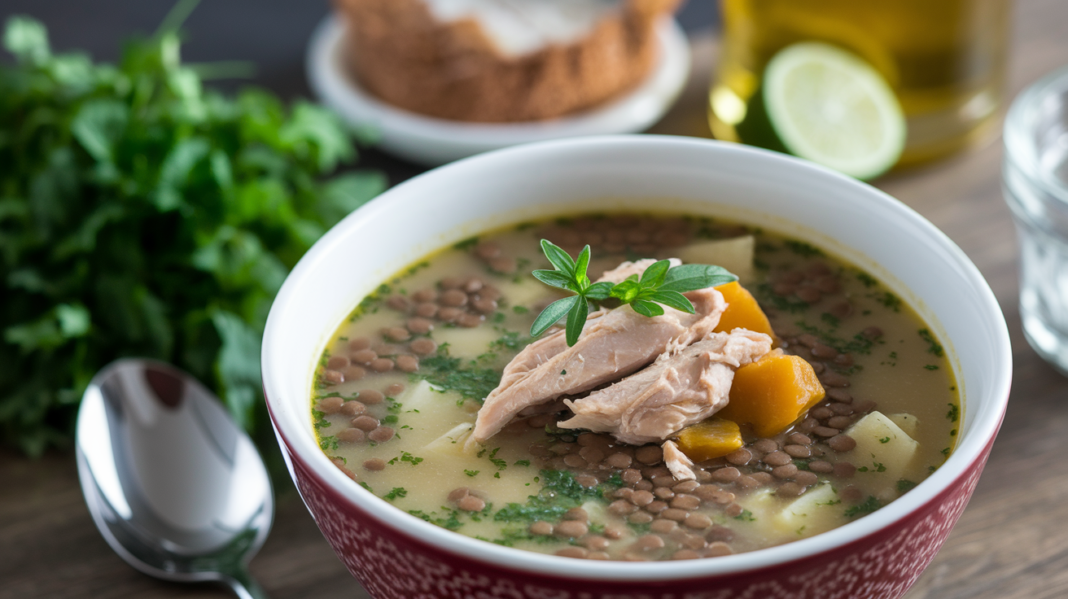
- Golden Coconut Chicken Lentil Soup: 28 g
- Butternut Squash Green Chile Chicken Soup: 27 g
- Butternut Squash, Chickpea & Lentil Moroccan-Spiced Stew: 27 g
- Nourishing Asian-Inspired Chicken Soup: 26 g
- Healing Ginger Coconut Chicken Brown Rice Soup: 25 g
- The Best Chicken Soup You’ll Ever Eat: 24 g
These work as complete meals when you’re trying to hit a protein target but you’re tired of the same chicken breast and vegetables every single night. Good for weight maintenance, muscle recovery, or just making it to your next meal without getting hungry.
Protein‑Boosting Ingredients for High‑Protein Soups
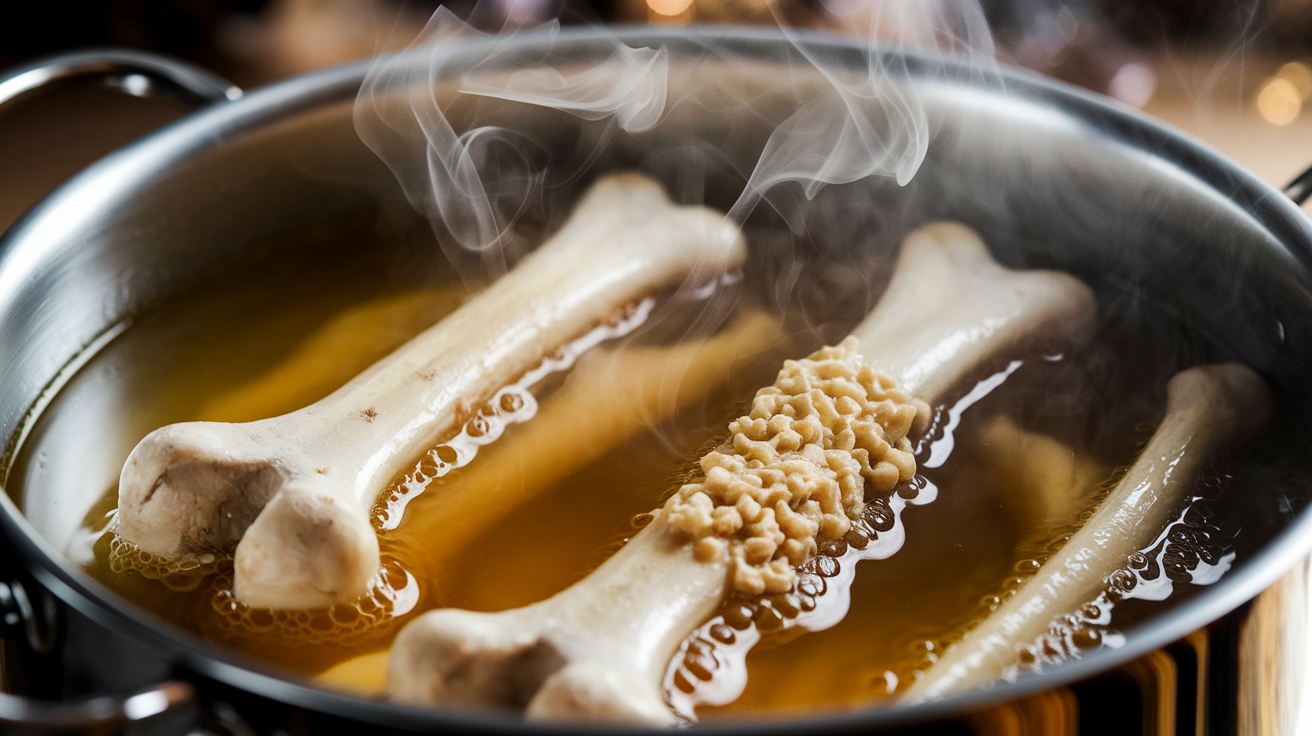
Bone broth is a solid starting point because it gives you about 10 grams of protein per cup before anything else goes in. Swap regular stock for bone broth and you’ve instantly increased the protein without changing the recipe. Lean meats like chicken thighs, ground turkey, or rotisserie chicken you grabbed from the store add more on top of that. Shrimp and salmon bring variety while keeping the protein count up.
Plant-based options make it easy to bump protein without meat:
- Lentils (red, green, or brown, cooked)
- White beans, chickpeas, kidney beans, black beans
- Quinoa
- Tofu or tempeh cubes
- Greek yogurt (stir it in at the end so it doesn’t curdle)
- Cottage cheese (blend it or use it as a garnish)
- Farro or barley
- Nutritional yeast (adds a cheesy flavor if you’re vegan)
Quick swaps work when you’re tweaking a recipe you already like. Replace half the stock with bone broth. Toss in a drained can of white beans. Stir a scoop of Greek yogurt into a creamy soup right before you serve it. If you’re making soup on a weeknight and need it to feel more filling, add cooked quinoa or shredded rotisserie chicken. These changes take less than five minutes and push the protein into the 20-plus range.
High‑Protein Chicken and Turkey Soup Ideas
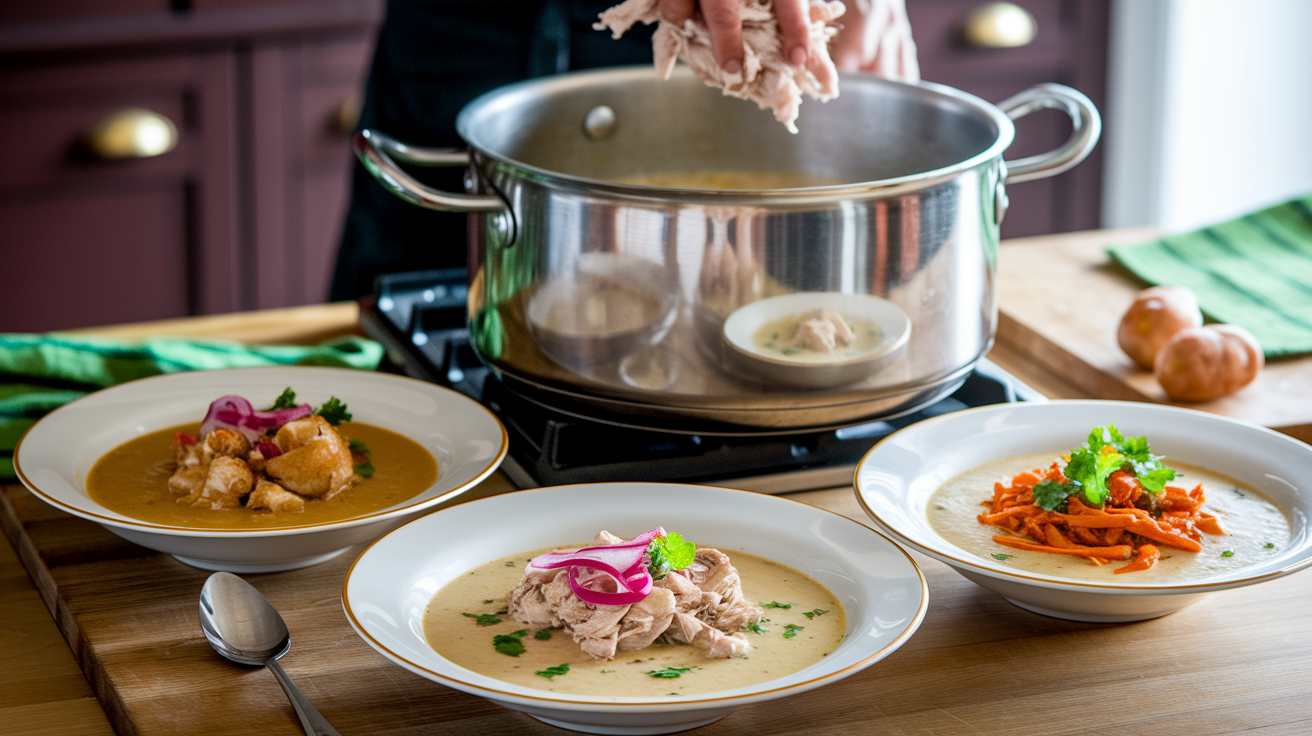
Poultry soups hit high protein numbers because chicken and turkey are lean, affordable, and soak up whatever seasonings you throw at them. You can stick with classic tomato-chicken or branch into buffalo, mushroom, or fajita flavors depending on what you’re craving that week. Most chicken soups scale easily for meal prep. Leftovers usually taste better the next day once everything settles.
Faster Chicken Soups (30–45 Minutes)
Chicken tomato soup finishes in 45 minutes and uses shredded chicken with optional pasta for texture. Creamy buffalo chicken soup also takes 45 minutes and works as gluten-free, dairy-free, paleo, or Whole30 if you swap the cream base. Creamy chicken mushroom soup takes 35 minutes and pairs well with crusty bread. All three give you over 20 grams of protein per bowl, which is solid when you need dinner fast.
Hearty Poultry Soups for Meal Prep
Chicken tortilla soup layers shredded chicken, corn, beans, and tortilla chips for a bowl that reheats well all week. Chicken fajita soup combines chicken, beans, rice, and bell peppers in one pot, so you’re skipping the skillet step. Italian wedding soup uses chicken meatballs, quinoa, kale, and cannellini beans to push the protein count toward the top of the range. These store in the fridge for up to five days and freeze for three months, which gives you flexibility when you’re planning lunches.
Turkey‑Based High‑Protein Bowls
Turkey chili made in an Instant Pot cuts cook time while keeping protein high. Turkey taco soup uses lean ground turkey with vegetables for a lighter version of taco night. Turkey noodle soup takes 35 minutes and works well with leftover holiday turkey or fresh ground turkey from the store. All three offer a break from chicken without sacrificing protein or flavor.
Top poultry recipes with approximate cook times:
- Chicken tomato soup: 45 minutes
- Creamy buffalo chicken soup: 45 minutes
- Creamy chicken mushroom soup: 35 minutes
- Chicken tortilla soup: under 1 hour
- Turkey noodle soup: 35 minutes
Plant‑Based High‑Protein Soups (Beans, Lentils, Tofu, Quinoa)
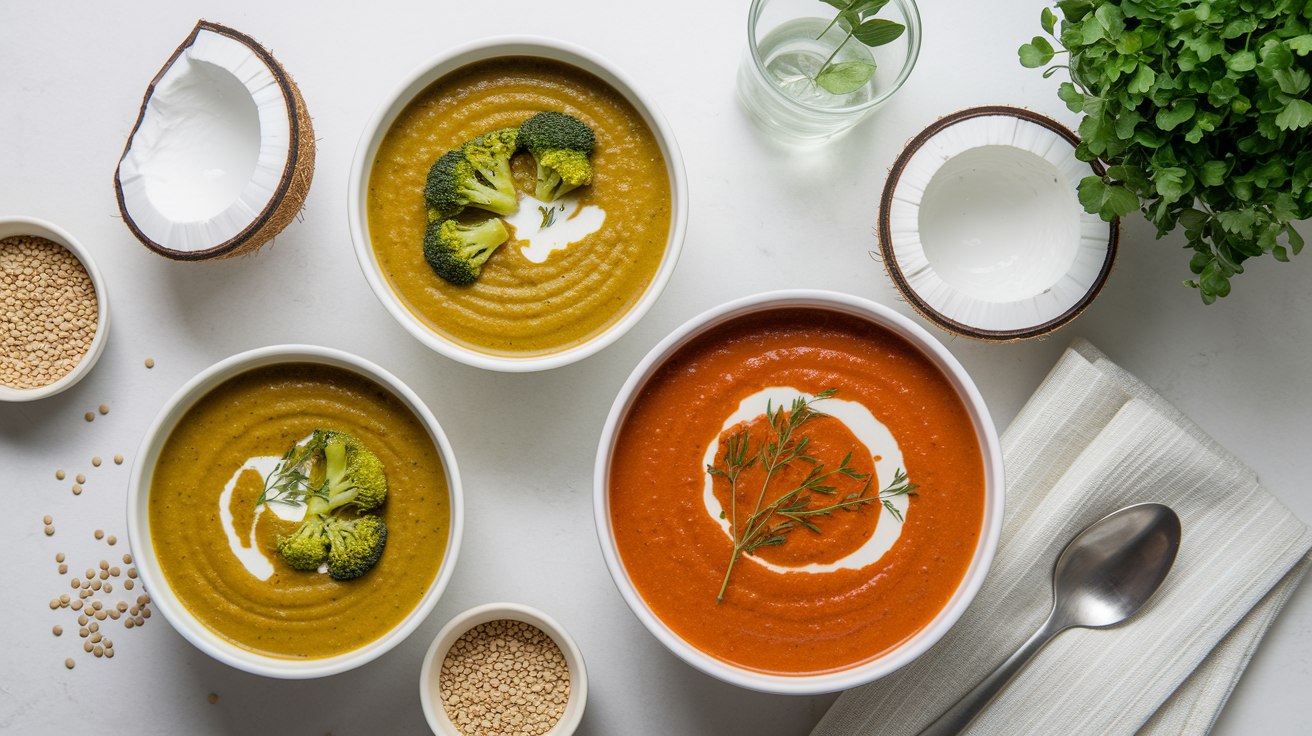
Lentils and beans are the foundation of vegetarian high-protein soups because they deliver 15 to 27 grams of protein per serving when you build the recipe around them. Red lentils cook faster than green or brown, which is helpful for quick weeknight bowls. Black beans, white beans, and chickpeas add thickness and protein without needing much beyond cumin, garlic, and a squeeze of lime.
Coconut milk, blended cashews, and nutritional yeast replace dairy in vegan soups that still taste creamy. Vegan broccoli cheese soup uses coconut milk and nutritional yeast to mimic cheddar flavor in 25 minutes. Vegan coconut curry lentil soup finishes in 35 minutes and pairs curry spices with coconut milk for a warming bowl that reheats well. Spicy black bean soup yields 6 to 8 servings and relies on canned beans, which cuts cook time and keeps the grocery list short.
Quinoa adds both protein and fiber, which helps when you want soup that feels more filling than simple vegetable broth. Toss cooked quinoa into minestrone, white bean soup, or a tomato-lentil base to increase the protein by a few grams per serving. It also absorbs flavors well, picking up garlic, herbs, and spices as it sits in the soup.
| Soup Type | Main Protein Source | Avg. Protein Per Serving |
|---|---|---|
| Vegan coconut curry lentil | Lentils, coconut milk | 15–20 g |
| Spicy black bean | Black beans | 15–18 g |
| Vegan broccoli cheese | Cashews, nutritional yeast | 15–21 g |
| Moroccan chickpea lentil stew | Chickpeas, lentils | 27 g |
| Minestrone with white beans | White beans, pasta | 15–18 g |
| One-pot vegan tortilla soup | Red lentils, black beans | 15–20 g |
Beef, Seafood, and Mixed‑Protein High‑Protein Soups
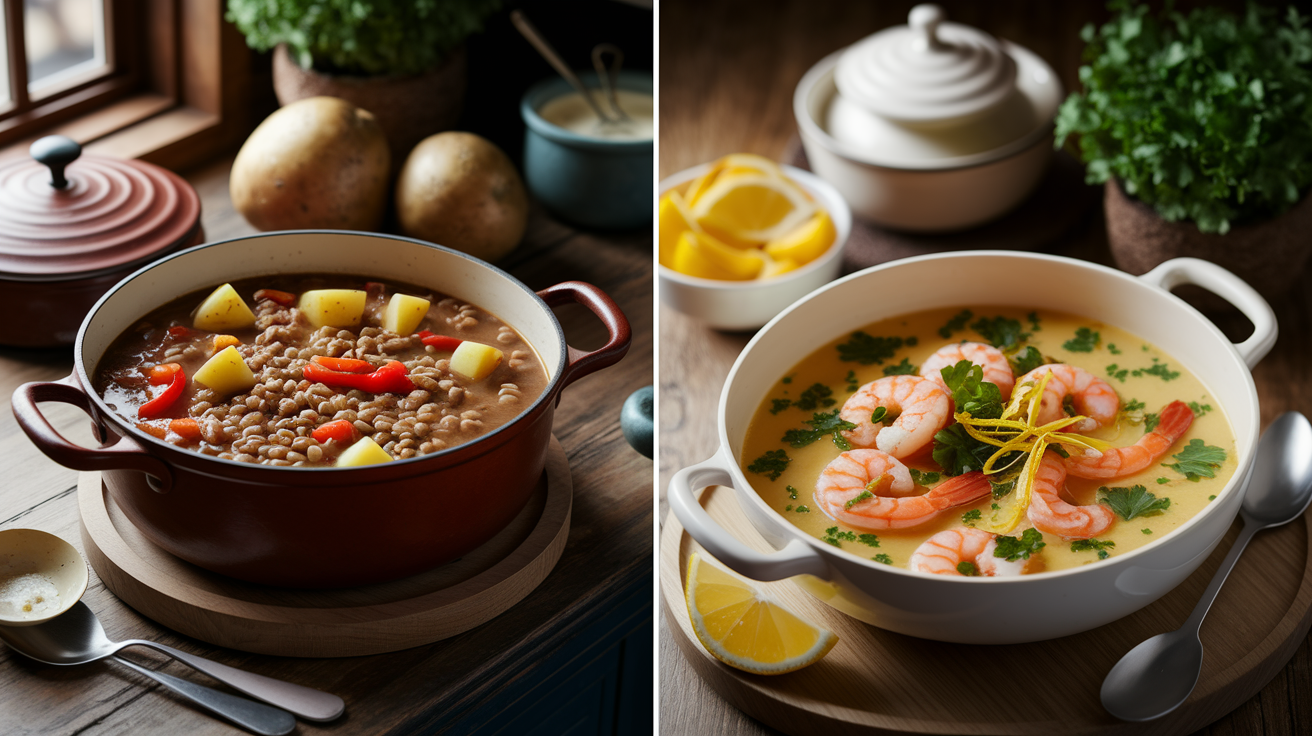
Beef soups like stuffed pepper soup and hamburger soup cook in 30 minutes and use ground beef, rice, and bell peppers for a filling bowl. Lasagna soup takes the flavors of baked lasagna and turns them into a one-pot meal with ground beef, marinara, and pasta. Bison chili finishes in 45 minutes and works as paleo, Whole30, gluten-free, and dairy-free when you want something leaner than beef.
Seafood brings a different protein profile and lighter flavor. Mediterranean shrimp soup uses lemon, parsley, and dill for a bright bowl that pairs well with crusty bread. Shrimp chowder and salmon chowder both include bacon and potatoes for a richer, more indulgent meal that still delivers over 20 grams of protein per serving. Caldo de camaron, a Mexican shrimp soup, builds flavor from shrimp broth and toasted chiles for a warming, protein-dense bowl.
Eight mixed-protein examples you can rotate through:
- Instant Pot beef stew: tender beef cubes, potatoes, carrots
- Beef barley soup: ground beef, barley, vegetables
- French onion soup: beef broth, caramelized onions, melted cheese
- Instant Pot vegetable beef soup: ground beef, mixed vegetables, tomato base
- Shrimp corn chowder: shrimp, bacon, corn, potatoes
- Salmon chowder: salmon, bacon, potatoes, cream base
- Bison chili: ground bison, beans, tomatoes, spices
- Stuffed pepper soup: ground beef, rice, bell peppers, tomato broth
Cooking Techniques That Protect Protein and Improve Flavor
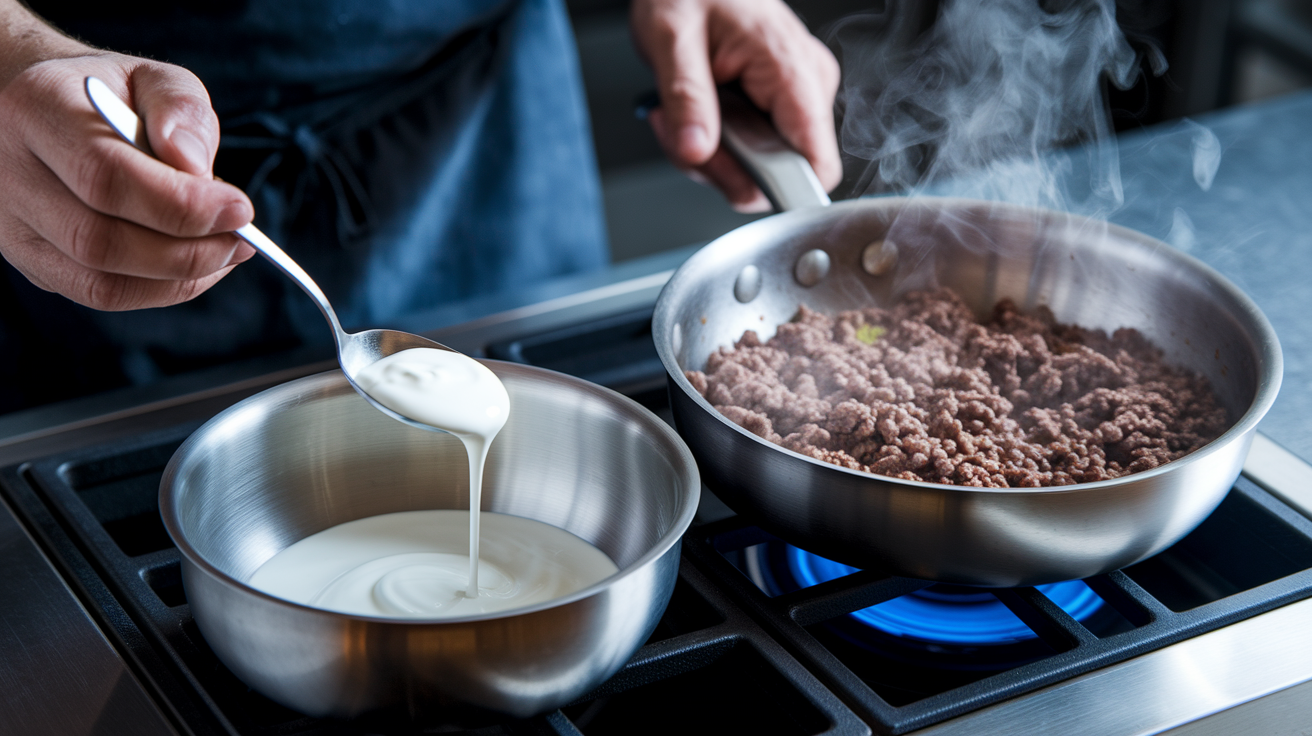
Boiling chicken too hard turns it rubbery and dry, which ruins the texture of the whole soup. Keep the heat at a gentle simmer once the chicken goes in. If you’re using shredded chicken, poach it in the broth for 15 to 20 minutes, pull it out to shred, then add it back. Brown ground beef first to develop flavor, then drain it if you want a leaner soup. Beans turn mushy if you cook them too long, so add canned beans toward the end or use pre-cooked dried beans that only need reheating.
Greek yogurt and dairy-based creams curdle if you add them while the soup’s boiling. Stir them in after you turn off the heat, or temper the yogurt by mixing a spoonful of hot broth into it first. Coconut milk and cashew cream handle heat better, so you can add them earlier without worrying about separation. Plant-based milks sometimes thin out soups. If you want a thicker texture, blend a portion of the soup with cashews or white beans and stir it back in.
Season aggressively because protein-heavy soups can taste flat without enough flavor. Garlic, cumin, smoked paprika, and chili powder all work well with chicken, beef, and beans. Fresh parsley, basil, or cilantro added right before serving brightens the bowl and makes it feel more complete. A squeeze of lemon or lime at the end adds acidity that balances richer ingredients like coconut milk or cream.
Meal‑Prep High‑Protein Soup Strategies for Busy Schedules
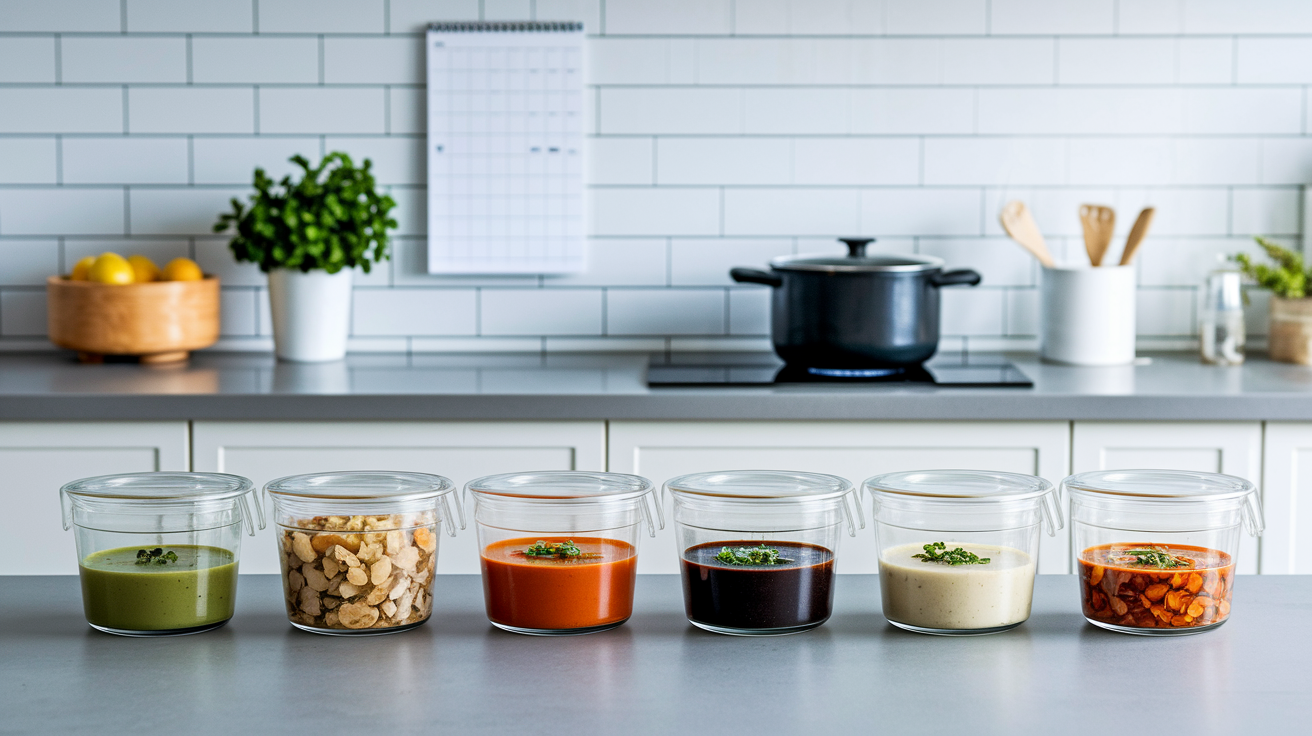
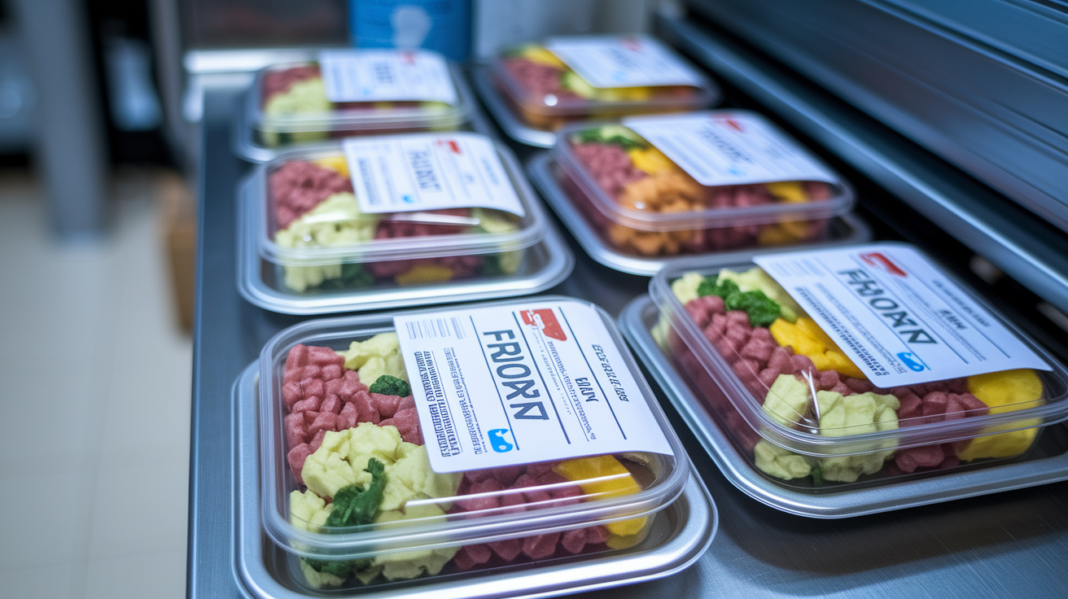
Batch-cooking a big pot of soup on Sunday gives you lunch or dinner options for the next five days. Most high-protein soups taste better the second day once the flavors settle, which makes them ideal for meal prep. You can portion servings into individual containers for grab-and-go lunches or freeze half the batch for later weeks when you don’t have time to cook.
Storage, Cooling, and Food-Safety Procedures
Cool soup completely to room temperature before transferring it to airtight containers. Hot soup raises the temperature inside your fridge, which can affect other stored food. Refrigerate leftovers for up to four to five days in sealed containers. For freezing, use freezer-safe containers or heavy-duty bags and leave about an inch of headspace because liquids expand when frozen. Label each container with the soup type and the date so you know what you’re thawing later. Soups freeze for up to three months without losing quality.
Smart Batch‑Cooking Approaches
Skip grains like pasta, noodles, or rice before freezing because they turn mushy when reheated. Cook those fresh and add them when you reheat the soup. Freeze individual portions so you can thaw only what you need instead of defrosting the entire batch. Thaw overnight in the fridge, then reheat on the stovetop over medium heat, stirring occasionally. If the soup looks too thick after thawing, add a splash of broth or water to loosen it. Slow cookers and Instant Pots make batch cooking easier because you can walk away while the soup cooks, then portion it out when you get home.
Macros, Calories, and Comparing Protein Density Across Soups
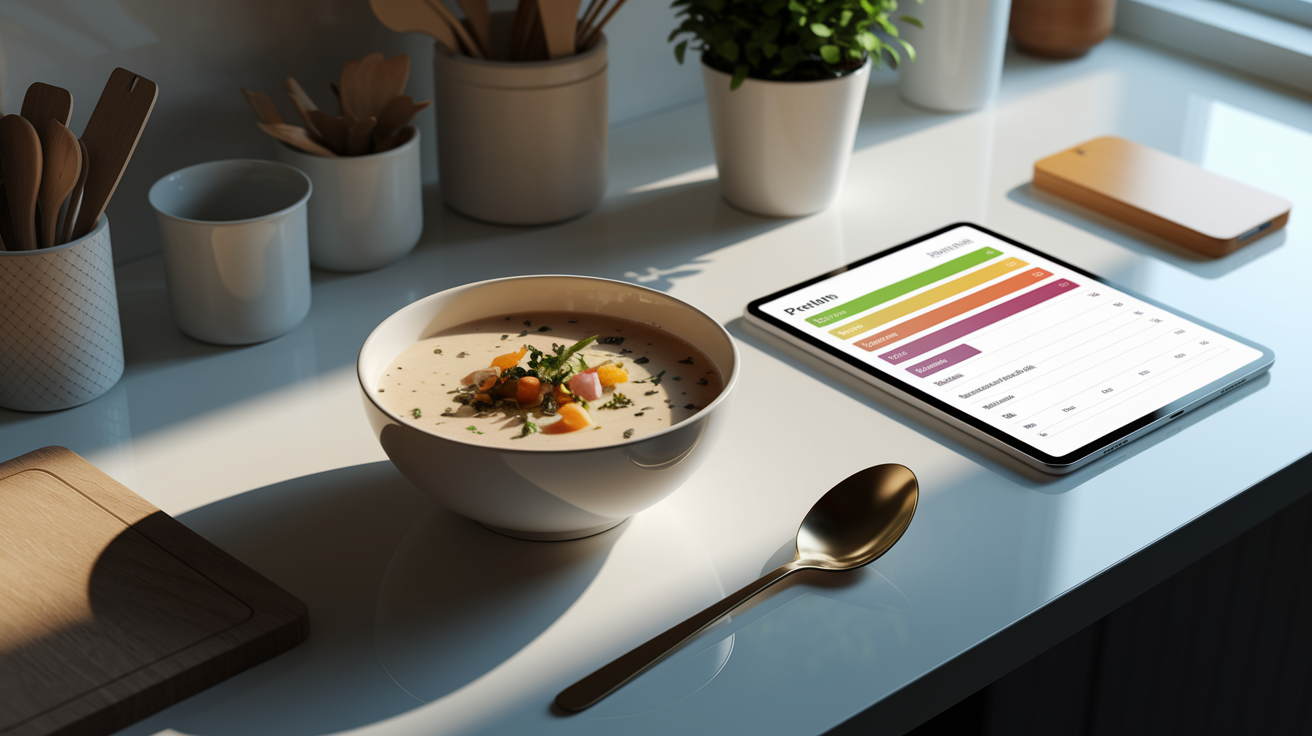
High-protein soups range from 20 to 44 grams of protein per serving, and the calorie count varies based on ingredients. A soup with 33 grams of protein might land around 381 calories if it includes chicken, chickpeas, and coconut milk. Leaner options like shrimp or turkey soups can deliver 25 to 30 grams of protein for fewer than 300 calories. Vegetarian bowls that rely on beans and lentils typically provide 15 to 27 grams of protein and fall between 250 and 350 calories per serving, depending on added fats like olive oil or coconut milk.
Comparing typical protein ranges and caloric density across six soup types:
- Chicken soups: 24–44 g protein, 300–450 calories per serving
- Turkey soups: 21–30 g protein, 250–350 calories per serving
- Beef soups and stews: 20–35 g protein, 350–500 calories per serving
- Seafood chowders: 20–30 g protein, 300–450 calories per serving
- Bean and lentil soups: 15–27 g protein, 250–350 calories per serving
- Mixed-protein soups (chicken plus beans): 25–37 g protein, 300–400 calories per serving
Choose soups based on your goals. If you’re focused on fat loss and want to stay in a calorie deficit, lean chicken or turkey soups keep protein high and calories moderate. If you’re in a muscle-building phase and need more calories, beef stews or chowders with potatoes and bacon give you protein plus the extra energy. Plant-based eaters can hit similar protein targets by stacking beans, lentils, and quinoa in one bowl, then adding a scoop of Greek yogurt or a sprinkle of nutritional yeast for a few extra grams.
Final Words
Get cooking. This post packed quick, meal-worthy recipes that hit at least 20 grams of protein per bowl, with top picks like Italian Wedding (44 g) and Chicken Pot Pie (42 g). It also covered protein-boosting swaps—beans, lentils, chicken, bone broth—and plant and seafood options.
You got simple cook tips and smart meal-prep rules for fridge and freezer life. There’s a quick macro view to match soups to your goals.
Use one of these high protein soups this week. Small, steady steps add up—you’re set.
FAQ
Q: What type of soup has the most protein?
A: The type of soup with the most protein is meat-and-legume or dense poultry bowls—examples like Italian wedding (about 44 g) and chicken pot pie–style soup (about 42 g) often hit 40+ g per serving.
Q: What soup is good for diabetics type 2?
A: A good soup for type 2 diabetes is low in refined carbs, high in fiber and protein—think broth-based chicken or lentil soup with non-starchy veggies, a small whole-grain portion, and limited salt or added sugar.
Q: What can I add to soup to increase protein?
A: To increase protein in soup, add lean meats or seafood, legumes, dairy, or plant proteins—examples: chicken, turkey, shrimp, white beans, lentils, Greek yogurt, cottage cheese, tofu, quinoa, or a cup of bone broth (≈10 g).
Q: What is the best soup for kidney patients?
A: The best soup for kidney patients is broth-based, low in sodium and potassium, and has moderate lean protein and low-potassium vegetables; tailor portions and protein to your stage of kidney disease and follow your renal dietitian’s guidance.