

Think rest and stretching will fix your sore lower back? Not always.
Strength comes from the muscles that hold your spine steady, not from lying flat.
This post gives simple, evidence-based moves you can do at home, a five-move starter routine, clear technique cues, progressions for busy days, and signs to stop or get help.
Do the routine two to four times a week and you’ll build real stability and fewer flare-ups so daily tasks feel safer and easier.
Immediate Lower Back Exercises (Quick Starter Routine)
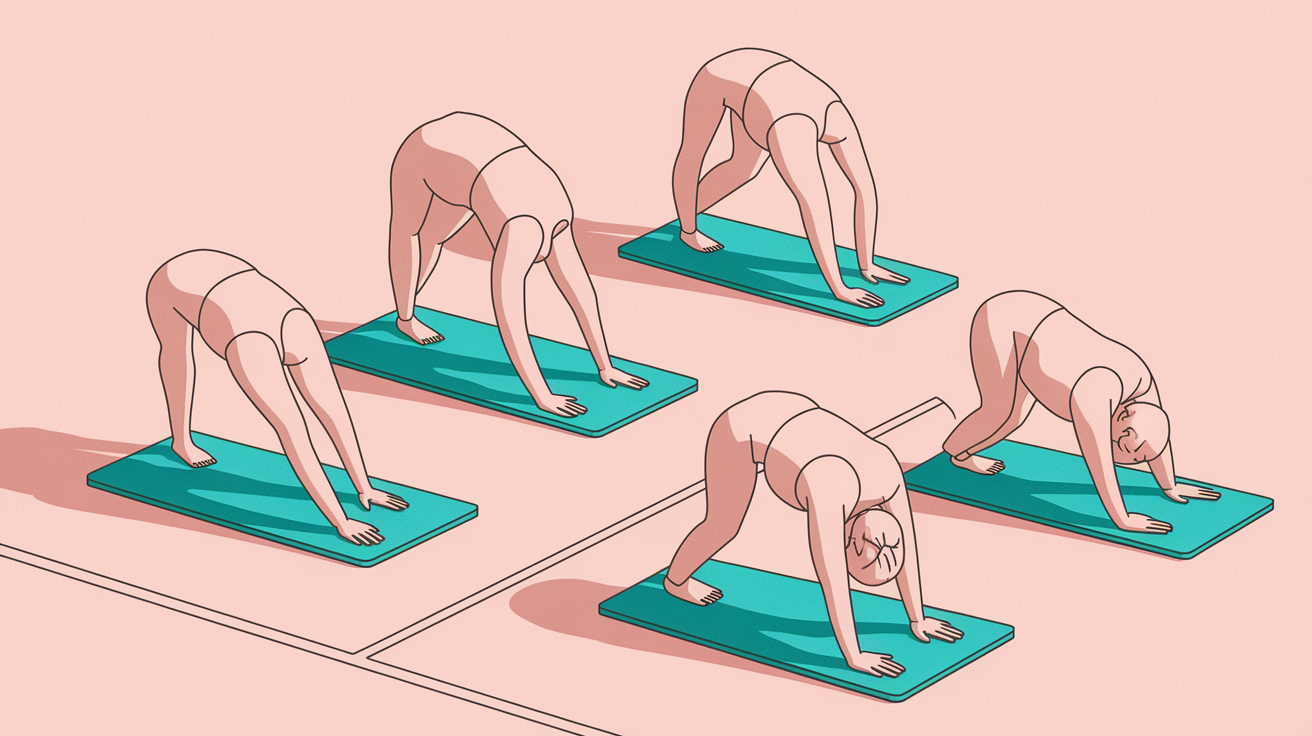
If you need to start right now, here’s a five-move routine that activates the muscles stabilizing your lumbar spine. No equipment, no complicated setup.
- Pelvic Tilt (4 reps)
- Bird Dog (3 alternating reps)
- Bridge (6 reps)
- Superman (3 reps)
- Plank (hold as long as you can)
Do this two to four times per week. Move slow, breathe steady, and keep your lower back neutral. Don’t force an arch. Don’t round it flat. If something feels sharp, skip it and come back once you’ve built some baseline strength.
Functional Anatomy Supporting Lower Back Strength Exercises
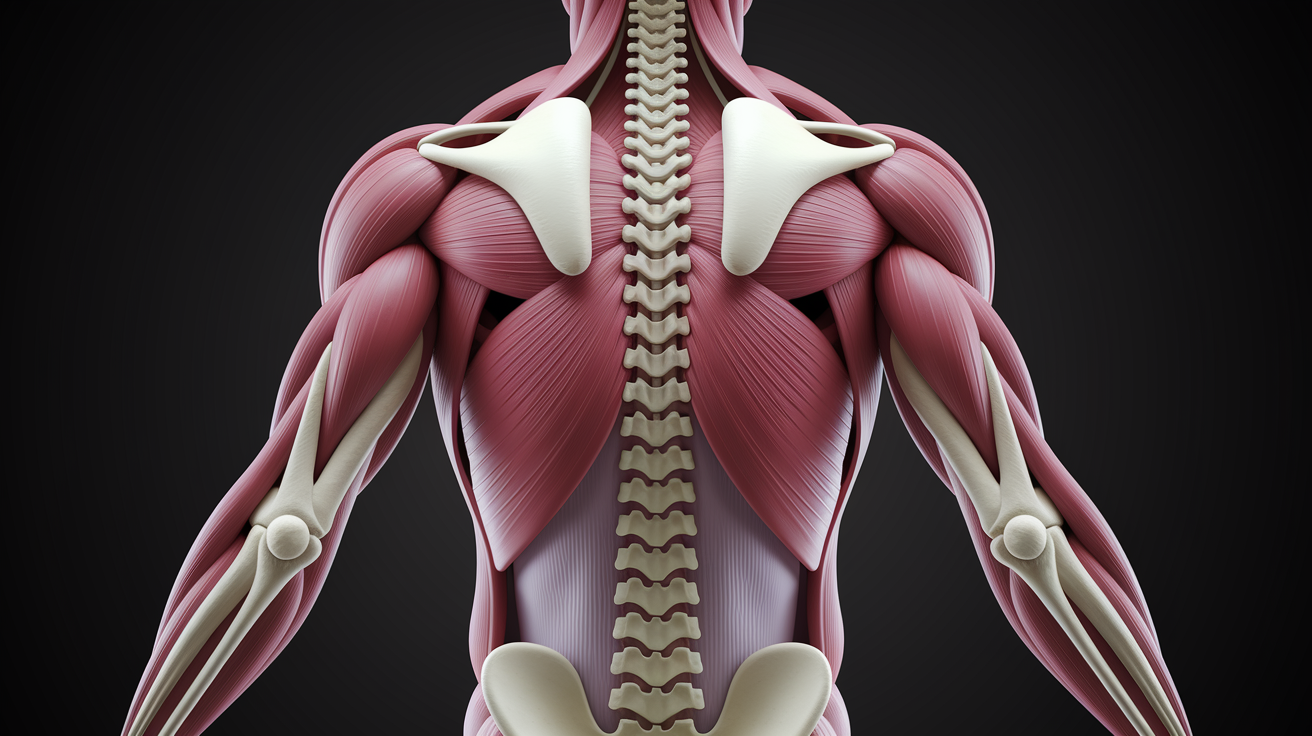
Your lower back is built around five lumbar vertebrae (L1 through L5) stacked between discs that absorb force. Deep stabilizers like the multifidus and transverse abdominis hold each vertebra in place. Your obliques, glutes, and hamstrings provide external support and control movement.
When your posterior muscles weaken (usually from sitting too much or bending forward repeatedly), those smaller spinal stabilizers work overtime. That imbalance loads the discs and facet joints unevenly. Over time, that uneven stress can turn into stiffness or discomfort. Strengthening your glutes, hamstrings, and deep core redistributes the workload and takes pressure off your lumbar structures.
Benefits of Lower Back Strengthening Exercises

Consistent lumbar work rebuilds the endurance and coordination of the muscles keeping your spine upright. Your posture improves because those postural muscles can hold position longer without getting tired.
Strength improves mobility. When your erector spinae, glutes, and hamstrings fire efficiently, your hips and thoracic spine move through a fuller range. Bending or twisting feels smoother. Movement quality goes up because your nervous system learns to coordinate muscle activation patterns.
People who stick with structured strengthening routines see fewer flare-ups. The lumbar tissues adapt to load, connective tissue density improves, and daily tasks (lifting groceries, picking up a kid, getting in and out of a car) become easier and less risky.
Warm-Up and Preparation Before Lower Back Strength Exercises

A proper warm-up raises tissue temperature, increases synovial fluid in your joints, and primes your nervous system to recruit the right muscles in the right order.
Five to ten minutes of walking or marching in place gets things moving. Hip circles and leg swings mobilize the hips. Three slow inhales through the nose, exhales through the mouth (diaphragmatic breathing) activate your deep core.
After that, practice core bracing. Stand tall, place your hands on your lower ribs and upper pelvis, then gently draw your belly button toward your spine while breathing normally. That subtle tension (about 30 percent of a full contraction) protects your lumbar spine during loaded movements and carries over into every exercise that follows.
Core and Posterior Chain Exercises for Strengthening the Lower Back

Anti-extension patterns (planks, dead bugs, rollouts) teach your core to resist lumbar hyperextension under load. Anti-rotation drills (bird dogs, Pallof presses, side planks) prevent unwanted twisting at the spine. Together, these patterns build the muscular scaffolding that keeps each lumbar segment stable while your limbs move.
Posterior chain work activates the glutes, hamstrings, and spinal erectors. Bridges for six reps. Hamstring curls for three sets of three. Reverse hyperextensions for six reps. Kettlebell swings for three explosive reps. All train hip extension and spinal stabilization under dynamic load. Swiss ball back extensions for four reps add an unstable surface that challenges the smaller stabilizers.
Rotate these exercises across your training week. Pair isometric holds (planks and side planks) on one day with dynamic posterior work (swings and bridges) on another. That variety prevents overuse, allows recovery, and develops both endurance and power in the muscles supporting your lower back.
Technique Guidance for Lower Back Strengthening Exercises
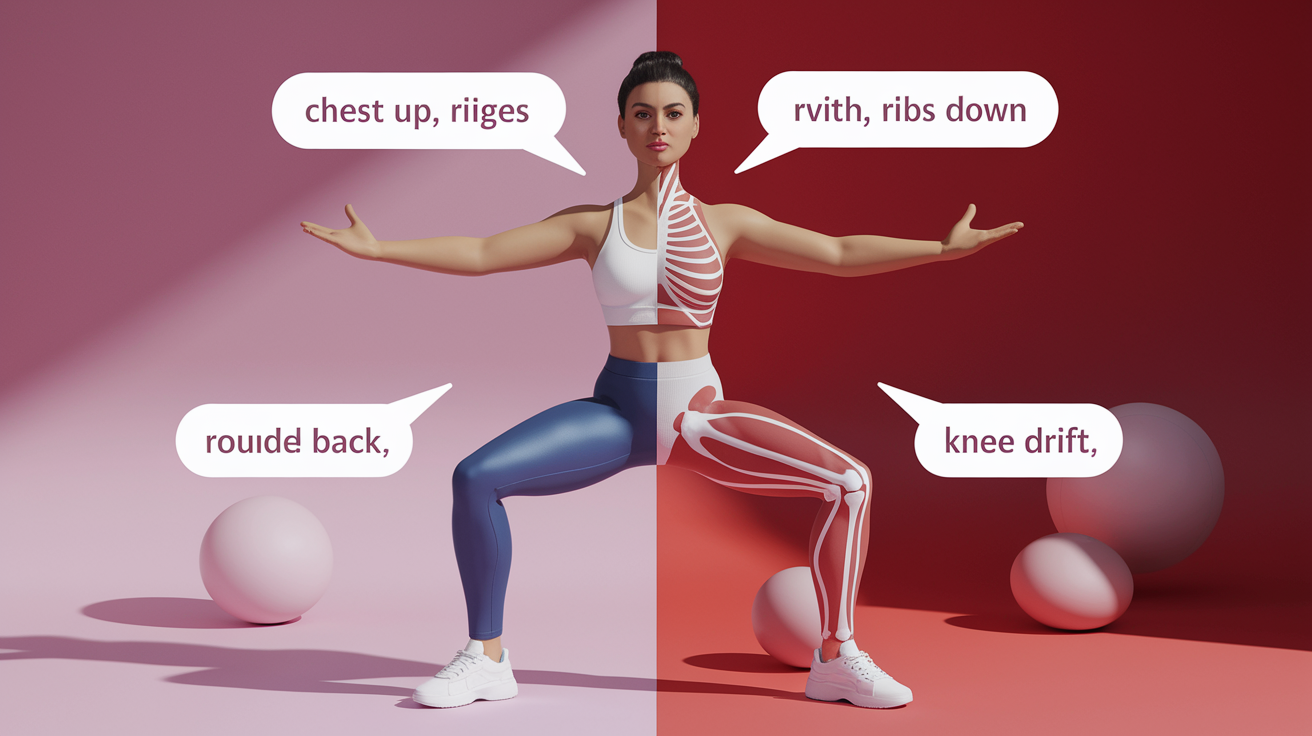
Neutral spine is the foundation. Your lumbar curve should stay natural. Not excessively arched, not rounded flat. The hip hinge is the primary movement pattern: push your hips back while keeping a soft bend in the knees and a flat back. That hinge loads the glutes and hamstrings instead of the lumbar discs.
Common errors? Rounding the lower back during deadlifts. Hyperextending during bridges. Letting the hips sag in planks. Corrections are simple: reduce the load, shorten the range, or hold onto a support until the movement feels controlled.
| Technique | Key Cue |
|---|---|
| Neutral spine during deadlift | Chest up, ribs down, slight arch in lower back |
| Hip hinge mechanics | Push hips back first, knees follow naturally |
| Plank alignment | Straight line from head to heels, core engaged |
Equipment and At-Home Tools to Support Lower Back Exercises
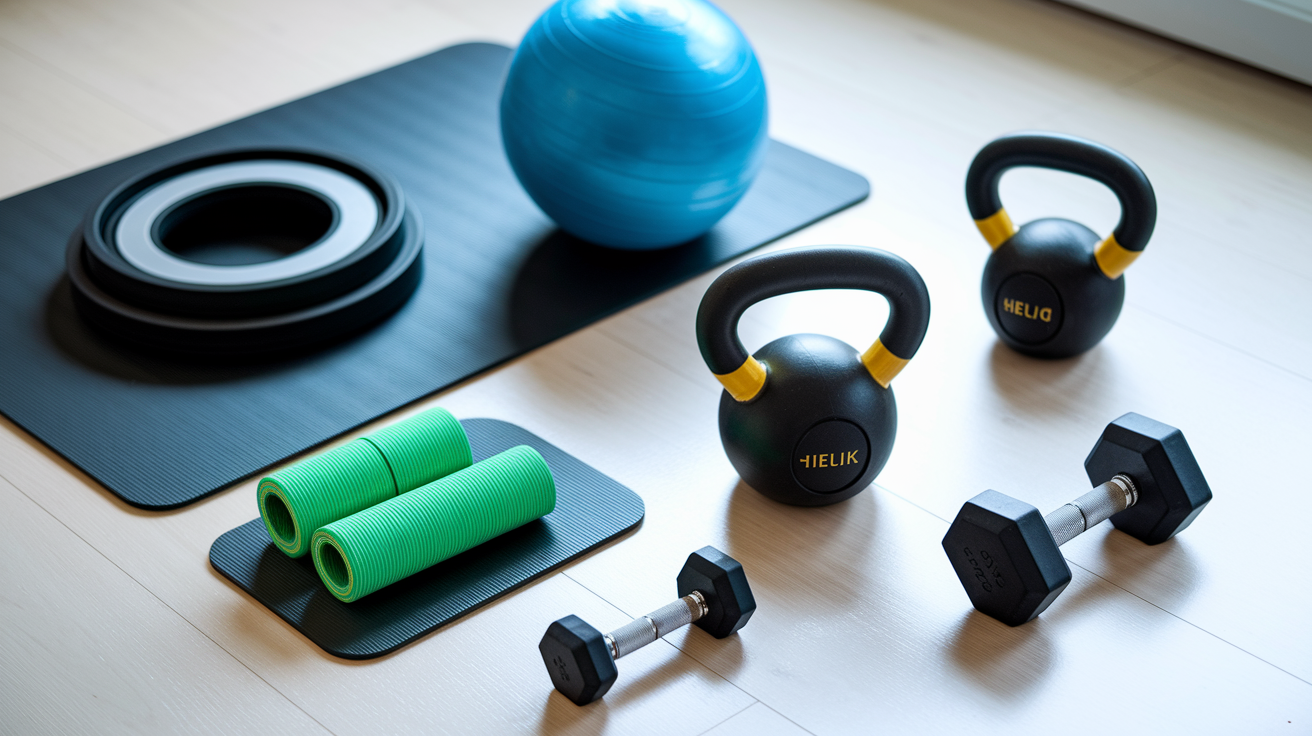
Bodyweight exercises (planks, bird dogs, bridges, supermans) build a strong foundation without any equipment. When those become manageable, resistance bands add load to rows and pull-aparts. A Swiss ball introduces instability for back extensions and hamstring curls. A single kettlebell or dumbbell opens up swings, Romanian deadlifts, and goblet squats.
Add resistance when you can complete the prescribed reps with clean form and still have one or two reps left in reserve. That buffer means you’re building strength, not compensation patterns. If your form breaks down, stick with bodyweight or lighter resistance until the movement feels automatic.
Progressions and Regressions for Lower Back Strength Exercises
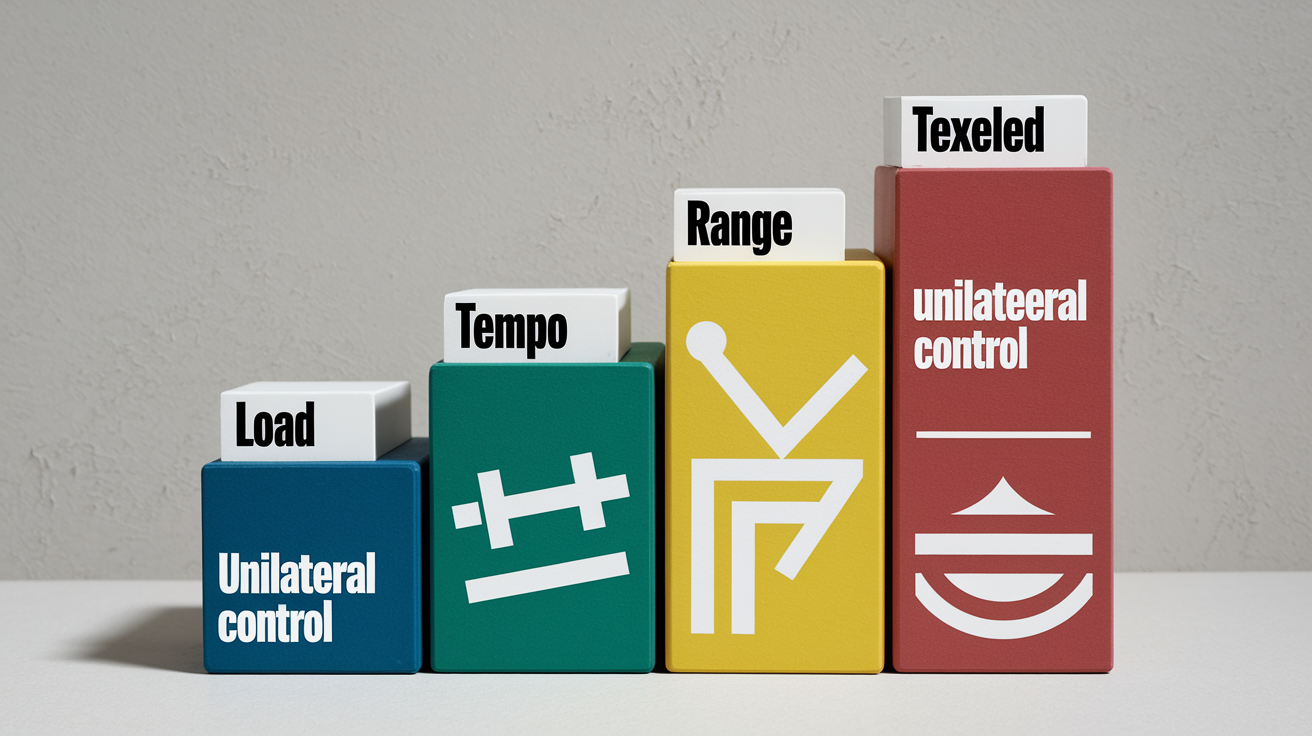
Progressive overload means gradually increasing demand. Add a rep. Extend a hold by five seconds. Increase resistance by five pounds. Or shift from bilateral to unilateral work (single-leg bridges instead of two-leg bridges). Small, consistent steps build long-term capacity without triggering flare-ups.
On days when your back feels tight or sore, regress the movement. Shorten your range of motion. Reduce hold times. Remove external load. Or substitute a gentler variation (wall sits instead of squats, knee planks instead of full planks).
Things you can adjust:
Load: add weight or resistance
Tempo: slow the eccentric phase to three seconds
Range: increase depth or extension distance
Unilateral control: move to single-arm or single-leg versions
Track one metric each week (hold time, reps completed, or resistance used) so you can see improvement over time. Progress doesn’t always feel linear, but the data keeps you honest.
Recovery, Mobility, and Post-Exercise Care for the Lower Back

Cool down with five to ten minutes of gentle stretching. Target the hamstrings with a standing or seated forward fold. Open the hip flexors with a kneeling lunge stretch. Finish with gentle spinal mobility (cat-cow or pelvic clocks) to restore full range of motion.
Foam rolling the glutes, hamstrings, and thoracic spine can reduce muscle tension and improve tissue quality. Spend thirty to sixty seconds on each area. Roll slowly and pause on tight spots. Don’t roll directly on the lumbar spine. Soft tissue work is for muscles, not vertebrae.
Heat before a session can loosen stiff muscles. Ice after a hard workout can reduce localized inflammation. Neither is mandatory, but both can support recovery if you use them consistently and find them helpful.
Safety Rules and When to Limit Lower Back Strengthening Exercises
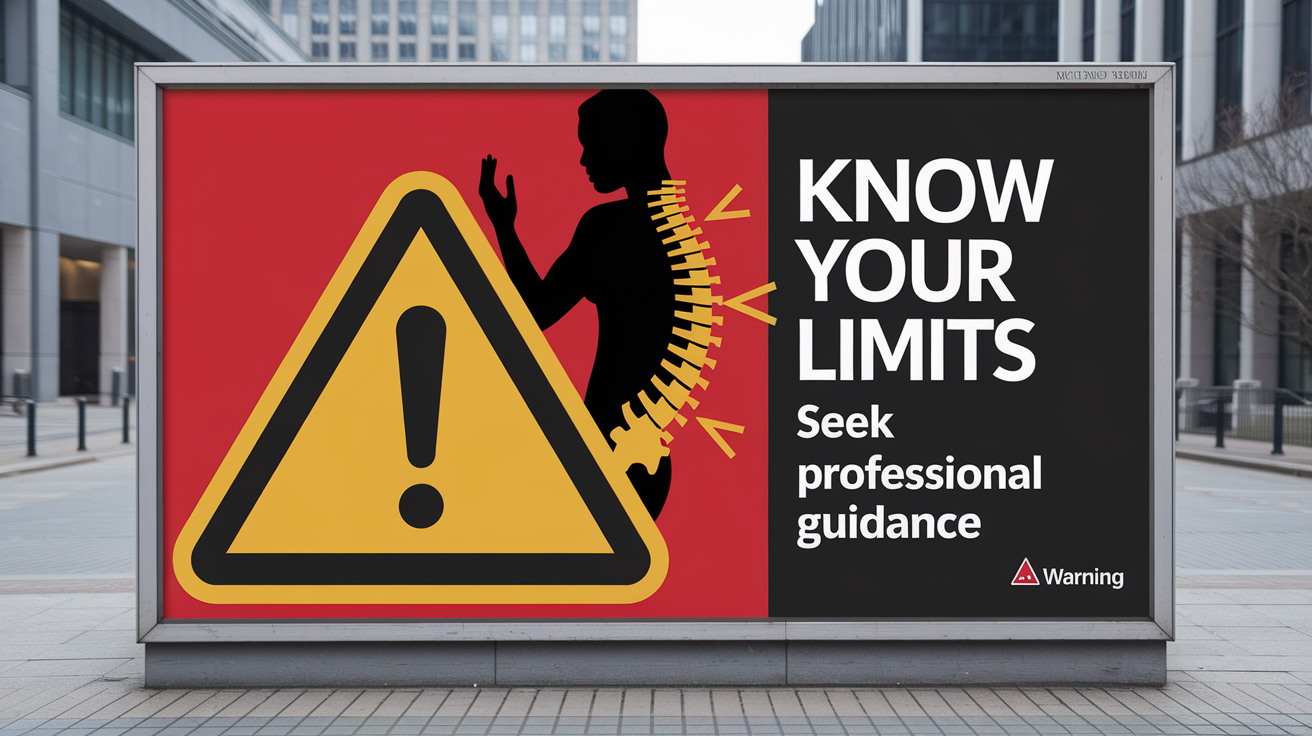
Stop immediately if you feel sharp, shooting, or radiating discomfort that travels down your leg or into your glutes. That pattern may indicate nerve involvement or disc irritation. Pushing through it increases risk.
If pain worsens during or after exercise, take a break and talk to a healthcare provider. Mild muscle soreness is normal. Pain that messes with your sleep, changes your gait, or comes with numbness or weakness requires professional evaluation. For safe, evidence-based movements and additional guidance, see Back Exercises for Pain Relief.
Weekly Templates and Routine Planning for Lower Back Strength Exercises
A simple weekly plan spreads volume across three or four sessions, with recovery between training days. Alternate core-focused days with posterior-chain days. Include at least one full rest day.
Modify the template based on your fitness level. Beginners start with the lower end of rep ranges and bodyweight only. Intermediate lifters add light resistance and progress holds. Advanced athletes layer in unilateral and weighted variations.
| Day | Exercises | Reps/Holds | Notes |
|---|---|---|---|
| Monday | Plank, Bird Dog, Pelvic Tilt | 20–60 sec hold, 3 reps, 4 reps | Core stability focus |
| Wednesday | Bridge, Hamstring Curl, Wall Sit | 6 reps, 3 reps, 3 rounds | Posterior chain focus |
| Friday | Side Plank, Superman, Glute March | Hold to tolerance, 3 reps, manageable reps | Anti-rotation and endurance |
| Sunday | Rest or light mobility | — | Recovery and soft-tissue work |
Advanced Strength Exercises for the Lower Back and Posterior Chain
Advanced loading builds power, resilience, and higher-level movement capacity. Kettlebell swings for three explosive reps train hip extension speed. Romanian deadlifts and kickstand RDLs challenge single-leg stability and hamstring control. Farmer’s carries load the entire posterior chain under a sustained hold.
Reverse hyperextensions for six reps isolate the glutes and spinal erectors without compressing the lumbar discs. Swiss ball back extensions for four reps add instability, forcing the deep stabilizers to fire harder. These movements require solid baseline strength and controlled form.
Add advanced exercises after you can perform the foundational routine with clean technique and no discomfort. Pair them with anti-rotation core work (Pallof presses, side planks with reach) to maintain balance between strength and stability across all planes of movement.
Lifestyle and Daily Movement Tips to Support Lower Back Strength
Posture at your desk, in your car, and while standing affects lumbar load throughout the day. Sitting with a rounded lower back for hours shifts pressure onto the discs and weakens the postural muscles. Breaking up long sits with movement resets alignment and reduces cumulative strain.
Stand and walk for two minutes every hour. Do a kneeling hip flexor stretch mid-morning and mid-afternoon. Squeeze your glutes for five seconds while standing in line or waiting for coffee. Check neutral spine position (ribs down, pelvis level) whenever you notice your posture has drifted.
When lifting groceries, laundry, or a child, hinge at the hips and brace your core before picking up the load. Keep the object close to your body. Stand by driving through your heels. Those small daily habits protect your lower back as much as any training session.
Integrating Lower Back Strength Exercises Into Full-Body Training
Lumbar work pairs naturally with compound lifts. Squats, deadlifts, and overhead presses all require core stability and posterior-chain strength. Dedicated lower-back exercises improve your performance in those movements and reduce injury risk.
A sample weekly split might include two lower-body days with squats and Romanian deadlifts, one upper-body pull day with rows and reverse flyes, and two dedicated core and lumbar sessions with planks, bird dogs, and bridges. That layout hits the posterior chain from multiple angles while allowing adequate recovery between sessions.
Medical Therapies and When Exercise Alone Is Not Enough
Physical therapy offers individualized assessment, hands-on manual therapy, and progressive exercise prescription tailored to your specific limitations. Chiropractors can address joint mobility and alignment issues that contribute to chronic stiffness.
Modalities like electrical stimulation, ultrasound, and therapeutic taping can support the rehab process, though they work best when combined with active strengthening. Tools like resistance bands, slant boards, and foam rollers extend the work you do in the clinic into your home routine.
When conservative care (structured physical therapy, pain management, progressive strengthening) fails to resolve chronic mechanical low-back pain caused by multifidus dysfunction, ReActiv8 is an FDA-approved implantable neurostimulation device. It delivers bilateral stimulation to the L2 medial branch of the dorsal ramus at L3 and is prescribed for adults who aren’t candidates for spine surgery. Outcomes depend on physician evaluation and device programming. Implantation occurs in an outpatient setting by certified providers.
Final Words
Start with the quick starter routine: pelvic tilts, bird dogs, bridges, superman, and planks. Do it 2 to 4 times a week after a short warm up, moving slowly with a neutral spine.
Then layer in core and posterior chain work, technique cues, and progressions or regressions based on how you feel. Use simple tools like bands, a stability ball, or weights, and give recovery time.
Use these exercises to strengthen lower back in short, regular sessions. Track one small goal this week, maybe two sessions, and you’ll build strength and confidence. You got this.
FAQ
Q: How do you strengthen a weak lower back?
A: The way to strengthen a weak lower back is a short routine: pelvic tilts, bird dogs, bridges, superman, and planks. Do them 2–4 times a week, slow, with a neutral spine.
Q: What are the big 3 exercises for lower back? / What are the 5 best exercises for your lower back?
A: The big three lower back exercises are the hip hinge (deadlift/RDL), glute bridge, and back extension; the five-best list adds bird-dog and plank to improve core control and endurance.
Q: What are signs of a weak lower back?
A: Signs of a weak lower back include poor posture, low endurance for planks or standing, aching after everyday tasks, difficulty with hip-hinge movements, and feeling unstable during lifts or bends.