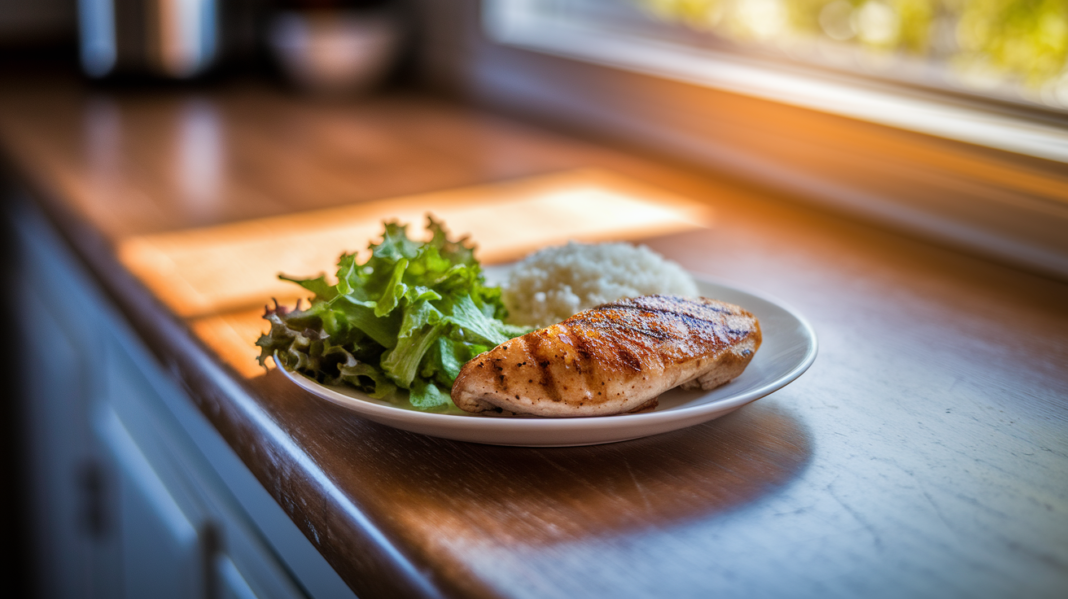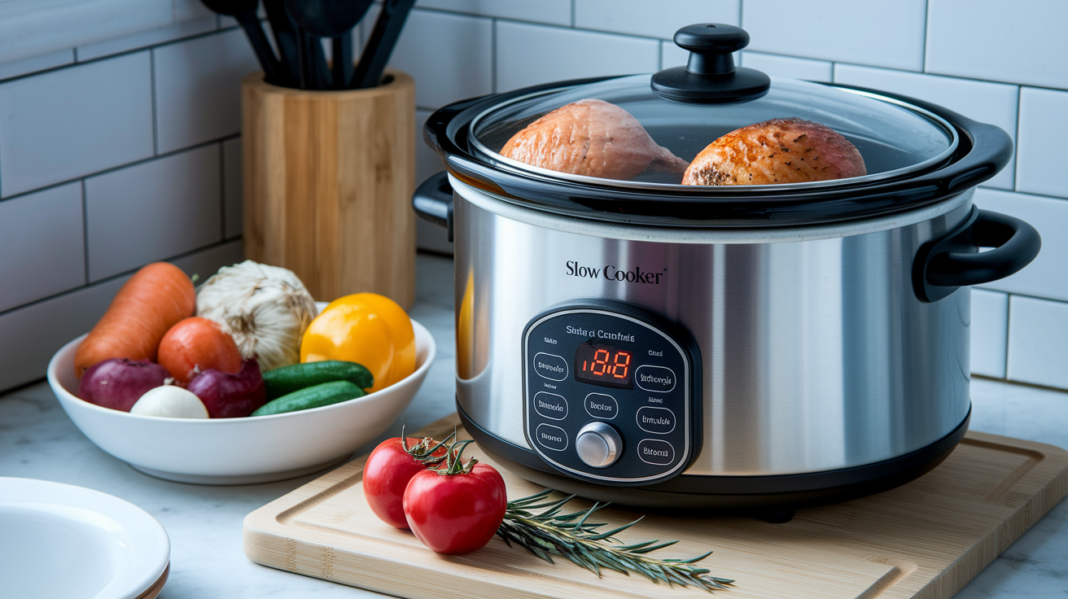
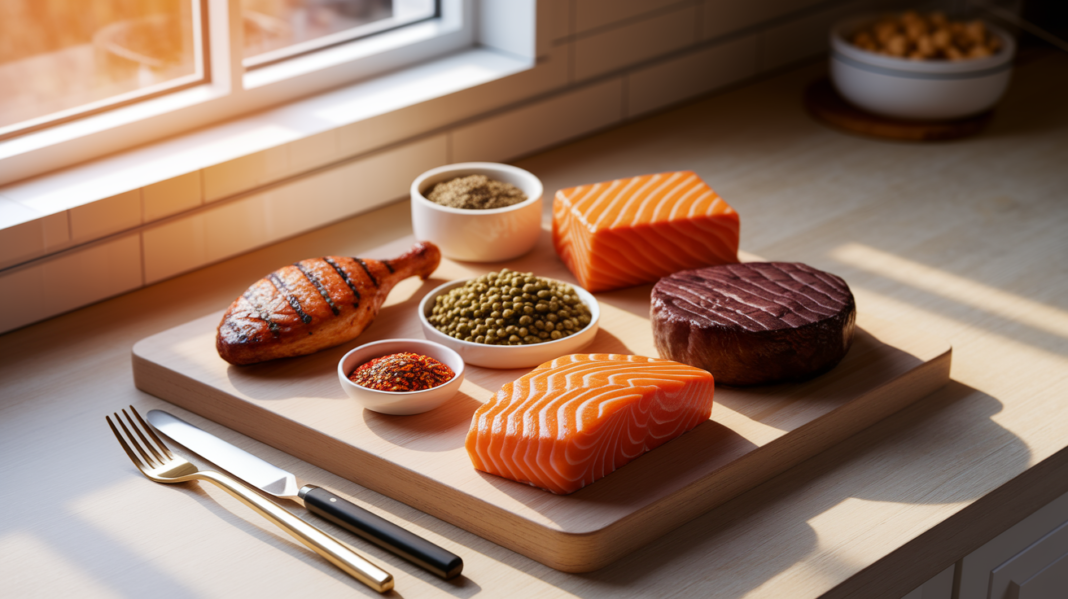
If your go-to high-protein dinner is grilled chicken every night, you’re missing out.
You can hit 25 to 50 grams of protein in 15 to 35 minutes without complicated recipes or odd ingredients.
This post gives 10 fast, practical dinners across meat, seafood, and plant-based options that actually deliver the protein numbers they promise.
Plus easy ingredient swaps and pantry tricks so your meals fill you up and save time.
Ready for dinners that work on busy nights? Let’s get cooking.
Quick High-Protein Dinner Options
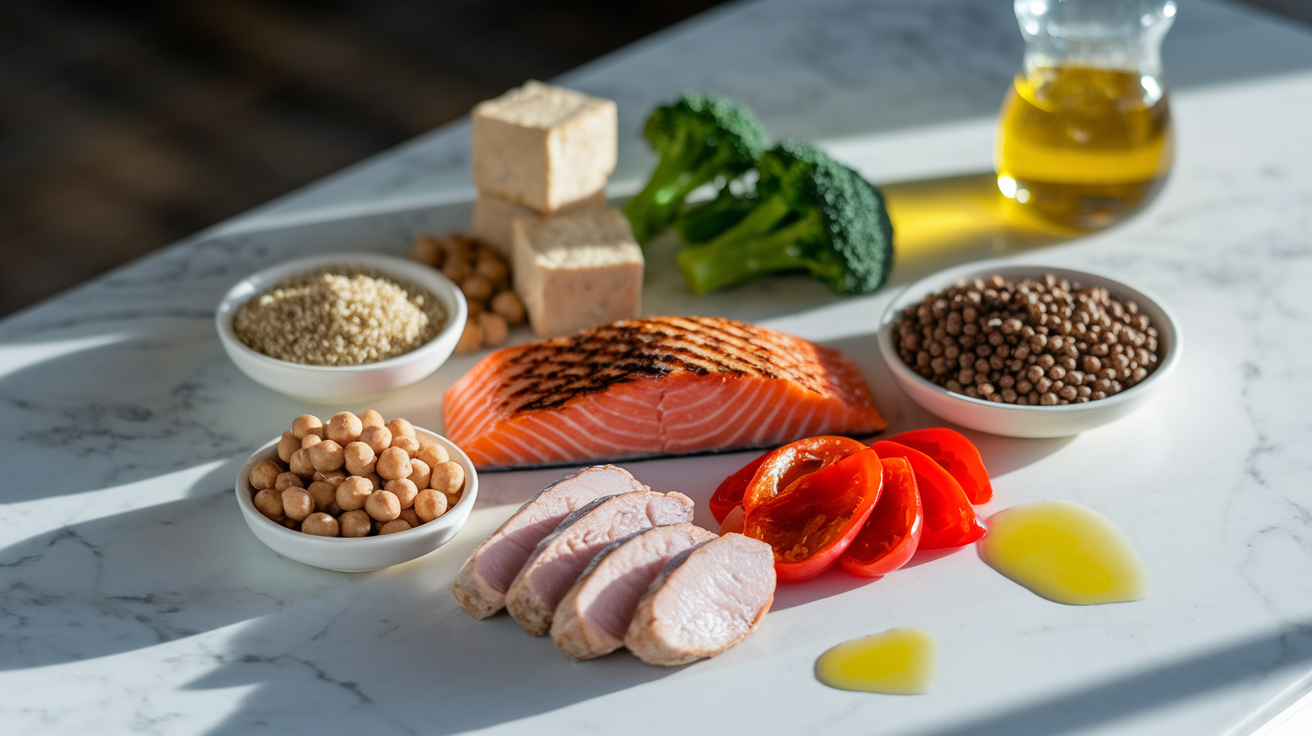
When you’re staring at nutrition labels trying to hit 25 to 40 grams of protein at dinner, the options narrow fast. Most people default to grilled chicken every single night because it’s easy. But you don’t need to.
High-protein dinners come together in 15 to 35 minutes if you keep lean proteins, frozen vegetables, and a few pantry staples on hand. Pair a dense protein source with fiber-rich vegetables or whole grains so the meal fills you up without leaving you starving an hour later.
Here are 10 fast, practical high-protein dinner ideas that actually deliver:
Pan-seared salmon with steamed broccoli. About 42g protein per 6 oz fillet.
Garlic shrimp stir-fry with snap peas. About 50g protein per 8 oz shrimp.
Grilled chicken breast over quinoa and roasted Brussels sprouts. About 50g protein per 6 oz chicken.
Turkey burger lettuce wraps with avocado. About 34g protein per 6 oz patty.
Beef and broccoli over cauliflower rice. About 42g protein per 6 oz flank steak.
Tofu and edamame stir-fry with sesame-garlic sauce. About 28g protein per 200g tofu plus 100g edamame.
Greek yogurt chicken salad on whole-wheat pita. About 46g protein per 3 oz chicken plus 1 cup Greek yogurt.
Black bean and quinoa stuffed bell peppers. About 22g protein per stuffed pepper.
Seared tuna steak over mixed greens with chickpeas. About 45g protein per 6 oz tuna.
Skillet pork chops with apple-onion pan sauce. About 40g protein per 6 oz chop.
These recipes cover meat, seafood, and plant-based combinations. Most hit between 25 and 50 grams of protein per serving, and they all cook in under 30 minutes once your protein and vegetables are prepped. Choose a high-quality protein and keep the prep steps minimal so you’re not stuck in the kitchen when you’re already tired.
Chicken-Based High-Protein Dinners
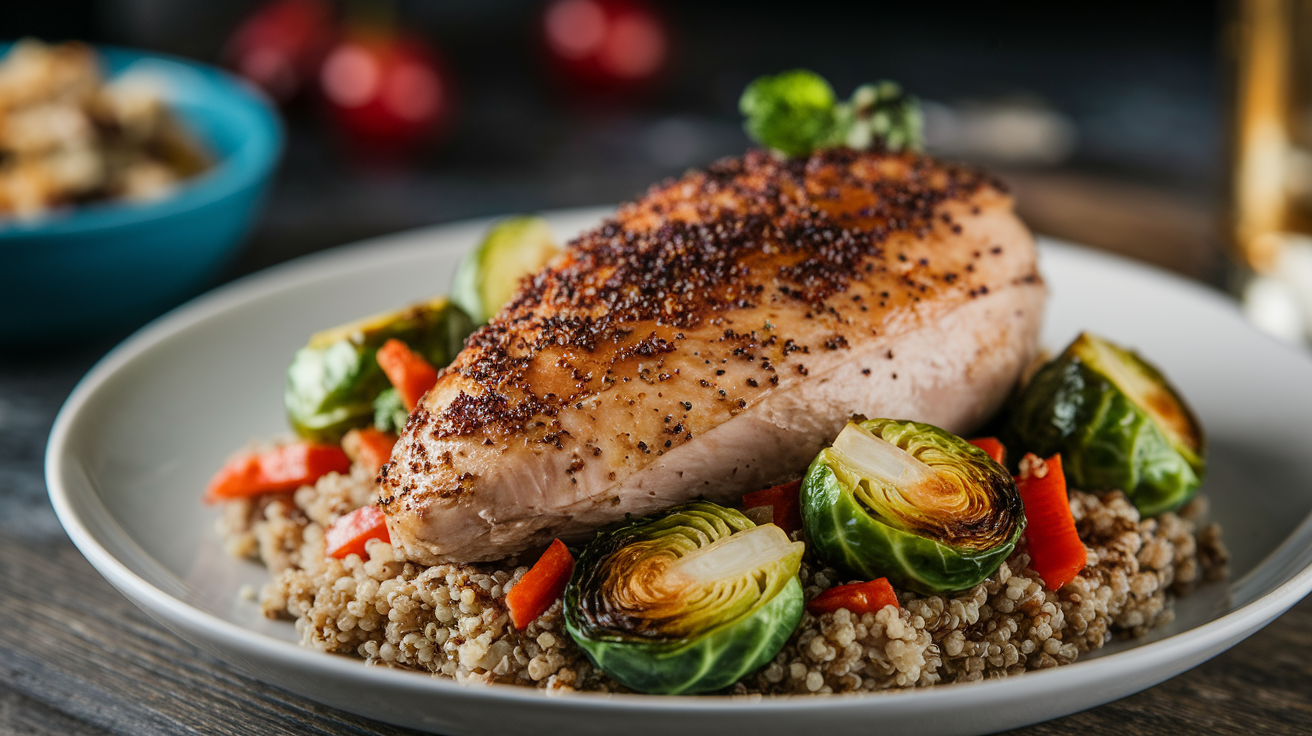
Chicken breast is the default high-protein dinner for good reason. A 4 oz serving gives you 25 to 35 grams of protein, depending on how it’s cooked. It pairs with almost anything. But beyond grilled chicken over rice, there are faster, more flavorful options that don’t feel repetitive.
Here are 5 chicken dinner ideas that keep things simple:
Sheet-pan chicken fajitas. Slice 6 oz chicken breast, toss with bell peppers and onions, roast 18 minutes at 425°F. About 50g protein per serving.
Lemongrass broth bowls with yellow curry chicken. Simmer 5 oz shredded chicken in coconut milk and curry paste, serve over rice noodles and greens. About 38g protein per bowl.
One-skillet cheesy salsa chicken rice bake. Brown 6 oz chicken, stir in rice, salsa, and shredded cheddar, bake covered 25 minutes. About 46g protein per serving.
Crispy air-fryer chicken thighs with roasted sweet potatoes. Air-fry 5 oz boneless thighs 12 minutes at 400°F, serve with cubed sweet potatoes. About 40g protein per serving.
Thai peanut chicken noodle bowls. Toss 5 oz grilled chicken with rice noodles, shredded cabbage, and 2 tablespoons peanut sauce. About 42g protein per bowl.
All five dinners cook in 20 to 35 minutes. The protein count stays high because you’re using whole chicken breast or thighs without breading or heavy sauces that dilute the macros. Prep time drops when you buy pre-sliced chicken or use rotisserie chicken for the bowl recipes.
High-Protein Beef and Turkey Dinner Ideas
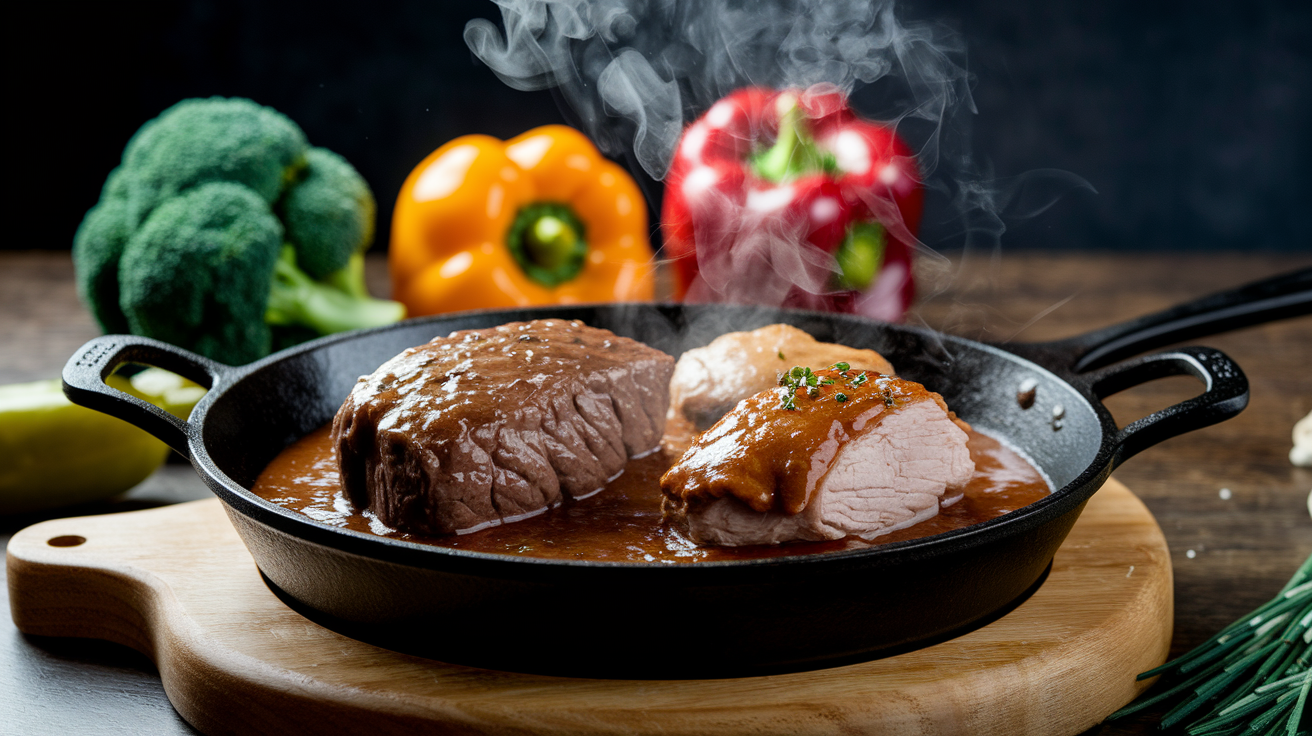
Lean ground turkey runs about 22 to 26 grams of protein per 4 oz. Lean beef sits at 23 to 28 grams for the same portion. Both cook fast in a skillet or sheet pan, and they hold up well for meal prep.
Here are 5 beef and turkey dinners that deliver:
Skillet Mexican beef and rice. Brown 6 oz lean ground beef, stir in cooked rice, black beans, and taco seasoning, simmer 10 minutes. About 38g protein per serving.
Sesame beef and broccoli over cauliflower rice. Stir-fry 6 oz thinly sliced flank steak with broccoli florets and oyster sauce, 15 minutes total. About 42g protein per serving.
Turkey burger lettuce wraps with spicy mayo. Form 6 oz ground turkey into patties, pan-sear 5 minutes per side, wrap in butter lettuce with tomato and avocado. About 34g protein per burger.
Loaded chipotle beef sweet potato skins. Bake 1 large sweet potato 20 minutes, fill with 4 oz cooked ground beef, chipotle in adobo, and a sprinkle of cheese. About 30g protein per loaded skin.
One-pan teriyaki turkey meatballs with snap peas. Bake 6 oz turkey meatballs 18 minutes at 400°F, toss with snap peas and teriyaki glaze. About 36g protein per serving.
These recipes keep the prep straightforward. Most use one skillet or sheet pan. Cook times stay under 25 minutes once your protein is browned or baked. The protein totals land in the mid-30s to low-40s per serving, which fits most daily targets without doubling portions.
Seafood-Focused High-Protein Dinner Ideas
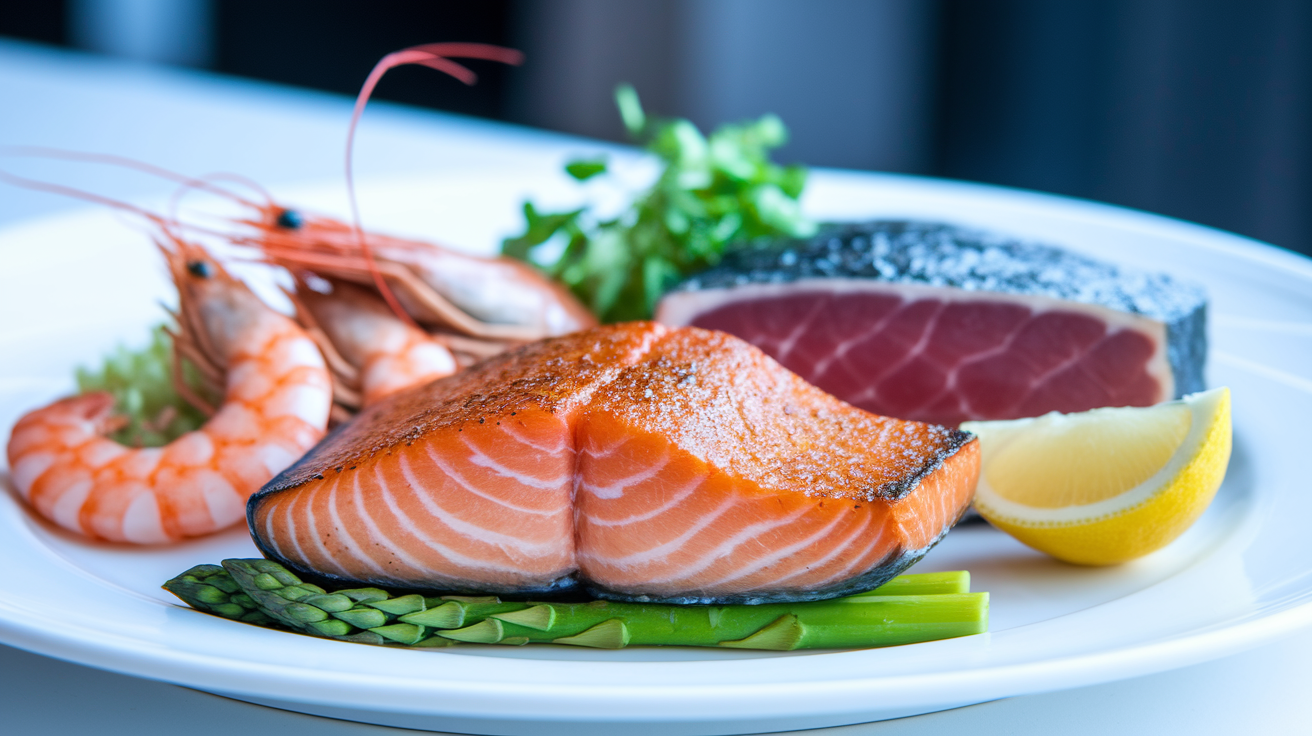
Salmon packs 22 to 25 grams of protein per 4 oz. Shrimp delivers 18 to 20 grams per 3 oz. Both cook in under 15 minutes, making them faster than most chicken or beef options.
Here are 5 seafood dinners with solid protein counts:
Pan-seared salmon with lemon and asparagus. Sear a 6 oz fillet 4 minutes per side, serve with steamed asparagus. About 42g protein per serving.
Garlic shrimp stir-fry with broccoli and bell peppers. Sauté 8 oz shrimp with garlic, ginger, and vegetables, 10 minutes total. About 50g protein per serving.
Sheet-pan Dijon salmon with sesame panko potatoes. Roast 6 oz salmon and diced potatoes at 425°F for 18 minutes, brush salmon with Dijon mustard halfway through. About 40g protein per serving.
Crispy BBQ salmon tacos with avocado mango salsa. Air-fry 5 oz salmon 8 minutes at 400°F, flake into corn tortillas with salsa. About 35g protein per two tacos.
Seared tuna steak over mixed greens and chickpeas. Sear a 6 oz tuna steak 2 minutes per side for rare, serve over greens with ½ cup chickpeas. About 45g protein per serving.
Seafood doesn’t require long marinades or complicated techniques. A quick sear, a sheet pan, or an air fryer gets the job done. Protein stays high because fish and shellfish are naturally lean, and you’re not adding fillers or heavy batters.
Vegetarian and Vegan High-Protein Dinners
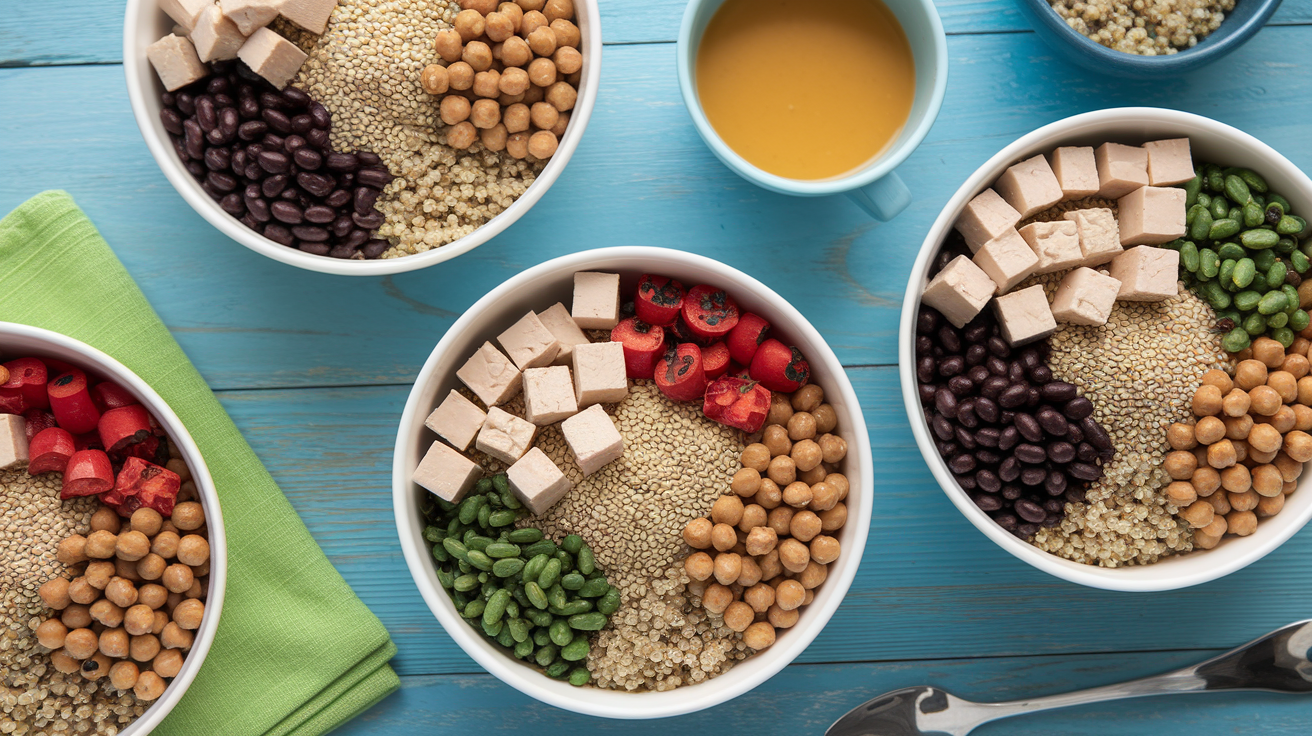
Plant-based proteins can hit the same 25 to 40 gram range per meal when you combine legumes, soy products, and whole grains. Tofu delivers 18 to 22 grams of protein per cup, lentils give you 17 to 20 grams per cooked cup, and chickpeas land at 14 to 16 grams per cup.
The trick is layering two or three protein sources in one dish instead of relying on a single ingredient. Pair tofu with edamame, or lentils with quinoa. The totals add up without doubling portions.
Here are 5 plant-based dinners that deliver:
Crispy air-fryer tofu with sesame-garlic edamame. Cube 200g firm tofu, air-fry 12 minutes at 400°F, toss with 100g shelled edamame and soy-sesame glaze. About 28g protein per serving.
Instant Pot red curry lentils with coconut milk. Pressure-cook 1 cup red lentils with curry paste and coconut milk for 10 minutes, serve over rice. About 20g protein per serving (lentils only, add quinoa for 26g total).
Black bean and quinoa stuffed bell peppers. Fill halved peppers with 1 cup cooked quinoa, 1 cup black beans, and corn, roast 20 minutes at 375°F. About 22g protein per stuffed pepper.
Spicy peanut tofu bowls with brown rice and cabbage. Pan-fry 200g tofu cubes, toss with peanut sauce, shredded cabbage, and ½ cup edamame over brown rice. About 30g protein per bowl.
Lentil and paneer quick curry. Simmer 1 cup cooked lentils with 100g paneer cubes, canned tomatoes, and curry spices for 15 minutes. About 26g protein per serving.
These recipes work because they stack protein sources rather than hoping one ingredient carries the whole meal. Cook time stays under 25 minutes for most. Leftovers hold up well for lunch the next day.
Tips for Maximizing Protein in Any Dinner
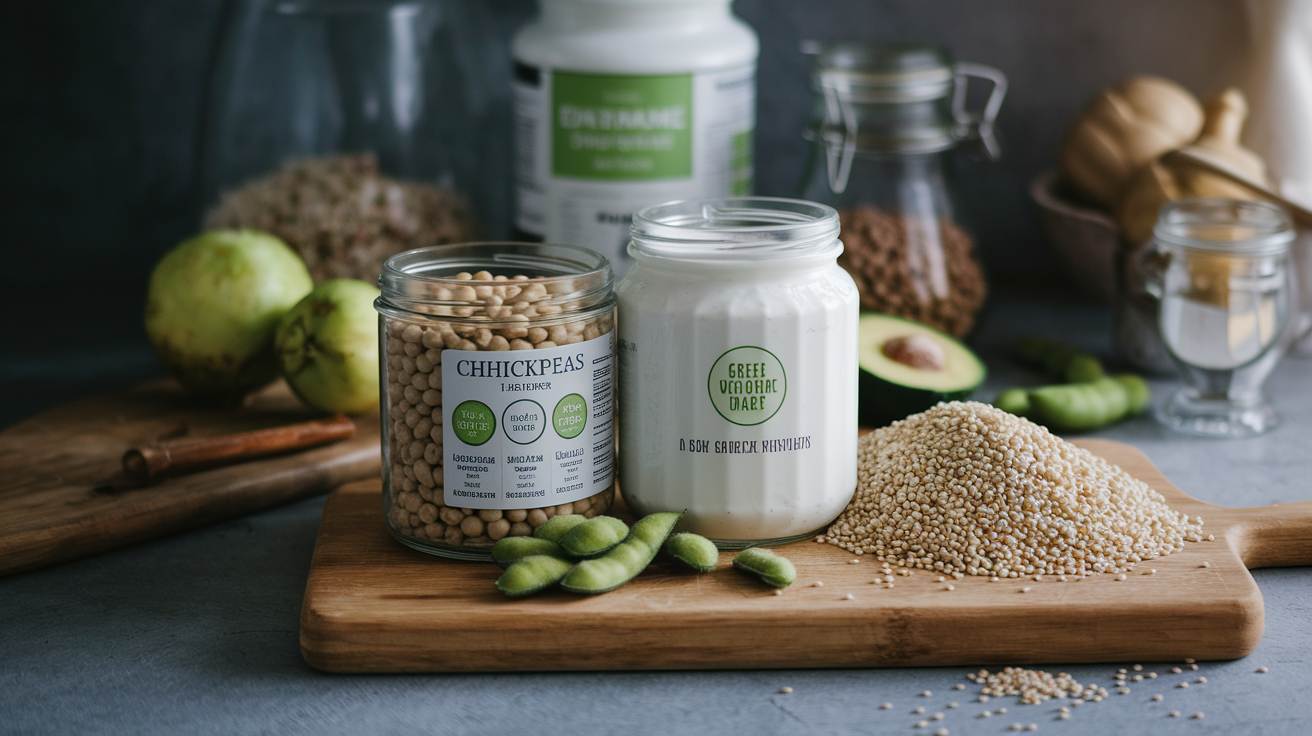
You don’t need to overhaul your entire grocery list to hit higher protein numbers. Small, deliberate swaps and a few pantry staples can push any dinner from 15 grams to 30 or 40 grams without adding extra cooking time.
The most effective changes happen at the ingredient level, not the recipe level. Swap regular pasta for chickpea pasta, and you’ve added 10 grams of protein. Use Greek yogurt instead of sour cream in tacos, and you’ve added another 8 grams. These tweaks stack fast.
Here are 7 practical ways to increase protein in any meal:
Add a handful of edamame, chickpeas, or black beans to salads, bowls, or stir-fries for an extra 7 to 10 grams per half cup.
Top finished dishes with 2 tablespoons of grated Parmesan (about 10g protein) or crumbled feta (about 4g protein per ounce).
Swap white rice for quinoa or farro to add 4 to 6 grams of protein per cooked cup.
Mix 1 cup of Greek yogurt into sauces, dressings, or marinades instead of mayonnaise or cream for an extra 20 grams of protein.
Use tofu or tempeh as a base layer in grain bowls, even if you’re also adding chicken or fish, to push totals over 40 grams.
Keep a container of rotisserie chicken in the fridge to toss into soups, wraps, and pasta for a fast 25 to 30 gram protein boost.
Batch-cook hard-boiled eggs and slice one or two into salads or grain bowls for an extra 6 grams each.
These changes don’t require new recipes or extra prep time. They’re ingredient-level shifts that fit into whatever you’re already cooking. The goal is consistent protein across the week, not perfection in one meal.
Final Words
In the action, this post gave 10 quick high-protein dinner ideas and separate sections for chicken, beef and turkey, seafood, and vegetarian meals. Each idea listed an estimated protein amount so you can pick what fits your goals.
You also got fast formats like stir-fries, sheet-pan meals, and one-pot dishes, plus simple swaps and seven tips to boost protein without extra fuss.
Use these high protein dinner ideas this week. Pick one, stick with it, and enjoy the progress.
FAQ
Q: What’s a good dinner with high protein?
A: A good high-protein dinner is a balanced plate built around a solid protein (fish, chicken, tofu), plus veg and a whole grain. For example grilled salmon (25–35g), chicken breast (30–40g), or tofu stir fry (18–25g).
Q: How to get 40g of protein for dinner?
A: To get 40g of protein at dinner, choose a single larger portion or mix foods. Try a 6 oz chicken breast (~40g), or 4 oz salmon (~25g) plus 1 cup cooked lentils (~18g).
Q: What are good proteins to eat for dinner?
A: Good proteins for dinner include lean meats (chicken, turkey), fish (salmon, tuna), eggs, dairy (Greek yogurt, cottage cheese), tofu, tempeh, lentils, chickpeas, and protein-rich grains like quinoa.
Q: How to get 150g of protein a day?
A: To get 150g protein a day, spread it across meals and snacks: breakfast 30–40g, lunch 40g, dinner 40g, plus two 10–20g snacks. Use lean meats, dairy, legumes, and a protein shake.