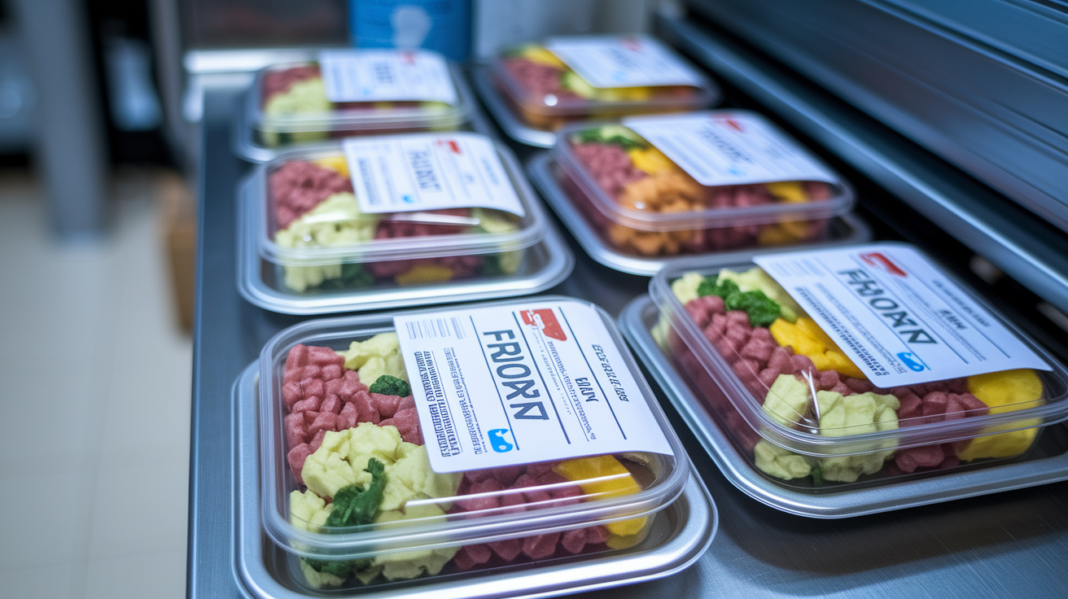
Think frozen dinners can’t help your protein goals?
Most grocery frozen meals only have 15 to 25 grams of protein and a lot of sodium, but premium and subscription options often deliver 25 to 40 grams without tasting like reheated cardboard.
This post cuts through the freezer aisle and gives you budget picks and higher-end meals that hit real protein targets, keep calories sensible, and actually taste good so you can eat well without cook time.
Top High-Protein Frozen Meal Picks That Meet Your Protein Needs Fast
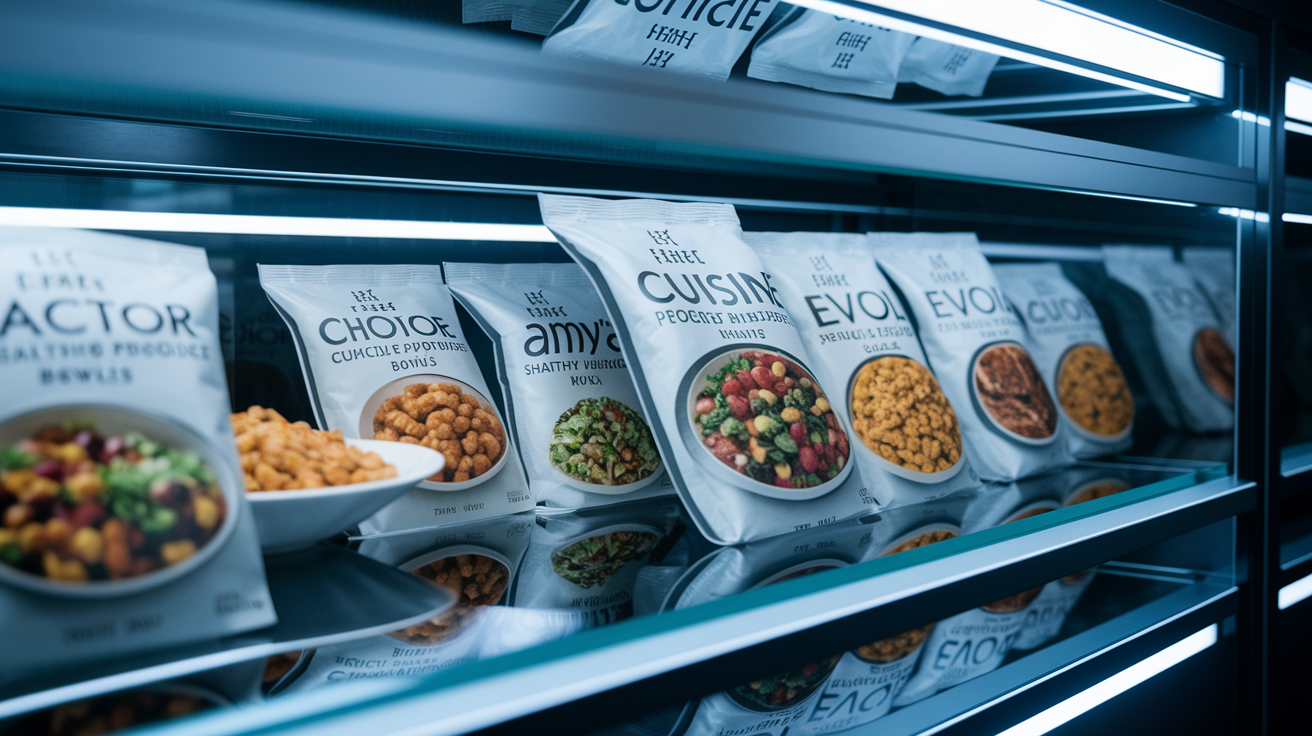
Most grocery frozen meals land between 15 and 25 grams of protein per serving. Premium subscription boxes push 25 to 40 grams. Calories run anywhere from 200 to 600, and sodium sits between 600 and 1,200 milligrams unless the label says low-sodium. If you’re standing in the freezer aisle or scrolling through a meal service menu, knowing which options hit your protein target without burying you in sodium makes the choice faster.
The picks below balance protein density, reasonable calories, and real-world price points. Subscription meals cost more per serving but usually deliver cleaner ingredient lists and higher protein. Budget grocery options still work if you know which brands to grab.
Factor meals deliver 25 to 40 grams of protein, 350 to 700 calories, and cost $9 to $15 per meal on subscription. Taste ratings sit around 4.2 to 4.8 out of 5. Available direct online and in select retailers.
Healthy Choice Power Bowls give you 18 to 22 grams of protein, 250 to 420 calories, and cost $2.99 to $4.99 at retail. Sodium often hits 600 to 900 milligrams. Taste ratings land around 3.5 to 4.0 out of 5.
Lean Cuisine Protein lines offer 15 to 22 grams of protein, 180 to 350 calories, and run $2.50 to $4.00 retail. Taste ratings sit around 3.2 to 4.0 out of 5.
EVOL bowls and entrees pack 15 to 25 grams of protein, 300 to 500 calories, and cost $3.49 to $5.49 retail. Taste ratings hit 3.8 to 4.3 out of 5.
Amy’s organic options provide 10 to 18 grams of protein for many entrees, 250 to 450 calories, and cost $3.99 to $6.99. Vegetarian-focused. Taste ratings run 3.5 to 4.2 out of 5.
Atkins frozen meals deliver 15 to 20 grams of protein with net carbs under 10 to 20 grams. Cost $3.00 to $5.00. Targeted at keto and low-carb shoppers.
Daring plant-based bowls offer 20 to 23 grams of protein, 400 to 460 calories. Gluten-free and vegan.
High-protein specialty brands (muscle-focused or subscription) push 30 to 40 grams of protein and cost $8 to $14 per meal.
You’ll find grocery options at Walmart, Kroger, Target, and natural-food stores. Subscription meals ship direct or show up on Amazon and Instacart. Multi-packs sometimes drop the per-meal price.
Nutrition Breakdown of Popular Frozen High-Protein Meals
Single-serve frozen entrees weigh about 8 to 12 ounces and pack 200 to 600 calories depending on portion size and ingredients. Protein ranges from 15 grams in lighter grocery meals to 40 grams in premium subscription boxes. Sodium is the catch. Most frozen meals land between 600 and 1,200 milligrams per serving, which is a big chunk of the daily recommended maximum of 2,300 milligrams. Low-sodium versions exist but aren’t common and usually require hunting the fine print.
Portion size matters when you’re comparing meals. A 9-ounce chicken bowl with 20 grams of protein isn’t the same density as a 12-ounce pasta dish with the same protein number. Lean protein bases like chicken breast, turkey, shrimp, and some plant proteins deliver more grams of protein per calorie than fattier cuts or cheese-heavy sauces. Check the weight on the package and divide protein grams by total calories to get a quick sense of protein density.
| Meal Example | Protein (g) | Calories (kcal) | Sodium (mg) | Weight (oz) |
|---|---|---|---|---|
| Factor Premium Chicken Bowl | 35 | 450 | 780 | 10 |
| Healthy Choice Power Bowl | 20 | 330 | 750 | 9.5 |
| Lean Cuisine Balance Bowl | 21 | 230 | 640 | 8 |
| EVOL Chicken Entree | 22 | 380 | 820 | 10 |
| Daring Plant-Based Bowl | 23 | 460 | 760 | 11 |
Best Brands Offering High-Protein Frozen Meals
Factor positions itself as a premium ready-meal subscription with chef-developed recipes, clean ingredient lists, and consistent protein delivery in the 25 to 40 gram range. Taste ratings hover around 4.2 to 4.8 out of 5 because the meals avoid that reheated-mush texture common in cheaper grocery brands. You pay for it. Factor meals run $9 to $15 each on subscription plans. But the protein-per-dollar ratio improves when you buy larger weekly bundles.
Healthy Choice, Lean Cuisine, and EVOL occupy the grocery middle ground. Healthy Choice Power Bowls and Lean Cuisine’s protein-forward lines deliver 18 to 25 grams per serving at retail prices between $2.50 and $5.49. EVOL leans slightly higher on flavor ratings (around 3.8 to 4.3) and tends to include whole grains and recognizable vegetables. Lean Cuisine skews lower in calories and sodium compared to some competitors, which helps if you’re tracking a tighter calorie budget. Taste scores in this tier generally sit between 3.2 and 4.0. Acceptable for convenience, less exciting for repeat eating.
Plant-based brands like Amy’s, Daring, and Purple Carrot offer reliable vegetarian and vegan protein sources, though protein totals often land on the lower end (10 to 23 grams) unless the meal is specifically designed around high-protein ingredients like tempeh, seitan, or pea protein. Amy’s focuses on organic, simple ingredient lists and costs $3.99 to $6.99 per entree. Daring and Purple Carrot push higher fiber (up to 18 grams) and gluten-free formulations but also higher price points. If you’re plant-based and chasing 25 to 30 grams of protein, plan to pair these meals with an extra protein side like edamame or a scoop of chickpeas.
Factor gives you premium subscription meals, 25 to 40 grams of protein, chef-developed recipes, strong taste ratings, higher price.
Healthy Choice & Lean Cuisine are grocery staples with moderate protein, budget-friendly pricing, acceptable flavor, wide retail availability.
EVOL offers balanced macros, whole-food ingredients, flavor ratings above average for grocery tier.
Amy’s focuses on organic, vegetarian options with simple ingredient lists and moderate protein.
Daring & Purple Carrot deliver plant-based meals with higher fiber, gluten-free options. Protein requires pairing or high-protein formulations.
High-Protein Frozen Meals for Weight Loss, Muscle Gain, and Everyday Fitness
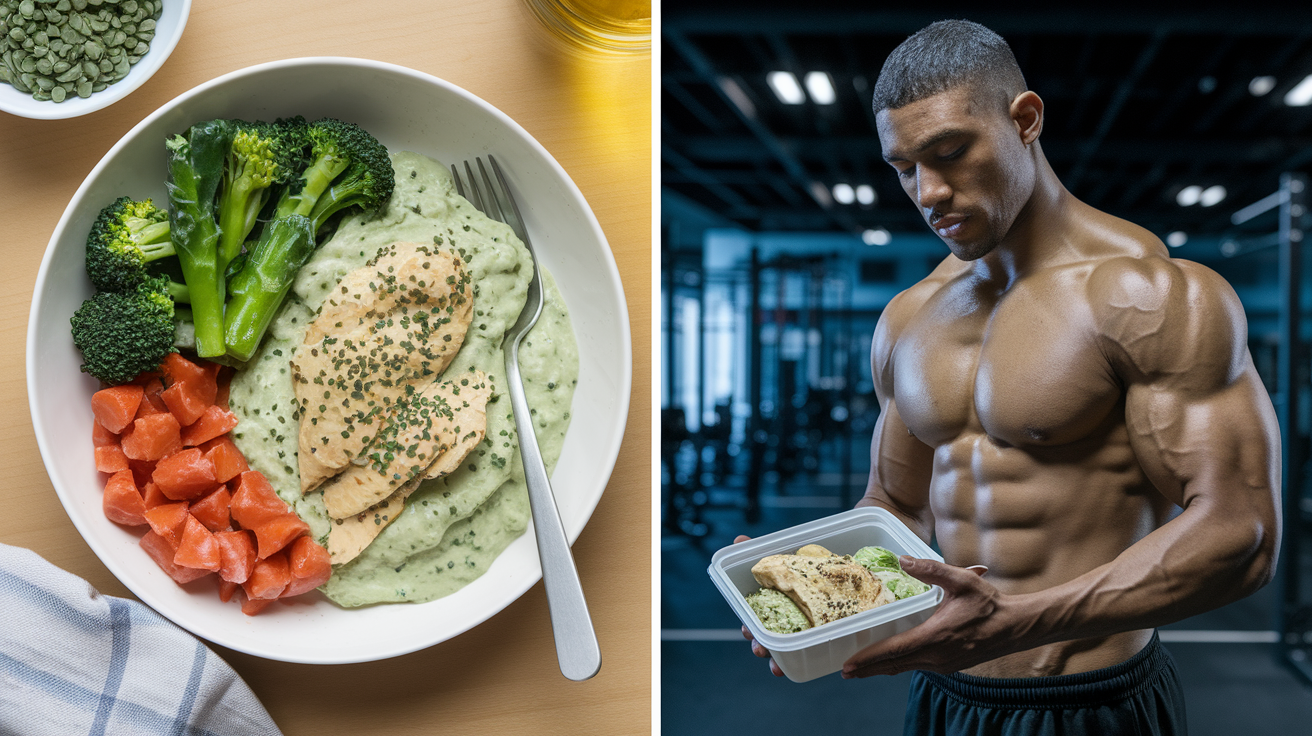
Frozen meals work when your goals and your meal’s macros line up.
For weight loss, pick meals in the 200 to 400 calorie range with 20 to 30 grams of protein and under 800 milligrams of sodium. The protein keeps you full longer, and the calorie cap fits most daily targets without needing a calculator. Lower-sodium options reduce bloat and help you stay consistent without feeling puffy after every meal. Pair one of these with a serving of non-starchy vegetables or a piece of fruit, and you’ve got a complete, portion-controlled dinner that doesn’t require prep or decision fatigue.
Muscle gain or recovery meals sit higher. 350 to 700 calories with 25 to 40 grams of protein. You need the extra fuel and amino acids to support training volume and repair. These meals often include starchy carbs like rice, quinoa, or sweet potato to refill glycogen stores after lifting. If you’re plant-based and chasing muscle-gain numbers, you’ll likely need to add a protein side like tempeh, tofu, or a protein shake to hit 25 to 30 grams total, since most vegan frozen entrees hover around 15 to 23 grams.
Lean Cuisine Chicken & Broccoli Alfredo Balance Bowl delivers 230 calories, 21 grams of protein. Works for calorie-restricted weight loss.
Kevin’s Thai-Style Coconut Chicken gives you 240 calories, 24 grams of protein, 440 milligrams of sodium. Low-calorie, high-protein option.
Factor Premium Meals pack 25 to 40 grams of protein, 350 to 700 calories. Supports muscle gain and recovery.
Healthy Choice Power Bowls Adobo Chicken offers 330 calories, 20 grams of protein, 8 grams of fiber. Balanced for everyday fitness.
Daring Penne Primavera Plant Chicken Bowl provides 460 calories, 23 grams of protein, 18 grams of fiber. Plant-based muscle-support option.
Scott & Jon’s Shrimp Alfredo sits under 300 calories with 22 grams of protein. Lean protein for weight loss.
Diet-Specific High-Protein Frozen Options (Keto, Gluten-Free, Vegan & More)
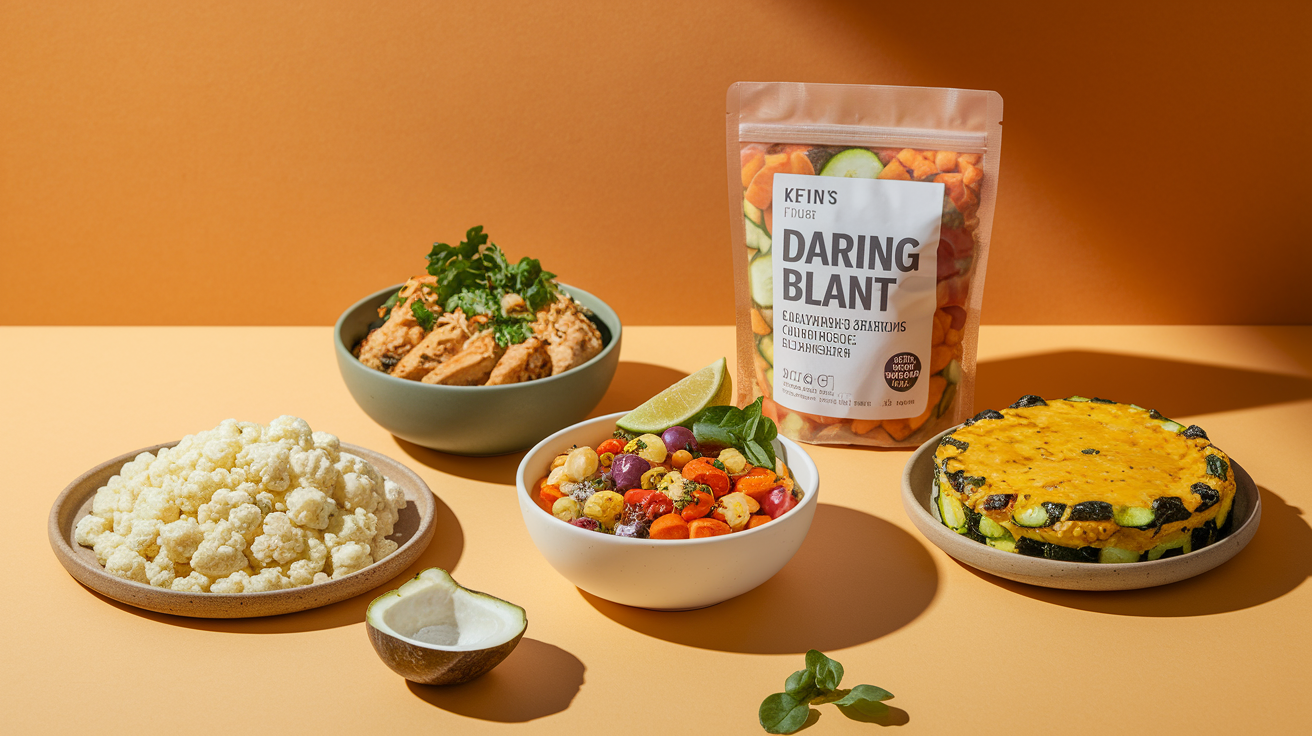
Keto and low-carb shoppers should look for meals under 20 grams of net carbs and at least 15 to 20 grams of protein. Atkins frozen meals are explicitly designed for this. Most deliver 15 to 20 grams of protein with net carbs in the 10 to 20 gram range. Factor also offers keto-labeled meals that hit 25 to 40 grams of protein while keeping carbs minimal. Kevin’s Thai-Style Coconut Chicken uses cauliflower rice instead of regular rice, landing at 12 grams of carbs and 24 grams of protein. Low-Carb Zucchini Lasagna swaps noodles for zucchini and delivers 25 grams of protein in a meat and cheese-heavy format.
Gluten-free options exist across multiple brands. Daring’s plant-based bowls are certified gluten-free and provide 20 to 23 grams of protein. Amy’s carries gluten-free entrees, though protein totals often sit lower (10 to 18 grams) unless paired with a protein side. Some Factor meals are gluten-free. Check the individual meal tags on their site. Southwestern Meatballs in Easy Adobo Sauce uses crushed tortilla chips instead of breadcrumbs, hitting 29 grams of protein while staying gluten-free.
Kevin’s Thai-Style Coconut Chicken offers 24 grams of protein, 12 grams of carbs. Keto-friendly with cauliflower rice.
Atkins frozen meals deliver 15 to 20 grams of protein, net carbs under 10 to 20 grams. Designed for low-carb diets.
Daring Penne Primavera Plant Chicken Bowl gives you 23 grams of protein, gluten-free, vegan. 18 grams of fiber.
Purple Carrot Plant-Based Meatball Marinara is vegan, 6 grams of fiber. Moderate protein, higher sodium.
Southwestern Meatballs in Easy Adobo Sauce packs 29 grams of protein, gluten-free (uses tortilla chips).
Low-Carb Zucchini Lasagna delivers 25 grams of protein with zucchini noodles. Supports carb-restricted diets.
Comparing Grocery Frozen Meals vs. Subscription High-Protein Meals
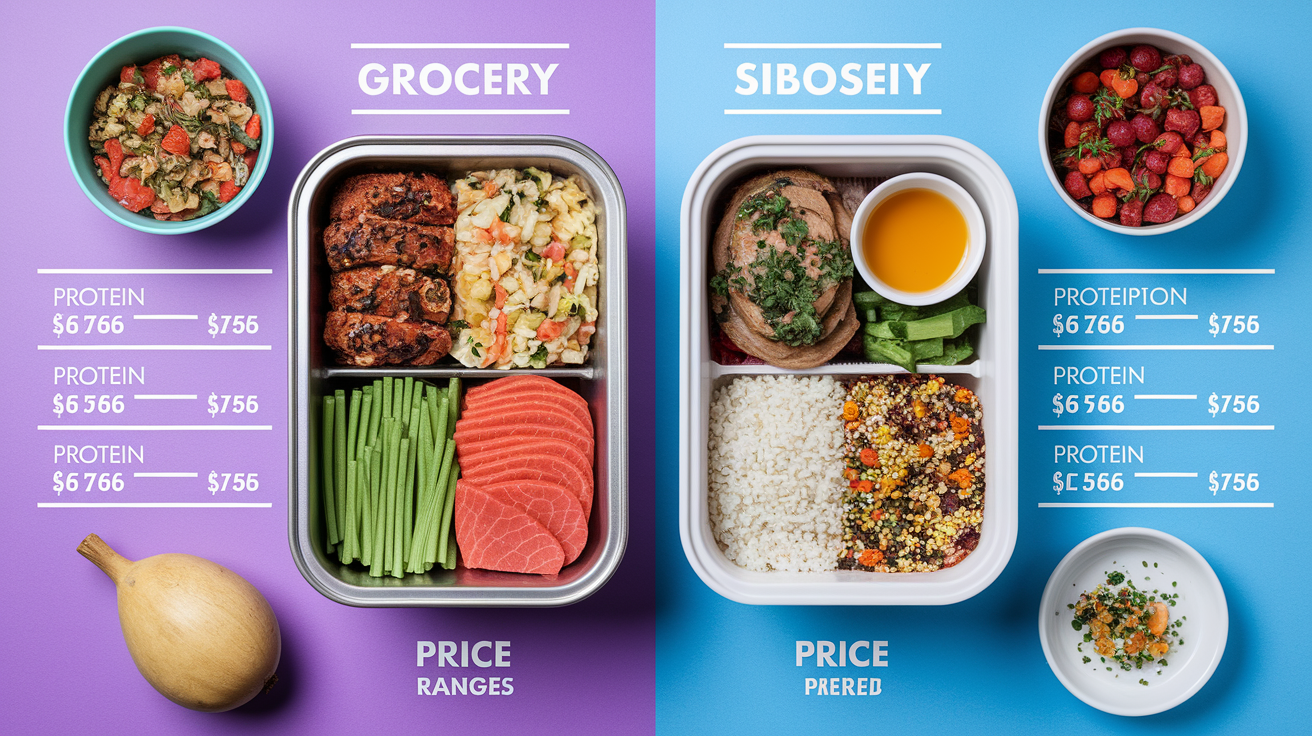
Grocery frozen meals cost $2.50 to $6.50 per single-serve entree and usually deliver 15 to 25 grams of protein. Subscription meals run $8 to $15 per serving and push protein into the 25 to 40 gram range. The price gap buys you cleaner ingredient lists, higher-quality proteins, and fewer fillers. Subscription brands like Factor consistently score above 4.0 out of 5 on taste because they use fresh-frozen techniques and chef-developed recipes instead of mass-production shortcuts. Grocery brands average 3.0 to 4.0 in taste ratings, trading flavor and texture for wider retail availability and lower price.
Convenience tilts differently depending on your routine. Subscription meals arrive at your door on a schedule, which removes the grocery-aisle decision but locks you into a recurring cost. Grocery meals let you pick and choose per week and skip weeks without a subscription penalty. If you’re testing high-protein frozen meals for the first time, start with a few grocery options to see which flavor profiles and macros work before committing to a subscription box. Once you know your preferences, subscription services save time and consistently hit higher protein totals.
| Category | Price Range | Protein Range (g) | Typical Ratings | Convenience |
|---|---|---|---|---|
| Grocery Frozen Meals | $2.50–$6.50 | 15–25 | 3.0–4.0 / 5 | Wide retail availability; buy per week |
| Subscription Meals | $8–$15 | 25–40 | 4.0–4.8 / 5 | Auto-delivery; recurring cost; higher quality |
| Bulk Multi-Packs | $2–$5 per meal | 15–25 | 3.0–4.0 / 5 | Lower per-meal cost; requires freezer space |
| Premium Specialty Lines | $8–$14 | 30–40 | 4.0+ / 5 | Muscle-focused; limited retail; mostly online |
Cooking, Reheating, and Enhancing High-Protein Frozen Meals
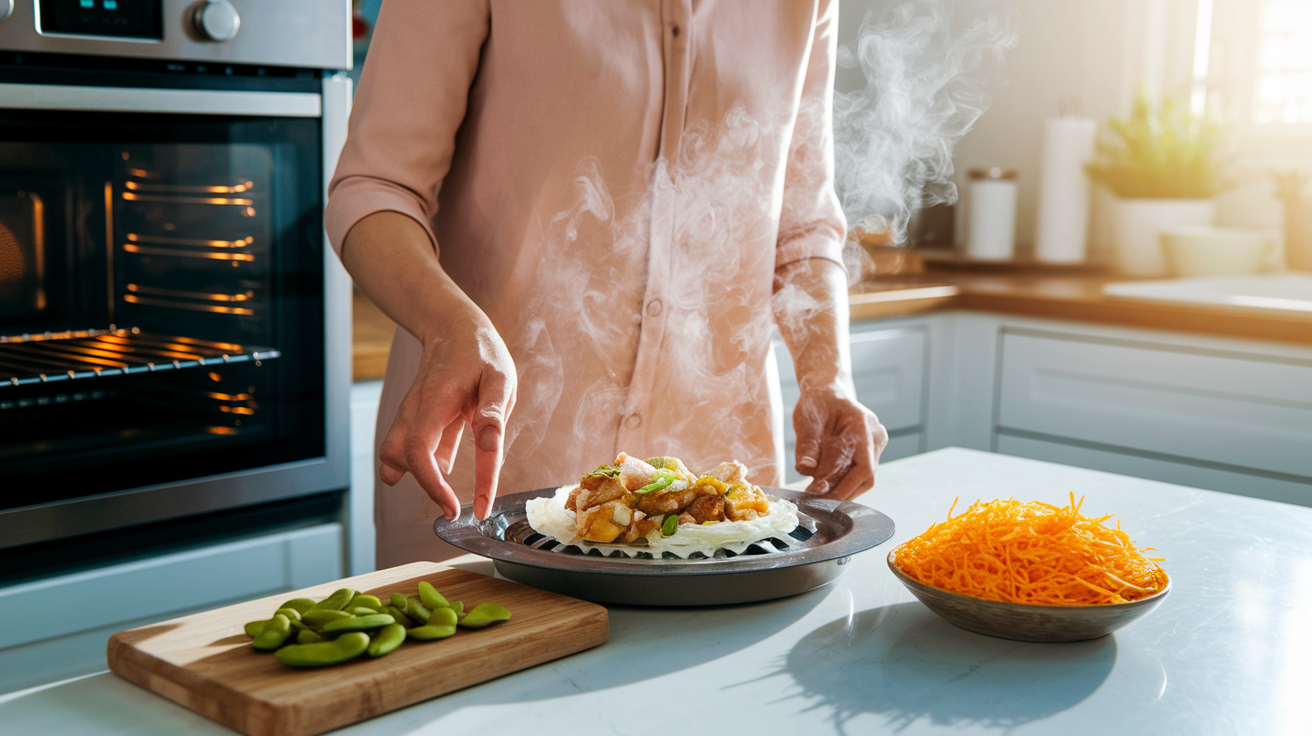
Most single-serve frozen meals microwave in 3 to 7 minutes or bake in the oven for 10 to 25 minutes. Follow the package instructions and check that the internal temperature hits 165°F (74°C) for safe eating. Microwaving is faster and keeps cleanup minimal, but oven reheating often improves texture, especially for meals with breading, cheese crusts, or rice that can turn mushy in the microwave. Air fryers add crispness to protein and vegetables without drying out the whole meal. Try 5 to 8 minutes at 375°F after a quick microwave thaw.
If a meal feels light on protein or vegetables, add simple boosters. Rotisserie chicken, shredded cheese, or edamame all raise the protein count without requiring cooking. Skipping half the included starch (rice, pasta, or potatoes) cuts calories and carbs while preserving most of the meal’s protein and flavor. Tossing in a handful of frozen broccoli, peas, or mixed vegetables during the last minute of reheating increases fiber and volume without much effort.
Add rotisserie chicken for an extra 15 to 20 grams of protein per serving.
Sprinkle shredded cheese to boost protein by 5 to 7 grams.
Mix in edamame for 8 to 10 grams of plant-based protein.
Skip half the starch to lower calories by 50 to 100 without losing much protein.
Add frozen non-starchy vegetables (broccoli, peas, peppers) to increase fiber and volume.
How to Read Nutrition Labels on High-Protein Frozen Meals
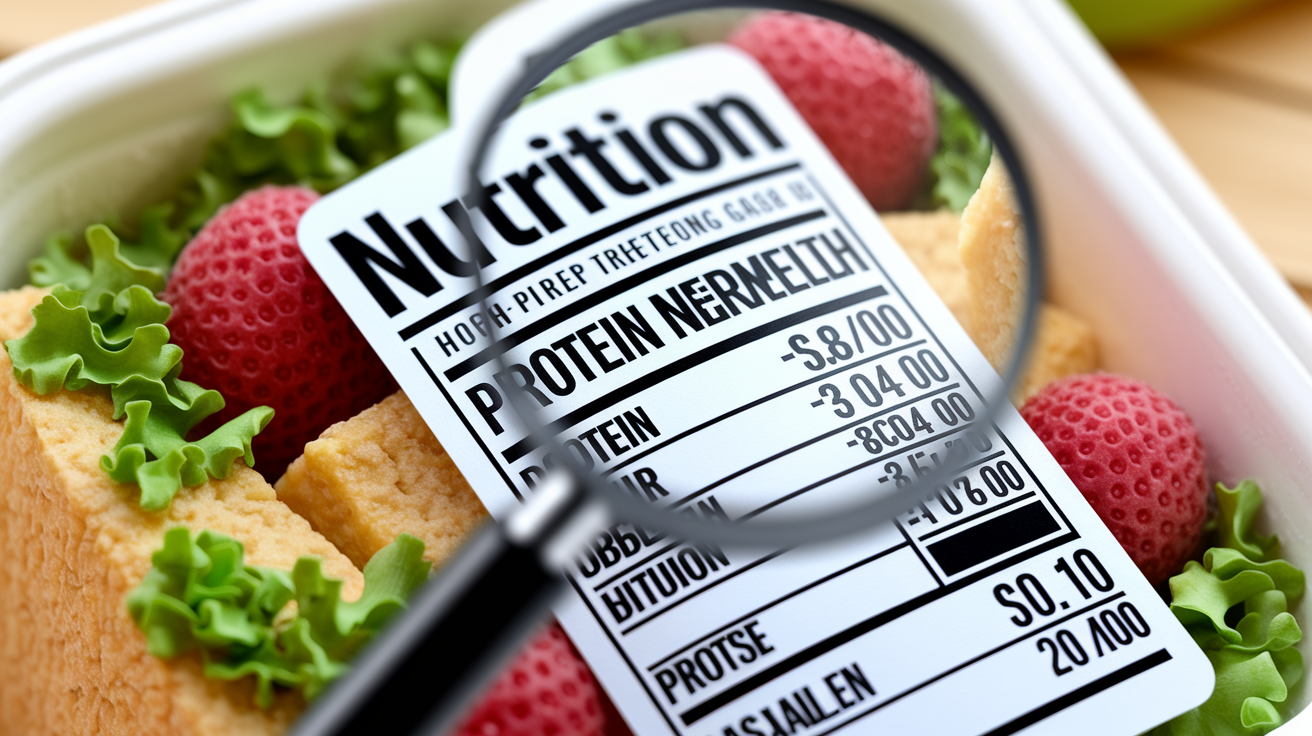
Check the grams of protein per serving first. Most high-protein frozen meals aim for at least 20 grams, but some brands stretch the definition and land closer to 15 grams. Compare that number to the total calories to see if the meal is protein-dense or padded with fats and carbs. A meal with 25 grams of protein and 400 calories is more efficient than one with 18 grams and 500 calories if your goal is protein intake without excess energy.
Sodium is the second number that matters. Frozen meals often contain 600 to 1,200 milligrams of sodium per serving, and the daily recommended limit is 2,300 milligrams. Low-sodium options sit under 500 milligrams and are worth prioritizing if you eat frozen meals multiple times per week. Saturated fat under 10 grams per serving is a reasonable target. Higher amounts add up quickly across the day. Finally, scan the ingredient list. Whole-food ingredients like chicken, quinoa, vegetables, and olive oil signal better quality than long lists of stabilizers, fillers, and artificial flavors. Ingredient order matters. The first few items make up most of the meal’s weight.
Final Words
Grab a high-protein pick and read the label: protein per serving, calories, and sodium. Use the quick-pick list to find meals that fit weight-loss, muscle gain, or everyday needs.
Compare grocery vs subscription for price and protein. Check brand notes, reheating tips, and diet-specific options so you’re not surprised at dinner.
Pick one or two reliable high protein frozen meals to keep on hand and add a simple veg or extra protein when needed. Small wins add up. Keep going.
FAQ
Q: What are the healthiest high-protein frozen meals?
A: The healthiest high-protein frozen meals are ones with ≥20 g protein, 200–500 calories, and lower sodium. Look for Factor, Healthy Choice Power Bowls, Lean Cuisine, EVOL, or plant-based Amy’s for balanced options.
Q: Are there frozen meals for diabetics and what frozen foods lower triglycerides?
A: There are frozen meals for diabetics, and frozen foods that lower triglycerides focus on low sugar, high fiber, lean protein, and omega-3s. Choose salmon, shrimp, whole grains, veggies, and avoid sugary sauces and fried items.
Q: How can I get 40g of protein in a meal?
A: You can get 40g of protein in a meal by eating about 6 ounces cooked chicken or turkey, 7 ounces salmon, or combining 1 cup Greek yogurt (≈20g) with a 20g protein shake.