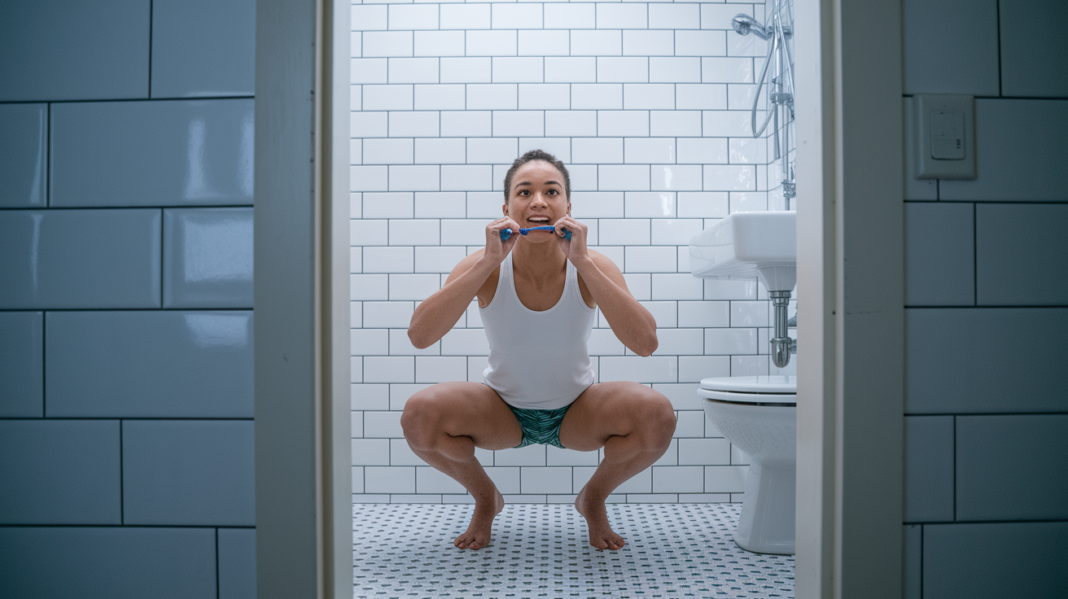
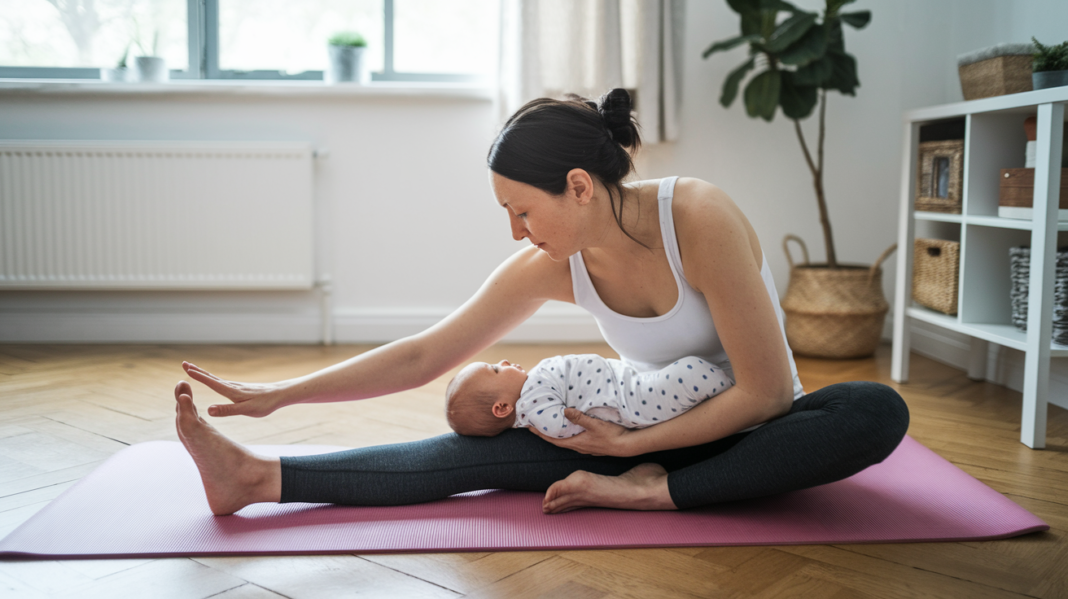
Want to skip the six-week sprint back to your old workouts?
Good, because rushing often leads to pelvic-floor problems, pain, and wasted effort.
Think of recovery like rebuilding a house: fix the foundation first.
This post gives a practical, phased plan you can follow in short 10–30 minute sessions.
Start with breath and pelvic-floor reconnection, add bodyweight strength, then light weights and low-impact cardio.
Follow simple checkpoints so you move forward without setbacks and make fitness part of your new life.
Foundational Guidance for a Safe and Sustainable Postpartum Exercise Routine

You can start moving sooner than you think. After an uncomplicated vaginal delivery, light activity might be okay within two or three days. C-sections need more patience. The six-week checkup is the usual green light for structured workouts, but pelvic-floor reconnection and breathwork? You can do that right away, even in the hospital. Talk to your provider before jumping from gentle rehab into full workouts.
Readiness isn’t just a date on the calendar. Hormones like relaxin mess with your joints for months after delivery, so movement feels weird. Your energy, bleeding, incision healing (if you had a C-section), and pelvic-floor symptoms all tell you whether you’re ready to level up. Don’t force a fixed timeline.
Most postpartum programs break the first 10 to 12 weeks into phases. Sessions start at 10 to 20 minutes and build to 20 or 30 as you get stronger. Short sessions fit newborn chaos and keep you from burning out. Some guidelines say 20 to 30 minutes of low-intensity daily movement is fine early on, but your body gets the final vote.
Checkpoints before you push harder:
- Provider clearance, especially around six weeks
- Minimal bleeding that doesn’t spike during movement
- Stable energy without total exhaustion afterward
- Incisions that are closed, pain-free, and not infected
- Pelvic-floor symptoms (leaking, heaviness, pressure) that are absent or manageable
- No red flags like sharp pain, dizziness, or heavy bleeding during or after workouts
Early Postpartum Movement Essentials for a Gentle Return
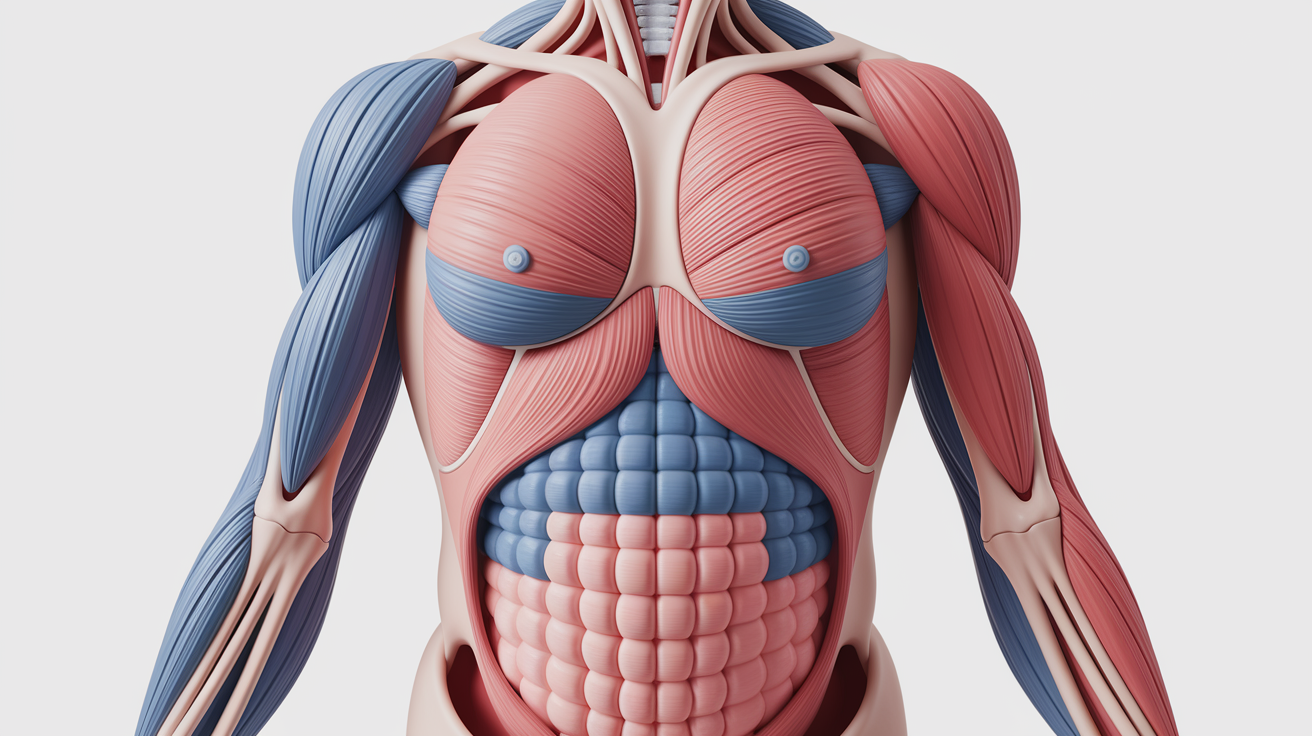
Pelvic-floor work and deep breathing are where you start. These reconnect your brain to muscles that got stretched and strained during pregnancy and delivery. Diaphragmatic breathing wakes up your deep core without adding pressure that could worsen diastasis recti or prolapse. Start here so you don’t create problems down the road.
Gentle mobility and posture fixes tackle the immediate aches from nursing, baby-carrying, and sleep deprivation. Cat/camel stretches, lying marches, and supported walking loosen tight hips, shoulders, and lower backs while teaching your core to stabilize again. Diastasis recti (the ab separation common after pregnancy) gets better when you focus on core awareness and skip exercises that bulge your midline. Early mobility also reduces stiffness and helps with circulation.
Starter moves for the first two weeks:
- Diaphragmatic breathing: slow inhales that expand your ribcage and belly, exhales that gently pull your navel in
- Pelvic-floor work: practice lifting and fully relaxing your pelvic floor while lying down
- Cat/camel stretches: easy spinal flexion and extension on hands and knees to relieve lower-back tightness
- Lying marches: lift one bent knee at a time while keeping your spine neutral and breathing steady
- Supported walking: short, slow walks around your house or block, stopping when you’re tired
Structured, Sustainable Postpartum Workout Routine Progression
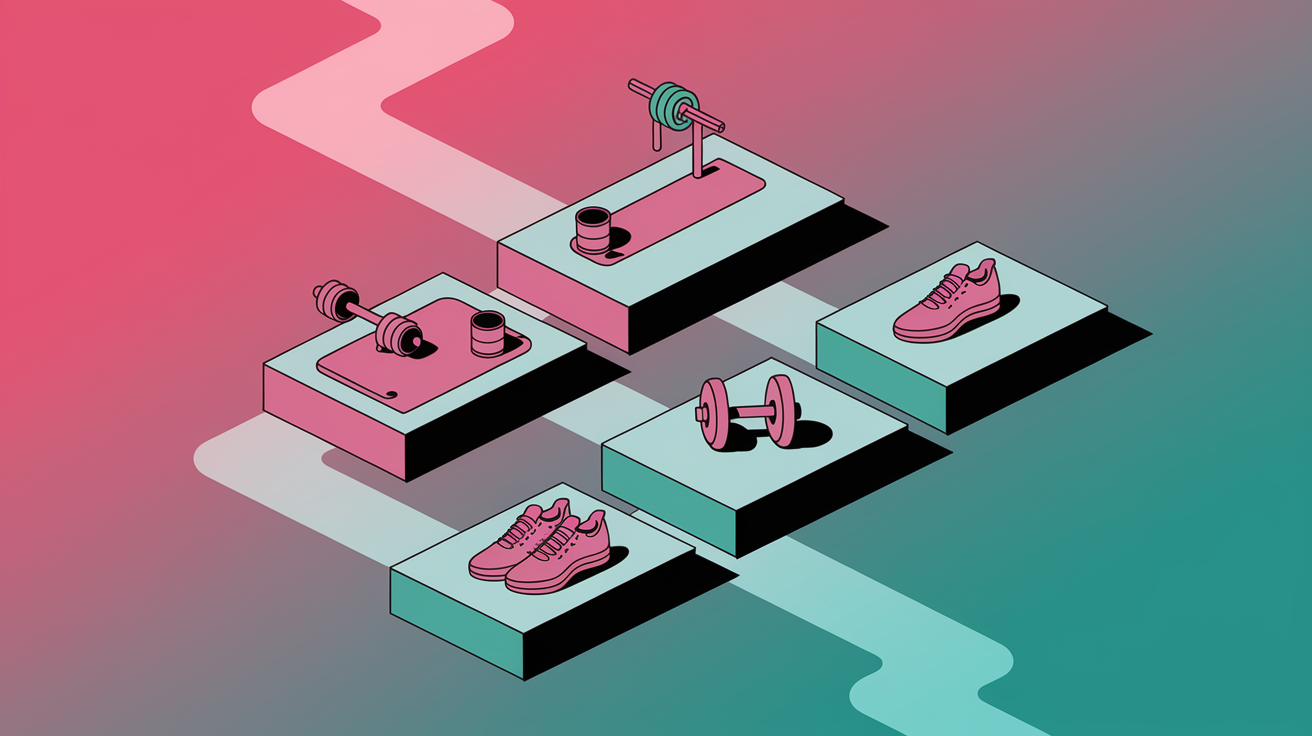
A phased plan breaks recovery into stages that build on each other. Most solid postpartum programs run 8 to 12 weeks or longer, split into three or four phases. Each one has specific goals, typical session lengths, and movement types matched to your healing. Phase 1 lasts about four weeks and focuses on breathwork, pelvic-floor reconnection, and gentle mobility. Phase 2 brings in bodyweight strength and unilateral (single-leg or single-arm) work. Phase 3 gets you ready for dynamic movements and light resistance. Phase 4 gradually reintroduces higher-intensity or impact activities if you want them.
Session lengths start short and grow as you rebuild capacity. Ten minutes is common in Phase 1. Enough to support recovery without draining limited energy. As you move into Phase 2 and beyond, sessions stretch to 20 or 30 minutes. This matches both physical readiness and newborn schedules. Consistency beats duration early on. Three 10-minute sessions trump skipping workouts because you can’t find 45 minutes.
Movement gets more complex and loaded week by week. Walking and low-intensity cardio show up early, often before six weeks when appropriate. Bodyweight squats, bridges, and clamshells follow once you’ve got stable pelvic-floor control and breathing coordination. Later phases add resistance bands, light dumbbells, and compound movements like goblet squats or deadlifts. Overhead pressing, rowing, and single-leg balance work prep you for the lifting and carrying of daily parenting.
Check your readiness honestly before advancing. Watch for pelvic-floor symptoms (leaking, pressure, heaviness) during and after workouts. Monitor your breathing. If you hold your breath or strain during an exercise, dial it back. Pain is never normal. Some muscle soreness? Expected. Sharp or worsening discomfort? Time to modify or call your provider. Checkpoints at the end of each phase (around weeks 4, 8, and 10 in most programs) guide safe progression. If symptoms pop up, stay put until function improves.
| Phase | Duration | Focus | Sample Movements |
|---|---|---|---|
| Phase 1 | Weeks 1–4 | Breath, pelvic-floor reconnection, gentle mobility | Diaphragmatic breathing, cat/camel, lying marches, short walks, pelvic-floor lifts and releases |
| Phase 2 | Weeks 5–7 | Bodyweight strength, core integration, balance | Bridges, clamshells, bodyweight squats, bird dogs, single-leg balance, resistance-band leg lifts |
| Phase 3 | Weeks 8–10 | Introduction of weights, dynamic movement prep | Goblet squats, marching bridges, bicep curls, rows, overhead presses, side-lying leg raises |
| Phase 4 | Weeks 10+ | Gradual return to higher intensity, optional impact | Deadlifts, lateral band walks, planks, walking lunges, double-leg hops (if symptom-free), single-leg Romanian deadlifts |
Safe Strength Training and Core Rehab in a Postpartum Routine
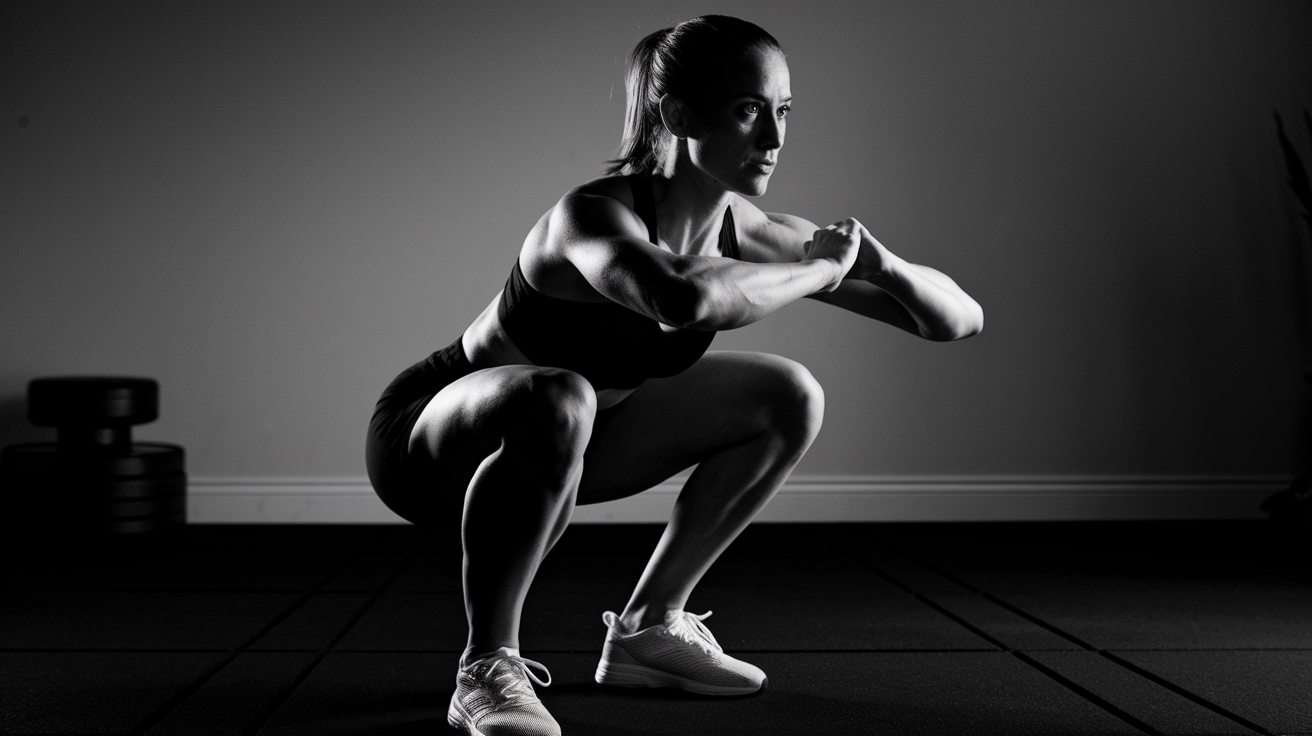
Strength work starts with movements your body already knows. Bodyweight squats teach you to fire glutes and core together while keeping neutral alignment. Bridges activate your posterior chain (glutes, hamstrings, lower back) and counter the hunched postures from nursing. Clamshells target hip stabilizers that support pelvic-floor function. No equipment needed, fits into short sessions. Perfect for early weeks when fatigue and time are tight.
Progression follows a clear path: nail the pattern without load, then add resistance slowly. Marching bridges advance standard bridges by lifting one foot at a time, challenging balance and core control. Bird dogs teach spinal stability during limb movement, prepping you for heavier lifts. Once you can do 10 to 12 reps of a bodyweight exercise with solid form and no pelvic-floor symptoms, you’re ready for light resistance bands or dumbbells. Goblet squats, Romanian deadlifts, and rows build functional strength for lifting car seats, strollers, and growing babies.
Proper form protects you from injury and long-term dysfunction. Don’t hold your breath. Exhale during the hardest part of the movement and keep steady pelvic-floor engagement. Watch for abdominal doming or coning along your midline during planks or other core work. If you see a ridge or bulge, regress. Pain, leaking, or a feeling of pressure or heaviness all mean you need to reduce load, adjust range of motion, or return to an earlier phase. Functional fitness means training for real life. Real life needs a core and pelvic floor that work under load.
Common strength moves for early and mid postpartum phases:
- Bodyweight squats with breath coordination and pelvic-floor engagement
- Glute bridges progressing to single-leg or marching versions
- Clamshells and side-lying leg raises for hip stability
- Modified push-ups (hands elevated on a bench or counter) to rebuild upper-body strength
- Resistance-band rows and bicep curls for arm and back endurance
- Bird dogs for core stability and coordination without excessive strain
Low-Impact Cardio Options for Postpartum Recovery

Walking is the easiest and safest cardio option for new moms. A 20 to 30-minute walk gives you cardiovascular benefits, supports circulation, and provides mental relief without stressing healing tissues. Stroller walks combine movement with baby care, so exercise feels less like another task. Low-intensity cardio can often start before six weeks when your provider approves and you feel ready.
Baby-wearing during walks adds light resistance and keeps your baby close, which many moms find calming. Pace matters more than speed. Aim for conversational pace where you can talk without gasping. If you’re breastfeeding, consider feeding or pumping before longer walks to reduce discomfort from full breasts. Outdoor movement also gets you natural light, which helps with mood and sleep quality.
Baby-friendly low-impact cardio ideas:
- Stroller walks around your neighborhood or a local park, slowly increasing distance as stamina builds
- Baby-wearing walks using a supportive carrier that spreads weight evenly across your hips and shoulders
- Stationary cycling or a recumbent bike (if available) while baby naps nearby, keeping sessions short
- Gentle dancing or swaying with baby in arms, using music to make movement feel joyful instead of obligatory
Tailoring a Postpartum Workout Routine for C-Section and Vaginal Birth Recovery
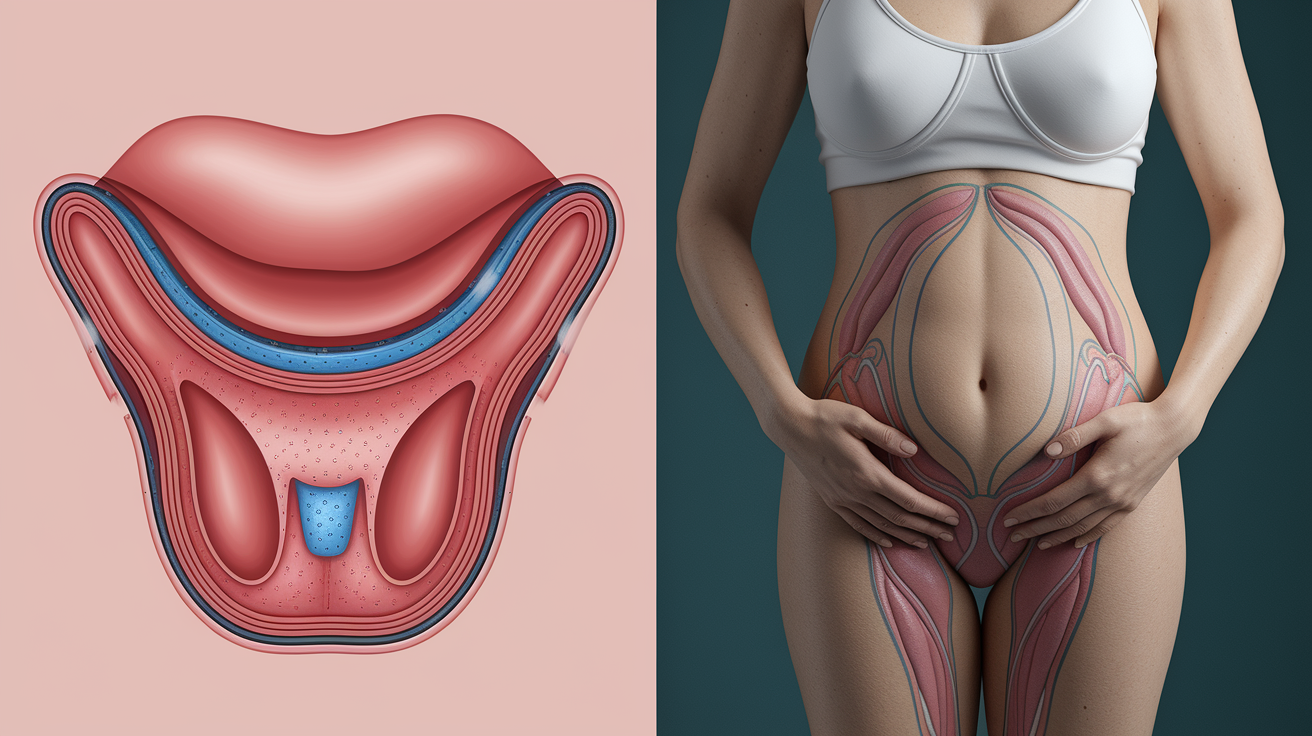
C-section recovery needs extra care around your incision and core. Breathwork and gentle mobility still help and often provide immediate relief from gas pain and stiffness after abdominal surgery. Skip traditional core exercises like crunches or planks until your incision is fully healed and you can engage your transverse abdominis without pain or pulling. Walking, pelvic-floor work, and upper-body resistance exercises (seated or supported) let you stay active while respecting surgical healing timelines.
Vaginal births vary widely in recovery needs depending on tearing, episiotomy, or instrument-assisted delivery. Pelvic-floor rehab is essential no matter how you delivered, but perineal pain or stitches might delay certain movements. Modified squats and bridges can start earlier than high-impact or wide-stance exercises if discomfort is present. Both delivery types need attention to bleeding patterns. If exercise causes a noticeable increase in bleeding or a return to bright red blood after it had lightened, scale back right away.
Pain is your body’s signal to modify. Persistent incision tenderness, pelvic pressure, or sharp sensations during movement mean you need to dial back intensity or consult a women’s health physical therapist. Healing isn’t linear. Some days will feel harder than others. Progress at your own pace and remember that rest is productive. Pushing through pain delays recovery and raises the risk of long-term issues like prolapse or chronic pelvic pain.
Moves commonly safe for early C-section recovery:
- Diaphragmatic breathing and gentle pelvic-floor lifts while lying or seated
- Cat/camel stretches on hands and knees to relieve back tension without straining the incision
- Supported walking at a slow, comfortable pace with attention to posture
- Seated or standing upper-body exercises using light resistance bands (bicep curls, shoulder presses)
- Pelvic tilts and gentle hip circles to maintain mobility without engaging the rectus abdominis
Postpartum Workout Routine Safety: Warning Signs and When to Seek Help

Heavy vaginal bleeding during or after exercise is a red flag. Bright red blood, soaking through a pad in an hour, or passing large clots all need immediate medical attention. Exercise shouldn’t restart or worsen postpartum bleeding. Light spotting might happen early on, but any sudden increase means stop and call your provider.
Pain is common but not normal. Sharp, stabbing, or worsening pain in your abdomen, pelvis, or incision site means something’s wrong. Persistent pelvic pressure, a feeling of heaviness or “something falling out,” or visible tissue at the vaginal opening might indicate pelvic organ prolapse. That needs evaluation by a pelvic-floor physical therapist or specialist. Leaking urine during exercise is common postpartum, but it signals pelvic-floor dysfunction. It’s treatable. You don’t have to accept it as permanent.
Clear red flags that mean stop and seek help:
- Heavy vaginal bleeding, bright red blood, or large clots during or after movement
- Sharp, persistent, or worsening pain in the abdomen, pelvis, lower back, or incision site
- Pelvic pressure, heaviness, or a bulging sensation in the vaginal area during or after activity
- Leaking urine or feces during exercise, even if it seems minor
- Incision separation, redness, warmth, swelling, or discharge suggesting infection
- Dizziness, shortness of breath, chest pain, or severe headache during or after workouts
Scheduling a Sustainable Workout Routine Around Newborn Care
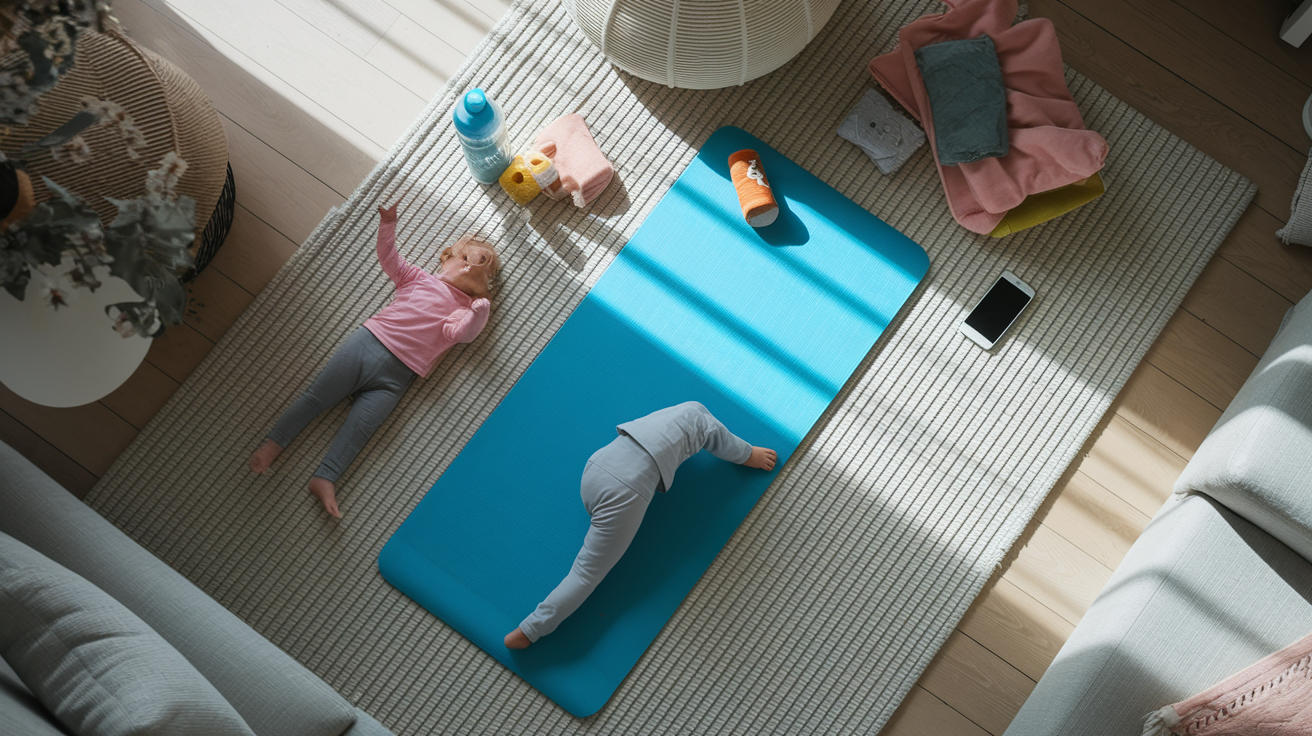
Ten-minute workouts are enough to build momentum and support recovery early on. Breaking movement into short sessions (one in the morning, one in the afternoon) often feels more realistic than carving out a single 30-minute block. As your baby’s sleep patterns stabilize and your energy improves, sessions can stretch to 20 or 30 minutes. Flexibility matters. If your planned workout gets interrupted by a diaper blowout or unexpected fussiness, do what you can and move on without guilt.
Fold movement into daily tasks to boost adherence and reduce the mental load of “finding time to exercise.” Bodyweight squats while holding your baby, calf raises while bottle-feeding, or pelvic-floor lifts during diaper changes all count. Consistency beats intensity every time. Three short sessions per week done regularly outperform ambitious plans that collapse after two weeks. There’s no fixed timeline for healing and no universal schedule that works for every mother.
| Day | Duration | Type of Movement | Flexibility Notes |
|---|---|---|---|
| Monday | 10–15 min | Breathwork, pelvic-floor work, gentle stretches | Can split into two 5-minute sessions if needed |
| Wednesday | 15–20 min | Bodyweight strength (squats, bridges, bird dogs) | Skip or shorten if sleep was poor the night before |
| Friday | 20–30 min | Walk (stroller or baby-wearing) or LISS cardio | Adjust distance/pace based on energy and weather |
| Saturday | 10–15 min | Core rehab, mobility, posture correction | Can be done while baby plays on a mat nearby |
| Sunday | Rest or gentle walk | Optional light activity or full rest day | Listen to your body. Rest is productive |
Postpartum Nutrition and Hydration to Support Exercise Sustainability
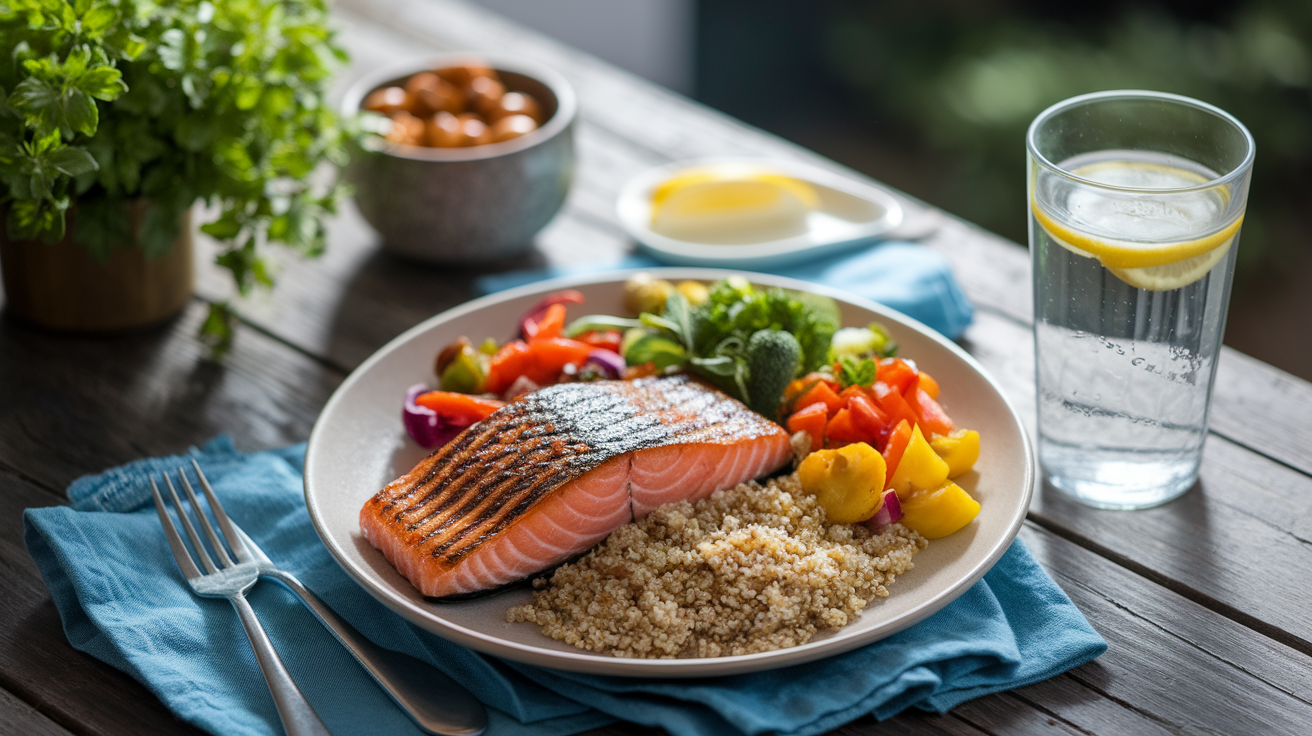
Hydration needs jump during breastfeeding, and exercise adds to that. Drink water before, during, and after movement, especially in warm weather or if you’re sweating. Dehydration tanks milk supply, worsens fatigue, and slows recovery. Keep a water bottle with you during workouts and throughout the day. If your urine is dark yellow or you feel lightheaded, you need more fluids.
Balanced nutrition supports healing, energy, and gradual strength gains. Protein helps tissue repair and muscle recovery. Include a source at most meals. Carbs fuel your workouts and daily activity. Healthy fats support hormone production and brain function. Breastfeeding and exercise together increase caloric needs, so undereating will backfire. Feeding or pumping before workouts can improve comfort by reducing breast fullness, but timing is flexible. Find what works for your schedule and your baby’s feeding patterns.
Nutrition priorities for postpartum moms returning to exercise:
- Adequate hydration: aim for clear or light-yellow urine and drink consistently throughout the day
- Protein at meals and snacks to support muscle repair (eggs, Greek yogurt, lean meats, beans)
- Complex carbs for sustained energy without crashes (oats, sweet potatoes, whole grains)
- Healthy fats for hormone balance and fullness (avocado, nuts, olive oil, fatty fish)
Mental Health, Motivation, and Sustainable Postpartum Movement Habits
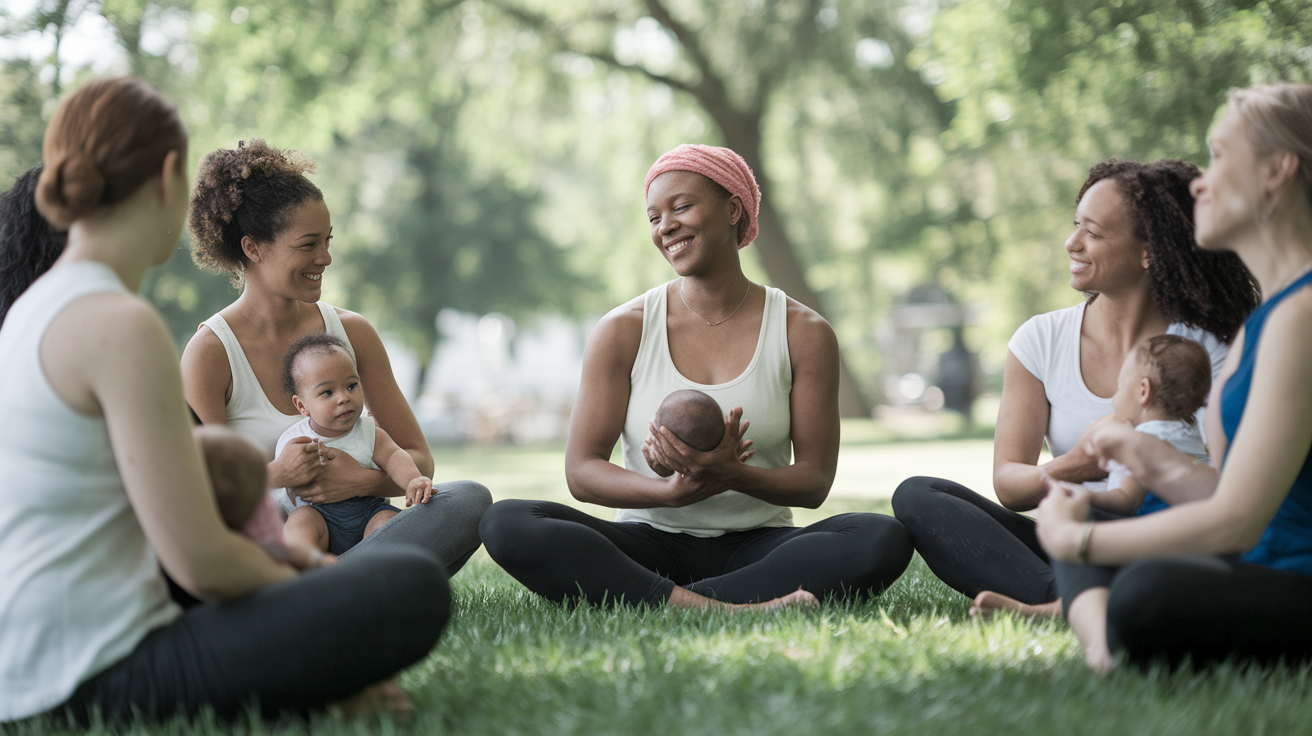
Movement improves mood and relieves physical tension that builds from nursing, carrying, and sleep deprivation. Even a short walk or 10 minutes of stretching can shift your nervous system from stress mode to a calmer state. Breathwork works as a grounding ritual, offering a moment of control and presence in a season that often feels chaotic. Many moms report that consistent movement (however brief) helps them feel more like themselves again.
Postpartum depression and anxiety are real. Exercise isn’t a cure. But it can be part of a support system alongside professional care, community connection, and rest. Framing movement as self-care rather than punishment or a race to “get your body back” protects your mental health and builds sustainable habits. Your body did something extraordinary. Training it now is about function, strength, and long-term wellness, not erasing evidence of pregnancy.
Community support cuts isolation and boosts accountability. Online groups, local postpartum exercise classes, or simply texting a friend after a workout can make the difference between quitting and continuing. Be patient with progress. Healing isn’t linear. Some weeks will feel like setbacks. Small, consistent actions compound over months and years. The goal isn’t to return to a pre-pregnancy version of yourself. It’s to build a stronger, more resilient version who can lift, carry, play, and care for your family without pain or limitation.
Final Words
Start with breathwork, pelvic-floor reconnection, and short 10–20 minute walks. Begin gently and watch pain, bleeding, and energy levels.
Follow the phased plan: early mobility, light strength, low-impact cardio, then more dynamic work. Modify for C-section, use the readiness checkpoints, and stop for red flags or concerns.
Use this roadmap to build a sustainable workout routine for postpartum return to exercise that fits your life. Small, steady steps add up—you’re making real progress.
FAQ
Q: When can I safely start exercising after childbirth?
A: You can safely start very gentle movement 2–3 days after an uncomplicated birth; structured exercise usually waits for the 6‑week check and medical clearance, with C‑section recovery typically slower.
Q: What signs show I’m ready to return to structured workouts?
A: Readiness for structured workouts includes medical clearance, steady or improving bleeding, stable energy, healed incision, manageable pelvic‑floor symptoms, and absence of red flags like fever or sharp pain.
Q: What exercises are safe in the earliest postpartum weeks?
A: Safe early exercises include diaphragmatic breathing, pelvic‑floor coordination, cat/camel mobility, lying marching, and short supported walks to reconnect core and reduce tension from nursing and carrying.
Q: How should I progress workouts over the first 8–12 weeks?
A: You should progress in phases: Phase 1 (weeks 0–4) gentle movement, Phase 2 adds strength, Phase 3 adds dynamic work, Phase 4 returns toward higher intensity; sessions go from 10 minutes to 20–30 minutes.
Q: When can I start strength training and which movements come first?
A: You can begin light strength when comfortable and cleared, starting with bodyweight moves like squats, bridges, clamshells, bird dogs, then add bands and loaded variations slowly while avoiding big intra‑abdominal pressure spikes.
Q: What low‑impact cardio options fit postpartum recovery?
A: Good low‑impact cardio options are 20–30 minute walks, stroller walks, easy cycling, and gentle swimming; these are baby‑friendly, support bonding, and can begin before six weeks if cleared.
Q: How does recovery differ after a C‑section compared to a vaginal birth?
A: Recovery after a C‑section needs slower progression, more focus on incision healing and gentle breathing/mobility first, while vaginal births often allow earlier walking and pelvic‑floor work if symptoms are okay.
Q: What warning signs mean I should see a clinician?
A: Warning signs needing clinician review include heavy or worsening bleeding, fever, incision redness or drainage, new sharp pain, bulging or prolapse sensations, or marked leaking during activity.
Q: How can I fit a sustainable workout routine around newborn care?
A: You can fit workouts around newborn care by using 10‑minute sessions, scheduling around feeds, moving during naps, prioritizing consistency over intensity, and weaving activity into daily tasks like stroller walks.
Q: What should I eat and drink to support postpartum exercise and breastfeeding?
A: To support postpartum exercise, focus on extra hydration, regular protein at meals, balanced whole‑food snacks before workouts, and slightly higher calories if breastfeeding to maintain energy and heal.
Q: Can postpartum movement help mental health and motivation?
A: Postpartum movement can improve mood, reduce stress, and ease tension; start with small, reliable habits, seek community or professional help if low mood persists, and value consistency over quick fixes.