

Think progressive overload just means “add big weight every week”?
That’s how most people stall or hurt themselves.
Progressive overload works, but only when you raise demand in small, planned steps so your body can adapt.
This post shows simple, practical rules for structuring progressive overload for lasting fitness results, how to pace gains (small percent jumps or extra reps), set weekly volume and intensity, use basic periodization, and plan recovery and tracking.
You’ll get a clear, repeatable plan that keeps you progressing month after month.
How to Apply Progressive Overload Safely (Core Principles)

Progressive overload means you gradually ask your body to do a bit more than it’s already used to. Want to get stronger, build muscle, or improve endurance? You’ve got to keep raising the bar, but slowly enough that your body can actually keep up.
That “more” can show up in different ways. You don’t have to pile everything on at once.
Safe progress comes down to pacing. Most people do well with 2.5 to 5 percent jumps per week. Let’s say you’re pressing 20-pound dumbbells this week and you nail your rep target across every set. Next week, you’d go to 21 or 22.5 pounds, not 25. Same thing with reps. If your range is 8 to 12 and you can knock out 12 reps for all your sets with solid form, that’s when you add weight. Can’t add weight yet? Toss in one or two extra reps per set instead.
Here are six ways you can create overload:
- Increase weight – more load on the bar, dumbbells, or bands.
- Increase reps – more reps per set at the same weight.
- Increase sets – throw in another working set.
- Increase frequency – hit that muscle group one more time per week.
- Slow tempo – take longer to lower or lift the weight (like a 3-second eccentric).
- Increase range of motion – squat deeper, row further.
You don’t need all six at the same time. Actually, picking one or two methods per block keeps things simple and stops you from burying yourself in stress. A solid plan might bump up weight every two weeks while keeping reps and sets the same, then switch to adding sets in the next block while weight stays put. That kind of rotation keeps your joints, tendons, and nervous system from falling behind your muscles.
Structuring Volume and Intensity for Long‑Term Success

Training volume is the total work you’re doing. Usually that’s sets times reps times load. Intensity is how hard each set feels, whether you measure it as a percentage of your one-rep max or rate it on a scale of perceived effort. Getting these two to play nice is what separates a plan that lasts from one that crashes into fatigue or injury.
Most people make progress with 10 to 20 weekly sets per muscle group. Beginners often sit at the lower end. Intermediates hang out in the middle. Advanced lifters sometimes creep toward the upper range, but only when recovery is locked in. If you’re training a muscle twice a week, maybe you do 5 to 10 sets per session. Three times a week? You could do 3 to 7 sets per session and still hit the same weekly total without wrecking yourself in one go. Spreading volume out also keeps your technique sharper and lowers the risk of one session going too hard.
Intensity should land so most working sets hit between 7 and 9 on a 10-point RPE scale, or about 70 to 85 percent of your one-rep max. That’s hard enough to trigger adaptation but leaves a little cushion so you’re not grinding every single rep. When you map out your week, it’s fine to have one or two higher-intensity sessions (RPE 9, maybe one set at RPE 10) and one or two moderate ones (RPE 7 to 8). This up-and-down rhythm across the week stops you from going all-out every time and gives your nervous system a chance to breathe. If every session feels like a max test, you’ll hit a wall fast.
Practical Periodization Strategies (Linear, Undulating, Block)
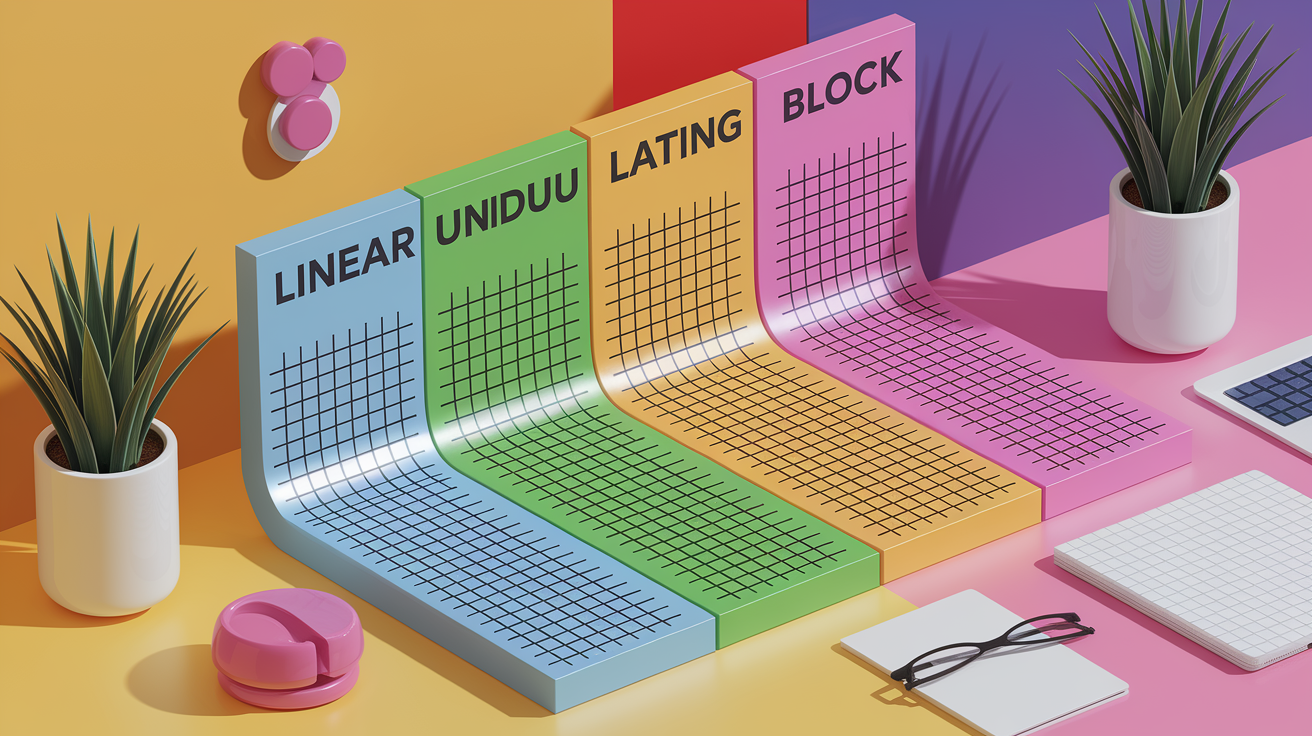
Periodization is how you organize training into phases so stress and recovery get managed over weeks and months. Three models work well for sustainable plans, and each one fits different schedules and goals.
Linear periodization cranks up intensity in a straight line while dropping volume. You might start a 12-week block with 4 sets of 12 reps at a moderate weight, move to 4 sets of 8 at a heavier weight, then wrap up with 3 sets of 5 at near-max loads. It’s simple to follow and works great for beginners and intermediates who want steady, predictable gains. It’s not ideal if you need to keep multiple qualities sharp at once, like strength and endurance, because it pushes hard in one direction.
Undulating periodization switches intensity and volume within the same week or even the same session. Monday might be 5 heavy reps, Wednesday 10 moderate reps, Friday 15 lighter reps, all for the same lift. This lets you train multiple rep ranges and energy systems without long phases that ignore one quality. Intermediate lifters and anyone juggling strength, hypertrophy, and conditioning goals tend to like this approach.
Block periodization breaks training into focused phases that each last several weeks. A typical sequence is accumulation (high volume, moderate intensity), transmutation (mixed volume and intensity), and realization (low volume, high intensity). Each block builds a specific adaptation, and they stack to produce a performance peak. Advanced lifters and athletes use this when prepping for a competition or testing week, but it also works if you’re willing to commit to a longer timeline and more structured planning.
| Method | How It Works | Best For |
|---|---|---|
| Linear | Gradually increase load and decrease reps over 4–12 weeks | Beginners, intermediates, and anyone seeking simple strength gains |
| Undulating | Change intensity and volume daily or weekly within the same cycle | Intermediates juggling multiple goals or limited weekly variety |
| Block | Focus on one quality per phase (volume, then mixed, then intensity) | Advanced lifters, competitors, and long-term planners |
Week‑by‑Week Progression Examples

A four-week microcycle is one of the easiest ways to apply progressive overload in a pattern you can follow. You bump up demand a little each week, then either deload or repeat the cycle with a new baseline. Works whether you’re adding weight, reps, or sets.
If you’re going load-based, week one might have you squatting 100 pounds for 3 sets of 8. Week two, you add 2.5 to 5 pounds and shoot for the same 3 sets of 8. Week three, another 2.5 to 5 pounds. By week four, if fatigue is stacking up, you hold the weight steady or back off a touch and focus on clean reps. That gives your body time to adapt before you start the next cycle at a slightly higher starting weight.
Rep-based progression is the same idea but keeps weight constant. Week one, you hit 3 sets of 8 reps at 100 pounds. Week two, you push for 3 sets of 9 or 10. Week three, you try for 3 sets of 11 or 12. Once you hit the top of your rep range across all sets, you bump the weight and drop back to the lower end. This method is handy when you don’t have small plates or adjustable dumbbells, or when you want to build work capacity before chasing heavier loads.
Here’s a sample four-week microcycle using a mix of both:
- Week 1 – Do 3 sets of 8 reps at your starting weight. Focus on technique and controlled tempo.
- Week 2 – Add 2.5 to 5 percent to the weight or toss in 1 to 2 more reps per set if you can’t change weight yet.
- Week 3 – Another small weight bump or push reps to the top of your range (10 to 12 reps).
- Week 4 – Hold weight and reps steady, or drop volume by one set per exercise to let recovery catch up before the next cycle.
Recovery Planning and Deload Weeks

Recovery isn’t a break from training. It’s when your body rebuilds stronger tissue, refills energy stores, and adapts to the stress you applied. Without it, progressive overload turns into progressive breakdown. Most plans that last include at least two full rest days per week and a planned deload week every four to eight weeks.
A deload cuts training volume, intensity, or both for five to seven days. You might halve your sets, drop the weight by 30 to 40 percent, or just do lighter, technique-focused work. The point is to let fatigue clear without losing the gains you’ve built. Deloads are especially useful after two or three weeks of hard training, or anytime you notice these signs:
- Persistent soreness that doesn’t improve with normal rest days.
- Strength drops on lifts that were moving up steadily.
- Poor sleep quality or trouble falling asleep even when you’re tired.
- Mood changes, irritability, or you just don’t want to train.
- Elevated resting heart rate first thing in the morning.
If you see two or more of those in the same week, pull back. A deload isn’t failure. It’s a tool that keeps you training for months and years instead of weeks.
Tracking Systems to Measure Progress

Tracking turns guessing into data. A simple training log records weights, sets, reps, and rest periods for each exercise every session. Over time, you’ll spot patterns. Maybe your squat jumps 10 pounds every three weeks but your overhead press only budges every five. That tells you where to push and where to be patient.
You don’t need a fancy app to start. A notebook, a notes app on your phone, or a basic spreadsheet works fine. The key is doing it every time. Log every working set, note how each set felt (easy, moderate, hard), and track any changes in exercise selection, tempo, or rest.
Here are four things worth tracking every session:
- Load – weight used for each set.
- Reps completed – actual reps, not just the target.
- RPE or RIR – how hard the set felt (rating of perceived exertion or reps in reserve).
- Weekly volume – total sets per muscle group across all sessions that week.
Once you’ve got a few weeks of data, you can see when progress stalls, when you’re recovering well, and when it’s time to tweak a variable or take a deload.
Common Overload Mistakes and How to Avoid Them
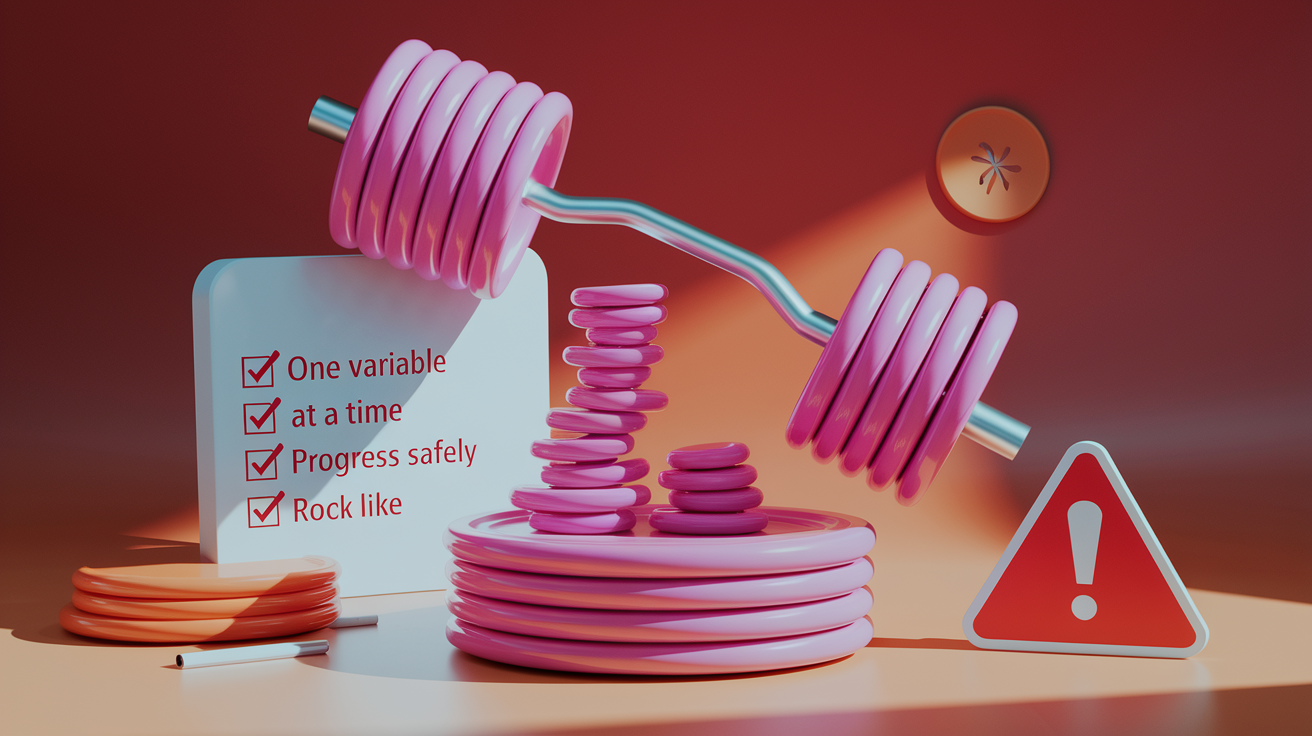
The biggest mistake is bumping load too fast. Going from 20-pound dumbbells to 30-pound dumbbells in one session might feel impressive, but it usually ends in form breakdown, joint pain, or a plateau within a week or two. Your muscles adapt faster than your tendons and ligaments. If you outpace connective tissue adaptation, you’re setting yourself up for injury or chronic soreness that forces you to back off for weeks.
Another mistake is chasing too many variables at once. Adding weight, reps, sets, and frequency all in the same week sounds efficient, but it makes it impossible to know what’s working and what’s causing problems. Pick one or two overload methods per block and stick with them. When that stops working, rotate to a different method in the next block.
Ignoring fatigue signals is the third thing that derails progress. If you feel run down, your performance drops, or your joints ache during warm-up sets, those are signs to reduce intensity or volume, not push harder. Sustainable progress comes from listening to your body and adjusting the plan, not grinding through every session at max effort. Consistency over months beats intensity over days.
Sample Programs for Beginner, Intermediate, and Advanced Levels
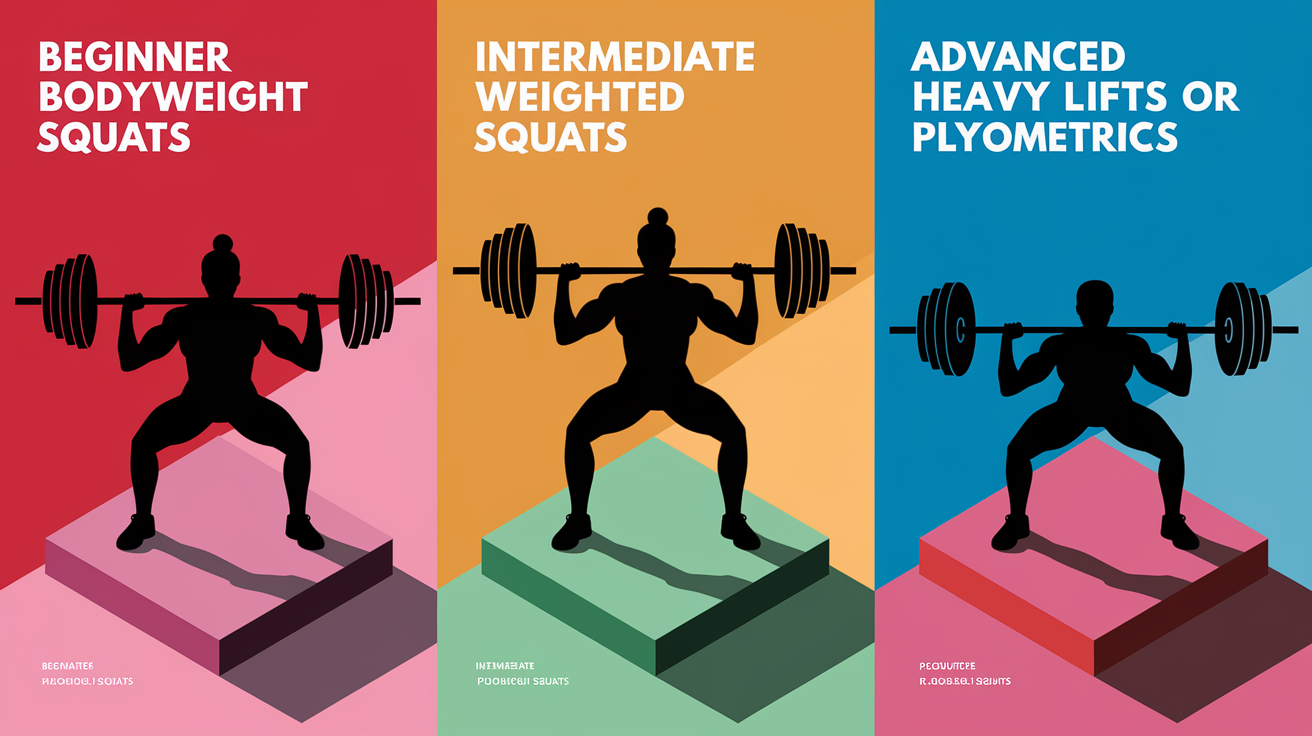
Beginners make progress fastest with linear progression because their bodies adapt quickly to any new stimulus. A simple full-body routine three times per week, with 3 sets of 8 to 12 reps per exercise, can produce strength gains every single session for the first few months. The overload method is simple: add 2.5 to 5 pounds to lower-body lifts and 1 to 2.5 pounds to upper-body lifts whenever you finish all sets at the top of the rep range. Rest days fall between training days to let recovery happen.
Intermediate lifters need more variety because linear gains slow down. Undulating intensity works well here. You might train each muscle group twice per week using different rep ranges, one session heavy (5 to 8 reps) and one moderate (10 to 15 reps). Overload comes from small weekly bumps in either load or reps, and deloads get scheduled every four to six weeks. Splitting workouts into upper/lower or push/pull/legs helps manage volume without sessions running too long.
Advanced lifters do well with block periodization that targets specific adaptations in sequence. A 12-week block might include 4 weeks of high-volume accumulation (12 to 20 sets per muscle per week, moderate loads), 4 weeks of mixed transmutation (8 to 12 sets, heavier loads, some speed work), and 4 weeks of low-volume realization (4 to 8 sets, near-max loads, testing strength). Progression is planned across the whole block, not week to week, and recovery is tightly managed with scheduled deloads and active recovery sessions.
| Level | Weekly Structure | Overload Method |
|---|---|---|
| Beginner | Full-body 3×/week, 3 sets × 8–12 reps per exercise, 2 rest days | Linear load increases of 2.5–5 lb lower, 1–2.5 lb upper every 1–2 sessions |
| Intermediate | Upper/lower or push/pull/legs 4–5×/week, 10–16 sets per muscle/week | Undulating rep ranges (heavy/moderate days) with weekly load or rep additions |
| Advanced | Block periodization 5–6×/week, 12–20+ sets per muscle/week in accumulation phase | Phased progression (volume → mixed → intensity) with planned deloads every 4–6 weeks |
Final Words
Apply small, steady increases: weight, reps, sets, frequency, tempo, range, aiming for 2.5 to 5% jumps and weekly rep targets while tracking workouts.
Balance volume and intensity across the week, use linear, undulating, and block cycles, and schedule deloads when fatigue builds. Keep notes in a simple log.
Use the examples and trackers here to practice how to structure progressive overload in a sustainable fitness plan, small steps, consistent tracking, and patience get results. You’ll build strength without burning out.
FAQ
Q: What is progressive overload and why does it matter?
A: Progressive overload is the practice of gradually increasing training stress, like weight or reps, to cause adaptation, build strength, and avoid plateaus while keeping changes small and consistent.
Q: How do I apply progressive overload safely?
A: Applying progressive overload safely means increasing load or reps in small steps (2.5-5% or 1-2 reps), tracking sessions, keeping good form, and allowing enough recovery between hard workouts.
Q: What methods can I use to increase overload?
A: The main overload methods are weight, reps, sets, frequency, tempo, and range of motion — use one or combine them for steady, manageable progress.
Q: How fast should I increase load or reps?
A: You should increase load or reps slowly: aim for 2.5-5% weight increases or 1-2 extra reps per week, and back off if form or recovery worsens.
Q: How should I structure volume and intensity for long-term progress?
A: To structure volume and intensity, aim for about 10-20 weekly sets per muscle group, spread sets across the week, and use RPE or RIR to manage session difficulty.
Q: What are simple periodization strategies I can try?
A: Periodization options include linear (gradual load rise), undulating (vary intensity during the week), and block (focused phases); pick the style that fits your experience and goals.
Q: When should I take a deload and how do I do it?
A: A deload is a planned low-volume week for recovery; take one when performance drops or fatigue persists, and reduce volume by about 30-50% for 5-7 days.
Q: What should I track to measure progress?
A: You should track sets, reps, load, tempo, and range of motion, plus weekly trends; simple logs help spot small gains or signs you need to back off.
Q: What common mistakes block progress and how do I avoid them?
A: Common mistakes that block progress include increasing too fast, changing too many variables, and ignoring fatigue; avoid these with small steps, consistent tracking, and scheduled rest.
Q: Which program style fits beginner, intermediate, and advanced lifters?
A: Program styles differ by level: beginners benefit from simple linear progress, intermediates from undulating week-to-week changes, and advanced lifters from block phases with focused specificity.