What if the scale is lying to you?
It’s often the case.
Weight mixes fat, muscle, water, and whatever you last ate, so a salty dinner or a hard workout can swing the number and hide steady fat loss.
This post shows how to track fat loss without that noisy number, starting with simple body measurements you can repeat each month and adding photos, clothing checks, and performance and energy signs that prove real progress.
Practical Ways to Track Fat Loss Progress Without a Scale
The scale gives you total body weight. That’s fat, muscle, water, glycogen, and whatever food is still sitting in your digestive system. One salty dinner or a hard workout can swing the number by several pounds even when your actual fat mass hasn’t budged. You step on the scale two weeks later, see the same number, and think nothing’s happening. But that flat reading might be hiding real fat loss if you’ve built muscle at the same time or if your body’s holding extra water from more carbs or a new training block.
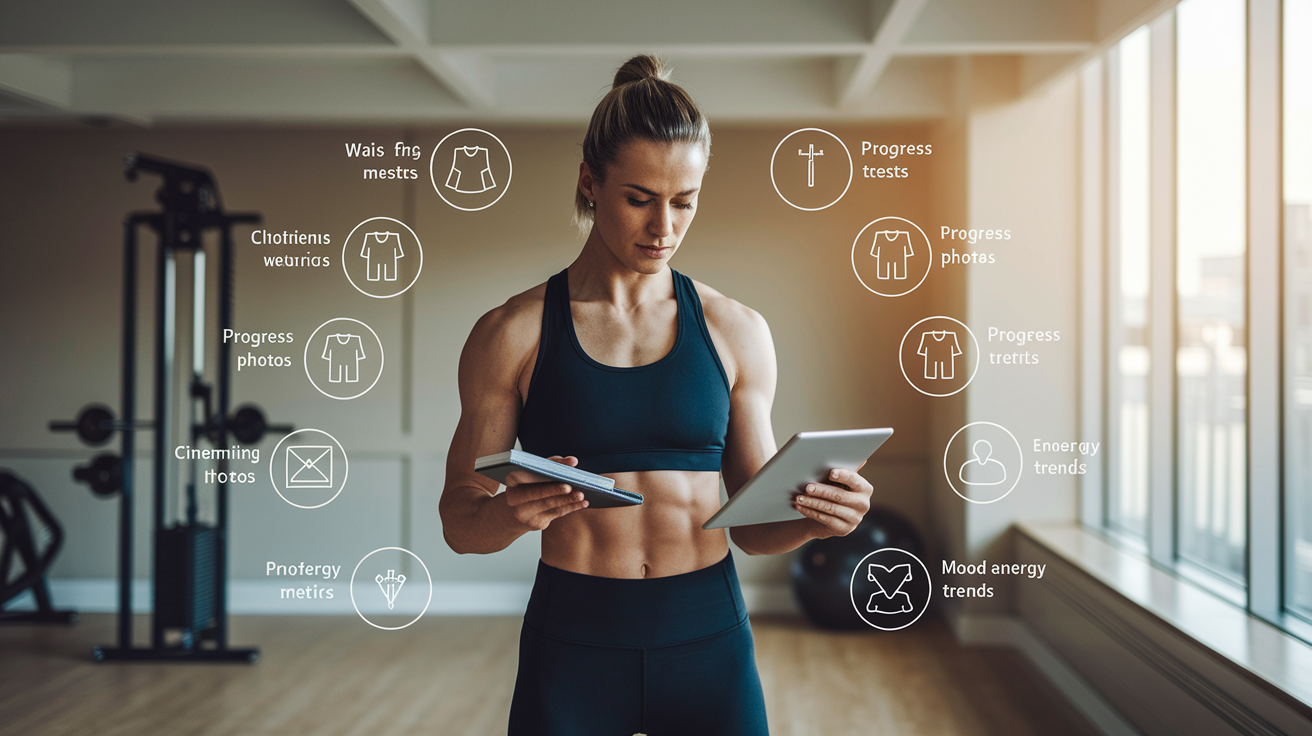
Better indicators track changes in your shape, your size, how you perform, and how your body feels day to day. These sidestep the static that confuses scale data and show you whether fat’s actually leaving.
- Waist measurement
- Hips/thigh/arm/chest measurement
- Clothing fit test
- Progress photos
- Performance improvements
- Energy/mood changes
Body Measurements for Tracking Fat Loss Change
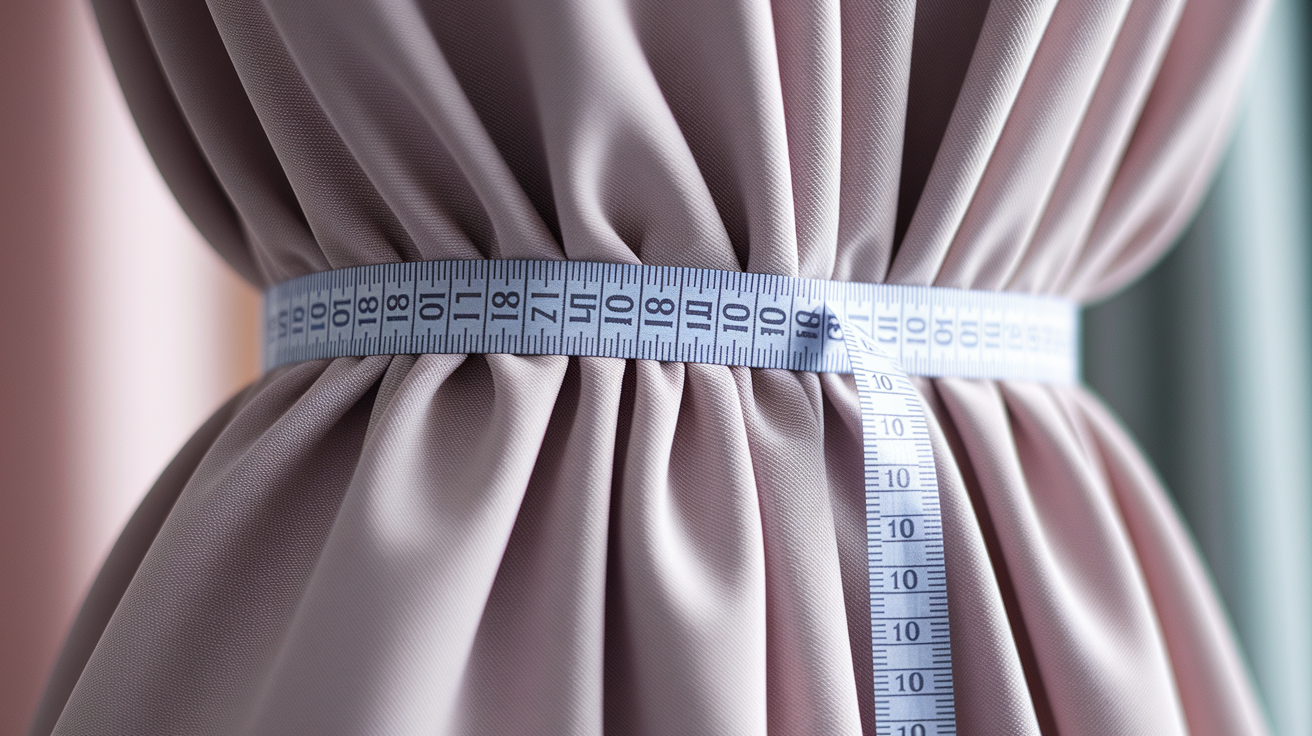
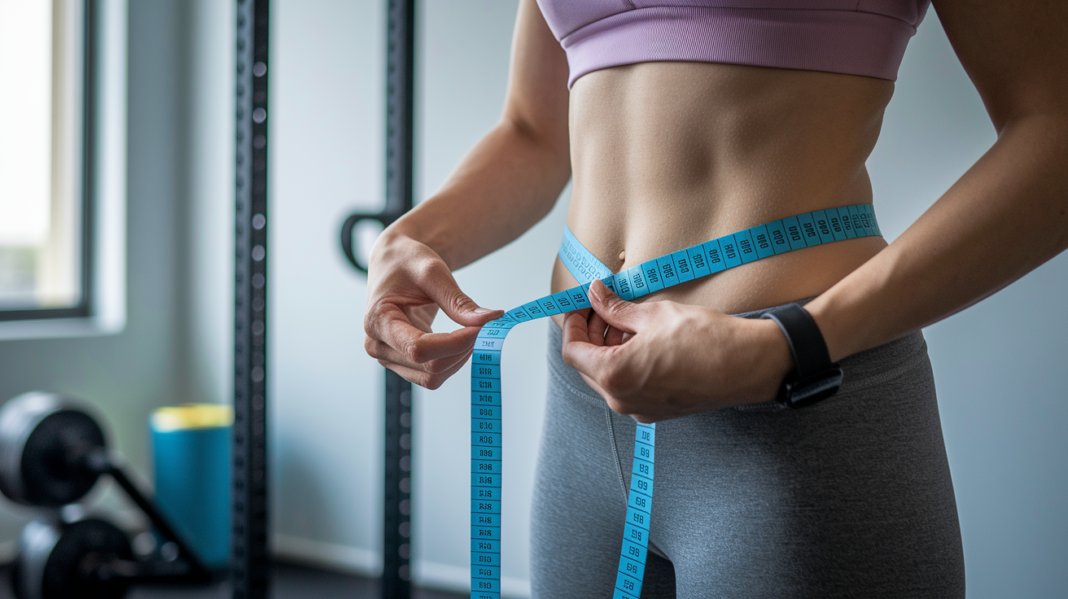
Grab a soft fabric tape and take two readings at each spot. Numbers different? Average them. Always measure in the morning before you eat or train if you can. Stand tall, breathe normally, don’t suck in or squeeze the tape.
For waist, put the tape at your natural waist (the narrowest part of your torso) or right at the top of your hip bones. Pick one spot and stick with it every time. For hips, wrap around the fullest part of your butt. For thighs, find the midpoint between your hip crease and the top of your kneecap. This beats “widest point” because you can repeat it month after month. For upper arms, measure halfway between your shoulder tip and your elbow. For chest, men measure at the nipple line and women at the fullest part of the bust, keeping the tape level.
- Use the same tape every month.
- Measure at consistent landmarks (waist at natural waist or hip bones, hips at fullest point, etc.).
- Measure in the morning, ideally fasting and after the bathroom.
- Keep the tape snug but not tight enough to compress your skin.
- Record to the nearest 0.25 inch or 0.5 centimeter and use the same unit each time.
Body Measurement Frequency Guidelines
Measure once a month or every two to four weeks. More often doesn’t help much because real changes take time to register in inches. Always replicate your conditions: same tape, same posture, same hydration level, same time of day. If you measure Monday morning one month, do it Monday morning the next.
Women, heads up: menstrual cycle swings can add temporary bloating and water. Compare measurements at the same point in your cycle for cleaner data.
Waist-to-Height Ratio and Other Simple At‑Home Fat Indicators
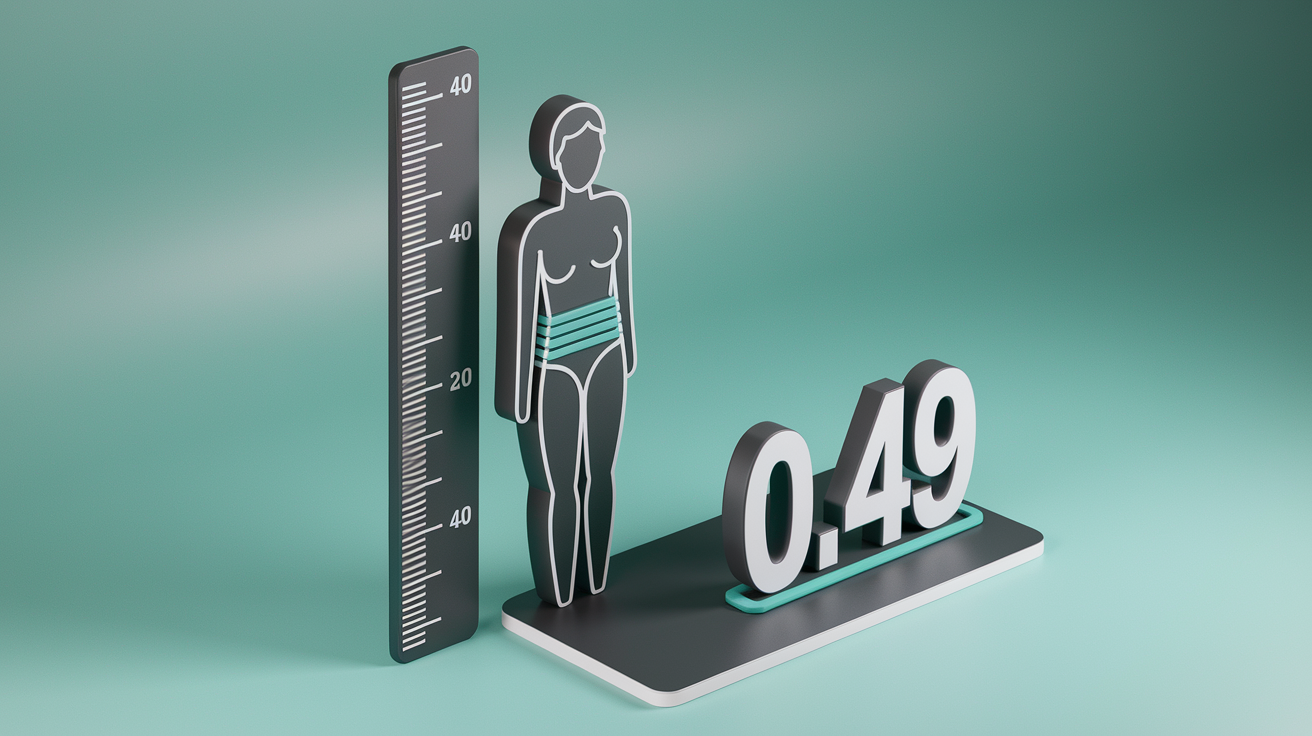
Waist to height ratio (WHtR) is your waist circumference divided by your height, using the same units for both. If your waist is 32 inches and you’re 64 inches tall, your WHtR is 0.5. Research links a WHtR below 0.5 with lower cardiometabolic risk in adults. As you lose fat, especially around your midsection, this ratio drops. Track it monthly and you get a single number that reflects changes in central body fat without the confusion of scale weight.
Waist to hip ratio is another simple one. Divide your waist by your hip measurement. Both WHtR and waist to hip ratio consistently correlate with changes in abdominal fat and give you quick, reliable cues that fat loss is happening even when the scale sits still.
| Metric | Formula | What It Indicates |
|---|---|---|
| Waist-to-Height Ratio (WHtR) | Waist circumference ÷ Height | Lower values (<0.5) associated with reduced cardiometabolic risk |
| Waist-to-Hip Ratio | Waist circumference ÷ Hip circumference | Tracks changes in central body fat distribution |
Progress Photos for Clear, Visible Fat Loss Tracking
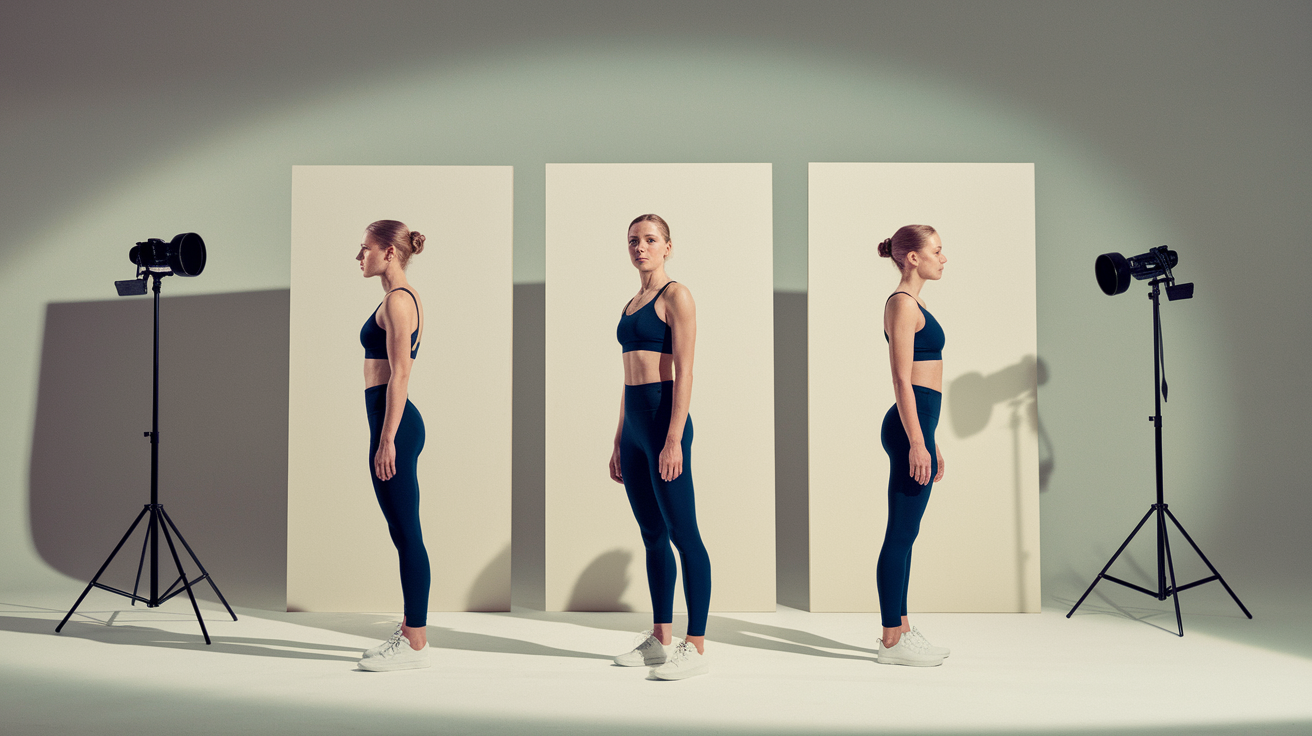
Progress photos reveal changes that measurements and the scale can miss. Fat can leave deep internal depots before you see obvious visual differences, and photos let you compare month to month when your memory of how you looked weeks ago gets fuzzy. Set up a simple routine and stick to it. Wear the same outfit every time. Fitted shorts and a sports bra or a swimsuit work well. Take three shots: front, side, back. Use the same spot in your home with the same lighting and the same distance from the camera.
Natural light’s best, but consistent lighting matters more than perfect lighting. Take photos in the morning before you eat or train, when your body’s in a similar state each time. Small details count. Hold your phone at the same height. Stand with the same posture. If your first photos have you slouching and the second set has you standing tall, you’ll see a difference that has nothing to do with fat loss.
- Same outfit each month
- Same location and background
- Same lighting (natural preferred, but consistent is key)
- Same camera distance and angle
- Morning timing, before eating or working out
- Front, side, and back angles
Monthly Photo Routine
Take a fresh set every four weeks. Store them in a dedicated folder on your phone or computer. When you’re ready to compare, open two photos side by side. One from this month, one from two or three months ago. Don’t compare week to week. The changes are too small and daily stuff like hydration, meal timing, even your posture can hide real progress. Month to month lets actual fat loss show through.
Clothing Fit as a Fat‑Loss Indicator
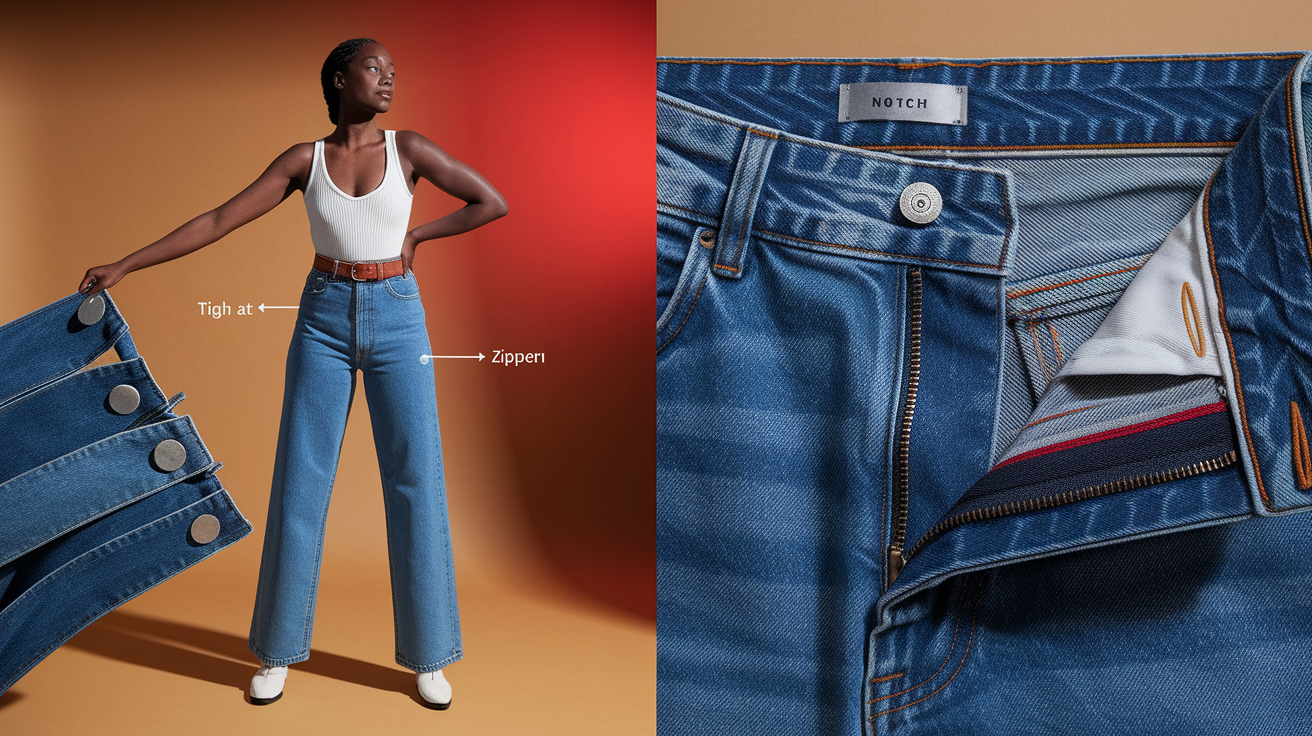
Your jeans don’t lie. A pair of pants that was tight three weeks ago might feel loose today, even if the scale hasn’t moved. Clothing fit changes often show up before the scale reflects fat loss because the scale can’t tell fat from muscle from water. If you’re losing fat and gaining a little muscle at the same time (common in beginners or anyone returning to training), your total weight might stay flat while your shape changes noticeably.
Pick one item: a pair of jeans, a fitted shirt, a belt. Try it on weekly or every two weeks and note how it feels. Looser waistband? More room in the thighs? A belt notch you couldn’t use before? These are immediate, tangible signs that your body composition is shifting. Belt notch tracking is especially useful because it gives you a simple, repeatable marker of waist reduction. Clothing gaps at the neckline or sleeves can signal upper body fat loss before measurements catch up.
- Jeans or dress pants fit looser at the waist
- Belt moves to a tighter notch
- Shirt sleeves or shoulders feel less snug
- Necklines sit differently or gaps appear
Performance Improvements as Signs of Fat Loss Progress

When you lose fat and keep muscle, your performance often gets better. You might add reps to your sets, lift heavier weights, or hold a plank longer. Your run pace might get faster, or you might recover more quickly between intervals. These changes point to better body composition and conditioning, even if the scale shows no change or even goes up slightly from muscle gain.
Track your workouts weekly. Note the weights you lift, the reps you complete, the times you hold isometric positions like planks or wall sits. If your plank hold goes from 45 seconds to 75 seconds over a month, that’s a clear sign your core strength is increasing and your relative body weight is easier to support. A lower resting heart rate also signals improved cardiovascular fitness, which often comes with fat loss and better aerobic conditioning.
Performance improvements often show up before visible fat loss. You might feel stronger and faster weeks before you see changes in the mirror or in your measurements. That’s normal. Trust the data your body’s giving you through movement and strength.
- More reps or weight in strength exercises
- Faster run, walk, or cycling pace
- Longer plank, wall sit, or other endurance hold times
- Lower resting heart rate or faster recovery between sets
Non‑Scale Wins for Tracking Real Body Changes

Fat loss affects more than your shape. It changes how you feel, how you sleep, how you move through your day. These non scale victories (NSVs) are real progress markers. You might notice more energy in the afternoon, better sleep quality, or a lighter feeling when you walk upstairs. Your mood might improve, or you might feel more confident in social situations. These shifts matter as much as any number on a tape measure.
Track these weekly or biweekly in a simple note or journal. Rate your energy and sleep quality on a scale of 1 to 10. Note whether you’re hitting your protein target most days, whether you’re moving more without trying, whether your clothes feel different. Over time, these small wins add up and give you a fuller picture of how your body’s changing.
- More daily energy and stamina
- Better sleep quality
- Improved mood or confidence
- Easier movement during daily activities (stairs, walking, standing)
- Less bloating or digestive discomfort
- Greater workout consistency and motivation
How to Track Fat Loss Progress Using Apps and Simple Tech Tools
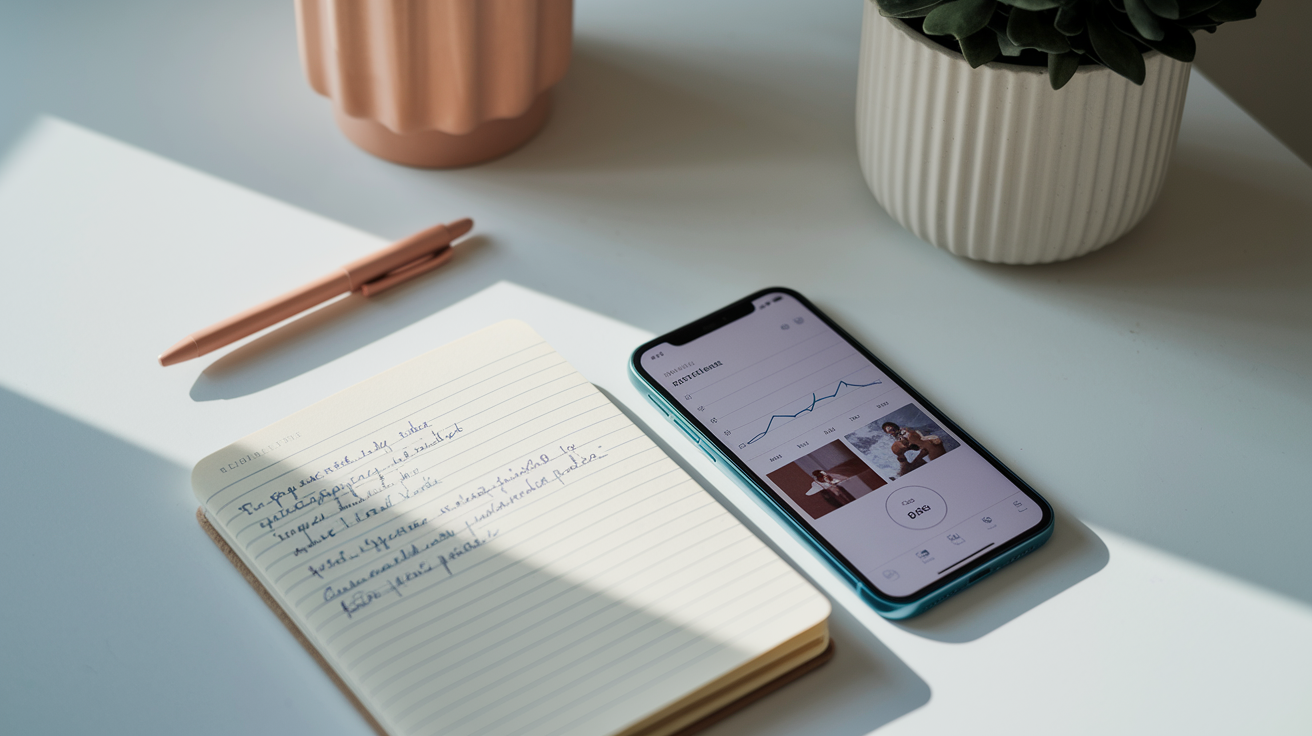
Your smartphone can make tracking easier. Use the camera for progress photos and store them in a dedicated folder. Set a monthly reminder to measure yourself and take new pictures. Apps let you log measurements, photos, workouts, and meals in one place, so you can see trends over time without shuffling through notebooks or trying to remember what you did last month.
Fitness trackers sync steps, heart rate, calories burned, and sleep data automatically. This removes the friction of manual logging and gives you a clearer view of your activity patterns and recovery quality. Spreadsheets and simple charts help you spot long term trends. Plot your waist measurement or your plank hold time over several months, and you’ll see progress that daily check ins can hide. Combine tech with physical measurements for the best accuracy. Don’t lean solely on app estimates or tracker readings. Use them to support the data you collect with a tape measure, photos, and clothing fit tests.
- Use your smartphone camera for monthly progress photos and store them in a dedicated album.
- Set calendar reminders to measure and photograph on the same day each month.
- Log measurements and photos in a tracking app or spreadsheet to see trends.
- Sync a fitness tracker to auto log steps, heart rate, calories, and sleep data.
- Create simple line graphs in a spreadsheet to plot waist circumference, plank time, or other metrics over weeks and months.
Consistency Rules for All Non‑Scale Tracking Methods
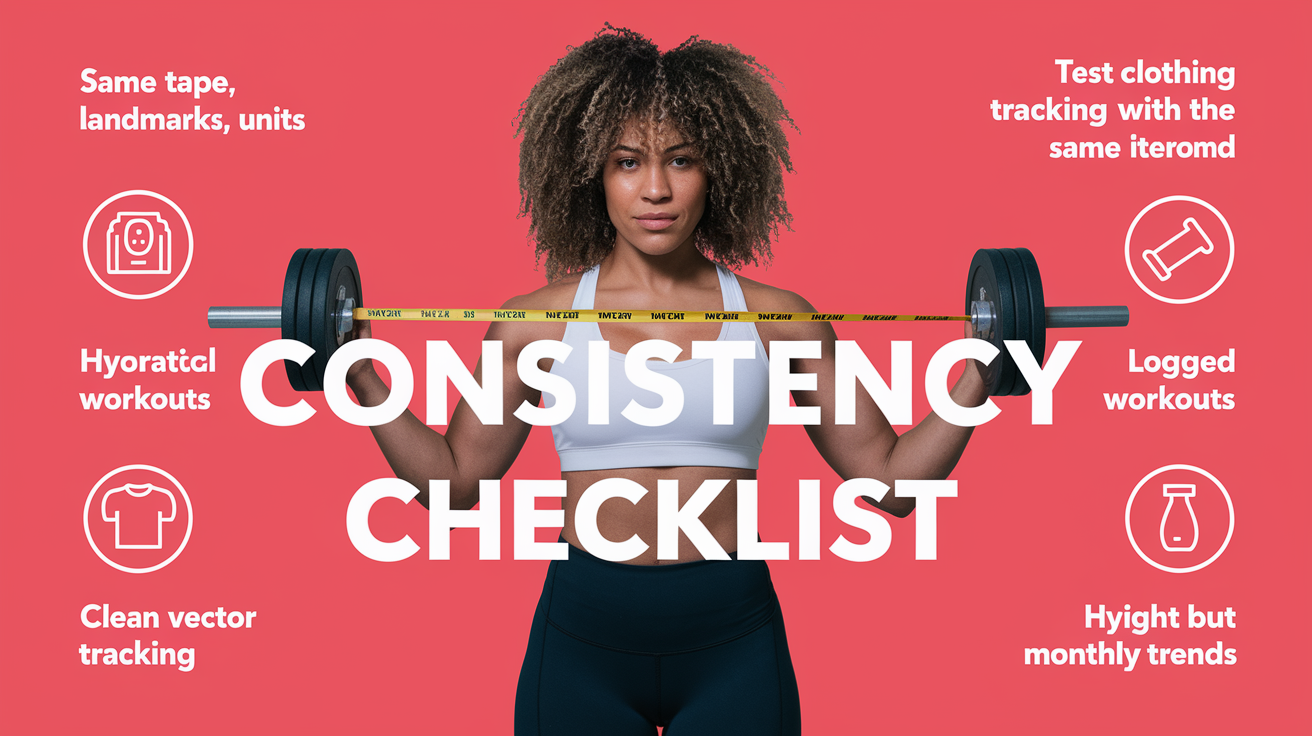
Consistency is everything. If you change your methods, timing, or conditions, you’ll introduce noise that hides real progress. Use the same tape measure every time. Take photos in the same room with the same lighting. Test your clothing fit with the same pair of jeans. Log your workouts at similar times of day, so fatigue and hydration levels are comparable.
Menstrual cycle fluctuations affect multiple indicators, not just measurements. Water retention can shift your waist circumference, change how your clothes fit, even affect your workout performance. If you’re tracking monthly, try to measure and photograph at the same point in your cycle each time. This gives you cleaner comparisons and removes one source of variability.
- Always use the same tape, units, and measurement landmarks.
- Take photos in the same location, lighting, outfit, and posture.
- Test clothing fit with the same item each time.
- Measure and photograph at the same time of day (morning preferred).
- Track workouts under similar conditions (same warm up, similar fatigue level).
- Account for menstrual cycle timing if applicable. Compare measurements at the same cycle phase.
When to Consider Professional Body‑Composition Testing

Sometimes home tracking isn’t enough. If you want precise data on fat mass, lean muscle mass, and visceral fat, professional body composition testing gives you numbers that tape measures and photos can’t. DEXA scans measure total fat mass, body fat percentage, visceral fat levels, fat distribution across your body, and lean muscle mass. This data confirms whether the weight you’re losing is fat or muscle, and it tracks visceral fat (the most harmful fat that sits around your organs and drives health risk).
Bioelectrical impedance analysis (BIA), the tech in most at home “smart” scales, gets affected by hydration, recent meals, and exercise. BIA readings can vary by several percentage points from morning to evening. If you use a BIA scale, measure at the same time each day and focus on multi week trends, not single readings. Hydrostatic weighing and BodPod are other professional options that provide more accurate body composition data than BIA, though they’re less accessible than DEXA.
Test every four to eight weeks if you’re using professional methods. Testing more often doesn’t add much value because meaningful fat loss changes take time to show up in body composition data. Use professional testing to validate your home tracking and to get detailed feedback on visceral fat and muscle changes that other methods miss.
| Method | What It Measures | Accuracy Notes |
|---|---|---|
| DEXA Scan | Total fat mass, body-fat %, visceral fat, lean mass, fat distribution | Highly accurate; minimal variability if protocol is consistent |
| BIA (Smart Scales) | Estimates body-fat % and lean mass via electrical impedance | Highly sensitive to hydration, food, and exercise; useful for trends only |
| Hydrostatic Weighing | Body density and body-fat % | Accurate but requires full submersion and exhaling underwater |
| BodPod | Body density and body-fat % via air displacement | Accurate and less invasive than hydrostatic; limited availability |
Final Words
Pick one simple test this week. Take progress photos, measure your waist, or note how your jeans fit.
This post showed why the scale can mislead and outlined practical alternatives: tape measurements, waist-to-height checks, clothing fit, performance markers, non-scale wins, apps, and when to get professional testing.
If you’re wondering how to measure fat loss progress without a scale, combine a few of these methods and repeat them consistently. Small, steady checks beat sporadic weighing. Keep going. You’ll see real progress.
FAQ
Q: How to track fat loss without a scale? / How to measure fat loss progress?
A: Tracking fat loss without a scale or measuring progress uses monthly photos, tape measurements (waist, hips, arms, thighs), clothing-fit checks, strength/endurance gains, and mood or energy improvements as reliable cues.
Q: What is the 3-3-3 rule for weight loss?
A: The 3-3-3 rule for weight loss is a simple habit cycle: pick three small changes, follow them for three weeks, then review progress and repeat or adjust for the next three-week block.
Q: What does 20% body fat actually look like?
A: Twenty percent body fat typically looks lean but not ripped: men often show muscle with a soft midsection, while women look athletic with curves; exact appearance varies by sex, age, and fat distribution.