You don’t have to hobble for days after a hard session.
If your muscles feel like concrete, there are fast, proven things you can do right now to cut soreness and move easier within an hour.
This post lays out simple actions you can try now: light movement, foam rolling, contrast showers, targeted stretches, hydration, and a few food and sleep tips that lower pain and speed repair.
Follow the step-by-step plan here and you’ll reduce delayed onset muscle soreness fast and get back to normal sooner.
Immediate Relief for DOMS: Fast Methods to Reduce Muscle Soreness
Your legs feel like concrete. Sitting down? That’s a slow-motion disaster. You’re sore right now, and you want relief in the next 30 minutes, not three days from now.
The fastest relief comes from techniques that increase blood flow, reduce muscle tension, and improve range of motion. Light movement keeps circulation going and helps clear metabolic waste that’s tied to soreness. Foam rolling mechanically releases tightness and breaks up adhesions. Contrast showers shift blood flow between constriction and dilation, which can reduce local inflammation and how much pain you actually feel. Gentle stretching and mobility work signal your nervous system to relax the muscle and improve how it moves. You get less stiffness without damaging tissue.
Here’s what to do in the next hour:
Walk or cycle lightly for 10–15 minutes. Keep effort at a conversational pace. This isn’t a workout.
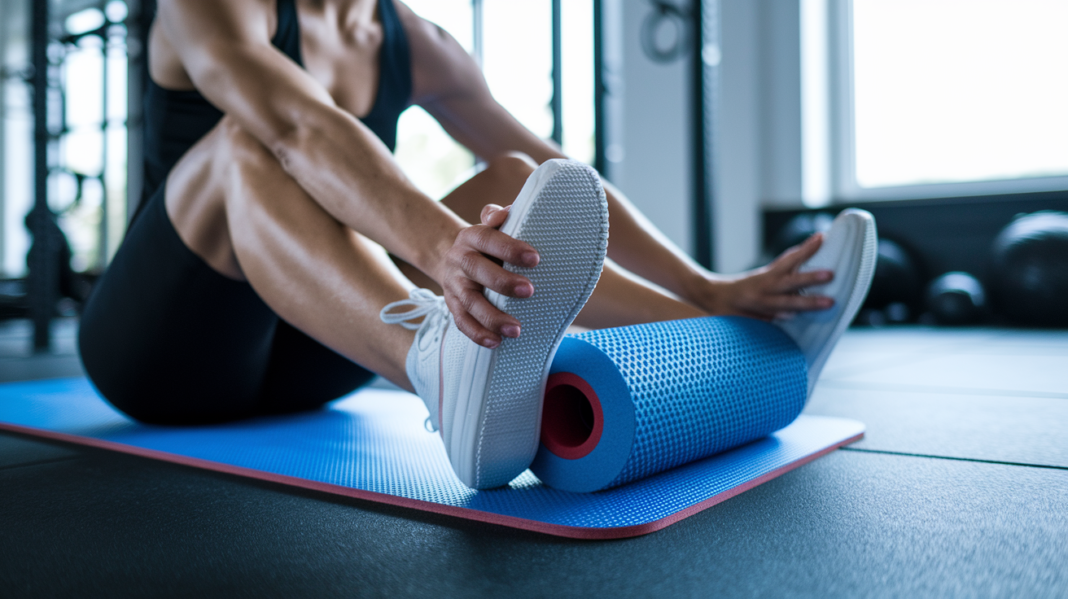
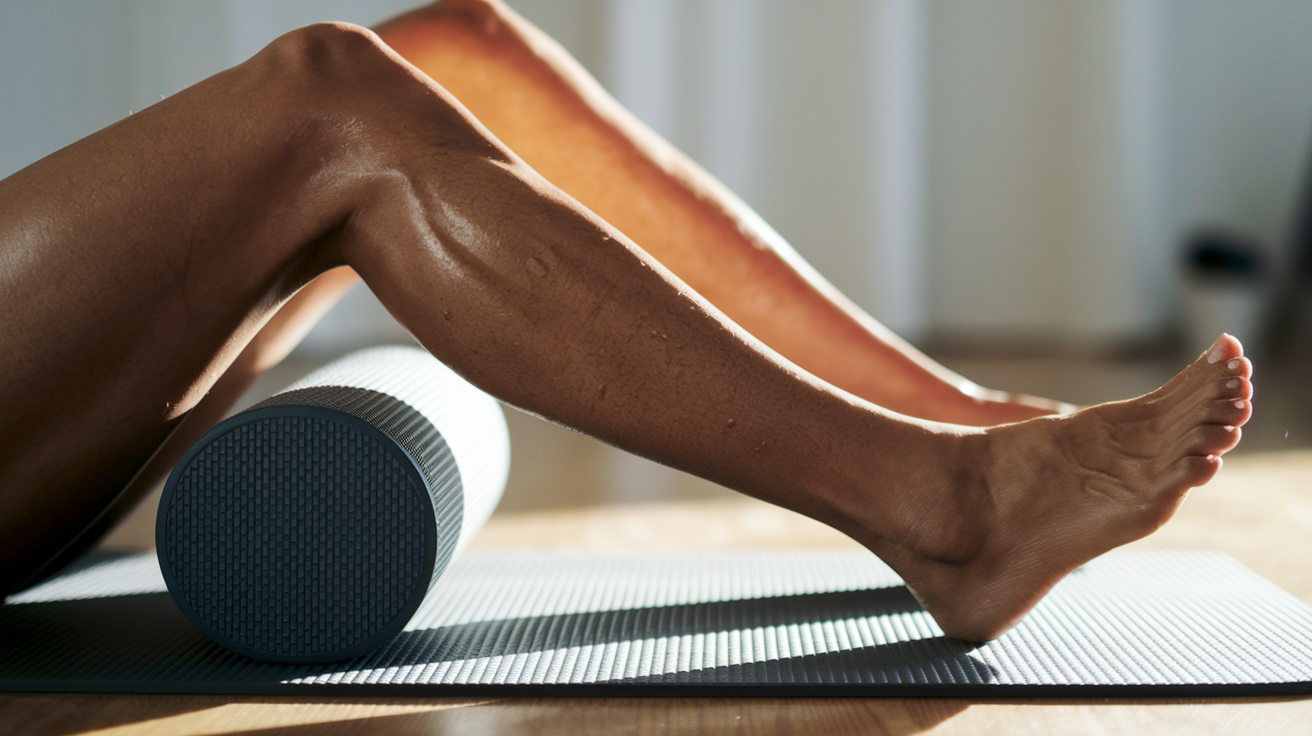
Foam roll the sore muscle groups. Spend 30–60 seconds on each tender spot, rolling slowly.
Take a contrast shower. Alternate 1 minute cold water with 1 minute warm water for 8–12 minutes total.
Do 5–10 minutes of gentle targeted stretching. Hold stretches for 20–30 seconds without forcing range of motion.
Flow through simple mobility movements. Arm circles, leg swings, hip openers for about 5 minutes.
Use a massage gun for 1–2 minutes per muscle. Keep speed moderate and pressure light to medium. No hard digging.
These methods don’t eliminate soreness instantly. But they reduce the intensity and help you move with less pain within the hour.
Hydration and Electrolytes for Faster Recovery
Dehydration makes everything worse. When you’re low on fluids, blood flow slows, waste removal drops, and your muscles perceive more pain. Electrolytes regulate muscle contractions and nerve signaling. If you’re short on sodium, potassium, or magnesium, cramping and stiffness get worse. Recovery takes longer.
Aim for about 30–35 mL of water per kilogram of body weight daily. If you sweat heavily during training, drink an extra 500–1,000 mL in the first two hours after exercise. Include sodium and potassium to replace what you lost. A typical sports drink has 300–700 mg of sodium per liter. That’s a practical guideline if you’re making your own mix or choosing a product.
Focus on three key electrolytes:
Sodium: 300–500 mg post-workout if you sweat heavily. Table salt, broth, or a sports drink all work.
Potassium: bananas, potatoes, spinach, or coconut water. Aim for 2,000–3,000 mg per day from food.
Magnesium: 200–400 mg daily from leafy greens, nuts, seeds, or a supplement if your diet is low.
Evidence-Based Cold and Heat Therapy Protocols

Cold constricts blood vessels and slows inflammation. Heat opens them and increases circulation. Both reduce soreness, but timing and method matter more than most people think.
Use cold therapy during the first 24–48 hours. Apply an ice pack wrapped in a towel for 10 minutes on, 10 minutes off, repeating every two to three hours if soreness is sharp or swelling is present. Cold-water immersion at 10–15°C for about 10 minutes can also reduce perceived soreness. Don’t go longer than 15–20 minutes or you risk excessive tissue cooling. Do not apply ice directly to skin.
Heat works better after the first 48 hours when the goal shifts from controlling inflammation to improving blood flow and loosening stiff tissue. Use a heating pad, warm towel, or warm bath for 10–15 minutes. Moist heat penetrates deeper than dry.
Contrast therapy alternates cold and heat in cycles. One minute cold followed by three to four minutes warm, repeated for 12–15 minutes total. Some studies suggest this may speed recovery by cycling blood flow, though individual response varies.
Self-Massage and Myofascial Release Techniques
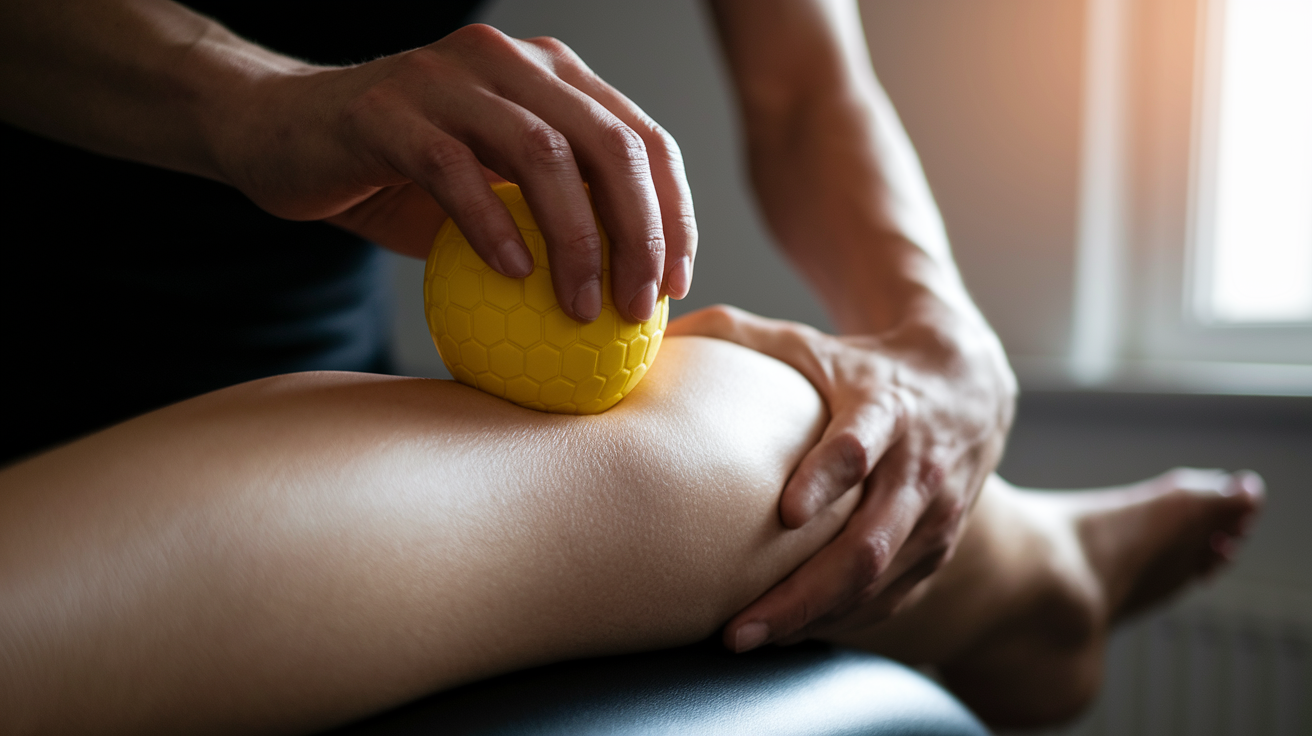
You don’t need a therapist to get relief. Self-massage with your hands, a lacrosse ball, or a small massage tool can reduce muscle stiffness and improve circulation within minutes. The goal is to apply steady, moderate pressure to tender spots and move the tissue slowly in the direction of the muscle fibers.
Find a tight or painful area and press into it with a massage ball or your thumb. Hold for 30–60 seconds, then slowly roll or knead the muscle along its length. Move deliberately, not fast. If a spot is extremely tender, ease off the pressure slightly but stay on it long enough for the muscle to relax. Common areas to target include calves, quads, glutes, upper traps, and lats.
Work each sore muscle group for about two to three minutes total. Repeat once or twice during the day if soreness is significant. The immediate effect? A reduction in perceived tightness and easier movement, which makes the rest of your recovery plan more tolerable.
Anti-Inflammatory Foods That Support Faster DOMS Recovery
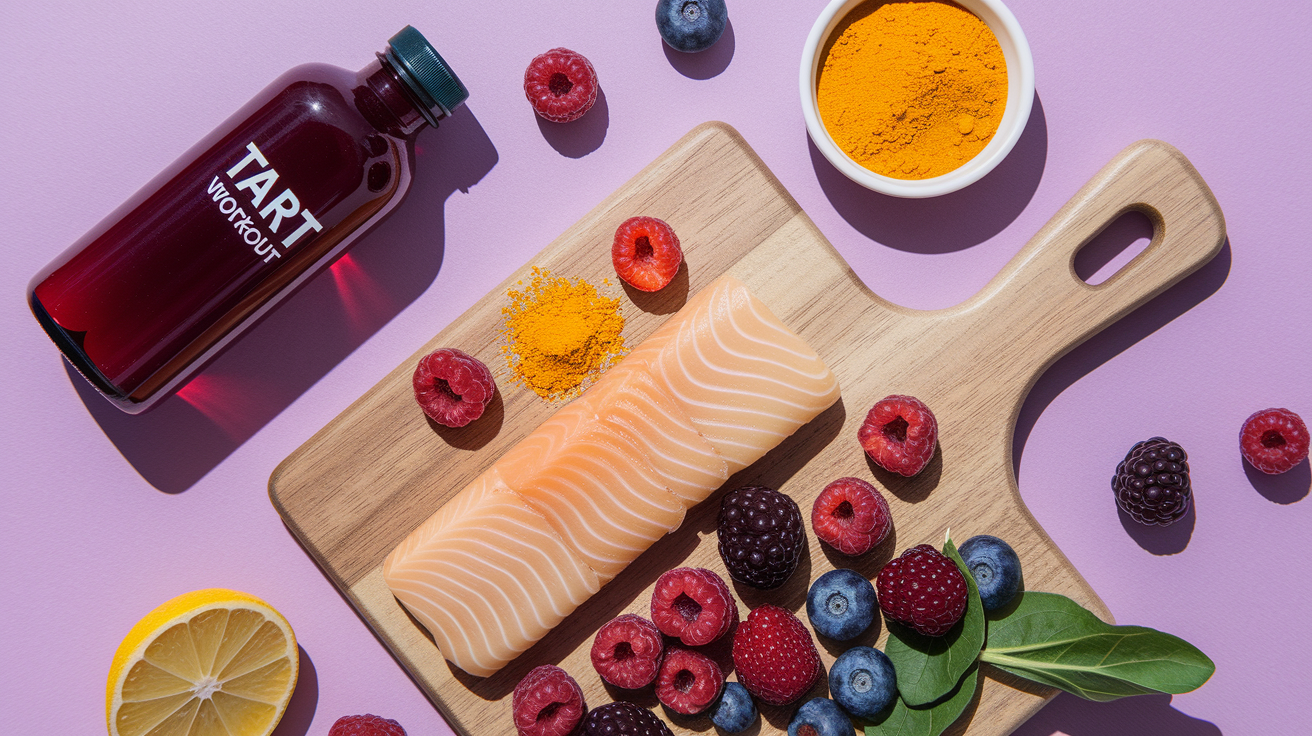
What you eat after training influences how quickly inflammation resolves and how well your muscles repair. Some foods contain compounds that reduce inflammatory markers without blocking the adaptation your body needs from the workout.
Tart cherry juice has been studied in multiple trials. Typical doses are about 240 mL twice daily, starting a day or two before intense exercise and continuing for two to three days after. Results show reduced soreness and faster recovery of strength.
Omega-3 fatty acids from fish like salmon, mackerel, or sardines lower systemic inflammation. Aim for 1–3 grams of EPA plus DHA daily, either from food or a supplement.
Turmeric contains curcumin, which can reduce muscle damage markers when taken at about 500 mg twice daily in a bioavailable form. Leafy greens, berries, and nuts provide antioxidants that support repair without interfering with training adaptations.
Here are four foods to prioritize in the 24–72 hours after a tough workout:
Tart cherry juice or concentrate: 8 oz twice daily for three days post-training.
Fatty fish like salmon or mackerel: at least two servings per week or an omega-3 supplement.
Turmeric or curcumin supplement: 500 mg twice daily with black pepper or a lipid to improve absorption.
Berries and dark leafy greens: one to two servings daily for general antioxidant support.
Sleep and Rest Strategies That Improve Muscle Repair

Growth hormone peaks during deep sleep. This is when your body does the heaviest lifting on muscle repair. If you sleep poorly or cut sleep short, soreness lasts longer and strength returns slower.
Aim for seven to nine hours of sleep per night, especially in the first 48–72 hours after a hard session. If you’re exceptionally sore, a 20–90 minute nap can help. Keep your room dark, cool, and quiet. Avoid screens for at least 30 minutes before bed. If your mind is busy, try a simple breathing routine or a short body scan to relax.
Rest doesn’t mean doing nothing all day. Light movement is better than lying on the couch for 48 hours straight.
But prioritize sleep quality above almost everything else in your recovery plan. If you have to choose between an extra recovery session and an extra hour of sleep? Choose sleep.
DOMS Healing Timeline: What’s Normal and What Isn’t
DOMS typically appears 12–24 hours after exercise and peaks between 24 and 72 hours. Most people feel significantly better by day four or five. Soreness resolves completely within a week. If you’re new to a movement or ramped intensity quickly, expect the higher end of that range.
Mild to moderate soreness that improves each day is normal. You should be able to move through your full range of motion, even if it’s uncomfortable. Strength may drop temporarily, but you can still perform daily tasks and light activity without severe limitation.
Severe pain that worsens after 72 hours, extreme swelling, dark or tea-colored urine, inability to bear weight, or fever are red flags. These symptoms can signal rhabdomyolysis, a muscle strain, or another injury that needs medical evaluation. If soreness hasn’t improved at all by day seven or if you lose strength rather than regain it, get checked out.
How to Prevent DOMS in Future Workouts
You can’t eliminate soreness entirely when you start something new or push harder than usual. But you can reduce how bad it gets and how long it lasts. Prevention comes down to smart programming, proper warm-ups, and consistent recovery habits.
Start every training session with a 5–10 minute dynamic warm-up. Include movement-specific drills, mobility work, and light aerobic activity to raise muscle temperature and prep your nervous system.
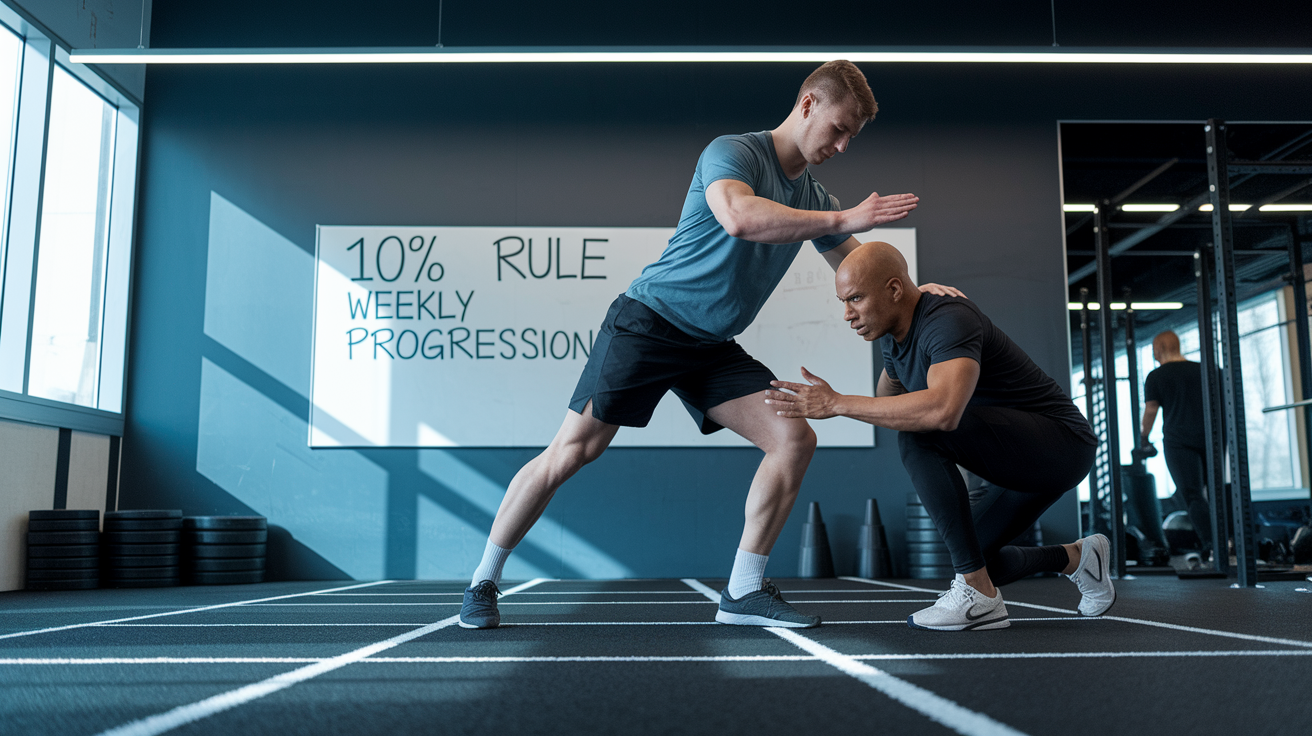
Progress your training gradually. Follow a rough 10% rule, meaning don’t increase volume, intensity, or frequency by more than about 10% per week. If you’re adding eccentric-focused exercises like tempo squats or Nordic curls, start with low volume and build over two to three weeks.
Finish each session with a 5–10 minute cooldown that includes easy aerobic movement and gentle stretching to help your muscles transition out of high tension.
Here are five habits that reduce future soreness:
Warm up for at least 5–10 minutes. Include dynamic stretches and movement prep specific to your workout.
Increase training load by no more than 10% per week. Apply this to sets, reps, weight, or total volume.
Limit eccentric-heavy sessions to one or two per week, especially when introducing new exercises.
Cool down after every session. 5–10 minutes of light movement and 2–3 minutes of stretching.
Foam roll and do mobility work regularly. Spend 5–10 minutes two to three times per week even when you’re not sore.
Final Words
in the action you learned quick, practical ways to ease DOMS: light movement, foam rolling, contrast showers, self‑massage, sleep, and anti‑inflammatory foods.
You also got clear timings and simple steps: 10–15 minutes of light activity, 10 minutes cold followed by 10–15 minutes heat, 30–60 seconds per massage spot, plus hydration and electrolytes.
Use these tactics next time soreness hits so you know exactly how to reduce delayed onset muscle soreness fast and get back to training sooner.
FAQ
Q: How to speed up delayed onset muscle soreness?
A: Speeding up delayed onset muscle soreness recovery means doing light movement like a 10–15 minute walk or cycle, foam rolling, contrast showers, targeted stretching, staying hydrated with electrolytes, and sleeping well.
Q: Why is DOMS worse on day 2?
A: DOMS is worse on day 2 because muscle inflammation and repair processes peak 24–72 hours after exercise, which raises soreness and stiffness as the body clears damaged muscle fibers.
Q: How long does it take for delayed onset muscle soreness to heal?
A: Delayed onset muscle soreness usually heals in 3–7 days, often peaking at 24–72 hours; mild soreness may fade sooner, while pain beyond a week should be checked.
Q: How to treat severe delayed onset muscle soreness?
A: Treating severe delayed onset muscle soreness means rest, gentle movement, cold then heat or contrast therapy, short self-massage, hydration, anti-inflammatory foods, and seeing a healthcare provider for extreme pain or loss of function.