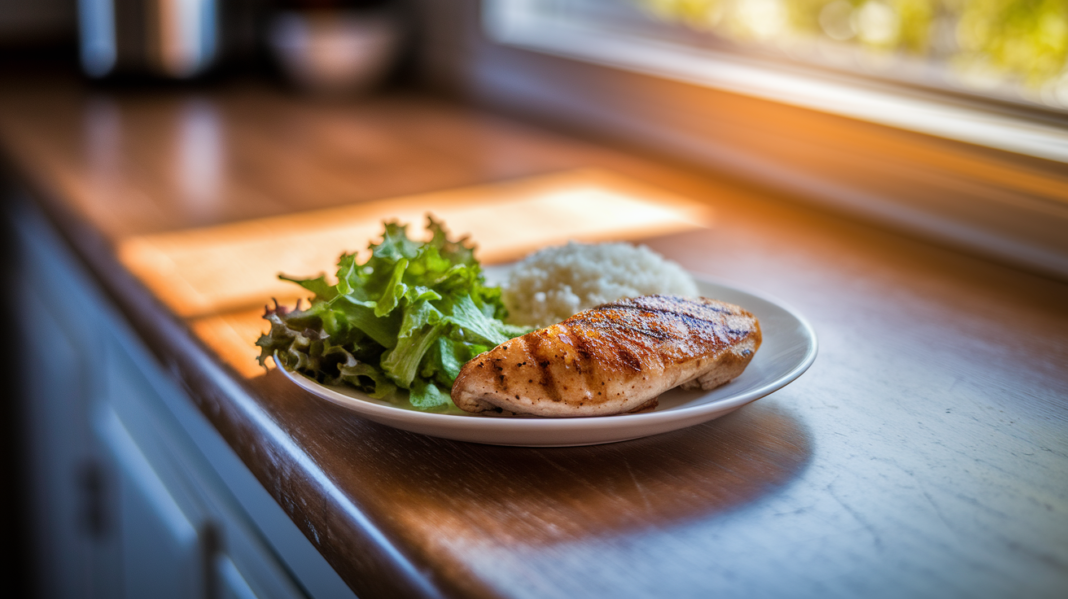

Think eating high-protein dinners means emptying your wallet? Think again. These 10 budget-friendly recipes give real grams of protein and clear per serving costs so you can plan meals that save money and fuel your week. Most take 20 to 40 minutes, lean on pantry staples like beans, eggs, canned tuna, and work great for batch cooking. Read on for cheap recipes, shopping hacks, and simple swaps that make hitting your protein target easy without complicated shopping or expensive ingredients.
Top 10 Cheap High‑Protein Dinner Recipes (With Cost & Protein Breakdown)
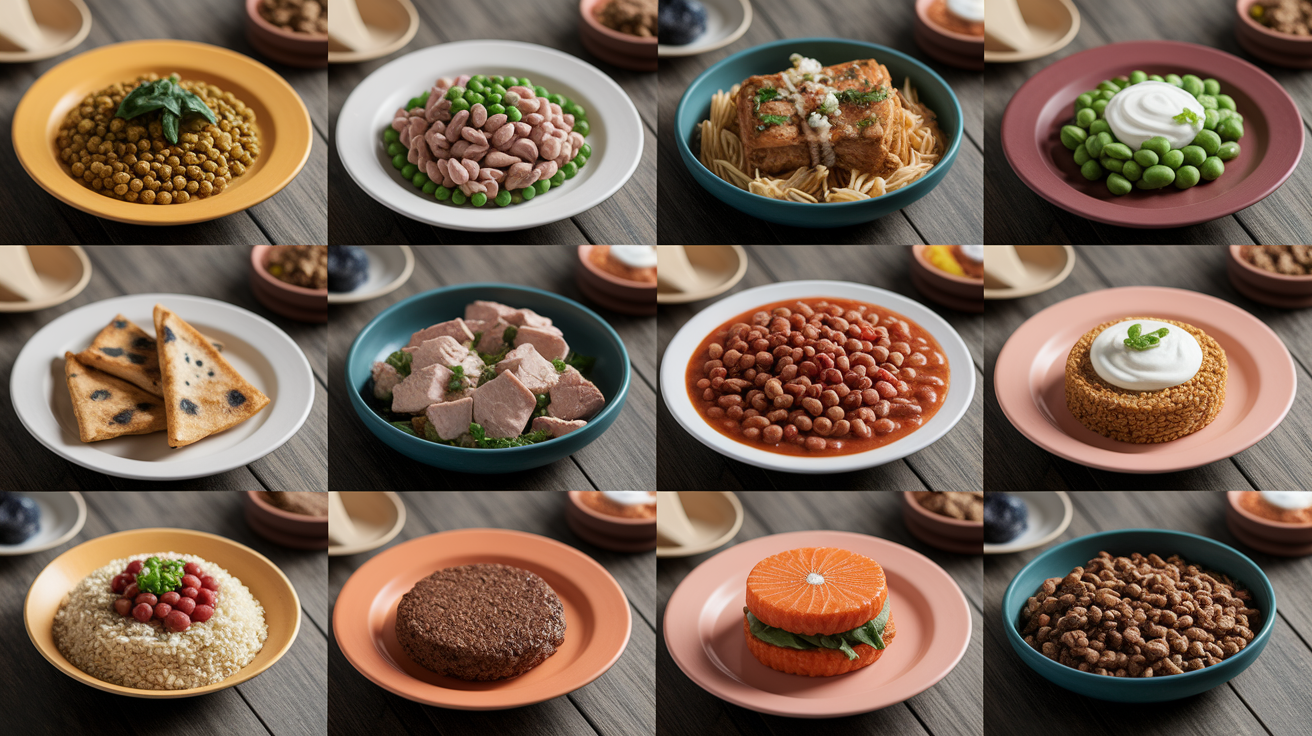
These recipes pack solid protein without draining your wallet. Most take 20 to 40 minutes, lean on pantry staples, and work great for meal prep. Costs are based on typical U.S. grocery prices and assume you’ve already got basics like oil, salt, and spices sitting around.
-
Lentil & Spinach Curry – 24 g protein per serving, $1.20 per serving. Simmer brown lentils with canned tomatoes, spinach, and curry powder. Serve over rice.
-
Canned Tuna Pasta with Peas – 30 g protein per serving, $1.80 per serving. Toss cooked pasta with drained tuna, frozen peas, lemon juice, and a dollop of Greek yogurt.
-
Sheet‑Pan Baked Chicken Thighs & Vegetables – 32 g protein per serving, $2.50 per serving. Roast chicken thighs with carrots, potatoes, and onions at 425°F for 35 minutes.
-
Black Bean Quesadillas with Greek Yogurt – 20 g protein per serving, $1.40 per serving. Mash black beans with cumin, spread on tortillas with shredded cheese, pan‑fry until crisp. Top with Greek yogurt instead of sour cream.
-
Egg Fried Rice with Edamame – 24 g protein per serving, $1.10 per serving. Stir‑fry day‑old rice with scrambled eggs, frozen mixed vegetables, and shelled edamame. Season with soy sauce.
-
Turkey & White Bean Chili – 30 g protein per serving, $1.75 per serving. Brown ground turkey, add canned white beans, diced tomatoes, broth, and chili spices. Simmer 30 minutes.
-
Chickpea & Tomato Stew with Couscous – 16 g protein per serving, $1.00 per serving. Simmer chickpeas with canned tomatoes and spices. Serve over couscous. Top with crumbled feta if you’ve got it.
-
Salmon Patties (Canned Salmon) – 26 g protein per serving, $2.20 per serving. Mix canned salmon with egg, breadcrumbs, and diced onion. Form into patties and pan‑fry 4 minutes per side.
-
Ground Beef & Bean Skillet – 28 g protein per serving, $2.00 per serving. Brown ground beef, stir in a can of black or pinto beans, add taco seasoning. Serve with rice or tortillas.
-
Tofu Stir‑Fry with Peanut Sauce – 18 g protein per serving, $1.30 per serving. Cube firm tofu, pan‑fry until golden, toss with frozen stir‑fry vegetables and a simple peanut butter–soy sauce mix. Serve over rice or noodles.
Smart Budget Strategies for High‑Protein Meal Planning
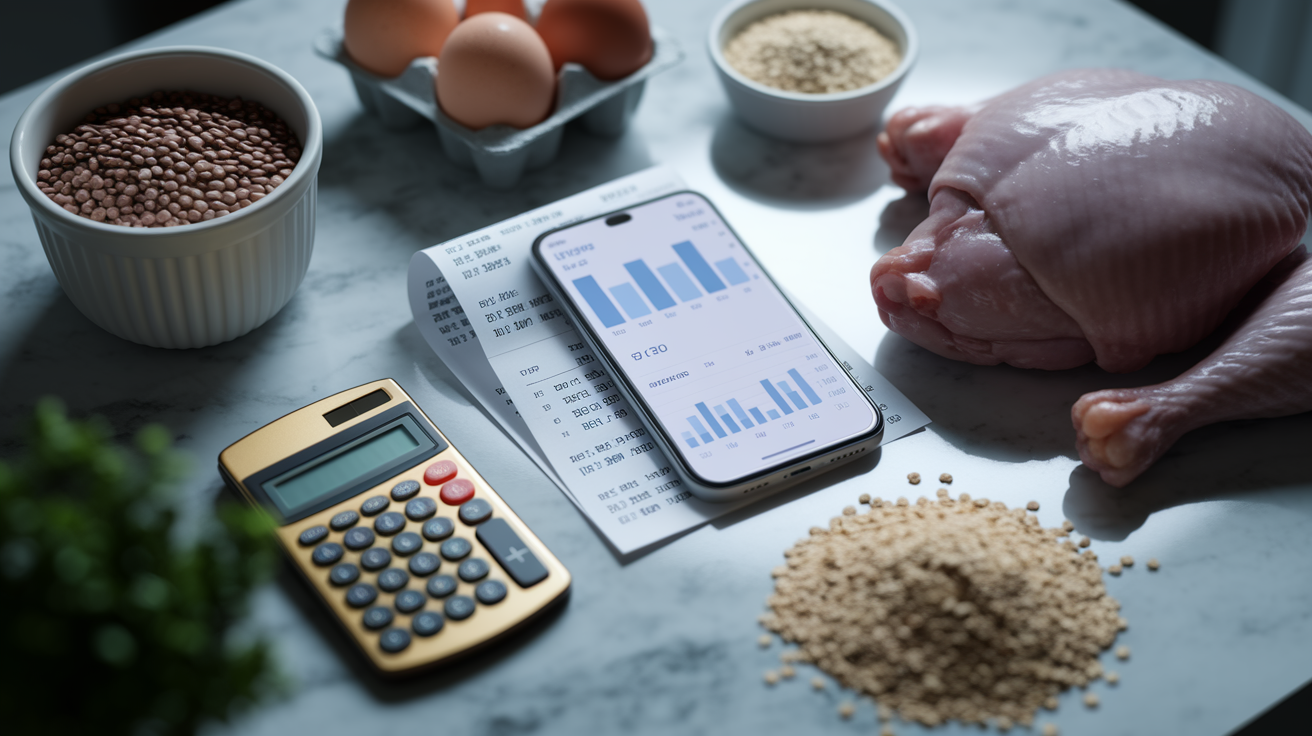
The fastest way to eat more protein on a budget? Center your meals around the cheapest protein sources and shop with a plan. Eggs, dried beans, lentils, canned tuna, chicken thighs, and tofu consistently give you the most protein per dollar. A dozen eggs often costs $2 to $4 and provides 12 servings of 6 to 7 grams of protein each. A one‑pound bag of dried lentils runs about $1.50 and yields roughly 20 servings once cooked.
Timing your shopping around sales makes a real difference. Stock up on chicken thighs when they drop below $2 per pound, freeze what you won’t use within three days, and portion it into meal‑sized bags. Manager‑special meat near its sell‑by date is safe if you cook or freeze it the same day. Stores typically mark down meat in the morning or late afternoon.
Buy store brands for canned goods, pasta, rice, and frozen vegetables. You’ll save 10 to 30 percent without sacrificing quality.
Use a shopping list and stick to it. Impulse buys drain your budget fast.
Compare unit prices on shelf tags to find the real per‑ounce or per‑pound cost, especially when choosing between package sizes.
Buy in bulk when a staple you use often goes on sale. Dried beans, rice, oats, and frozen chicken all keep well.
Check loyalty apps for digital coupons and personalized offers before you shop.
Prioritize frozen produce when fresh is expensive. Frozen broccoli, spinach, peas, and mixed vegetables are picked at peak ripeness, cost less, and won’t spoil in your fridge.
Meal Prep Techniques to Maximize Savings and Protein Intake
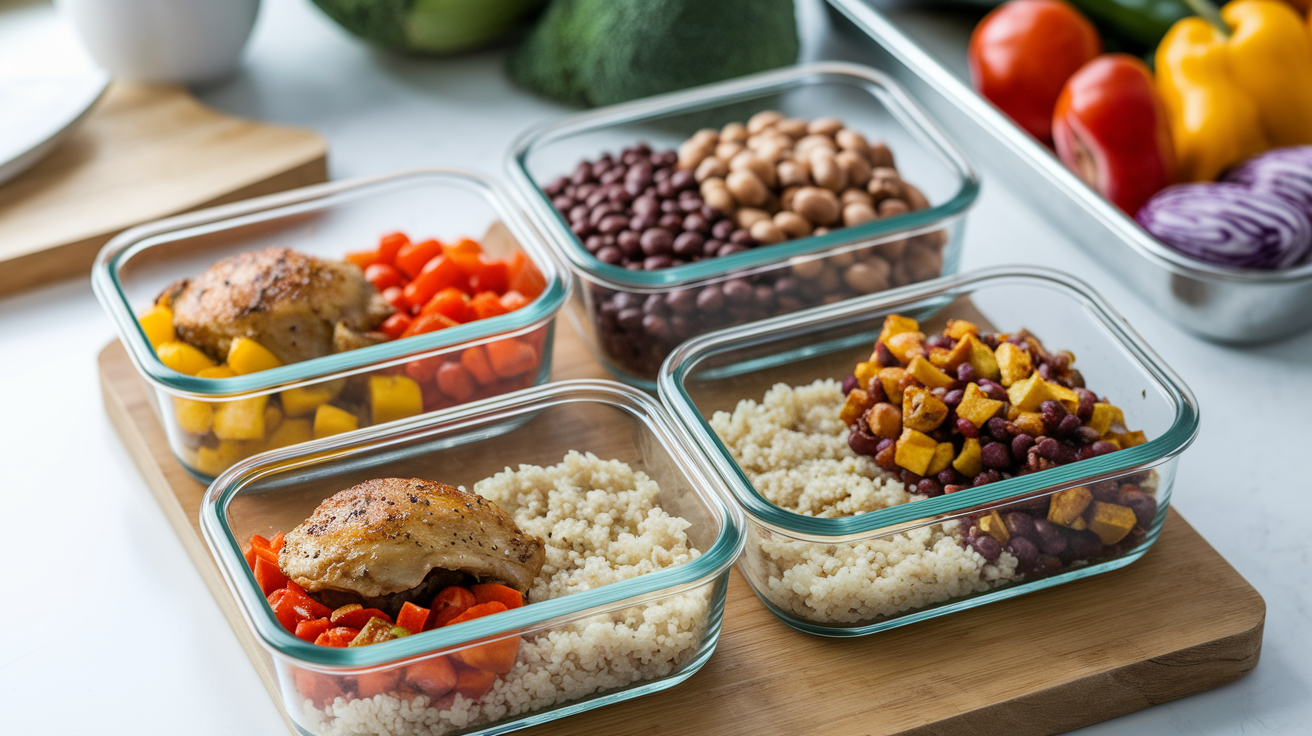
Batch cooking cuts your per‑serving cost and saves time on weeknights. When you cook a large pot of lentil soup or a full sheet pan of chicken thighs, the active work per serving drops. You’ll also waste less food because everything has a planned use.
Pick one or two prep days each week. Sunday works for a lot of people. Cook a big batch of rice or quinoa, roast a tray of chicken thighs or tofu, simmer a pot of beans or lentils. Store everything in separate containers so you can mix and match throughout the week. A cooked protein plus a cooked grain plus some frozen or fresh vegetables becomes dinner in 10 minutes.
Good storage matters. Let hot food cool to room temperature, then refrigerate or freeze within two hours. Use shallow containers so food cools faster and reheats evenly. Label everything with the date and use refrigerated meals within four days. Freeze portions you won’t eat soon and they’ll keep for two to three months without much drop in quality.
Easy proteins for batch cooking:
Dried lentils or beans (simmer a full pound)
Bone‑in, skin‑on chicken thighs (roast eight at once)
Ground turkey or beef (brown two pounds, season, portion, freeze)
Firm tofu (press, cube, bake or pan‑fry)
Simple Ingredient Swaps to Boost Protein Without Raising Costs
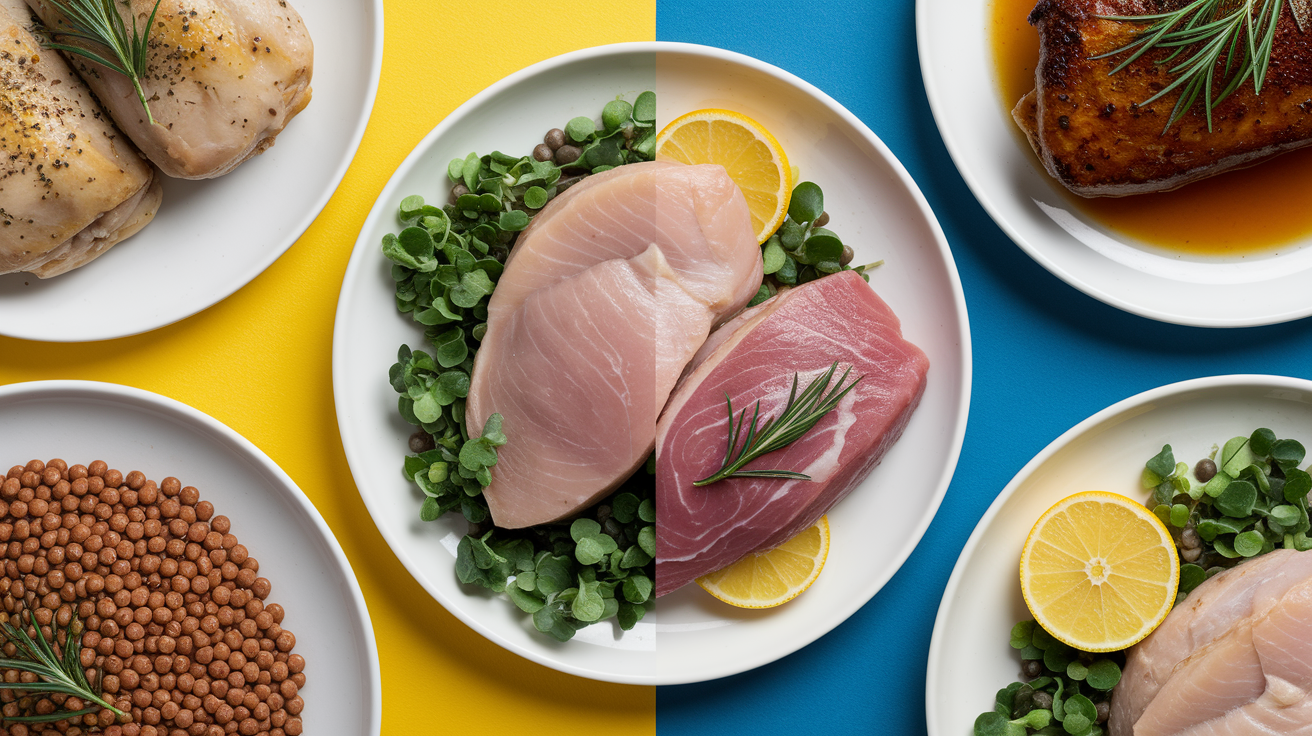
You don’t need expensive cuts of meat to hit your protein target. Swapping chicken breast for chicken thighs saves about $1 per pound and still gives you 20 to 25 grams of protein per four‑ounce serving. Ground turkey or 80/20 ground beef cost less than lean sirloin and work in chili, tacos, pasta sauce, and stir‑fries.
Plant proteins stretch your budget even further. Replace half the ground meat in tacos or spaghetti sauce with a can of black beans or lentils. You’ll cut the cost in half and still get plenty of protein. A 15‑ounce can of black beans costs about $1 and adds roughly 24 grams of protein to the dish. Canned tuna at $1 per can delivers around 20 grams of protein and mixes into pasta, salads, or rice bowls in minutes.
Greek yogurt and cottage cheese are cheap dairy proteins that work in more places than you’d think. Use plain Greek yogurt instead of sour cream on tacos, quesadillas, or chili and you’ll add 10 grams of protein per half cup. Stir cottage cheese into scrambled eggs or blend it into a smoothie for a creamy texture and an extra 14 grams of protein per half cup. Eggs are the ultimate budget protein. Crack an extra egg into fried rice, ramen, or a skillet of vegetables and you’ll add 6 grams of protein for about $0.25.
Swap chicken breast for chicken thighs to save money and keep protein high.
Use canned tuna or salmon instead of fresh fish when cost matters.
Replace half the meat in a recipe with beans or lentils to stretch the dish and lower the price per serving.
Choose Greek yogurt over sour cream for tacos, baked potatoes, and dips.
Add an extra egg to stir‑fries, soups, and grain bowls for a quick protein boost.
Final Words
You get 10 cheap, high‑protein dinner recipes, each with protein grams and cost per serving. They’re simple and use pantry staples like eggs, beans, canned tuna, tofu, and chicken thighs.
Then we cover smart money moves, buying bulk, store brands, timing sales, plus meal prep steps to batch cook and store safely. Finally, easy swaps show how to boost protein without upping cost.
Use these budget-friendly high-protein dinner ideas to plan one week of meals. Start small, pick two recipes, and build from there. You’ll save money and eat better.
FAQ
What counts as a high-protein dinner on a budget?
A high-protein dinner on a budget typically provides 25 to 40 grams of protein per serving and costs less than $3 per plate. Focus on affordable proteins like eggs, beans, lentils, chicken thighs, canned tuna, and tofu.
How much does a cheap high-protein meal actually cost per serving?
A cheap high-protein meal costs between $1.50 and $3.50 per serving, depending on ingredients. Meals using beans, lentils, or eggs stay closer to $1.50, while chicken thighs or ground turkey typically land around $2.50 to $3.
What are the cheapest high-protein foods to buy?
The cheapest high-protein foods to buy include dried beans, lentils, eggs, canned tuna, chicken thighs, tofu, cottage cheese, Greek yogurt, and store-brand ground turkey. These options deliver the most protein per dollar spent.
Can you meal prep high-protein dinners to save more money?
You can meal prep high-protein dinners to save more money by batch cooking proteins like beans, lentils, chicken thighs, or ground turkey. Prepping multiple servings at once reduces waste, lowers cost per meal, and simplifies your week.
What ingredient swaps boost protein without raising costs?
Ingredient swaps that boost protein without raising costs include replacing expensive meats with beans, lentils, or canned tuna, adding Greek yogurt or cottage cheese to dishes, and using eggs as a base protein in stir-fries or grain bowls.
How do you shop smart for budget-friendly protein?
You shop smart for budget-friendly protein by buying in bulk, choosing store brands, timing sales cycles for meat markdowns, using loyalty apps for discounts, and stocking up on shelf-stable options like canned fish and dried legumes.
What proteins are best for batch cooking on a budget?
Proteins best for batch cooking on a budget include dried beans, lentils, chicken thighs, ground turkey, and tofu. These hold up well in the fridge or freezer, reheat easily, and stay affordable when bought in larger quantities.
How much protein should each dinner have for muscle support?
Each dinner should have 25 to 40 grams of protein for muscle support, depending on your body size and activity level. Hitting this range consistently helps recovery and keeps you full without requiring expensive ingredients.