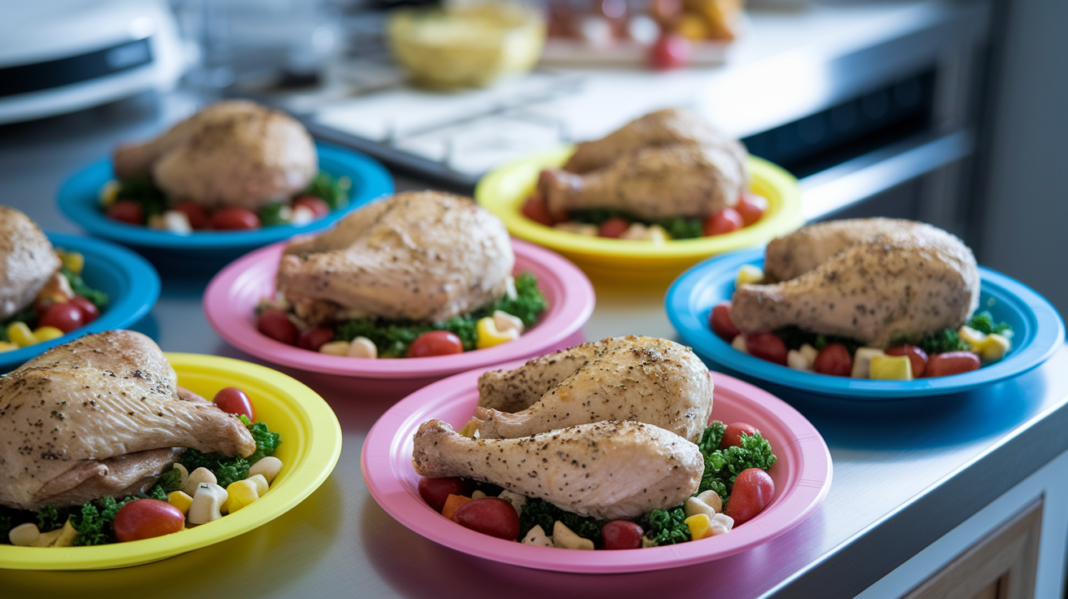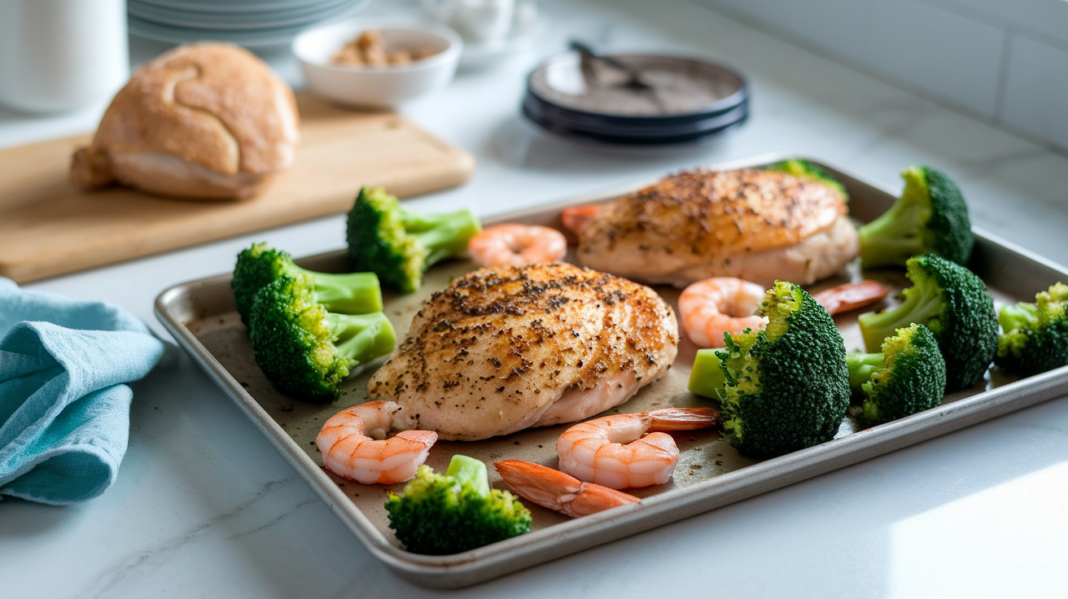
Tired of midnight snacking despite a “healthy” dinner?
The fix is simple: dinners that pair protein and fiber, and they keep you full and steady until morning for most people.
This post offers fast, practical high protein high fiber dinner ideas you can make on busy nights, from sheet-pan meals and one-pot chilis to bowls and quick stir-fries.
You’ll get recipes, ingredient swaps, and timing tips so dinner actually ends the hangry cycle.
Quick and Practical High-Protein, High-Fiber Dinner Options for Busy Nights
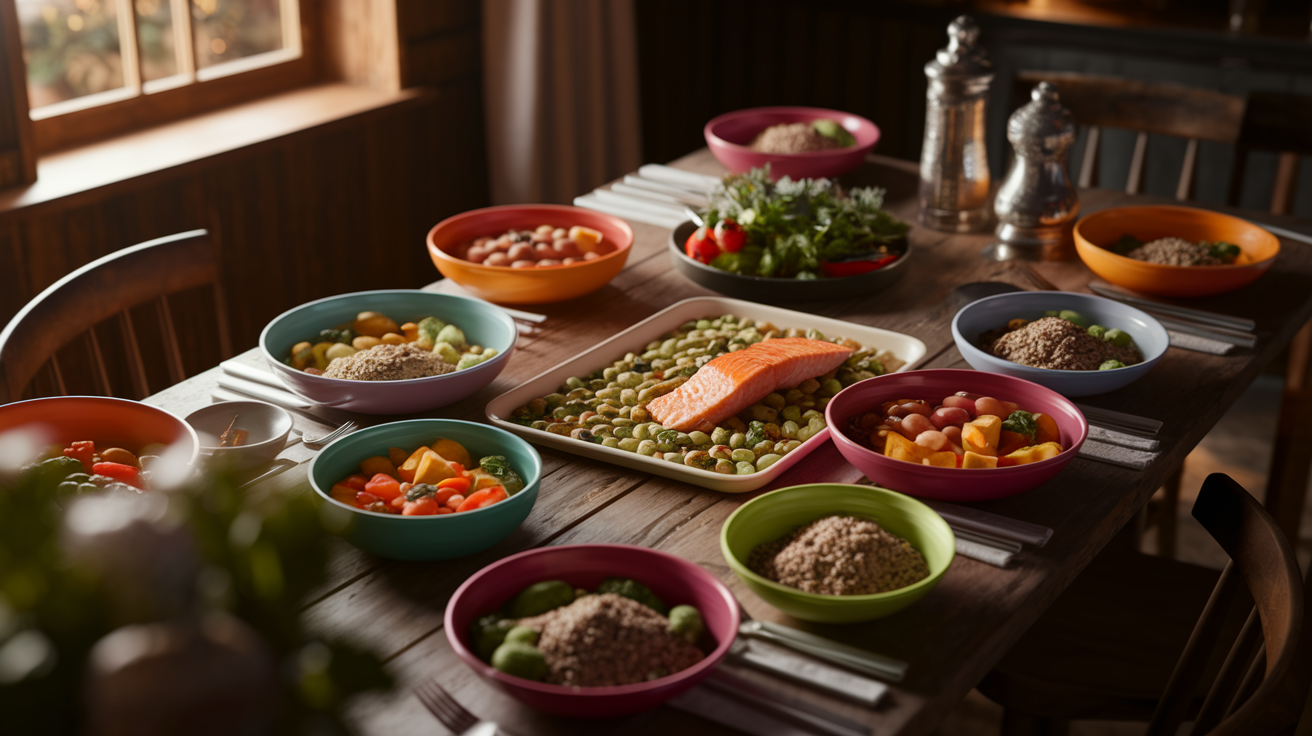
Sheet pan salmon with roasted vegetables and white beans. Thai peanut chicken noodle bowls with edamame and brown rice. Creamy white bean chicken chili with kale. Vietnamese beef bowl with crispy rice and fresh herbs. Black bean quinoa bowls with sweet potato and tahini sauce. Chipotle beef and sweet potato skillet with black beans. One pot lentil curry with cauliflower rice. Stir fry tofu with broccoli and sesame noodles. Turkey and bean chili with diced vegetables. Chicken shawarma bowls with roasted chickpeas. Mediterranean grain bowl with grilled salmon and artichokes. Beef and broccoli sheet pan dinner with quinoa.
Protein and fiber keep you full. They work together to stop the late night snacking and the 3 a.m. hunger pangs. Protein slows everything down, helps you hold onto muscle. Fiber adds bulk, feeds your gut bacteria, keeps blood sugar from spiking. When you get both in one dinner, you’re set until morning.
Most of these come together fast. Sheet pan meals roast everything at once. Bowls let you cook multiple things at the same time. Stir fries take 20 minutes, tops. You’re looking at 20 to 35 minutes total for most of these, chopping included.
Busy nights don’t need fancy cooking. These dinners use short ingredient lists, minimal cleanup, flexible formats. If your week’s a disaster, pick one recipe. Shop for it Sunday. Make it twice that week.
High-Protein, High-Fiber Ingredients That Power Nutritious Dinners
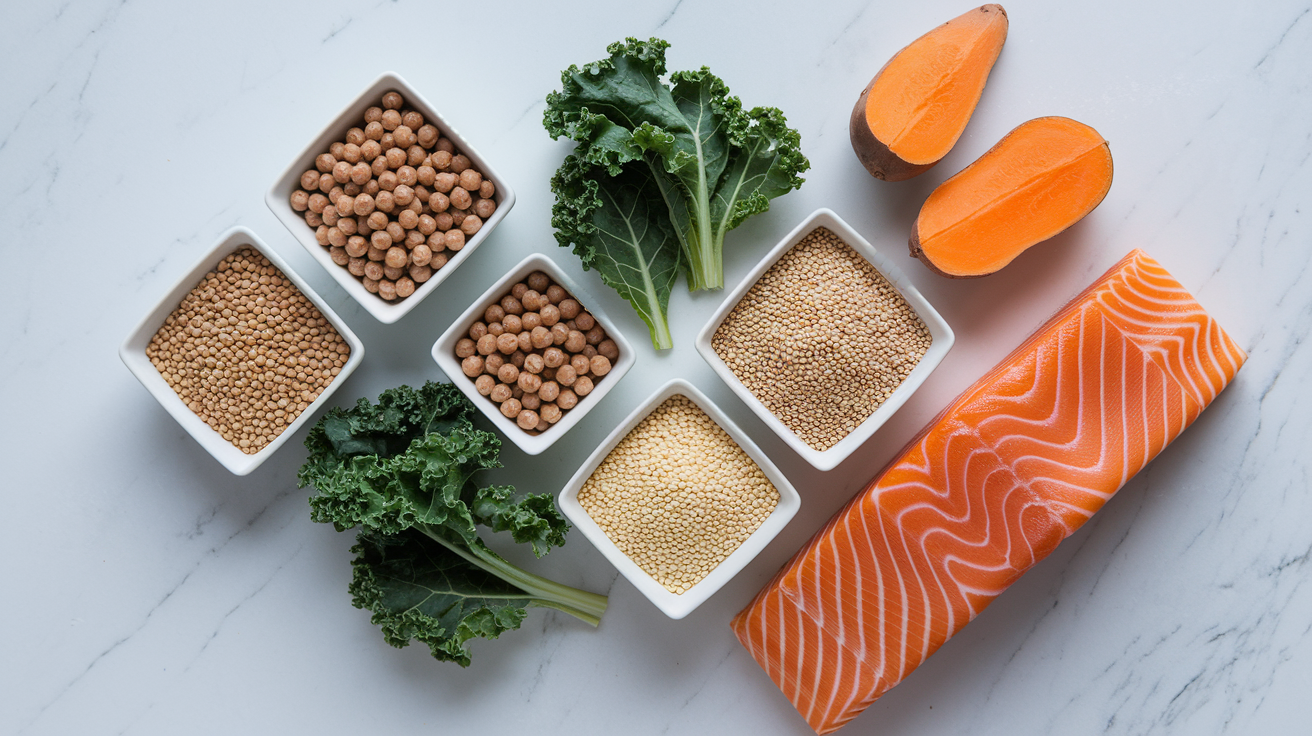
It’s easier when you know which ingredients do both jobs. Legumes like lentils, black beans, and chickpeas give you protein and fiber in one scoop. Half a cup of cooked lentils is about 9 grams of protein and 8 grams of fiber. Add chicken breast or tofu and you’re already close to your targets without overthinking it.
Whole grains and starchy vegetables bring fiber and structure. Quinoa, brown rice, sweet potatoes, cauliflower rice. They give the meal weight and nutrients without empty calories. Leafy greens, broccoli, Brussels sprouts, kale add more fiber for almost no calories. Then you’ve got your protein sources: salmon, steak, ground turkey, eggs, tempeh. Those push the meal past 20 grams of protein per serving.
Here’s what shows up most often across these dinners:
Grilled chicken with roasted sweet potatoes and black beans. Baked salmon with steamed broccoli and quinoa. Ground turkey with sautéed peppers, onions, and pinto beans. Pan-seared tofu with stir-fried snap peas and brown rice. Shredded beef with roasted Brussels sprouts and white beans. Scrambled eggs with sautéed kale and chickpeas. Tempeh with roasted cauliflower and lentils. Lean steak with mixed greens, artichokes, and whole-grain pasta.
Meat and Fish High-Protein, High-Fiber Dinner Ideas
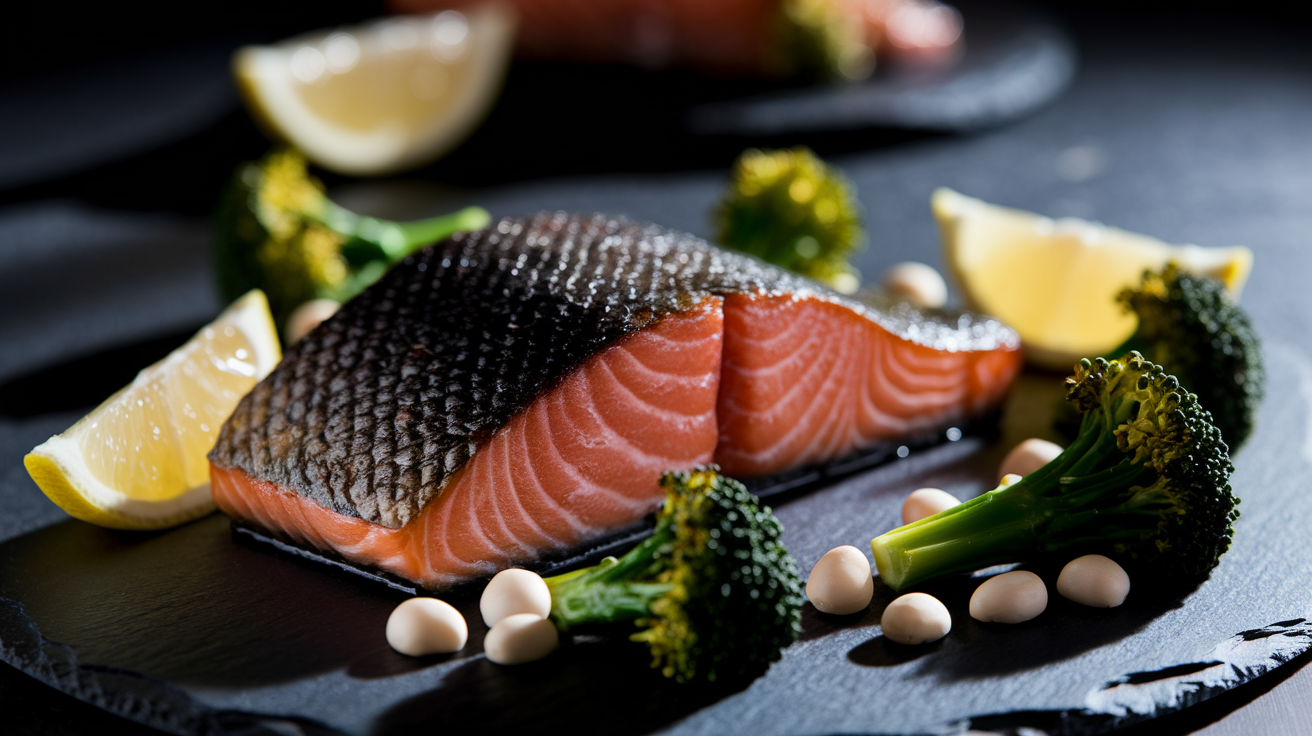
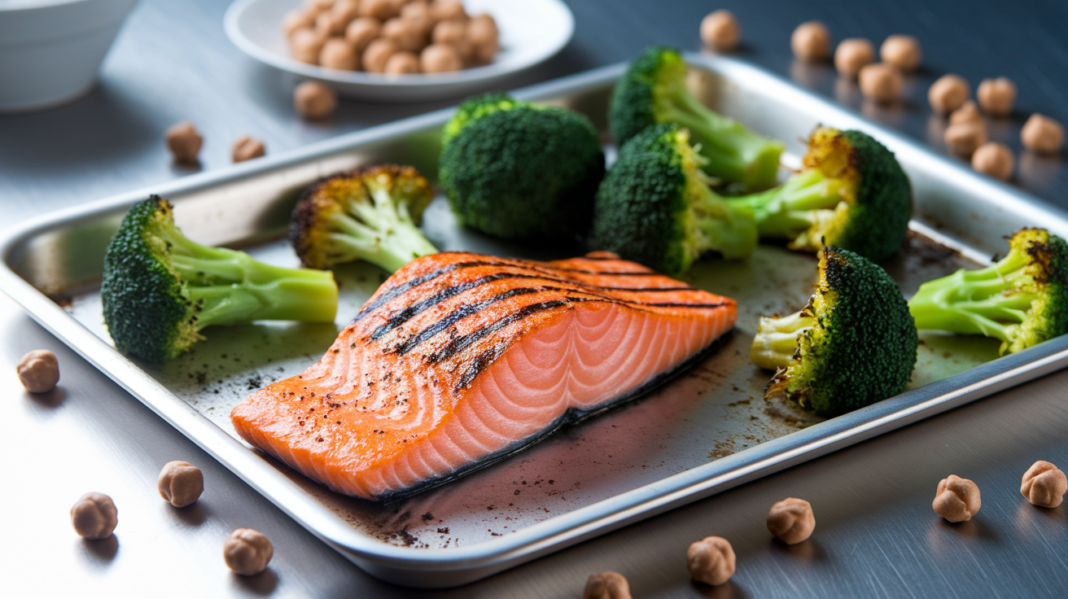
Sheet pan salmon with roasted vegetables and white beans gets everything done on one tray. Bake salmon fillets next to broccolini, cherry tomatoes, and rinsed white beans. The salmon gives you around 25 grams of protein per fillet. The beans add another 8 grams of protein plus 6 grams of fiber. A quick miso or lemon glaze ties it together.
Creamy white bean chicken chili is a one-pot situation. Simmer shredded chicken breast with white beans, diced green chiles, corn, kale, and chicken broth. One bowl delivers roughly 30 grams of protein and 9 grams of fiber. Done in 30 minutes.
Vietnamese beef bowl with crispy rice and fresh herbs starts with thinly sliced beef, seared fast. Serve over crispy rice with shredded carrots, cucumber, herbs, and a lime dressing. The beef gives you 28 grams of protein. Add edamame or a side of roasted sweet potato and you’ll push fiber past 7 grams.
Turkey and bean chili with diced vegetables browns ground turkey first, then you add diced tomatoes, black beans, bell peppers, and spices. Simmer 25 minutes. Each serving hits around 33 grams of protein and 12 grams of fiber, especially if you stir in chopped kale at the end.
Chicken shawarma bowls with roasted chickpeas use marinated chicken thighs roasted with chickpeas and red onion. Serve over quinoa or cauliflower rice with a tahini drizzle. Protein lands near 30 grams, fiber around 8 grams per bowl.
Mediterranean grain bowl with grilled salmon and artichokes combines a grilled salmon fillet with cooked farro, marinated artichoke hearts, cherry tomatoes, olives, and crumbled feta. The whole thing delivers 34 grams of protein and 9 grams of fiber.
| Recipe Name | Protein Source | Fiber Source |
|---|---|---|
| Sheet pan salmon with roasted vegetables and white beans | Salmon fillet, white beans | Broccolini, cherry tomatoes, white beans |
| Creamy white bean chicken chili | Chicken breast, white beans | White beans, kale, corn |
| Vietnamese beef bowl with crispy rice and fresh herbs | Sliced beef, edamame (optional) | Shredded carrots, cucumber, edamame, sweet potato |
| Turkey and bean chili with diced vegetables | Ground turkey, black beans | Black beans, bell peppers, tomatoes, kale |
| Chicken shawarma bowls with roasted chickpeas | Chicken thighs, chickpeas | Chickpeas, quinoa or cauliflower rice, red onion |
| Mediterranean grain bowl with grilled salmon and artichokes | Salmon fillet, feta cheese | Farro, artichoke hearts, cherry tomatoes |
Plant-Based High-Protein, High-Fiber Dinner Ideas
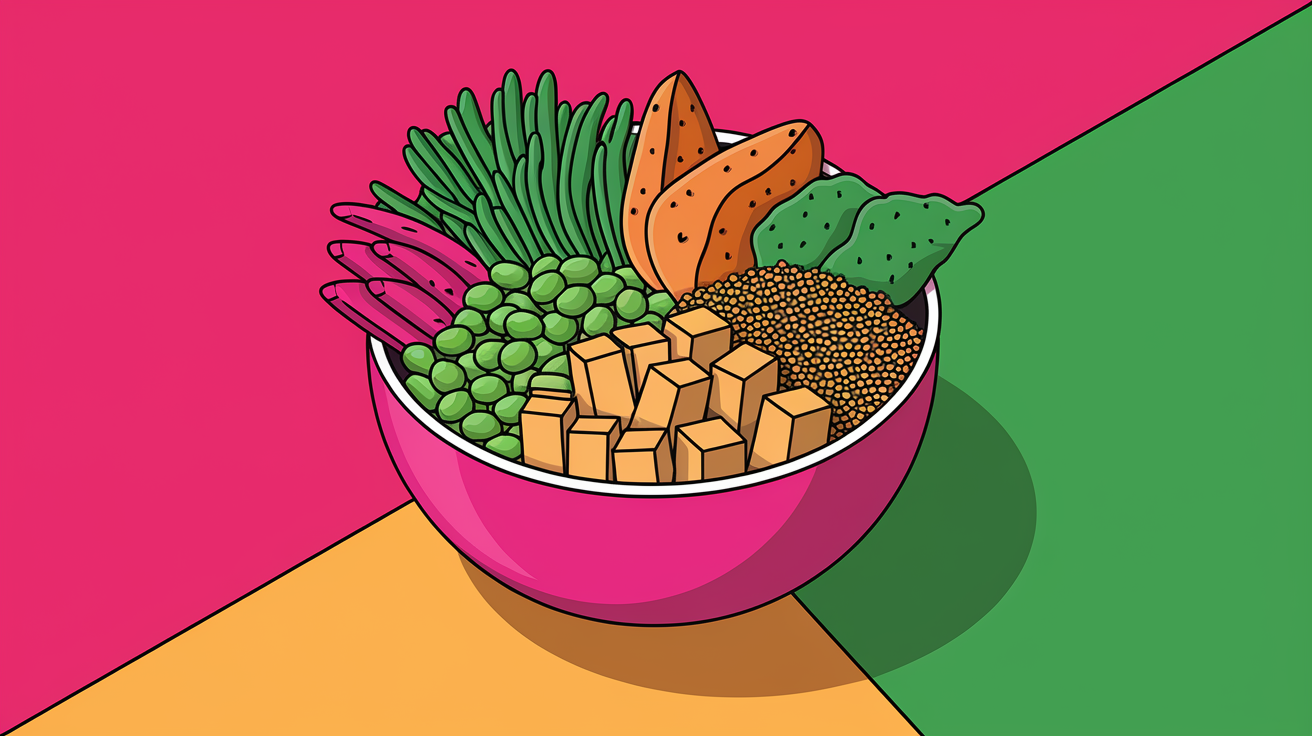
Plant-based meals can hit the same targets when you use legumes, whole grains, and protein-dense vegetables. Tofu, tempeh, lentils, and beans do the heavy lifting. A cup of cooked lentils gives you 18 grams of protein and 16 grams of fiber. That’s more than most meat-based meals on its own.
These dinners layer textures and flavors without complicated prep. A tofu stir fry with vegetables and noodles takes 20 minutes. A lentil curry with cauliflower rice simmers in one pot. Black bean quinoa bowls let you batch-cook grains and beans on Sunday, then assemble fresh bowls all week. Nothing here requires specialty ingredients or chef-level skills.
Thai peanut chicken noodle bowls with edamame and brown rice can swap tofu for chicken. Use firm tofu, press it, cube it, pan-fry until crispy. The edamame and peanut sauce push protein past 25 grams. The brown rice noodles add 6 grams of fiber.
One pot lentil curry with cauliflower rice simmers red lentils with coconut milk, diced tomatoes, spinach, and curry spices. Serve over cauliflower rice or brown rice. One serving delivers around 18 grams of protein and 10 grams of fiber from the lentils and greens alone.
Stir fry tofu with broccoli and sesame noodles starts with pressed and cubed extra-firm tofu, pan-fried in sesame oil. Toss with steamed broccoli, whole-wheat noodles, and a tamari-ginger sauce. Each plate gives you roughly 20 grams of protein and 7 grams of fiber.
Black bean quinoa bowls with sweet potato and tahini sauce roast cubed sweet potato, cook quinoa, warm black beans, then drizzle everything with lemon tahini. This combo hits 22 grams of protein and 12 grams of fiber per bowl.
Chipotle beef and sweet potato skillet with black beans can be made plant-based by using seasoned tempeh crumbles instead of beef. The sweet potatoes and black beans still deliver the fiber. Tempeh adds around 16 grams of protein per serving.
Turkey and bean chili with diced vegetables becomes vegan when you skip the turkey and double the beans. Use a mix of black beans, pinto beans, and kidney beans for variety. Each serving will still land around 15 grams of protein and 14 grams of fiber.
Cooking Methods That Make High-Protein, High-Fiber Meals Easier
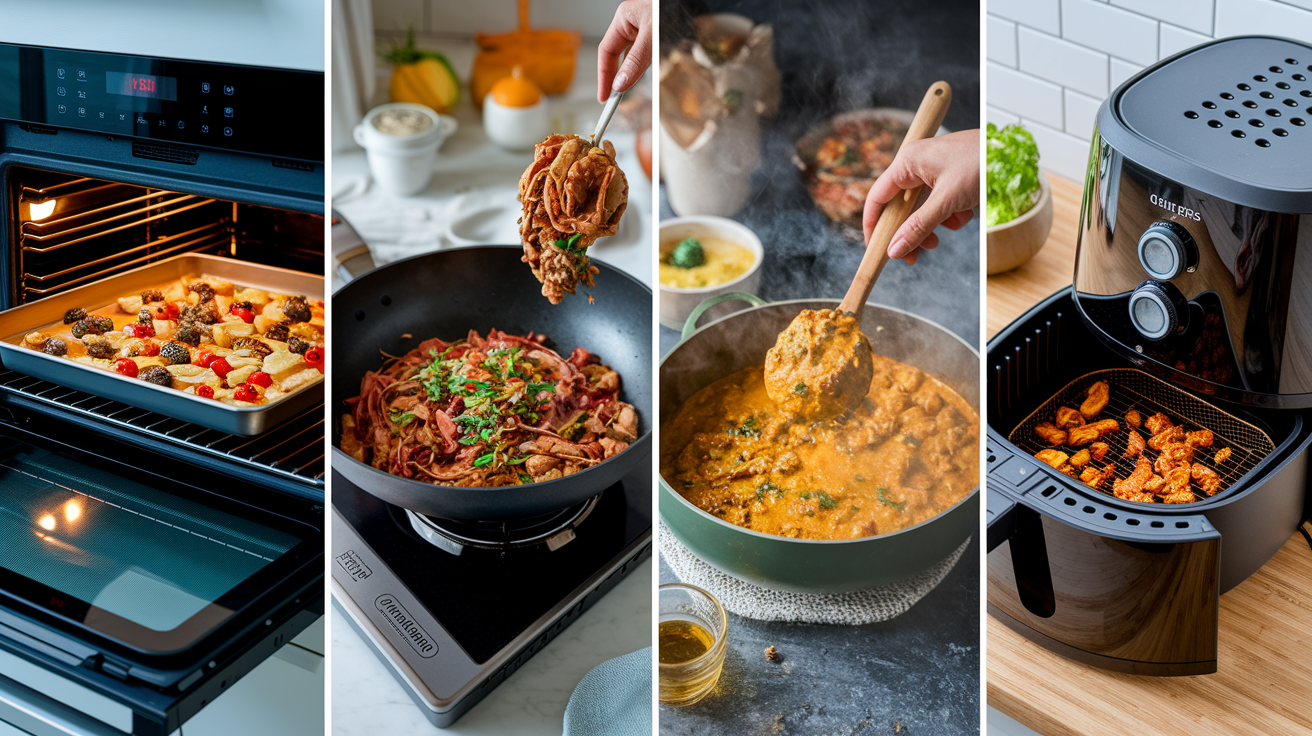
The cooking method changes how much time and attention a recipe needs. These formats keep dinner simple even when your schedule isn’t.
Sheet pan meals roast protein and vegetables together on one tray. Toss everything with oil and seasoning, spread it out, bake at 400°F for 25 to 30 minutes. Clean up is one pan. Examples: salmon with broccoli and white beans, or chicken thighs with Brussels sprouts and chickpeas.
Stir fries cook fast and use whatever vegetables you’ve got. Heat oil in a large skillet or wok, cook your protein first, remove it, then stir fry the vegetables. Add sauce, toss everything together, serve over rice or noodles. Total time is usually 20 minutes.
One-pot meals like chilis, soups, and curries build flavor as they simmer. Brown the protein, add vegetables and liquid, season, then let it cook. You can walk away for 20 minutes and come back to dinner. Leftovers reheat well and often taste better the next day.
Slow cooker or Instant Pot recipes need almost no hands-on time. Load ingredients in the morning, set it, dinner’s ready when you get home. Chilis, stews, and shredded meat dishes work especially well this way.
Air fryer or broiler shortcuts can crisp tofu, roast chickpeas, or cook salmon fillets in under 15 minutes while you prep the rest of the meal on the stovetop.
Use the sheet pan for easy cleanup and even cooking. Stir fry when you need dinner in 20 minutes or less. Choose one-pot meals when you want leftovers for lunch. Set the slow cooker in the morning for zero evening effort. Air fry or broil small components to save stovetop space.
Macronutrient Breakdown: How Much Protein and Fiber to Aim for at Dinner
Most of these dinners provide at least 20 grams of protein and 7 grams of fiber per serving. Some go higher, reaching 30 to 40 grams of protein and 10 to 13 grams of fiber depending on portion size and ingredients. Those ranges work well if dinner’s your largest meal of the day.
For protein, a common target is around 0.7 to 1.0 gram per pound of body weight daily. If you weigh 150 pounds, that’s roughly 105 to 150 grams of protein spread across all meals. Getting 25 to 35 grams at dinner leaves room for protein at breakfast and lunch without forcing you to eat plain chicken breast at every meal.
For fiber, the minimum daily target is 25 grams. Most people fall short. Getting 7 to 10 grams at dinner helps close that gap. Fiber supports digestion, keeps blood sugar steady, helps manage cholesterol.
| Target | Recommended Range |
|---|---|
| Protein per dinner serving | 20–35 grams |
| Fiber per dinner serving | 7–12 grams |
Meal Planning and Shopping Tips for High-Protein, High-Fiber Dinners
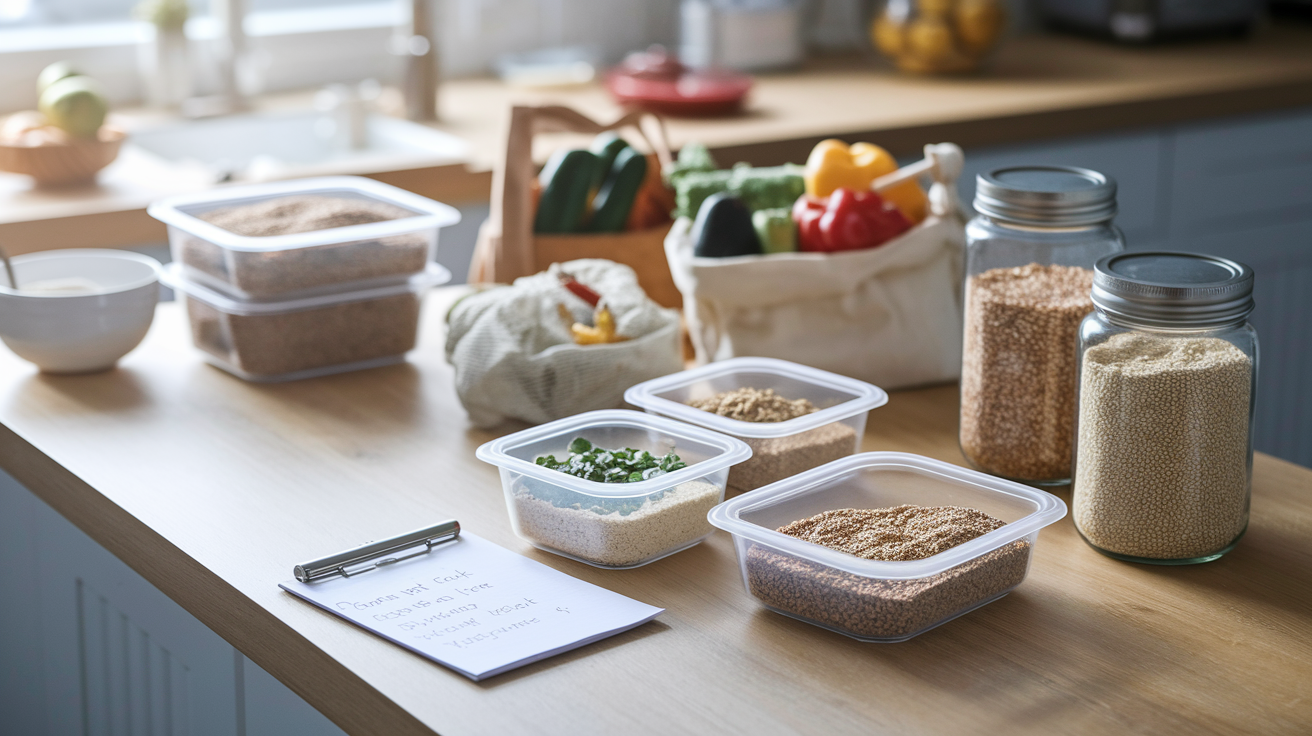
Most of these recipes use 7 to 10 ingredients. That keeps your shopping list short and your pantry manageable. Stock staples like canned beans, lentils, quinoa, brown rice, frozen vegetables, and canned tomatoes. Those ingredients store well, cost less than fresh options, and work across multiple recipes.
Batch cook grains and legumes on Sunday, then use them in bowls, salads, and soups all week. Buy frozen broccoli, spinach, and edamame to skip chopping and reduce waste. Prep one protein source in bulk, like baked chicken thighs or pan-seared tofu, and portion it for three dinners.
Choose recipes that share ingredients so one grocery trip covers the whole week. Freeze extra chili, soup, or curry in single portions for nights when cooking feels impossible. Keep a running list of what’s already in your pantry so you don’t overbuy or let food expire.
Final Words
You’ve got 12 ready-to-cook dinners and a menu of meat, fish, and plant-based options to pick from. Each one aims for at least 20 g protein and about 7 g fiber so they actually fill you up.
You also learned which ingredients power these meals, simple cooking methods like sheet-pan or one-pot, and clear protein and fiber targets. Meal planning and shopping tips make them easy for busy weeknights.
Pick one recipe, shop for the key ingredients, and try it this week. Small, steady steps with high protein high fiber dinner ideas add up. You’ve got this.
FAQ
Q: What are quick high-protein, high-fiber dinner ideas for busy nights?
A: Quick high-protein, high-fiber dinner ideas include sheet-pan salmon with broccolini, tofu stir-fry, turkey chili, lentil-quinoa bowls, black bean bowls, chicken sweet-potato hash—most ready in 20 to 35 minutes.
Q: Which ingredients naturally pair to make high-protein, high-fiber dinners?
A: Ingredients that pair well include salmon + broccoli, chicken + sweet potato, lentils + quinoa, chickpeas + kale, tofu + brown rice, black beans + corn for balanced protein and fiber.
Q: How can I hit at least 20 g protein and 7 g fiber per serving?
A: To hit 20 g protein and 7 g fiber, build each meal with a 4–6 ounce protein plus a cup of beans or veg and a half-cup whole grain or legumes.
Q: Can plant-based dinners meet those protein and fiber targets?
A: Plant-based dinners can meet targets by combining legumes, soy, and whole grains—like a lentil-quinoa bowl with tofu and veggies, which often provides 20–30 g protein and 7–12 g fiber.
Q: What cooking methods save time while keeping meals high-protein and high-fiber?
A: Time-saving methods include sheet-pan roasting, stir-fry, one-pot soups, Instant Pot, and slow cooker; they cut hands-on time, scale for leftovers, and work well for meal prep.
Q: How should I plan shopping and meal prep for these dinners?
A: Plan by buying canned beans, frozen vegetables, whole grains, tofu, chicken, and sweet potatoes. Batch-cook soups or bowls and freeze portions for easy weeknight reheating.
Q: How much protein should dinner provide for weight loss or muscle building?
A: Dinner should provide about 20 to 40 grams of protein. For muscle goals, aim for 0.7–1.0 g per pound bodyweight across the day, with a solid serving at dinner.
Q: How does fiber at dinner affect digestion and fullness?
A: Having fiber at dinner slows digestion, feeds gut bacteria, and increases fullness. Aim for roughly 6–10 g fiber at the meal to feel satisfied longer and support digestion.
Q: Are these meals family-friendly or suitable for picky eaters?
A: Family-friendly versions work well: use milder spices, chop veggies small, and offer build-your-own bowls so picky eaters pick protein, grain, and veggies they like.
Q: What quick ingredient swaps work if I’m missing something?
A: Quick swaps: beans for lentils, chicken for tofu, rice for quinoa, fresh greens for frozen. Keep one protein and one fiber source to maintain the meal’s balance.
Q: How many of these dinners should I plan per week for consistency?
A: Plan 3 to 5 high-protein, high-fiber dinners weekly to build consistency. Rotate leftovers and batch-cooked meals so you don’t cook from scratch every night.