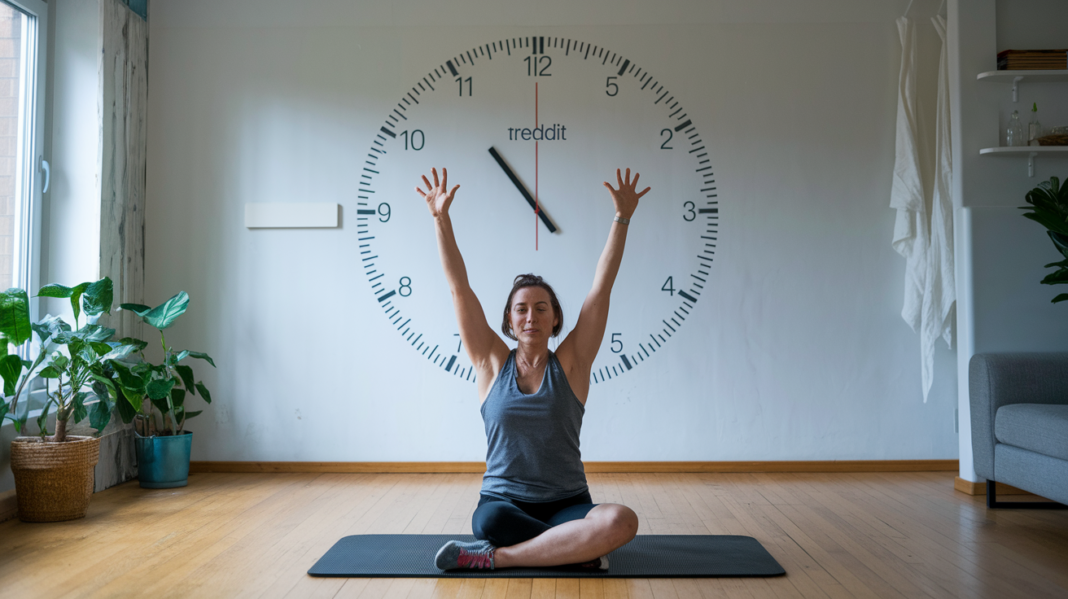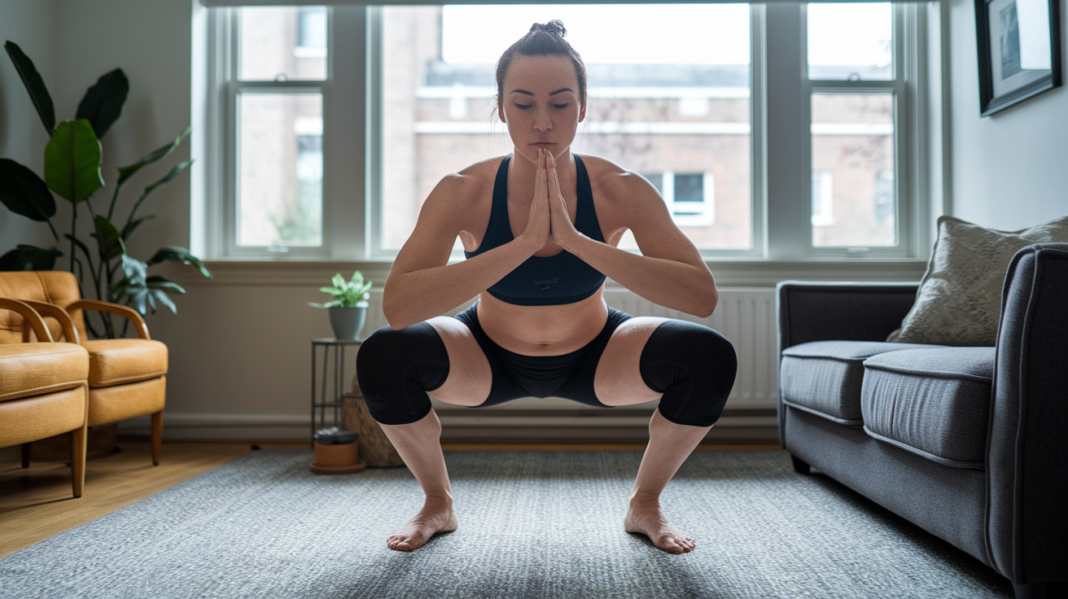
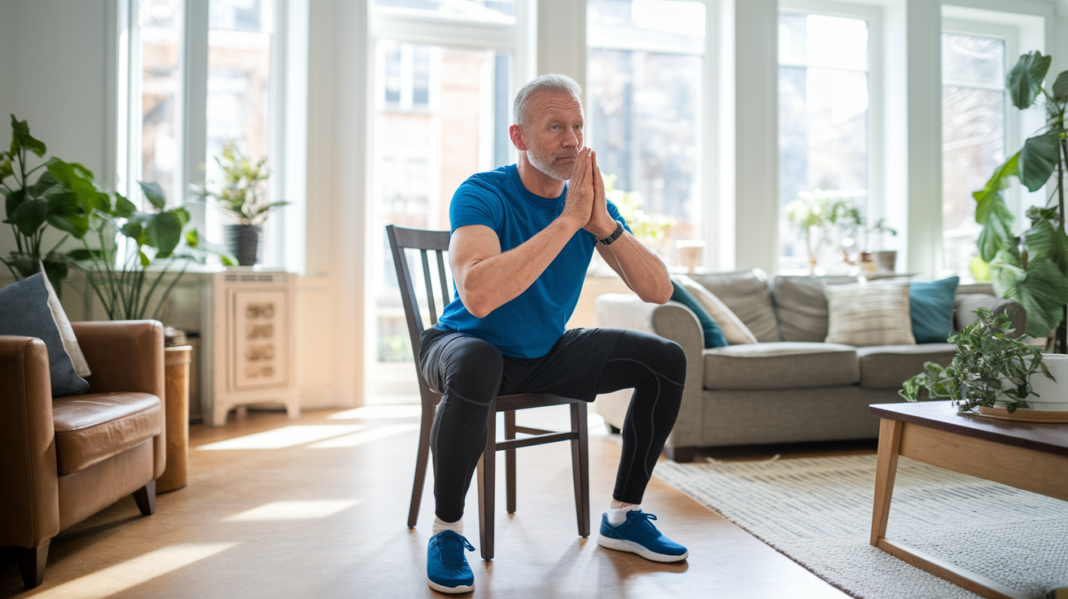
Think low-impact workouts are only for seniors or rehab?
Think again.
Low-impact training protects knees, hips, and ankles while giving real fitness gains you can keep for years.
This post lays out a simple, joint-friendly routine, with cardio that offloads joints, controlled strength work, daily mobility, balance drills, smart recovery, and eco-friendly gear choices you can actually stick with.
I’ll show reps, session lengths, progression rules, and low-cost, durable gear options so you can train safely without guesswork.
Core Foundations of a Low-Impact Sustainable Routine for Joint-Friendly Fitness

Low-impact workouts keep at least one foot on the ground during most moves, or your weight gets supported by water, a bike seat, or a machine. That means you skip the repetitive pounding on knees, hips, and ankles that comes with running or jumping. Sustainability here isn’t just about being eco-conscious (though that’s part of it). It’s also about choosing durable gear, training outdoors when you can, buying secondhand equipment, and ditching single-use stuff like disposable water bottles.
This approach works for beginners, older adults, anyone recovering from an injury, people dealing with arthritis or chronic joint pain, and honestly anyone who wants to train consistently without wrecking their body or feeling guilty about waste.
A solid joint-friendly plan rests on six things that work together:
Cardio that offloads your joints: Walking, cycling, swimming, aquatic exercise, elliptical, rowing. You get cardiovascular conditioning without the impact stress.
Strength training using controlled tempo and lighter resistance: Think resistance bands, bodyweight circuits, light dumbbells. Slow, deliberate reps build muscle and support joint stability.
Mobility work for key joint areas: Five to fifteen minutes daily for ankles, knees, hips, and shoulders. Keeps range of motion intact and reduces stiffness.
Balance drills for functional stability: Single-leg stands, balance-board work, Tai Chi movements. These reduce fall risk and improve proprioception.
Recovery practices that support tissue health: Sleep, post-workout protein, foam rolling, gentle stretching, ice or heat when needed. Your joints and muscles need time to adapt without getting overused.
Sustainable equipment and location strategies: Outdoor workouts, community pools, secondhand gear, and long-lasting products made from recycled materials. You meet your training needs while cutting down on environmental waste.
When you combine joint-safe movement with eco-conscious habits, you’re building something you can actually stick with for years without pain flare-ups or wasteful spending.
Joint-Friendly Low-Impact Cardio Options for Sustainable Training

Low-impact cardio protects your joints while improving heart health, endurance, and calorie burn. The right options let you train frequently without triggering inflammation or overuse injuries.
Swimming and Aquatic Exercise
Water supports your body and removes up to 90 percent of joint load depending on how deep you’re submerged. Swimming engages every major muscle group with zero impact. Water aerobics adds resistance through natural water drag while cushioning every movement. Aim for 20 to 45 minute sessions three times per week at a community pool. Keeps costs low and avoids the environmental hit of maintaining a private home pool.
Cycling (Outdoor or Stationary)
Your body weight transfers onto a saddle, eliminating repetitive joint compression. Outdoor cycling cuts energy consumption and equipment waste. Stationary bikes give you year-round training regardless of weather. Keep a smooth cadence between 70 and 90 revolutions per minute, engage your core, and adjust seat height so your knee reaches a slight bend at the bottom of the pedal stroke. Sessions of 30 to 60 minutes at moderate intensity build leg strength and cardiovascular fitness.
Walking and Elliptical Training
Brisk walking on cushioned trails or supportive surfaces delivers accessible cardio without equipment. Elliptical machines mimic a running stride while your feet stay planted on the pedals throughout the motion. Both work well for 20 to 60 minute sessions three to five times per week. Increase intensity through interval patterns rather than cranking up speed or incline too aggressively.
Rowing Machine Workouts
Rowing engages legs, core, and upper body in a single fluid motion. The controlled glide and pull protect joints while building strength and coordination. Drive through your legs first, then hinge at the hips, and finally pull with your arms. Keep a neutral spine and avoid jerky movements. Sessions of 20 to 45 minutes two to four times per week deliver full-body conditioning with minimal joint stress.
| Modality | Joint Benefit | Sustainable Advantage |
|---|---|---|
| Swimming/Aquatic | Up to 90% reduction in joint load, zero impact on knees, hips, ankles | Community pools share resources, no home equipment required |
| Cycling | Body weight supported by saddle, smooth motion without ground strike | Outdoor rides require no electricity, used bikes extend product lifespan |
| Walking/Elliptical | Feet remain grounded or on pedals, controlled stride reduces impact force | Walking outdoors uses zero equipment, ellipticals last decades with minimal parts |
| Rowing | Seated position offloads lower joints, gliding motion eliminates pounding | Durable machines need little maintenance, minimal consumables |
Low-Impact Strength Training Routines That Protect Joints
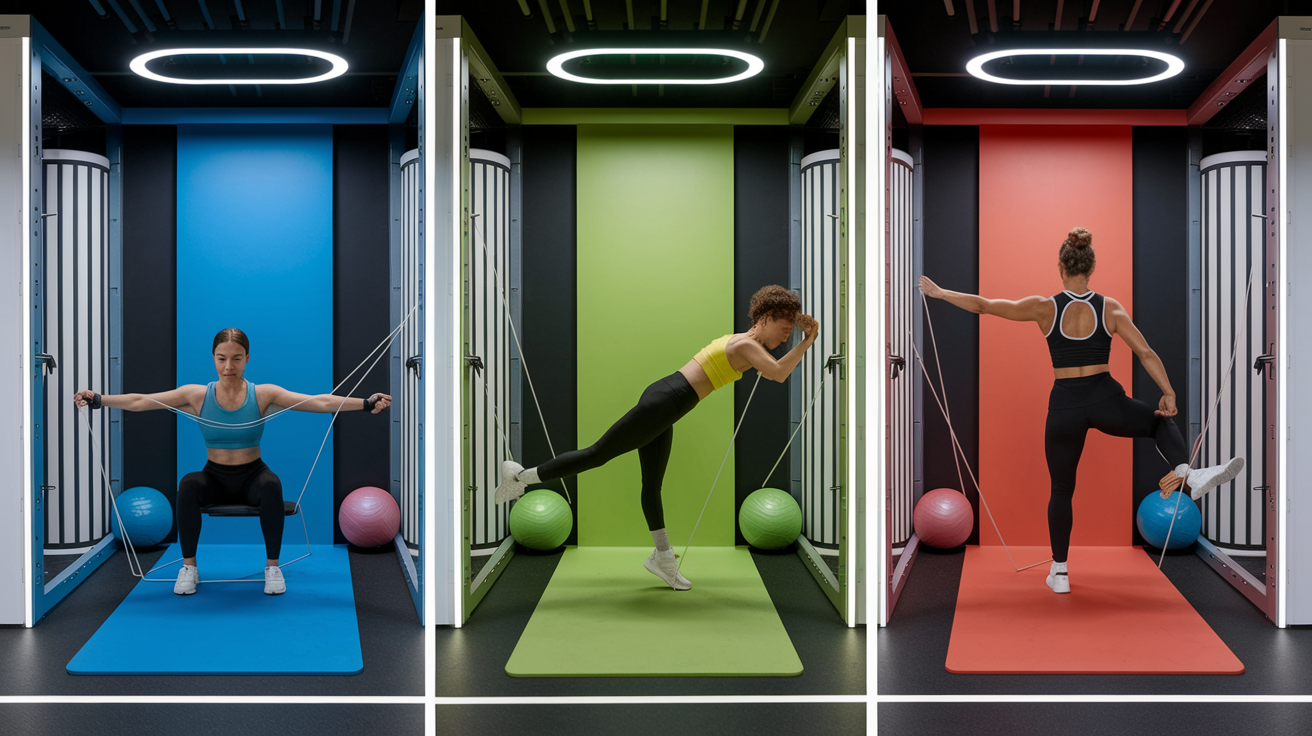
Strength training improves joint stability by building the muscles that support and protect cartilage, ligaments, and tendons. When you control tempo and use appropriate loads, resistance work becomes one of the safest long-term fitness strategies.
Two to three sessions per week using slow eccentric phases (three seconds lowering) and controlled concentric phases (one second lifting) reduce joint impulse while maximizing muscle engagement. Start with resistance that allows 12 to 15 clean reps, then bump load by five to ten percent once 15 reps feel easy.
Low-impact strength relies on partial range of motion when joints are inflamed, bodyweight or band resistance for beginners, and smooth movement without ballistic or jerky actions. Machines, cables, and resistance bands distribute force evenly and let you adjust resistance in small increments. Dumbbells and barbells work well once form is consistent and pain-free. Keep a neutral spine, make sure knees track over toes, and stop any movement that creates sharp or sustained pain above three out of ten.
Sample Joint-Friendly Strength Circuit
Run through this circuit two to three times with 60 to 90 seconds rest between rounds. Use a three-second lowering phase and a one-second lifting phase for each rep.
Resistance-band seated row: 2 to 3 sets of 12 to 15 reps. Anchor a band at chest height, sit tall, retract shoulder blades, and pull handles to your ribcage. Keeps shoulders stable and builds upper-back strength without spinal compression.
Glute bridge: 2 to 3 sets of 12 to 15 reps. Lie on your back, feet flat, knees bent. Press through heels to lift hips while squeezing glutes. Strengthens hips and protects lower back without loading the spine.
Wall-supported partial squat: 2 to 3 sets of 10 to 12 reps. Stand with back against a wall, feet shoulder-width apart. Lower to 45 degrees (or pain-free depth), hold one second, then press up. Reduces knee flexion stress while building quad and glute strength.
Standing calf raise: 2 to 3 sets of 12 to 15 reps. Rise onto toes, hold one second, lower slowly. Supports ankle stability and lower-leg endurance with minimal joint load.
Strength progression follows a simple rule. Increase one variable at a time to avoid overloading joints and tissues.
Add two to five reps per set once the current rep range feels easy and form stays clean throughout every rep.
Bump resistance by five to ten percent when you can complete 15 controlled reps with proper tempo and no pain above two out of ten.
Extend session duration by adding one extra set or one new exercise every four weeks if recovery remains on track.
Use partial range of motion during flare-ups or after layoffs, then gradually restore full range as comfort improves.
Track each session with simple notes on sets, reps, resistance level, and joint comfort. You’ll spot patterns and adjust load before problems develop.
Joint-Safe Mobility and Flexibility Sequences for Sustainable Daily Practice
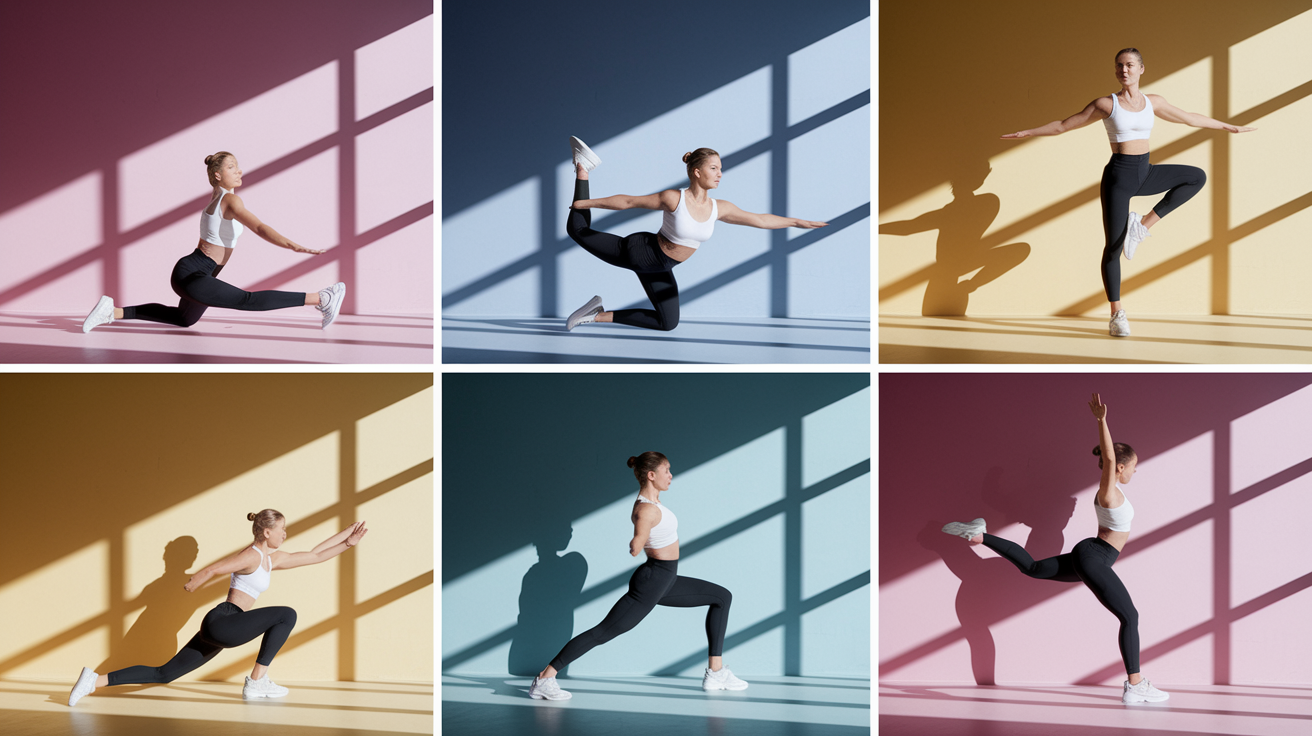
Mobility work keeps joints moving through their natural ranges without pain or stiffness. Five to fifteen minutes daily targeting ankles, knees, hips, and shoulders improves movement quality, reduces morning stiffness, and prepares your body for strength and cardio sessions. Yoga and Pilates add controlled core work and flexibility training one to three times per week. Chair-based variations and gentle stretching suit beginners, older adults, and anyone recovering from injury.
Six foundational drills cover the most common areas of joint tightness and dysfunction. Perform each for 30 to 60 seconds or 8 to 12 slow reps.
Hip circles: Stand on one leg, lift the opposite knee, and draw slow circles with your thigh. Lubricates the hip joint and improves range in all planes.
Ankle mobility (dorsiflexion drill): Face a wall, place one foot back, bend your front knee forward until it lightly touches the wall. Increases ankle flexion for safer squats and walking.
Cat-cow spinal flow: On hands and knees, alternate arching your back (cow) and rounding your spine (cat). Mobilizes the entire spinal column and relieves lower-back tension.
Supported lunge with rotation: Step into a shallow lunge, place hands on your front thigh, rotate your torso toward the front leg. Opens hips and thoracic spine without deep knee flexion.
Spinal rotations (seated or standing): Sit tall or stand, place hands behind your head, slowly rotate left and right. Maintains mid-back mobility and reduces stiffness from sitting.
Wall calf stretch: Place hands on a wall, step one foot back, keep heel down, gently lean forward. Lengthens calf and Achilles without forcing end-range plantar flexion.
Do these drills in the morning to reduce stiffness or as a warm-up before training. If a joint feels inflamed or painful, cut range by 50 percent and move through a smaller, pain-free arc. Stop any drill that triggers sharp pain. Consistency matters more than depth. Daily gentle movement beats occasional aggressive stretching.
Sustainable Low-Impact Workout Scheduling for Busy and Sensitive-Joint Lifestyles
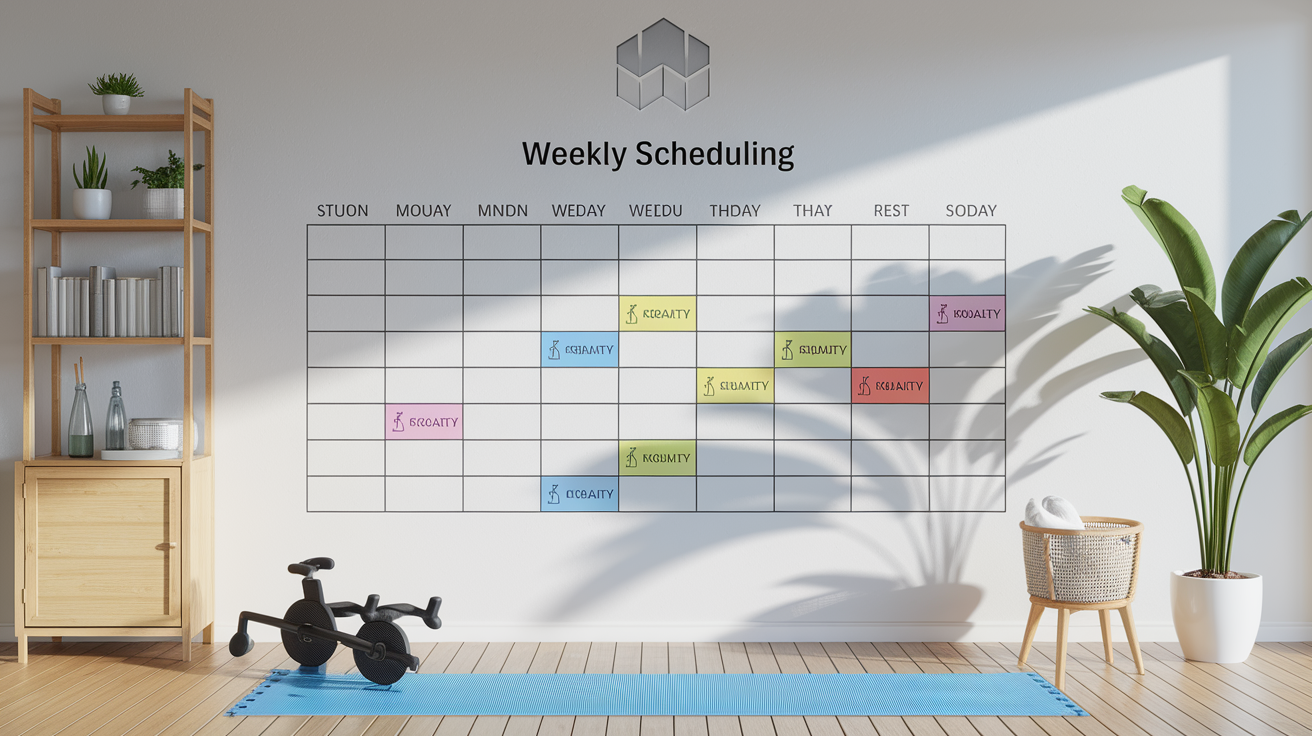
A sustainable schedule balances training frequency, session length, and recovery to fit real life without triggering joint pain or burnout. Beginners start with three sessions per week for 20 to 40 minutes each. Intermediate folks train four to five times per week for 30 to 60 minutes. Advanced schedules include five to six sessions weekly for 40 to 75 minutes, with at least one day fully off or devoted to gentle mobility. Each week combines cardio, strength, mobility, and recovery in a way that protects joints and keeps equipment use minimal.
Beginner 3-Day Template
This template builds consistency and movement skill without overloading sensitive joints. Each session lasts 30 to 45 minutes total.
Day 1: Aquatic workout or brisk walk (20 to 30 minutes) plus 10 to 15 minutes of mobility drills for hips, knees, and ankles.
Day 2: Rest or gentle yoga (15 to 20 minutes focusing on hip and shoulder flexibility).
Day 3: Strength circuit with resistance bands (20 to 30 minutes: seated row, glute bridge, partial squat, calf raise) plus 5 to 10 minutes of foam rolling.
Days 4 to 7: Active recovery like easy cycling, short walks, or rest as needed to avoid fatigue buildup.
Intermediate 4-Day Template
This schedule adds session frequency and separates cardio and strength for better recovery between joint-loading work. Sessions run 40 to 60 minutes.
Day 1: Cardio (25 to 35 minutes cycling or elliptical at RPE 5 to 6) plus 10 to 15 minutes of ankle and hip mobility.
Day 2: Lower-body strength (20 to 30 minutes: squats to box, glute bridges, single-leg balance, resistance-band hip work) plus 10 minutes of easy walking cooldown.
Day 3: Rest or 20 to 30 minutes of yoga or Pilates for core and flexibility.
Day 4: Upper-body strength (20 to 30 minutes: band rows, light dumbbell chest press, shoulder work) plus 15 to 20 minutes of low-intensity rowing or swimming.
Advanced 5-Day Template
This plan increases volume and adds interval work while keeping joint stress controlled. Sessions last 45 to 75 minutes.
Day 1: Swimming intervals (35 to 45 minutes: 10-minute warm-up, 4×3 minutes moderate effort with 90-second easy recovery, 10-minute cooldown) plus 10 minutes of stretching.
Day 2: Full-body strength (30 to 40 minutes: squats, rows, chest press, core work) using slow tempo and moderate resistance.
Day 3: Mobility and balance (30 to 40 minutes of yoga or Pilates focusing on single-leg drills and spinal mobility).
Day 4: Cycling or rowing (40 to 50 minutes steady-state at RPE 5 to 7) plus 10 minutes of foam rolling.
Day 5: Upper-body strength and core (25 to 35 minutes: overhead press variations, planks, dead bugs, band pull-aparts) plus 10 to 15 minutes of easy walking.
Days 6 to 7: Rest or active recovery such as gentle stretching, a short walk, or water walking.
Four practical tips keep you consistent during busy or chaotic weeks without sacrificing joint health.
When time is short, prioritize 15 to 20 minutes of mobility and light strength over skipping entirely. Short sessions maintain momentum and keep joints moving.
Use outdoor workouts like walking or cycling commutes to combine training with transportation and reduce time pressure.
Batch mobility drills with daily routines such as morning coffee or evening wind-down to build automatic habits.
Scale session length or intensity down by 25 to 50 percent during high-stress weeks or travel rather than stopping completely, then return to full volume once life stabilizes.
Eco-Friendly and Joint-Conscious Equipment Choices for Sustainable Fitness
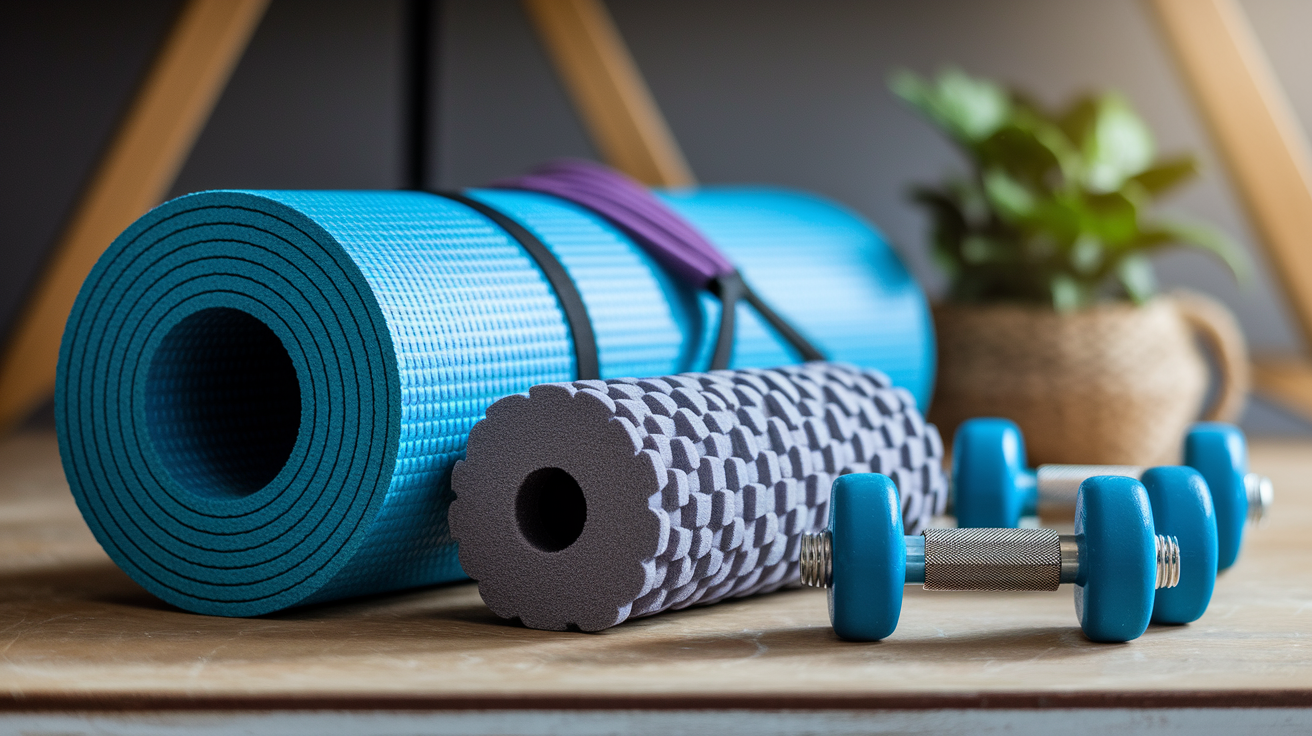
Sustainable fitness equipment lasts years, uses minimal resources, and supports proper joint alignment. Prioritize durable items made from recycled or natural materials, buy secondhand when possible, and choose multipurpose tools that reduce clutter and waste. Outdoor training with no equipment or minimal gear cuts energy consumption and avoids the environmental cost of manufacturing and shipping bulky machines.
Four core pieces cover strength, mobility, and recovery for a complete low-impact routine. Each item supports joint-safe movement while keeping environmental impact low.
| Equipment | Price Range | Eco Benefit |
|---|---|---|
| Recycled-rubber or cork yoga mat | $25–$80 | Made from repurposed materials, biodegradable or recyclable at end of life |
| Resistance-band set (3–5 bands) | $10–$30 | Compact, long-lasting, and replaceable by piece, minimal packaging |
| Foam roller (recycled foam) | $10–$40 | Durable for years, recycled-content options reduce virgin plastic use |
| Adjustable dumbbells (5–25 lb / 2–11 kg) | $50–$300 | Replaces multiple fixed-weight sets, reduces manufacturing waste and shipping volume |
Buy used equipment from local sellers or secondhand sports stores to extend product lifespan and avoid new production. Choose items with minimal plastic packaging and repair broken parts instead of replacing entire tools. Use reusable water bottles and washable towels rather than single-use plastics. Prioritize outdoor workouts in parks, trails, or community pools to reduce home energy use and avoid purchasing large machines.
Recovery Strategies for Long-Term Low-Impact Joint Health
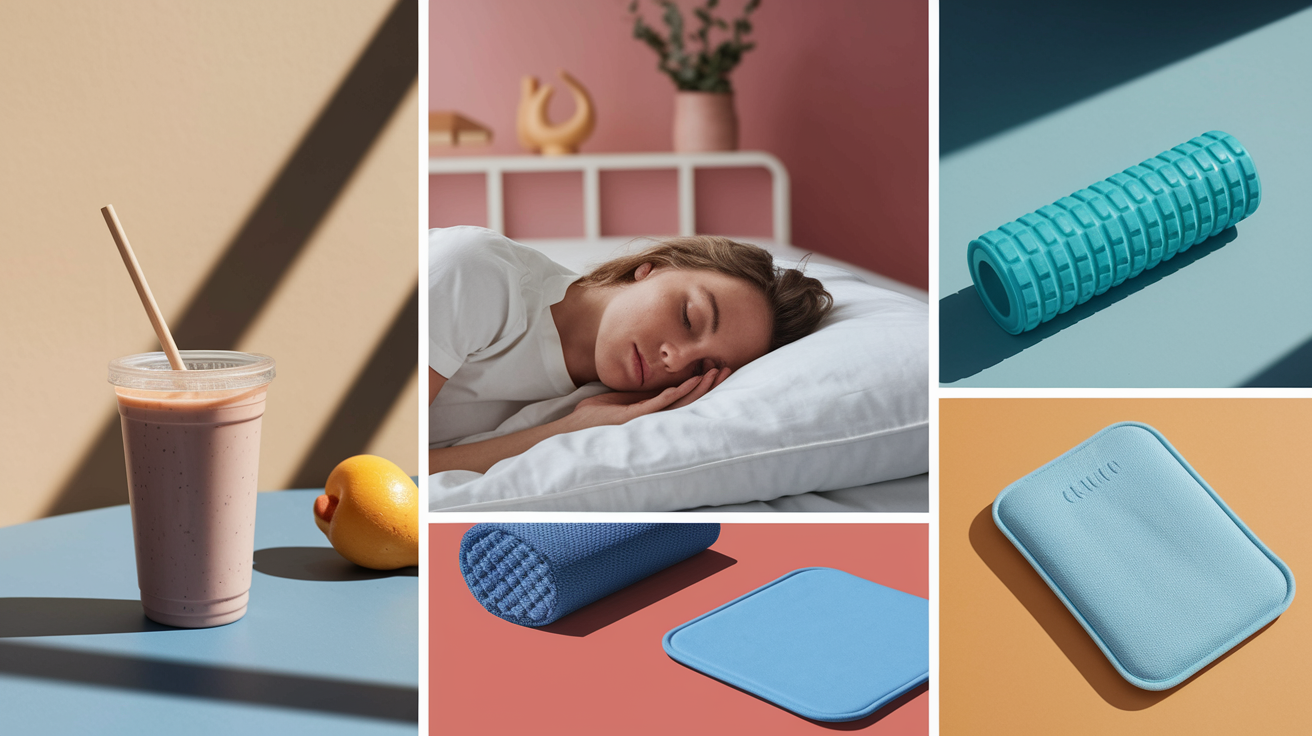
Recovery protects joints by allowing tissues to adapt to training stress without chronic inflammation or overuse injury. Sleep, nutrition, soft-tissue care, and active recovery days form a complete system that supports sustainable progress. Skip recovery and you’ll end up with joint flare-ups, persistent stiffness, and eventual burnout.
Five evidence-based recovery techniques keep joints healthy and training consistent.
Sleep 7 to 9 hours per night: Sleep supports tissue repair, hormone regulation, and immune function. Prioritize consistent bedtimes and a cool, dark room to improve sleep quality.
Consume 20 to 30 grams of protein within one to two hours post-session: Protein supports muscle repair and joint-supporting connective tissue. Older adults benefit from daily protein intake of 1.0 to 1.2 grams per kilogram of body weight.
Foam roll for 5 to 10 minutes after training: Target calves, quads, glutes, and upper back with slow, controlled passes. Reduces muscle tension without forcing painful joints through aggressive stretching.
Use ice or heat for 10 to 15 minutes on inflamed joints: Ice reduces acute swelling after a flare-up. Heat soothes chronic stiffness before mobility work. Alternate contrast baths (three minutes warm, one minute cool, repeat three times) when tolerated.
Include one to two rest or active-recovery days per week: Full rest days allow deep recovery. Active-recovery days with 15 to 30 minutes of easy walking, water movement, or gentle yoga maintain blood flow without adding joint load.
When a joint flares up with pain above three out of ten or visible swelling, scale training down immediately. Cut session length by 50 percent and focus on pain-free range-of-motion work in water or with gentle isometrics. Avoid loaded strength exercises and high-effort cardio until pain drops below two out of ten and stays there for 48 hours. Return to normal training gradually by adding 10 to 15 minutes or one set per week as symptoms allow.
Low-Impact Modifications and Joint-Specific Adjustments for Pain-Free Training
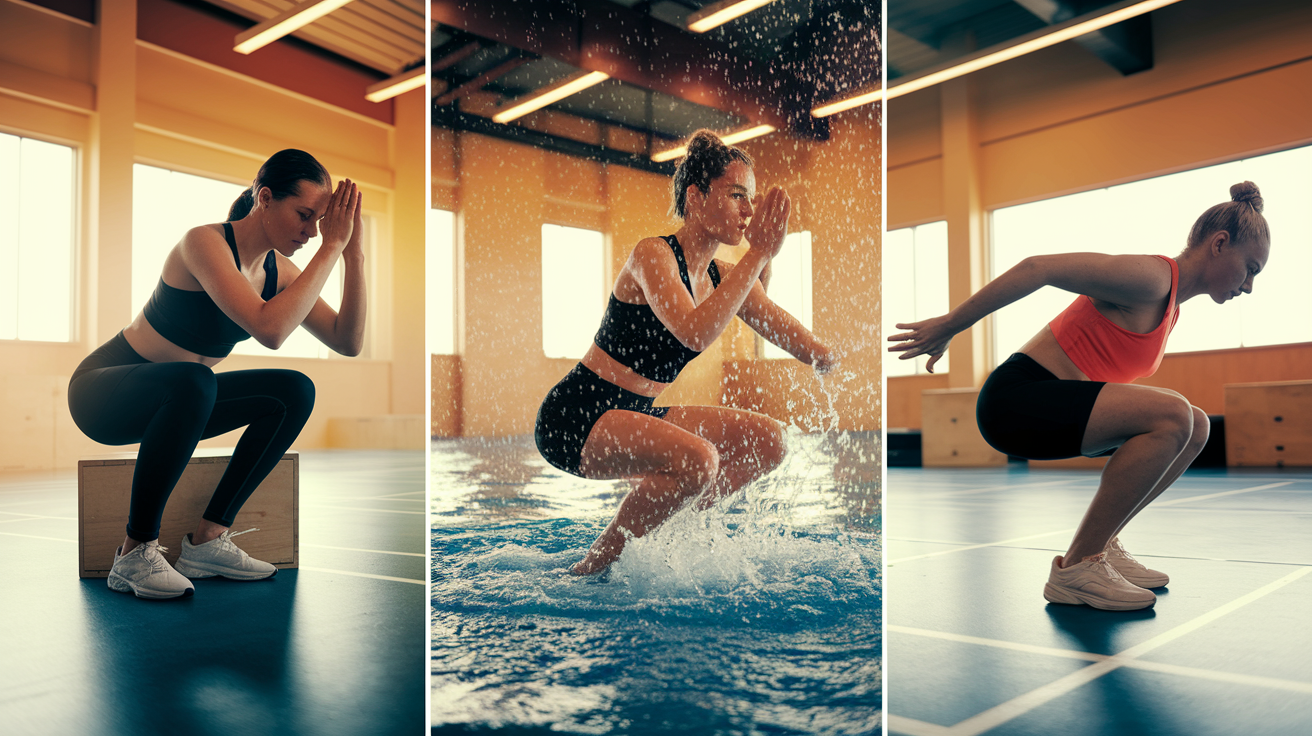
Joint pain and movement limitations require specific modifications to keep training safe and productive. Common conditions like osteoarthritis, past injuries, and age-related changes demand adjustments in range of motion, load, and exercise selection. The universal rule is simple. If a movement triggers sharp pain or sustained discomfort above three out of ten, modify or skip it.
People with osteoarthritis should reduce training volume by 10 to 15 percent compared to healthy peers and avoid deep squats, high-impact jumping, and end-range loading of inflamed joints. Use partial range of motion such as squatting to 45 degrees with a box or chair for support. Emphasize aquatic exercise, cycling, and resistance-band work to maintain strength without aggravating cartilage. Acute injury or post-surgical recovery follows a phased protocol overseen by a physical therapist, typically starting with isometrics and water-based movement for two to six weeks before progressing to eccentric loading over six to twelve weeks.
Knee Modifications
Keep knees tracking in line with toes during all lower-body movements. Avoid forward knee collapse beyond the toes in loaded squats or lunges. Limit knee flexion depth to pain-free ranges, often 45 to 90 degrees during flare-ups. Use box-supported squats, wall sits, or resistance-band leg work to build strength without deep knee bending. Cycling and elliptical work well because they avoid ground impact while maintaining knee range through a controlled, supported motion.
Hip and Lower-Back Modifications
Maintain a neutral spine during all lifts and hinge movements. Avoid excessive lumbar flexion (rounding) or extension (arching) under load. When hips are tight or painful, use partial-depth squats, seated resistance-band exercises, and water walking to build strength without forcing end-range hip flexion. Glute bridges, clamshells, and side-lying leg lifts target hip stabilizers without spinal compression. Limit loaded overhead pressing if shoulder impingement is present. Use resistance bands or reduce range to pain-free zones.
Four universal joint-protection cues apply to every movement regardless of injury history or condition.
Stop any exercise that creates sharp, shooting pain or sustained discomfort above three out of ten on a pain scale.
Use controlled tempo with a three-second lowering phase and a one-second lifting phase to reduce joint impulse and force spikes.
Prioritize alignment over load. Neutral spine, knees tracking toes, shoulders retracted. Get that right before increasing resistance or duration.
Progress one variable at a time (weight, reps, or session length) and wait four to six weeks to assess joint response before adding another change.
Sustainable Low-Impact Progression, Tracking, and Long-Term Motivation

Safe progression builds fitness without triggering joint pain or overuse injury. Progress one training variable at a time by five to ten percent per week. Choose to extend cardio duration, add one set to strength work, or bump resistance slightly, but never all three at once. Use rating of perceived exertion (RPE) on a scale of one to ten to guide intensity. Target RPE 4 to 7 for most sessions, with short intervals up to RPE 8 for experienced folks who’ve built a base.
Five simple tracking metrics keep your routine on course and reveal patterns before joint pain develops.
Session duration: Record total minutes of cardio, strength, and mobility work each week to monitor volume trends.
RPE for each workout: Note how hard the session felt on a 1 to 10 scale to make sure you’re not overreaching or undertraining.
Pain levels during and after training: Track joint discomfort on a 0 to 10 scale, aiming to stay at or below 3 consistently.
Exercise selection and location: Log whether you trained outdoors, at a pool, or at home to balance sustainability and joint impact.
Strength markers: Track reps, sets, and resistance for key lifts every four weeks to confirm progress without frequent testing.
Improvements in strength, endurance, and mobility typically show up within six to twelve weeks of consistent training. Cardio capacity shows as longer steady-state sessions or lower RPE at the same workload. Strength gains appear as higher reps or increased resistance on core lifts. Mobility improves when daily drills reduce morning stiffness and expand pain-free range of motion.
Long-term motivation comes from connecting sustainable habits to values beyond appearance. Focus on functional goals like hiking without knee pain, playing with grandchildren, or maintaining independence into older age. Celebrate small wins like completing a full week of training, choosing outdoor workouts over driving to a gym, or repairing equipment instead of buying new gear. Track environmental choices alongside fitness metrics to reinforce the dual benefit of joint-friendly, planet-conscious training.
Final Words
Start small and move often: the plan gives you low-impact cardio, joint-friendly strength work, daily mobility, sensible scheduling, eco-conscious gear choices, and recovery tactics.
Use the examples: swimming, cycling, walking, band circuits, mobility drills, and 3 to 5 day templates to build a weekly habit that fits your life.
Build this low-impact sustainable workout routine for joint-friendly fitness into your week. Start with 20 to 40 minutes, track effort and pain, and progress slowly. Keep going. Consistency wins, and your joints will thank you.
FAQ
Q: What is a low-impact sustainable routine and who benefits most?
A: A low-impact sustainable routine is a joint-friendly fitness plan that limits stress (walking, water work, machines) and focuses on consistency, mobility, strength, and durable gear. It helps beginners, older adults, and injury or arthritis sufferers.
Q: Which low-impact cardio options are best for joint relief?
A: The best low-impact cardio options are swimming, cycling, walking or elliptical, and rowing—each reduces joint load while improving fitness and mood, and can be scaled to your energy and pain levels.
Q: How often should I train for joint-friendly fitness?
A: Training frequency depends on level: beginners 3 sessions/week (20–40 min), intermediate 4 days, advanced 5+ days, mixing cardio, strength, mobility, and planned recovery days.
Q: What strength training protects joints while building strength?
A: Joint-protective strength means 2–3 days/week, 2–3 sets of 8–15 reps, slow tempo (3s down/1s up), using bands, partial squats, glute bridges, and progress by 5–10% when easy.
Q: How do I start a mobility routine for stiff knees and hips?
A: Start daily 5–15 minutes of mobility—hip circles, ankle drills, cat-cow, supported lunges, spinal rotations, calf stretches—doing them warm or later in the day with pain-friendly modifications.
Q: What eco-friendly, joint-conscious equipment should I choose?
A: Choose recycled-rubber or cork mats, resistance bands, foam rollers, and adjustable or secondhand weights. These reduce waste, last longer, and give gentle support for joints.
Q: How should I recover after low-impact workouts?
A: Recover with 7–9 hours sleep, 20–30 g protein post-session, 5–10 minutes foam rolling, 10–15 minute heat or ice as needed, and gentle active recovery like easy pool movement.
Q: How do I modify workouts if my knees hurt?
A: Modify knee pain by lowering volume 10–15%, using partial range of motion, avoiding deep squats, choosing seated or supported exercises, and keeping pain at or below 3/10.
Q: How should I progress and track low-impact training safely?
A: Progress by raising one variable 5–10% at a time and aim RPE 4–7/10. Track duration, RPE, pain level, and environment (pool/outdoor) to spot steady gains over 6–12 weeks.
Q: What should I do during a joint flare-up?
A: During a flare-up, scale back intensity and volume, use gentle water movement or mobility, apply heat or ice for 10–15 minutes, and rest more; see a clinician if pain or swelling persists.