
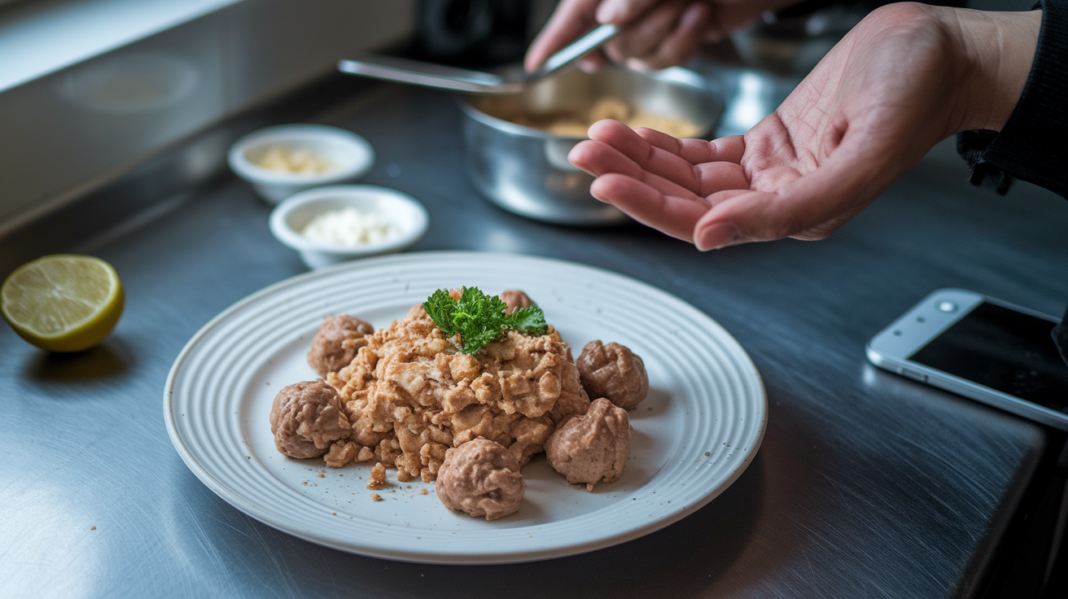
Think you have to track every calorie to change your body? Think again.
You can build muscle and lose fat without logging food or living on math.
This post shows a simple, science-friendly plan that uses intuitive eating and hand-sized portions, plus a short full-body strength routine you can stick with.
No scales, no apps, just practical habits: protein on every plate, three repeatable meals, two or three workouts per week, and simple recovery rules.
Read on to get a week-by-week plan you can actually follow.
Practical Starting Framework for Body Recomposition Without Tracking

Your hand is your portion guide. Start there.
Put a palm-sized serving of protein on every plate. Chicken, fish, tofu, whatever works. A fist of carbs (rice, potatoes, oats) fuels your training. A thumb of fats (oils, nut butter, avocado) adds flavor and keeps you full. Two handfuls of vegetables fill the rest of your plate and give you fiber without piling on calories.
Build a meal template that fits your actual schedule. Repeat it most days. Scrambled eggs with spinach and toast for breakfast, grilled chicken with roasted vegetables and quinoa for lunch, salmon with green beans and sweet potato for dinner. You just created three consistent meals that hit your protein needs and give you enough carbs and fats for energy and recovery. Nothing measured. Nothing weighed. Just a predictable routine that supports muscle growth and fat loss.
For strength training, pick a simple full-body routine you can do two or three times each week. You only need a handful of compound movements that work multiple muscle groups at once. Squats, push-ups, rows, presses. Add more weight, more reps, or more sets every few sessions. That’s progressive overload, and it’s how beginners build muscle without needing a complicated program.
Here’s your daily recomposition framework:
- Put protein on every plate. Aim for one palm-sized serving at each meal.
- Use your hand to estimate portions. Palm for protein, fist for carbs, thumb for fats, handfuls for vegetables.
- Lift weights two or three times per week. Full-body routines with basic compound movements.
- Add a little more each session. One more rep, five more pounds, or one more set over time.
- Keep meals simple and consistent. Repeating similar meals makes it easier to hit your targets without tracking.
Intuitive Nutrition Strategies for Sustainable Progress

Learn to tell the difference between real hunger and eating because you’re bored, stressed, or the clock says it’s time. Real hunger shows up gradually and feels physical, like a gentle pull in your stomach. If you feel anxious or irritable and immediately want a specific food, that’s usually an emotional cue. Not your body asking for fuel. Pause before you eat and ask yourself if you’re actually hungry or just looking for a distraction.
Build every meal around a protein source first. When protein is the anchor, the rest of the meal becomes simpler. You’ll naturally feel fuller longer, recover better from training, and protect your muscle mass while losing fat. Start with eggs, Greek yogurt, chicken, fish, lean beef, cottage cheese, or a scoop of protein powder. Then add vegetables, a serving of carbs if you’re training that day, and a small amount of fat for taste.
Whole foods make intuitive eating easier because they’re harder to overeat. A plate of baked chicken, roasted broccoli, and rice with a drizzle of olive oil will fill you up and stop you from going back for seconds. A bag of chips or a box of cookies won’t. Processed foods are designed to override your fullness signals. If you keep your meals mostly single-ingredient and minimally processed, you’ll eat the right amount without needing to count anything. If you’re genuinely full and no longer hungry, stop eating. If you’re still hungry after your first plate, add more protein or vegetables before reaching for extra carbs or fats.
Strength Training Foundations for Recomposition
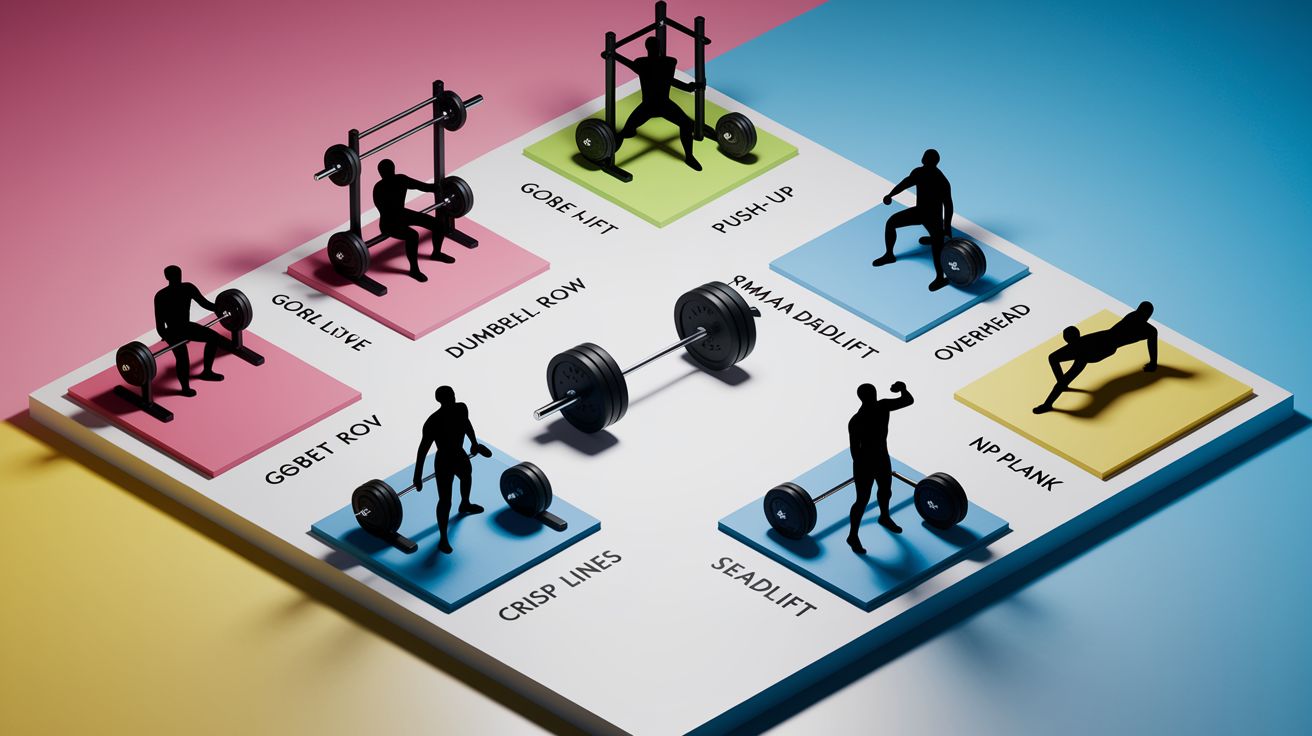
Start with full-body workouts two or three times per week, with at least one rest day between sessions. Training every major muscle group in one session gives you the most stimulus for muscle growth and fat loss while keeping your schedule simple. You don’t need to spend hours in the gym. Forty-five minutes is plenty if you focus on compound movements that work multiple joints and large muscle groups at once.
Pick exercises you can do safely and consistently. Beginners often overcomplicate training by chasing advanced splits or fancy techniques when basic movements done well will deliver better results. Focus on getting stronger at a handful of core lifts, and your body will respond.
Progressive overload is the key. You gradually increase the challenge over time. Add one more rep to each set, increase the weight by five pounds, or add one more set to the exercise. Small improvements every few weeks add up to real muscle growth and strength gains over months.
If your form breaks down or you feel pain, you’ve gone too heavy or too fast. Stop, reduce the load, and build back up. Consistency beats intensity when you’re starting out.
Here are six compound exercises that suit beginners and cover your entire body:
- Goblet squat. Hold a dumbbell or kettlebell at chest height and squat down.
- Push-up. Standard or from your knees if needed. Works chest, shoulders, and triceps.
- Dumbbell row. One hand on a bench, pull a dumbbell up to your ribs. Builds back and biceps.
- Romanian deadlift. Hinge at the hips with a light barbell or dumbbells. Strengthens hamstrings and glutes.
- Overhead press. Press dumbbells or a barbell overhead. Develops shoulders and triceps.
- Plank. Hold a stable position on forearms and toes. Strengthens your core without crunches.
Recovery, Sleep, and Hormonal Support for Recomposition

Sleep is where your body repairs muscle tissue, balances hunger hormones, and consolidates the training stimulus you created in the gym. Aim for seven to nine hours per night. If you’re consistently getting less, you’ll struggle to lose fat and build muscle no matter how clean your diet is or how hard you train. Poor sleep raises cortisol and ghrelin, making you hungrier and more likely to overeat, while lowering testosterone and growth hormone. Both are essential for muscle repair and fat loss.
Rest days are just as important as training days. Your muscles don’t grow during the workout. They grow during recovery when your body rebuilds the fibers you broke down under load. If you train hard three days per week, use the other four days for light movement like walking, stretching, or playing with your kids or pets.
Manage stress where you can. Chronic stress keeps cortisol elevated, which interferes with fat loss and muscle gain. Simple practices like taking a ten-minute walk after dinner, spending time outside, or doing five minutes of deep breathing before bed can lower your baseline stress and improve your recomposition results.
Recovery isn’t lazy. It’s strategic.
Building Long‑Term Habits and Staying Consistent
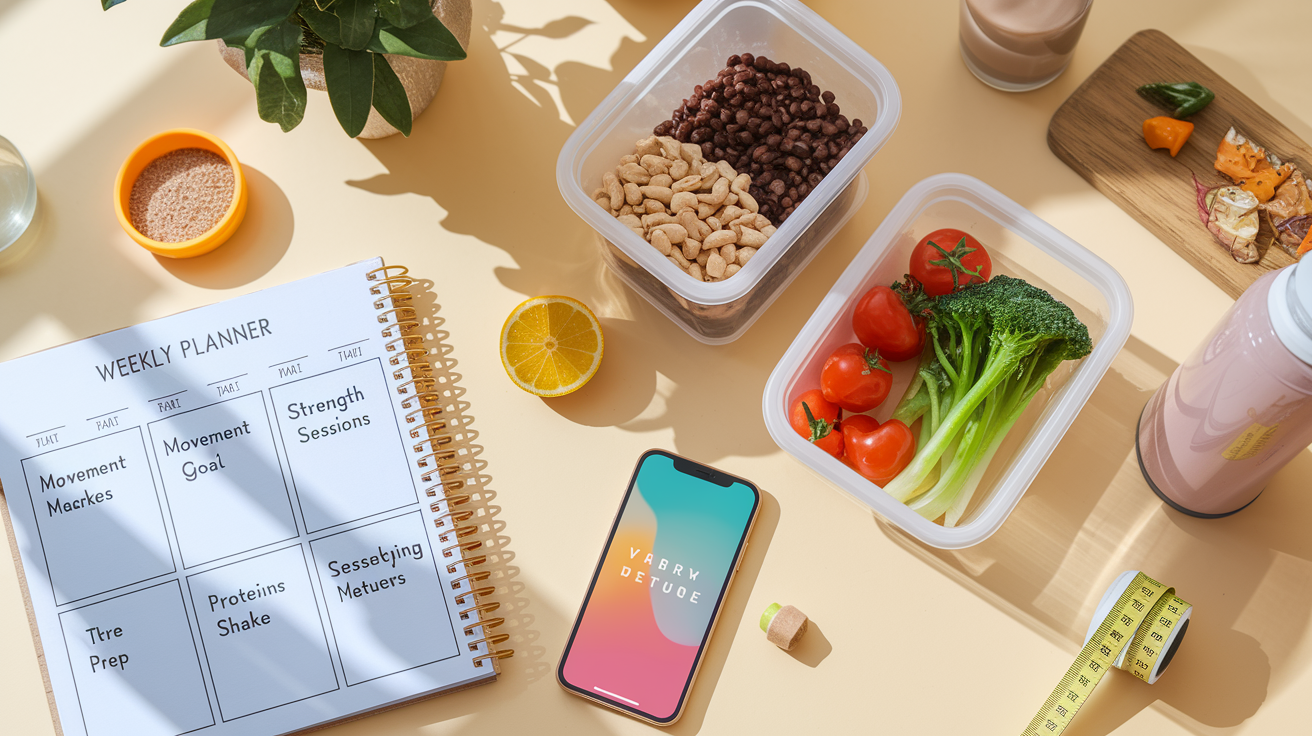
Small daily habits create sustainable change. Eating similar meals at similar times, lifting weights on the same days each week, and going to bed at a consistent hour turn recomposition into automatic routines instead of willpower battles.
Use these four strategies to build habits that stick:
- Set a weekly movement goal. Aim for three strength sessions and hit that target every week, no exceptions.
- Prep one meal in advance. Cook a batch of protein and vegetables on Sunday so you have easy meals ready when you’re busy.
- Track progress without counting calories. Take a front and side photo every two weeks, write down your lifting numbers each session, and notice how your clothes fit.
- Create a supportive environment. Keep protein-rich snacks visible and easy to grab, remove junk food from your house, and tell someone you trust about your plan so they can check in on you.
You don’t need perfect execution every single day. You need consistency over weeks and months. If you miss a workout or eat off your meal template, just get back on track the next day. Recomposition works because you show up regularly, not because you’re flawless. Build routines that fit your real life, not an idealized version of it, and you’ll keep going long after motivation fades.
Troubleshooting Common Beginner Challenges
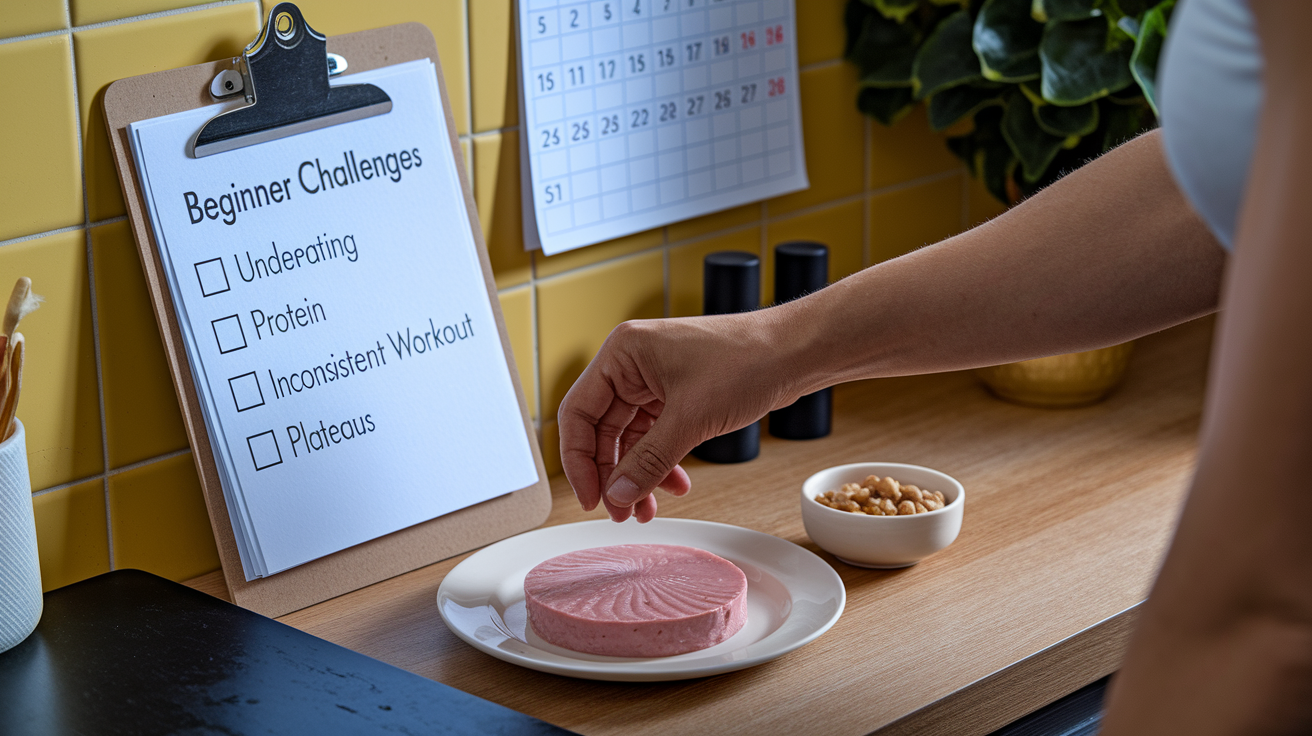
If you’re not seeing progress after a few weeks, the most common issue is undereating protein. Go back and check that you’re eating a palm-sized serving of protein at every meal. If you’re skipping meals or relying on snacks, you’re probably missing your target. Add a protein shake, an extra serving of Greek yogurt, or hardboiled eggs to close the gap. You can’t build muscle or maintain it during fat loss if you’re not feeding your body enough amino acids.
Inconsistent workouts kill recomposition progress. If you’re lifting once one week, then twice the next, then skipping entirely because life got busy, your body never gets a clear signal to adapt. Pick a realistic frequency you can sustain and protect those sessions like appointments. If three days is too much right now, start with two and stay consistent for eight weeks before adding more. Showing up twice every week beats doing four sessions one week and zero the next.
Plateaus happen when you stop challenging yourself. If your strength numbers haven’t moved in a month, you’ve stopped applying progressive overload. Add five pounds to the bar, do one more rep per set, or add a fourth set to your main lifts. If your body composition isn’t changing but your strength is still climbing, give it more time. Muscle growth and fat loss happen slower than strength gains, especially when you’re not tracking calories.
Wait another two weeks, then reassess. If nothing has shifted, slightly reduce your carb portions on non-training days or add one more day of light activity like a twenty-minute walk. Make one small adjustment at a time and check the result before changing anything else.
Final Words
Start by using hand portions, the plate method, and steady protein at every meal. Pair that with 2–3 full-body strength sessions and a small progression each week.
Keep sleep, rest days, and simple habits like consistent meal timing. If progress stalls, tweak protein, session quality, or recovery instead of adding calorie tracking.
This sustainable body recomposition plan for beginners without tracking calories gives a clear, low-stress path. Stick with it, be patient, and you’ll see steady results.
FAQ
Q: Can you body recomp without counting calories and does body recomposition require a calorie deficit?
A: Body recomposition without counting calories is possible, and it doesn’t always require a strict calorie deficit. Prioritize daily protein, full‑body strength training, slight energy shifts, and progressive overload for steady results.
Q: What is the 3-3-3 rule for weight loss and at the gym?
A: The 3-3-3 rule usually means three sets of three reps for gym strength work; in weight‑loss habits it can mean three meals, three protein servings, and three workouts weekly to keep routines simple and consistent.