
You don’t need five gym days to get stronger and keep your week sane.
A 3-day sustainable strength training split gives big results with three 40 to 50 minute sessions that fit around work, family, and deadlines.
Each workout hits a squat or hinge, a push, a pull, single-leg work, and core so you keep making steady progress without burning out.
This post lays out a complete, flexible Monday/Wednesday/Friday plan, time-efficient session structure, and simple tracking tips so strength actually fits your schedule.
A Complete 3-Day Strength Training Split Designed for Busy Professional Schedules

Training three times per week builds strength, improves how you move, and slots into your work schedule without turning your life upside down. A solid 3-day split hits your whole body each session, so you’re still making progress even when a deadline or school pickup bumps a workout. Each session runs 40 to 50 minutes and covers every major movement: a squat or hinge, an upper push, an upper pull, single leg work, core, and some posture stuff.
This respects how your body actually recovers. Every strength session kicks off about 48 to 72 hours of rebuilding. Train Monday, Wednesday, Friday, and each muscle group gets worked while fresh, then repairs before the next round. That’s why cramming five or six sessions into a week usually tanks for busy adults. Sounds productive, but it squeezes recovery, bumps up injury risk, and makes you way more likely to bail when energy drops.
The setup is straightforward. Each day you rotate through a main barbell move built around either a squat, bench press, or deadlift variation, then stack upper and lower accessories that keep development balanced. Sessions stay efficient and you’re not hammering the same lift every workout, which stops overuse issues and plateaus.
Day 1 – Squat Focus
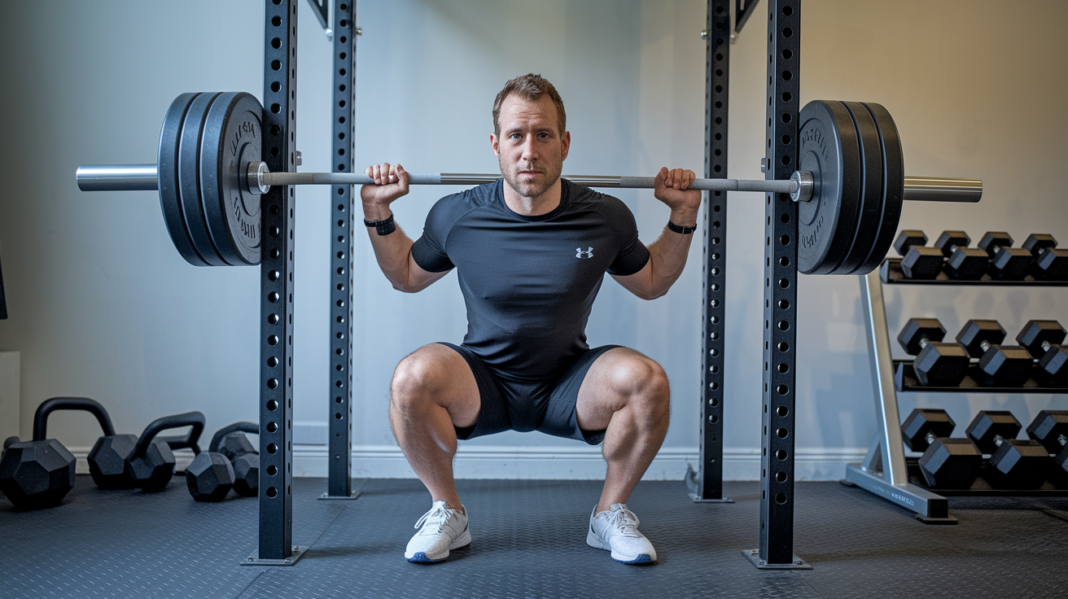
- Barbell back squat or goblet squat: 3 sets of 6 to 8 reps
- Dumbbell bench press or push-ups: 3 sets of 8 to 10 reps
- Barbell or dumbbell row: 3 sets of 8 to 10 reps
- Romanian deadlift (light): 2 sets of 10 reps
- Reverse lunges or split squats: 2 sets of 8 per leg
- Plank or dead bug: 2 sets of 30 to 45 seconds
- Face pulls: 2 sets of 12 to 15 reps
Day 2 – Bench Press Focus
- Barbell bench press or dumbbell press: 3 sets of 6 to 8 reps
- Trap bar or barbell deadlift (moderate): 3 sets of 6 to 8 reps
- Lat pulldown or assisted pull-up: 3 sets of 8 to 10 reps
- Front squat or goblet squat (light): 2 sets of 10 reps
- Step-ups or Bulgarian split squats: 2 sets of 8 per leg
- Anti-rotation press or Pallof press: 2 sets of 10 per side
- Band pull-aparts: 2 sets of 15 reps
Day 3 – Deadlift Focus
- Barbell or trap bar deadlift: 3 sets of 5 to 6 reps
- Overhead press or incline press: 3 sets of 8 to 10 reps
- Single arm dumbbell row: 3 sets of 10 per side
- Goblet squat (light tempo): 2 sets of 10 reps
- Walking lunges or reverse lunges: 2 sets of 10 per leg
- Farmer’s carry: 2 sets of 30 to 40 seconds
- Face pulls: 2 sets of 12 to 15 reps
Strength Training Split Foundations for Busy Professionals

Lots of professionals think strength training only counts if you follow some strict five day bodybuilding split or train for 90 minutes straight. That creates schedule perfectionism. You wait for the “right week” to start, life gets messy, and the plan collapses. A sustainable split meets you where you actually are. It assumes some weeks will be chaotic and builds in enough flex to keep the habit going without needing flawless execution.
Consistency beats frequency when your schedule includes client calls, project deadlines, and family stuff. Training three times per week lets you show up regularly without burning out. More sessions sound great on paper, but they compress recovery, raise injury risk, and make it tougher to maintain quality over months. A 3-day plan gives your body time to adapt, your joints time to recover, and your calendar room to breathe.
Anchor sessions to your existing schedule, not some ideal fantasy week. If mornings work, book morning slots. If evenings fit better, claim those windows and guard them like a standing meeting. Use training windows instead of fixed days. Plan to train three times between Monday and Saturday. Wednesday gets eaten by a presentation? Shift that session to Thursday.
Keep exercise variety low. Repeating the same movements week to week makes progress easier to track and technique easier to dial in. Respect the 48 to 72 hour recovery window. Each session creates a period where your muscles rebuild stronger. Training again too soon cuts that short. And accept imperfect weeks without guilt. Two solid sessions beat zero sessions. If you only get two workouts done, that’s still forward movement.
Time-Efficient Workout Structure for a 3-Day Strength Split
Each session runs 40 to 50 minutes if you stay focused. That’s enough time to hit a main lift, stack accessories, and wrap with a short core or posture piece. Longer workouts aren’t automatically better. A consistent 45 minute session delivers more cumulative progress than an occasional 90 minute marathon that leaves you too sore or tired to train the rest of the week.
Start with a brief warmup. Five minutes of dynamic movement does it. Leg swings, arm circles, hip circles, and a few light sets of the day’s main lift prep your joints and nervous system without eating into training time. Skip the 15 minute mobility routines unless you’ve got a specific issue that needs extra attention. Save longer stretching for after the session or rest days.
The session itself is built around one primary barbell movement. That lift goes first, when you’re freshest and your focus is sharpest. After the main lift, you rotate through upper and lower accessories that reinforce balanced development. Accessories use moderate loads and controlled tempos. You’re building muscle, improving movement quality, and supporting the main lift without grinding yourself into the floor.
Main Lift Priority
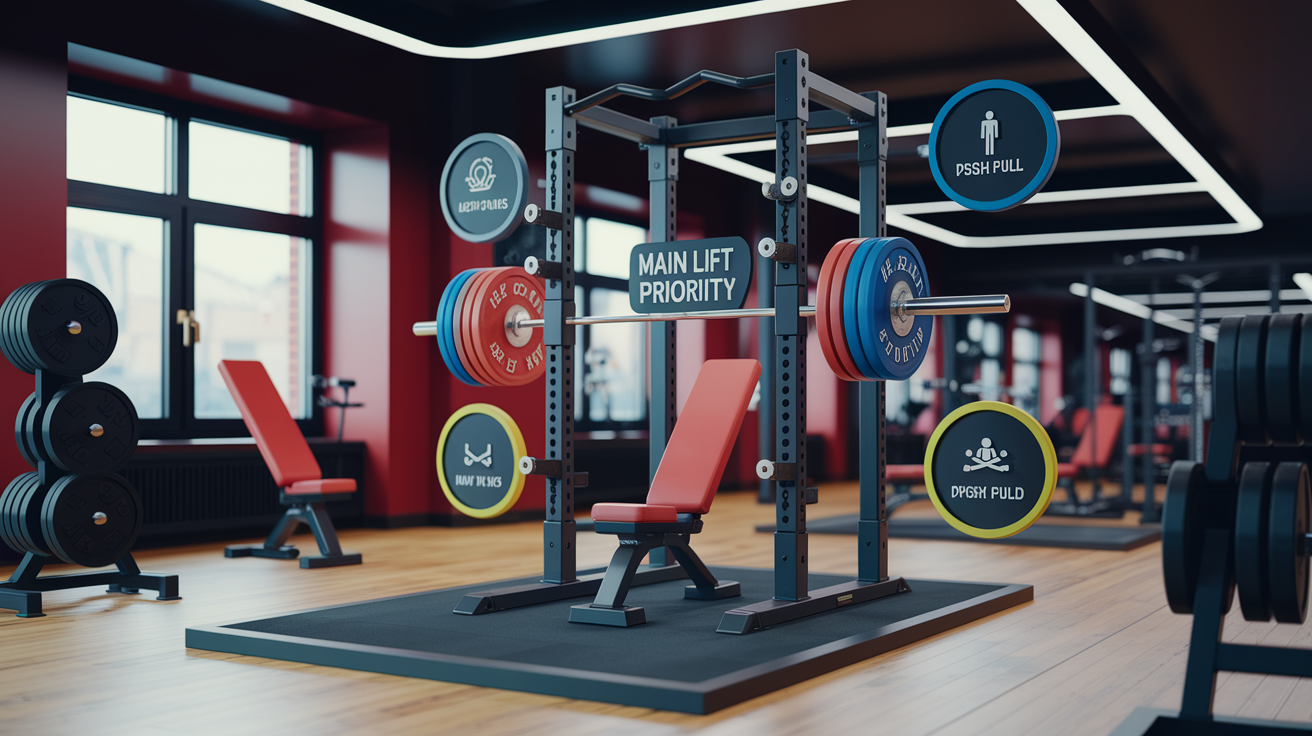
Placing the squat, bench press, or deadlift at the start of each session guarantees you’re training the movement that gives the biggest return. These lifts recruit the most muscle, allow the heaviest loads, and need the most technical attention. By handling them first, you get quality reps when your energy and concentration are highest. Accessories can tolerate a bit of fatigue. Your main lift can’t.
- Main lift (squat, bench, or deadlift): 3 sets of 5 to 8 reps, building to a challenging but controlled load.
- Upper body press (overhead, incline, or horizontal): 3 sets of 8 to 10 reps to balance pushing strength.
- Upper body pull (row, pulldown, or pull-up variation): 3 sets of 8 to 10 reps to protect shoulder health and posture.
- Lower body hinge or push accessory (RDL, front squat, or tempo squat): 2 sets of 10 reps to reinforce patterns without overloading fatigue.
- Single leg work (lunges, split squats, step-ups, or carries): 2 sets of 8 to 10 reps per leg to address imbalances and build stability.
- Core or bracing (plank, dead bug, Pallof press, or carry): 2 sets of 30 to 45 seconds or 10 reps per side to support spinal control under load.
Progressive Overload Strategies for Sustainable Strength Gains
Progress happens when you give your body a slightly harder challenge over time. That challenge can come from adding a small amount of weight, completing one or two more reps, or tossing in one extra set. The key is tracking what you did last session so you know what to aim for this session. Write down the weight and reps for your main lift every time. That simple habit removes guesswork and keeps you moving forward.
Rotate your main lift every four weeks to prevent overuse and keep your joints healthy. If you squat heavy on Day 1 for four weeks, switch to front squats or goblet squats for the next block. Bench press can rotate to incline press or dumbbell press. Deadlifts can shift to trap bar or Romanian deadlifts. This rotation spreads stress across different movement angles and cuts the risk of nagging injuries that come from hammering the same pattern for months.
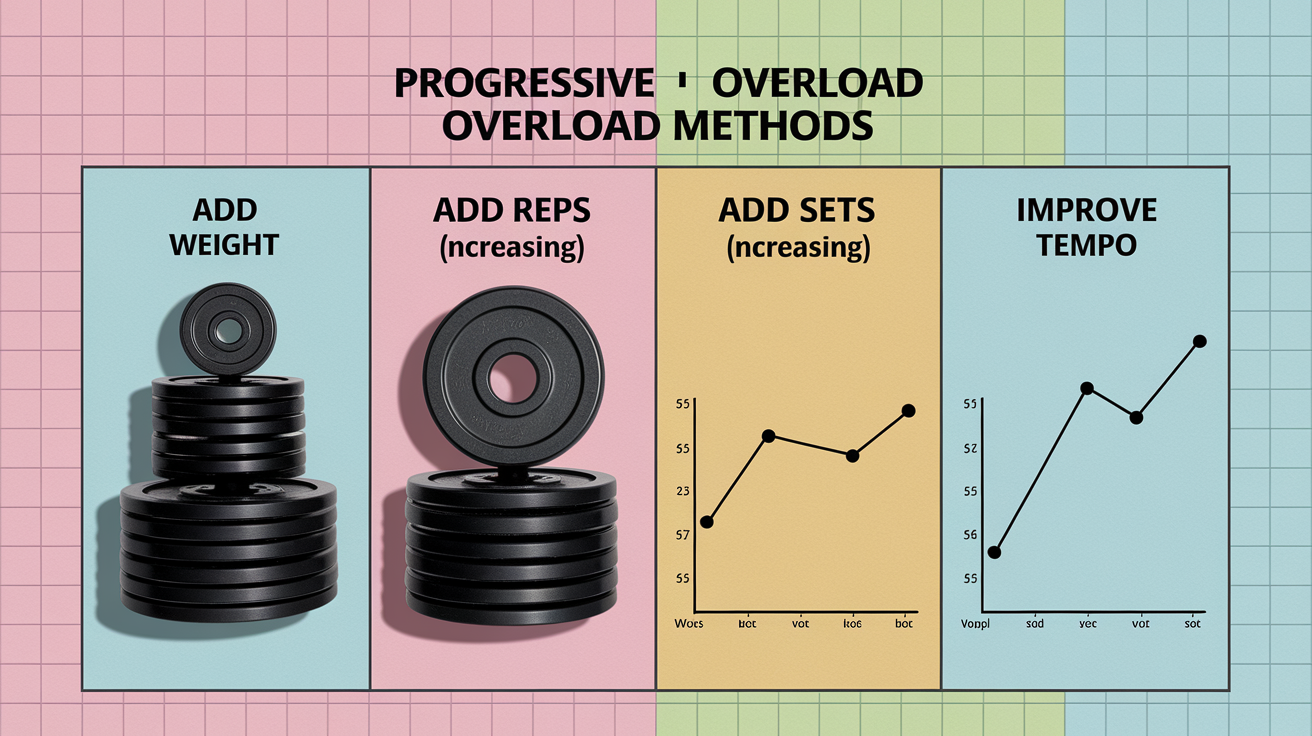
| Method | Description |
|---|---|
| Add weight | Increase load by 2.5 to 5 pounds when you hit the top of your rep range for all sets |
| Add reps | If you completed 3 sets of 6 last week, aim for 3 sets of 7 or 8 this week at the same weight |
| Add sets | Move from 3 sets to 4 sets once reps and weight feel manageable |
| Improve tempo | Slow down the lowering phase or add a pause at the bottom to increase time under tension without changing load |
Weekly Scheduling Options for the 3-Day Strength Training Split

The classic Monday, Wednesday, Friday pattern works well if your weekdays are predictable. You train, recover a day, train again, recover, then finish the week with one more session and a full weekend to rebuild. If your Mondays are chaos or Fridays end early, shift to Tuesday, Thursday, Saturday. The spacing matters more than the specific days. Aim for at least one rest day between sessions so your muscles have time to adapt.
Use training windows instead of rigid calendar blocks. Plan to complete three sessions somewhere between Monday and Saturday. A client call bumps your Wednesday slot? Move that workout to Thursday evening. Thursday gets eaten by travel? Take Friday or Saturday. This approach removes the guilt that comes from missing a “scheduled” day and keeps you focused on the weekly total instead of daily perfection.
Morning sessions often have the highest completion rate because they finish before work and family demands pile up. But any consistent time you can protect will work.
Morning anchor (6 AM to 7 AM): Train before your workday starts. Lay out gym clothes the night before, keep your bag in the car, and go straight from bed to the gym. Lunch break session (12 PM to 1 PM): If your office has a gym or one nearby, a 45 minute midday session breaks up desk time and boosts afternoon focus. Evening window (5 PM to 7 PM): Book the session right after you close your laptop. Treat it like a standing meeting that can’t be moved. Weekend anchor: Use Saturday or Sunday morning as one anchor session, then fit two more sessions into the weekdays. This works well if evenings are unpredictable.
Minimal Equipment Variations for the 3-Day Strength Split

Not every gym has a full rack of barbells, and not every home setup includes a bench and plates. The 3-day split adapts to limited equipment without losing effectiveness. Goblet squats with a dumbbell or kettlebell replace barbell squats. Trap bar deadlifts are often easier to access than a standard barbell and place less stress on the lower back. Push-up progressions, from hands elevated to standard to feet elevated, replace bench press when you’re training at home or in a hotel gym.
Many accessory movements scale down to dumbbells, bands, or bodyweight. Dumbbell rows replace barbell rows. Bulgarian split squats replace back squats. Resistance band pull-aparts substitute for cable face pulls. Farmer’s carries need only a pair of dumbbells or kettlebells. The movement patterns stay the same. You’re still hinging, squatting, pressing, pulling, and bracing. The tools just change.
Goblet squat or dumbbell front squat in place of barbell back squat. Trap bar deadlift or single leg Romanian deadlift with dumbbells in place of barbell deadlift. Push-up variations or dumbbell floor press in place of barbell bench press. Single arm dumbbell row or inverted bodyweight row in place of barbell row. Resistance band pull-aparts or band rows in place of cable face pulls.
Recovery Essentials That Support a Sustainable 3-Day Strength Split
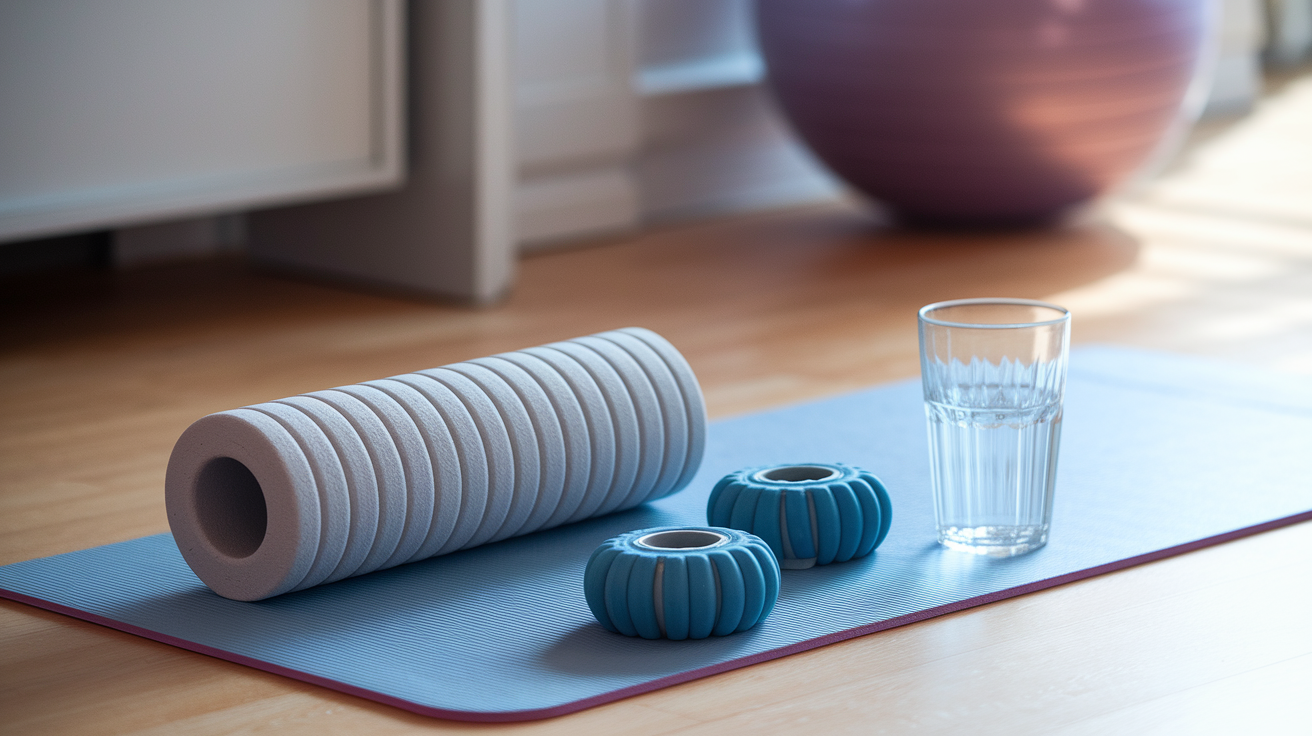
Each strength session creates a 48 to 72 hour window where your body rebuilds muscle, repairs tissue, and adapts to the load you placed on it. Training again before that window closes cuts the process short and bumps up injury risk. Rest days aren’t wasted days. They’re when progress actually happens. Protect them by keeping intensity low. Walking, light cardio, or 10 to 15 minutes of mobility work all fit on non lifting days without messing with recovery.
Mobility work doesn’t need to be a full yoga class. Five to ten minutes of stretching after your session or on rest days is enough to maintain joint range of motion and reduce stiffness. Focus on areas that feel tight or affect your lifting. Hip flexor stretches, thoracic extensions, and shoulder dislocations with a band or PVC pipe address the most common limitations for desk workers.
Every four weeks, plan a deload. Drop the weight by 20 to 30 percent, reduce sets by one, or skip accessories and just do the main lifts. A deload week gives your joints a break, lets lingering fatigue clear, and sets you up to push harder the next block. It feels light in the moment, but it prevents the burnout and nagging pain that come from grinding week after week without a pause.
Realistic Long-Term Progress Expectations for Busy Professionals

In the first three to four weeks, expect movement quality and energy to improve before you see visible strength gains. Your nervous system learns the lifts, your form gets cleaner, and sessions start to feel less awkward. You might add a rep or two, but the real progress is technical. This phase builds the foundation for everything that comes next.
Between six and eight weeks, noticeable strength gains show up. Weights that felt heavy in week two move more smoothly. You hit the top of your rep range more consistently and start adding small increments to the bar. Confidence builds because you can see measurable progress in your training log. Body composition changes lag behind strength, so don’t expect dramatic visual shifts yet. That takes longer.
After 12 weeks of consistent training, you’ve locked in a sustainable rhythm. Strength continues to climb, movement feels automatic, and the habit is cemented. This is when the compound effect of showing up three times per week starts to pay off. Your body adapts not just to individual sessions but to the long-term pattern of stimulus and recovery. Progress becomes steady rather than explosive, which is exactly what sustainable training looks like for busy professionals juggling work, family, and everything else.
Final Words
Book three 40–50 minute sessions this week—Mon/Wed/Fri or Tue/Thu/Sat—and follow the split that hits squat/hinge, push, pull, unilateral work, and core. Put the main lift first, keep warm-ups short, and add small weight or rep increases each week.
Use dumbbells, bands, or a barbell depending on gear, respect 48–72 hour recovery windows, and expect steady gains over months. This 3-day sustainable strength training split for busy professionals is time-efficient and built to fit your life. You’ve got this.
FAQ
Q: Why does a 3-day strength training split work for busy professionals?
A: A 3-day strength training split works for busy professionals because it allows 48–72 hours recovery, hits major movement patterns, and fits into 40–50 minute sessions for steady, manageable progress.
Q: How should I schedule the three workouts each week?
A: You should schedule the three workouts as Mon/Wed/Fri or Tue/Thu/Sat, or use flexible training windows like morning, lunch, or a weekend anchor to match your work routine and recovery.
Q: What should each 45-minute session include?
A: Each 45-minute session should include a brief dynamic warm-up, a main lift first, 2–3 focused accessory moves, a unilateral exercise, and a short core finisher to stay time-efficient.
Q: Which exercises belong on Day 1, Day 2, Day 3?
A: Day 1: squat/hinge focus (back squat, Romanian deadlift); Day 2: push focus (bench or overhead press, dips); Day 3: pull and unilateral (pull-ups, single-leg deadlift), plus core each day.
Q: What sets, reps, and rest should I use for the main lifts?
A: Use 3–5 sets of 4–8 reps for strength or 3–4 sets of 8–12 for muscle work; rest 60–120 seconds between main sets and shorten rest for accessory moves to save time.
Q: How do I progress without burning out?
A: You progress without burning out by tracking weights, adding small weight or reps over time, rotating main lifts every four weeks, and keeping overall weekly volume realistic for your schedule.
Q: What can I do if I only have 20 minutes?
A: If you only have 20 minutes, prioritize one compound lift plus two quick accessory or superset movements to cover major patterns and keep intensity high in a short window.
Q: What warm-up should I do before these sessions?
A: A warm-up should be 5–8 minutes of dynamic mobility and 2–3 light sets of the main lift to prime the joints and nervous system for heavier work.
Q: How important is recovery and what should I do on rest days?
A: Recovery is crucial; use rest days for 20–30 minute walks, mobility work, good sleep, and low-stress habits to support adaptation and the 48–72 hour recovery window.
Q: What equipment do I need for a minimal setup at home?
A: A minimal setup needs one or two dumbbells or a kettlebell, resistance bands, and a bench or sturdy chair; swap barbell moves for trap-bar, dumbbell, or single-leg alternatives.
Q: When should I take a deload week?
A: You should take a deload week every 6–8 weeks or when performance, sleep, or motivation drops—cut volume and intensity by about 40–60 percent for that week.
Q: How soon should I expect to see progress?
A: Expect better movement in 3–4 weeks, clear strength gains around 6–8 weeks, and sustained body-composition changes after 12+ weeks with consistent training and recovery.
Q: How do I pick between morning or evening workouts?
A: Choose morning workouts if you need higher completion rates and fewer conflicts; pick evenings if you have more energy then—what matters most is consistent scheduling that you keep.