
Should you lace up and work out when you’re feeling sick, or is that a fast track to worse days?
The neck rule is the quickest, most practical answer.
If symptoms sit above your neck, like a runny nose, mild sore throat, or light headache, gentle movement is usually fine.
If symptoms are below the neck or affect your whole body, such as fever, chest congestion, deep cough, or body aches, skip exercise and rest.
This post explains how to use the neck rule, safe low-intensity options, medication cautions, and simple checks to keep you safe.
Symptom-Based Guidance for Deciding Whether You Should Work Out When Sick

The neck rule is the most practical way to decide if you should exercise when you’re sick. Symptoms above the neck? Runny nose, stuffy sinuses, mild sore throat, light headache, or a minor earache? You can probably try some light activity. Symptoms below the neck or affecting your whole body? Skip the workout and rest.
Above the neck usually means a mild cold or sinus thing. You might feel okay enough to move, and gentle stuff like a 20 minute walk or easy stretching can be fine if you feel alright once you start. Below the neck or whole body symptoms mean your immune system’s fighting something bigger, and exercise just adds stress you don’t need right now.
Symptoms that generally allow light exercise when you feel up to it:
- Runny or stuffy nose
- Nasal congestion without chest involvement
- Mild sore throat (no fever, no trouble swallowing)
- Light headache that gets better with rest or water
- Minor earache without dizziness or balance weirdness
Even with mild above the neck stuff, stop right away if you start feeling worse, dizzy, short of breath, or notice any chest tightness. The neck rule’s a starting point. Not a guarantee.
Why the Neck Rule Exists and Its Limitations

The neck rule came from early exercise immunology observations showing that localized symptoms create less overall immune burden than systemic illness. When your body’s fighting a local irritation in your nasal passages, light movement might not mess much with recovery. When your entire system’s inflamed or stressed by fever, body aches, or gastrointestinal distress, adding physical exertion pulls energy away from healing and can worsen symptoms or delay recovery.
This guideline’s useful, but it’s got clear boundaries. It doesn’t account for individual health conditions, meds you’re taking, or how fast symptoms can change. A mild cold can turn into bronchitis. Fatigue that feels manageable at rest can become overwhelming once you start moving.
Three big limitations:
- It can’t predict symptom progression. What starts above the neck may drop into your chest or trigger body wide fatigue within hours.
- It doesn’t factor in chronic conditions like asthma, heart disease, or immune compromise that change your risk profile.
- It’s a heuristic, not a diagnostic tool. If you’re unsure or symptoms feel off, rest is always the safer call.
Symptoms That Mean You Should Skip Your Workout When Sick

When symptoms move below your neck or affect your whole body, exercise becomes risky. Your immune system’s already working hard, your energy reserves are low, and physical stress can drag out recovery or trigger complications like dehydration, cardiac strain, or worse respiratory symptoms.
Skip your workout if you have:
- Fever of 100.4°F or higher
- Chills, shaking, or sweats
- Chest congestion or tightness
- Persistent or productive cough
- Wheezing or shortness of breath
- Body aches or widespread muscle pain
- Serious fatigue or weakness
- Nausea or vomiting
- Diarrhea
- Lightheadedness or dizziness
Fever means your body temperature’s already elevated, and exercise will push it higher, stressing your cardiovascular system and messing with immune response. Gastrointestinal symptoms like vomiting or diarrhea increase dehydration risk and make it unsafe to push yourself. Chest symptoms signal potential respiratory infection, and physical effort can worsen breathing mechanics or oxygen delivery. Body aches and serious fatigue indicate systemic illness, and pushing through can extend your downtime by days or weeks.
When Mild Symptoms Make Light Exercise Acceptable

If your symptoms stay above the neck, you feel mostly okay, and you’re not taking meds that mess with coordination or raise your heart rate, light movement can be safe and sometimes even helpful. The key’s choosing low intensity stuff that doesn’t spike your heart rate, stress your breathing, or demand heavy effort.
Safe options when mildly sick include a gentle 15 to 20 minute walk, restorative yoga with deep breathing, light stationary cycling, foam rolling, or dynamic stretching. These keep blood flowing without taxing your immune system. Cut your usual workout duration by about half. If you normally train for 60 minutes, cap it at 30. Skip high intensity interval training, heavy lifts, sprints, or anything that leaves you breathless.
Good workouts for mild above the neck symptoms:
- Walking at a conversational pace
- Gentle yoga or tai chi
- Light cycling on a stationary bike
- Bodyweight mobility drills or stretching
Check in with yourself five to ten minutes in. If symptoms worsen, you feel lightheaded, or your energy drops sharply, stop and rest. Light exercise is acceptable only when it feels manageable and your body responds well.
Medication Cautions Before Exercising Sick

Lots of over the counter cold and flu meds affect your heart rate, blood pressure, coordination, or alertness, making exercise riskier even when symptoms seem mild. Multi symptom cold remedies commonly contain phenylephrine, a decongestant that can raise your heart rate and blood pressure. If you’ve got any history of heart disease or high blood pressure, combining phenylephrine with exercise increases cardiovascular strain.
Antihistamines, especially older sedating types like diphenhydramine, cause drowsiness and slow reaction time. Exercising while drowsy raises your injury risk, especially during movements that need balance, coordination, or focus. Cough suppressants may also sedate you or mess with concentration. Taking a fever reducer like acetaminophen or ibuprofen can mask symptoms and make you feel ready to work out when your body still needs rest. You might push harder than is safe because the medication’s dulled the warning signals your immune system’s sending.
Before exercising while on any cold medication, check the label for side effects and consider skipping the workout if you notice drowsiness, dizziness, or a faster resting heart rate. If you’re unsure, ask a pharmacist or your doctor whether it’s safe to combine that med with physical activity.
How to Modify Workouts Safely When Exercising While Sick
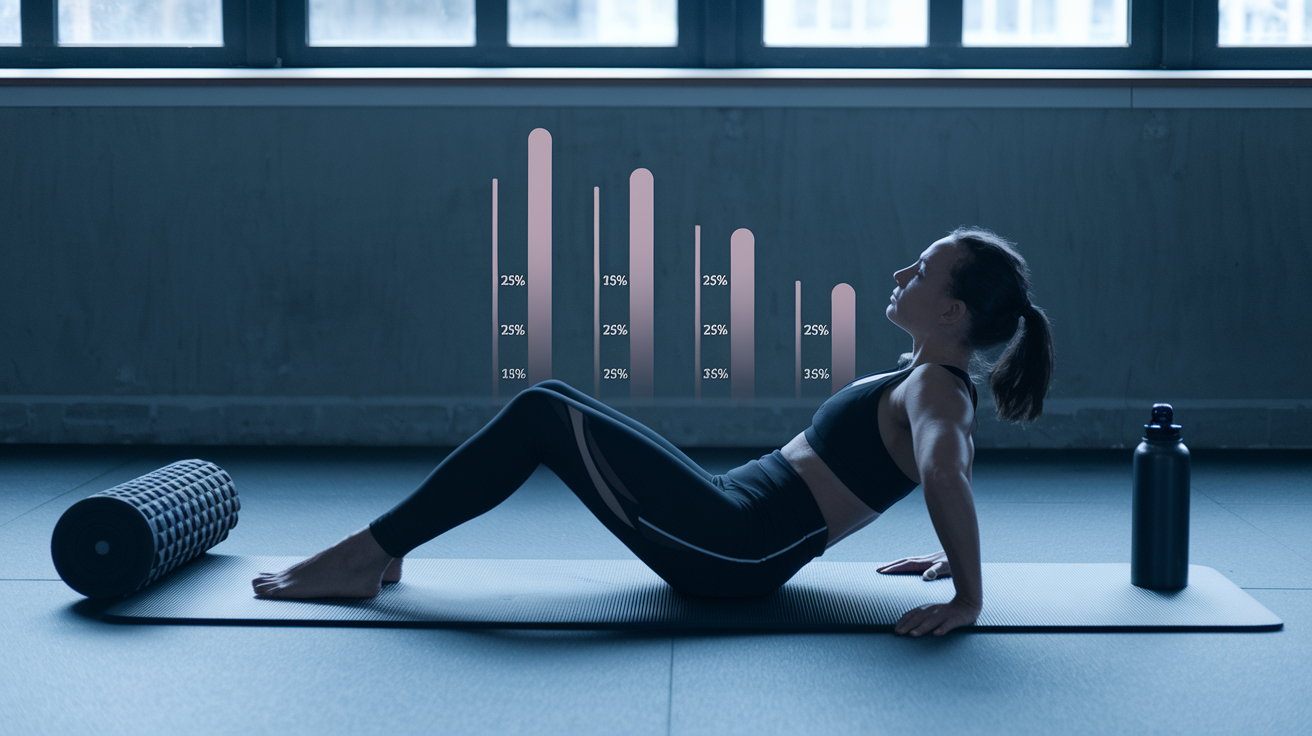
When you decide to try light exercise with mild symptoms, smart modifications protect your recovery and reduce the chance you’ll make things worse. The goal’s gentle movement, not performance or progress.
Reduce Intensity and Duration
Start at about 25 to 50 percent of your normal workout intensity and duration. If you usually run five miles, walk one or two at an easy pace. If you lift weights for an hour, do 20 minutes of bodyweight movements with no added load. Your heart rate should stay low enough that you can hold a conversation without gasping. Avoid anything that spikes your breathing or leaves you sweating heavily.
Choose Low Impact Options
Swap running for walking, heavy squats for bodyweight lunges, or spin class for a slow stationary bike ride. Low impact choices reduce joint stress and cardiovascular demand while still letting you move. Mobility work, foam rolling, and stretching are excellent because they support circulation and flexibility without taxing your immune system.
Hydration and Symptom Monitoring
Drink water before, during, and after any activity, especially if you’re congested or producing mucus. If you’ve had any diarrhea or sweating, sip a low sugar electrolyte drink to replace lost sodium and potassium. Hydration supports immune function and helps thin mucus. Pay close attention to how you feel as you move.
Stop right away if you notice:
- Worsening congestion, cough, or breathing difficulty
- Dizziness, lightheadedness, or feeling faint
- Chest pain or pressure
If any of these show up, stop, rest, and consider calling your doctor if symptoms are severe or don’t get better.
Contagiousness and Gym Etiquette When Sick

Even if you feel well enough to exercise, heading to a public gym while contagious spreads illness to others. Most viral infections are most contagious during the first couple of days after symptoms start. If you’re sneezing, coughing, or blowing your nose a lot, stay home or exercise outdoors where airborne transmission is way lower.
Wait until you’ve been fever free for at least 24 hours before returning to a shared gym space. Fever indicates active infection, and you’re likely still shedding virus even if you feel a bit better. If your symptoms started two days ago and you still have a runny nose but no fever and no body aches, you’re probably past peak contagiousness, but distancing and hand hygiene still matter.
Gym etiquette when recovering:
- Wipe down all equipment before and after use, even if you normally skip the pre wipe.
- Avoid group classes or crowded spaces until symptoms are nearly gone.
- Wash your hands thoroughly before and after your session, and don’t touch your face.
If your schedule allows it, exercise at home or outside during the symptomatic phase. A walk around your neighborhood or a yoga session in your living room keeps you moving without risking anyone else’s health.
Returning to Normal Training After Illness

Once your symptoms improve and you’ve been fever free for 24 hours, you can start easing back into your regular routine. Gradual progression is key. Jumping straight back to full intensity often triggers a relapse or leaves you feeling wiped out for days.
Start with a very light session at roughly 25 percent of your normal intensity and duration. If that feels fine and symptoms don’t return over the next day, bump up to about 50 percent. Keep stepping up by roughly 25 percent every few days as long as you feel strong and symptom free. If you notice fatigue, congestion, or any return of illness, scale back and add another rest day.
| Stage | Intensity % | Duration % | Symptoms Criteria |
|---|---|---|---|
| Stage 1 | ~25% | ~25–30% | Fever free 24 hours, symptoms improving, minimal fatigue |
| Stage 2 | ~50% | ~50% | No symptom return after Stage 1, energy stable |
| Stage 3 | ~75% | ~75% | Feeling close to normal, no relapse signs |
| Stage 4 | 100% | 100% | Symptom free, full energy restored |
Missing a few days or even a full week of training won’t erase your fitness. Muscle memory, cardiovascular adaptations, and strength return quickly once you’re healthy. Pushing too hard too soon, on the other hand, can set you back two or three weeks. Listen to your body, progress conservatively, and focus on full recovery over rushing back to personal records.
Final Words
Use the neck rule: above-the-neck symptoms (runny nose, mild sore throat) may let you do short, gentle movement. Below-the-neck signs (fever, chest congestion, vomiting, heavy fatigue) need full rest.
If you try light activity, cut time and intensity roughly in half, hydrate, and stop if you worsen. Skip the gym when you might be contagious.
If you’re still asking should i workout when sick, lean toward rest. You’ll recover faster and get back to steady training sooner, so be kind to yourself.
FAQ
Q: Is it okay or worth working out if you are sick or have a cold?
A: It’s usually okay to do light movement for a mild cold (runny nose, congestion, mild sore throat). Skip exercise if you have fever, body aches, chest or stomach symptoms—rest and reassess.
Q: What is the 3-3-3 rule for working out?
A: The 3-3-3 rule is a simple guideline some coaches use: rest for 3 days with systemic symptoms, then do 3 gentle sessions across the next 3 days before returning to full intensity.
Q: Can I exercise with H pylori?
A: You can exercise with H. pylori if symptoms are mild and you feel stable, but avoid intense workouts with stomach pain, vomiting, diarrhea, fever, or while taking meds that cause dizziness. Check with your doctor.