

Think pullups alone build a complete back? Think again.
A true full back workout targets four regions: upper and outer lats, lower lats, middle back, and lower back, and each needs different pulling angles and grips.
This post gives a simple routine that hits each area with clear exercises, sets, and rep ranges.
You’ll get practical form cues and a plan you can do with basic gym gear so every major back muscle gets trained, not just the parts you see in the mirror.
Complete Back Workout Routine Covering All Major Back Muscles

A full back workout needs to hit four regions: upper and outer lats, lower lats, middle back, and lower back. Each area responds to different pulling angles and movement patterns. Upper and outer lats grow from wide pullups and pulldowns where you’re pulling the bar toward your upper abs. Lower lats develop through reverse-grip pulldowns, close-grip pullups, and straight-arm work. Middle back thickness comes from medium-grip rowing where you pull to your midsection or out to the sides. Lower back gets stronger through waist-bending movements, not hip-hinging.
For building size, 2 to 3 sets of 8 to 12 reps after warming up works well. Strength needs heavy weight for 4 to 7 reps. Muscle definition and endurance? Lighter weight with 15 to 25 reps. Rest 1 to 2 minutes between sets. Start every rep with full elbow extension and pull with your shoulder blades squeezing together. Keep a slight low-back arch during rows. Don’t hyperextend during back extensions.
Here’s a full routine covering all major back muscles:
- Wide-Grip Pullups or Lat Pulldowns – 3 sets of 8 to 12 reps for upper and outer lats. Arms fully extended at the bottom, pull elbows out to the sides. Think about pulling elbows down, not hands up.
- Reverse-Grip Pulldowns – 2 sets of 10 to 12 reps for lower lats. Underhand grip at shoulder width, pull the bar toward your lower chest, arch your back.
- Straight-Arm Lat Pulldowns – 2 sets of 12 to 15 reps targeting lower lats. Push the bar back into your thighs at the bottom for max stimulation.
- Bentover Barbell Rows – 3 sets of 8 to 10 reps for middle back thickness. Wide grip, elbows out, pull the bar high toward your upper abs.
- One-Arm Dumbbell Rows – 3 sets of 10 to 12 reps per arm. Pull the weight up and back from a slightly forward starting position, neutral spine.
- Back Extensions – 2 sets of 12 to 15 reps for lower back. Focus on waist bending with hips fully supported, don’t hyperextend at the top.
You’ll need a pullup bar, cable machine, barbell, dumbbells, and a back extension bench. Each exercise targets specific back muscles through proper form like full elbow extension, shoulder blade retraction, and controlled tempo. Hold peak contraction for 1 to 2 seconds on rowing movements.
Back Muscle Anatomy for a Complete Back Workout
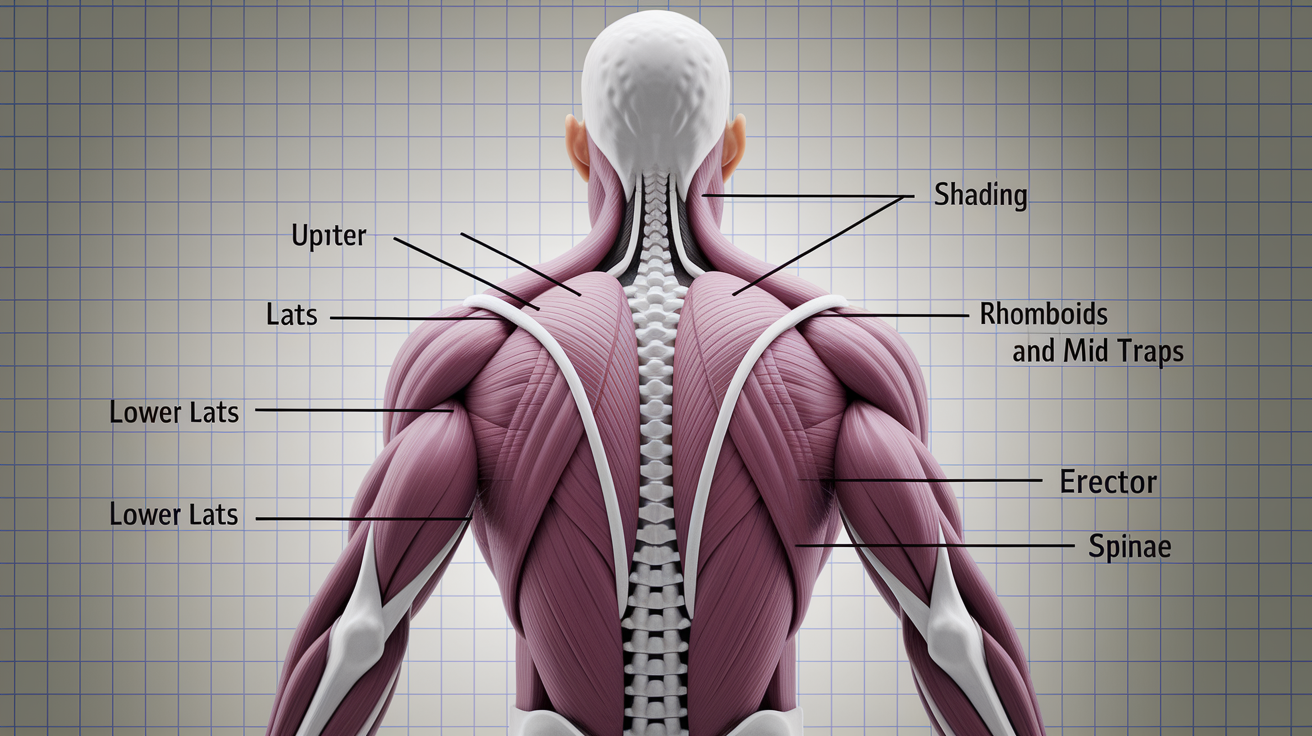
Your back divides into four anatomical regions. Each one needs different movement patterns. Upper and outer lats create width when developed. They respond best to wide-grip pulling movements with a vertical angle. Lower lats sit near your waist and respond to reverse-grip variations and straight-arm movements. Middle back muscles (rhomboids, mid traps) add thickness, developing through rowing where you pull to your midsection with elbows tight or out to the sides. Lower back (erector spinae) strengthens through waist-bending movements where your hips stay supported and you bend at the waist.
Grip variations and pulling angles determine which region gets emphasized. Wide overhand grips with vertical pulls hit upper lats. Underhand close grips shift work to lower lats. Horizontal rowing with medium grips builds middle back thickness.
You can’t just do pulldowns and expect a complete back. A back that’s only wide but not thick looks unfinished. A thick back without width looks blocky. Lower back strength supports every other lift and protects your spine during daily life.
| Region | Primary Exercises | Function |
|---|---|---|
| Upper/Outer Lats | Wide-grip pullups, wide-grip lat pulldowns | Creates V-taper width, pulls arms down and back |
| Lower Lats | Reverse-grip pulldowns, straight-arm pulldowns | Adds lower back width, pulls shoulder blades down |
| Middle Back | Bent-over rows, seated cable rows, T-bar rows | Builds thickness, retracts shoulder blades |
| Lower Back | Back extensions, stiff-legged deadlifts | Stabilizes spine, supports posture and heavy lifts |
Warm-Up Essentials Before Starting Your Full Back Workout

Sitting all day tightens hips, shortens hamstrings, and weakens your posterior chain. This leads to back pain and limited mobility. A proper warm-up addresses these issues by improving lumbar and cervical spine flexibility, counteracting sitting effects, and lengthening your lower back and hamstrings. This prep work reduces injury risk and improves performance during heavy pulling and rowing.
Four bodyweight movements prepare your back for training:
-
Cat/Cow Movement – 2 sets of 10 reps with 30 seconds rest. Start on hands and knees, arch your back while looking up (cow), then round your spine while tucking your chin (cat). This improves flexibility through your entire spine.
-
90/90 Stretch – 2 sets of 10 reps each side with 30 seconds rest. Lie on your side with hips and knees bent at 90 degrees, rotate your top arm across your body and back. This counteracts sitting and opens up your thoracic spine.
-
Hand Walk – 2 sets of 10 reps with 30 seconds rest. Stand with feet together, bend forward and walk your hands out to a plank position, then walk them back and stand up. Lengthens your lower back and hamstrings while activating your core.
-
Backward Lunge With Twist – 2 sets of 10 reps with 30 seconds rest. Step back into a lunge, then rotate your torso toward the front leg. Combines lunge benefits with back stretching and hip mobility.
Choosing the Right Exercises for a Full Back Workout
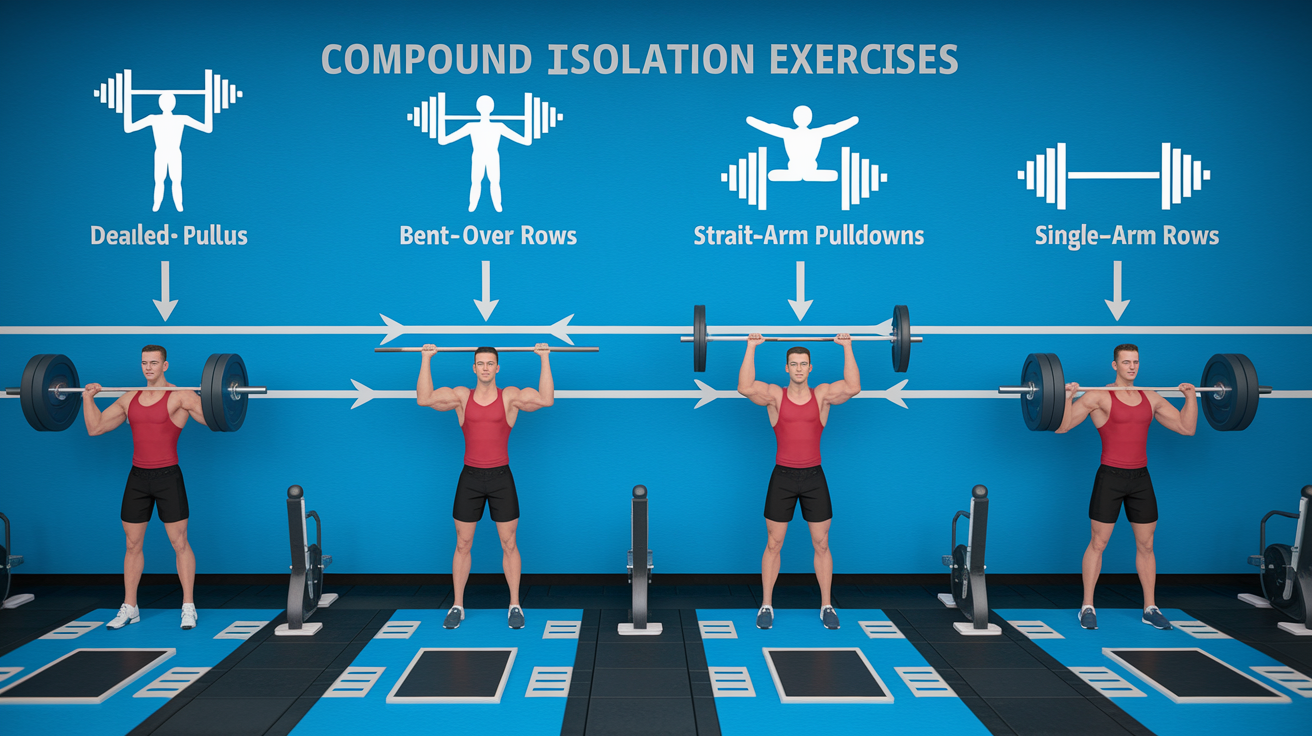
Exercise selection depends on your training goals and which back regions need the most work. Best back workouts combine vertical pulls for lat width, horizontal rows for middle back thickness, lower back strengthening movements, and targeted lat work using straight-arm variations.
Vertical pulls (pullups, pulldowns) emphasize lat width. Horizontal rows (bent-over rows, seated cable rows) build middle back thickness and depth. Compound movements like deadlifts, bent-over barbell rows, and pullups should form your foundation because they work multiple back muscles at once and allow you to lift heavier weight. Straight-arm pulldowns improve lower lat activation by isolating the lats without bicep involvement. Bent-over rows with a wide grip pull toward the upper abs and emphasize upper back. One-arm dumbbell rows let you pull up and back with a greater range of motion than barbell rows. Close-grip seated cable rows require holding the peak contraction for 1 to 2 seconds.
Isolation exercises like straight-arm pulldowns and single-arm rows fill gaps that compound movements miss. You can’t build a complete back with just deadlifts and pullups.
When choosing exercises, consider:
- Compound movements first – Build your workout around deadlifts, pullups, and barbell rows because these allow the most weight and muscle activation.
- Add isolation work – Use straight-arm pulldowns, single-arm rows, and back extensions to target specific regions that compound movements don’t fully develop.
- Vary pulling angles – Include both vertical (pullups, pulldowns) and horizontal (rows) movements to hit the back from multiple directions.
Proper Form Fundamentals in a Full Back Workout

Proper form determines whether you build muscle or just risk injury. Pullups require full arm extension at the bottom with elbows pulling out to the sides rather than straight down. Visualize pulling your elbows down instead of pulling your hands up. This shifts work to your lats instead of your biceps.
Reverse-grip pulldowns pull the bar to your lower chest with an arched back, not a rounded one. Straight-arm pulldowns push the bar back into your thighs at the bottom, not just down to your waist. Back extensions avoid hyperextension by focusing on waist bending with hips fully supported on the pad. You’re not trying to bend backwards as far as possible. Stop when your torso reaches parallel with the floor.
One-arm dumbbell rows start from a slightly forward lean with your free hand braced on a bench. Pull the dumbbell up and back in an arched path, not straight up. Grip variations target different muscles. Underhand grips shift more work to the lower lats and allow you to lift heavier. Overhand grips emphasize the upper back and mid traps.
Common form errors and how to fix them:
- Swinging during pullups – Start each rep from a dead hang with arms fully extended. Control the movement up and down instead of using momentum.
- Rounding your back during rows – Maintain a slight low-back arch throughout the movement. Brace your core and keep your chest up.
- Not squeezing at the top – Hold the peak contraction for 1 to 2 seconds with shoulder blades squeezed together.
- Using too much bicep – Focus on pulling with your elbows, not your hands. Think about driving your elbows back or down depending on the exercise.
- Incomplete range of motion – Extend fully at the bottom and contract fully at the top. Partial reps leave gains on the table.
Sets, Reps, and Training Volume for Full Back Workout Progress
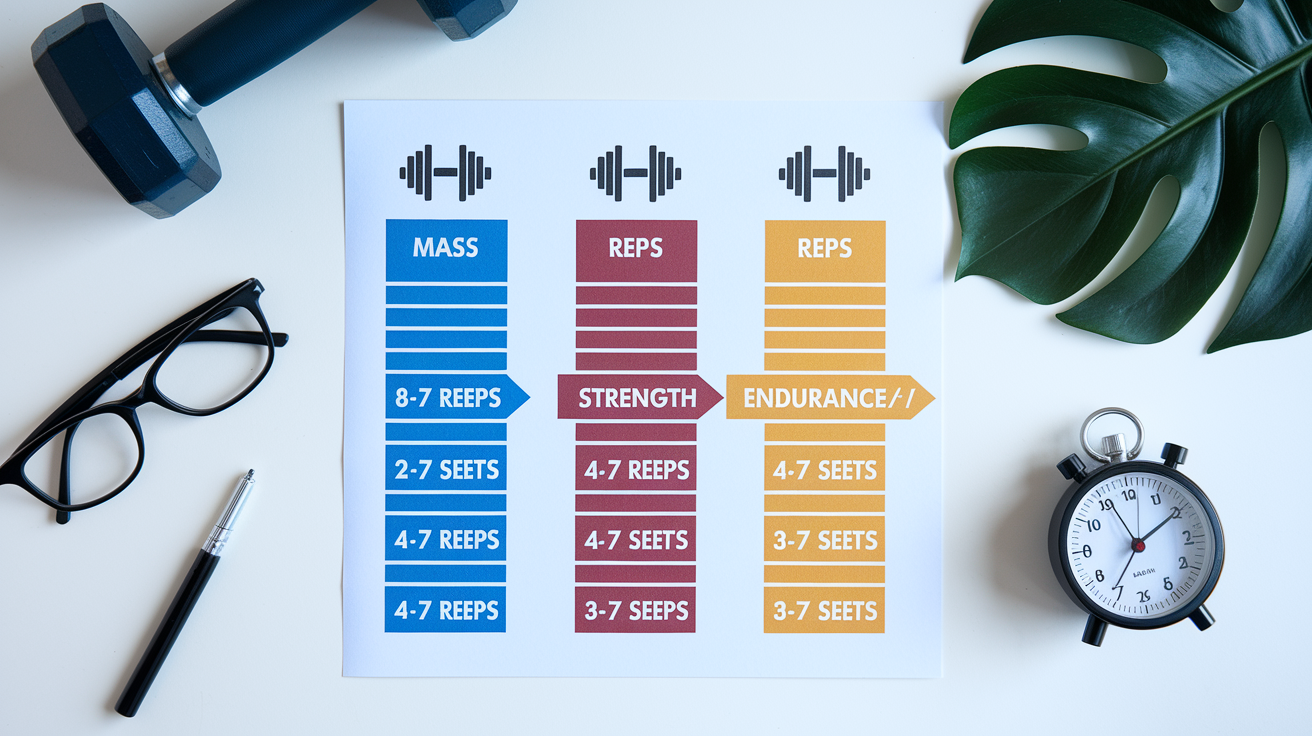
Different rep ranges produce different training effects. Mass-building uses 8 to 12 reps for 2 to 3 sets, working in the sweet spot for muscle growth. Strength develops with 4 to 7 reps using heavy weight that challenges you within that range. Muscle definition and endurance come from 15 to 25 reps with lighter weight. Rest 1 to 2 minutes between sets to allow partial recovery without losing your pump.
Train back 1 to 2 times weekly with 1 to 2 rest days between sessions. This gives muscles adequate time to recover and grow. Training back more frequently without proper recovery leads to overtraining and stalled progress. Each session should include around 15 total sets across all back exercises, hitting each of the four back regions.
Progressive overload drives continued growth. Add weight when you can complete all prescribed reps with good form. Add an extra rep or set when weight increases aren’t possible. Track your workouts to make sure you’re progressing week to week.
| Goal | Sets/Reps | Rest Periods |
|---|---|---|
| Muscle Mass | 2-3 sets of 8-12 reps | 1-2 minutes |
| Strength | 3-4 sets of 4-7 reps | 2-3 minutes |
| Endurance/Definition | 2-3 sets of 15-25 reps | 30-60 seconds |
Advanced Training Techniques to Intensify Your Full Back Workout
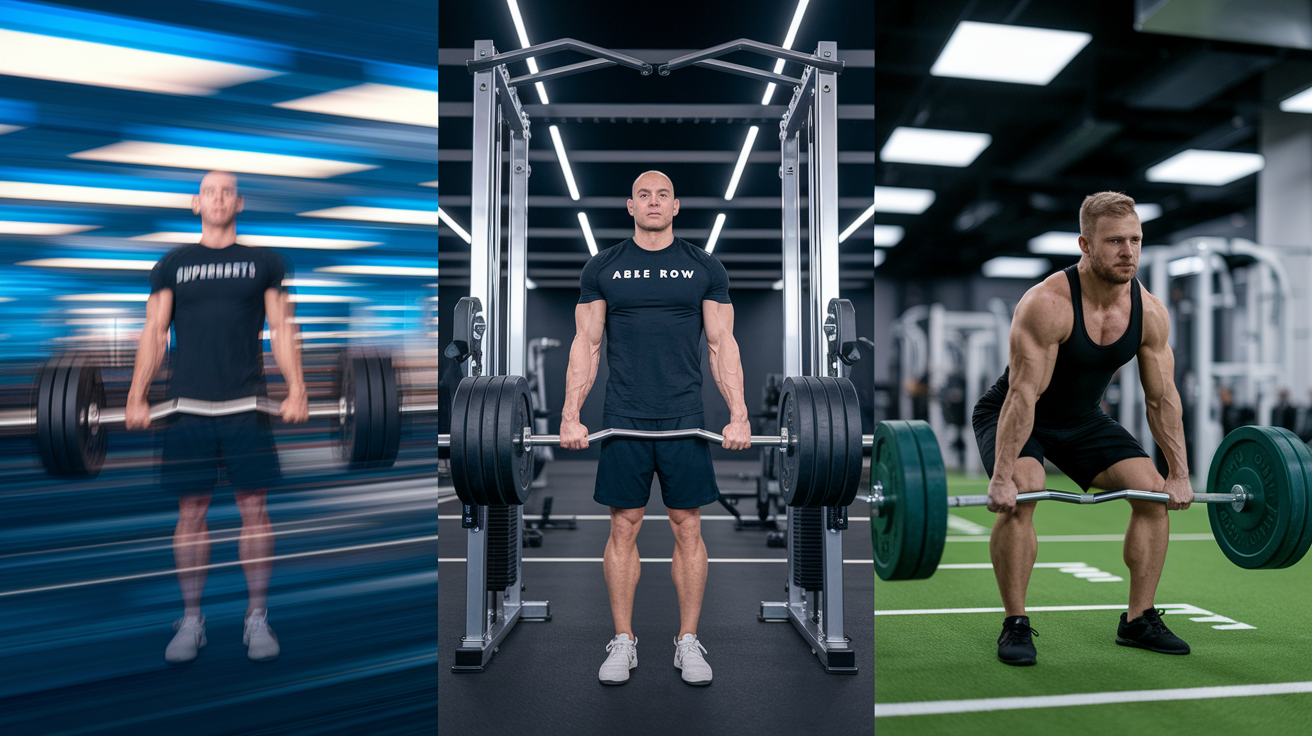
Advanced techniques push muscles beyond normal fatigue. Supersets pair two exercises back-to-back with no rest between them. For back training, pair a vertical pull with a horizontal row (like pulldowns followed by seated cable rows). Tri-sets string three exercises together, increasing blood flow and total work completed in less time. Drop sets reduce weight immediately after reaching failure, then continue for more reps. On the final set of T-bar rows, strip off a plate and keep going.
Eccentric-focused reps (lowering the weight slowly over 3 seconds) build strength faster than standard reps and support hypertrophy. The lowering phase creates more muscle damage, which drives growth during recovery. Full range of motion recruits more muscle fibers than partial reps. Barbell dead rows build explosive power, which carries over to deadlift performance and overall back strength.
When to incorporate these techniques:
-
Supersets for time efficiency – Use when you have limited training time but still want high volume. Pair exercises that target different back regions (vertical pull plus horizontal row).
-
Drop sets for intensity – Add one drop set to the final set of an isolation exercise like straight-arm pulldowns or cable rows. Not recommended for compound lifts like deadlifts.
-
Eccentric training for strength – Use 3-second lowering phases on the first 2 to 3 exercises of your workout when you’re fresh and can control the weight safely.
-
Full range of motion always – This isn’t advanced, it’s fundamental. Every rep of every exercise should use the fullest range of motion you can control with good form.
Common Mistakes That Ruin a Full Back Workout
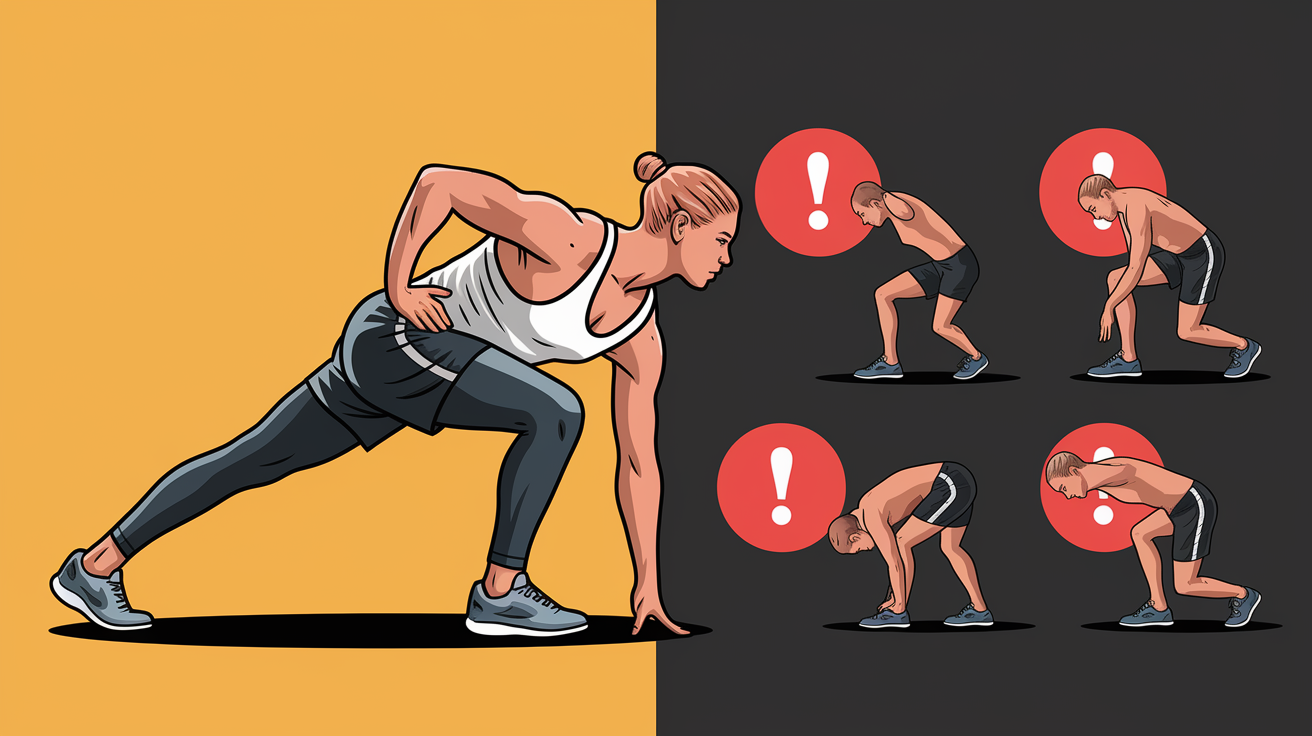
Most back workouts fail by making these errors:
-
Overemphasizing lats while neglecting middle back and lower traps – This creates an imbalanced physique and limits overall back development. Include horizontal rows and scapular retraction exercises.
-
Repeating the same vertical pulling pattern – Doing three variations of pulldowns in one workout hits the same muscles from the same angle. Mix vertical pulls, horizontal rows, and lower back work.
-
Poor shoulder blade control – Letting your shoulders shrug up during pulls or failing to squeeze shoulder blades together at peak contraction reduces muscle activation and increases neck strain.
-
Neglecting rotator cuff and lower trap work – These smaller muscles stabilize your shoulders and prevent injury. Skipping them leads to shoulder problems that shut down your training. Train rotator cuff muscles 2 to 3 times weekly minimum.
-
Using momentum instead of muscle – Swinging, jerking, or using your lower back to heave the weight up shifts work away from your back muscles. Control the weight through the entire range of motion.
These mistakes limit growth because they create muscle imbalances, reduce time under tension on target muscles, and increase injury risk. Poor scapular retraction causes neck pain and shoulder joint strain. Ignoring the rotator cuff leads to impingement and tears that can sideline you for months. Momentum-driven reps feel productive but deliver minimal muscle stimulus.
Focus on proper form, balanced exercise selection across all four back regions, and controlled tempo. Squeeze hard at peak contraction. Pull with your elbows, not your hands. Keep your shoulders pulled back and down throughout each movement.
Recovery, Soreness, and Post-Workout Nutrition After a Full Back Workout

Back training requires 1 to 2 rest days between sessions for optimal muscle growth. Training the same muscles on consecutive days prevents recovery and leads to overtraining. Rotator cuff muscles can be trained 2 to 3 times weekly because they’re smaller and recover faster. Heavy deadlifts should be limited to 4 to 6 sets per week maximum. More volume than that compromises recovery and increases injury risk.
Muscle soreness peaks 24 to 48 hours after training. This delayed onset muscle soreness is normal and doesn’t indicate muscle damage requiring extra rest. Light activity, stretching, and adequate hydration help reduce soreness. If soreness prevents you from training with good form, take an extra rest day. If soreness persists beyond 72 hours or includes sharp pain, that’s a sign of potential injury.
Post-workout nutrition supports muscle repair and growth. Protein intake should be around 0.7 to 1 gram per pound of body weight daily, spread across multiple meals. A post-workout meal with 20 to 40 grams of protein and some carbs helps kickstart recovery. Carbs replenish muscle glycogen depleted during training. Get 7 to 9 hours of sleep nightly. That’s when most muscle repair happens. High-volume training shows a dose-response relationship with hypertrophy, but only when recovery keeps pace with training stress.
Final Words
Start your session with the warm-up, then move through vertical pulls, horizontal rows, targeted lats, and lower-back work. Use the exercise list, exact sets and reps, and form cues to keep each rep honest.
Stick to the rep ranges, rest rules, and recovery tips. Fix common mistakes first, add advanced techniques later, and track volume week to week so you keep getting better.
This clear, practical full back workout is ready to use and adjust. Keep it consistent and you’ll make steady progress.
FAQ
Q: What is the best full back workout?
A: The best full back workout uses 6–8 exercises hitting upper/outer lats, lower lats, middle back, and lower back—mix wide-grip pull-ups, reverse-grip pulldowns, rows, deadlifts, and straight-arm pulldowns for balance.
Q: How to work the full back?
A: To work the full back, combine vertical pulls, horizontal rows, hip-hinge lower-back moves, and targeted lat exercises while focusing on full elbow extension, scapular retraction, and a slight low-back arch.
Q: Is 4 workouts enough for back day?
A: Four exercises can be enough for back day if they cover a vertical pull, a horizontal row, a lower-back hinge, and targeted lat work; use 2–3 sets of 8–12 reps and adjust volume to goals.
Q: What is the 3-3-3 rule for workout?
A: The 3-3-3 rule for workouts usually means three sets of three reps per exercise for strength-focused work with longer rests; sometimes it refers to three exercises done for three rounds, so check context.