Think you need three pots to make a filling dinner? Think again.
One-pan high-protein recipes cut cleanup, save time, and still hit solid protein targets, and every recipe here has at least 15 grams of protein, and most land between 20 and 35 grams.
They lean on quick proteins like chicken, salmon, shrimp, tofu, and canned beans, plus five to eight simple ingredients and under 45 minutes of cook time.
Read on for fast recipes, hands-off techniques, and meal-prep tips that get dinner on the table and lunch ready for tomorrow.
Fast One-Pan Dinners With High Protein (Core Recipe List)
One-pan dinners solve the busiest weeknights when you need protein on the table fast and minimal dishes in the sink. These recipes cut cleanup, lock in leftovers, and hit the protein target your muscles and fullness need. All sit at or above 15 grams of protein per meal, and most land between 20 and 35 grams per serving.
The recipes below use simple techniques and quick-cooking proteins. Chicken breast, ground turkey, salmon fillets, shrimp, tofu, and canned beans all roast, sear, or simmer in under 45 minutes. Many rely on only five to eight ingredients. Several use frozen vegetables to skip the chopping step. One strategy you’ll see often is a covered simmer method that frees up 20 minutes while dinner cooks itself, giving you time to clean up or step away.
Expect variety. You’ll find low-carb skillets, one-pan pastas that cook everything in the same pot, protein-packed vegetarian options, and full meals on a single sheet pan. Some recipes hold up perfectly as office lunches. Others are flexible enough for entertaining without stress. Every recipe delivers a complete, balanced dinner without juggling multiple pots or pans.
Here’s the core lineup:
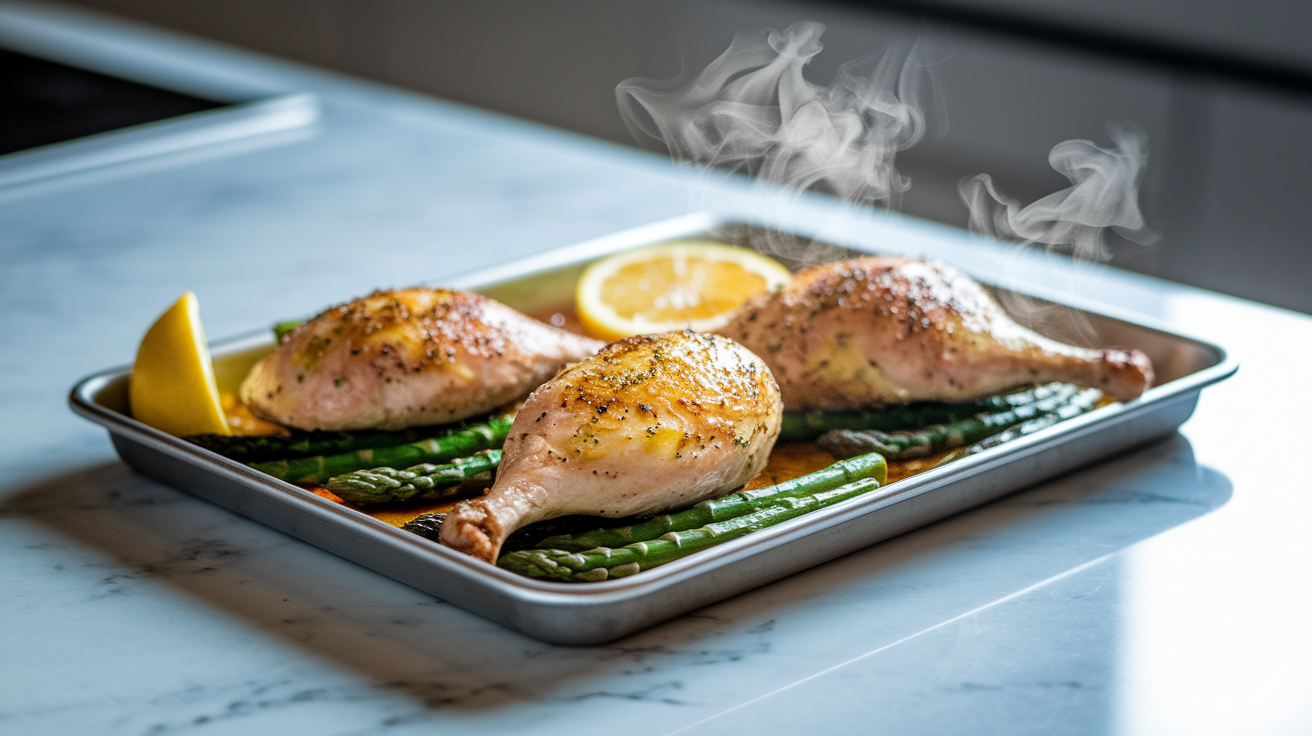
- Lemon Chicken With Asparagus – 34 g protein per serving
- Chicken Feta Pasta – 19 g protein per serving
- Taco Skillet – 29 g protein per serving
- Italian Sausage Skillet With Vegetables – 21 g protein per serving
- Turmeric Chicken and Rice – 28 g protein per serving
- Vegetarian Chili Mac – 22 g protein per serving
- Jambalaya – 20 g protein per serving
- Lemon Garlic Chicken Zoodles – 29 g protein per serving
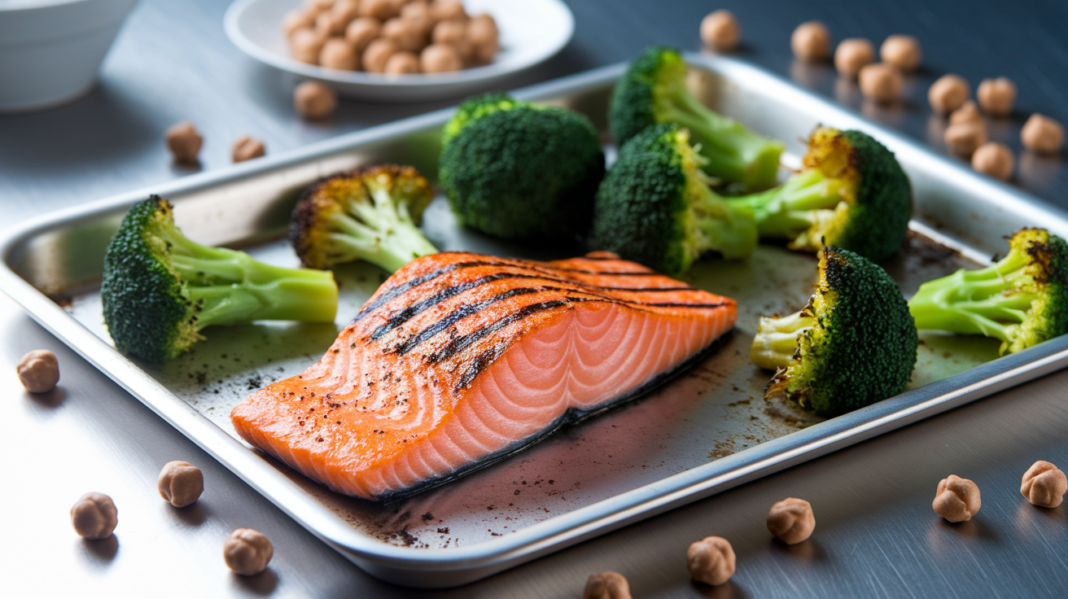
- Sheet-Pan Salmon With Roasted Broccoli – 32 g protein per serving
- Shrimp and White Beans Skillet – 28 g protein per serving
Each one targets minimal active cooking, straightforward ingredients, and enough protein to support your goals without drama.
One-Pan Cooking Techniques for High-Protein Meals
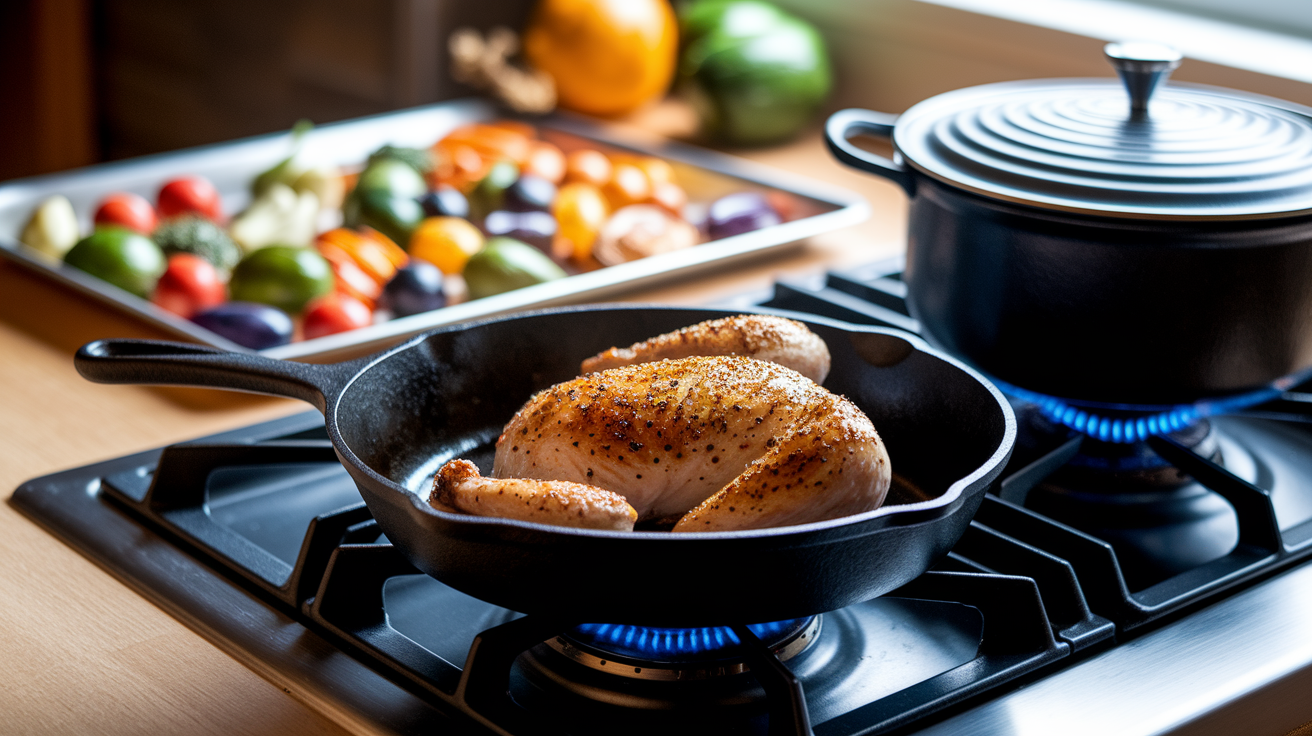
The foundation of every successful one-pan dinner is method, not recipe memorization. Searing proteins first locks moisture and flavor. For chicken breasts, turkey cutlets, or steak, heat your pan until a drop of water sizzles, add a thin layer of oil, and let the protein sit undisturbed for three to four minutes per side. That creates the brown crust that keeps the inside juicy.
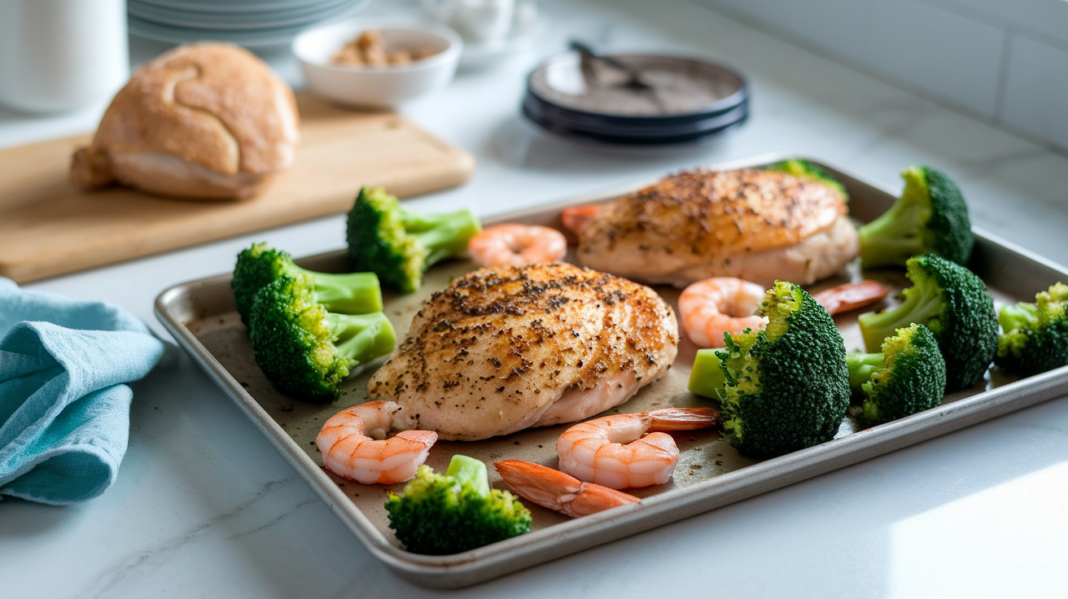
Sheet-pan roasting uses high heat and even spacing. Set your oven to 400 to 425 degrees F. Spread proteins and vegetables across a rimmed baking sheet with about one inch of space between pieces and let the dry heat do the work. Flip proteins once at the halfway mark for even browning. If you want crispy edges on chicken thighs or tofu, finish under the broiler for two to three minutes. Watch closely because the broiler moves fast.
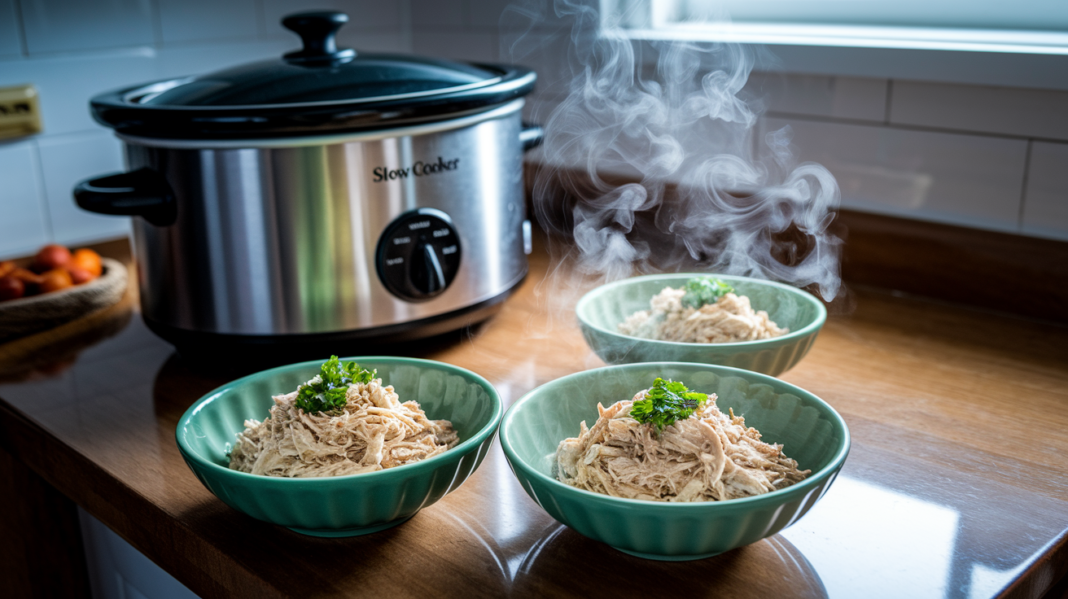
Covered simmering is the hands-off method for rice, pasta, or grain-based one-pan dishes. After adding liquid and bringing everything to a boil, drop the heat to low, cover the pan tightly, and set a timer. The steam cooks everything evenly while you clean up or prep tomorrow’s lunch. This technique often gives you 15 to 20 minutes of free time mid-recipe. Frozen onions, peppers, or pre-cut vegetables can shave another five to ten minutes off prep without any loss in flavor.
Four essentials that make every technique work better:
- Pat proteins dry with paper towels before cooking to improve browning.
- Use one to two tablespoons of oil per pan to prevent sticking without extra calories.
- Season proteins before they hit the pan so flavor stays locked in.
- Check internal temperatures with a quick thermometer instead of guessing doneness.
Protein Sources That Work Best in One-Pan Dinner Recipes
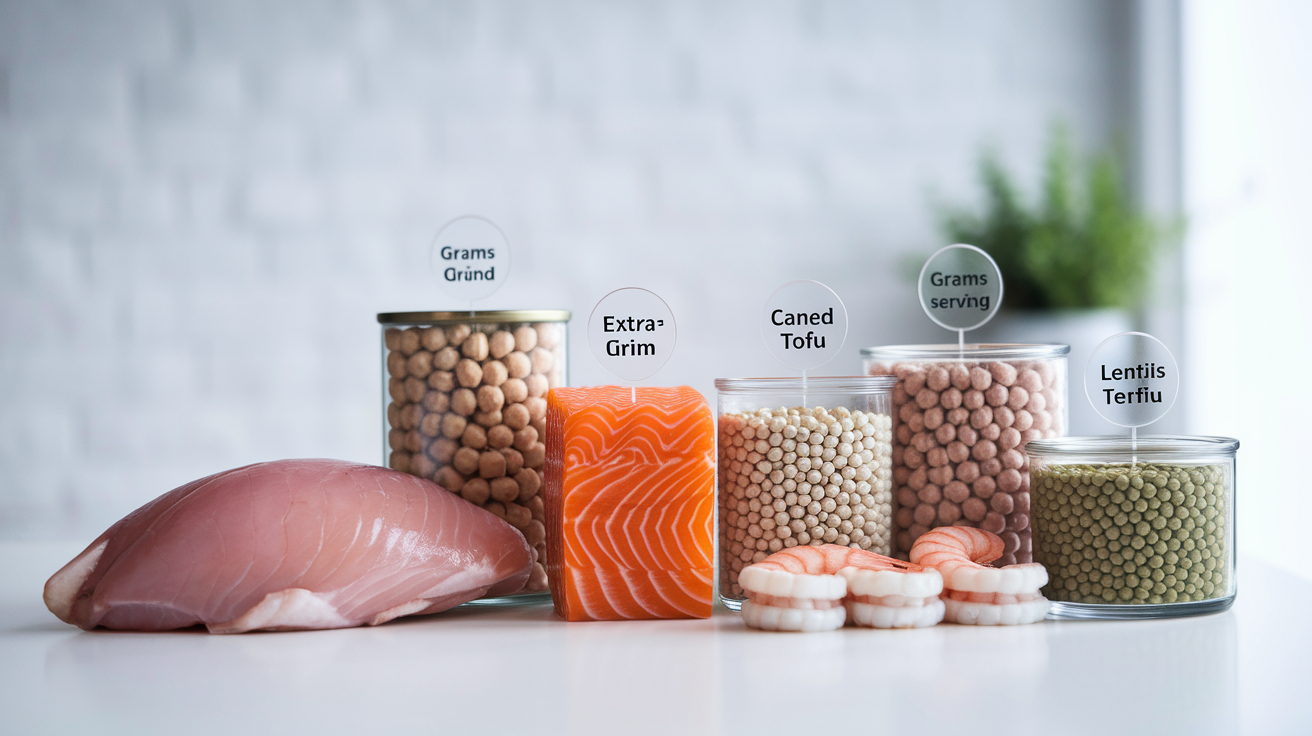
Some proteins cook faster and hold up better in one-pan formats than others. Quick-cooking options like shrimp, salmon fillets, and boneless chicken breasts finish in under 25 minutes and pair well with fast vegetables like asparagus, bell peppers, or snap peas. Slower proteins like bone-in chicken thighs, turkey sausage, or cubed sweet potatoes need 30 to 40 minutes and match better with heartier vegetables that roast at the same pace.
Plant proteins bring variety and solid grams per serving. Tofu and tempeh absorb marinades and seasonings well, and both crisp nicely when roasted or pan-fried. Canned chickpeas and white beans add protein without any soaking or long cooking, making them perfect for quick skillets or sheet-pan roasts. Lentils cook in about 20 minutes on the stovetop and blend right into one-pot rice or pasta dishes.
| Protein Type | Avg Protein per Serving | Best One-Pan Method |
|---|---|---|
| Chicken breast (6 oz cooked) | 30–35 g | Sheet-pan roast or skillet sear |
| Salmon fillet (4–6 oz) | 22–32 g | Sheet-pan bake, 12–15 min at 400°F |
| Shrimp (4 oz) | 24–28 g | Quick skillet sauté, 6–8 min |
| Extra-firm tofu (3.5 oz / ¼ block) | 10–12 g | Sheet-pan roast, press 15–20 min first |
| Canned chickpeas (½ cup drained) | 6–8 g | Roast or skillet simmer with spices |
| Cooked lentils (1 cup) | 18 g | One-pot simmer with grains or pasta |
Pairing proteins with vegetables is about matching cook times. If you’re roasting chicken breasts that need 20 to 25 minutes, add broccoli florets or cauliflower that finish in the same window. For shrimp that cook in six to eight minutes, toss in pre-blanched green beans or thinly sliced zucchini. Uniform cutting keeps everything ready at the same time and prevents half-raw, half-overcooked results.
Veggies, Carbs, and Seasonings That Boost One-Pan High-Protein Meals
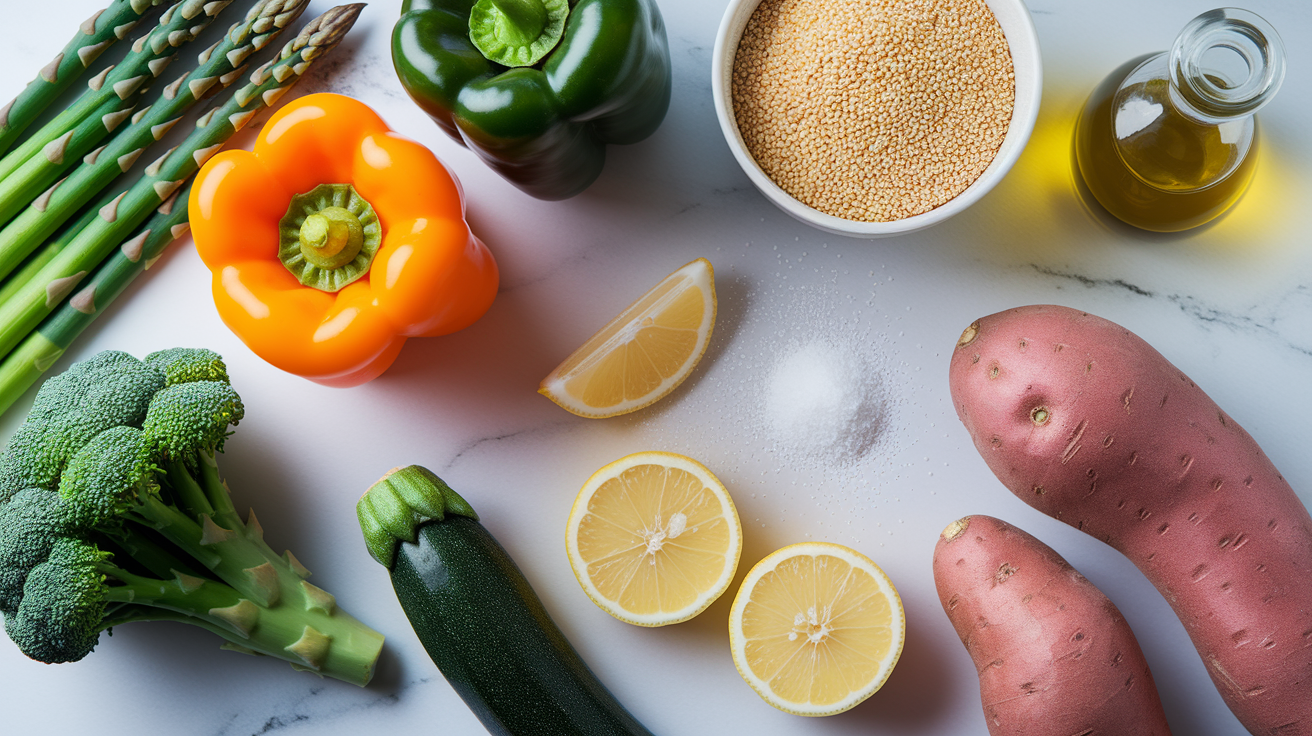
Fast-cooking vegetables make one-pan dinners work without turning them into multi-step projects. Asparagus, bell peppers, broccoli, snap peas, and zucchini all roast or sauté in 12 to 20 minutes, matching the timeline of most quick proteins. Sweet potatoes and baby potatoes add carbs and take 25 to 35 minutes, so pair them with slower proteins like bone-in chicken thighs or turkey sausage. Frozen vegetables save five to ten minutes of prep and perform just as well as fresh when roasted or simmered in a skillet.
Starches round out the meal and keep you full longer. Quinoa, white rice, or whole-grain pasta cook directly in one-pan dishes when you use the covered-simmer method. For lower-carb options, swap traditional pasta for zucchini noodles or skip the starch and double the non-starchy vegetables. One to two tablespoons of olive oil per recipe adds flavor and prevents sticking without piling on extra calories. Garlic, lemon juice, and a pinch of salt are your baseline. From there, seasonings customize the flavor profile.
Five flavor profiles that work well in one-pan high-protein dinners:
- Mediterranean: lemon, garlic, oregano, olives, feta cheese
- Cajun: paprika, cayenne, thyme, onion powder, bell peppers
- Asian-inspired: soy sauce, ginger, sesame oil, scallions
- Italian: basil, tomatoes, balsamic vinegar, mozzarella or parmesan
- Tex-Mex: cumin, chili powder, lime, cilantro, black beans
One-Pan Meal Prep Strategies for High-Protein Dinners
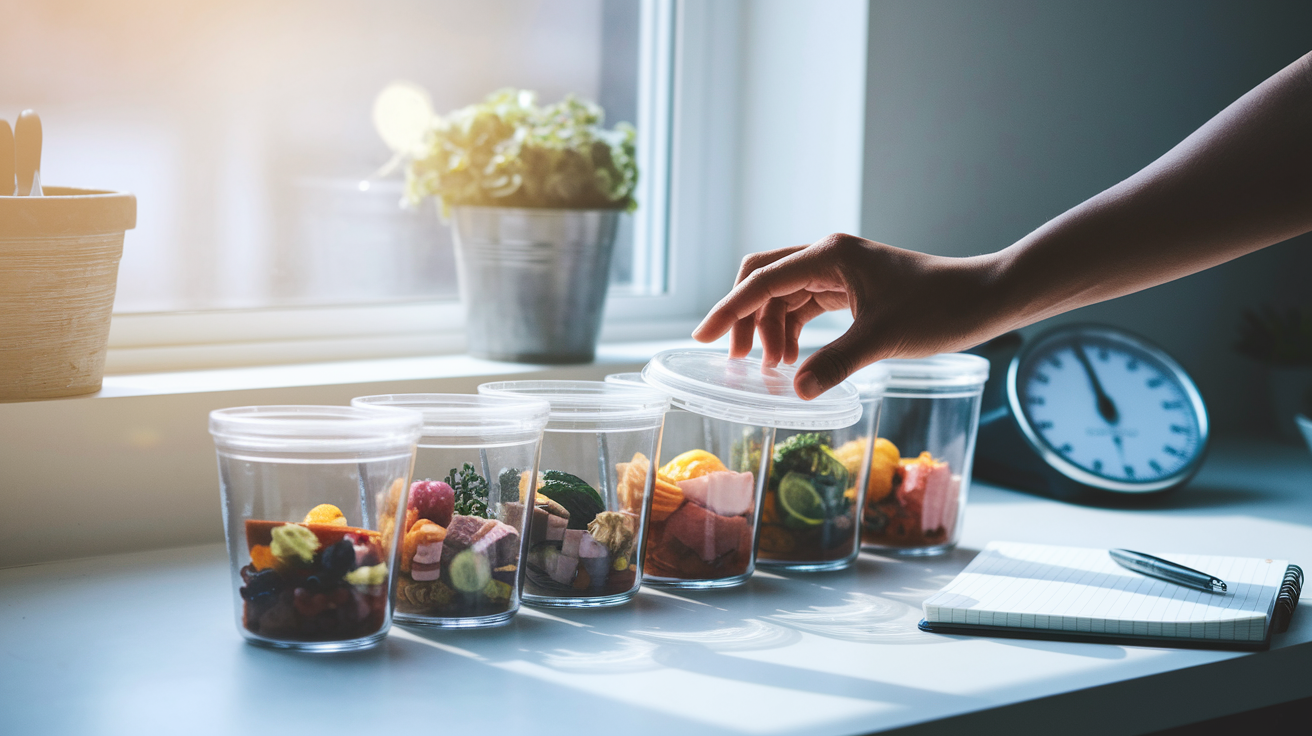
Meal prep turns one night of cooking into three to four days of ready-to-eat dinners. Cook a double batch of any one-pan recipe. Portion it into individual containers while it’s still warm and refrigerate or freeze immediately. Standard portions are six ounces of cooked protein, one to two cups of vegetables, and a half-cup to one cup of cooked carbs per meal. That breakdown keeps protein high and macros balanced without needing a calculator every time.
Pick proteins that store and reheat well. Chicken thighs, turkey sausage, salmon, and tofu all hold up for three to four days in the fridge and reheat without drying out. Shrimp can get rubbery if overcooked during reheating. Slightly undercook it the first time if you plan to microwave leftovers. Beans and lentils actually taste better the next day as flavors blend, making them ideal for batch cooking. Freeze any meals you won’t eat within four days to extend shelf life to one to two months.
Macro planning starts with your protein target. If you’re aiming for around 30 grams of protein per meal, build the recipe around six ounces of cooked chicken, a four-ounce salmon fillet, or one cup of lentils plus a smaller portion of another protein source. Add enough vegetables to fill half your plate and a moderate carb portion to fuel your day. Adjust quantities up or down based on your total daily protein goal, which often sits between 80 and 150 grams for active adults.
| Storage Method | Time Limit | Best Proteins | Notes |
|---|---|---|---|
| Refrigerate | 3–4 days | Chicken, turkey, tofu, beans, lentils | Store in airtight containers; keep sauces separate if possible |
| Freeze | 1–2 months | Chicken, turkey, salmon, beans, lentils | Label with date; thaw in fridge overnight |
| Reheat (microwave) | 1–3 minutes | All proteins | Add splash of water or broth to prevent drying |
| Reheat (oven) | 10–15 minutes at 350°F | Chicken, salmon, tofu | Cover with foil for even heating |
Dietary Variations for One-Pan High-Protein Dinner Recipes
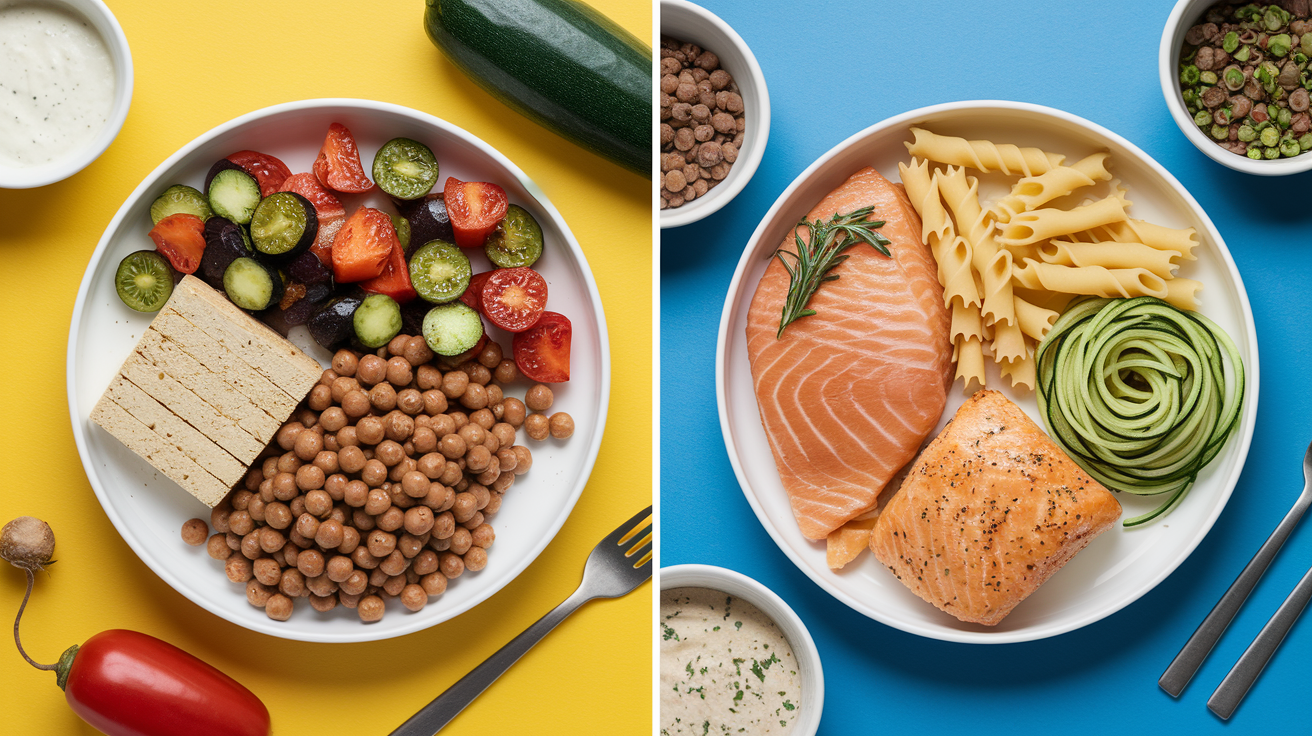
Most one-pan high-protein recipes adapt easily to major dietary needs with a few simple swaps. For gluten-free meals, use rice, quinoa, or certified gluten-free pasta instead of regular noodles. Check that sauces and seasonings are labeled gluten-free. Dairy-free options work by skipping cheese or swapping it for nutritional yeast, and using olive oil or dairy-free butter in place of regular butter. Low-carb and keto-friendly versions replace starchy sides with extra non-starchy vegetables or use zucchini noodles instead of pasta.
Plant-based swaps maintain high protein with a little planning. Swap chicken or turkey for extra-firm tofu, tempeh, or a double portion of canned beans or lentils. Adding one cup of cooked lentils to a recipe adds about nine grams of protein per serving. Tofu provides roughly 10 to 12 grams per quarter-block. Use a full 14-ounce block for three to four servings to hit similar protein levels as animal-based recipes. If a recipe calls for cheese and you want to keep it vegan, nutritional yeast adds a savory boost without dairy.
Common ingredient substitutions that keep protein high:
- Chicken breast ↔ Extra-firm tofu or tempeh (reduce protein by 10 to 15 g per serving with tofu; tempeh closer to chicken)
- Ground turkey ↔ Crumbled tempeh or lentils (add cooked lentils for about 18 g protein per cup)
- Salmon ↔ Baked tofu or chickpeas (combine chickpeas plus tahini or hemp seeds to boost plant protein)
- Pasta ↔ Zucchini noodles or spaghetti squash (for lower-carb, pair with higher-protein sauce or extra lean meat)
- Cheese ↔ Nutritional yeast or cashew cream (dairy-free; adds B vitamins and savory flavor)
Troubleshooting Common One-Pan High-Protein Cooking Issues
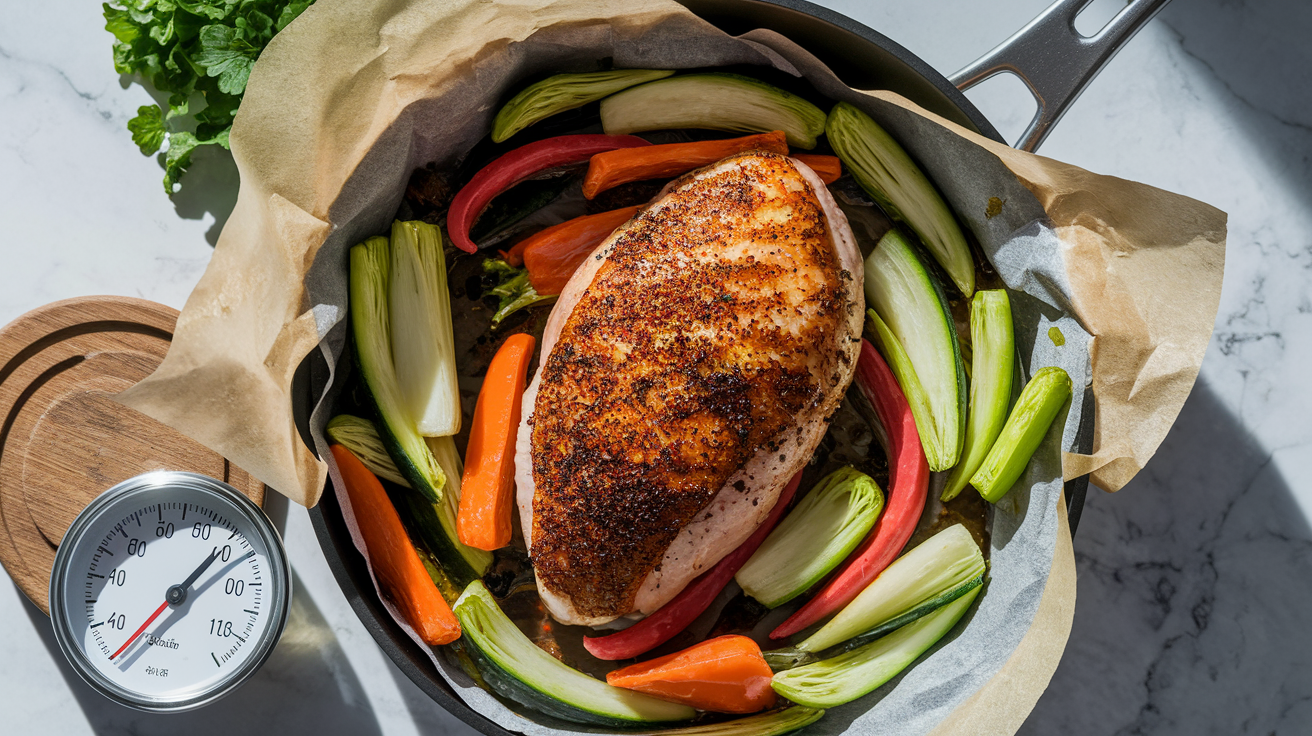
Soggy vegetables are the most common one-pan problem. The fix is spacing and uniform cuts. Leave at least one inch between pieces on your sheet pan so steam can escape instead of pooling. Cut vegetables into similar-sized pieces so they finish cooking at the same time. If your pan is crowded, split the recipe across two pans or cook in batches. Tossing vegetables in one to two tablespoons of oil and a pinch of salt before roasting also helps moisture evaporate and edges crisp.
Undercooked or overcooked proteins happen when you skip the thermometer. Chicken breasts are done at 165 degrees F internal temperature, which usually takes 20 to 25 minutes at 400 degrees F. Salmon is perfect at 145 degrees F and cooks in 12 to 15 minutes. Shrimp turn opaque and firm in six to eight minutes. Tofu doesn’t have a safety temperature, but pressing it for 15 to 20 minutes before cooking removes excess water and improves browning. If proteins finish before vegetables, tent them with foil and let the vegetables keep roasting.
Sticking proteins and burnt pans are usually oil or heat issues. Use enough oil to lightly coat the pan, about one to two tablespoons for a full sheet pan or skillet. Preheat your pan before adding proteins so they sear instead of steaming. For easy cleanup, line sheet pans with parchment paper or aluminum foil. If food does stick, let the pan cool slightly, add warm water, and let it soak for 10 minutes before scrubbing.
Quick fixes for common one-pan frustrations:
- Dry chicken or fish: Add a splash of broth or lemon juice halfway through cooking, or tent with foil for the last five minutes.
- Mushy tofu: Press tofu for at least 15 minutes, pat dry, and roast at 400 degrees F for 25 to 30 minutes to firm it up.
- Uneven cooking: Group items by cook time. Add faster-cooking vegetables like spinach or snap peas in the last five to ten minutes.
- Bland flavor: Finish with fresh lemon juice, a sprinkle of fresh herbs, or a drizzle of good olive oil right before serving.
Final Words
Pick a recipe and get cooking. You now have a clean list of 10 one-pan high-protein dinners with clear protein counts and fast methods to save time.
We also covered searing and roasting tricks, best protein choices, veggie pairings, meal prep tips, diet swaps, and quick fixes. All with minimal dishes and 20 to 45 minute cook times.
Make one-pan high-protein dinner recipes a weekly habit: rotate two favorites, batch cook, and tweak seasonings. Small steps repeat, and you’ll end up with reliable meals that hit protein goals and cut kitchen time.
FAQ
Q: What are some quick one-pan high-protein dinner options?
A: Quick one-pan high-protein dinners include Lemon Chicken (34 g), Chicken Feta Pasta (19 g), Taco Skillet (29 g), Turmeric Chicken & Rice (28 g), Vegetarian Chili Mac (22 g), Jambalaya (20 g), Zoodle Chicken (29 g), and Salmon Sheet-Pan (22 g).
Q: How much protein do one-pan dinners usually have per serving?
A: One‑pan dinners usually provide about 19–34 grams of protein per serving in common recipes, and they typically meet or exceed a 15 g-per-meal guideline for balanced meals.
Q: Which proteins work best in one-pan recipes and how should they be cooked?
A: The best one‑pan proteins are chicken, turkey, salmon, shrimp, tofu, and legumes; sear quick proteins, oven‑roast firm pieces, and use covered simmering for rice, pasta, or beans to finish evenly.
Q: How should I cook proteins to ensure doneness and good texture?
A: Cook proteins by searing for color, then finish to safe internal temps: chicken 165°F, salmon 145°F; use broiler to brown and covered simmering for grains and thicker cuts.
Q: What vegetables and seasonings pair best with high-protein one-pan meals?
A: Fast-cooking veggies like asparagus, peppers, broccoli, plus frozen mixes and sweet potato pair well; season with lemon‑garlic, Italian herbs, Cajun, or teriyaki and use 1–2 tablespoons of oil.
Q: Can I meal prep one-pan dinners, and how long do they store?
A: One‑pan dinners meal‑prep well: portion 4–6 oz protein per meal, refrigerate 3–4 days, freeze 1–2 months, and reheat at 350°F for 10–15 minutes or microwave 1–3 minutes.
Q: How can I adapt one-pan recipes for common diets like gluten-free or vegetarian?
A: Adapt recipes by swapping chicken for tofu or beans, pasta for zoodles or gluten‑free pasta, dairy for dairy‑free cheese or nutritional yeast, and lower carbs with extra vegetables or cauliflower rice.
Q: How do I prevent soggy vegetables and uneven cooking in one-pan meals?
A: Prevent soggy vegetables by cutting pieces uniformly, spacing them on the pan, roasting at 400–425°F, adding quick‑cooking items later, and draining excess moisture from frozen veggies.
Q: What are simple ways to boost protein in a one-pan meal?
A: Boost protein by increasing portion size (6 oz cooked chicken), adding beans or lentils, layering tofu or extra shrimp, or topping with Greek yogurt, nuts, or grated hard cheese.
Q: How can I keep cleanup minimal when making one-pan dinners?
A: Keep cleanup minimal by using a single skillet or foil‑lined sheet pan, prepping frozen vegetables, using one-skillet simmer methods, and washing small items while food cooks.