
What if dinner stopped being a nightly food fight?
You can serve high-protein meals kids actually enjoy, with no bribes and no drama.
This post gives six familiar dinners kids already eat, simple swaps to add grams of protein, texture and flavor tips by age, and make-ahead ideas for busy nights.
Use mild sauces, fun formats, and tiny changes like an extra egg or shredded chicken so kids stay full, sleep better, and you’ll get dinner done without the battle.
Practical Kid-Focused High-Protein Dinner Ideas That Meet Family Needs
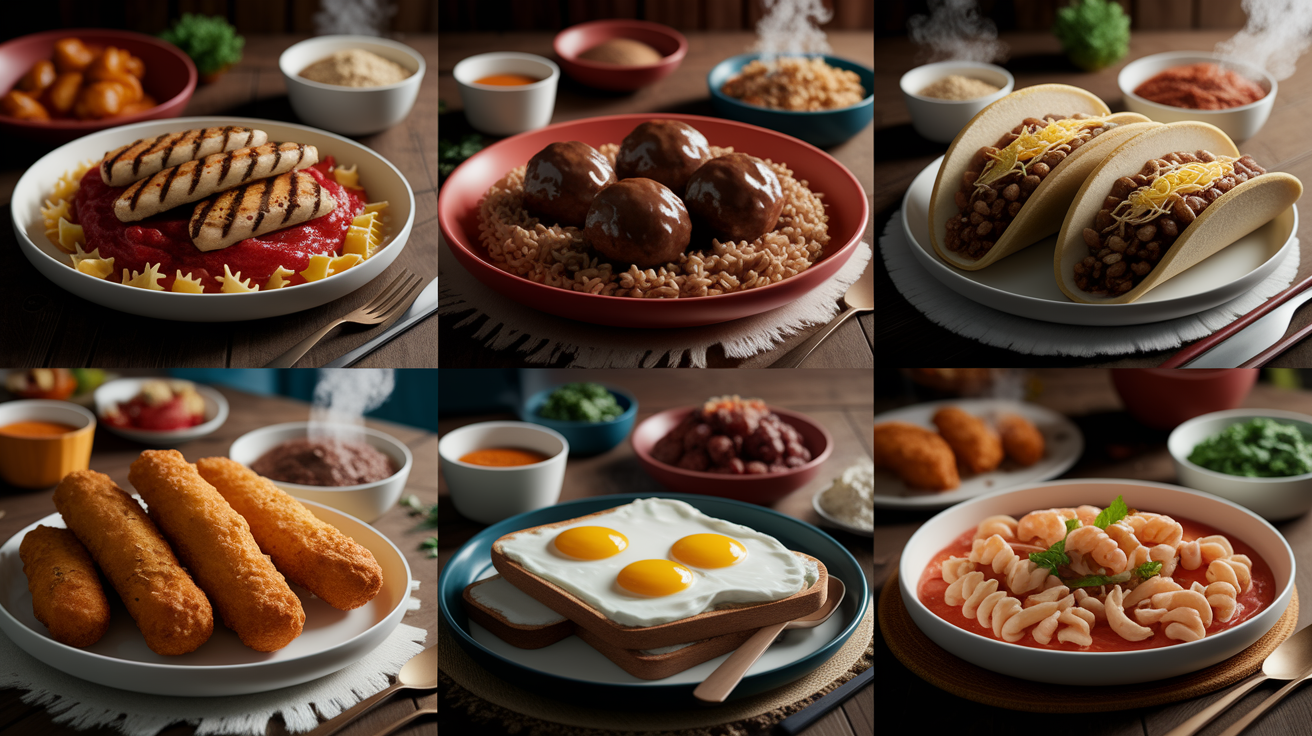
Here are six dinners kids actually eat: grilled chicken strips with whole grain pasta and marinara (chicken breast gives you about 25 g protein per 3 oz serving), turkey meatballs over brown rice with gravy (3 meatballs hit around 15 g), beef and bean tacos in soft tortillas with shredded cheese (ground beef plus black beans gets you roughly 18 g combined), baked fish sticks with sweet potato fries (white fish runs about 12 g per 3 oz), scrambled eggs with whole wheat toast and cheese (2 eggs plus cheese lands around 14 g), and shrimp pasta tossed in mild tomato or garlic sauce that’s ready in under 30 minutes (shrimp delivers about 20 g per 3 oz). These stick to mild flavors and textures that toddlers, preschoolers, and elementary kids already know.
Protein at dinner keeps kids full through homework, supports overnight muscle repair, and steadies blood sugar before bed. Kids who get balanced protein at dinner sleep better and wake up less hungry in the middle of the night. Most children need somewhere between 5 to 10 grams of protein per dinner depending on age. That’s roughly one chicken strip, a small handful of beans, or a couple meatballs.
Familiar formats like meatballs, pasta, tacos, and breaded proteins help kids try new foods without freaking out. Breading adds that golden, crispy edge. Sauces bring moisture and comfort. Pasta and rice turn plain protein into a meal kids recognize from daycare or grandma’s house. Sticking to these formats means you can rotate chicken, beef, turkey, shrimp, or beans without reinventing dinner every single night.
How to Upgrade Classic Kid Dinners for More Protein (Simple, Meal-by-Meal Methods)
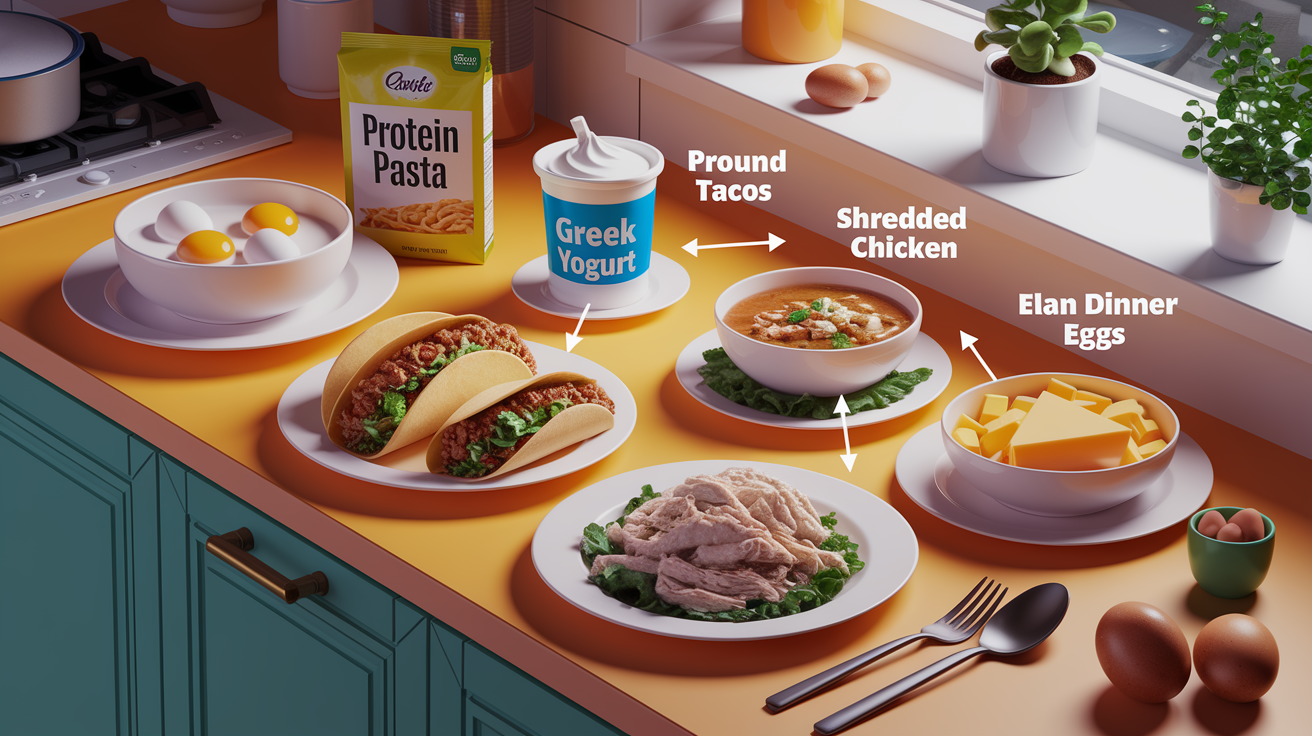
You don’t need new recipes to boost protein. Start with meals your kids already eat, then make small swaps that add a few extra grams per serving without messing with the taste too much. Swap regular pasta for protein pasta. Stir a spoonful of Greek yogurt into mac and cheese sauce. Use ground turkey instead of beef in tacos. Add shredded chicken to tomato soup. These upgrades blend right in.
Try these five upgrade methods: blend white beans into marinara or cheese sauce for hidden protein and creaminess, use leaner cuts like chicken breast or turkey to pack more protein per ounce without extra fat, add a slice of cheese or a dollop of cottage cheese to casseroles and baked dishes, choose whole grain or legume pasta that carries 2 to 4 extra grams of protein per serving, stir in an extra egg when making scrambled eggs, frittatas, or egg fried rice.
Texture matters by age. Toddlers need softer proteins like shredded chicken, mashed beans, or creamy scrambled eggs. Preschoolers accept small bites like mini meatballs or diced chicken. Older kids can handle crispier textures like baked chicken strips or pan seared pork chops. Adjust seasoning to keep flavors mild for younger palates, then let older kids add their own hot sauce or ketchup at the table.
High-Protein Seafood & Fish Dinners Kids Accept (Mild Flavors + Quick Prep)
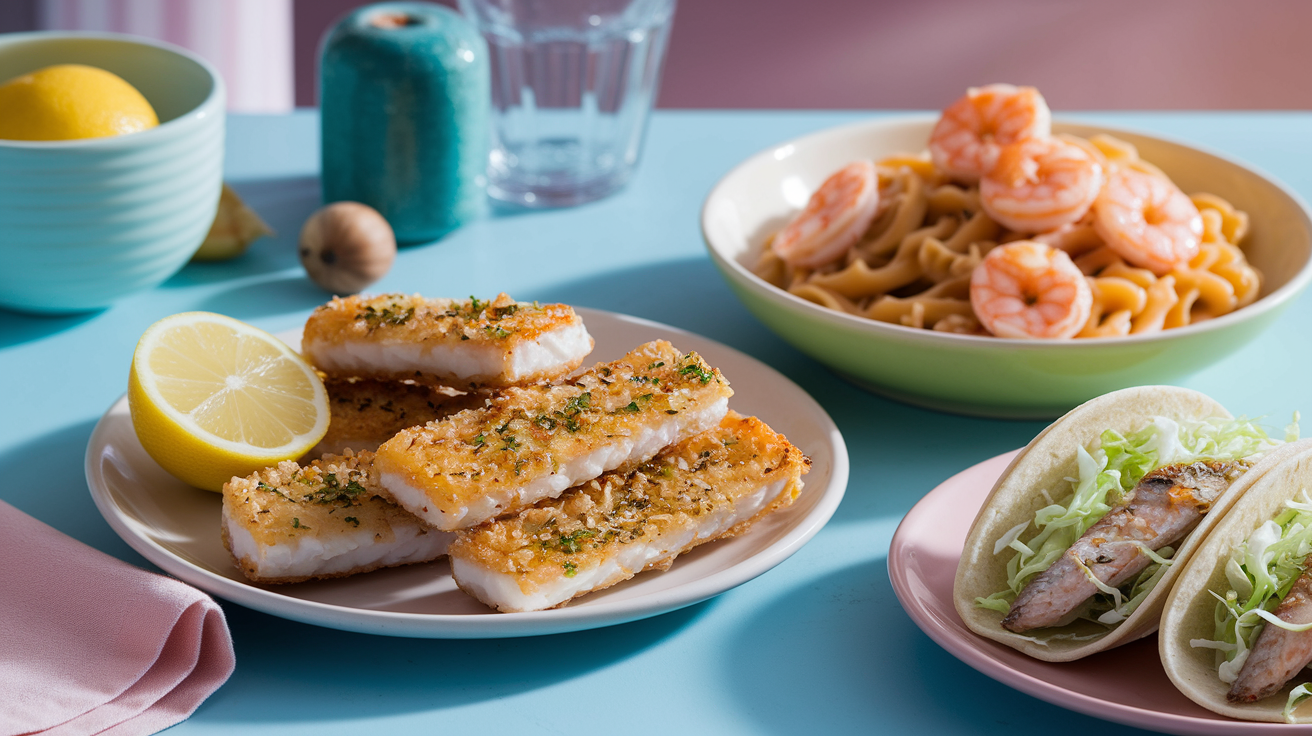
Seafood cooks fast and delivers lean protein without heavy prep. The trick is keeping flavors mild and textures crispy or saucy. Breaded fish sticks baked in the oven taste familiar and let kids dip in ketchup or tartar sauce. Shrimp pasta with light garlic or tomato sauce cooks in under 30 minutes and gives about 20 grams of protein per kid portion. Mild white fish like cod or tilapia stays soft and flaky, perfect for kids who don’t like chewy textures.
Coating fish in panko breadcrumbs or crushed cornflakes adds the golden crunch kids look for. Baking instead of frying keeps it simple and cuts cleanup time. Creamy sauces made with Greek yogurt, lemon, or a splash of butter help kids who need moisture on every bite. Serve fish tacos in soft tortillas with shredded cabbage and a squeeze of lime for a format that feels like taco night, not fish night.
Try these four seafood dinners: homemade baked fish sticks with panko crust and a side of roasted sweet potato fries, shrimp pasta tossed with whole wheat noodles and mild tomato basil sauce, crispy teriyaki salmon bites served over white rice with steamed broccoli, mild fish tacos with baked cod, soft tortillas, avocado, and a drizzle of yogurt lime sauce.
Plant-Based Kid-Friendly Protein Dinners That Still Satisfy
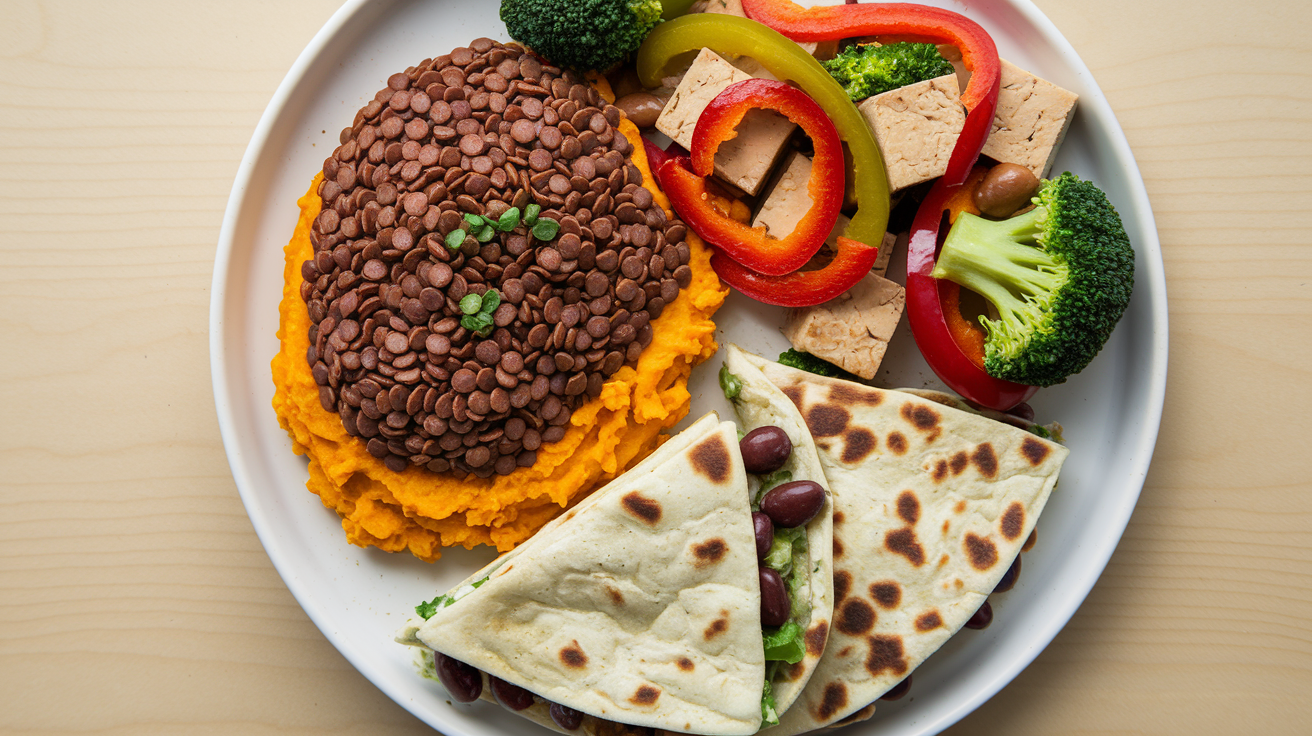
Plant proteins work when you build them into familiar formats. Lentil shepherd’s pie with mashed sweet potato on top tastes like comfort food. Bean and cheese quesadillas deliver about 12 grams of protein per serving and cook in five minutes on a skillet. Tofu stir fries with soy sauce, ginger, and colorful vegetables offer about 10 grams of protein per half cup of firm tofu, and the sauce keeps it from tasting bland.
Here are five plant protein dinner ideas: lentil bolognese over whole wheat pasta with Parmesan, black bean and sweet potato tacos with shredded cheese and diced tomatoes, tofu scramble stir fried with peppers, onions, and mild spices served over brown rice, chickpea curry made mild with coconut milk and served with naan or rice, three bean chili topped with Greek yogurt and cornbread on the side.
Pairing grains with legumes boosts total protein and creates a complete amino acid profile. Brown rice and black beans together offer more usable protein than either one alone. Quinoa mixed with roasted chickpeas adds about 8 grams of protein per cup and cooks in 15 minutes. Whole wheat tortillas filled with refried beans and cheese turn into a quick wrap that travels well in lunchboxes or works as dinner with a side of fruit.
Fun High-Protein Meal Formats Kids Get Excited About
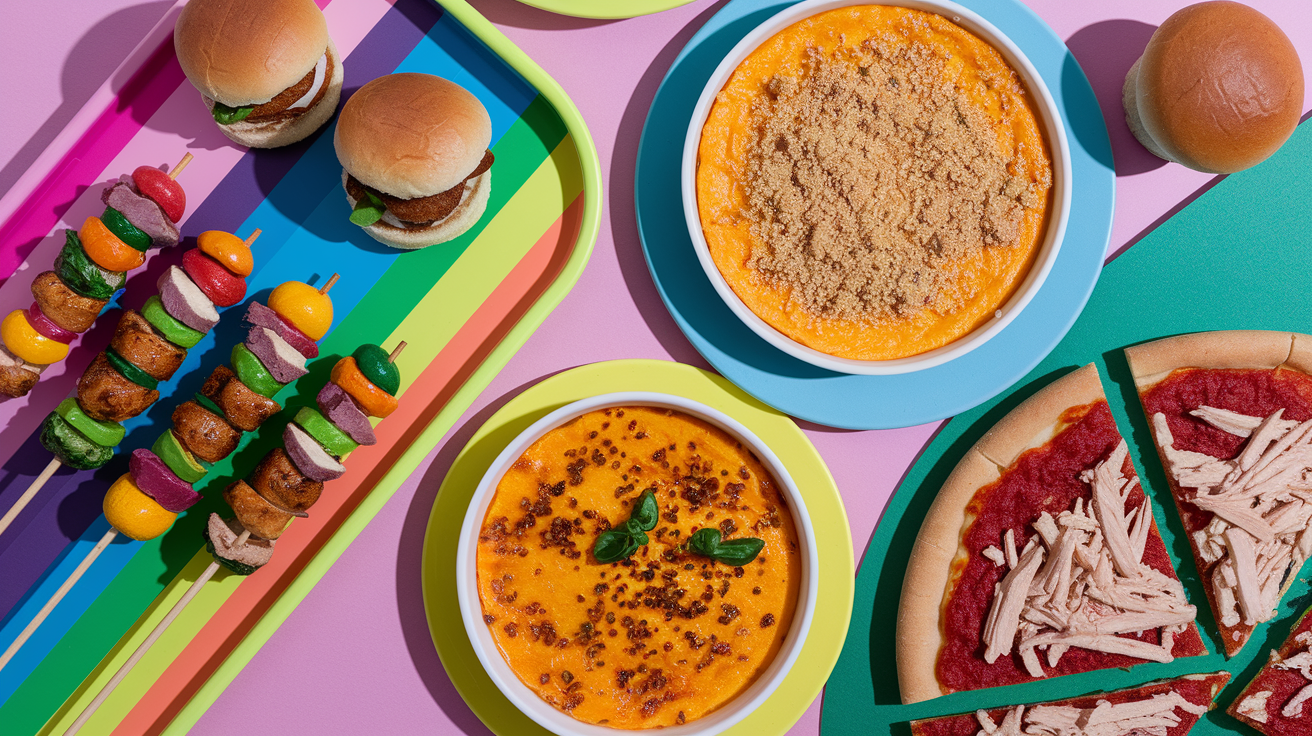
Kids are more likely to try protein when it comes in a fun shape or lets them build their own plate. Skewers turn plain chicken into a game. Sliders fit small hands and feel like a treat. Casseroles hide vegetables and let you sneak in beans or extra cheese. Homemade pizza with shredded chicken, mozzarella, and whole wheat crust becomes a high protein dinner that feels like Friday night, not a health lesson.
Bright colors, bite sized pieces, and the chance to customize increase acceptance. Let kids choose two toppings for their pizza. Offer a build your own taco bar with seasoned ground turkey, black beans, cheese, and mild salsa. Serve chicken skewers with a couple of dipping sauces so they can pick their favorite. When kids feel some control, they’re more willing to taste the protein in front of them.
Try these five fun format dinners: turkey and cheese sliders on whole grain slider buns with a smear of avocado, chicken and veggie skewers grilled or baked with light teriyaki glaze, cheesy chicken and broccoli casserole topped with whole grain breadcrumbs, mini homemade pizzas on whole wheat pita with mozzarella and diced chicken, taco bar with seasoned ground beef, refried beans, shredded cheese, lettuce, and soft tortillas.
High-Protein Breakfast-for-Dinner Options Kids Always Approve
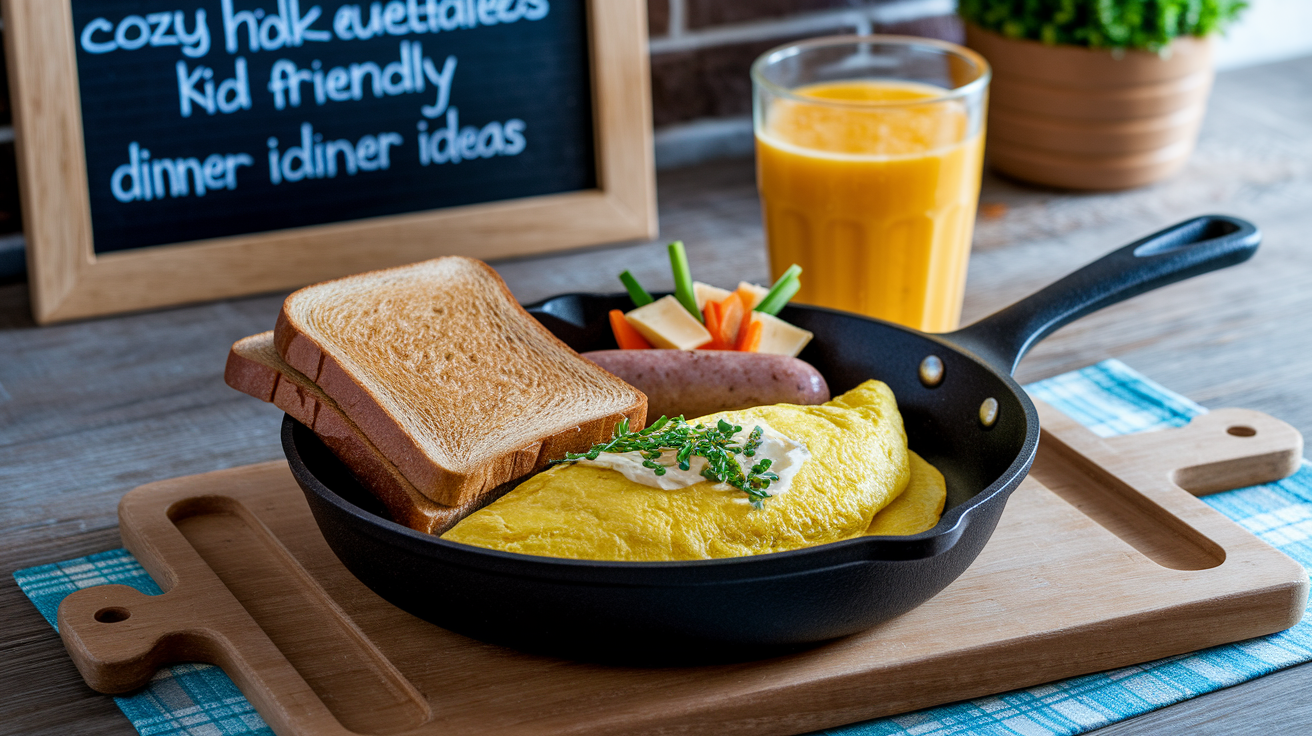
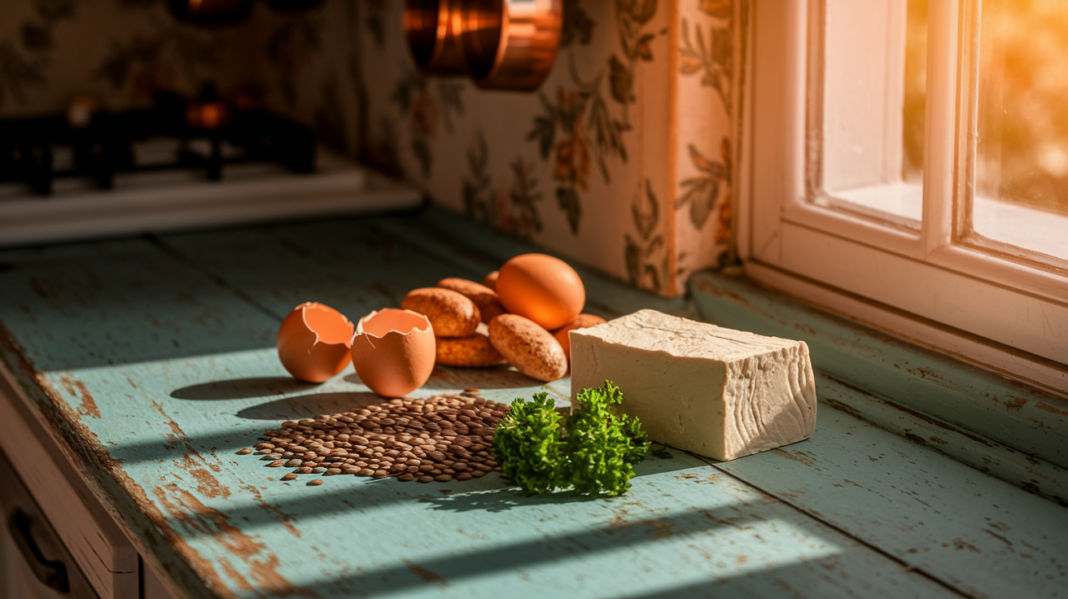
Eggs for dinner feel like breaking the rules, and kids love it. One large egg delivers about 6 grams of protein, so two eggs in a scramble or frittata hits most toddler dinner protein targets. Breakfast for dinner also cooks fast, usually in under 20 minutes, which helps on nights when everyone’s tired.
Here are five breakfast for dinner ideas: mini frittata muffins loaded with cheese, diced ham, and spinach, baked in a muffin tin and stored in the fridge for quick reheating, fluffy scrambled eggs served with whole grain toast and a side of turkey sausage, savory omelette stuffed with shredded chicken, peppers, and cheddar, whole wheat pancakes with a scoop of Greek yogurt mixed into the batter for extra protein, served with turkey bacon, egg and cheese quesadilla cooked on a skillet until the tortilla crisps and the cheese melts.
Toddlers do best with creamy scrambled eggs cooked low and slow. Preschoolers can handle mini frittatas cut into squares. Older kids enjoy build your own omelettes where they pick fillings from a lineup of diced veggies, cheese, and cooked meats. Serve age appropriate portions, about one to two eggs for toddlers and two to three for school aged kids, and pair with a whole grain and fruit to round out the plate.
Make-Ahead & Freezer-Friendly High-Protein Dinners for Busy Families
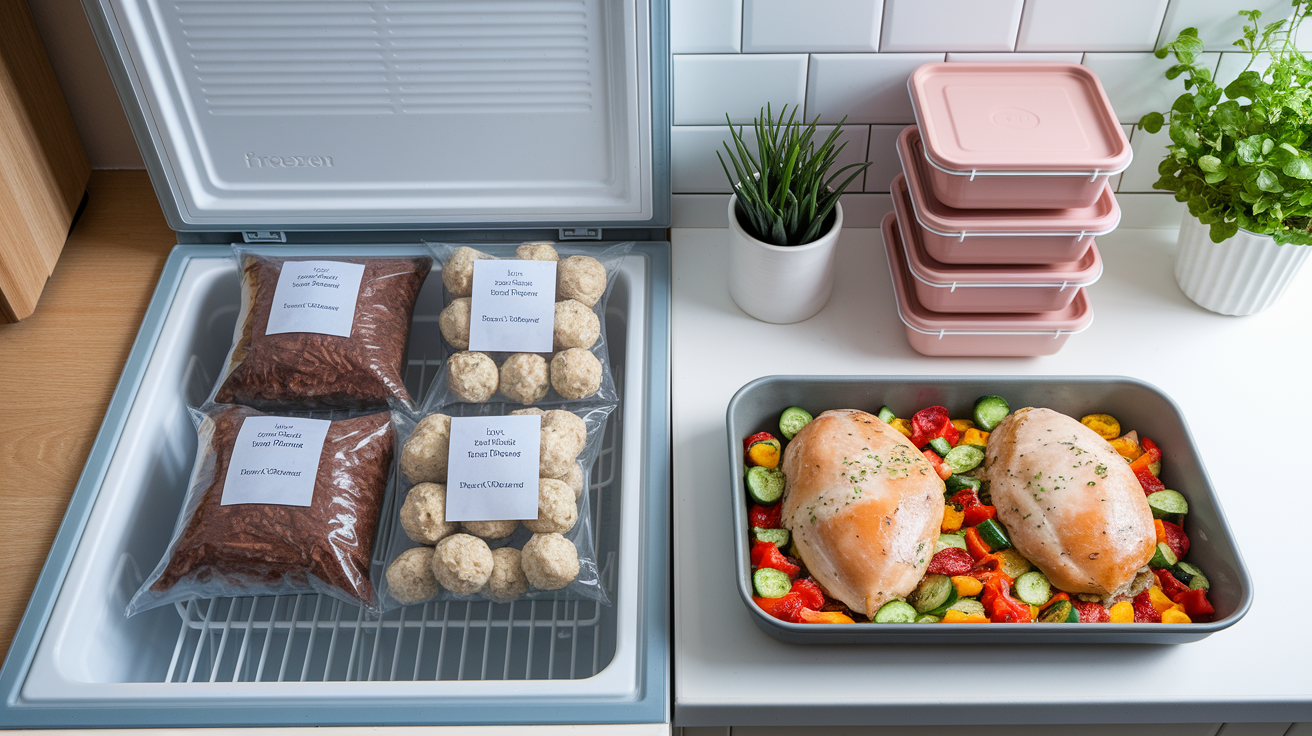
Batch cooking proteins on the weekend cuts weeknight stress in half. Roast a big tray of chicken breasts, cook a double batch of ground beef, or bake a pan of turkey meatballs, then store them in portions. On Monday, toss shredded chicken with marinara and serve over pasta. On Wednesday, heat up meatballs with a different sauce and pair them with rice. Same protein, new meal.
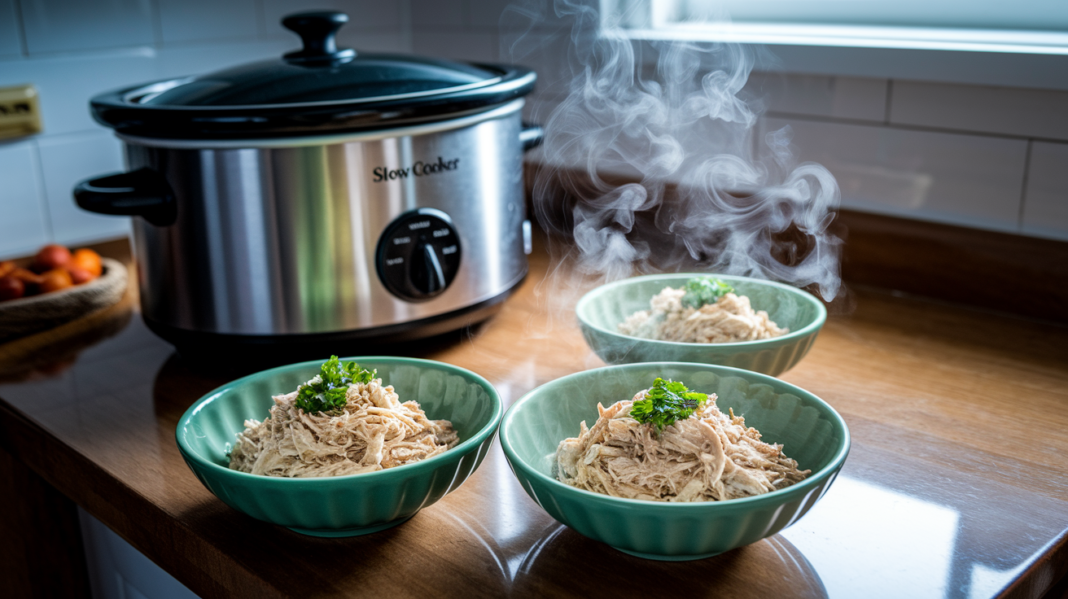
Slow cookers and one pan dinners let you set it and walk away. Dump chicken thighs, beans, salsa, and a little broth into a slow cooker in the morning. By dinner, you’ve got shredded chicken for tacos or burrito bowls. Sheet pan dinners with chicken sausage, diced sweet potatoes, and broccoli roast together in 25 minutes with almost no cleanup.
Freezer meals save you when the week goes sideways. Assemble casseroles or lasagnas in disposable pans, cover tightly, and freeze. Pull one out the night before, let it thaw in the fridge, then bake. Cooked meatballs freeze beautifully. So do cooked lentils, shredded chicken, and even scrambled egg muffins. Label everything with the date and reheat instructions so anyone in the house can handle dinner.
Try these four make ahead dinners: beefy shepherd’s pie with mashed potato topping, assembled and frozen unbaked, slow cooker turkey chili with beans, ready to portion and freeze, baked chicken meatballs stored in freezer bags, ready to toss in marinara or gravy, sheet pan chicken thighs with roasted vegetables, cooked and portioned for quick weeknight reheating.
Protein Boosting Tricks for Picky Eaters (Sneak, Blend, Modify)
Picky eaters aren’t trying to make your life hard. Their brains are wired to be cautious about new textures and flavors. It can take 10 to 20 exposures before a child accepts a new food, so patience wins. In the meantime, you can sneak extra protein into meals they already trust without changing the look or taste much.
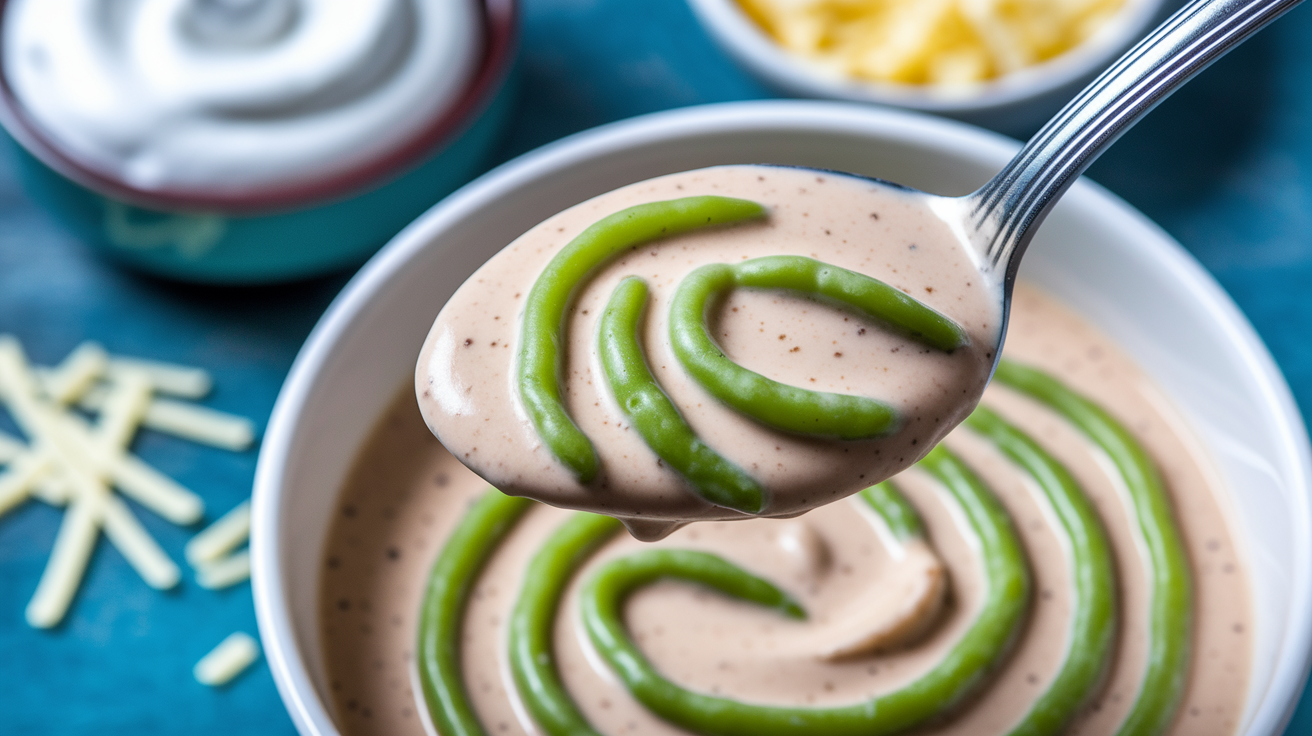
Blending cooked white beans into marinara sauce adds creaminess and about 7 grams of protein per half cup without anyone noticing. Stir Greek yogurt into mac and cheese or mashed potatoes for a protein boost and smoother texture. Use cheese stuffed meatballs so every bite has a little surprise. Puree cooked lentils into spaghetti sauce or taco filling. Add a scoop of unflavored protein powder to pancake batter if your pediatrician approves. Mix finely shredded chicken into quesadillas or grilled cheese.
Here are six protein boosting strategies: blend silken tofu into creamy soups or smoothies, add a spoonful of nut butter to oatmeal, yogurt, or stir fry sauces, mix cottage cheese into lasagna filling or baked pasta dishes, use Greek yogurt as a base for creamy dips and sauces, sprinkle nutritional yeast on popcorn, pasta, or roasted vegetables for a cheesy, protein rich flavor, stir a beaten egg into hot rice or noodles while cooking for fried rice texture without separate scrambled eggs.
For toddlers and preschoolers, adjust textures to match their chewing skills. Shred meats finely. Mash beans until smooth. Dice vegetables small. Avoid chewy or dry proteins that require a lot of jaw strength. Serve proteins with a dip or sauce so every bite stays moist and easy to swallow.
Understanding Protein Needs for Kids at Dinner (Simple Age-Based Guide)
Parents often overestimate how much protein kids need per meal or worry they’re not getting enough. The truth is simpler than you think. Young kids don’t need a full chicken breast at dinner. A palm sized portion of protein, about 2 to 4 ounces depending on age, usually covers their needs when paired with grains and vegetables.
| Age Range | Recommended Daily Protein | Example Dinner Portion |
|---|---|---|
| 1–3 years | About 13 grams per day | 1 to 2 small meatballs, 1 egg, or 2 tablespoons shredded chicken (≈ 5–8 g protein) |
| 4–8 years | About 19 grams per day | 2 to 3 ounces chicken breast, 3 meatballs, or ½ cup tofu (≈ 10–15 g protein) |
| 9–13 years | About 34 grams per day | 3 to 4 ounces lean meat, fish, or poultry (≈ 20–25 g protein) |
| 14–18 years | About 46–52 grams per day | 4 to 5 ounces protein source per meal (≈ 25–30 g protein) |
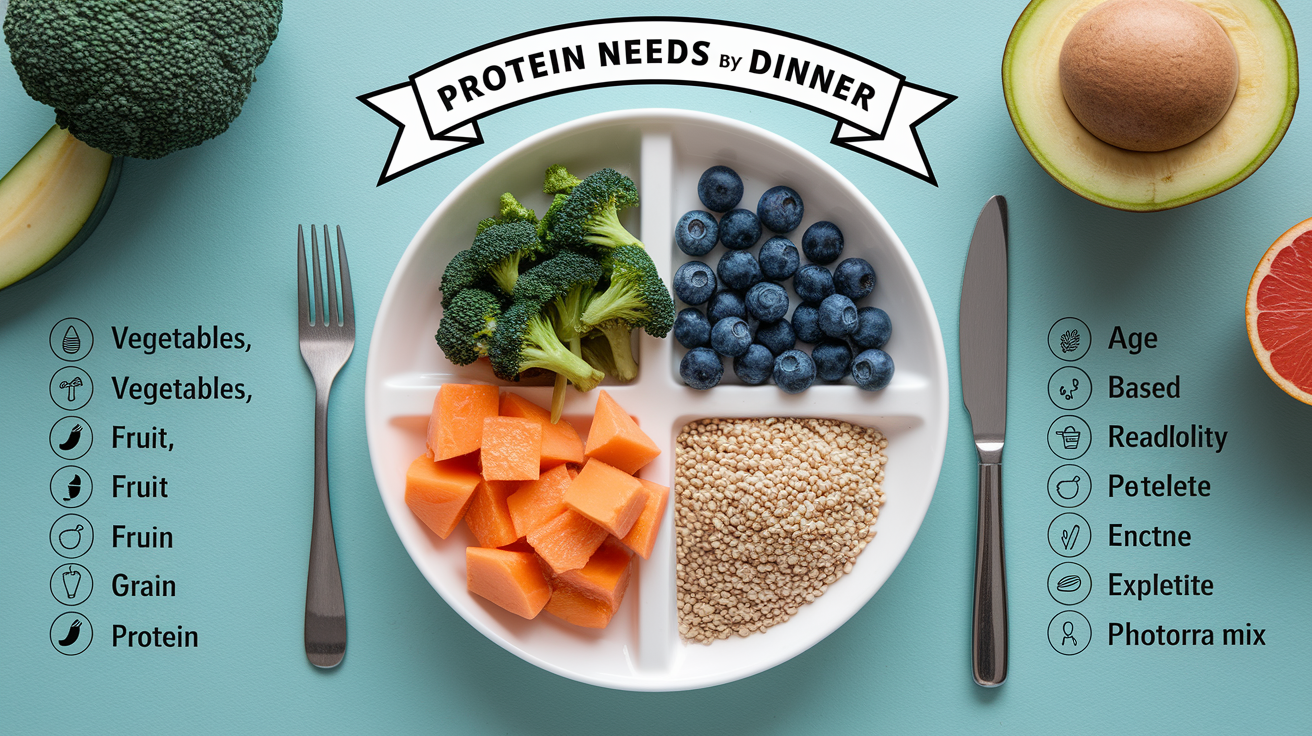
Building a balanced plate is easier when you follow a simple visual guide. Fill half the plate with vegetables and fruit. Use one quarter for a whole grain like brown rice, whole wheat pasta, or quinoa. The last quarter is your protein, whether that’s chicken, beans, fish, eggs, or tofu. Add a small serving of healthy fat like avocado, olive oil, or cheese. This method covers protein, fiber, and energy needs without counting grams at every meal.
Final Words
Pick one easy recipe and try it this week. The post gave fast, familiar dinners—meatballs, pasta, tacos—plus seafood, plant-based choices, and breakfast-for-dinner options that kids accept.
You also learned simple protein-boost swaps, texture tricks for picky eaters, fun formats (sliders, skewers, casseroles), and make-ahead/freezer moves for busy nights.
Keep this list of kid-friendly high-protein dinner ideas handy, choose one swap or batch-cook session, and aim for small, repeatable wins. Do that and you’ll find weeknights calmer—and kids better fueled.
FAQ
What are some quick high-protein dinner ideas kids actually like?
Quick high-protein dinners kids actually like include baked chicken tenders (20g protein per serving), turkey meatballs with marinara (15g protein), beef tacos with cheese (18g protein), shrimp pasta (22g protein), mini turkey sliders (14g protein), and chicken quesadillas with beans (16g protein). These meals use familiar flavors and simple textures kids already accept.
How can I add more protein to dinners my kids already eat?
You can add more protein to dinners kids already eat by mixing Greek yogurt into pasta sauces, using ground turkey instead of beef in tacos, adding shredded chicken to mac and cheese, stirring cottage cheese into mashed potatoes, topping pizza with extra cheese and lean meat, or blending white beans into marinara sauce.
What seafood dinners work for picky eaters?
Seafood dinners that work for picky eaters include homemade fish sticks with mild white fish and crispy breading, shrimp pasta in creamy sauce (under 30 minutes), baked teriyaki salmon with a sweet glaze, and mild fish tacos with cheese and sour cream. Crispy coatings and familiar sauces help kids accept new seafood textures.
How do I make plant-based dinners high in protein for kids?
You can make plant-based dinners high in protein for kids by serving lentil soup with whole-grain bread, bean and rice bowls with cheese, mild chickpea curry over quinoa, tofu stir-fry with soy sauce (half cup tofu equals 10g protein), or black bean quesadillas. Pairing legumes with whole grains boosts total protein.
What dinner formats help kids eat more protein?
Dinner formats that help kids eat more protein include mini sliders they can hold, chicken or beef skewers with colorful vegetables, casseroles with layers of meat and cheese, homemade pizza with protein-rich toppings like chicken and mozzarella, and stuffed meatballs with hidden cheese. Fun shapes and customizable options increase acceptance.
Can breakfast foods count as high-protein dinners for kids?
Breakfast foods can count as high-protein dinners for kids when you serve scrambled eggs with cheese (12g protein), mini frittatas with vegetables and ham (10g protein), omelette muffins (8g protein each), savory whole-grain pancakes with Greek yogurt, or breakfast burritos with beans and eggs. Each egg provides about 6g protein.
How do I prep high-protein dinners ahead for busy weeknights?
You can prep high-protein dinners ahead by batch-cooking shredded chicken or ground beef on Sunday, freezing turkey meatballs in portions, using a slow cooker for pulled pork or chili, making one-pan protein dishes you reheat quickly, or storing cooked proteins with different sauces. Prepped proteins cut weeknight cooking to under 15 minutes.
What tricks help sneak extra protein into meals for fussy eaters?
Tricks that sneak extra protein into meals for fussy eaters include blending white beans into tomato sauce, mixing cottage cheese into macaroni, adding Greek yogurt to dips and dressings, stuffing meatballs with cheese, pureeing lentils into soups, or offering high-protein dipping sauces. Kids may need 10 to 20 tries before accepting new textures.
How much protein should my child eat at dinner?
The protein your child should eat at dinner depends on age. Toddlers ages 1 to 3 need about 5 to 8 grams per meal, preschoolers ages 4 to 8 need around 8 to 10 grams, and older kids ages 9 to 13 need roughly 12 to 15 grams. One chicken tender, one egg, or a quarter cup cottage cheese each provide about 6 grams.
How do I balance protein with carbs and vegetables at dinner?
You can balance protein with carbs and vegetables at dinner by filling half the plate with colorful vegetables, one quarter with a protein source like chicken or beans, and one quarter with whole grains like brown rice or whole-wheat pasta. This simple plate method ensures kids get fiber, energy, and steady protein without tracking every gram.