Think skipping a proper dinner after your workout won’t cost you gains?
It will.
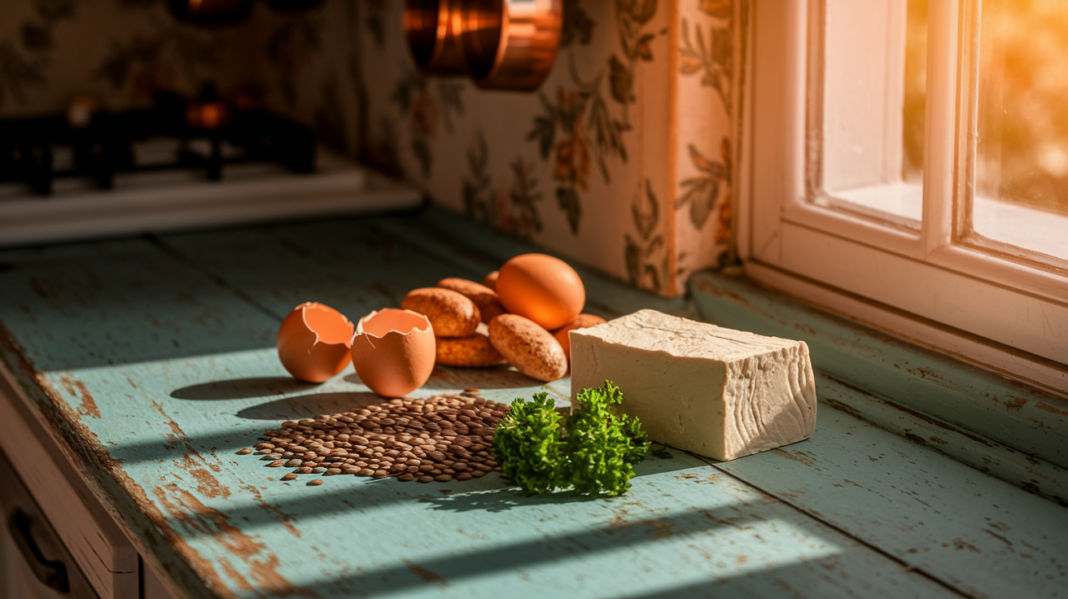
Your muscles need protein and carbs to repair and grow.
Aim for 30 to 50 grams of protein at dinner and plate roughly one-third protein, one-third vegetables, one-third starch.
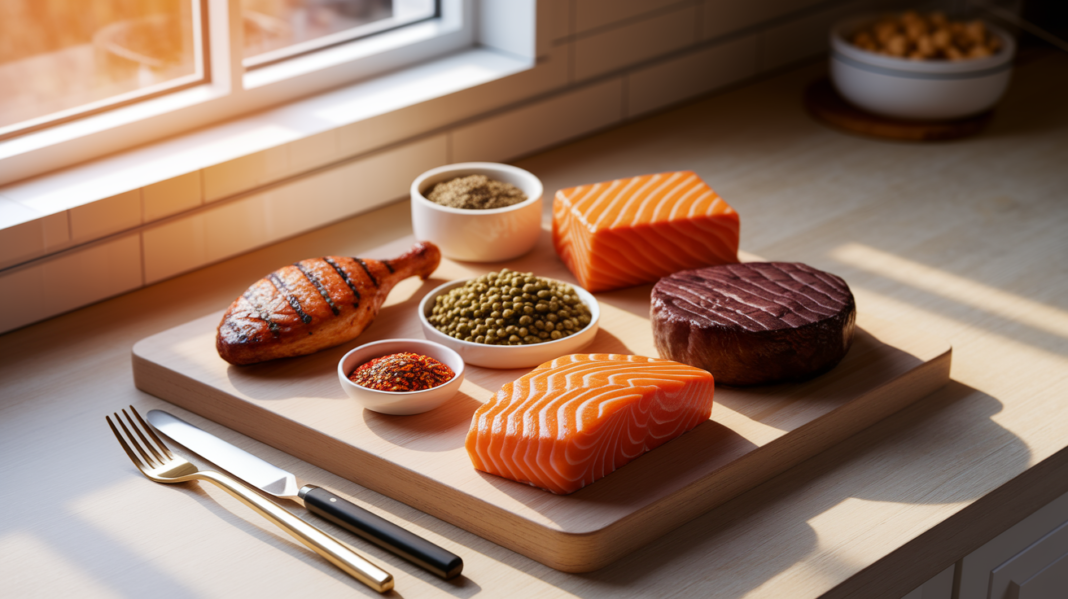
These quick, realistic dinner ideas like chicken, seafood, lean beef and plant-based options hit those targets and help you recover faster so you can build muscle fast, even on busy nights.
Core Post-Workout Dinner Framework for Muscle-Building Results
Your muscles need protein and recovery fuel after training. Skip dinner or wing it with random leftovers, and you’re walking away from progress you already earned.
A muscle-building dinner isn’t about weighing everything or memorizing formulas. It’s about hitting a protein target and pairing it with the right stuff. Aim for 30 to 50 grams of protein at dinner. That range supports muscle protein synthesis without making you feel like you swallowed a brick. For daily totals, shoot for around 0.7 to 1.0 grams of protein per pound of bodyweight. Someone who weighs 145 pounds should land around 100 to 115 grams daily. A 215-pound lifter might push 190 to 215 grams.
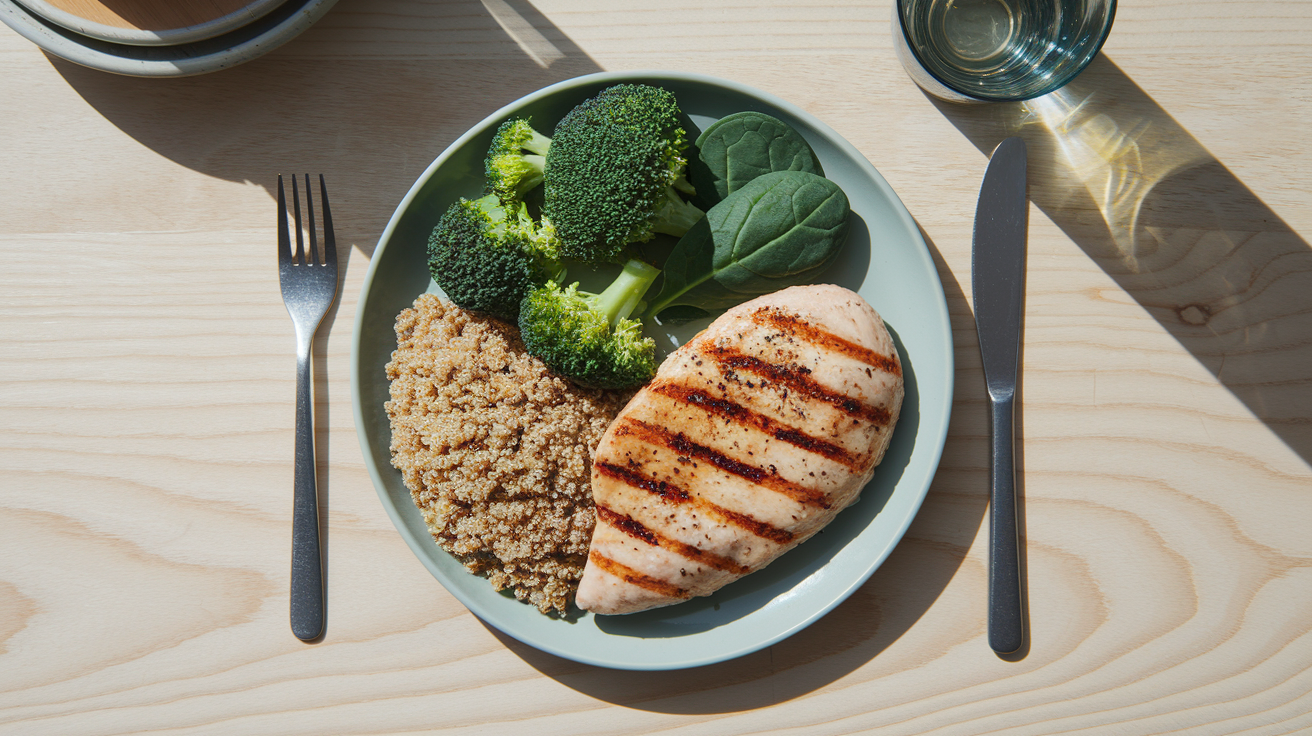
Build your plate using simple visual ratios. About 40% of your plate should be lean protein, 40% fibrous vegetables, and 20% starchy carbs. If that feels too precise, think in thirds: one-third protein, one-third vegetables, one-third starch. Fats should stay small. Light oil, a tablespoon or two of sauce, a modest sprinkle of cheese. Eating within 30 to 60 minutes post-workout is helpful, but late dinners are fine. What matters is the meal composition, not the clock.
Essential elements of a muscle-building post-workout dinner:
- Protein type – Lean chicken, beef, fish, tofu, or lentils to deliver amino acids for repair.
- Carb source – Rice, potatoes, sweet potatoes, or quinoa to restore glycogen and fuel recovery.
- Vegetables – Two cups of fibrous greens or colorful veg for micronutrients and digestion.
- Fats – Small additions like olive oil, avocado, or nuts to support hormone function without excess calories.
- Hydration – Water or herbal tea to aid nutrient transport and reduce inflammation.
- Meal timing – Eat when you can after training. Consistency beats perfection.
High-Protein Chicken Dinner Ideas for Fast Post-Workout Recovery
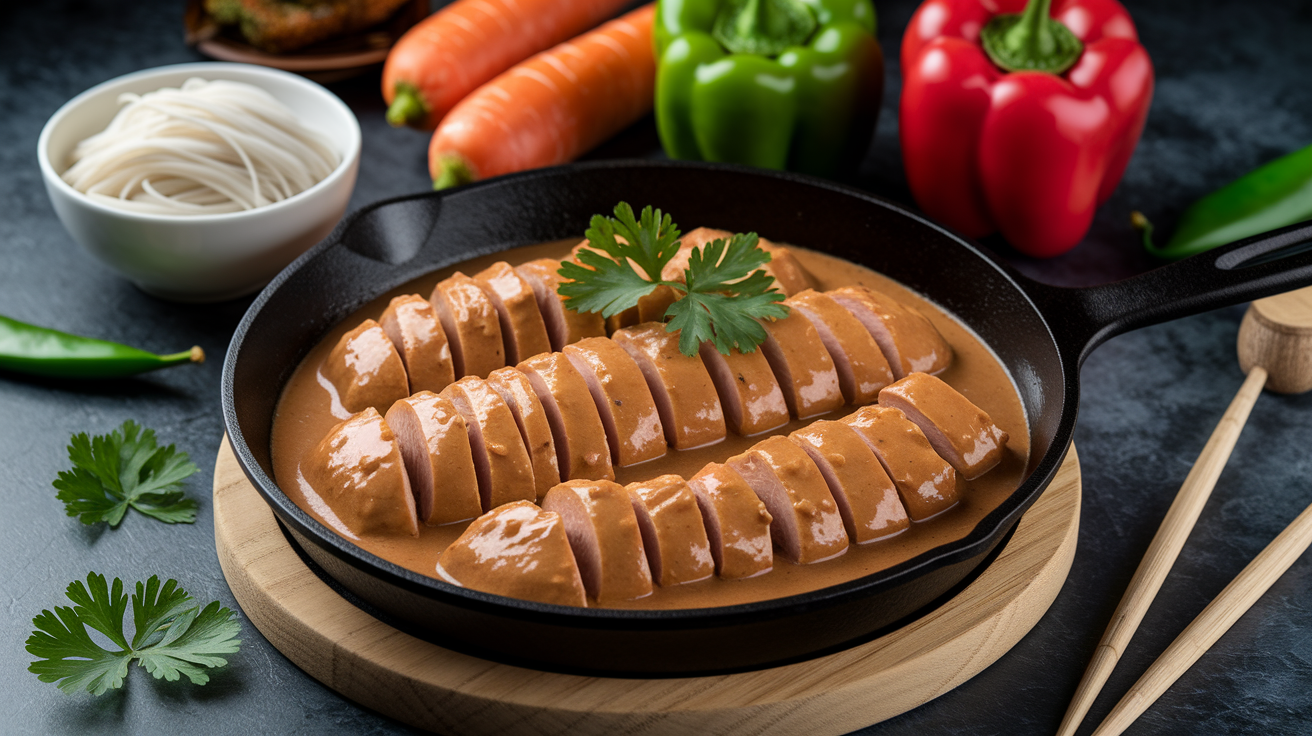
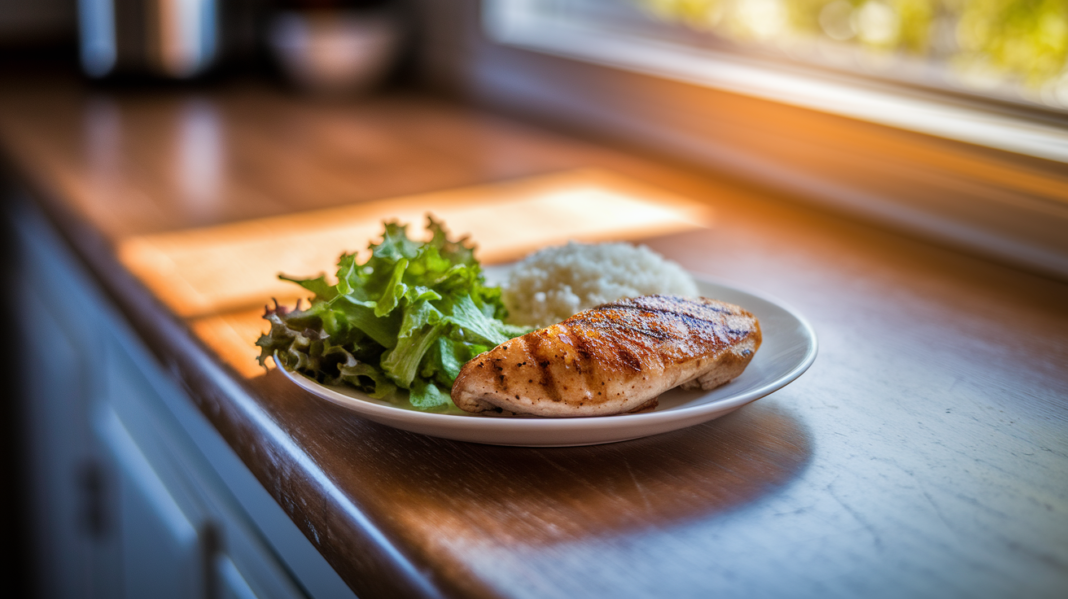
Chicken breast is the workhorse of muscle-building dinners. It’s lean, versatile, and delivers about 33 to 45 grams of protein per 5 to 6 ounce portion. Pair it with two cups of vegetables and a half to three-quarters cup of rice or potatoes, and you’ve built a complete recovery meal in minutes.
Thai Peanut Chicken – Cook 5 to 6 ounces of sliced chicken breast in a pan, toss with two cups of stir-fried vegetables (bell peppers, snap peas, carrots), and finish with two tablespoons of natural peanut sauce. Add half a cup of cooked rice noodles or brown rice. Prep time: 20 to 25 minutes. This hits your protein target and adds healthy fats from peanuts without drowning everything in oil.
Moroccan Chicken – Season 5 to 6 ounces of chicken breast with cumin, coriander, and paprika. Toss in a slow cooker with diced tomatoes, chickpeas, and two cups of chopped vegetables (zucchini, bell peppers). Cook on low for four to six hours. Serve over half a cup of couscous or quinoa. This meal-prep-friendly option makes three to four servings at once, and the flavors get better overnight in the fridge.
Chicken Pan Roast – Sear 5 to 6 ounces of chicken breast in a cast-iron skillet, add two cups of chopped carrots and green beans, drizzle with one tablespoon of olive oil, and roast at 400°F for 15 to 20 minutes. Simple, balanced, perfect for nights when you want minimal cleanup.
Grilled Chicken & Veg Plate – Grill a 5 to 6 ounce chicken breast, plate it with two cups of steamed broccoli and asparagus, and add half a cup of roasted sweet potato cubes. Season with lemon, garlic, and black pepper. This framework takes 15 minutes if you batch-cook the chicken earlier in the week.
| Recipe | Protein (g) | Calories | Prep Time |
|---|---|---|---|
| Thai Peanut Chicken | 38 | 480 | 20–25 min |
| Moroccan Chicken | 40 | 520 | 4–6 hours (slow cook) |
| Chicken Pan Roast | 36 | 450 | 20 min |
| Grilled Chicken & Veg Plate | 35 | 420 | 15 min |
Lean Beef & Turkey High-Protein Dinners to Support Muscle Growth
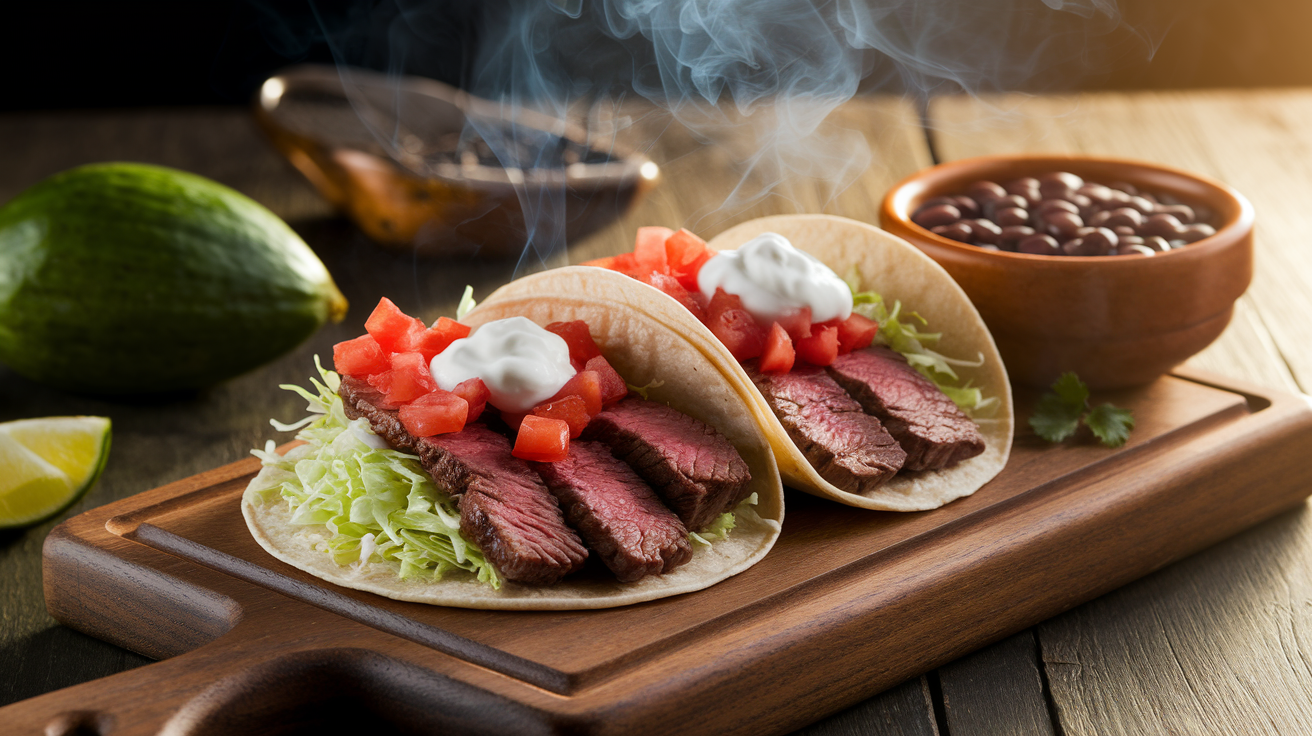
Lean beef and turkey bring more than just protein. They deliver iron, zinc, and B vitamins that support energy production and muscle repair. A 5 to 6 ounce portion of lean beef or ground turkey gives you 30 to 40 grams of protein. Pair it with two cups of vegetables and an optional medium potato, and you’ve built a complete meal.
Beef and turkey also help you hit micronutrient targets that chicken sometimes misses. Iron supports oxygen transport to working muscles. Zinc plays a role in testosterone production and immune function. If you’re training hard, these nutrients matter.
Smoky Grilled Steak Tacos – Grill a 5 to 6 ounce sirloin or flank steak seasoned with smoked paprika, cumin, and garlic powder. Slice thin and serve in two small whole-wheat tortillas with shredded cabbage, diced tomatoes, and a tablespoon of Greek yogurt. Add a side of black beans for extra fiber. Prep time: 15 to 25 minutes. This meal feels like a treat but stays lean and protein-focused.
Ground Turkey Skillet Bowl – Brown 5 to 6 ounces of 93% lean ground turkey in a skillet with diced onions and bell peppers. Add one cup of cooked brown rice, one cup of spinach, and season with soy sauce, ginger, and garlic. Everything cooks in one pot, and cleanup takes two minutes.
Lean Beef Roast Plate – Roast a small top round or sirloin tip (enough for three servings) at 350°F for 45 to 60 minutes. Slice a 5 to 6 ounce portion and plate with two cups of roasted Brussels sprouts and one medium baked potato. Divide the rest into containers for later. Batch-cooking beef once gives you ready-to-eat protein for three nights.
Seafood-Based High-Protein Post-Workout Dinners for Faster Recovery
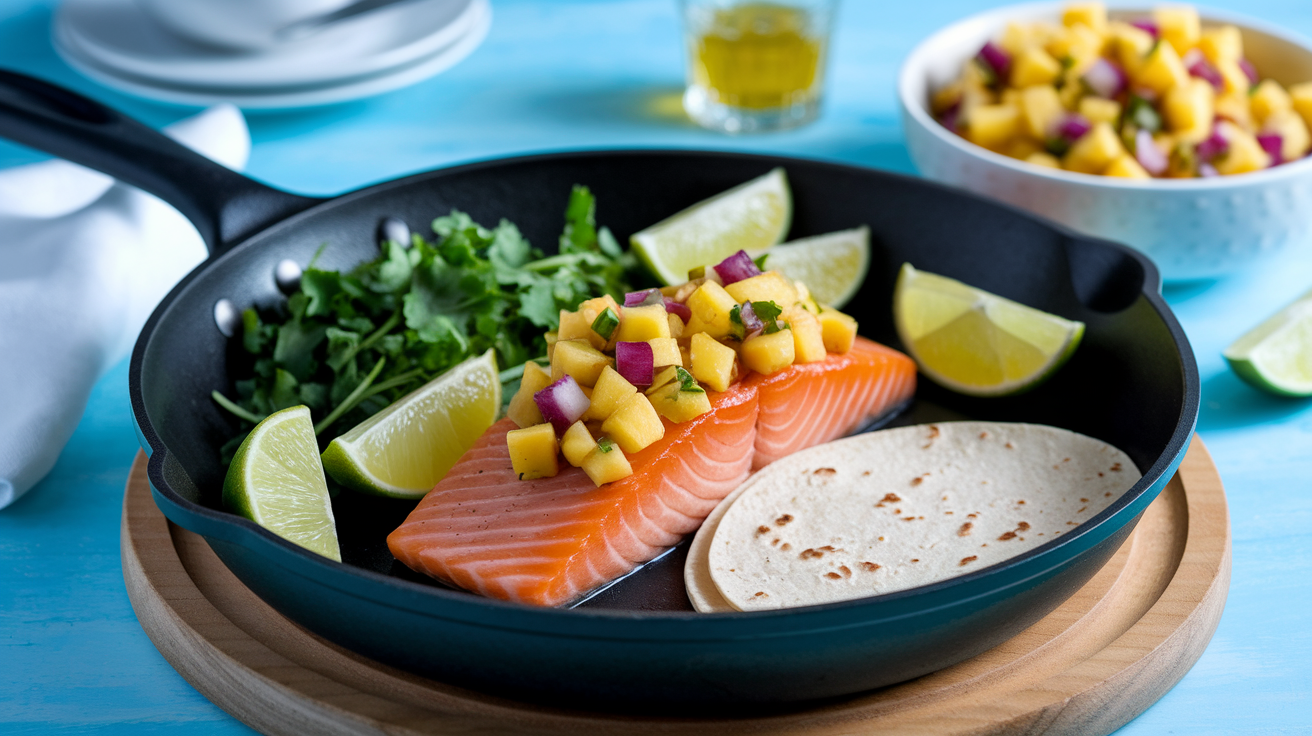
Seafood delivers lean protein and omega-3 fatty acids that help manage inflammation after training. A 5 to 6 ounce portion of salmon, white fish, or shrimp gives you 25 to 40 grams of protein, and the anti-inflammatory benefits support joint health and recovery speed.
One-Pan Salmon Tacos – Season a 5 to 6 ounce salmon fillet with chili powder and lime juice. Place in a skillet with two cups of shredded greens (cabbage, kale). Cook everything together for 12 to 15 minutes. Flake the salmon, pile into two small corn tortillas, and top with pineapple-mango salsa. Total time: 15 minutes. This is the fastest high-protein dinner you can build without sacrificing flavor.
Shrimp & Veggie Sheet Pan – Toss 5 to 6 ounces of peeled shrimp with two cups of chopped zucchini, bell peppers, and cherry tomatoes. Drizzle with one tablespoon of olive oil, season with garlic and lemon, and roast at 425°F for 10 to 12 minutes. Serve over half a cup of cooked quinoa or white rice.
White Fish Bowl with Greens – Bake a 5 to 6 ounce cod or halibut fillet at 400°F for 12 to 15 minutes. Plate over two cups of mixed greens, add half a cup of roasted sweet potato cubes, and drizzle with one tablespoon of tahini dressing. Light, clean, and packed with micronutrients.
Seafood meal-prep tips:
- Cook fish fresh – Seafood reheats poorly, so cook only what you’ll eat that night or the next day.
- Freeze raw portions – Buy in bulk, divide into 5 to 6 ounce servings, freeze, and thaw as needed.
- Pair with frozen veg – Frozen broccoli, green beans, and spinach cook fast and never spoil.
- Keep seasoning simple – Lemon, garlic, salt, and pepper let the protein flavor shine and save prep time.
Plant-Based High-Protein Dinner Ideas for Muscle Gain
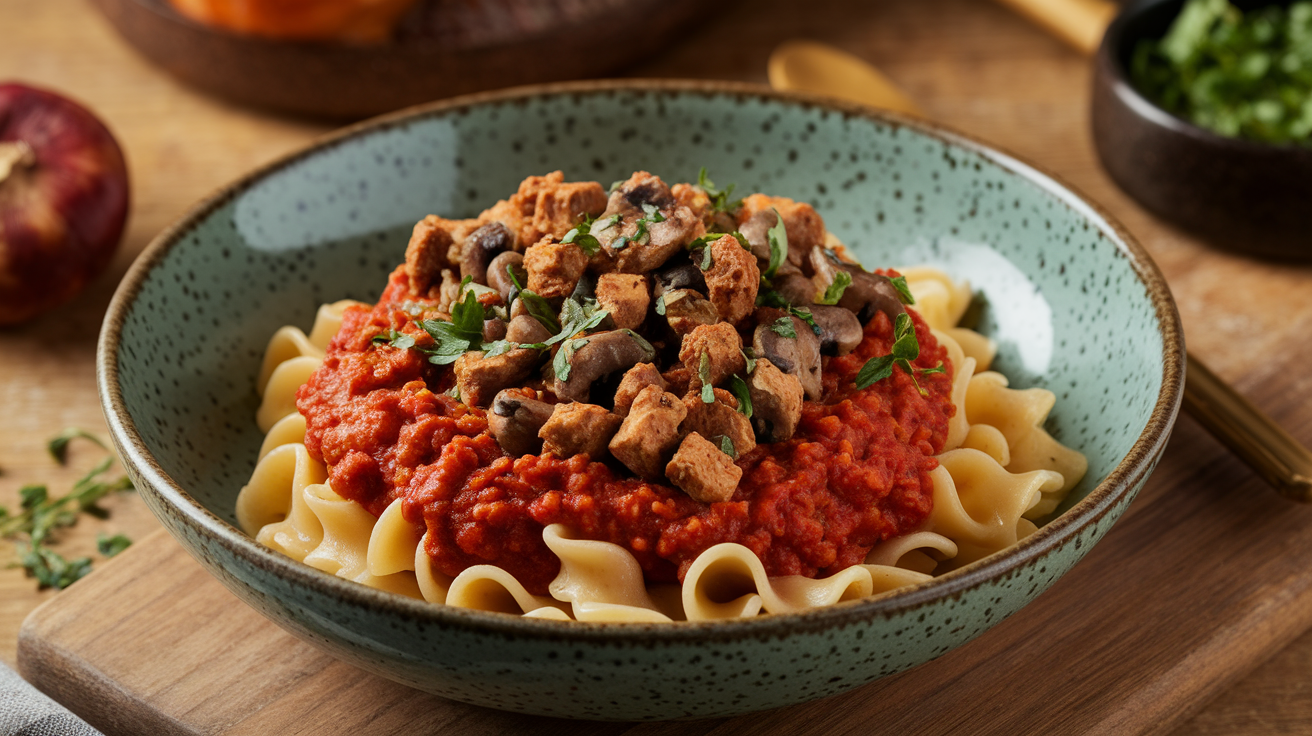
Plant-based proteins can hit the 30 to 50 gram target if you portion correctly and pair complementary sources. Lentils, beans, tofu, and tempeh deliver protein along with fiber and micronutrients that support recovery and digestion.
Tempeh Bolognese – Crumble 5 to 6 ounces of tempeh and sauté with diced onions, garlic, and two cups of mushrooms. Add one cup of marinara sauce and simmer for 10 minutes. Serve over three-quarters of a cup of whole-wheat or chickpea pasta. Tempeh delivers around 20 to 25 grams of protein per portion, and the pasta adds another 10 to 12 grams. Total: 30 to 37 grams.
Lentil & Veg Bowl – Cook one to one-and-a-half cups of lentils (about 18 to 27 grams of protein) and mix with two cups of roasted vegetables (sweet potatoes, broccoli, carrots). Top with two tablespoons of tahini and a sprinkle of nutritional yeast (adds another 3 to 5 grams of protein). This bowl is filling, fiber-rich, and hits your protein minimum with room to add a side of Greek yogurt if you need more.
Tofu Stir-Fry Plate – Press and cube 5 to 6 ounces of extra-firm tofu (about 18 to 22 grams of protein). Stir-fry with two cups of snap peas, bell peppers, and bok choy. Add half a cup of cooked brown rice and season with soy sauce, ginger, and sesame oil. To boost protein, add a quarter cup of edamame on the side. Total: 28 to 35 grams.
Chickpea & Quinoa Protein Bowl – Roast one cup of chickpeas (about 15 grams of protein) with cumin and paprika. Serve over half a cup of cooked quinoa (4 grams of protein) with two cups of mixed greens, diced cucumber, and tomatoes. Top with two tablespoons of hummus (another 3 grams). Total: 22 to 25 grams. If you need more, add a hard-boiled egg or a scoop of plain Greek yogurt on the side.
Balanced Starches, Veggies & Fats to Complete Your Post-Workout Dinner
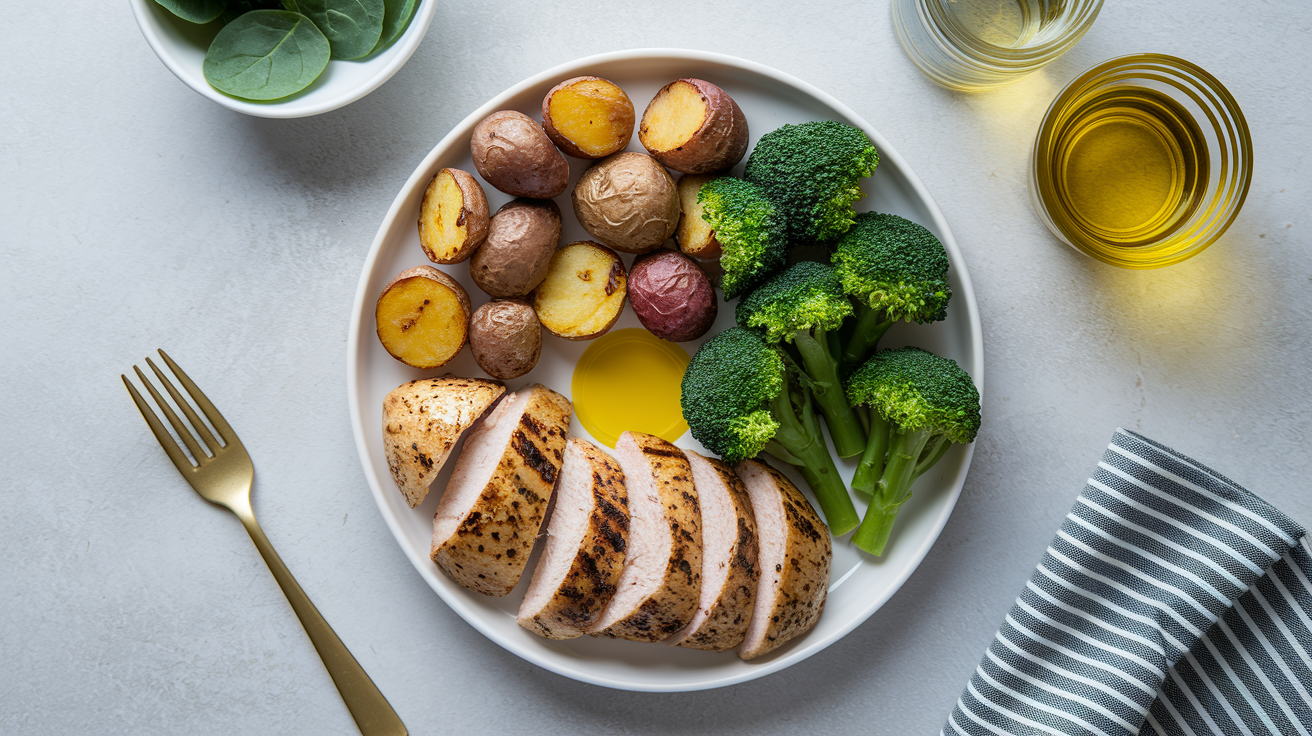
Protein drives muscle repair, but carbohydrates and fats support the process. Starchy carbs should make up about 20% of your plate. Roughly half to three-quarters of a cup of rice, potatoes, or sweet potatoes. That amount replenishes glycogen without spiking blood sugar or adding unnecessary calories.
Fibrous vegetables should fill about 40% of your plate. Two cups is the target. Greens, broccoli, peppers, zucchini, and carrots add vitamins, minerals, and fiber that slow digestion and keep you satisfied. Frozen vegetables work just as well as fresh, and they save prep time. Keep bags of frozen broccoli, green beans, and spinach on hand so you always have a vegetable option ready.
Fats should stay small and intentional. One tablespoon of olive oil, a quarter of an avocado, or two tablespoons of sauce is enough to support hormone production and nutrient absorption. Heavy sauces, extra cheese, and deep frying push calories up without adding recovery value.
Five post-workout-friendly starch and vegetable combos:
- Sweet potato and spinach – Roast cubed sweet potato and sauté spinach with garlic for a fast, nutrient-dense side.
- Brown rice and steamed broccoli – Classic pairing that covers fiber, vitamins, and slow-release energy.
- Quinoa and roasted bell peppers – Complete protein from quinoa plus antioxidants from peppers.
- White potato and green beans – Simple, filling, and easy to batch-cook for the week.
- Chickpea pasta and zucchini – Higher protein pasta option paired with low-calorie, high-volume vegetable.
Meal Prep Strategies for Consistent High-Protein Post-Workout Dinners
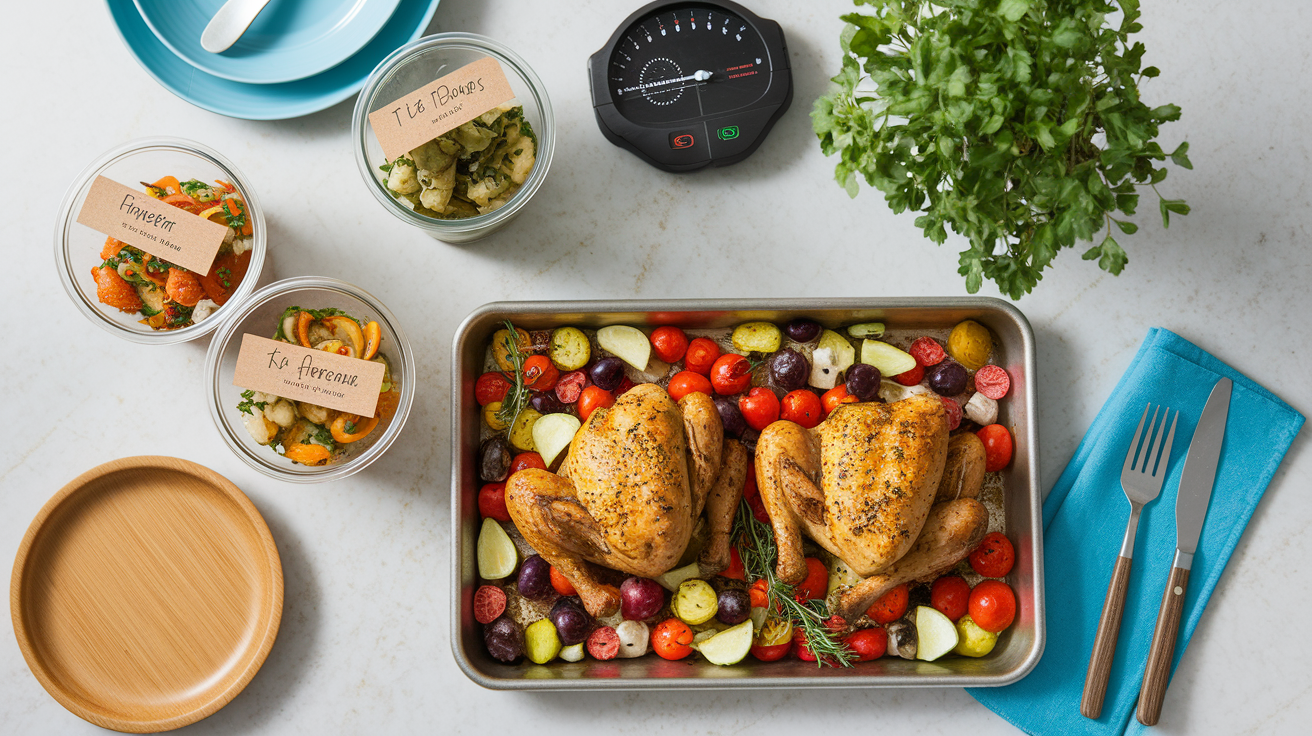
Consistency wins over perfection. Batch-cooking your protein once and reusing 5 to 6 ounce portions across the week removes decision fatigue and keeps you on track even when motivation is low.
Cook three to four chicken breasts, a pound of ground turkey, or a batch of tofu on Sunday. Divide into individual containers and refrigerate or freeze. When dinner rolls around, you grab a pre-cooked protein portion, heat it, and build your plate with frozen vegetables and a single-serving starch. The whole process takes ten minutes.
Frozen vegetables and grains are meal-prep essentials. Frozen broccoli, green beans, and spinach never spoil, cook in minutes, and deliver the same nutrients as fresh. Cook a batch of rice or roast a tray of potatoes, portion into half-cup servings, and freeze. Reheat in the microwave for 90 seconds and you’re done.
Sheet-pan dinners, slow-cooker meals, and one-pot skillets are the best cooking methods for batch prep. They cut cleanup and let you cook multiple servings at once without standing over the stove. A sheet pan can hold three chicken breasts and six cups of vegetables. A slow cooker can turn a pound of beef into four ready-to-eat dinners.
| Food Item | Storage Duration | Reheating Method |
|---|---|---|
| Cooked chicken breast | 3–4 days refrigerated; 2–3 months frozen | Microwave 60–90 sec or stovetop 3–5 min |
| Cooked rice (white or brown) | 4–5 days refrigerated; 2–3 months frozen | Microwave 90 sec with splash of water |
| Roasted potatoes or sweet potatoes | 3–4 days refrigerated; 2–3 months frozen | Oven 350°F for 10 min or microwave 90 sec |
| Steamed or roasted vegetables | 3–4 days refrigerated; 1–2 months frozen | Microwave 60 sec or stovetop 2–3 min |
Macronutrient & Calorie Guidelines for Muscle-Building Dinners
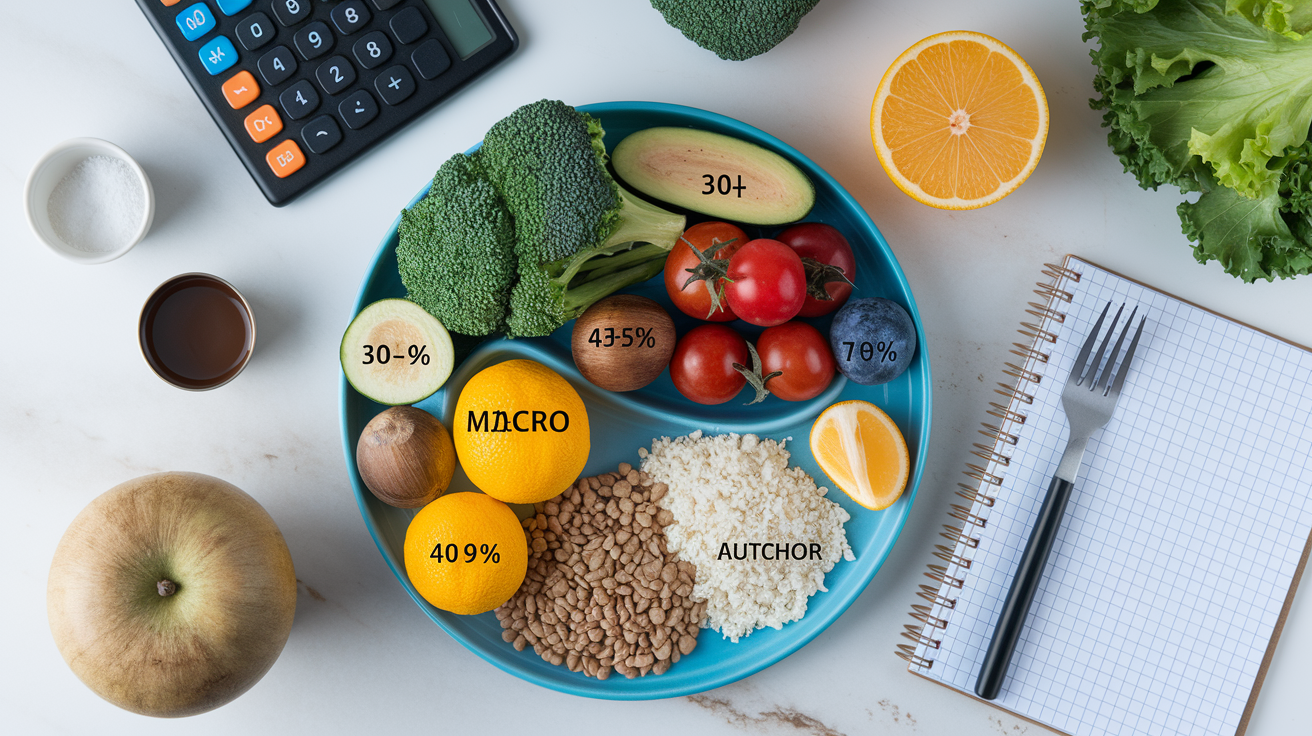
A muscle-building dinner should land somewhere between 400 and 800 calories, depending on your size, training volume, and whether you’re in a calorie surplus or maintenance phase. A 150-pound lifter eating 2,500 calories daily might aim for a 500 to 600 calorie dinner. A 200-pound lifter pushing 3,200 calories might go closer to 700 to 800.
Protein should make up 30 to 40% of your dinner calories. Carbohydrates should cover 30 to 50%, with higher amounts on training days to restore glycogen. Fats should fill the remaining 20 to 30%. These ratios support muscle protein synthesis, energy replenishment, and hormone production without leaving you bloated or sluggish.
Four ounces of cooked chicken or fish delivers about 22 to 30 grams of protein. Six ounces delivers 33 to 45 grams. If your protein portion feels small, add a side of Greek yogurt, cottage cheese, or a scoop of protein powder mixed into a smoothie after dinner. One cup of low-fat Greek yogurt adds 20 grams of protein for about 120 calories. Half a cup of cottage cheese adds 14 grams for roughly 80 calories. These additions push you over the 30-gram threshold without requiring a bigger steak.
Top Rules for Building Muscle-Focused Post-Workout Dinners
These rules keep your dinners simple, sustainable, and aligned with muscle-building goals.
- Dinner is about recovery – This meal repairs muscle damage and prepares you for tomorrow’s session.
- Protein leads the meal – Start with a 5 to 6 ounce portion of lean protein and build everything else around it.
- Eat until satisfied, not stuffed – You should feel comfortably full, not bloated or sluggish.
- Use carbs as a tool, intentionally – Add starch on training days. Reduce slightly on rest days if fat loss is a goal.
- Keep fat in check – Fats support hormones, but excess oil and heavy sauces spike calories without aiding recovery.
- Simple meals win at night – Three-ingredient dinners beat complicated recipes when you’re tired after training.
- Prep earlier to relax later – Batch-cook protein and starches so dinner assembly takes ten minutes.
- Late dinners are not failure – Eating at 9 PM is fine if the meal composition supports your goals.
- Dinner should end the day, not extend it – Avoid grazing after dinner by building a satisfying, protein-rich plate.
- 90% consistency is sufficient – Missing your target once or twice a week won’t derail progress. Quitting will.
Final Words
Start your next post-workout dinner with the simple framework: 30–50 g protein, two cups veg, a small starch, and a bit of healthy fat. That mix helps recovery and muscle protein synthesis.
You’ve got recipe options here: chicken, lean beef and turkey, seafood, and plant-based swaps, plus starch ideas, meal-prep tips, macro numbers, and top rules to follow.
Use these post-workout high-protein dinner ideas for muscle gain as a weekly checklist. Small, steady steps win. Keep at it.
FAQ
Q: What is a good protein meal after a workout? / What’s the best food to eat after a workout to gain muscle? / What are high protein meals for muscle gain?
A: A good protein meal after a workout to gain muscle is one with about 30–50 g protein, a moderate carb, and vegetables. Examples: 5–6 oz chicken with rice and veg, tuna sandwich, Greek yogurt with fruit.
Q: What’s a good dinner for muscle gain?
A: A good dinner for muscle gain is a balanced plate with 30–50 g protein (5–6 oz meat or tofu), about 2 cups fibrous vegetables, ½ cup starch, and a light fat. Eat within 30–60 minutes if you can.