
What if you could skip takeout every night and still hit 30 grams of protein at dinner?
Prep once on Sunday and you’ll have ready-to-heat, high-protein dinners that stop hunger, save time, and lower stress on weeknights.
I’ll share meal prep dinner ideas high-protein for busy weeknights, with sheet pan, slow cooker, Instant Pot, and quick skillet options, and I’ll give protein counts, storage tips, and a one-week plan.
No fancy ingredients, just doable recipes you can batch-cook and reheat without fuss.
High‑Protein Meal Prep Dinners That Meet Weekly Goals
If you’re aiming for 30 grams of protein or more per dinner, meal prepping a few high-protein options on the weekend gets you through most of the week without scrambling at 6 p.m. You’ll hit your daily protein target easier, stay full longer, and dodge the takeout temptation when you’re too tired to cook.
The cooking method depends on your schedule. Sheet pan dinners let you roast everything together in under an hour. Slow cooker recipes need about five minutes of prep, then they cook while you’re at work. An Instant Pot does the same thing in 30 to 45 minutes. Skillet meals are fast if you need something ready in 20 to 30 minutes before the week starts.
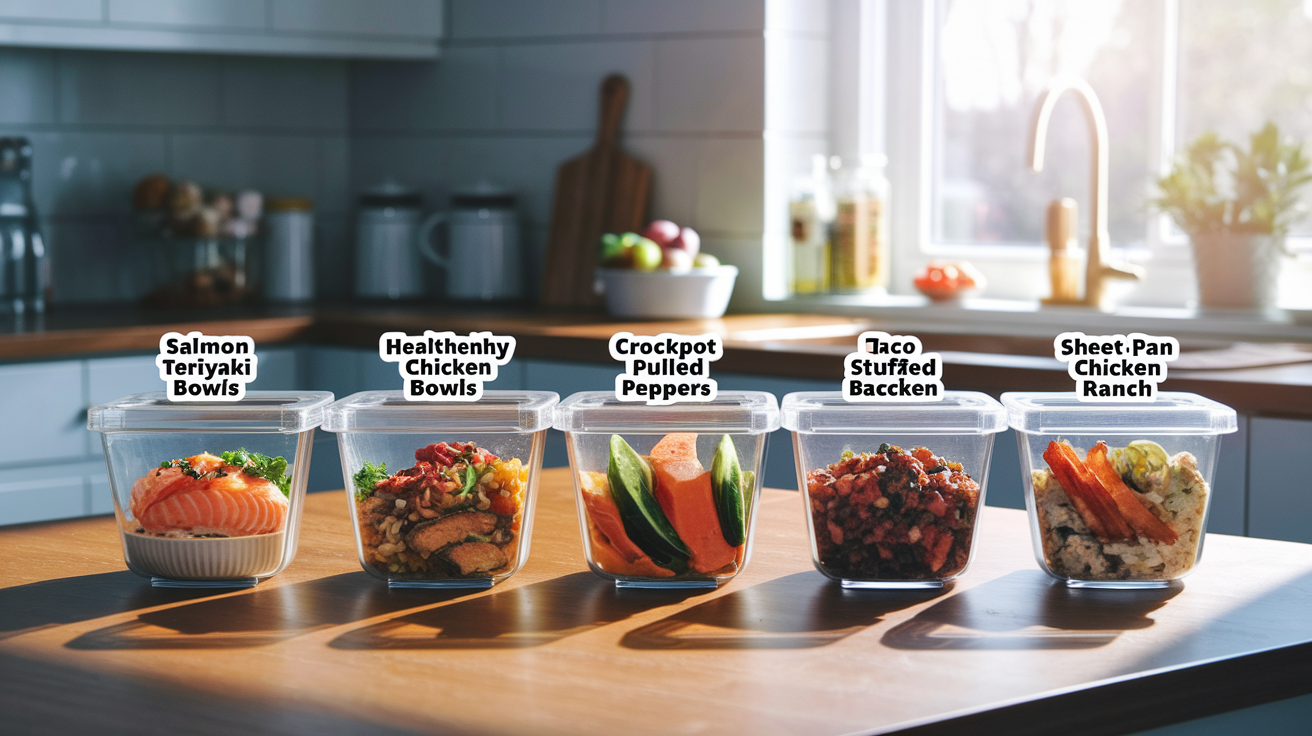
- Teriyaki Salmon Bowls – 40 grams of protein, omega-3s, sheet pan or stovetop, goes over rice or cauliflower rice.
- Healthy Chicken Parmesan – 42 grams of protein, the highest in this list, baked or skillet, pairs with roasted broccoli.
- Crockpot Pulled Pork Bowls – 39 grams of protein, slow cooker, freezes well, serve over brown rice or quinoa.
- Taco Stuffed Peppers – 38 grams of protein, ground beef, one-pan oven bake, add your own toppings.
- Slow Cooker Beef and Bean Chili – 38 grams of protein, kidney beans, pinto beans, black beans, freezer friendly.
- Sheet Pan Chicken Bacon Ranch – 35 grams of protein, includes Brussels sprouts and bell peppers for fiber.
Most cooked proteins stay good in the fridge for three to four days. A Sunday prep session covers Monday through Thursday dinners. Freeze extra portions in single-serve containers for next week or emergency backup meals. Reheat on the stovetop or microwave straight from the fridge, or thaw overnight and warm gently for work lunches.
Weekly High‑Protein Dinner Meal Prep Recipes With Protein Counts
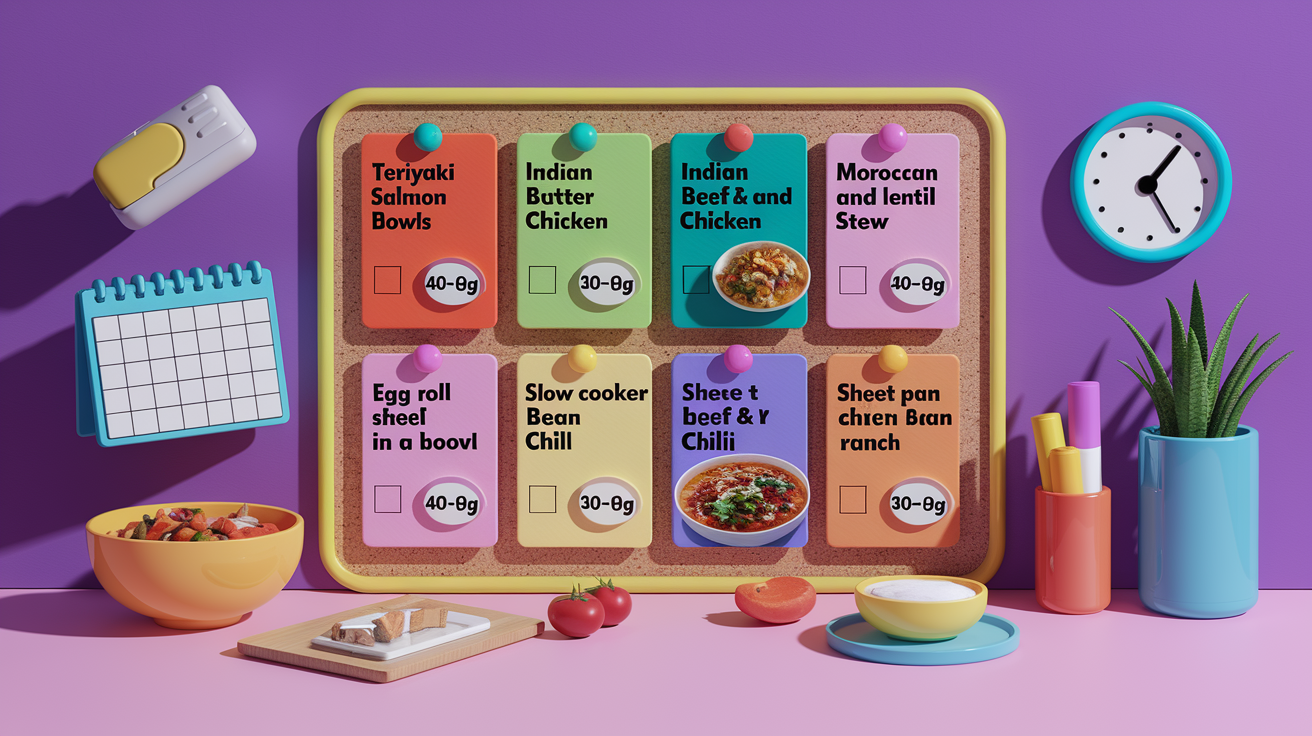
Planning three to five high-protein dinners per week gives you variety without making your shopping list a nightmare. Pick one or two chicken-based meals, one red meat or pork option, one seafood dish, and maybe a plant-forward recipe if you want balanced nutrition and different flavors. Cook everything in a single afternoon, portion into containers, and you’re set until the next batch.
Chicken breast and lean beef scale up easily. Sheet Pan Chicken Bacon Ranch uses bone-in or boneless chicken with bacon and ranch seasoning, delivering 35 grams of protein plus vegetables. Indian Butter Chicken made with chicken breast and Greek yogurt in the slow cooker hits 38 grams and tastes even better the next day. Lean ground beef works in Taco Stuffed Peppers for 38 grams and Slow Cooker Beef and Bean Chili for the same amount. Both freeze well and don’t wreck your budget.
Salmon, pork tenderloin, and plant-based proteins round out the rotation. Teriyaki Salmon Bowls give you 40 grams of protein and omega-3s. Sheet Pan Pork Tenderloin doesn’t need marinade or searing, just season and roast for 37 grams per serving. Moroccan Beef and Lentil Stew combines ground beef with lentils for 30 grams of protein and 7 grams of fiber, stretching the meat further and adding nutrients.
Most recipes fall between 20 and 60 minutes of active prep. Egg Roll in a Bowl uses ground turkey or chicken, takes 20 minutes start to finish, and delivers 32 grams of protein. Slow cooker options like Crockpot Pulled Pork Bowls need five minutes of prep, then cook unattended for six to eight hours. Many recipes are dairy-free, gluten-free, or Whole30, so you can filter by dietary needs without sacrificing protein targets.
| Recipe | Protein (g) | Prep Method | Make-Ahead Notes |
|---|---|---|---|
| Sheet Pan Chicken Bacon Ranch | 35 | Sheet pan, oven | Refrigerate 3–4 days, freeze up to 6 months |
| Crockpot Pulled Pork Bowls | 39 | Slow cooker | Shred and portion, freezes well |
| Indian Butter Chicken | 38 | Slow cooker | Flavor improves overnight, refrigerate 3–4 days |
| Moroccan Beef & Lentil Stew | 30 | Stovetop or slow cooker | Store stew and grains separately, freezer-friendly |
| Egg Roll in a Bowl | 32 | Skillet, 20 minutes | Most frequently meal-prepped, reheat on stovetop or microwave |
| Slow Cooker Beef & Bean Chili | 38 | Slow cooker | Portion into jars or bowls, freeze individual servings |
High‑Protein Meal Prep Strategies for Beginners
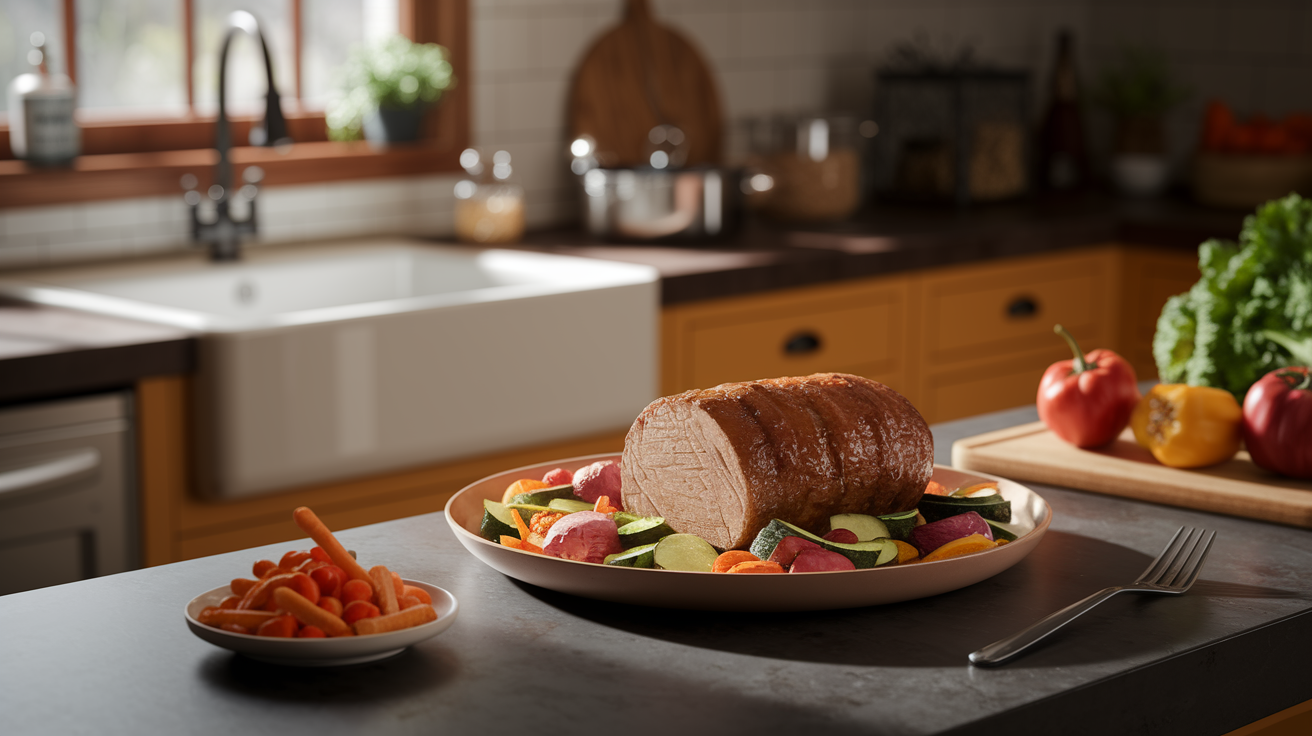
Expect to spend one to three hours on a weekend meal prep session, depending on how many recipes you’re making and whether you’re doubling batches. Start the longest cooking items first. Put a pork roast in the slow cooker before you prep vegetables for a sheet pan dinner, or set the Instant Pot to cook brown rice while you season chicken. Using multiple appliances at once cuts total time in half compared to cooking one dish, waiting, then starting the next.
- Choose two or three recipes for the week. More than that and you’re likely to waste food or burn out on prep time.
- Prep all vegetables at once. Chop onions, bell peppers, and garlic for every recipe, then divide into labeled bags or bowls.
- Season proteins in batches. Mix all your spice rubs or marinades, then coat chicken breasts, pork tenderloin, or ground beef at the same time.
- Cook grains and legumes in bulk. Make a full pot of brown rice, quinoa, or lentils. Store separately and pair with different proteins through the week.
- Label and date everything. Use masking tape or a marker directly on containers so you know what to eat first.
One-pan sheet pan dinners and 20 minute skillet meals reduce overwhelm for beginners. Sheet Pan Pork Tenderloin with roasted vegetables requires one baking sheet, no flipping, and minimal cleanup. Egg Roll in a Bowl needs one skillet, one cutting board, and about 20 minutes from raw ingredients to plated food. Both store easily and reheat without losing texture.
Protein Sources for High‑Protein Dinner Meal Prep
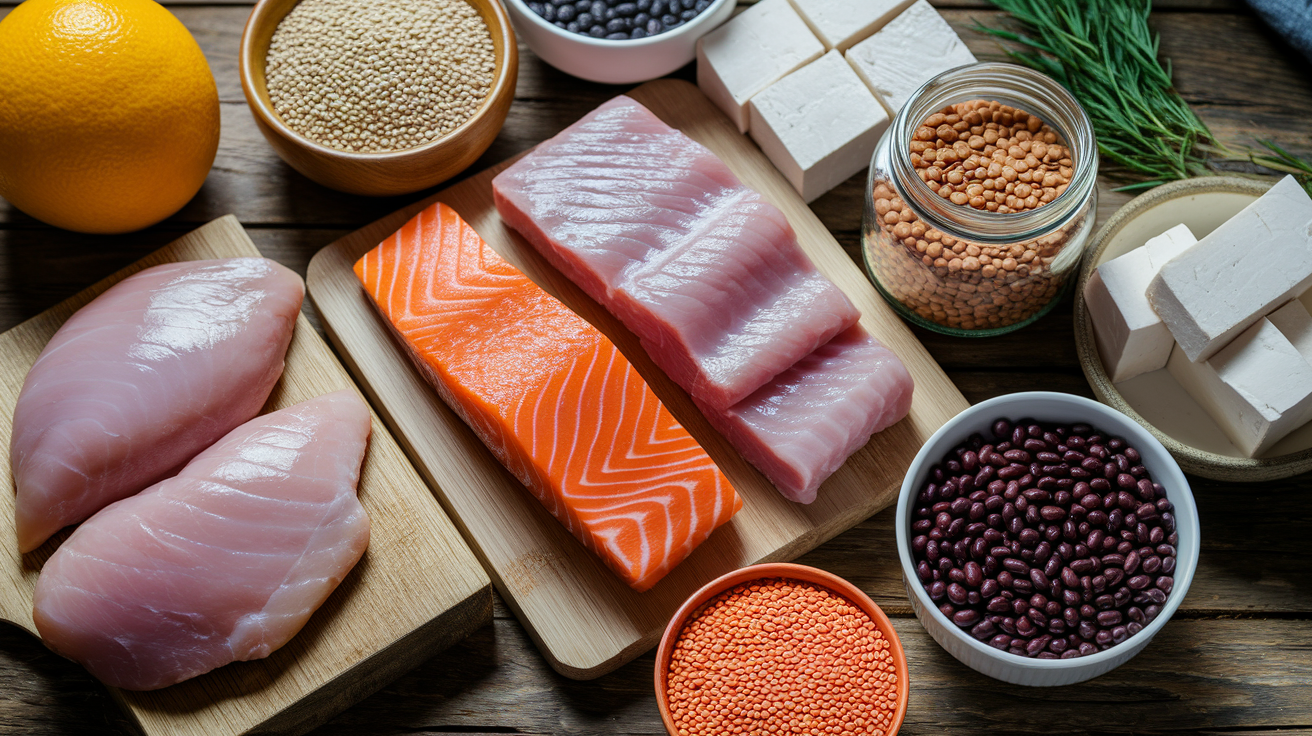
Lean meats deliver the highest protein per serving with minimal prep complexity. Chicken breast and chicken thighs both work. Thighs offer slightly more flavor and moisture after reheating. Pork tenderloin is lean, affordable, and roasts quickly. Ground turkey and lean ground beef are versatile for chili, stuffed peppers, casseroles, and skillet meals. All hold well in the fridge for three to four days and freeze for up to six months without texture loss.
Seafood and plant-based proteins offer variety and different nutrient profiles. Salmon provides 37 to 40 grams of protein per serving plus omega-3 fatty acids, and it reheats gently in the microwave or on the stovetop. Tofu absorbs marinades well and works in stir-fries, bowls, and air fryer batches. Lentils add 7 grams of fiber alongside plant-based protein and pair with ground meat to stretch portions. Beans (white, black, kidney, pinto) are budget friendly, high in fiber, and combine with animal proteins in chili, stews, and casseroles.
- Chicken breast – grill, bake, or air fry in bulk, shred or slice for bowls and wraps.
- Lean ground beef – brown in batches for chili, taco filling, or casseroles.
- Pork tenderloin – roast whole, slice after cooling, pair with roasted vegetables.
- Salmon fillets – bake on sheet pans, portion into containers with grains.
- Ground turkey – swap for beef or chicken in skillet recipes, lower fat content.
- Lentils – cook in Instant Pot or stovetop, add to stews or serve as grain substitute.
- Tofu – press, cube, marinate, then air fry or stir fry until crispy.
- Black beans and kidney beans – rinse canned beans, add to chili, soups, or taco bowls.
Pair proteins with non-starchy vegetables and whole grains for balanced macronutrients. Brussels sprouts, bell peppers, broccoli, and cauliflower roast alongside meats on sheet pans. Brown rice, quinoa, and sweet potatoes add complex carbohydrates and fiber. The combination keeps you full longer and supports steady energy through the afternoon without a crash.
Storage, Reheating, and Food Safety for High‑Protein Meal Prep Dinners
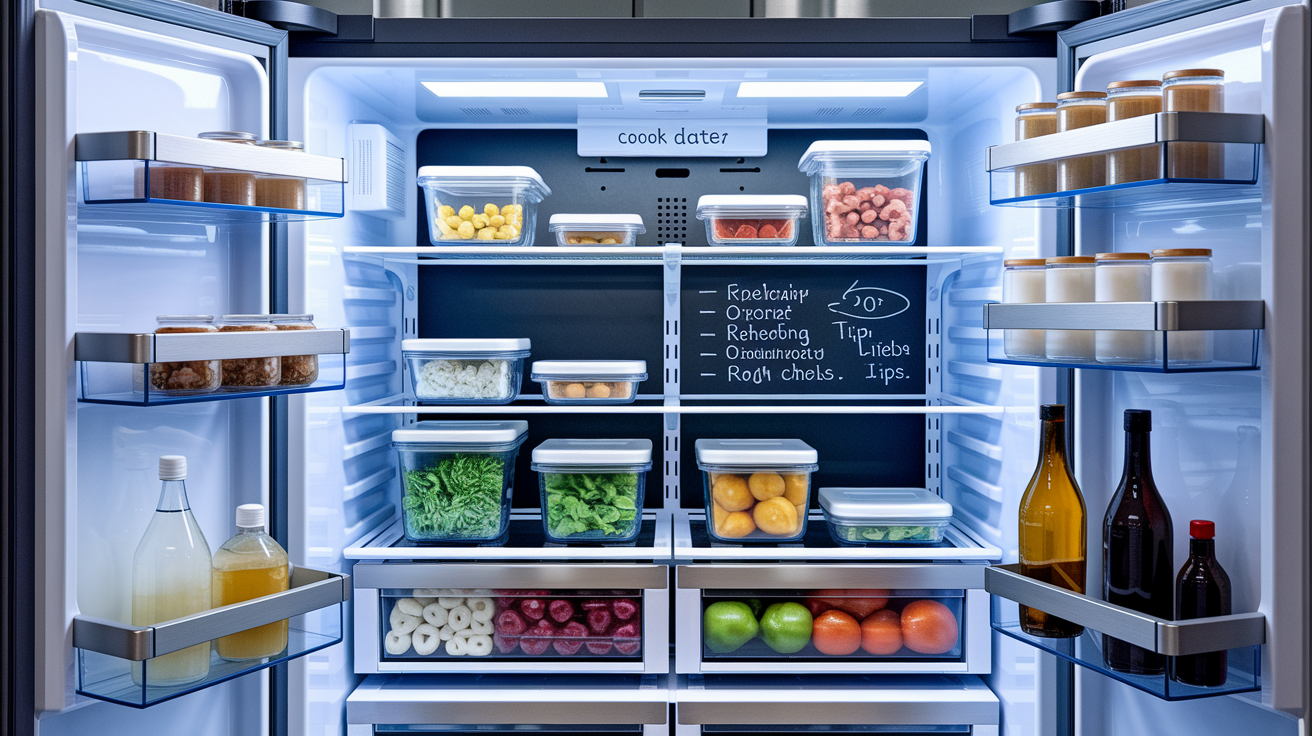
Cooked meats and seafood stay safe in the fridge for three to four days. Cooked vegetables last five to seven days, and grains or beans hold for three to five days. Label containers with the cook date so you know which meals to eat first. If you’re prepping on Sunday, plan to finish meat-based dinners by Wednesday or Thursday, and save vegetable heavy or grain-based meals for Friday.
- Reheat proteins gently. Use 50 to 70 percent power in the microwave or low heat on the stovetop to avoid drying out chicken, beef, or salmon.
- Add a splash of broth or water. A tablespoon of liquid in the container before microwaving keeps food moist.
- Reheat grains separately when possible. Rice and quinoa can turn mushy if microwaved with wet proteins. Warm grains in a separate bowl, then assemble.
- Stir halfway through reheating. This distributes heat evenly and prevents cold centers.
- Let food rest for one minute after microwaving. The temperature evens out and reduces risk of burning your mouth on hot spots.
Choose airtight glass or BPA-free plastic containers to prevent odor transfer and freezer burn. Glass containers work well for reheating in the oven or microwave and won’t stain from tomato-based sauces or curry. Portion meals into single-serve containers for grab and go lunches, or use larger family size containers if you’re reheating dinners at home. Freeze extras in labeled freezer bags laid flat to save space. Thaw overnight in the fridge, then reheat as usual.
Budget‑Friendly High‑Protein Dinner Meal Prep Options
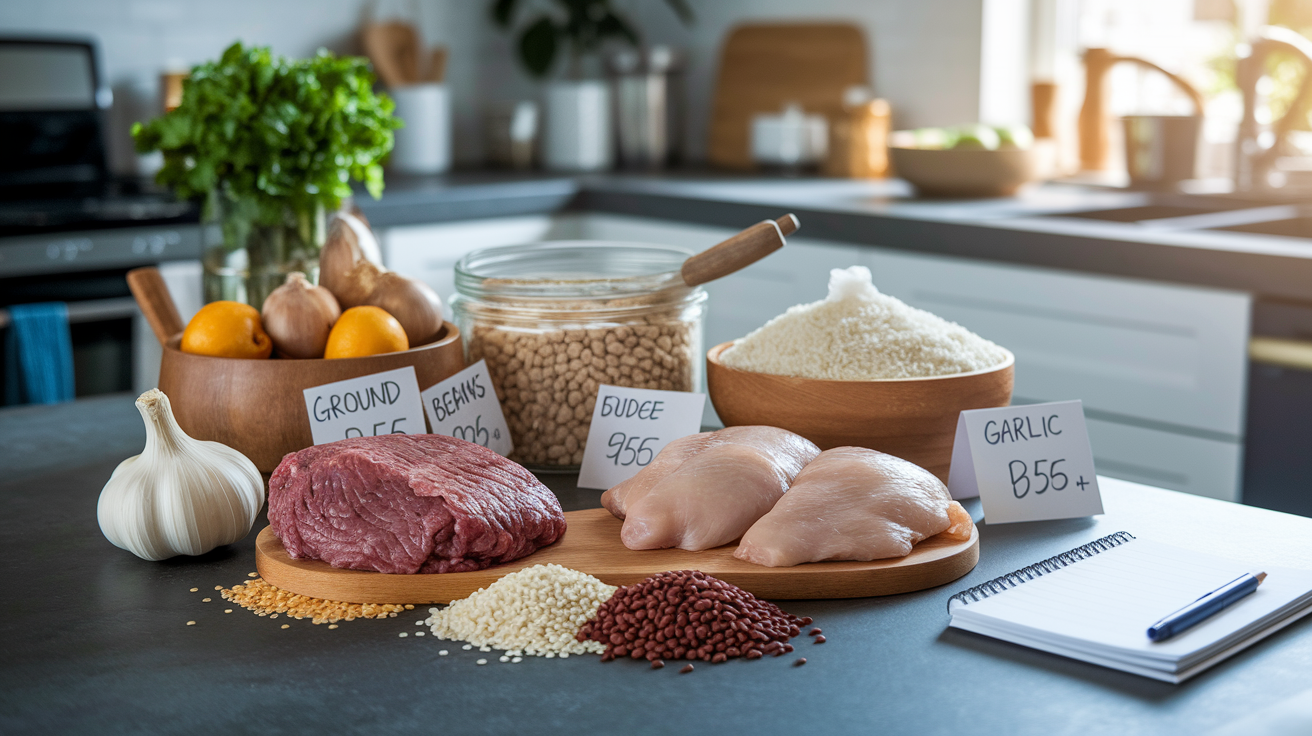
Cheaper proteins can still deliver 30 to 40 grams per serving when you focus on ground meats, beans, lentils, and versatile cuts. Ground beef, ground turkey, and chicken thighs cost less per pound than premium cuts and work in chili, casseroles, skillet meals, and slow cooker recipes. Slow Cooker Cheeseburger Soup uses ground beef and delivers 36 grams of protein per serving without expensive ingredients. Beans and lentils stretch meat further while adding fiber and plant-based protein.
- Buy in bulk. Purchase family packs of chicken thighs, ground turkey, or pork tenderloin when on sale, then portion and freeze.
- Use beans to extend meat. Mix one pound of ground beef with one can of black beans in chili or taco filling. You’ll serve more people with the same protein count.
- Choose bone-in, skin-on cuts. Chicken thighs with skin cost less than boneless, skinless breasts and stay moist during reheating. Remove skin after cooking if you want to reduce fat.
- Cook with lentils or chickpeas. One cup of cooked lentils adds 18 grams of protein for under a dollar. Pair with ground beef in stews or serve over rice.
Seasoning and marinades add flavor without increasing cost. Homemade taco seasoning uses chili powder, cumin, garlic powder, and paprika. All shelf stable and cheaper than pre-mixed packets. Soy sauce, garlic, ginger, and a touch of honey create teriyaki marinade for chicken or salmon. A simple olive oil, lemon juice, and herb rub works on pork tenderloin or chicken breast. Stock your pantry with versatile spices, and you can rotate flavors every week without buying new ingredients.
High‑Protein Meal Prep Containers and Tools
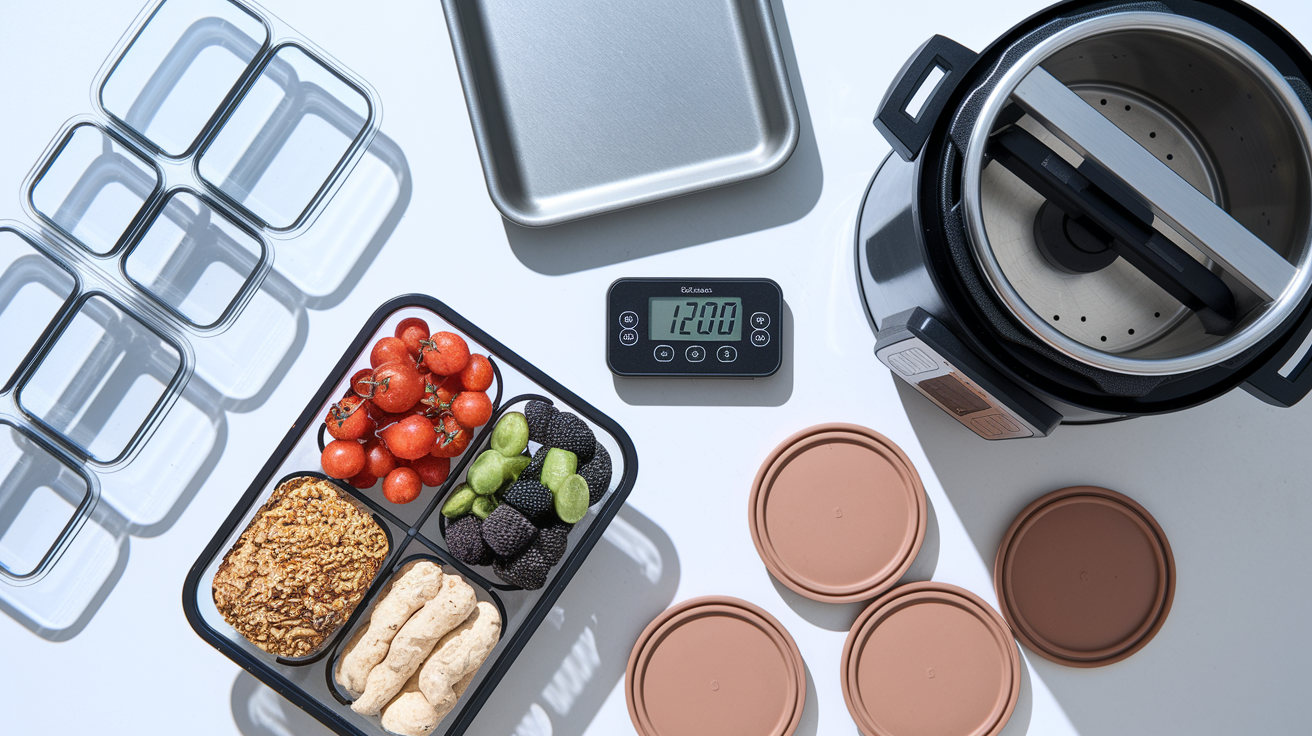
Airtight containers prevent bacterial growth and freezer burn, which matters when you’re storing cooked proteins for three to four days or freezing for months. Glass containers with snap lock lids work for oven reheating and won’t absorb odors from garlic, curry, or tomato sauce. BPA-free plastic containers are lighter for packed lunches and stack neatly in the fridge. Silicone lids or beeswax wraps seal bowls if you’re short on full containers.
- Glass meal prep containers with dividers – keep proteins, grains, and vegetables separate until reheating, prevent sogginess.
- Freezer-safe plastic containers or bags – store individual portions flat to save freezer space, label with recipe name and date.
- Slow cooker or Instant Pot – hands off cooking for pulled pork, chili, stews, and butter chicken.
- Sheet pans with raised edges – roast proteins and vegetables together, easy cleanup, dishwasher safe.
- Digital kitchen scale – portion proteins accurately to hit 30 to 40 grams per serving, track macros if needed.
Portion control becomes automatic when you use single-serve containers. Measure one serving of cooked chicken, salmon, or ground beef into each container, then add grains and vegetables to fill the compartments. This prevents overeating and ensures you’re hitting protein targets at every meal. Store sauces or dressings separately in small jars or silicone cups to maintain texture. Add them right before reheating so rice doesn’t turn mushy and greens stay crisp.
Final Words
Start by choosing 3–5 dinners that hit 30+ grams of protein and batch-cook them using a sheet pan, slow cooker, or Instant Pot. That saves time and makes weekday meals automatic.
Mix animal and plant proteins so you don’t get bored—salmon, chicken, lentils, beans all work. Store cooked meals 3–4 days in the fridge or freeze for longer, then reheat for easy lunches.
Use the meal prep dinner ideas high-protein from this post as a weekly template: pick recipes, set aside 1–3 hours, and repeat. Keep it simple and enjoy the steady gains.
FAQ
What is considered a high-protein meal prep dinner?
A high-protein meal prep dinner typically delivers 30 to 42 grams of protein per serving and can be cooked in advance for the week. These dinners use lean meats, seafood, or plant proteins and store safely for 3 to 4 days refrigerated or up to 6 months frozen.
How long does high-protein meal prep take for beginners?
High-protein meal prep for beginners generally takes 1 to 3 hours depending on how many recipes you cook at once. Starting the longest-cooking items first and using multiple appliances like an oven, crockpot, and Instant Pot at the same time improves efficiency.
What are the best protein sources for meal prep dinners?
The best protein sources for meal prep dinners include chicken breast, lean ground turkey, salmon, pork tenderloin, tofu, lentils, and black beans. Each source delivers 30 to 40 grams of protein per serving and pairs well with vegetables and grains for balanced meals.
How long can I store high-protein meal prep dinners?
You can store high-protein meal prep dinners in the refrigerator for 3 to 4 days or in the freezer for up to 6 months. Cooked meats and seafood should be eaten within 4 days, while grains and beans stay fresh for 3 to 5 days refrigerated.
Are high-protein meal prep dinners affordable?
High-protein meal prep dinners are affordable when you use cost-effective proteins like ground beef, ground turkey, beans, and lentils. Buying in bulk, choosing cheaper cuts, and cooking multiple servings at once keeps costs low while still delivering 30 to 40 grams of protein per meal.
What containers work best for high-protein meal prep?
Airtight, freezer-safe containers work best for high-protein meal prep because they prevent spoilage and maintain food texture during reheating. Glass or BPA-free plastic containers with dividers help with portion control and keep proteins, vegetables, and grains separate until you’re ready to eat.
Can I meal prep high-protein dinners without meat?
You can meal prep high-protein dinners without meat by using plant-based proteins like lentils, chickpeas, tofu, and edamame. These options deliver 17 to 22 grams of protein per serving and provide extra fiber when paired with vegetables and whole grains.
How do I reheat high-protein meal prep dinners safely?
Reheat high-protein meal prep dinners by using a microwave, stovetop, or oven until the internal temperature reaches 165 degrees Fahrenheit. Add a splash of water or broth before reheating to prevent drying out, and stir halfway through for even heating.