
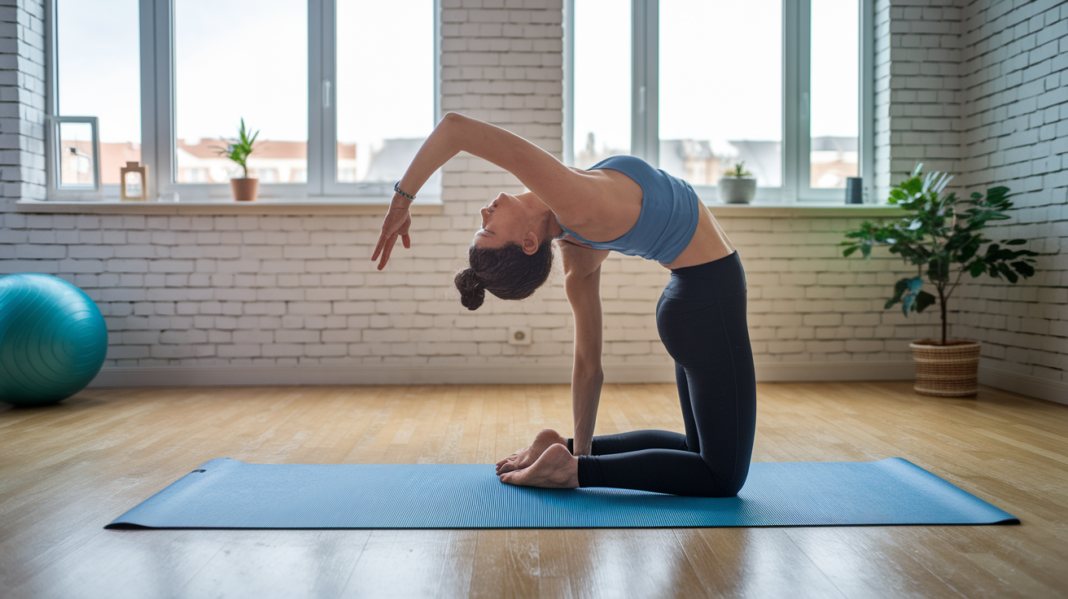
Think post-workout stretching is just fluff? Try holding the right moves while your muscles are warm and you might cut persistent lower-back pain by about 58% over 12 to 16 weeks.
Right after training is the best window: tissues are warm, blood flow’s up, and gentle lengthening helps your nervous system relax.
In this post you’ll get the best post-workout stretches for lower back pain that actually help, with step-by-step holds, common mistakes to avoid, and quick 5 to 10 minute routines you can do now.
No jargon, just simple cues and a plan you can stick with.
Immediate Lower Back Relief Through Essential Post-Workout Stretches

Your muscles are warmest right after you train. Blood flow’s up, tissues are relaxed, and your nervous system actually responds better to gentle lengthening. This is the window where static stretches for your lower back do the most good.
Hold each one for 15 to 30 seconds. Repeat 2 or 3 times. Research shows that stretching 3 times a week for 12 to 16 weeks can drop back pain by about 58%. That’s not marketing talk. That’s a real improvement if you’re consistent.
Keep it gentle. Sharp pain or anything radiating down your leg? Stop. You’re after mild tension, not a battle. Breathe slow, don’t bounce, and don’t force range you don’t have yet.
Post-workout stretches that actually help:
- Knee-to-Chest: 15–30 seconds each side
- Supine Spinal Twist: 15–30 seconds each side
- Cat-Cow Flow: 5–10 slow cycles
- Child’s Pose: 30 seconds or more
- Pelvic Tilts: 10 reps
- Hamstring Stretch: 15–30 seconds each side
- Hip-Flexor Lunge: 15–30 seconds each side
- Standing Forward Fold: 15–30 seconds
Mechanics and Benefits of Lower Back Stretching After Exercise
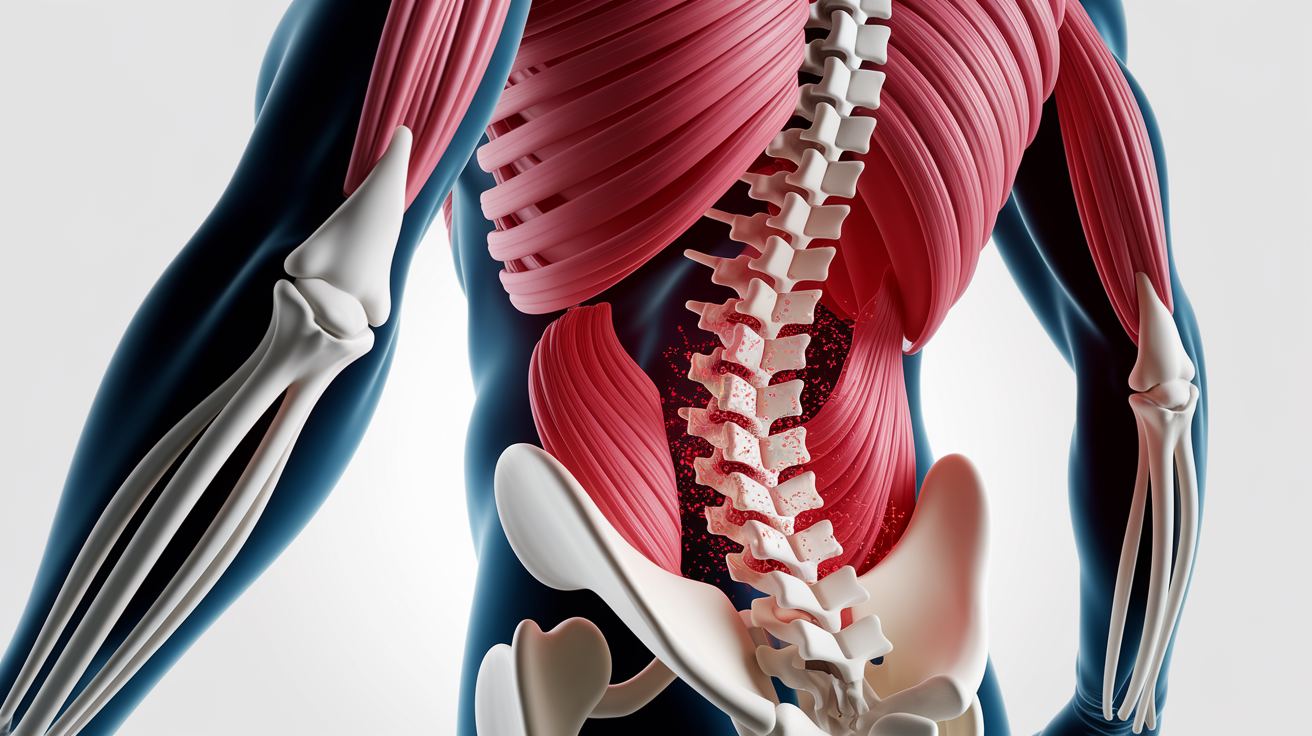
When you hold a stretch, you’re lengthening muscle fibers and releasing tension in the fascia. You’re also signaling your nervous system to relax the protective guarding that builds up during training. That’s how stiffness starts to let go.
Your lower back accumulates tension for two reasons. First, it stabilizes almost every big movement you do, so it picks up microtrauma and metabolic waste. Second, most of us sit the rest of the day, which shortens hip flexors and hamstrings and loads the lumbar spine unevenly. Stretching afterward interrupts that pattern.
Long-term evidence backs this up. Stretch 3 times a week for 12 to 16 weeks and you’ll see better flexibility, roughly 58% less pain intensity, and movement that doesn’t feel so guarded. You’re not just getting temporary relief. You’re teaching your body to handle load without locking up.
How to Warm Up Before Performing Lower Back Stretches
Don’t stretch cold muscles. Tissue needs blood flow and a small bump in temperature to respond safely. Skip the warm-up and you’re stretching against resistance instead of relaxed fibers.
Spend 5 to 10 minutes on light movement before you hold anything static. A short walk, easy jog, or low-intensity bike ride works. Just finished your workout? You’re already warm. Stretching at home hours later? Take a warm shower or move around a bit first.
Ways to warm up before stretching:
- Light cardio: walk, jog in place, or cycle easy for 5 to 10 minutes
- Gentle hip mobility: leg swings, hip circles, shallow squats
- Diaphragmatic breathing: 5 to 10 slow belly breaths to calm down your nervous system
- Spine articulation: slow Cat-Cow or standing pelvic tilts to wake up your lower back
Step-by-Step Technique Guides for the Most Effective Lower Back Stretches
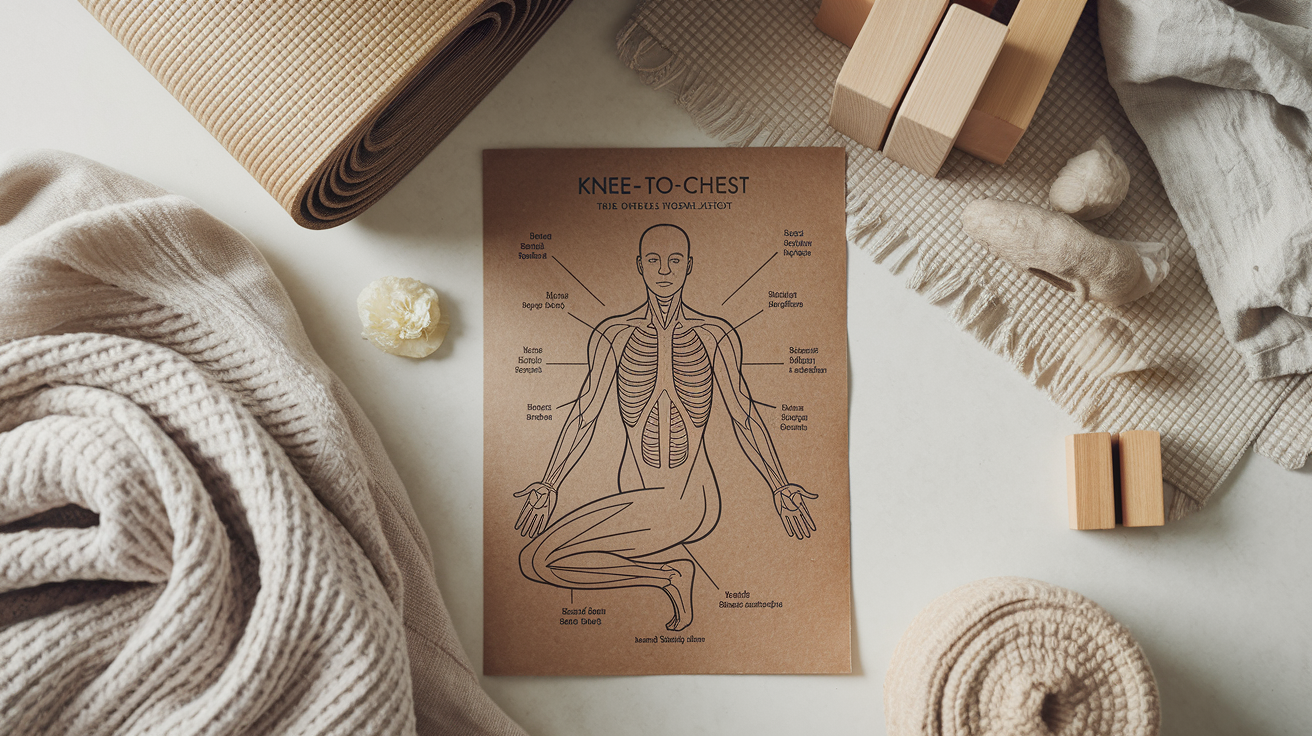
Knee-to-Chest Stretch
Lie on your back, knees bent, feet flat. Pull one knee toward your chest with both hands. Keep the other leg extended or bent, whatever feels better. Hold 15 to 30 seconds, switch sides. Do it 2 or 3 times per leg.
Keep your lower back flat on the floor. Don’t yank or force it. Common mistake: jerking the leg or lifting your head and shoulders. That just creates neck tension. Breathe slowly and let gravity help.
Supine Spinal Twist
Lie flat, knees bent, feet on the floor. Drop both knees slowly to one side while keeping both shoulders down. Spread your arms out for balance. Hold 15 to 30 seconds, come back to center, then lower to the other side. Repeat 2 or 3 times each way.
Move slow. You’re after gentle rotation through your lumbar and thoracic spine. If your opposite shoulder lifts, you’ve gone too far. Common mistake: forcing the twist or rushing. Feel a sharp pinch? Ease off. Inhale to prep, exhale as you lower.
Cat-Cow Flow
Start on hands and knees. Wrists under shoulders, knees under hips. Inhale, drop your belly, lift your chest and tailbone, look slightly forward. That’s Cow. Exhale, round your spine, tuck your chin, pull your belly button in. That’s Cat. Flow between them for 5 to 10 slow cycles.
Match movement with breath. Inhale for the arch, exhale for the round. Focus on moving your low back, not just your upper spine. Common mistake: rushing or locking your elbows. Keep a soft bend in the arms.
Child’s Pose Variation
Kneel, sit your hips back toward your heels, reach your arms forward with palms down. Lower your chest and forehead toward the ground. Hold for 30 seconds or longer. You can widen your knees or shift your hips slightly to one side to target different spots.
Breathe deep into your lower back. Let your shoulders drop away from your ears. Common mistake: forcing your forehead to the floor or tensing your neck. Hips don’t reach your heels? Tuck a pillow or folded towel under your seat.
| Stretch | Primary Benefit | Hold/Duration |
|---|---|---|
| Knee-to-Chest | Decompresses lumbar spine and reduces lower-back tension | 15–30 seconds per side |
| Supine Spinal Twist | Improves lumbar rotation and flexibility | 15–30 seconds per side |
| Cat-Cow Flow | Mobilizes entire spine and eases stiffness | 5–10 cycles |
| Child’s Pose | Relaxes posterior chain and calms lumbar tension | 30 seconds or longer |
Complementary Stretches for Hips, Hamstrings, and Glutes to Relieve Lower Back Stress
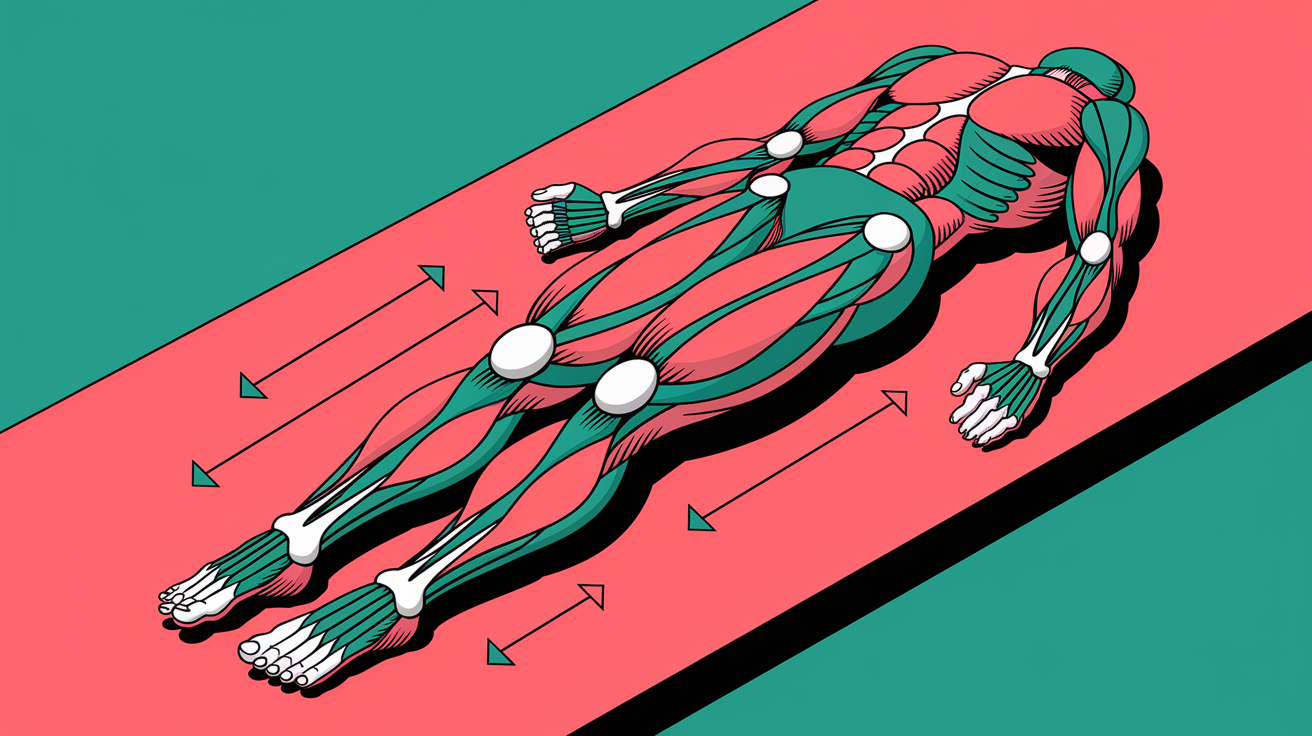
Tight hamstrings tilt your pelvis backward and load your lumbar spine unevenly. Short hip flexors pull your pelvis forward and exaggerate lumbar arch. Tight glutes and piriformis can create referred tension that feels like lower-back pain. Stretch these areas 3 times per week and you reduce the mechanical stress your lower back has to manage.
Think of your pelvis as the foundation for your spine. If the muscles around it are pulling in opposite directions, your lower back compensates. That compensation shows up as stiffness, soreness, or that chronic ache after workouts. Stretching the surrounding areas gives your lumbar spine room to move without fighting shortened tissue.
Key stretches with hold times and cues:
- Hamstring stretch (seated or supine with strap): Hold 15 to 30 seconds per side. Keep a neutral spine, hinge at the hips. Don’t round your back to reach your toes.
- Hip-flexor lunge: Low lunge, back knee near the floor. Hold 15 to 30 seconds per side. Tuck your pelvis slightly so you don’t overarch your lower back.
- Piriformis stretch: Sit with one ankle crossed over the opposite knee, gently press down on the raised knee. Hold 15 to 30 seconds per side. Keep your spine straight.
- Glute stretch (figure-four): Lie on your back, cross one ankle over the opposite thigh, pull the supporting leg toward your chest. Hold 15 to 30 seconds per side.
Safe Stretching Guidelines, Contraindications, and Red Flags
Post-exercise soreness is normal. It’s a dull, diffuse ache that improves with gentle movement and fades in a day or two. Pain is different. Sharp, shooting, or radiating sensations are warning signs. If a stretch causes pain that spreads down your leg, stop right away.
Don’t stretch through acute injury. If your lower back is inflamed, severely painful, or recently injured, gentle movement is fine but deep static stretching can make things worse. Check with a physical therapist or doctor first. Stretching works for prevention and recovery, not for managing an active flare-up.
Get medical help if you experience numbness, tingling, progressive leg weakness, loss of bowel or bladder control, or pain that worsens despite rest and gentle care. These are red flags that need professional assessment, not a home stretching routine. When in doubt, get it checked.
Progression, Hold Durations, and How to Build a 12-Week Flexibility Plan
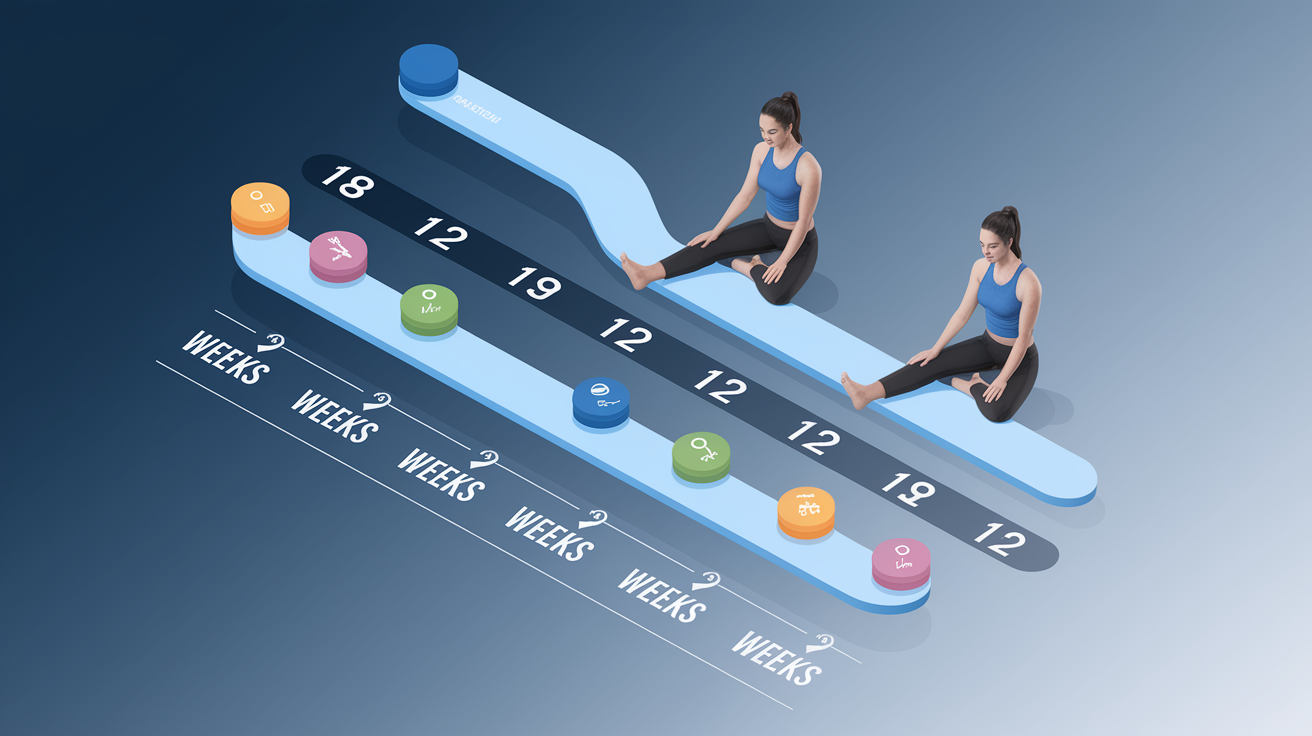
Start with 15-second holds and work up to 30 seconds as your tolerance improves. Repeat each stretch 2 or 3 times per session. Stretch at least 3 times per week. Daily is better if your schedule allows. Evidence shows that 12 to 16 weeks of consistent practice produces measurable gains in flexibility and pain reduction.
Steps to build your plan:
- Week 1–4: Hold each stretch 15 seconds, 2 reps. Focus on learning correct form and breathing.
- Week 5–8: Increase to 20–30 second holds, 2 to 3 reps. Track how far you can reach in forward folds or side bends.
- Week 9–12: Maintain 30-second holds, 3 reps. Measure range-of-motion weekly (fingertip-to-floor distance, spinal rotation).
- Tracking tools: Use a stretching journal, app, or simple notebook to log frequency, hold times, pain levels (0–10 scale), and ROM benchmarks.
- Adjust based on response: If a stretch feels easier or pain decreases, you’re progressing. If stiffness persists, add an extra session or consult a movement professional.
Progress isn’t always linear. Some weeks you’ll feel looser, others you’ll feel tight again. That’s normal. The goal is consistency over 12 weeks, not perfection every session.
Quick Post-Workout Lower Back Stretching Routines (5–10 Minutes)

5-minute essential routine:
- Cat-Cow Flow: 10 cycles (about 60 seconds)
- Child’s Pose: hold 30 seconds
- Knee-to-Chest: 20 seconds per side
- Supine Spinal Twist: 20 seconds per side
10-minute full lower-back and hip routine:
- Cat-Cow Flow: 10 cycles (60 seconds)
- Child’s Pose: hold 30 seconds
- Knee-to-Chest: 30 seconds per side
- Supine Spinal Twist: 30 seconds per side
- Hip-Flexor Lunge: 30 seconds per side
- Hamstring Stretch (standing or seated): 30 seconds per side
Both work. The 5-minute version hits the essentials when you’re short on time. The 10-minute routine adds hip and hamstring work for better pelvic balance. Pick the one that fits your day and do it regularly. That’s how you get results.
Final Words
Start right after your cool-down: warm up 5–10 minutes, then pick 3–4 stretches from the quick roster or follow a 5‑ or 10‑minute routine to target the lower back.
Hold each move 15–30 seconds and repeat 2–3 times. Aim for about three sessions a week. Stop if you feel sharp or radiating pain and get checked if symptoms worsen.
Use the best post-workout stretches for lower back relief consistently with the 12‑week plan. Small, steady practice adds up—keep it simple and keep going.
FAQ
Q: How to stretch your lower back after a workout?
A: To stretch your lower back after a workout, do gentle static moves like knee-to-chest, supine spinal twist, child’s pose, and cat–cow. Hold 15–30 seconds and repeat 2–3 times for relief.
Q: How to relieve severe lower back pain after a workout?
A: To relieve severe lower back pain after a workout, stop activity and avoid forced stretches; try gentle walking, ice or heat, and short rest. Seek medical care if pain is sharp, radiating, or doesn’t improve.
Q: Does stretching help with neuropathy?
A: Stretching can help with neuropathy by improving flexibility, easing tight muscles, and boosting local circulation, which may reduce discomfort; it won’t repair nerve damage, so pair it with medical advice.
Q: What are the big 3 for lower back pain?
A: The big three for lower back pain are core strength (stability), hip and hamstring mobility (to reduce pelvic strain), and regular stretching and movement to lower stiffness and improve posture.