Think hand strength doesn’t matter?
Grip strength exercises fix that without fancy gear by training crush, pinch, and support grip, and this post gives seven simple moves plus a plan you can do 2 to 4 times a week.
You’ll learn farmer carries, hangs, gripper squeezes, wrist curls, pinch holds, and easy progressions that fit busy schedules.
Do the short sessions consistently and expect easier carries, steadier pulls, and noticeable change in 4 to 8 weeks.
Best Grip Strength Exercises (Start Here)
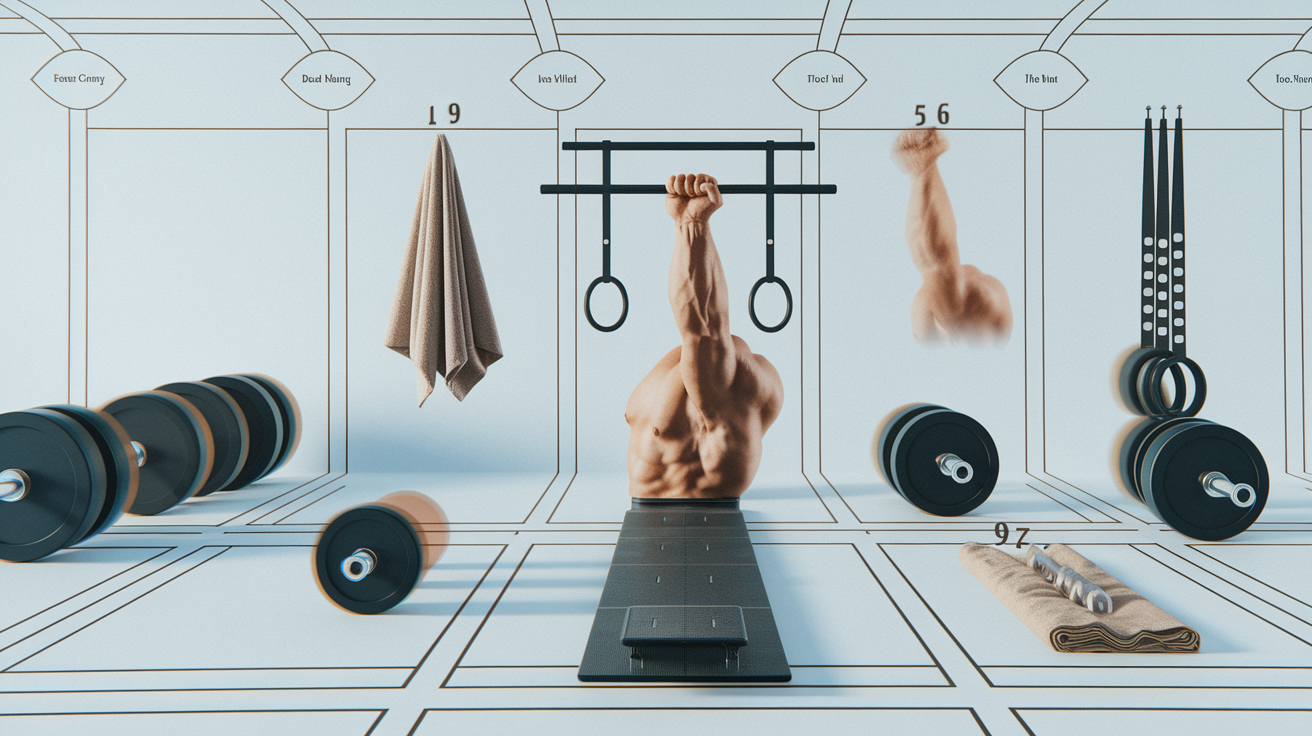
Grip strength doesn’t need fancy equipment or complex movements. The exercises below hit all three types of grip: crush (closing your hand), pinch (thumb and finger opposition), and support (holding weight over time). They work because they load your hands and forearms directly, forcing tendons, muscles, and connective tissue to adapt. Most people notice easier jar opening, steadier carries, and better performance on pulls within 4 to 8 weeks.
These seven exercises give you a complete grip training toolkit. Pick three or four per session, rotate them weekly, and watch your hands get stronger without adding much time to your workouts.
-
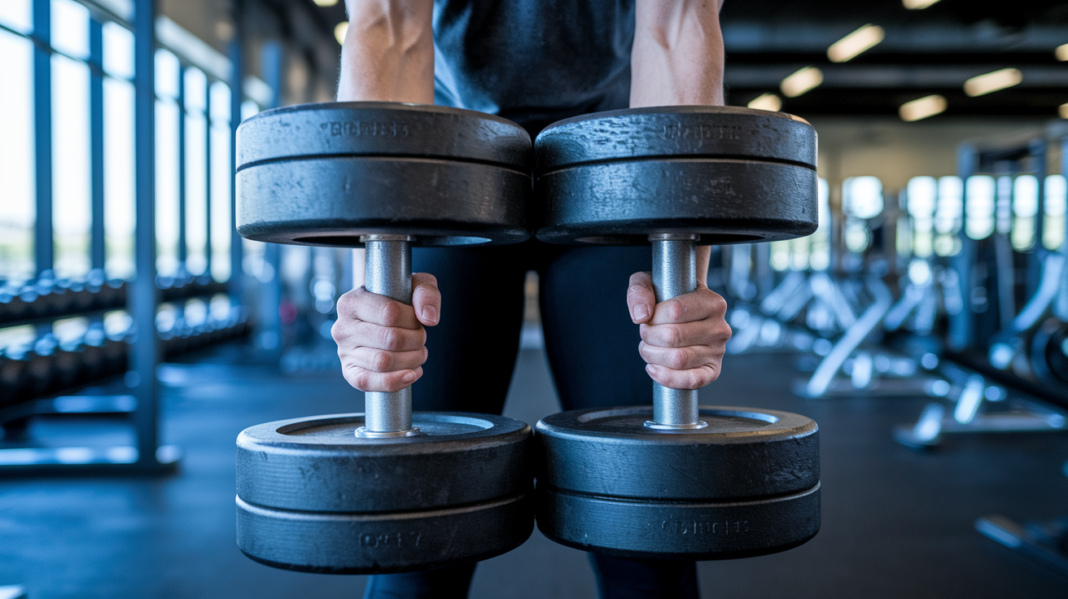
Farmer’s Carry: Pick up a heavy weight in each hand (dumbbells, kettlebells, or loaded bags), stand tall, and walk 30 to 60 feet. Do 3 sets. Keep your shoulders down and chest proud. This trains support grip and teaches your body to carry under load.
-
Dead Hang: Grab a pull-up bar with both hands, hang with straight arms, and hold for 20 to 40 seconds. Do 3 sets. Rest fully between sets. Drape a towel over the bar to make it harder. This builds holding endurance and prepares you for pull-up work.
-
Grip Squeezes with Hand Gripper: Close a hand gripper (start at 10 to 30 lb resistance) slowly, then release under control. Do 2 to 3 sets of 8 to 12 reps per hand. This is your main crush grip movement.
-
Wrist Curl: Hold a light dumbbell (1 to 5 lb for beginners) with your forearm on your thigh and palm up. Curl your wrist up, then lower it slowly. Do 2 to 3 sets of 10 to 15 reps per hand. This strengthens wrist flexors.
-
Reverse Wrist Curl: Same setup, but flip your palm down. Lift the back of your hand toward the ceiling, then lower. Do 2 to 3 sets of 10 to 15 reps per hand. This balances forearm development and protects against elbow pain.
-
Plate Pinch Hold: Pinch two smooth weight plates (or thick books) together with your fingers on one side and thumb on the other. Hold for 15 to 30 seconds. Do 3 sets per hand. This trains pinch grip and thumb strength.
-
Towel Hang: Drape a hand towel over a pull-up bar, grab both ends, and hang for 20 to 40 seconds. Do 3 sets. This variation hammers grip endurance and simulates odd object holds.
Train grip 2 to 4 times per week. If your hands feel sore or weak during your main lifts, cut back to 2 sessions and allow 48 hours between hard efforts. Most people see measurable gains (longer hang times, heavier carries, easier everyday tasks) within 4 to 8 weeks of consistent practice. Grip responds well to regular, controlled loading. Keep sessions short, focus on quality reps, and let your hands recover between workouts.
Equipment Based Grip Strength Exercises
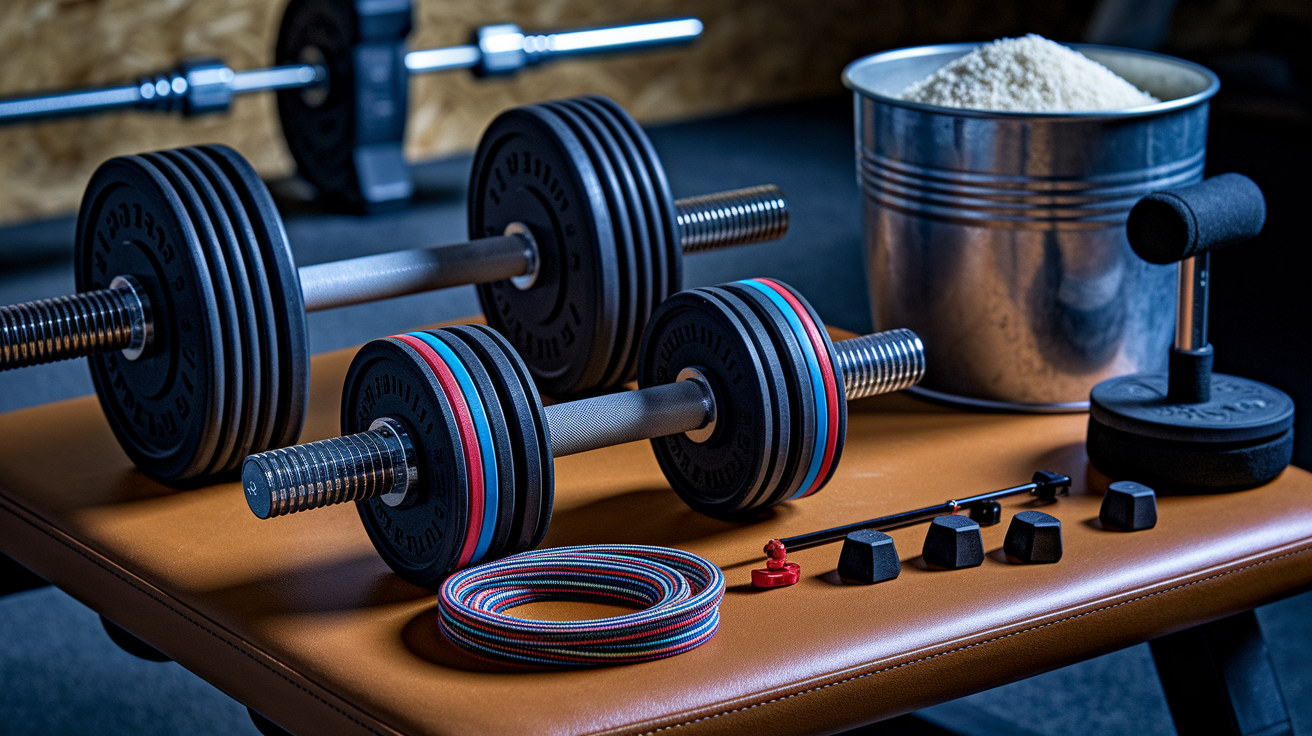
Different tools shift the training stimulus in ways that bodyweight or standard dumbbells can’t. A gripper isolates closing strength and lets you overload crush grip safely. Fat grip attachments increase the diameter of any bar, forcing your hands to work harder on every row, curl, or press. Resistance bands add variable tension that peaks at the end of the squeeze, drilling control through the full range. Each tool gives you a slightly different angle on grip development, so choosing the right one depends on your current weak point.
You don’t need every piece of equipment to build strong hands. Start with one or two tools that match your goals, then rotate or add others as your training matures. Equipment variety keeps sessions interesting and prevents overuse, but the core principle stays the same: load your hands consistently, progress gradually, and let adaptation happen over weeks.
Hand Grippers (10 to 100+ lb resistance): Build crush grip. Use them for high volume sets (10 to 20 reps) or max effort singles. Price range $10 to $40 depending on resistance level and brand.
Fat Grip Attachments: Slip over dumbbells or barbells to increase bar thickness. Make every pulling and curling movement harder on your hands and forearms. Start with lighter loads than usual and focus on control.
Resistance Bands: Loop around fingers or wrap around a closed fist, then spread fingers or open the hand against tension. Great for finger extensors (muscles that open your hand) and injury prevention. Compact and cheap.
Pinch Blocks or Thick Books: Train thumb and finger opposition. Hold them for time or add weight plates to the top. Low tech but effective for building pinch strength that transfers to carrying odd objects.
Wrist Roller or Rice Bucket: Wrist roller builds forearm endurance through slow, controlled rolling motions. Rice bucket lets you practice flexion, extension, and rotational patterns in all directions. Both are inexpensive and easy to use at home.
Grip Strength Progressions from Beginner to Advanced

Progression in grip training follows a simple pattern: master longer holds before adding weight, then increase load in small jumps. Beginners benefit most from learning basic hangs and controlled squeezes with light resistance. Once you can hold a dead hang for 30 seconds or complete 12 clean reps with a gripper, you’re ready to layer in heavier loads, single arm variations, or thicker grips. The key is giving your tendons and connective tissue time to adapt before you chase big numbers.
| Level | Training Focus | Example Progression Step |
|---|---|---|
| Beginner | Build base endurance and teach wrist control | Dead hang 20 to 30 seconds, wrist curls with 1 to 3 lb, gripper squeezes 2 sets of 10 reps at 10 to 20 lb resistance |
| Intermediate | Increase hold times and introduce load | Dead hang 40 to 60 seconds, farmer’s carry 10 to 20 lb per hand for 30 to 60 feet, plate pinch 15 to 30 seconds, gripper 2 to 3 sets of 10 to 12 reps at 30 to 50 lb |
| Advanced | Add single arm work, heavy carries, dynamic holds | One arm hang 10 to 30 seconds, farmer’s carry 30 to 50+ lb per hand for 60 to 90 seconds, towel pull-ups or rock climbing style hangs, gripper sets above 50 lb or max effort singles |
Most people stay at the beginner stage for 4 to 6 weeks, moving to intermediate once they can hold a dead hang for 30 seconds and complete 2 sets of 12 reps on basic exercises without form breakdown. Intermediate work often lasts another 6 to 12 weeks as you build work capacity and prepare tendons for heavier loads.
Advanced progressions are open ended. You can always add time, weight, or difficulty. Listen to your hands and forearms. If soreness lingers more than 48 hours or you lose range of motion, dial back volume and give your tissues more recovery time before pushing forward.
Benefits of Building Grip Strength
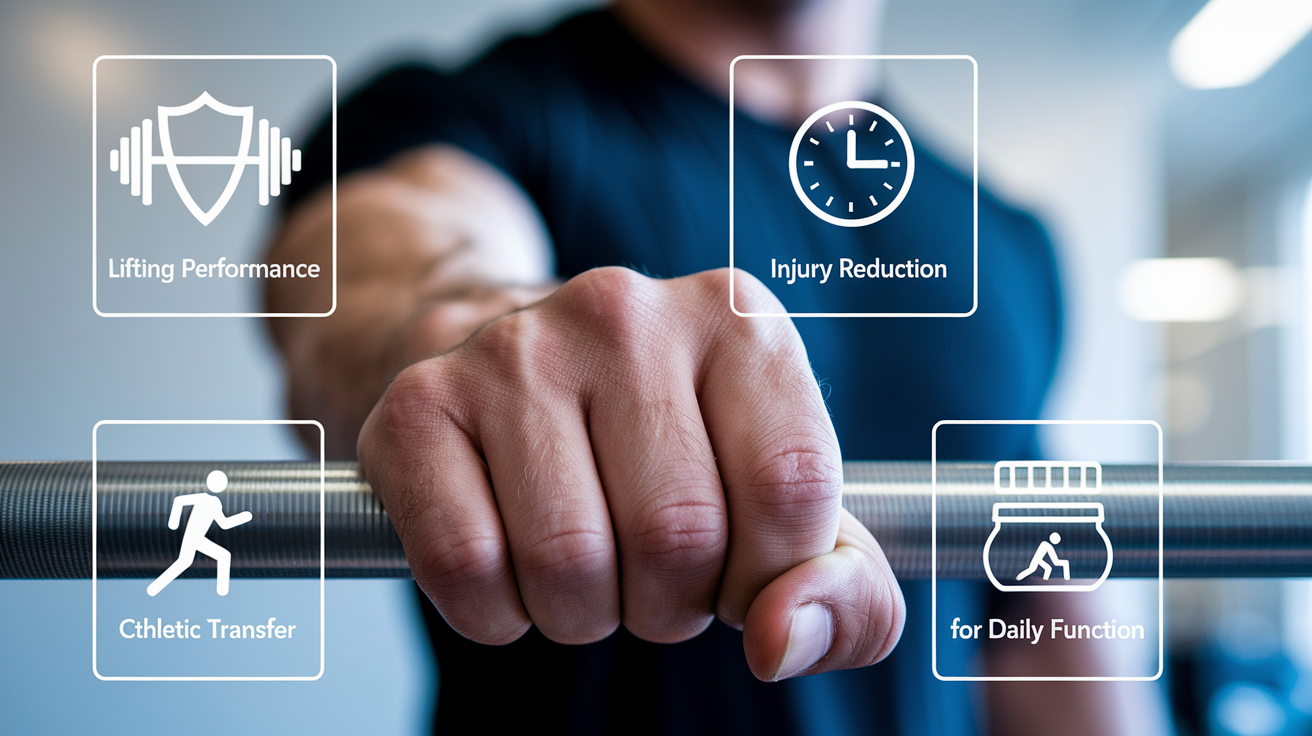
Strong hands improve your performance on nearly every upper body lift. Deadlifts, rows, pull-ups, and farmer’s walks all become easier and safer when your grip doesn’t give out before your bigger muscles. A solid grip also lets you focus on the target muscle instead of worrying about dropping the weight mid set.
Lifting Performance: Holding heavier barbells and dumbbells longer means more total work and better muscle stimulus. Your back, traps, and biceps can finally catch up when your hands stop being the weak link.
Athletic Transfer: Sports like golf, tennis, rock climbing, and baseball demand wrist stability and quick hand reactions. Stronger forearms improve club speed, racket control, and throw velocity.
Injury Reduction: Balanced forearm strength protects elbows and wrists from overuse injuries. Reverse wrist curls and finger extension work prevent the imbalances that lead to tendinitis.
Longevity and Health Markers: Research links grip strength to overall health and longer lifespan. Doctors sometimes use grip as a quick measure of frailty and functional capacity in older adults.
Daily Function: Opening jars, carrying groceries, holding a steering wheel on long drives, and lifting kids or pets all get easier when your hands and forearms are trained.
Beyond the weight room, grip strength shows up in everyday tasks you never thought about. When carrying bags feels light and opening stubborn containers takes no effort, you know the training is working. The advantages go beyond convenience. They connect directly to quality of life, independence, and resilience as you age.
Safety and Overuse Prevention in Grip Training
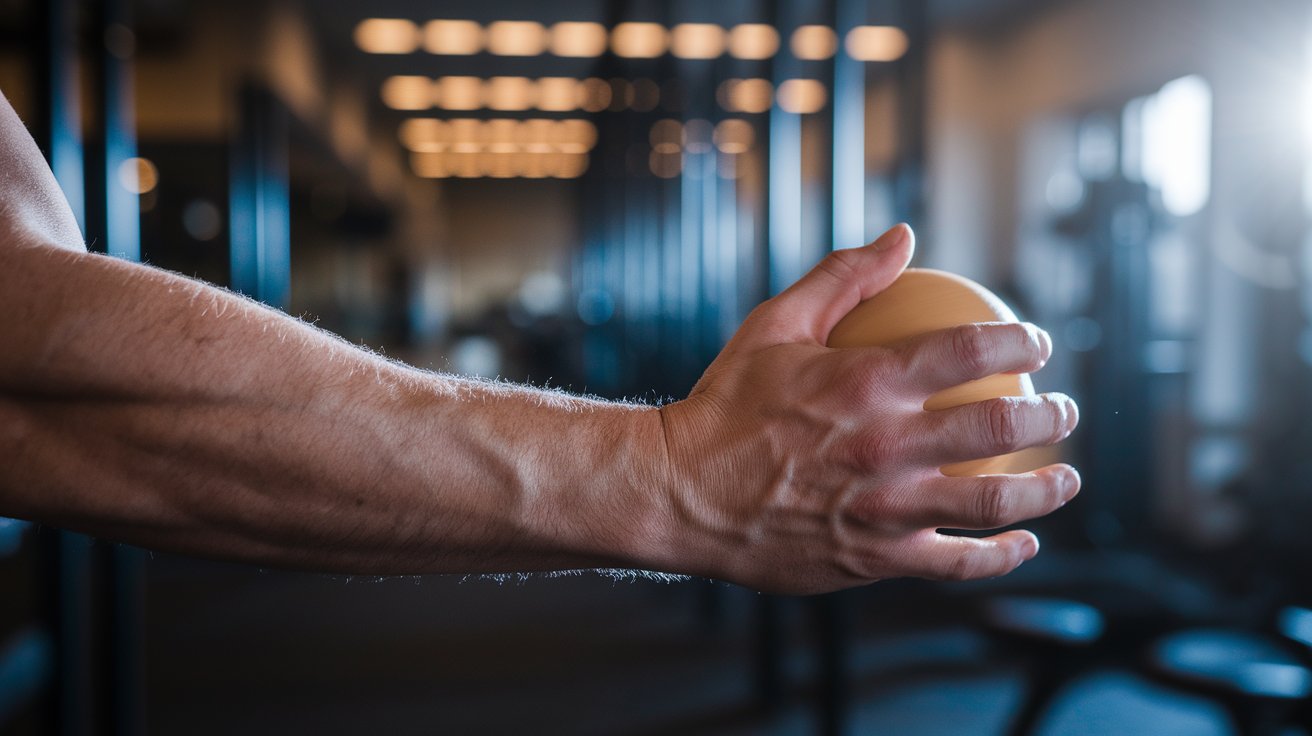
Grip work looks simple, but your forearms and wrists can get overloaded fast if you skip warm-ups or train too often. Start every session with 5 to 10 minutes of wrist circles, finger extensions, and light squeezes using a soft ball or band. This preps tendons and increases blood flow before you load your hands. Warning signs include sharp pain, lingering stiffness the next day, or numbness in your fingers. If any of those show up, back off volume and see a clinician if symptoms don’t clear within a week.
Most overuse issues come from doing too much too soon or training grip on back to back days without recovery. Your forearms are smaller muscle groups with dense connective tissue, and they need rest to adapt. Respect that timeline and you’ll stay healthy.
Skipping Warm-Ups: Jumping straight into heavy farmer’s carries or max gripper squeezes without preparing your wrists invites tendon irritation. Always spend a few minutes on light movement first.
Training Daily Without Rest: Grip work stresses tendons more than muscle. Even if your hands don’t feel sore, tendons need 48 hours to rebuild after hard sessions. Overtraining leads to chronic stiffness and elbow pain.
Ignoring Pain Signals: Mild fatigue is normal. Sharp, radiating pain is not. Stop immediately if pain shoots up your forearm or into your elbow, and don’t resume heavy grip work until it’s gone.
Using Straps for Everything: Relying on wrist straps during all your pulls robs your hands of training stimulus. Save straps for top end sets when grip is truly the limiting factor, and train your hands directly on lighter work.
Plan 2 to 3 intense grip sessions per week with at least 48 hours between them. If you do pulling workouts (deadlifts, rows, pull-ups) twice a week, you can add one dedicated grip day in between and still get enough recovery. On off days, light mobility work (wrist circles, finger stretches, rice bucket drills) keeps blood flowing without adding fatigue. Listen to your body, scale back when needed, and prioritize controlled movement over chasing heavy numbers too fast. Consistent, respectful training builds powerful hands that last.
Final Words
You now have a focused plan: the best grip strength moves, the right tools, a clear progression, and safety tips to avoid overuse.
This week, pick two exercises from the list, one hold (farmer’s carry or dead hang) and one crush or pinch move. Do 3-4 sets, holds for 20-40 seconds or 8-15 reps, and train twice a week. Warm up and allow 48 hours between hard sessions.
Stick with it for 4-8 weeks and you’ll see better lifts and daily grip. Keep doing these grip strength exercises and build from there. You’ve got this.
FAQ
Q: What exercises improve grip strength?
A: The exercises that improve grip strength include farmer’s carries, dead hangs, hand grippers, wrist curls, reverse wrist curls, plate pinches, and towel hangs—each builds crush, support, or pinch strength with simple progressions.
Q: Is it okay to do hand grippers every day?
A: Doing hand grippers every day can be okay if you use low intensity, short sets, and stop if your hands get sore; most people should alternate intense sessions and rest 48 hours.
Q: What is the number one exercise for seniors?
A: The number one exercise for seniors is walking because it’s low impact, boosts cardio, balance, and mobility; aim for 10–30 minutes most days and add simple strength moves twice weekly.
Q: What is weak grip a symptom of?
A: A weak grip can be a symptom of deconditioning, tendon or nerve issues (like carpal tunnel), arthritis, or neurological conditions; see a clinician if weakness starts suddenly or limits daily tasks.