
Think vegetarian dinners can’t hit 20 grams of protein?
Think again.
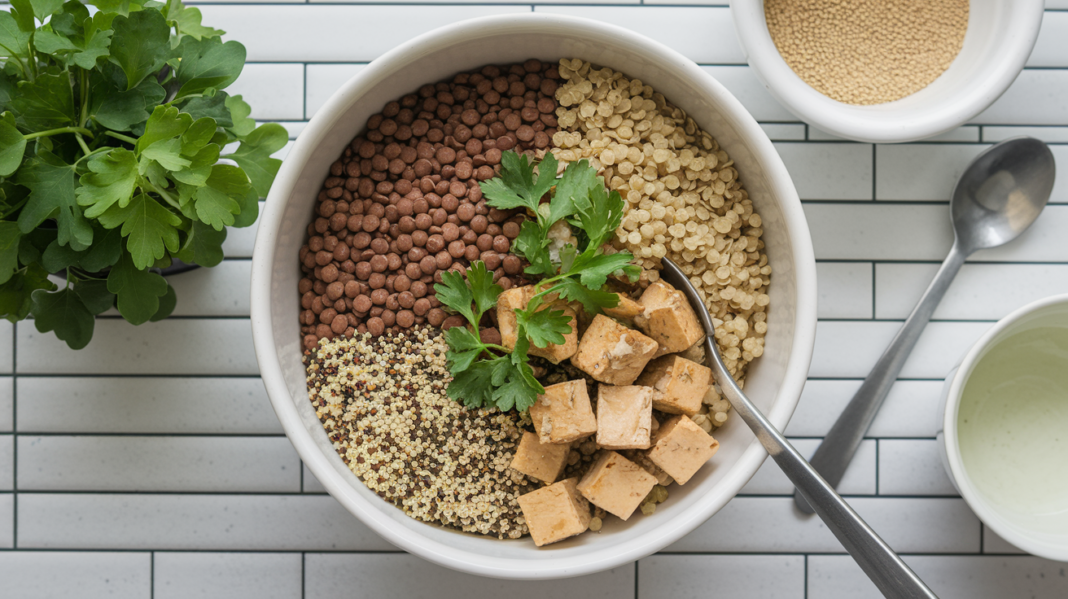
These quick, practical recipes use tofu, lentils, chickpeas, Greek yogurt, cottage cheese, quinoa, and high-protein pasta to reach 20+ grams per serving without meat.
You’ll find stews, stir-fries, bowls, and pastas—many ready in 15 to 30 minutes—with Indian, Mediterranean, Mexican, and African flavors, plus swaps and batch-cook tips so busy weeks stay simple.
Fast & Practical High-Protein Vegetarian Dinner Recipes (Core List to Satisfy Your Search)
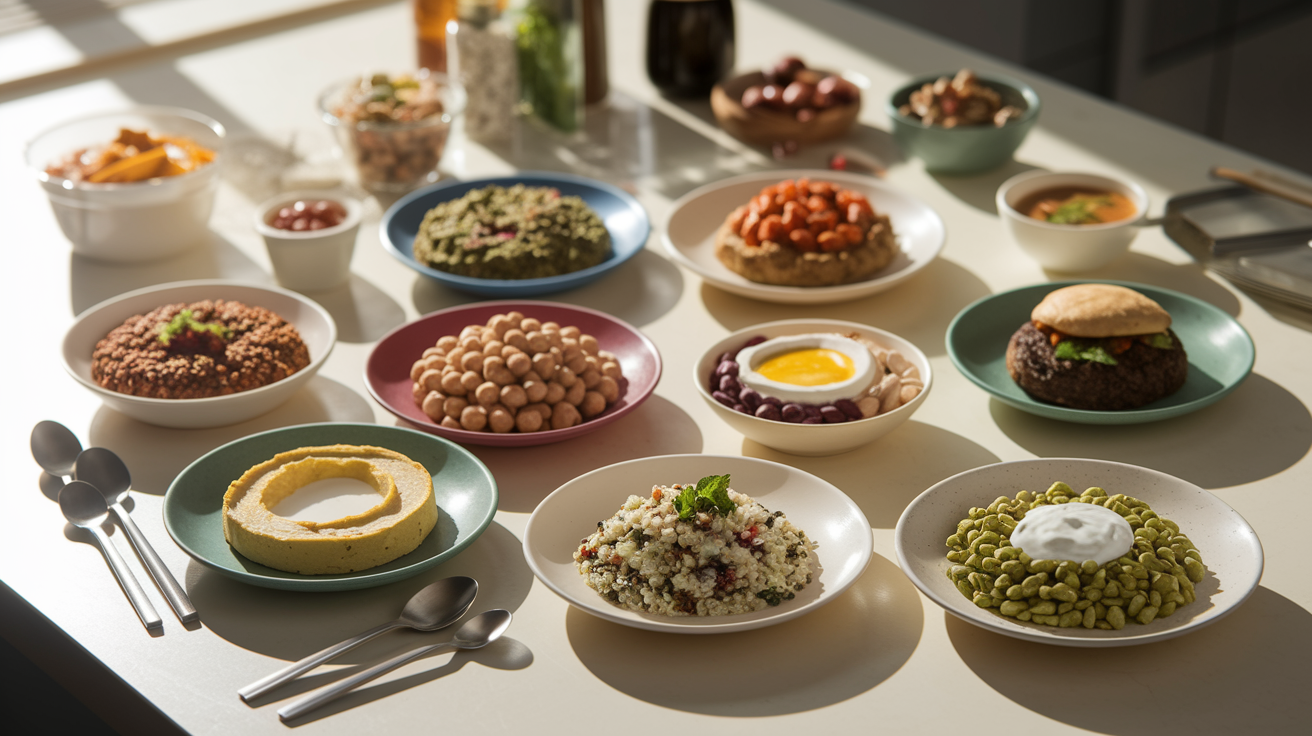
You want a high-protein vegetarian dinner on the table fast. That means at least 20 grams of protein per serving without touching meat. You’re looking at tofu, lentils, chickpeas, beans, Greek yogurt, cottage cheese, quinoa, and high-protein pasta. These aren’t side dishes pretending to be dinner. They’re complete meals that actually fill you up.
The list below pulls from lentil stews, tofu stir-fries, bean curries, and grain bowls. Protein ranges from 19 grams per serving up to 28. Some take 15 minutes. Some you can batch cook and freeze. You’ll see Indian, Mediterranean, African, and Mexican flavors, so you’re not stuck eating the same thing on repeat.
Here’s what you get: ingredients from most grocery stores, cooking times that fit weeknight schedules, and protein numbers based on standard serving sizes. Add Greek yogurt, swap in chickpea pasta, or toss hemp seeds on top, and those numbers climb even higher.
12 High-Protein Vegetarian Dinners:
- Lentil Chili – hearty, tomato-based chili with red or green lentils; about 28 g protein per serving.
- Chickpea Curry – coconut milk, chickpeas, spinach, and curry spices; about 19 g protein per serving.
- Marinated Tofu – baked or grilled tofu in soy-ginger marinade, ready in 30 minutes; about 25 g protein per serving.
- African Peanut Stew – sweet potato, kale, chickpeas, and peanut butter; about 21 g protein per serving.
- Mediterranean Bowl – hummus, falafel, feta, cucumber, tomato, and quinoa; about 27 g protein per serving.
- Black Bean Soup – smoky black beans with a swirl of sour cream; about 20 g protein per serving.
- Vegetable Curry with Greek Yogurt – mixed veggies, cashews, and yogurt; about 24 g protein per serving.
- Lentil Pasta – red lentil or chickpea penne with marinara or pesto; about 21 g protein per serving.
- Mung Bean Soup – simple, savory soup with greens and spices; about 19 g protein per serving.
- Vegetarian Bolognese – lentils and walnuts in rich tomato sauce over pasta; about 23 g protein per serving.
- Lentil Wellington – lentils, mushrooms, and pastry for a fancier option; about 24 g protein per serving.
- Spanakopita – spinach and feta wrapped in phyllo; about 22 g protein per 2 pieces.
Core Plant-Based Proteins to Transform Vegetarian Dinners
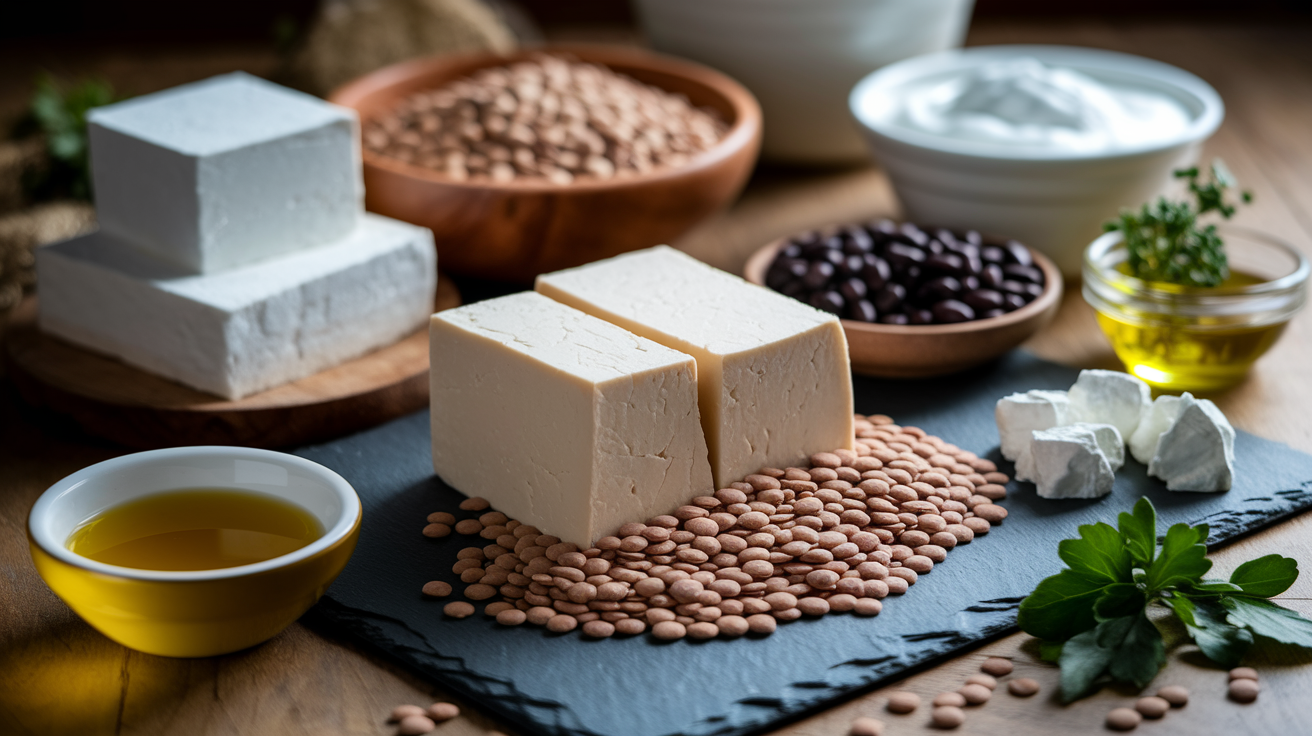
Tofu, lentils, beans, Greek yogurt, cottage cheese, and high-protein pasta form the foundation of any high-protein vegetarian dinner plan. One block of firm tofu holds about 40 grams of protein total. A cup of cooked lentils gives you 18 grams. Greek yogurt delivers 20 grams per cup. Cottage cheese pushes that to 25. High-protein pasta made from lentils or chickpeas lands between 13 and 20 grams per serving before you even add sauce.
To get a complete amino acid profile, pair grains with legumes. Quinoa with black beans. Brown rice with chickpeas. Whole-wheat pasta with lentil sauce. Nuts, seeds, and nut-based sauces fill in the gaps while adding richness. A walnut-based creamy sauce or tahini dressing brings flavor and protein at the same time. Nutritional yeast sprinkled on pasta or roasted vegetables contributes a few extra grams and a savory, almost cheese-like flavor.
Quick protein boosters to keep on hand:
- Hemp seeds or pumpkin seeds (8 to 10 grams per quarter cup)
- Swap regular pasta for lentil or chickpea pasta (doubles protein per serving)
- Stir white beans into tomato sauce or soup (7 to 8 grams per half cup)
- Replace sour cream with Greek yogurt in tacos or chili (triples protein)
- Top any bowl with a fried or poached egg if you eat eggs (6 grams)
High-Protein Vegetarian Dinner Bowls & Salads
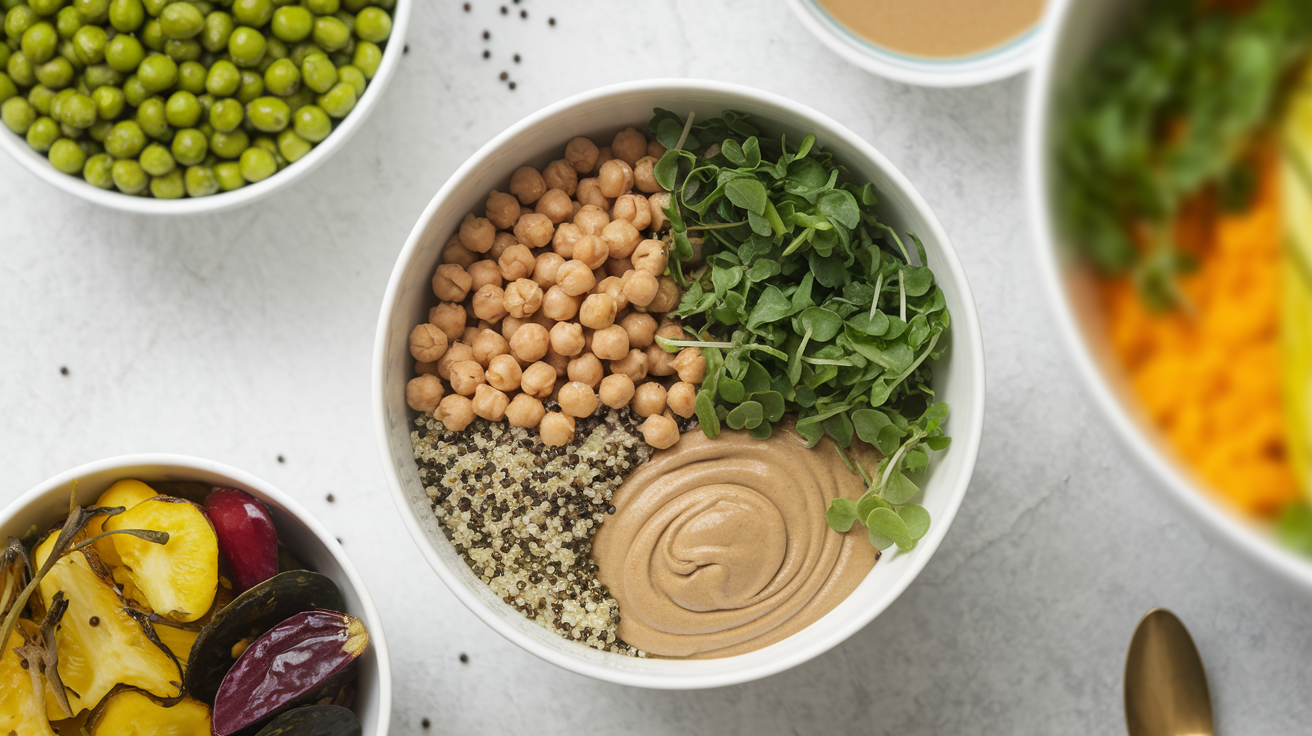
Bowls and salads work as complete dinners when you build them right. Start with a protein-rich base like quinoa, lentils, or chickpeas. Add roasted or raw vegetables. Finish with a high-protein topping such as feta, tofu, edamame, or a tahini-yogurt dressing. Protein sits in the 16 to 27 gram range per serving, depending on what you layer in.
These meals prep ahead easily. Cook a batch of black lentils or quinoa on Sunday, chop vegetables, portion them into containers. At dinner, warm the grains and proteins or eat them cold. A green goddess bowl with edamame and avocado holds up in the fridge for three days. A dense bean salad with white beans, chickpeas, and red onion actually tastes better the next day once the flavors settle.
| Dish | Main Protein | Approx Protein/Serving | Prep Time |
|---|---|---|---|
| Green Goddess Bowl | Edamame, avocado, tahini dressing | 17 g | 20 minutes |
| Black Lentil Salad with Roasted Veggies | Black lentils, feta | 18 g | 30 minutes |
| Quinoa Bowl with Harissa Roasted Veggies & Fried Egg | Quinoa, egg, chickpeas | 22 g | 35 minutes |
| Mediterranean Bowl with Hummus, Falafel & Feta | Falafel, hummus, feta | 27 g | 25 minutes |
Protein-Packed Vegetarian Soups, Stews & Chilis
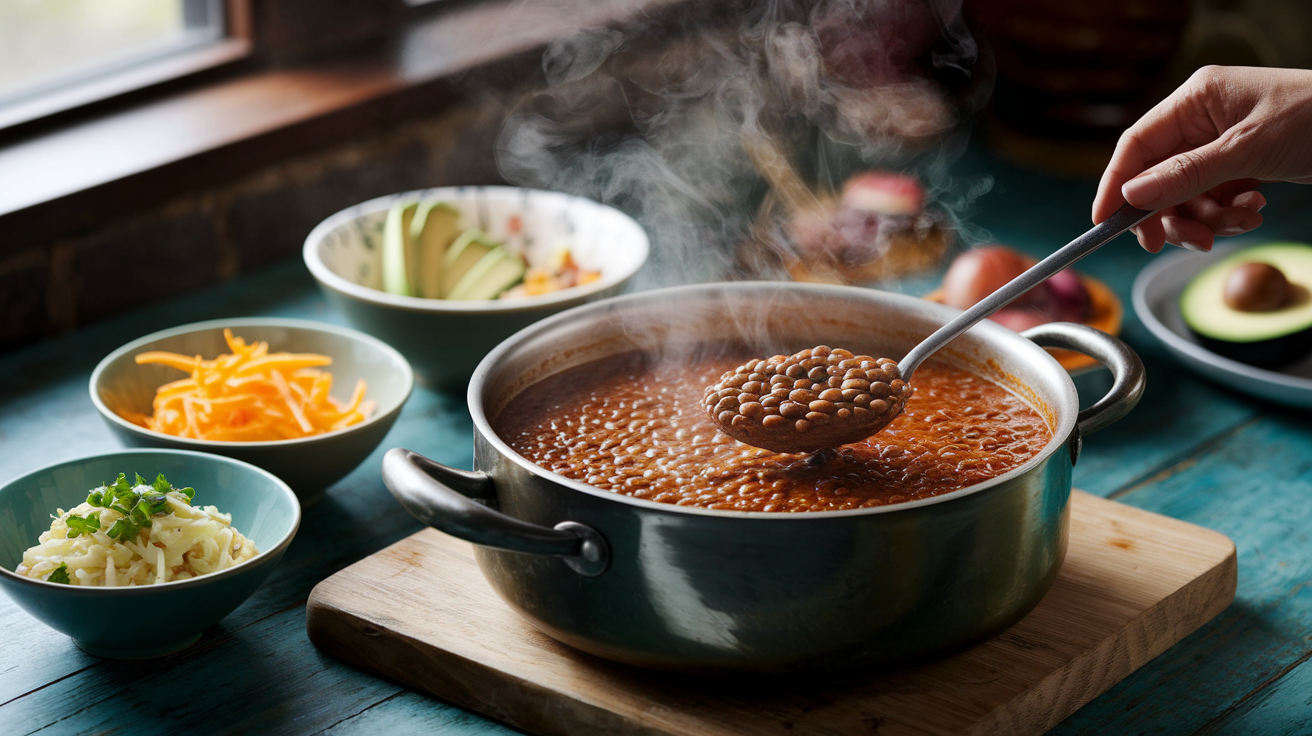
Soups, stews, and chilis built around lentils, beans, and chickpeas deliver protein and volume without heavy prep. A bowl of lentil chili can hit 28 grams of protein per serving. Black bean soup with a spoonful of sour cream lands around 20 grams. Moroccan lentil soup with spices, tomatoes, and greens gives you 21 grams. These meals simmer in one pot, take 20 to 40 minutes start to finish, and scale easily when you’re cooking for a few days.
Protein in these dishes comes from the legumes themselves, plus any dairy or plant-based toppings you add. A swirl of Greek yogurt into chickpea curry adds creaminess and another 5 to 7 grams. Coconut milk curries pair well with a side of quinoa or a scoop of cottage cheese to push the numbers higher. The liquid base makes these recipes forgiving. If the soup thickens too much in the fridge, add a splash of vegetable broth when reheating.
Freezer storage is where soups and stews shine. Lentil chili, black bean soup, and coconut lentil curry all freeze cleanly in single-serving containers. Thaw overnight in the fridge or reheat from frozen on the stove with a little extra broth to bring back the right texture. Label each container with the date and protein count so you know exactly what you’re grabbing on a busy night.
High-Protein Pasta, Stir-Fries & Global Comfort Dinners
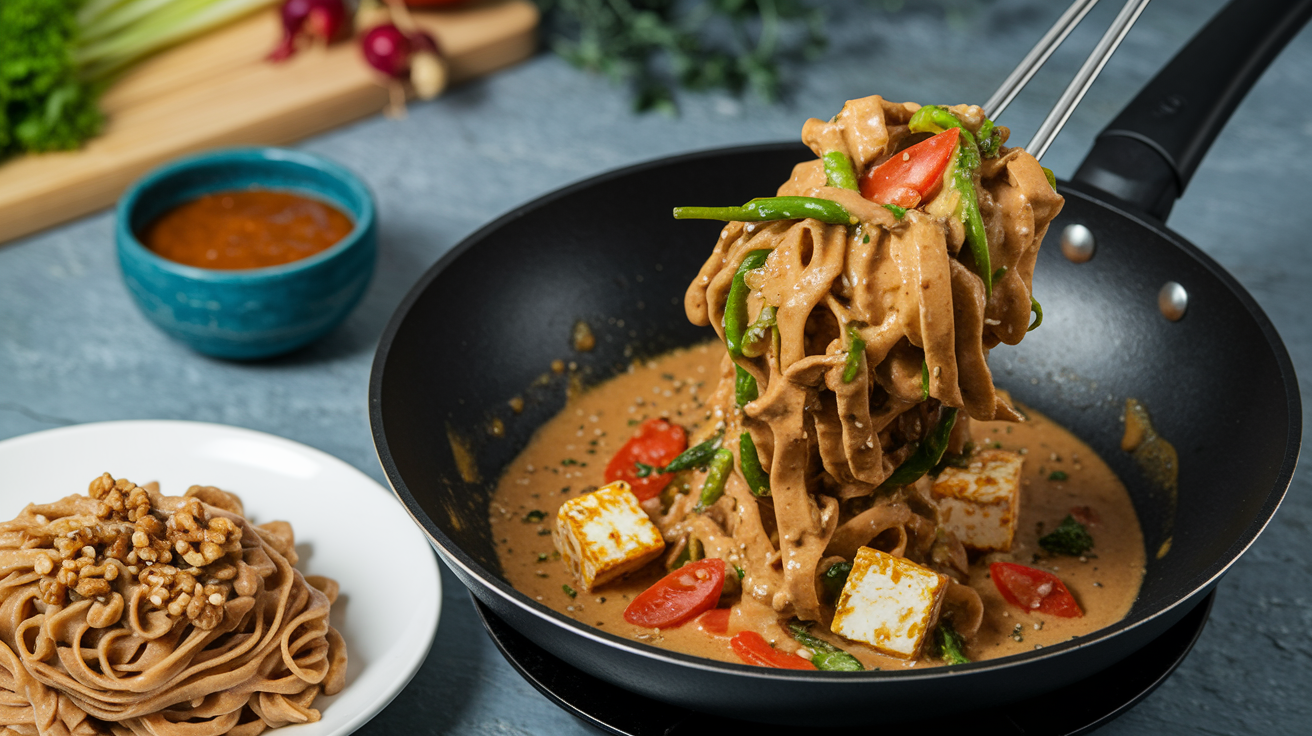
Pasta, stir-fries, and globally-inspired comfort plates give you variety without abandoning your protein target. High-protein pasta made from red lentils or chickpeas holds 13 to 20 grams per serving before you add sauce. Tofu stir-fries can deliver 18 to 25 grams depending on how much tofu you use and what you serve it with. Curries built on chickpeas, lentils, or paneer land in the same range, especially when you finish them with Greek yogurt or cashews.
These recipes move fast. A creamy vegan pasta with tomatoes and basil can be ready in 15 minutes if you use a blender sauce made from walnuts, nutritional yeast, and garlic. The walnut sauce stores in the fridge for up to two weeks, so you can batch it and use it throughout the week. Stir-fries take about the same time once your tofu’s pressed and your vegetables are chopped.
High-Protein Pasta Dishes
Lentil pasta with marinara or pesto is the simplest swap. Want more protein? Stir white beans into the sauce or top with ricotta. Vegan mushroom bolognese uses lentils and walnuts to mimic ground meat and sits at about 23 grams per serving without the pasta. Pair it with chickpea penne and you’re over 35 grams total.
Tofu-Based Stir-Fries
Orange tofu, sesame tofu, and honey garlic tofu all work as weeknight stir-fries. Marinate the tofu for 20 minutes, pan-fry until crispy, and toss with vegetables and sauce. Serve over brown rice or quinoa. Each serving lands around 18 to 25 grams depending on portion size and whether you add edamame or peanuts.
Indian-Inspired Protein Meals
Chickpea curry, lentil curry, and vegetable curry with Greek yogurt are staples. The yogurt adds tang and creaminess while boosting protein by 10 to 15 grams per serving. Serve with naan or rice. Prep time is usually 30 to 40 minutes, and leftovers reheat well.
Mexican & Mediterranean Comfort Plates
Sheet pan black bean tacos, high-protein burritos with refried beans and cheese, and spanakopita (spinach and feta phyllo pie) all fit the comfort-dinner category. Black bean tacos take about 25 minutes if you roast the beans and peppers together. Spanakopita can be assembled ahead and baked when you’re ready to eat, delivering 22 grams of protein per two pieces.
High-Protein Vegetarian Dinner Ideas for Meal Prep & Freezer Storage
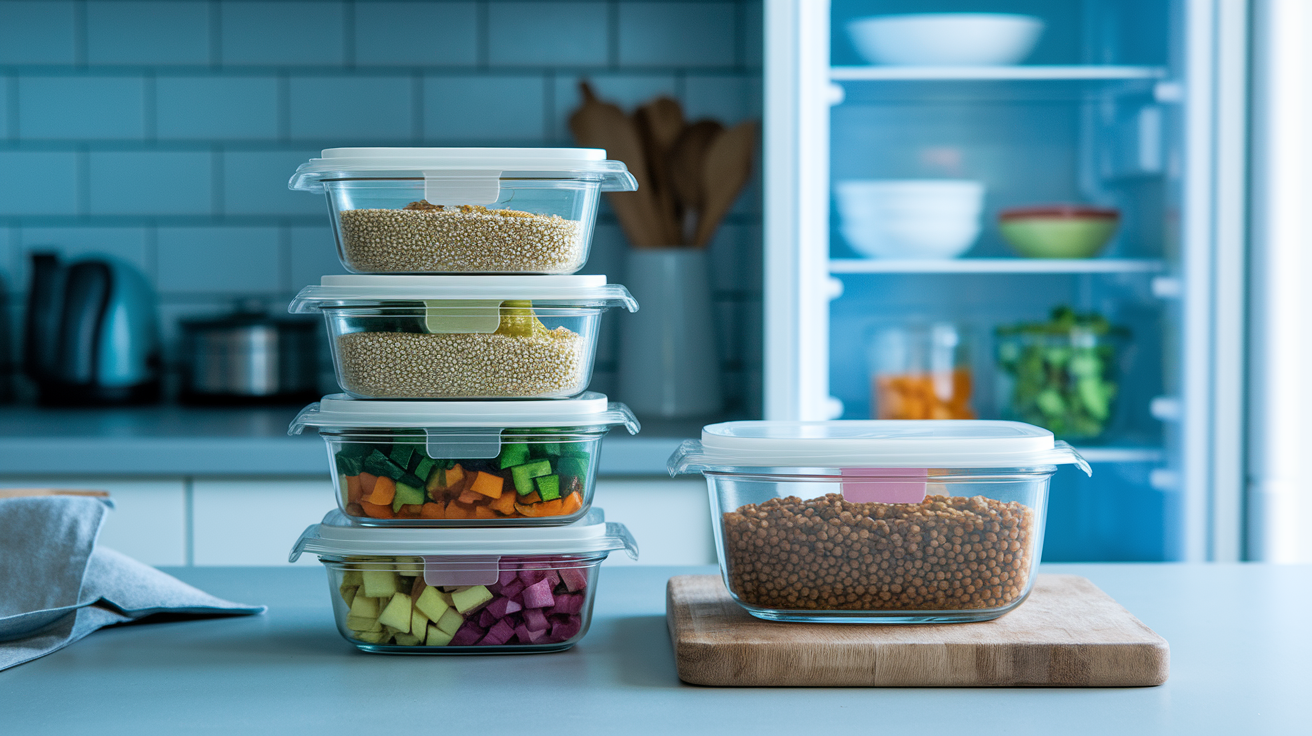
Meal prep turns a single cooking session into four or five dinners. High-protein vegetarian meals work especially well because lentils, beans, and tofu all hold their texture after refrigeration or freezing. Cook a big batch of lentil chili, portion it into containers, and freeze what you won’t eat within three days. Thaw overnight and reheat on the stove with a splash of broth to loosen it back up.
One-pot meals like coconut lentil curry, black bean soup, and vegetarian bolognese are designed for this workflow. They don’t lose flavor or structure when stored. Quinoa bowls and grain-based salads also prep cleanly. Store the grains, proteins, and dressings separately, then assemble each bowl right before eating to keep greens from wilting.
Three-step prep, portion, freeze workflow:
- Cook in bulk. Make a double or triple batch of soup, chili, curry, or pasta sauce on a low-stress day. Let it cool completely before portioning.
- Portion by serving. Use single-serving containers or freezer bags. Label each with the dish name, date, and approximate protein per serving.
- Freeze flat. Lay bags flat in the freezer so they stack neatly and thaw faster. Soups and stews stay good for up to three months.
Budget-Friendly & Family-Friendly High-Protein Vegetarian Dinners
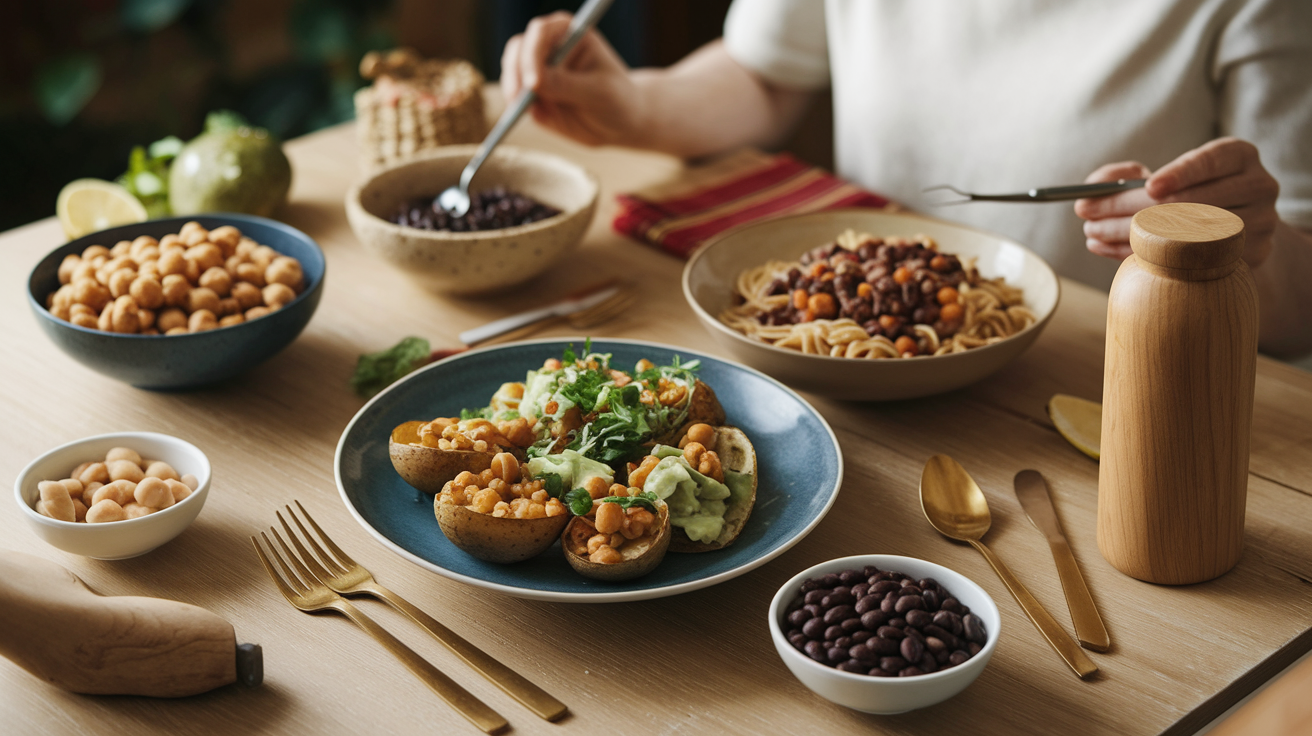
Beans, lentils, tofu, chickpea pasta, and whole grains cost less per gram of protein than most animal products. A pound of dried lentils runs about two dollars and yields multiple high-protein dinners. Canned beans are even faster and still affordable. Tofu’s cheaper than chicken in most markets, and chickpea pasta is only slightly more expensive than regular pasta but doubles the protein.
Kids and picky eaters often take to familiar formats. Black bean tacos, lentil pasta with marinara, roasted potato and chickpea bowls, and cheesy broccoli rice casserole all work at family tables. The protein comes from ingredients that blend into the dish rather than stand out. Lentil bolognese tastes rich and savory without announcing itself as lentils. A chickpea curry with mild spices and coconut milk goes down easy with rice or naan.
Flavor is where you win over repeat eaters. Season generously. Use garlic, cumin, smoked paprika, nutritional yeast, soy sauce, or lemon juice to keep things interesting. Rotate cuisines so the same base ingredients feel different week to week.
Five budget-friendly pantry staples for high-protein vegetarian dinners:
- Dried lentils (red, green, or black)
- Canned black beans and white beans
- Firm tofu (buy in bulk if your store offers it)
- Chickpea or red lentil pasta
- Quinoa or brown rice
Macro Balancing & Protein Targets for Vegetarian Dinners
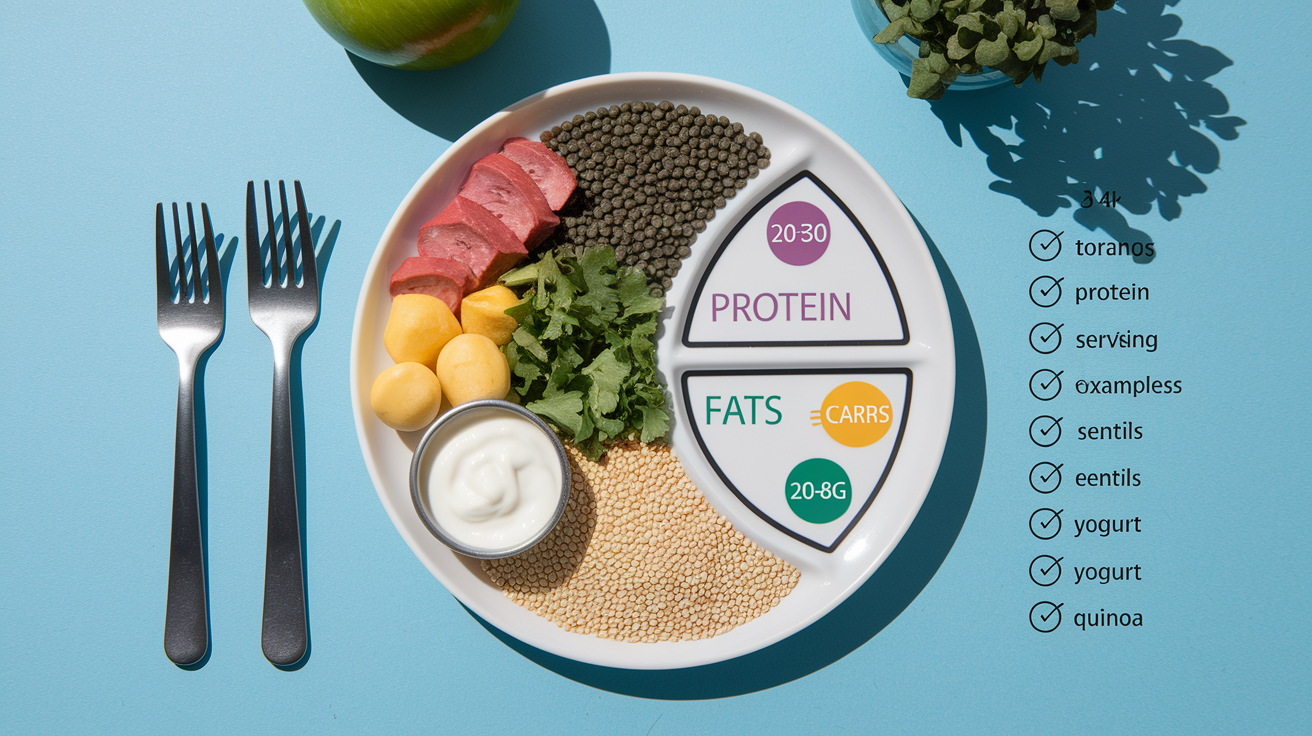
A balanced vegetarian dinner typically includes 20 to 30 grams of protein, a serving of complex carbohydrates, healthy fats, and fiber-rich vegetables. Daily protein needs run about 0.36 to 0.60 grams per pound of body weight. That translates to roughly 50 to 75 grams per day for most adults. If you’re active or building muscle, you might aim closer to 100 grams per day. Dinner should contribute at least a quarter to a third of that total.
Pairing grains with legumes improves your amino acid profile and makes the meal more filling. A quinoa and black bean bowl gives you complete protein in one dish. Adding nuts, seeds, or a tahini-based dressing contributes healthy fats and another 5 to 10 grams of protein. Greek yogurt, cottage cheese, or a fried egg on top pushes the protein count higher without requiring a second main ingredient.
If you’re tracking macros for weight loss or muscle gain, swapping ingredients is the fastest way to adjust. Replace sour cream with Greek yogurt to cut fat and add protein. Swap regular pasta for chickpea pasta to double protein and increase fiber. Add hemp seeds or pumpkin seeds to salads or bowls for a quick 8 to 10 gram boost.
| Ingredient Swap | Added Protein | When to Use |
|---|---|---|
| Greek yogurt in place of sour cream | +10 to 15 g per half cup | Chili, tacos, baked potatoes, curry |
| Chickpea pasta instead of regular pasta | +8 to 12 g per serving | Any pasta dish, especially quick weeknight meals |
| Hemp seeds or pumpkin seeds on top | +8 to 10 g per quarter cup | Salads, bowls, soups, stir-fries |
Final Words
You’ve got 12 fast, practical dinner ideas with protein numbers, plus bowls, soups, pastas, and global options you can cook in 15–40 minutes. The guide also covered core plant proteins, simple boosters, meal-prep and freezer tips, budget swaps, and how to hit dinner protein targets.
Pick two recipes to try this week. Aim for roughly 20–30 g per serving, lean on lentils, chickpeas, tofu or Greek yogurt, and tweak for taste. Use these high protein vegetarian dinner ideas to make weeknights easier and more satisfying.
FAQ
Q: What counts as a high-protein vegetarian dinner?
A: A high-protein vegetarian dinner is a meal with about 20–30+ grams of protein per serving, built from beans, lentils, tofu, dairy, eggs, quinoa, or high-protein pasta to meet satiety and recovery needs.
Q: Which plant proteins should I use to hit 20–30 grams per meal?
A: Use tofu (≈40 g/block), cooked lentils (≈18 g/cup), chickpeas, Greek yogurt (≈20 g/cup), cottage cheese (≈25 g/cup), quinoa, beans, high-protein pasta, and seeds for easy protein boosts.
Q: Can vegetarian meals provide complete proteins?
A: Vegetarian meals can provide complete proteins by pairing grains and legumes (rice + beans), using soy or dairy, or adding seeds and nuts so you get all essential amino acids over the day.
Q: What are quick weeknight high-protein vegetarian dinner ideas?
A: Quick ideas include lentil chili ≈28 g, chickpea curry ≈19 g, marinated tofu ≈25 g, quinoa salad with egg ≈22 g, black bean tacos ≈18 g, Greek yogurt bowls ≈20 g—ready in 15–30 minutes.
Q: How can I boost protein in bowls and salads?
A: Boost bowls and salads by adding edamame, roasted chickpeas, a scoop of cottage cheese or Greek yogurt, hemp or pumpkin seeds (+8–10 g), or seared tofu for easy protein gains.
Q: How do I prep and freeze high-protein vegetarian dinners?
A: Prep by cooking full batches, cool quickly, portion into meal-sized containers, label with date, freeze. Reheat with a splash of broth or water to restore texture before serving.
Q: Which high-protein ingredients are budget and kid friendly?
A: Budget and kid-friendly options are beans, lentils, tofu, chickpea pasta, eggs, and cottage cheese. Use simple flavors—tacos, bowls, pasta—so picky eaters will try them.
Q: How much protein should I aim for at dinner as a vegetarian?
A: Aim for about 20–30+ grams at dinner. Daily needs vary (roughly 0.36–0.60 g per pound). Most adults target 50–75 g daily; adjust up for training or muscle goals.
Q: How do I add protein to pasta, stir-fries, and comfort dishes?
A: Add protein by using high-protein pasta, cubed tofu or tempeh, beans, lentils, nut or seed-based sauces, and a side of Greek yogurt or cottage cheese to lift protein per serving.
Q: Are soups, stews, and chilis good for protein and meal prep?
A: Soups, stews, and chilis are great for protein and meal prep. Lentil chili ≈28 g and black bean soup ≈20 g freeze well; reheat with extra liquid to keep texture pleasant.