Stiff, sore, and still hunched after your workout?
Sitting all day shortens hip flexors, rounds your shoulders, and locks the thoracic spine, so even a good training session can leave you tense in the wrong places.
A short post-workout mobility routine for desk workers can fix that fast.
In 5 to 7 minutes this flow targets hip flexors, lower back, thoracic spine, and shoulders to relieve tension and help you move better the rest of the day.
Doable, practical, and easy to repeat.
Essential Mobility Flow After Training for Desk-Bound Bodies

Desk workers deal with a pretty specific set of mobility problems. Hours sitting shortens your hip flexors, squashes your lower back, and collapses your chest forward into rounded shoulders. Throw training on top of that posture and your muscles end up stiff in all the wrong places. A quick post-workout mobility routine hits the exact areas desk life damages most: hip flexors, shoulders, thoracic spine, and lower back.
This routine fits into a realistic 5 to 7 minute window after your workout. The minimum version takes about 3 minutes and 50 seconds if you stick with the shortest hold times. Add longer holds and extra reps, and it stretches to 7 minutes. That range gives you flexibility to adjust based on your schedule and how tight you feel that day.
The benefits are direct. Hip flexor release from prolonged sitting. Lower back decompression after training. Shoulder relaxation to counter that forward collapse. Each move reverses the patterns you repeat all day at your desk.
Here’s the complete routine:
-
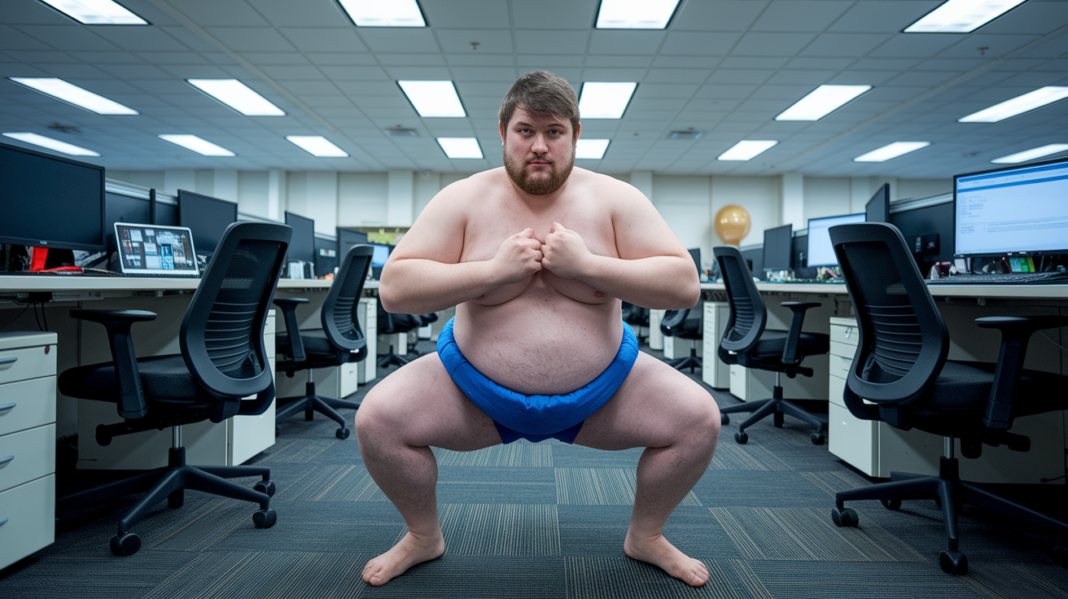
Sumo squat — Hold 1 minute. Targets quads, hamstrings, hip flexors, glutes, calves, and lower back. Stand feet wider than hips, squat as low as possible, press elbows into inner knees with hands together, and keep your chest up while hips sink.
-
Dragon pose — Hold 20 to 30 seconds, repeat 2 to 3 times per side. Targets hips and quads for hip flexor release. Take a small step forward into a lunge, place hands on your leading thigh, drive hips forward with core braced, and lean away from your back leg without overextending your lumbar spine.
-
Saddle pose — Hold 1 to 2 minutes. Targets quads and hip flexors. Start on hands and knees with knees wide and toes together, sit back on your feet with spine tall, then lean back onto hands, elbows, or your upper back depending on comfort.
-
Child’s pose — Hold 30 seconds to 1 minute. Targets whole body resting stretch including lower back, shoulders, and hip flexors. Kneel with toes together and knees hip width apart, lower your torso between your knees on an exhale, extend arms alongside your torso or forward, and relax shoulders toward the ground.
Concepts Behind Hip and Lower Body Mobility for Desk Workers
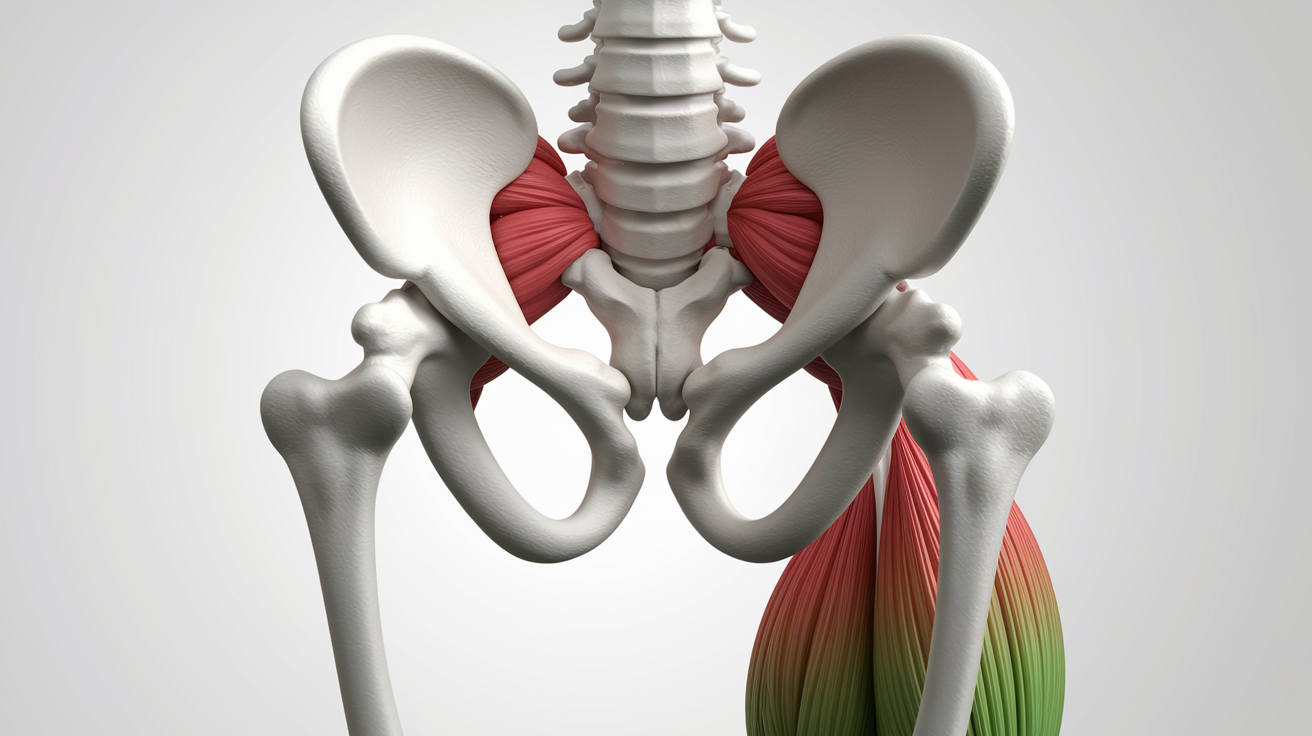
Prolonged sitting shortens hip flexors and weakens glutes. When your hips stay flexed for hours, the muscles adapt to that shortened position. Your glutes turn off because they’re not needed to hold you upright. This creates anterior pelvic tilt, where your pelvis tilts forward and your lower back arches too much. That pattern affects everything from how you squat to how efficiently you walk.
Post-workout mobility improves hip range of motion and speeds recovery. When you open the hip flexors and stretch the quads after training, you’re reversing the sitting pattern before it sticks. You’re also improving blood flow to areas that were compressed all day. Better hip range of motion means your glutes can fire properly, your pelvis stays neutral, and your lower back doesn’t compensate for tight hips.
Key hip mobility concepts for desk workers:
Hip opening work counters modern sitting patterns by lengthening muscles that stay shortened during desk hours and restoring neutral pelvic alignment.
Mobility impacts glute recruitment and pelvic stability because tight hip flexors inhibit glute activation, forcing your lower back and hamstrings to compensate during movement.
Dynamic hamstring stretching warms tissue before activity and maintains active tension. Static hamstring stretching after training promotes longer muscle lengthening and reduces post-workout tightness. Use dynamic before workouts and static after.
Principles of Spine and Upper Body Mobility for Desk-Bound Individuals
Desk posture reduces thoracic extension and promotes rounded shoulders. When you sit leaning forward all day, your upper back loses its ability to extend. Your shoulders roll inward, your chest collapses, and your neck juts forward to keep your eyes level with the screen. Over time, that position becomes your default. Your thoracic spine stiffens, your shoulder blades pull apart, and neck tension builds.
Controlled thoracic rotation and gentle extension help restore balance and reduce tension. Rotation drills teach your spine to move in all planes again. Extension work reverses the constant forward bend. When you combine the two, you create space in joints that have been compressed for hours. Deep breathing during these movements amplifies the release by engaging your diaphragm and lifting your ribcage away from your pelvis.
Combining static and dynamic upper body mobility supports sustainable postural improvement. Static holds let tight muscles lengthen passively. Dynamic movements teach your nervous system to control that new range. You need both to make changes stick beyond the few minutes after your routine.
Upper body mobility principles:
Lower back and shoulder tension develop from desk posture because the thoracic spine loses extension, forcing the lumbar spine and cervical spine to compensate with excessive movement and muscle guarding.
Thoracic extension corrects rounded shoulders by opening the chest, allowing scapulae to retract naturally and reducing the forward pull on shoulder joints.
Neck rotation and gentle mobility reduce daily strain by maintaining cervical vertebrae movement quality and preventing stiffness from static head positions during screen time.
Shoulder opening concepts improve scapular positioning by lengthening pectorals and anterior deltoids, which pull shoulder blades forward and limit overhead range.
Upper back engagement principles through basic retraction patterns teach the mid back muscles to hold the shoulder blades closer to the spine, countering the protracted desk posture.
Foam Rolling and Myofascial Release for Desk Workers’ Mobility Routine
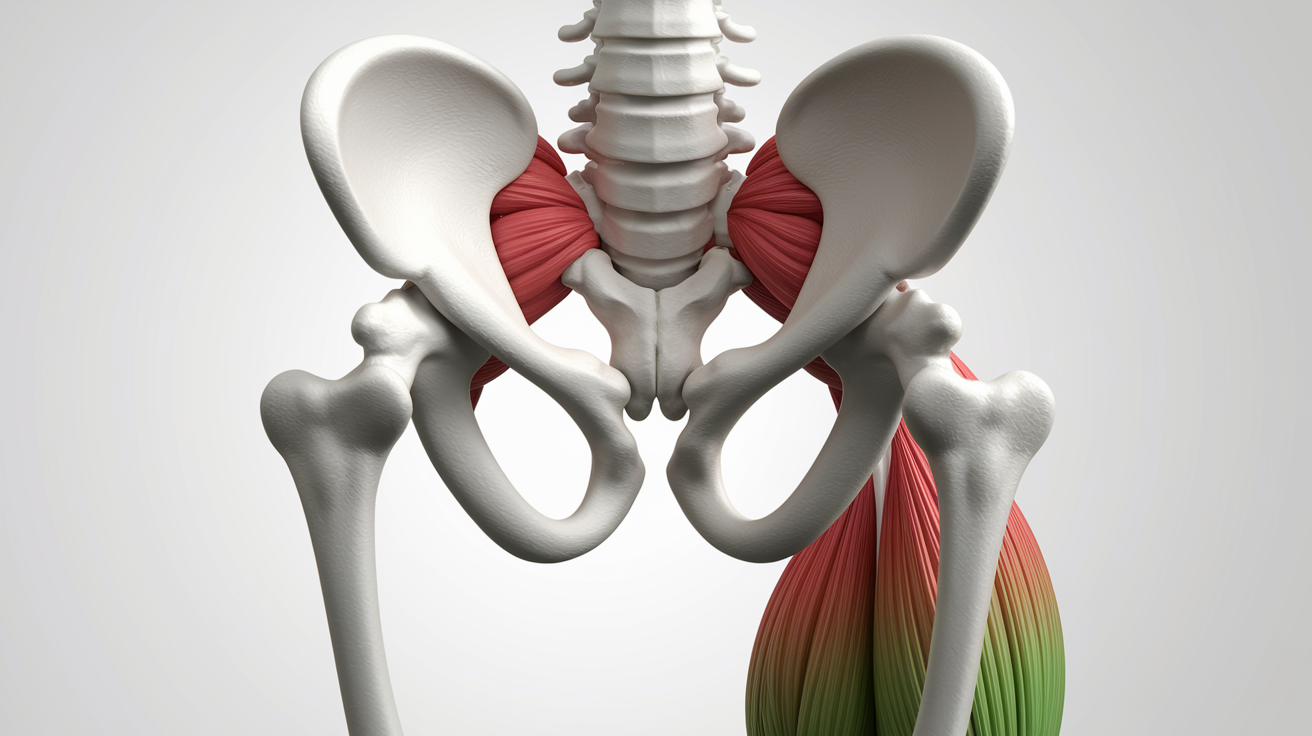
Foam rolling acts as a complementary tool to your mobility routine. It reduces acute tightness in muscle tissue before you stretch, which makes the stretches more effective. You can use it before the routine to prep stiff areas or after to address soreness from training. Either timing works. The goal is to break up tension in the fascia so your joints can move more freely.
Desk workers benefit most from rolling quads, hip flexors, and the thoracic spine. Those areas get the tightest from sitting and training. Roll each spot for 20 to 40 seconds, moving slowly and pausing on tender points. If you hit a spot that feels especially tight, hold pressure there for 10 to 15 seconds before continuing. Don’t force it. The pressure should feel like a deep stretch, not sharp pain.
Key foam rolling guidelines:
When to use foam rolling — Before the mobility routine to reduce stiffness and prepare tissue, or after your workout to address muscle soreness and aid recovery.
Areas desk workers benefit from most — Quads (front of thighs), hip flexors (top of pelvis and upper thighs), and thoracic spine (upper and mid back along the shoulder blades).
How long to roll each area — 20 to 40 seconds per muscle group, with optional 10 to 15 second pauses on particularly tight spots.
Scaling the Post-Workout Mobility Routine for Different Fitness Levels
Beginners should reduce hold times by about half and limit repetitions. If the routine prescribes a 1 minute hold, start with 30 seconds. If it calls for 2 to 3 repetitions, do 1 or 2. Your tissues need time to adapt to sustained stretching. Pushing too hard too soon increases soreness and makes it harder to stay consistent.
Advanced users can add tension, deepen positions, or increase repetitions. Hold poses longer, explore end range positions, or add breathing focused pauses at the deepest point of each stretch. Props like yoga blocks or folded blankets help beginners sit higher in saddle pose or support the upper body in dragon pose. Advanced practitioners can remove props to increase load and range.
| Skill Level | Modifications | Hold Times |
|---|---|---|
| Beginner | Reduce holds by ~50%, use props (blocks/blankets) for support in saddle pose, limit dragon pose to 1–2 reps per side, maintain smaller range of motion | Sumo 30s, Dragon 15–20s ×1–2/side, Saddle 30–60s, Child’s 20–30s |
| Intermediate | Standard holds as prescribed, add controlled breathing focus, optional light props if needed, perform full repetition ranges | Sumo 1 min, Dragon 20–30s ×2/side, Saddle 1–2 min, Child’s 30–60s |
| Advanced | Extend holds by 20–30%, increase dragon reps to 3 per side, deepen saddle by leaning further back, add rotation or lateral movement in child’s pose | Sumo 1–1.5 min, Dragon 30s ×3/side, Saddle 2 min, Child’s 1 min with active shoulder reaches |
Breathing, Posture Awareness, and Recovery Cues for Desk Worker Mobility Sessions
Breathing drives deeper release in mobility work. When you breathe slowly and fully, your diaphragm moves up and down, creating internal pressure that helps lengthen tight tissue. Shallow chest breathing keeps your shoulders and neck tense. Deep belly breathing relaxes them. Use your breath as a cue to sink deeper into each position on the exhale.
Posture awareness after the routine helps you carry the benefits into the rest of your day. Before you stand up, notice how your lower back feels. Check if your shoulders sit further back than before. Feel whether your neck is more relaxed. Those small awareness checks remind your nervous system of the new positions you just practiced. Over time, they become automatic.
Breathing and posture cues:
Diaphragmatic breathing technique — Place one hand on your chest and one on your belly. Inhale through your nose, expanding your belly first, then your ribcage. Exhale slowly through your mouth, letting your belly fall before your chest.
How to pair breath with mobility flow — Inhale to prepare and create space, exhale to relax deeper into the stretch. Hold each exhale for 3 to 5 seconds at the deepest point of the position.
Posture re-check cues after completing the routine — Stand tall, roll shoulders back once, tuck chin slightly to lengthen the back of your neck, and notice if your pelvis feels more neutral than before you started.
Tips for preventing spinal compression while sitting — Sit with feet flat on the floor, hips level with or slightly above knees, lower back supported with a small cushion, and screen at eye level to avoid forward head posture.
Final Words
Do the four-move routine: sumo squat, dragon pose, saddle pose, child’s pose. Short holds, simple cues, and you’re in and out fast.
It takes about 3:50–7 minutes, so it fits right after most training sessions. Targets tight hip flexors, loosens the thoracic spine, relaxes shoulders, and eases lower-back tension from sitting.
Make this post-workout mobility routine for desk workers a small, repeatable habit after workouts. Do it a few times weekly and you’ll feel looser and move better.
FAQ
Q: What is the complete post-workout mobility routine and exact hold times?
A: The post-workout mobility routine uses four moves: sumo squat (1 minute), dragon pose (20–30 seconds × 2–3 reps per side), saddle pose (1–2 minutes), child’s pose (30–60 seconds).
Q: Why do desk workers benefit from this targeted mobility?
A: Desk workers benefit because sitting shortens hip flexors, stresses the lower back, and rounds shoulders; this routine releases hips, decompresses the low back, and eases upper-body tension.
Q: How long is the routine and when should I do it?
A: The routine lasts about 3:50 to 7 minutes and fits a 5–15 minute cool down window; do it after workouts or anytime you feel stiff for best recovery.
Q: How does the routine improve hip mobility and pelvic alignment?
A: The routine improves hip mobility by lengthening tight hip flexors and helping glute activation, which supports better pelvic alignment and smoother, less stiff movement.
Q: How does the routine help thoracic spine and shoulder mobility?
A: The routine helps thoracic rotation and gentle extension, which reduces rounded shoulders, eases neck and upper-back tension, and improves shoulder positioning.
Q: When and how should I use foam rolling with this routine?
A: Foam rolling can be done before or after the routine to ease acute tightness; roll quads, hip flexors, and the thoracic spine for about 20–40 seconds per area.
Q: How do I scale the routine for beginners or advanced users?
A: Scale the routine by cutting holds about 50% for beginners, using props for comfort, and for advanced work adding deeper positions, extra reps, or increased tension.
Q: What breathing and posture cues should I use during the routine?
A: Use diaphragmatic breathing, inhale to prepare and exhale to relax into each hold; check upright posture after the routine and avoid slouching to protect the spine.
Q: Are there safety cautions or modifications for lower back issues?
A: If you have lower back pain, avoid forced deep flexion, shorten holds, use props for support, and stop with sharp pain—consult a clinician for persistent problems.
Q: How quickly will I feel benefits from doing this routine?
A: You’ll often feel immediate relief in tight hips and upper back after one session, and consistent practice over 2–4 weeks improves range of motion and reduces daily stiffness.