Think your post-workout snack doesn’t matter? Think again.
Right after strength training is prime time, your muscles are wide open for carbs and protein.
In the next few minutes you’ll see why timing and portions matter for real recovery.
This post shows when to eat, how much protein and carbs to aim for, and simple portions that work.
You’ll get the 30-minute and two-hour windows, protein targets (15 to 30 grams), carb rules (1.0 to 1.5 g per kg), and easy meal examples you can actually follow.
Immediate Post-Workout Fueling Windows for Strength Training
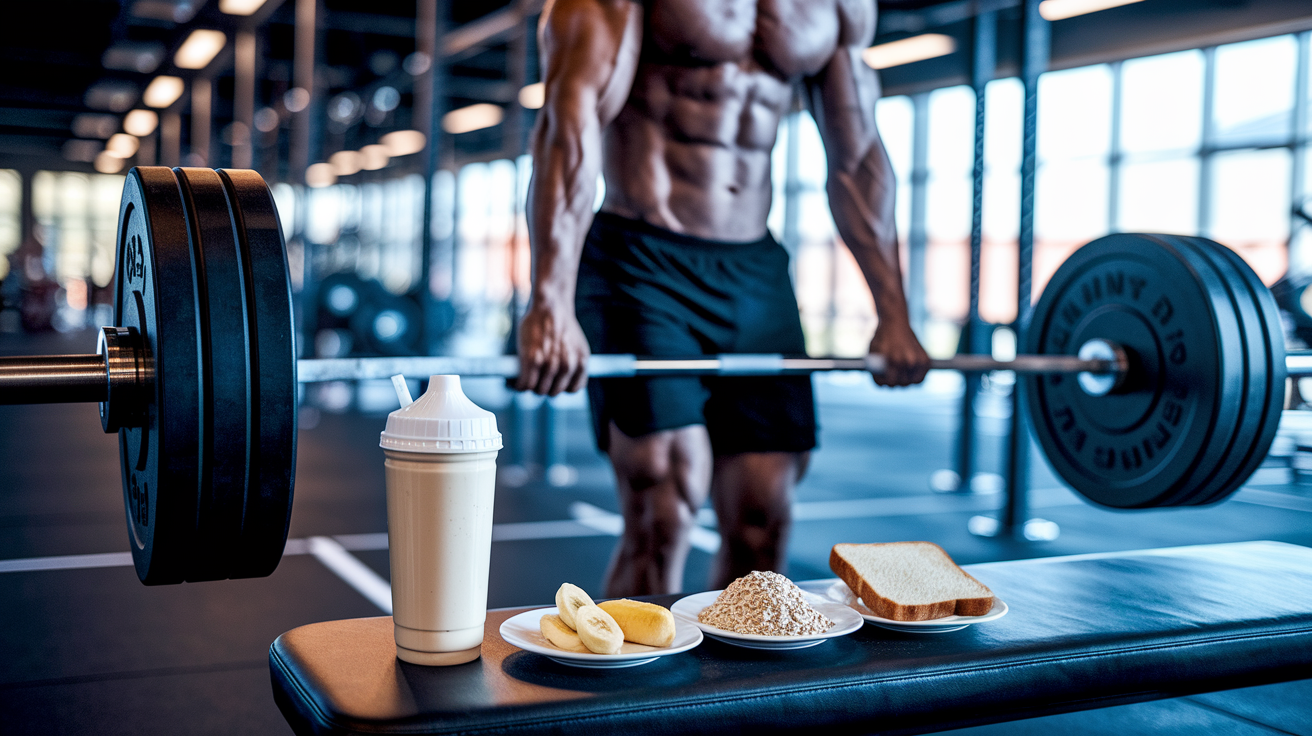
The first 30 minutes after your last set? That’s when your muscles are wide open. They’ll soak up carbs like you’ve been wandering the desert for a week. You’re looking at 1.0 to 1.5 grams of carbohydrate per kilogram of body weight right after you rack the bar. If you weigh 150 pounds (about 68 kg), that’s somewhere between 68 and 102 grams of carbs. Think of it as 4.5 to 6.5 servings if you’re counting in 15-gram chunks. One slice of whole-grain bread, half a cup of oatmeal, one small sweet potato. Each one counts as a serving.
Your protein window runs at the same time. Grab 15 to 25 grams of protein within the first hour. Push it to 30 grams if you’re cutting calories or you just crushed a really high-volume session.
Here’s the relief: the window stretches to about two hours after training. You’re not doomed if you can’t eat immediately. That two-hour buffer gives you time to shower, drive home, maybe prep something real. You don’t need to spike your cortisol over a missed shake. The full meal target is protein plus carbs within those two hours. That combo flips on muscle protein synthesis and glycogen replenishment. Grab a banana and a scoop of protein at the 30-minute mark, then sit down to chicken and rice at 90 minutes? You’re still well inside the zone.
Why timing matters: your insulin sensitivity peaks right after lifting. Carbs you eat in that early window get stored as muscle glycogen instead of wandering into fat cells or floating around your bloodstream. Protein gives your muscle fibers the amino acids they need to start patching up the microtears from your session. Wait four or five hours and you’re not completely missing the boat. But you are missing the tide when recovery happens fastest.
Exact timing guidelines:
- 0 to 30 minutes: Get 1.0 to 1.5 g carbohydrate per kg body weight. Liquid carbs or soft whole foods work well.
- 0 to 60 minutes: Get 15 to 25 g protein. Up to 30 g if you’re in a deficit or after very high volume.
- Up to 2 hours: Complete a full meal combining carbs and protein. This is your practical deadline.
- Every 2 hours for up to 6 hours: Repeat carb doses if you have another intense session within 24 hours.
- Post-workout hydration: Start replacing fluids immediately. Target 16 to 24 fluid ounces per pound of body weight lost, spread over 4 to 6 hours.
Protein Portions After Strength Training for Muscle Repair
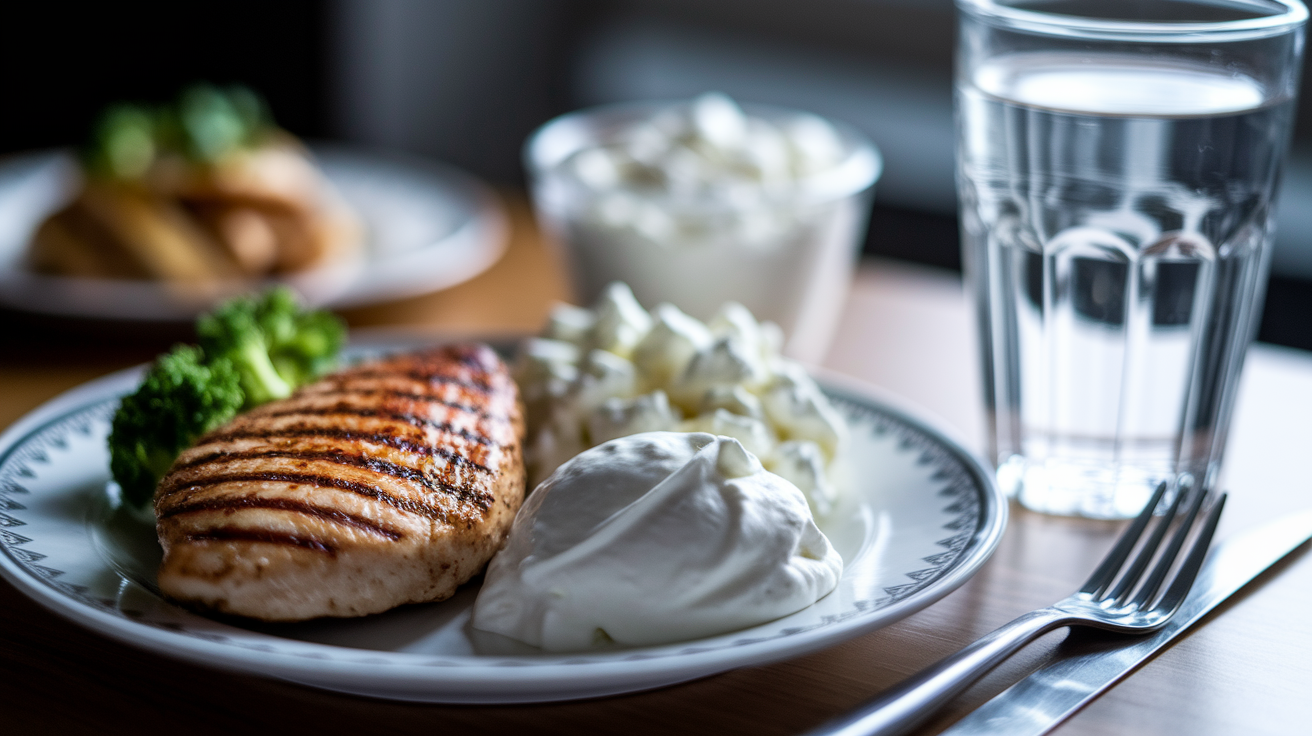
Your post-workout protein dose should land between 15 and 25 grams for most sessions. If you’ve done 10-plus sets per muscle group or you’re restricting calories, push toward 30 grams. That’ll protect lean mass and speed repair. That amount triggers near-maximal muscle protein synthesis for the next few hours without wasting amino acids.
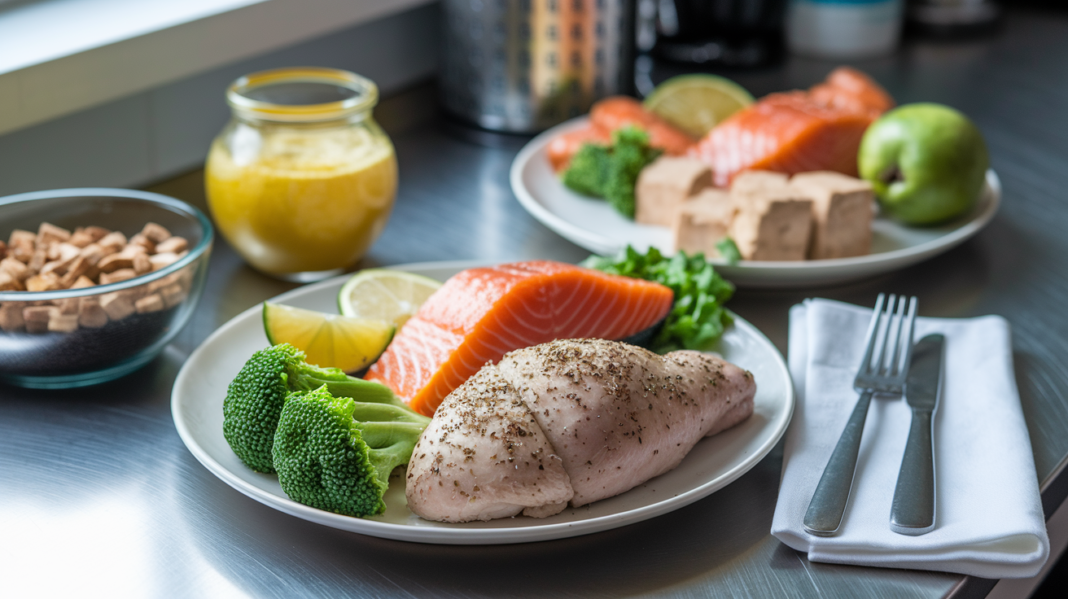
Visual cues make this simple. Two to four ounces of cooked lean meat (chicken breast, turkey, white fish, 93 percent lean beef) delivers roughly 15 to 25 grams of protein. A standard single-serve protein shake typically lands around 20 to 25 grams, depending on the brand and scoop size.
Protein distribution across the day also matters. Hitting 15 to 25 grams every few hours, including immediately post-workout, keeps muscle protein synthesis ticking higher than one or two giant protein meals. You don’t need to obsess over pulse feeding. But spacing protein intake evenly is a simple way to get more out of your training. If you train fasted or early morning, that post-workout protein dose becomes even more important because you’ve been in a catabolic state overnight.
| Food Source | Approx. Protein (g) | Portion Size |
|---|---|---|
| Grilled chicken breast | 20–25 | 3–4 oz cooked |
| Greek yogurt (plain, low-fat) | 15–20 | 1 cup |
| Whey protein shake | 20–25 | 1 scoop powder + water/milk |
| Cottage cheese (low-fat) | 14–16 | ½ cup |
Carbohydrate Timing and Portions to Replenish Strength-Training Glycogen
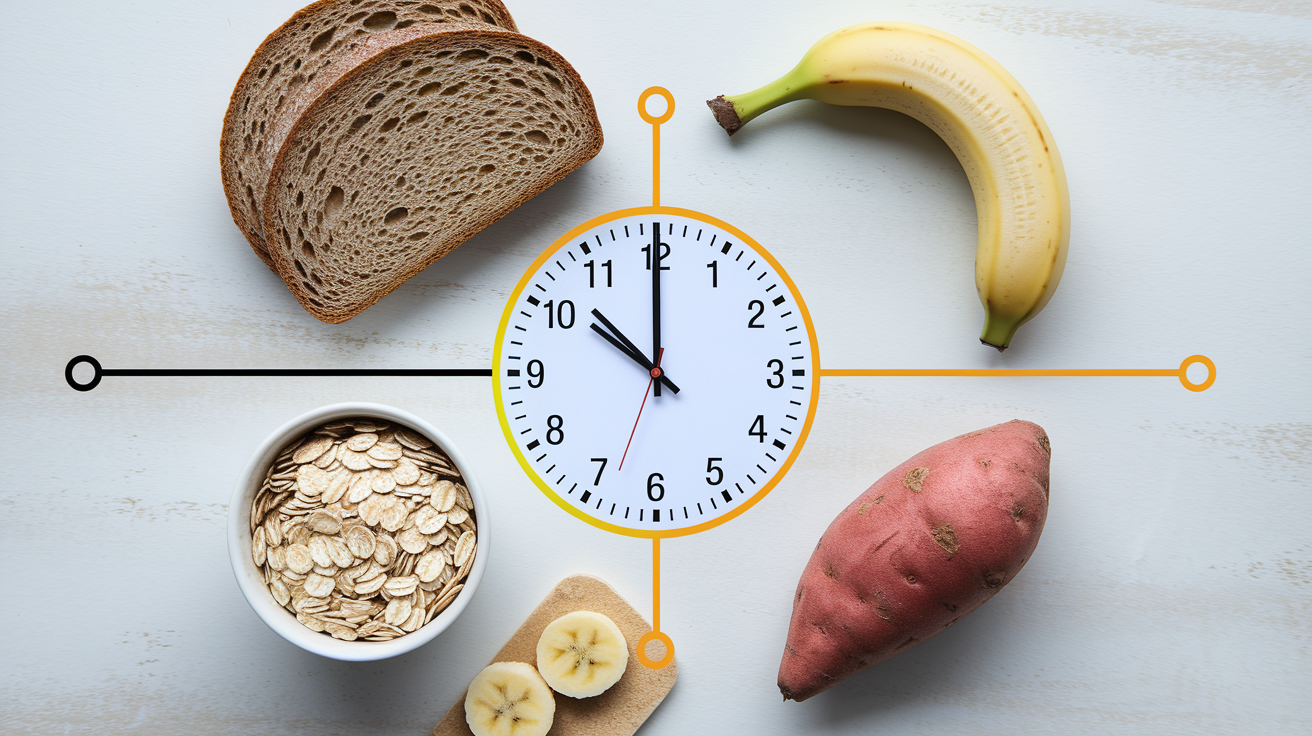
Strength training drains muscle glycogen. Especially when you’re doing high volume, short rest periods, or multiple exercises per muscle group. To refill those tanks fast, consume 1.0 to 1.5 grams of carbohydrate per kilogram of body weight within 30 minutes of finishing. For a 154-pound lifter (about 70 kg), that’s 70 to 105 grams of carbs immediately post-workout.
Think in 15-gram carb servings and you’re looking at roughly five to seven servings right away. One serving might be one slice of whole-grain bread, half a cup of cooked oatmeal, one medium orange, or one small sweet potato. If you have another hard session scheduled within the next 24 hours, repeat that carb dose every two hours for up to six hours to keep glycogen stores topped off.
The faster the carbs digest, the quicker they hit your bloodstream and muscles. High-glycemic options like white rice, white bread, ripe bananas, fruit juice, or honey are efficient in this window because they don’t sit in your stomach. Lower-glycemic carbs like sweet potatoes or steel-cut oats are fine too, but they digest slower. Some people prefer to save those for meals eaten a couple of hours after training. The key is total grams and timing, not obsessing over glycemic index unless you’re training twice a day or competing tomorrow.
Practical high-carb post-workout options (each roughly 15 g carbohydrate):
- 1 slice whole-grain or white bread
- ½ cup cooked oatmeal or cooked rice
- 1 medium banana or 1 medium orange
- 1 small (roughly 4 oz) sweet potato or white potato
- 1 cup low-fat milk or 100% fruit juice (8 oz)
- 1 handful (about 1 oz) of raisins or dried fruit
Balancing Macros After Strength Training (Protein-to-Carb Ratios and Fat Timing)
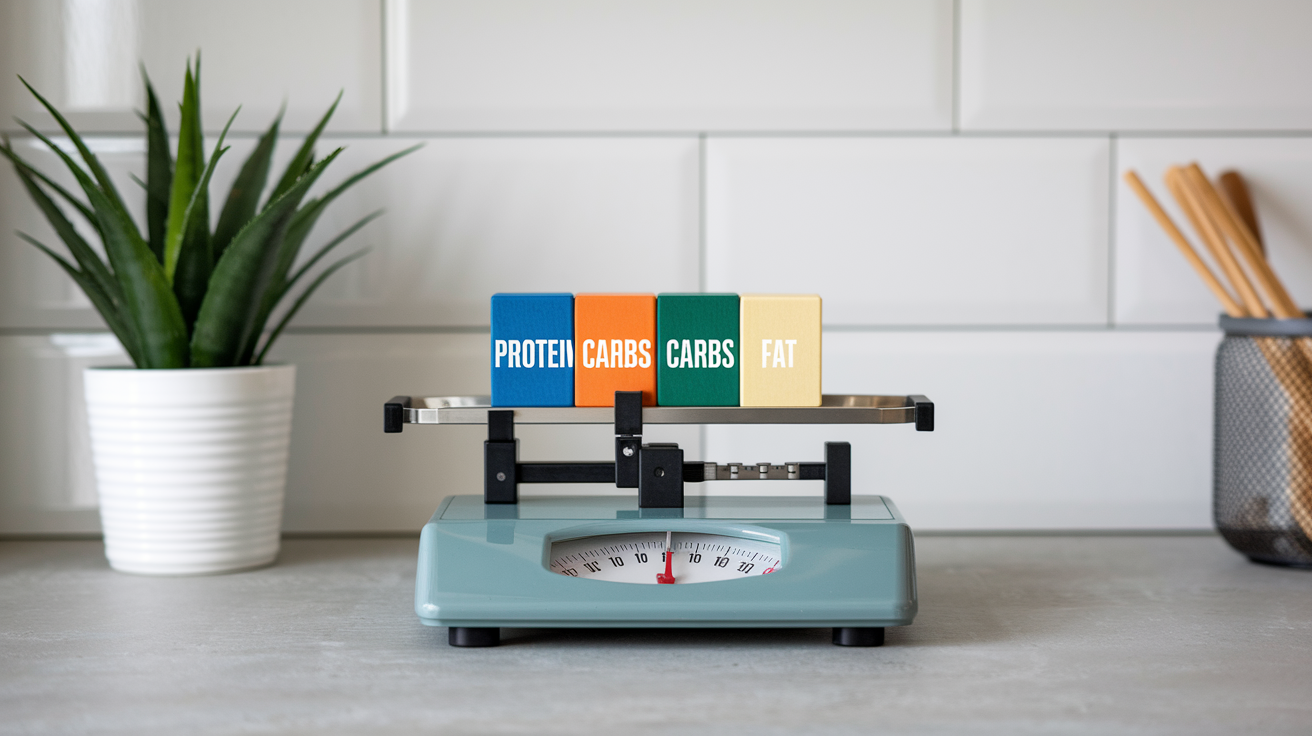
A common post-workout macro split is roughly three to four grams of carbohydrate for every one gram of protein when rapid glycogen recovery is the priority. If you’re hitting 25 grams of protein, pair it with 75 to 100 grams of carbs. That ratio works well after heavy, glycogen-depleting sessions or when you’re training multiple times per day.
If your session was lighter or you’re in a fat-loss phase, you can tilt the ratio closer to two-to-one or even one-to-one. Prioritize protein and keep carbs moderate. The absolute grams matter more than the exact ratio, so use ratios as a rough guide, not a strict rule.
Fat doesn’t need to be aggressively avoided post-workout. But large amounts of fat slow digestion and delay the arrival of carbs and protein into your bloodstream. About 5 to 10 grams of fat in your post-workout meal is fine and helps with satiety and absorption of fat-soluble vitamins. That’s roughly one to two teaspoons of nut butter, a small handful of almonds, or a drizzle of olive oil on your meal. If you’re starving and want a burger with fries, the fat won’t ruin your recovery. It’ll just push the nutrient absorption curve out by an hour or so. Not ideal if you train again soon, but not a disaster if it’s a one-off day.
Adjust these ratios based on your session intensity and volume. After 15 to 20 total work sets with heavy compounds, lean toward the higher carb and protein ends. After a lighter accessory day or upper-body session with eight or nine sets, you can dial back portions and still recover just fine. Your body adapts to what you consistently do. If you tend to eat moderate carbs post-workout, it’ll get better at using what you give it.
Hydration and Electrolyte Refueling After Strength Training
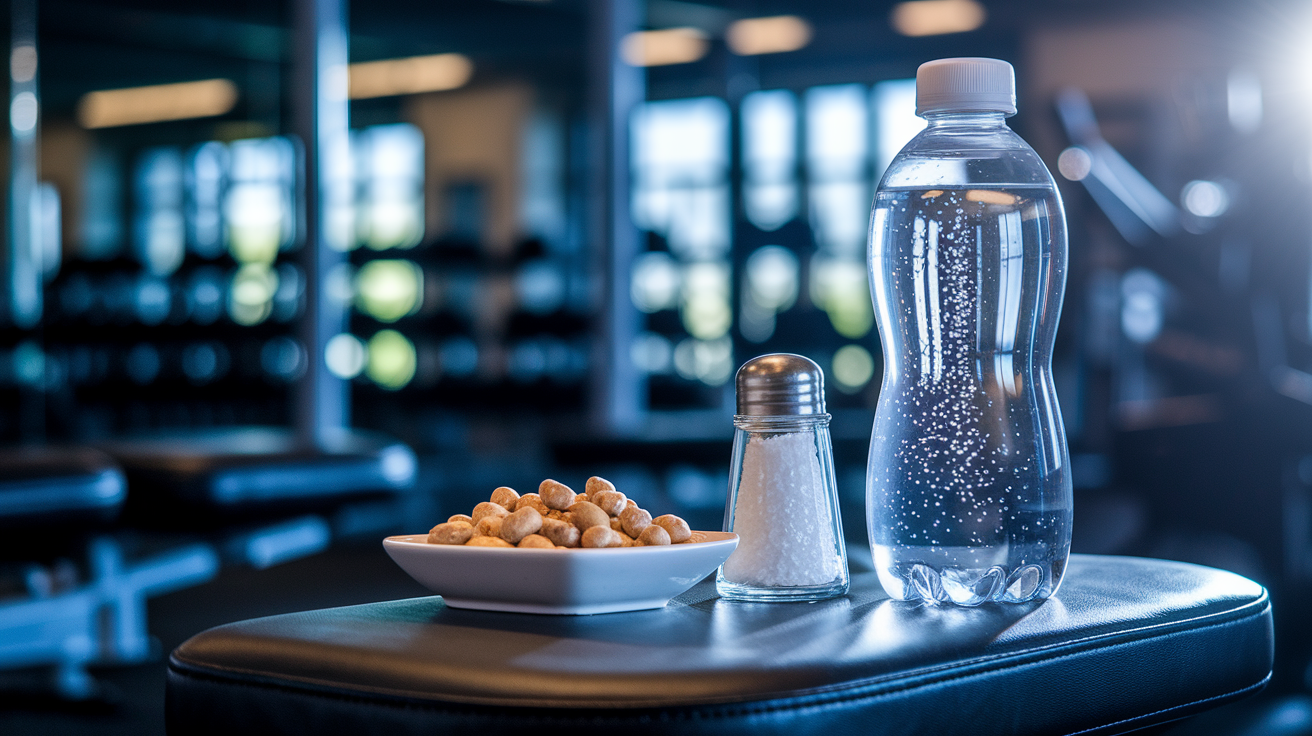
Fluid loss during strength training is often underestimated. Even a 60-minute session in an air-conditioned gym can cost you a pound or more of sweat, and that lost water needs replacing. The replacement guideline is about 16 to 24 fluid ounces of liquid for every pound of body weight you lose during the workout, spread over the next four to six hours.
If you stepped on the scale pre-workout at 160 pounds and post-workout at 158 pounds, drink roughly 32 to 48 ounces of fluid over the rest of the day. Plain water works. But adding sodium helps your body retain and distribute that water instead of flushing it straight through your kidneys.
Sodium is especially important if you sweat heavily, train in heat or humidity, or do back-to-back sessions. It pulls water into your cells and bloodstream, speeding rehydration and reducing cramping risk. You don’t need a special sports drink for every session. But a pinch of salt in your post-workout meal or a sodium-containing beverage can make a real difference. Low-fat milk, for instance, provides protein, carbs, and a bit of sodium all in one. That’s why it shows up in a lot of recovery research.
Electrolyte-rich foods and drinks to include post-workout:
- Low-fat chocolate milk (carbs, protein, sodium, potassium)
- Salted pretzels or lightly salted whole-grain crackers
- Cottage cheese (high sodium, high protein)
- Sports drinks (6 to 8% carbohydrate, sodium, potassium) for very long or hot sessions
Sample Meals and Portion Examples for Post-Strength-Training Recovery
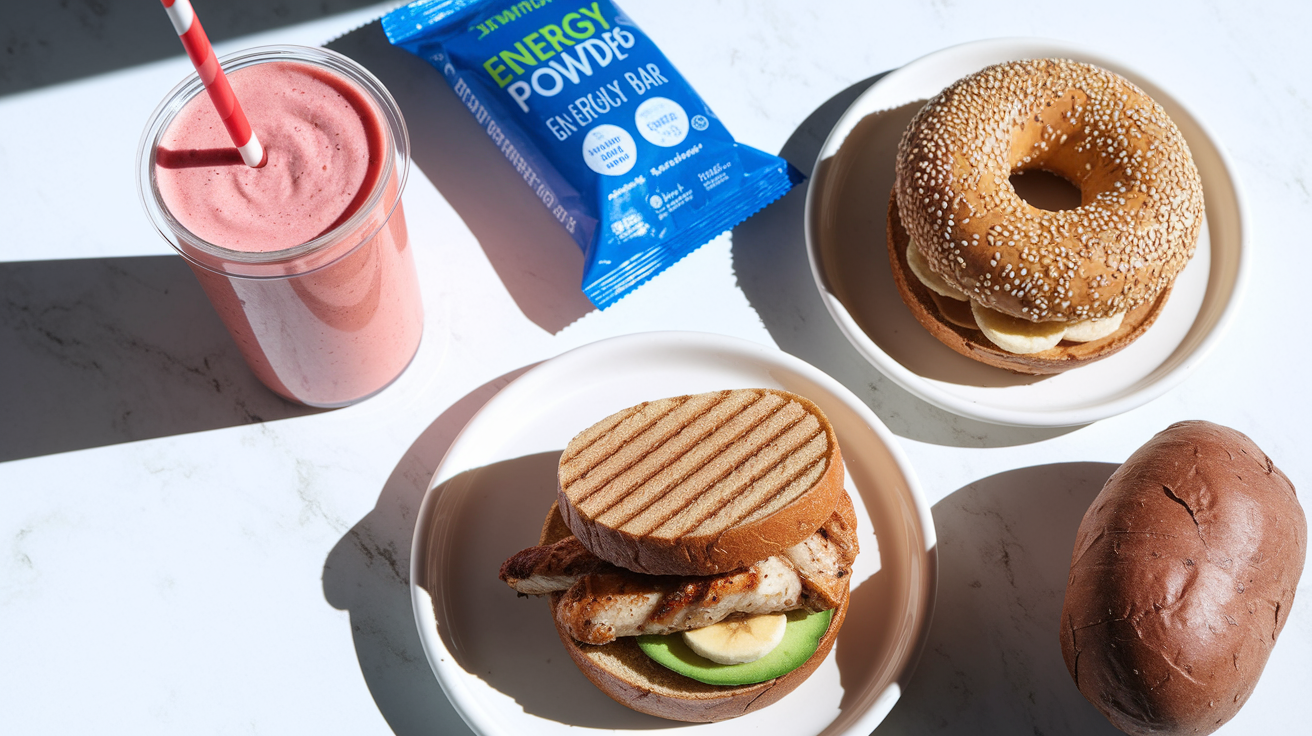
Real meal examples make the gram targets concrete. The table below shows practical post-workout options and approximate portions that hit the 15 to 25 grams of protein and 70 to 105 grams of carbohydrate range for a 150 to 160-pound lifter. Scale up or down based on your body weight and session demands.
| Meal Idea | Approx. Portions/Grams |
|---|---|
| Fruit smoothie with protein powder | 1 scoop whey (25 g protein), 1 banana + ½ cup frozen berries (≈45 g carbs), 1 cup low-fat milk (12 g carbs), total ≈57 g carbs + 25 g protein |
| Energy bar + 100% fruit juice | 1 bar with 15–20 g protein, 8 oz orange juice (≈26 g carbs), add 1 banana (≈27 g carbs) for ≈53 g carbs total |
| Whole-grain bagel with peanut butter and banana | 1 medium bagel (≈50 g carbs), 2 tbsp peanut butter (≈8 g protein, 6 g fat), 1 banana (≈27 g carbs), total ≈77 g carbs + 8 g protein (add a glass of milk for more protein) |
| Grilled chicken sandwich with sweet potato | 3 oz grilled chicken (≈25 g protein), 2 slices whole-grain bread (≈30 g carbs), 1 medium sweet potato (≈26 g carbs), total ≈56 g carbs + 25 g protein |
| Lean beef with brown rice and steamed greens | 4 oz lean beef (≈28 g protein), 1 cup cooked brown rice (≈45 g carbs), 1 whole-grain roll (≈15 g carbs), ½ cup low-fat yogurt + fruit (≈20 g carbs), total ≈80 g carbs + 28 g protein |
| Greek yogurt bowl with granola and berries | 1 cup plain Greek yogurt (≈20 g protein), ½ cup granola (≈30 g carbs), 1 cup mixed berries (≈20 g carbs), drizzle honey (≈10 g carbs), total ≈60 g carbs + 20 g protein |
Adjusting Refueling Portions for Fat Loss, Muscle Gain, and Busy Schedules
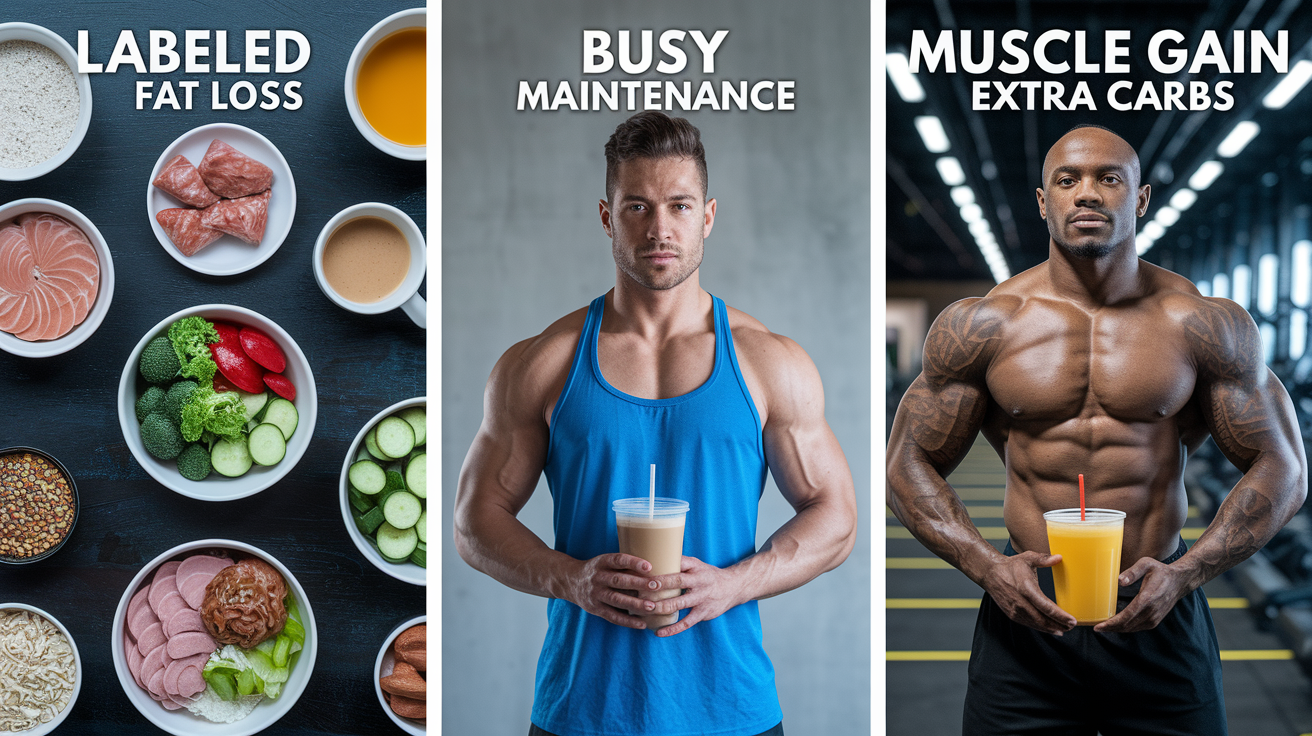
If you’re trying to build muscle, aim for the higher end of the carb and protein ranges. That means 1.5 grams of carbs per kilogram right after training and 25 to 30 grams of protein. Plus ensuring your total daily calories support growth.
If fat loss is the goal, you can trim post-workout carbs to the lower end, around 0.5 to 1.0 gram per kilogram. Keep protein at 20 to 25 grams to preserve muscle while in a deficit. You’re still refueling, just with smaller portions that fit your calorie budget. The protein portion stays relatively high because losing muscle while cutting weight defeats the purpose of strength training.
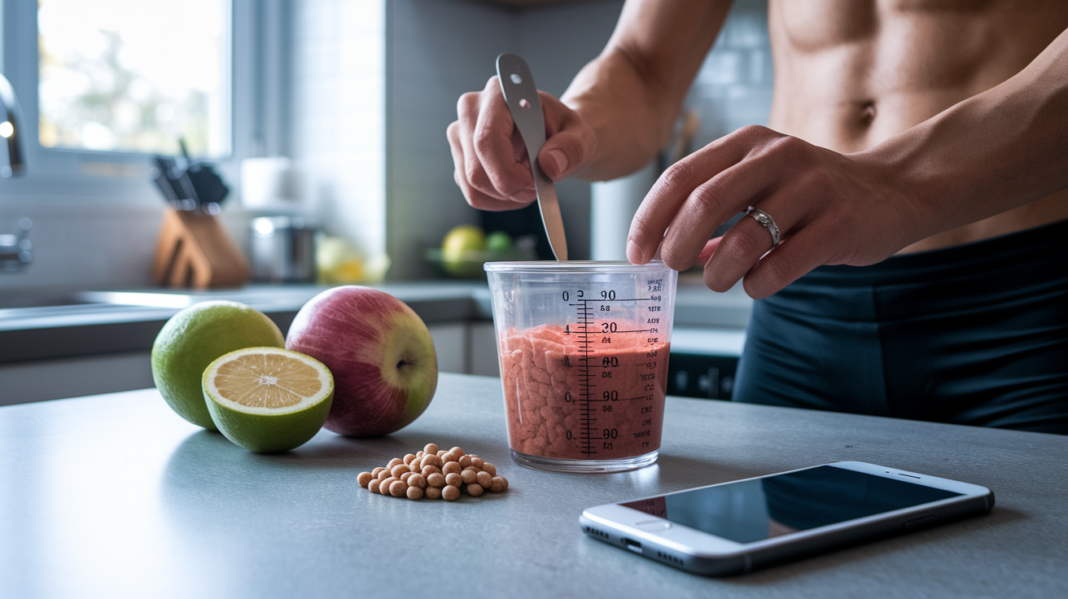
Busy schedules sometimes mean you can’t sit down for a full meal within two hours. In that case, prioritize a quick liquid option within 30 to 60 minutes. A protein shake, a smoothie, or even chocolate milk and a banana. Liquids digest fast and won’t sit heavy in your stomach if you’re rushing. Then eat a solid meal when you have time, even if that’s three or four hours post-workout. It’s not ideal. But it’s practical, and practical wins over perfect when life gets messy.
If your appetite tanks after hard training, liquids are also your friend. They’re easier to get down than a plate of chicken and rice.
For very light sessions or maintenance weeks where volume and intensity drop, you don’t need to slam carbs and protein like you just finished a meet prep. Scale back portions to match the stimulus. A short accessory session might only warrant a small snack and normal meals, not a dedicated recovery feast. Listen to your hunger, track your performance week to week, and adjust portions up if recovery lags or strength stalls.
Quick calorie-adjusted strategies:
- Muscle gain: use full-fat dairy, add a tablespoon of nut butter, increase carb servings by one or two.
- Fat loss: choose lean proteins, skip calorie-dense fats post-workout, reduce carb servings by one or two, prioritize vegetables for volume.
- Maintenance or light sessions: standard portions, no need to force-feed, match intake to session difficulty.
- Time-crunched: ready-to-drink shakes, pre-portioned Greek yogurt cups, grab-and-go bars that hit 15+ g protein.
- Low appetite: smoothies, chocolate milk, liquid meal replacements to hit macros without chewing.
Meal Timing Strategies for Morning, Midday, and Evening Strength Training

Morning lifters often face a choice: train fasted or eat something small beforehand. If you train fasted, your post-workout meal becomes critical because you’ve been in a catabolic state for eight-plus hours overnight. Some people handle fasted training fine. But research shows a four to five-hour fast often reduces strength performance compared to a fed state.
If you can stomach a small liquid meal (like a banana blended with protein powder 30 to 45 minutes before lifting), you’ll likely perform better. Then refuel normally after. If not, prioritize getting that post-workout protein and carbs in quickly, ideally within 30 minutes, to stop muscle breakdown and start repair.
Midday training gives you the luxury of normal meal spacing. Eat a balanced lunch two to three hours before your session, train, then refuel within an hour or two. Your glycogen and amino acid levels are already decent from earlier meals. The post-workout window is more about topping off tanks than emergency rescue. You have flexibility here to experiment with portion sizes and food choices without tanking your next session.
Evening lifters sometimes worry that eating carbs before bed will hurt fat loss or sleep quality. The evidence doesn’t support that fear. A post-workout meal before bed supports glycogen synthesis and muscle repair overnight. Your body doesn’t suddenly switch off fat oxidation just because the clock says 9 p.m.
If training ends at 7 or 8 p.m., eat your recovery meal as you normally would, then go to bed. Some people even benefit from a slower-digesting protein source like casein or cottage cheese before sleep to keep amino acids trickling in while they rest. Though that’s more of an advanced tactic than a must-do for most lifters.
Final Words
in the action, we ran through when and what to eat after lifting: quick carbs in the first 30 minutes, 15–30 g protein within an hour, and a full meal within two hours. You also got carb targets, protein portions, and macro ratios.
We covered hydration, sample meals, and how to scale portions for fat loss or muscle gain, plus tips for morning and evening sessions. Practical serving examples make it simple to follow.
Use this guide on how to refuel after strength training (meal timing and portions) as your checklist after workouts. Small, consistent choices add up. You’ve got this.
FAQ
Q: When should I eat after strength training?
A: The best time to eat after strength training is within two hours; prioritize carbs in 0–30 minutes (1.0–1.5 g/kg) and 15–30 g protein within 60 minutes for optimal recovery.
Q: How much and what type of protein should I eat after workouts?
A: Post-workout protein should be about 15–25 g (up to 30 g when cutting). Fast-digesting sources like whey, lean meat, or a standard shake (20–25 g) work well.
Q: How many carbohydrates do I need to replenish glycogen after strength training?
A: To replenish glycogen aim for 1.0–1.5 g/kg within 30 minutes, repeating every 2 hours if needed. A 70 kg person would need roughly 70–105 g (≈4–7 servings).
Q: What protein-to-carb ratio and fat timing should I aim for after lifting?
A: Aim roughly 3:1 or 4:1 carbs-to-protein for fast glycogen recovery. Keep post-workout fat low-moderate (about 5–10 g); large fatty meals slow digestion but don’t block recovery.
Q: How much fluid and electrolytes should I replace after strength training?
A: Replace about 16–24 oz of fluid per pound lost within 4–6 hours. Include sodium to help retain fluids; salty snacks, sports drinks, or salted water are simple options.
Q: What are quick, practical post-workout meal and snack ideas?
A: Quick ideas: protein smoothie (20 g protein + banana), whole-grain bagel with peanut butter and banana, grilled chicken with rice, yogurt with fruit, or a protein bar plus juice.
Q: How do I scale post-workout portions for fat loss, muscle gain, or low appetite?
A: Scale portions up for muscle gain (higher carb/protein), lower for fat loss. Use liquids or smaller, frequent feeds when appetite is low. Match portions to workout intensity.
Q: Is it okay to delay my post-workout meal if I’m busy, or to eat before bed after evening training?
A: You can delay a meal; the recovery window extends to about two hours for a full meal. Eating after evening workouts is fine and supports repair and glycogen restoration.