What if your best recovery tool isn’t foam rolling or protein shakes?
Sleep repairs muscle, clears inflammation, and locks in training gains.
But only if it’s timed and deep enough.
This post lays out science-backed sleep strategies to speed workout recovery, practical tips you can use tonight.
You’ll learn why 7 to 9 hours matter, how timing and temperature change hormone release, and simple routines that boost deep slow-wave sleep.
No fluff, just clear steps to cut soreness, improve next-day performance, and help you get stronger with less downtime.
Core Sleep Techniques That Accelerate Post‑Workout Muscle Recovery
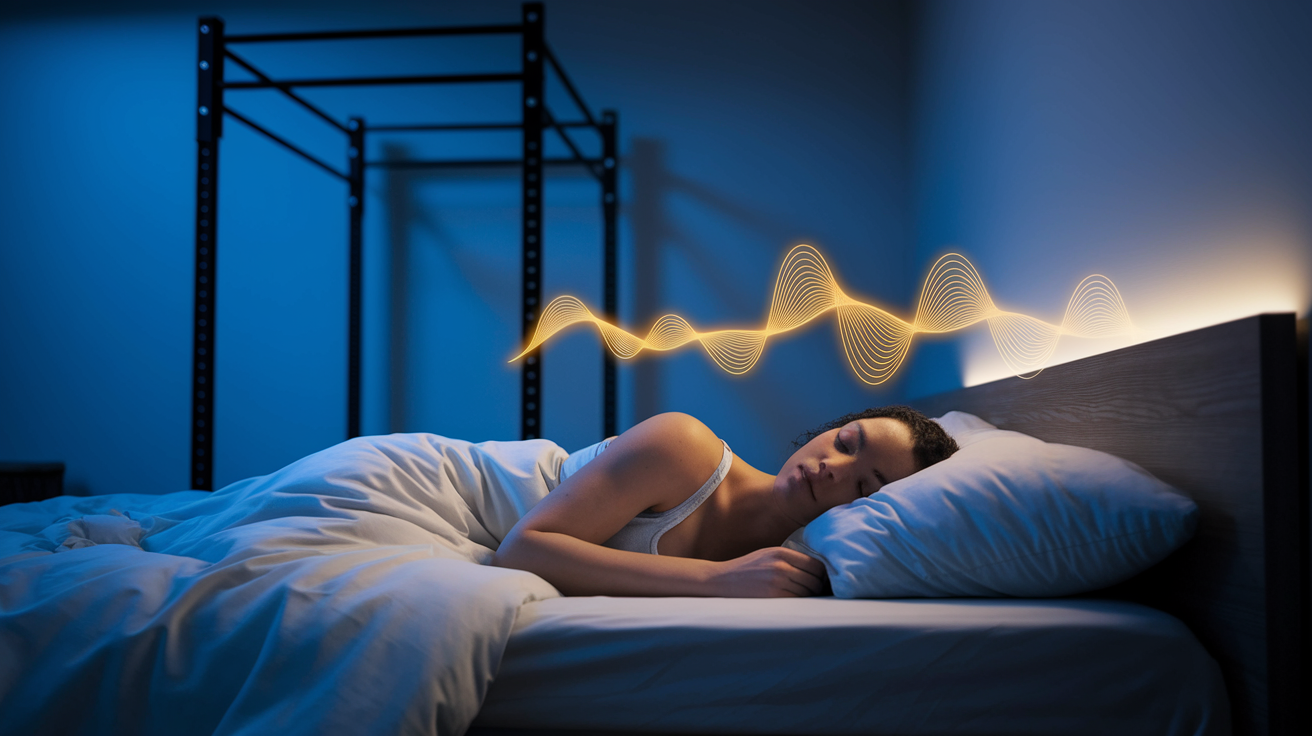
Sleep speeds up muscle repair through three main pathways. During deep slow-wave sleep, your pituitary gland pumps out growth hormone in pulses that kickstart tissue repair and protein synthesis. Your immune system ramps up at the same time, clearing metabolic waste and managing inflammation from those eccentric muscle contractions. Deep sleep also locks in the adaptations your training session started, converting stimulus into actual strength and endurance gains.
You need 7 to 9 hours per night for solid recovery. Sleep banking, where you grab extra sleep before travel or competition, works better than trying to catch up after. Your circadian rhythm controls when growth hormone gets released, so consistent timing matters just as much as total hours. Go to bed at random times and you’ll chop up the repair window, reducing recovery quality even if your sleep tracker shows decent numbers.
Here are 7 strategies you can start tonight:
- Stop all screen use 60 to 90 minutes before bed. Or dim devices to the lowest setting and wear blue-light blocking glasses if you’ve got work to finish.
- Cut caffeine by early to mid-afternoon. Caffeine’s half-life ranges from 6 to 48 hours depending on your metabolism.
- Make your bedroom completely dark with blackout curtains or an eye mask to prevent light from messing with your circadian clock.
- Take a hot bath or shower between 104°F and 109°F for 30 to 90 minutes before bed. It helps you fall asleep faster.
- Set your thermostat between 60°F and 65°F to support overnight cooling and cut down on wake-ups.
- Keep bedtime and wake time within a 30-minute window every night, weekends included. This stabilizes your internal clock.
- Build a 15 to 20 minute pre-sleep routine using low-key activities like reading, journaling, or gentle stretching. Same order each night.
If you train in the evening, your post-workout window overlaps with pre-sleep. Eat your recovery snack within 90 minutes of finishing, then shift into your calming routine. A quick shower or bath does double duty as hygiene and sleep prep. Keep the routine simple enough that you can do it even when you’re tired and your week’s chaotic.
Sleep Hygiene Routines That Optimize Recovery Quality and Efficiency
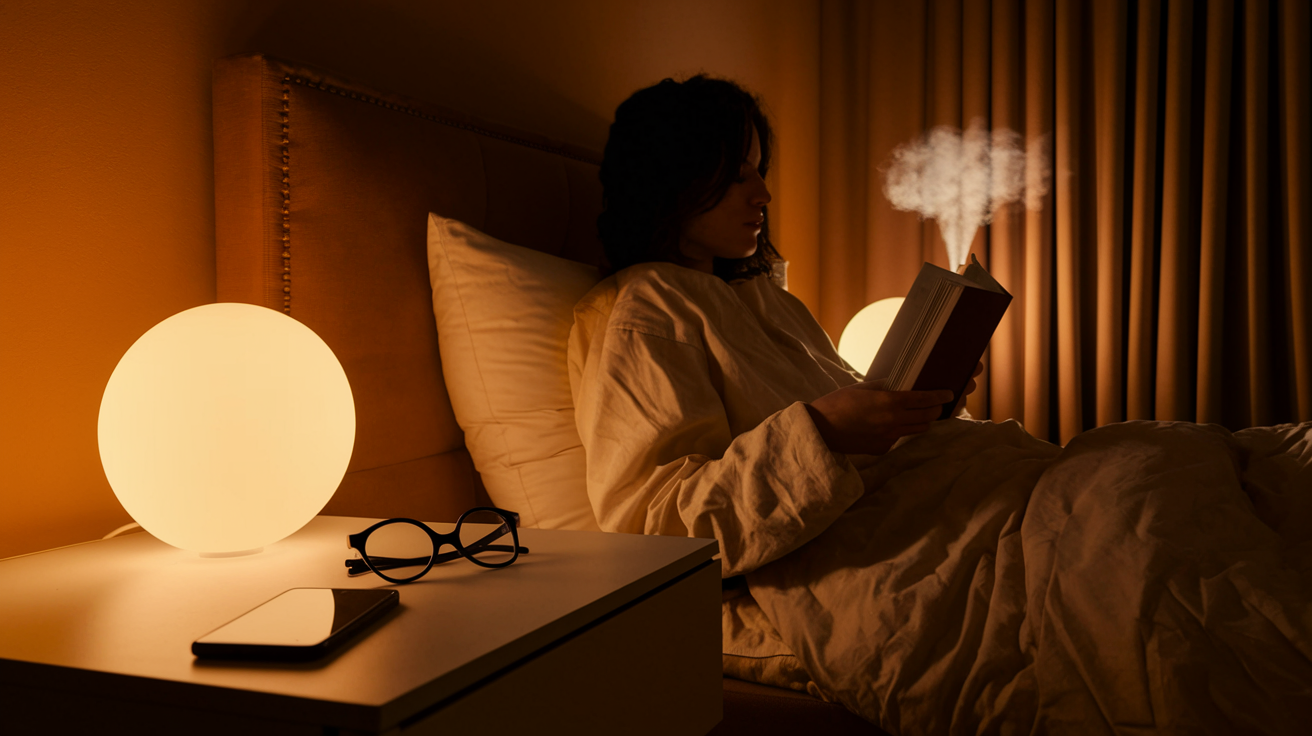
Sleep hygiene is the set of habits and environmental tweaks that make falling asleep easier and staying asleep more likely. You benefit from routine consistency because predictable evening behaviors signal your brain it’s time to shift from training mode to recovery mode. When your body knows what’s coming, melatonin release happens on schedule and your nervous system downregulates faster.
Here are 6 practical steps to build a powerful nightly routine:
- Dim all overhead lights after dinner and switch to lamps or low-wattage bulbs. Bright LEDs delay melatonin.
- If you must use screens, lower brightness to 25 percent or less and turn on night-shift modes that filter blue wavelengths.
- Wear blue-light blocking glasses during evening screen time if work or family logistics make a full digital sunset unrealistic.
- Read physical books or listen to audiobooks. Reading is one of the most calming pre-sleep activities documented in sleep research.
- Do 10 minutes of gentle mobility work, yoga, or foam rolling. This releases residual muscle tension without raising heart rate.
- Practice controlled breathing like 4-7-8 (inhale 4 counts, hold 7, exhale 8) to activate your parasympathetic nervous system.
These behaviors reduce physiological and psychological arousal, which shortens the time it takes to fall asleep and deepens sleep continuity. Lower arousal means fewer middle-of-the-night awakenings and more time in the restorative slow-wave and REM stages where your body does the majority of its repair work.
Deep Sleep and Hormonal Repair Mechanisms That Drive Faster Workout Recovery
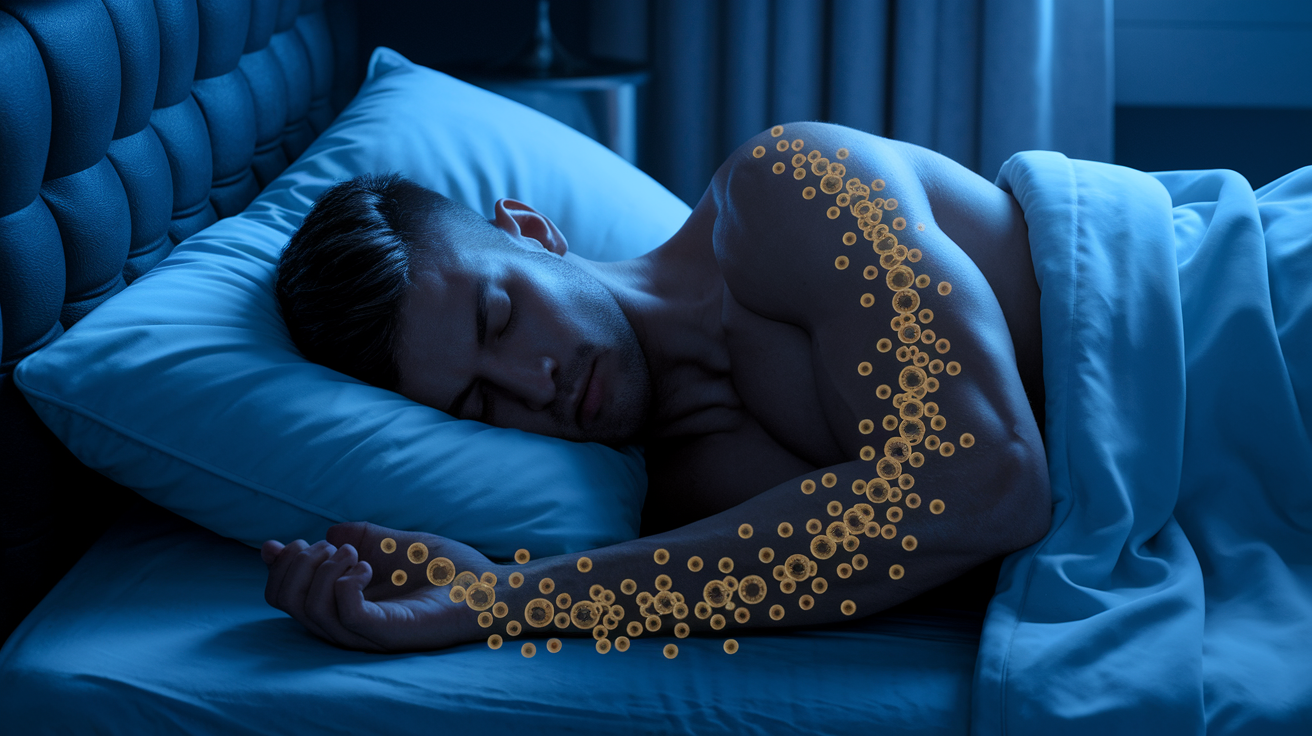
Slow-wave sleep is when your body releases the highest concentrations of growth hormone and insulin-like growth factor-1 (IGF-1). These anabolic hormones drive muscle protein synthesis, bone remodeling, and connective tissue repair. Exercise triggers a first wave of GH and IGF-1 during and right after your session. Sleep triggers a second, larger wave a few hours after you fall asleep.
Overnight muscle protein synthesis depends on amino acid availability. If your bloodstream doesn’t have enough building blocks circulating when GH peaks, your body breaks down existing muscle tissue to supply what it needs. Skipping a pre-sleep snack can increase overnight muscle protein breakdown and tank your blood sugar control the next morning. A small protein-containing snack before bed keeps amino acids available during the GH surge. This supports net muscle gain instead of net loss.
Deep sleep also correlates with reduced soreness and better next-day readiness. Athletes who log more slow-wave sleep report lower perceived exertion during the following workout and faster resolution of delayed-onset muscle soreness. Your immune system uses deep sleep to clear lactate, damaged cell fragments, and inflammatory cytokines from your muscles. That’s why you feel stiff and foggy after a poor night even if your training load was moderate.
| Sleep Stage | Primary Recovery Benefit |
|---|---|
| Slow-Wave (Deep) | Growth hormone release, tissue repair, immune function, metabolic waste clearance |
| REM | Memory consolidation, motor skill encoding, psychological recovery, cortisol regulation |
| Light (N1/N2) | Transition support, partial rest, preparation for deeper stages |
Nutrition Timing to Improve Sleep‑Driven Muscle Repair

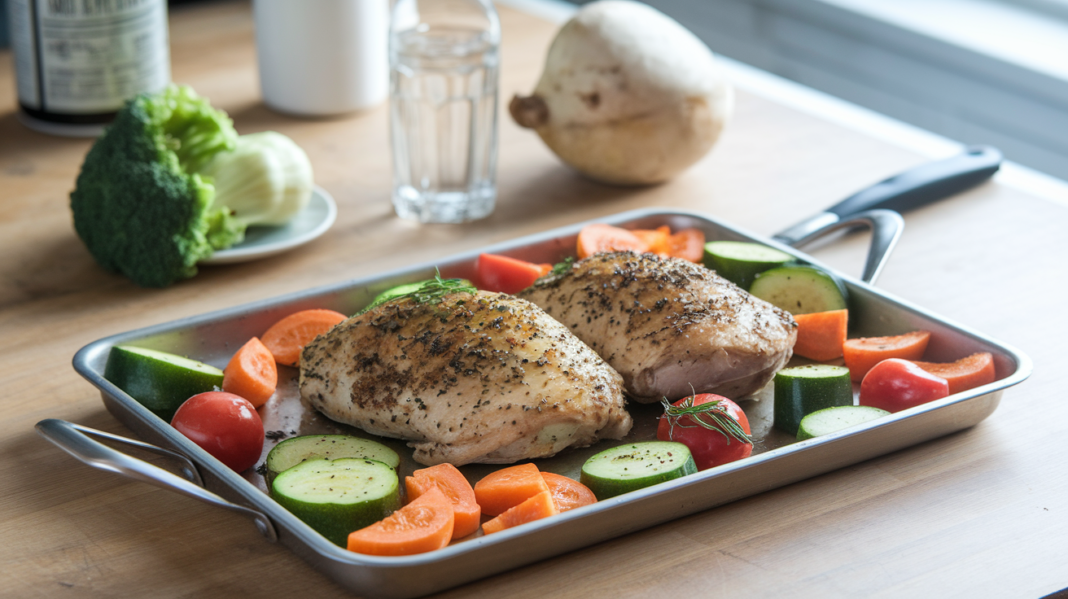
Post-workout feeding and pre-sleep nutrition work together to maximize overnight recovery. Eat a combination of carbohydrates and protein within 90 minutes after your session, aiming for a 3-to-1 ratio of carbohydrate grams to protein grams. This refuels muscle glycogen and triggers the first round of protein synthesis. Then eat a protein-containing snack 30 to 60 minutes before bed to supply amino acids during the growth hormone surge that happens a few hours into sleep.
Here are 5 nighttime snack options that support sleep-driven repair:
- Greek yogurt (plain or low-sugar) with berries or sliced banana. Provides casein protein that digests slowly overnight and keeps amino acids available for hours.
- Cottage cheese paired with a handful of nuts or a piece of fruit. Delivers complete protein plus healthy fats that stabilize blood sugar.
- A post-workout smoothie made with milk or a milk alternative, frozen fruit, and a scoop of whey or plant protein. Can double as your evening snack if you train late.
- Hard-boiled eggs or a small omelet with vegetables. All nine essential amino acids, easy to prep in advance.
- Edamame or roasted chickpeas for plant-based eaters who want leucine-rich protein without dairy or meat.
Whole-food proteins contain all nine essential amino acids plus vitamins, minerals, and phytonutrients that isolated supplements lack. Branched-chain amino acids (BCAAs) provide only three of the nine essential amino acids. Collagen powder is missing tryptophan entirely. Neither one fully supports muscle repair. If a big meal close to bedtime causes indigestion or keeps you awake, split your post-workout nutrition into two smaller snacks. Avoid spicy seasonings, heavy sauces, and high-fat meals like cheeseburgers and fries late at night. Fat slows digestion and can trigger reflux when you lie down.
Bedroom Environment Setup That Enhances Restorative Sleep
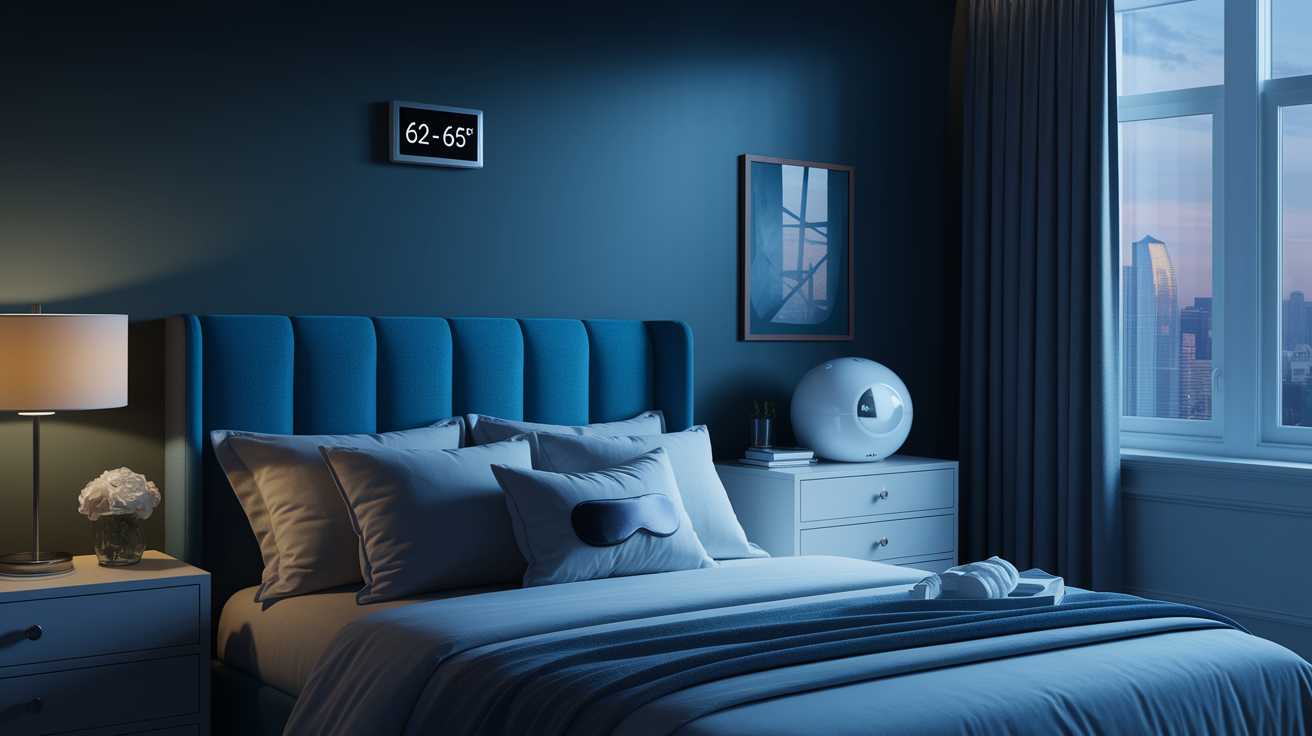
Set your bedroom temperature between 60°F and 65°F to support your body’s natural overnight cooling process. Core body temperature drops during sleep, and a cooler room makes that drop easier and faster. This improves sleep onset and reduces middle-of-the-night wake-ups. If you take a hot bath or shower 30 to 90 minutes before bed, the post-soak cooling amplifies the temperature drop and signals your brain it’s time to sleep. You might run warmer at night if you train hard, so err on the cooler side of that range.
Make your room as dark as possible using blackout curtains, blackout shades, or a simple eye mask. Even small amounts of light from streetlamps, electronics, or hallway night-lights can disrupt your circadian rhythm and reduce melatonin production. Cover or unplug any devices with LED indicators. If you need a nightlight for safety, choose a red or amber bulb. Those wavelengths have less impact on melatonin than blue or white light. Use a white noise machine, fan, or earplugs to reduce noise disturbances from traffic, roommates, or pets. Consistent, low-level background noise masks sudden sounds that can fragment your sleep and pull you out of deep stages before your body is ready.
Caffeine, Alcohol, and Their Impact on Sleep-Based Workout Recovery
Caffeine has a half-life ranging from 6 to 48 hours depending on your genetics and liver metabolism. If you drink 200 milligrams of caffeine at 7:00 PM, around 100 milligrams will still be in your system at 1:00 AM even if you’re a fast metabolizer. Caffeine blocks adenosine receptors in your brain, which delays the feeling of sleepiness and reduces total slow-wave sleep. For most people, cutting caffeine by early to mid-afternoon prevents interference with nighttime recovery.
Alcohol disrupts sleep architecture even though it might make you feel drowsy at first. It suppresses REM sleep during the first half of the night and increases fragmentation and awakenings during the second half. REM sleep is when your brain consolidates motor learning and regulates stress hormones. Alcohol-related REM loss means worse skill retention and higher next-day cortisol. Limit alcohol to no more than two drinks per night. That translates to two beers, two shots of liquor, or two glasses of wine. Consume those drinks earlier in the evening, ideally finishing at least three hours before bed, so your body has time to metabolize the alcohol before sleep starts.
If you train late in the day and rely on pre-workout caffeine, experiment with timing. A 4:00 PM training session with 100 milligrams of caffeine at 3:30 PM will still affect sleep at 10:00 PM. Try cutting the dose in half or switching to a non-stim pre-workout on evening training days. Track how you feel the next morning. If you wake up groggy or your workout feels harder than it should, your stimulant timing needs adjustment.
Napping Strategies That Accelerate Same‑Day Recovery

Short naps reduce accumulated fatigue, improve alertness, and lower cortisol levels without messing with nighttime sleep. A well-timed nap can bridge the gap between a morning workout and an evening training session or help you recover faster after a particularly tough session. The key is keeping naps brief and placing them at the right time of day.
Follow these 5 nap guidelines:
- Keep naps between 10 and 20 minutes to avoid entering deep sleep, which causes grogginess and sleep inertia when you wake up.
- Schedule naps between 1:00 PM and 3:00 PM. This aligns with your natural post-lunch dip in alertness and won’t disrupt nighttime sleep.
- Avoid naps longer than 30 minutes unless you’re extremely sleep-deprived or ill. Longer naps can make it harder to fall asleep at night.
- Reduce light exposure before your nap by closing blinds or wearing an eye mask to help your body transition into rest mode faster.
- Skip caffeine for at least four hours before a planned nap so the stimulant doesn’t block the restorative effect.
Combining strategic naps with consistent nighttime sleep gives you the best of both worlds. If you nap too late or too long, you’ll reduce sleep pressure at bedtime and shift your circadian rhythm later. But a 15-minute nap at 2:00 PM won’t hurt your 10:00 PM bedtime. Use naps as a tool during high-volume training blocks or when life circumstances cut into your nighttime hours, not as a permanent replacement for adequate sleep.
Tracking Sleep to Adjust Training Load and Improve Recovery Outcomes
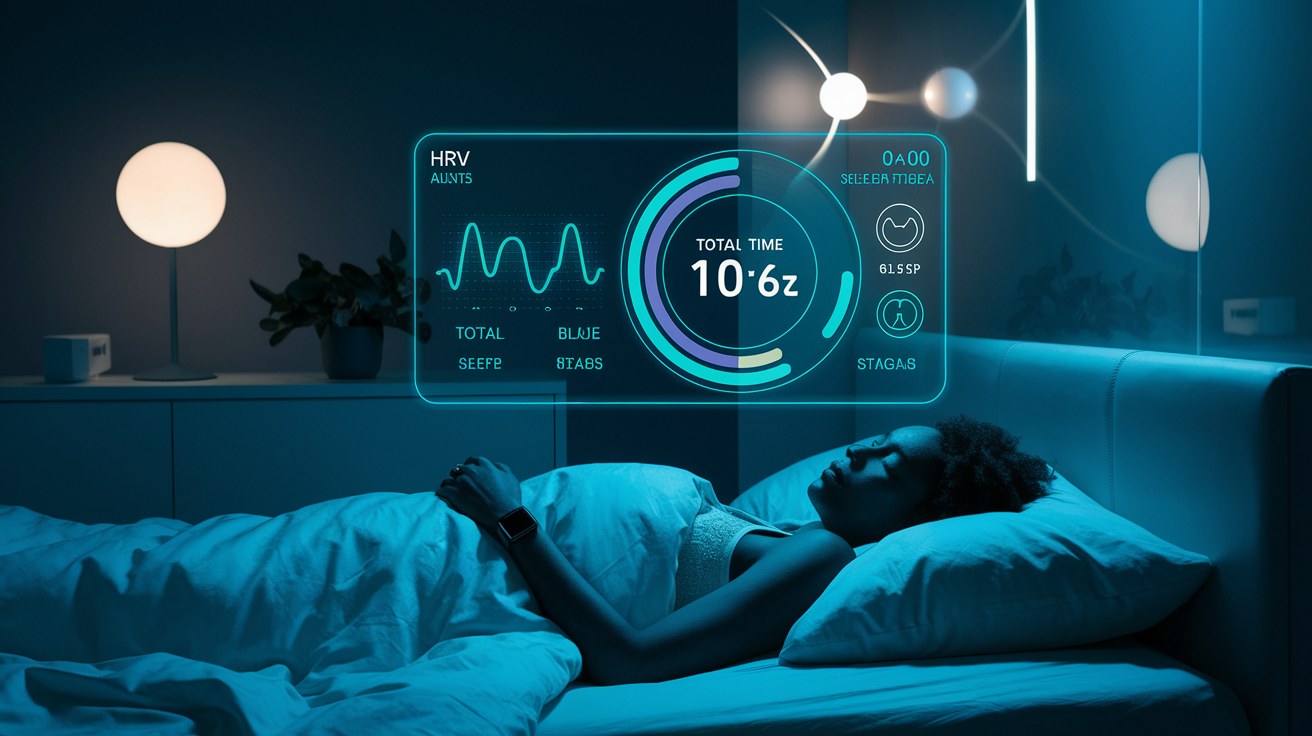
Wearable devices track metrics like heart rate variability (HRV), nocturnal resting heart rate, total sleep time, and estimated sleep stages. These data points help you spot patterns that subjective feel alone might miss. A rising resting heart rate or dropping HRV over several nights often signals under-recovery or overtraining before you feel the full effects in your workouts.
HRV measures the variation in time between heartbeats and reflects your autonomic nervous system balance. Higher HRV generally means your parasympathetic (rest-and-digest) system is active and you’re recovering well. Lower HRV suggests sympathetic (fight-or-flight) dominance, which happens during stress, illness, or insufficient recovery. If your HRV drops and stays low for three or more nights while your sleep quality fragments, reduce training intensity or volume until your metrics normalize. Sleep fragmentation and circadian disruption are especially common when you’re juggling heavy training, work stress, and irregular schedules.
When your sleep tracker shows multiple nights of poor sleep or low HRV, adjust your training load before you hit a wall. Options include cutting volume by 20 to 30 percent, swapping a high-intensity session for an easy recovery workout, or taking a full rest day. Once your sleep quality rebounds and HRV trends upward again, you can return to your planned progression. Tracking creates a feedback loop that prevents overtraining and keeps you progressing long-term instead of burning out mid-cycle.
Personalizing Your Sleep Recovery Plan for Long-Term Training Progress
Personalization matters because everyone’s sleep needs, schedule constraints, and recovery capacity differ. A 25-year-old training for a marathon might bounce back on 7 hours, while a 45-year-old lifting four days a week might need 8.5 hours to feel recovered. Your plan should reflect your training volume, stress levels, work schedule, and how your body responds to different interventions.
Habit stacking pairs new sleep behaviors with existing routines so they become automatic. For example, if you already brush your teeth before bed, add 5 minutes of reading or journaling immediately after. If you always shower post-workout, use that shower as a cue to dim the lights in your bedroom and start your wind-down routine. Stacking behaviors reduces decision fatigue and makes consistency easier when you’re tired or busy. Going to bed 30 minutes earlier is a small change that compounds over weeks into hours of extra recovery.
Long-term consistency strategies include setting a recurring bedtime alarm, tracking your sleep in a simple journal or app, and reviewing your data weekly to spot trends. If you notice you feel better after 8 hours than 7, adjust your schedule to protect that window. If late training sessions wreck your sleep, experiment with earlier workout times or lighter evening sessions. Psychological stress reduction before bed also matters. Journaling about tomorrow’s tasks, doing a short breathing exercise, or listening to calming music all help quiet mental chatter and make falling asleep easier.
Adjusting Sleep Plans Around Training Cycles
During heavy training weeks or competition prep, prioritize sleep over almost everything else. Go to bed 30 to 60 minutes earlier, cut non-essential evening commitments, and build in extra recovery days if sleep debt piles up. Sleep banking before a high-volume block helps you start the week with a buffer so one bad night doesn’t derail your progress.
During deload or light training weeks, use the reduced physical stress to catch up on sleep if you’ve been running a deficit. Maintain your normal bedtime and wake time to preserve circadian consistency, but take advantage of the lower training load to nap or sleep in slightly if your schedule allows. Avoid the temptation to fill your recovery weeks with late nights or social events. The point of a deload is to let your body adapt. And sleep is where adaptation happens.
Final Words
Start tonight: prioritize deep sleep and a steady sleep schedule to speed muscle repair, boost growth hormone release, and support overnight protein synthesis.
This article gave clear, practical steps — aim for 7–9 hours, try sleep banking, use a heat-then-cool routine, time caffeine and alcohol, eat a small protein snack, nap smart, and track sleep and HRV.
Use these sleep strategies to speed workout recovery, pick two small changes this week, and watch how much better you feel and perform.
FAQ
Q: What role does sleep play in muscle recovery?
A: Sleep plays a central role in muscle recovery by triggering growth hormone release, supporting immune repair, and enabling deep sleep stages that rebuild tissue and consolidate physiological repair.
Q: How much sleep should athletes aim for and is sleep banking useful?
A: Athletes should aim for 7–9 hours per night, and sleep banking—getting extra sleep before known loss—helps more than trying to catch up afterward.
Q: What practical sleep strategies immediately improve workout recovery?
A: Practical strategies that improve recovery include consistent bedtimes, screen reduction before bed, a caffeine cutoff, light management, a heat-then-cool routine, a calming pre-sleep ritual, and a cool bedroom (60–65°F).
Q: What is the heat-then-cool method and how does it help sleep?
A: The heat-then-cool method involves a warm bath (104–109°F) 30–90 minutes before bed, then a cool bedroom; it speeds sleep onset and improves sleep quality by dropping core body temperature.
Q: How should I time post-workout meals and pre-sleep snacks for recovery?
A: Time carbs plus protein within 90 minutes post-workout (aim 3:1 carb-to-protein), and eat a modest protein-containing snack before bed to supply amino acids during overnight repair.
Q: What bedroom setup best supports restorative sleep?
A: A restorative bedroom is dark, quiet, and cool (60–65°F), uses blackout curtains or eye masks, minimizes disruptive light, and adds white noise or airflow as needed to reduce awakenings.
Q: How do caffeine and alcohol affect sleep-based recovery and what timing rules help?
A: Caffeine can linger many hours and delay sleep, so cut it well before evening; alcohol fragments sleep and harms recovery—limit intake and consume earlier if you drink.
Q: How should naps be used to speed same-day recovery?
A: Use short naps (10–20 minutes) between 1–3 PM, avoid long naps that disrupt night sleep, dim lights before napping, and skip caffeine beforehand for better nap quality.
Q: Can wearables and HRV help me adjust training load?
A: Wearables tracking sleep, nocturnal heart rate, and HRV can reveal under-recovery; lower HRV or fragmented sleep signals it’s wise to reduce intensity or add rest that day or week.
Q: How do I personalize a sleep recovery plan that fits my training?
A: Personalize sleep by adding small changes—move bedtime 15–30 minutes earlier, stack calming habits like reading or journaling, track results, and tweak based on training demands.
Q: What is deep sleep’s role in hormonal repair and muscle protein synthesis?
A: Deep sleep boosts growth hormone and IGF-1 release, supports muscle protein synthesis, and reduces overnight breakdown—adequate amino acids at night enhance that repair.
Q: How should I adjust sleep plans during heavy versus light training weeks?
A: During heavy weeks prioritize extra sleep, earlier bedtimes, and short naps; during light weeks keep consistent timing and recovery rituals so your circadian rhythm stays stable.