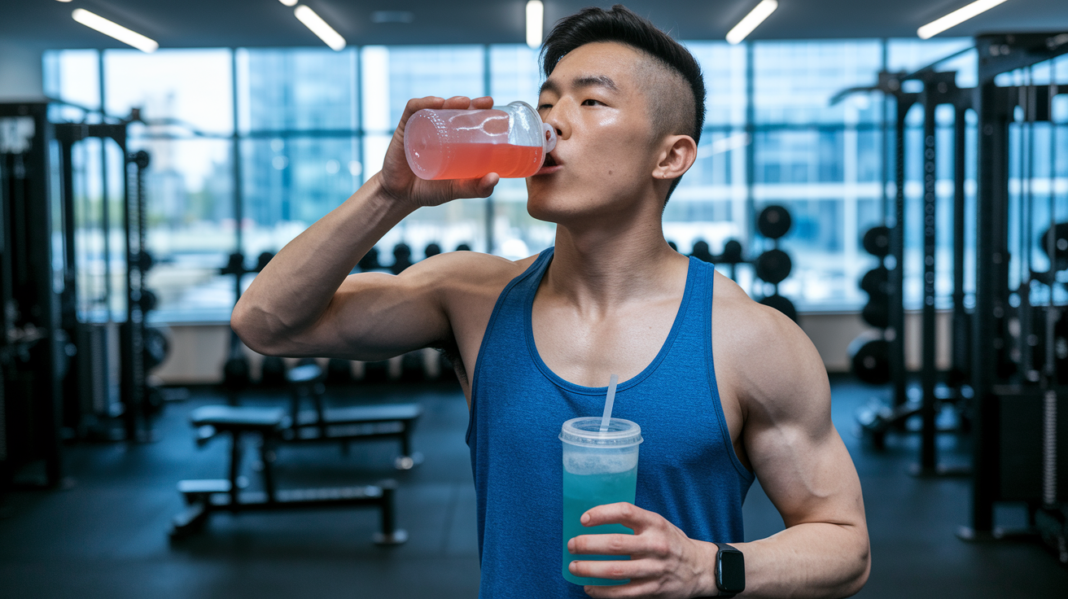
Drinking only water after a long, sweaty workout can do more harm than good.
Start replacing fluids and electrolytes within 15 to 30 minutes. Your recovery clock starts now.
This guide gives a simple, practical plan: how much to sip, when plain water works, when to add electrolytes, and which foods and drinks actually help.
Follow these steps and you’ll stop cramps, low energy, and slow recovery before they start.
Read on for a clear, step-by-step routine you can use after every session.
Essential Hydration Protocol After Exercise for Fluid and Electrolyte Recovery
Your body starts losing fluid the second you start moving. Within 15 to 30 minutes after your last rep or cooldown walk, you need to start replacing what you lost. Not later, not when you feel like it. Right away.
Here’s where you start. For every pound of bodyweight you lost during your session, drink 16 to 24 fluid ounces over the next few hours. Don’t chug it all at once. Your gut can only absorb so much at a time. Start with about 8 fluid ounces every 5 to 7 minutes for the first half hour. Sip, don’t gulp. This keeps absorption steady and prevents that sloshing, bloated feeling. Full rehydration can take 8 to 12 hours, so think of this as something that runs into your evening and next morning.
Plain water works fine if your workout was under 60 minutes at moderate intensity in a comfortable gym. But if you trained longer, pushed hard intervals, or sweated heavily in the heat, water alone won’t cut it. You’ve lost sodium, potassium, magnesium, and calcium through sweat. Sodium losses average around 500 milligrams per session, but if you’re a salty sweater with visible white streaks on your shirt, you might be losing over 1,000 milligrams per liter of sweat. When sodium drops too low and you keep drinking plain water, you dilute what’s left in your bloodstream. That brings muscle cramps, dizziness, fatigue, headaches, and in severe cases, confusion or nausea. Watch for those signs. They’re your cue to add electrolytes, not just more water.
Use this basic protocol every time:
- Weigh yourself before and after your workout to measure fluid loss.
- Start drinking within 15 to 30 minutes of finishing your session.
- Sip 8 fluid ounces every 5 to 7 minutes for the first 30 minutes.
- Add an electrolyte drink, powder, or tablet if your session was over 60 minutes, high intensity, or in hot conditions.
- Continue steady sipping over the next few hours, aiming for 16 to 24 fluid ounces per pound lost.
- Check your urine color periodically. Pale yellow means you’re on track.
Key Electrolytes Needed in a Post-Workout Hydration Plan

Electrolytes aren’t just marketing. They’re minerals that carry electrical charges, and your muscles and nerves need them to fire correctly. When you sweat, you lose more than water. You lose the exact minerals that control contraction, heart rhythm, energy production, and nerve signaling.
Sodium is lost in the largest amounts. It maintains fluid balance inside and outside your cells, helps nerves send signals, and keeps blood pressure stable. Without enough sodium, your body can’t hold onto the water you’re drinking.
Potassium works closely with sodium to regulate muscle contractions and heart rate. It’s lost in smaller amounts than sodium, but a deficit still shows up as cramping or irregular heartbeat. Magnesium supports energy production at the cellular level and helps prevent muscle cramps and spasms. Calcium isn’t just for bones. It’s essential for muscle contraction and the transmission of nerve impulses. Even small losses can impair performance and recovery.
Each mineral plays a specific recovery role:
Sodium – Prevents fluid dilution, maintains blood volume, supports nerve function, and reduces risk of hyponatremia.
Potassium – Regulates muscle contractions, stabilizes heart rhythm, and balances cellular fluid levels.
Magnesium – Powers ATP production, relieves cramping, and aids muscle relaxation after contraction.
Calcium – Triggers muscle fibers to contract and relax, transmits nerve signals, and supports enzyme activity during recovery.
Calculating Personal Fluid Needs Using Sweat Rate and Bodyweight Change
Generic hydration advice doesn’t account for your unique sweat rate, workout intensity, or environment. The most reliable way to know how much you need is to measure how much you lose.
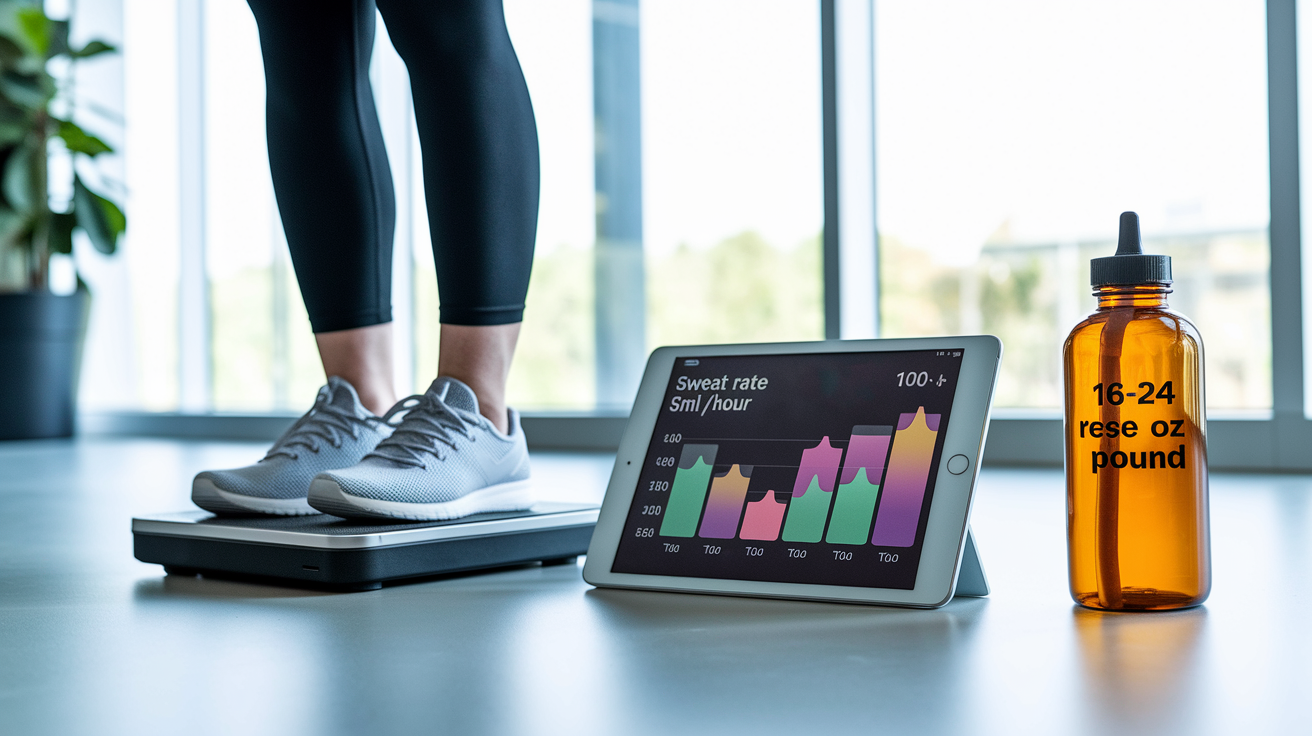
Weigh yourself naked (or in minimal, dry clothing) right before your workout, then again immediately after. The difference in pounds is almost entirely fluid. For every pound lost, replace 16 to 24 fluid ounces.
Average sweat rate sits around 500 milliliters per hour for most people in moderate conditions. Heavy sweaters can lose twice that, around 1,000 milliliters (1 liter) per hour, especially during intense sessions or in heat. If you’re consistently losing more than a pound or two per hour, you’re on the higher end. That matters because it changes both your fluid and electrolyte targets.
Drinking too fast carries risk, too. Keep your replacement rate under about 50 fluid ounces per hour to avoid overwhelming your kidneys and diluting sodium.
| Measurement | Value | How It Guides Hydration |
|---|---|---|
| Pre-workout weight | Record in pounds or kilograms | Baseline to calculate fluid loss |
| Post-workout weight | Record immediately after session | Difference shows how much fluid you lost |
| Sweat rate (mL/hour) | Typically 500–1,000 mL/hour | Higher rates require more aggressive electrolyte replacement |
| Replacement target | 16–24 fl oz per pound lost | Total volume to consume over 8–12 hours post-session |
Spread your intake across the rest of your day. Don’t try to drink it all in the first hour. Sip steadily through the afternoon and evening, and check your morning urine color the next day to confirm you’ve caught up.
When Water Alone Works and When Electrolyte Drinks Are Required
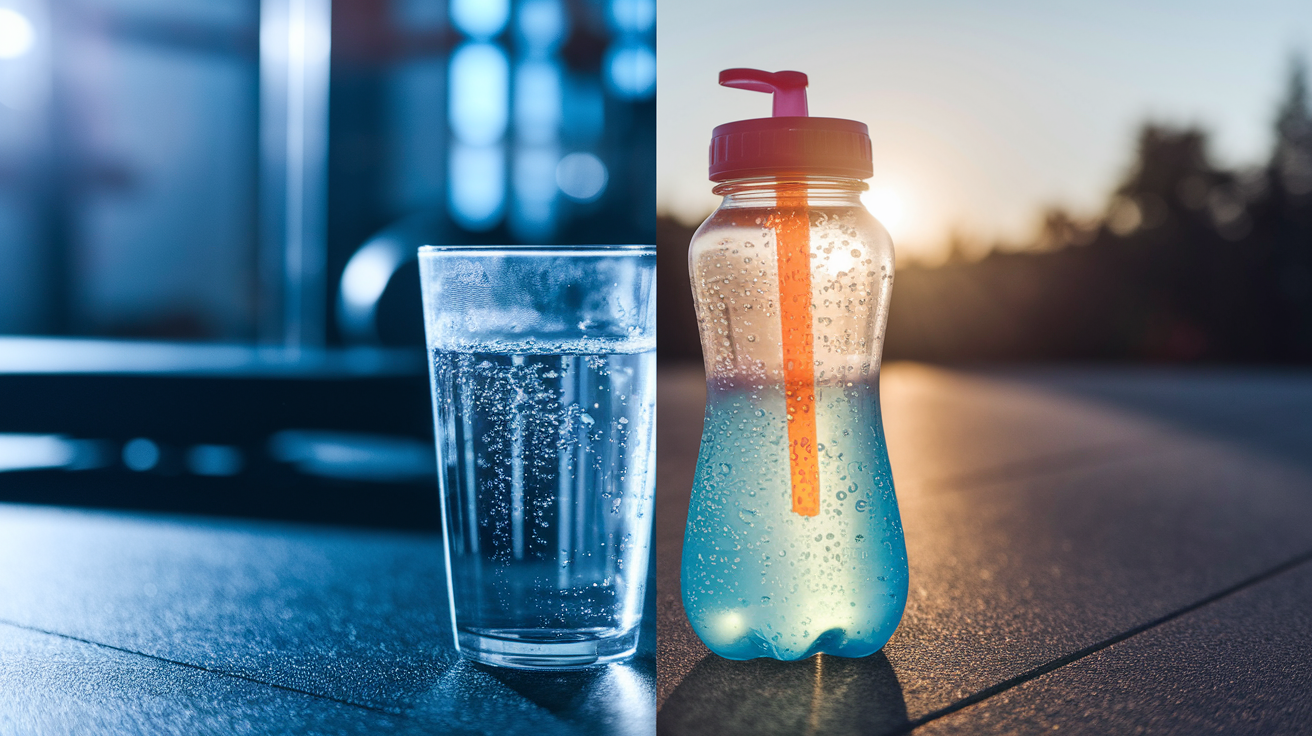
If your workout lasted under 60 minutes at a comfortable pace in a climate controlled space, plain water usually handles the job. Your sweat losses are modest, and a balanced meal later will replace any electrolytes you’ve used. No need to overthink it.
But when sessions run longer, intensity climbs, or the temperature spikes, plain water stops being enough. You’re losing sodium, potassium, and other minerals faster than food can replace them in the short term.
Sports drinks are formulated to deliver fluid, sodium, and carbohydrates together. Look for options with 6 to 8 percent carbohydrate concentration, which comes out to roughly 14 to 19 grams of carbs per 8 fluid ounces. That combo restores fluid and kicks off muscle glycogen replenishment at the same time.
Electrolyte powders and tablets let you customize concentration and flavor, and many are low sugar or sugar free if that fits your goals better. Coconut water brings higher potassium and magnesium with moderate sodium, making it a solid natural option for mild to moderate sessions.
You need electrolytes in these situations:
Workouts lasting longer than 60 minutes
High intensity interval training or heavy lifting that leaves you drenched
Training in hot or humid conditions, indoors or out
Visible salt stains or crusty residue on your clothes or skin
Muscle cramps, unusual fatigue, dizziness, or headaches during or after exercise
Timing Recommendations for Post-Workout Hydration and Electrolyte Intake
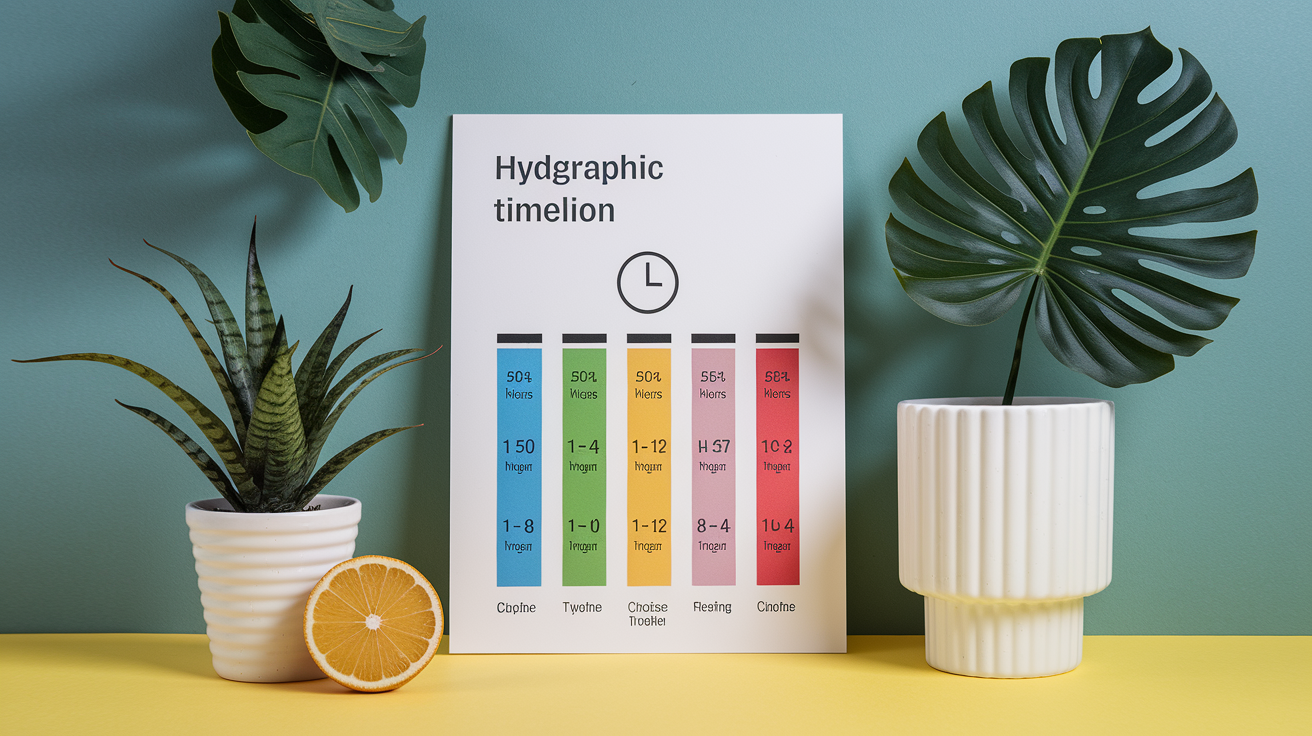
The clock starts ticking as soon as you finish your last set or cross the finish line. Begin drinking within 15 to 30 minutes. Your body’s ability to absorb and use fluids is highest in this window, and waiting longer slows the entire recovery process.
In the first 30 minutes, sip about 8 fluid ounces every 5 to 7 minutes. Over the next hour, aim for 8 to 12 fluid ounces every 15 minutes. That might sound like a lot, but you’re not forcing it down. You’re matching what your gut can handle.
Between hours 2 and 4, slow the pace to about 8 fluid ounces every 30 to 40 minutes. After that, you can stretch it to every 40 to 60 minutes as your body catches up. Cool water, around 50 to 59 degrees Fahrenheit, is absorbed faster than ice cold or room temperature, so keep a bottle in the fridge if you want a small edge.
Full rehydration typically takes 8 to 12 hours. That means you’re still topping off well into the evening and overnight. Don’t expect to be fully restored by dinner if you finished training at noon.
Follow this timing outline:
- Start drinking within 15 to 30 minutes after your session ends.
- First 30 minutes: sip 8 fl oz every 5 to 7 minutes.
- Hour 1 to 2: drink 8 to 12 fl oz every 15 to 20 minutes.
- Hours 2 to 12: spread the remaining replacement volume steadily, slowing the pace as your thirst and urine color normalize.
Electrolyte-Rich Food and Drink Options for Effective Fluid Restoration
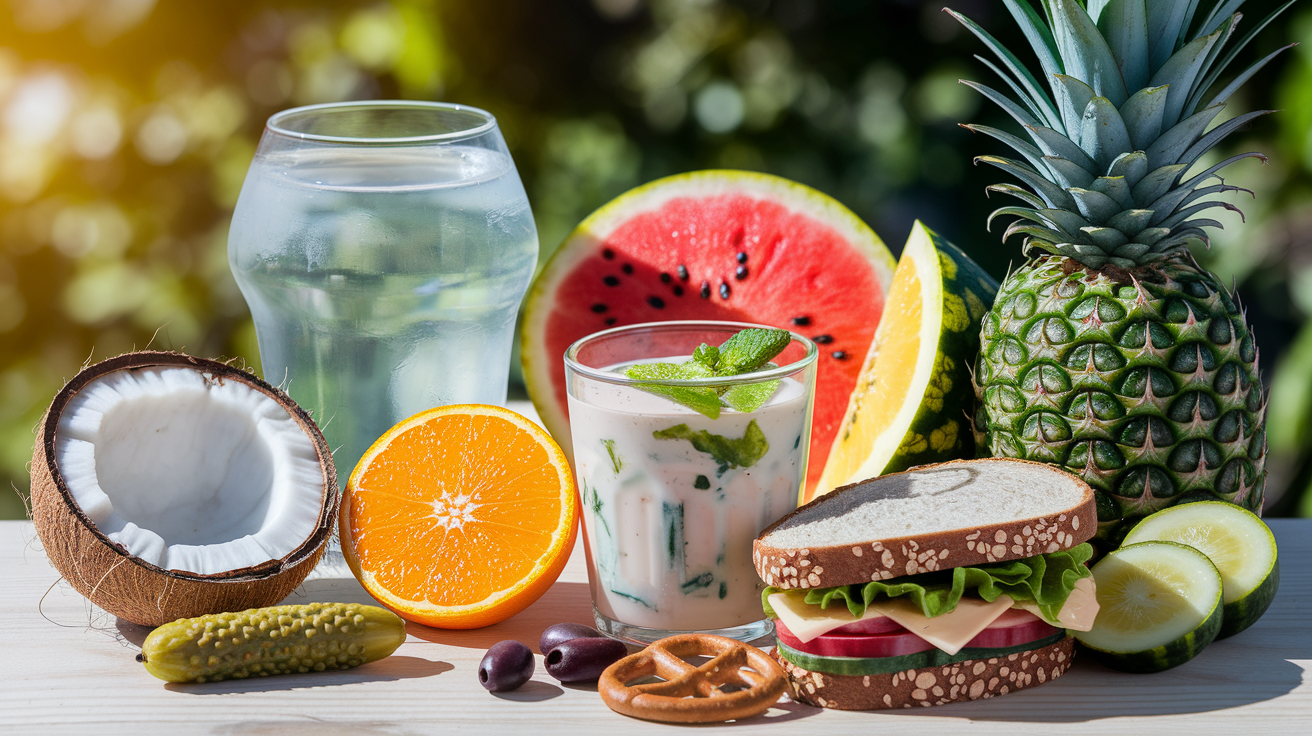
You don’t have to rely only on powders and sports drinks. Real food and natural beverages can deliver electrolytes and fluid together, often with a bonus of protein, fiber, or micronutrients that packaged drinks don’t provide.
Coconut water is one of the best natural options. It’s high in potassium and magnesium, with moderate sodium. One cup gives you roughly 600 milligrams of potassium. Pair it with a pinch of salt or a salty snack if you’ve sweated heavily.
Fruit juices like orange, watermelon, and pineapple add carbohydrates and vitamins, but watch the sugar content. If your session was over an hour, dilute juice with water or pair it with a protein source to slow absorption and improve amino acid delivery to recovering muscle.
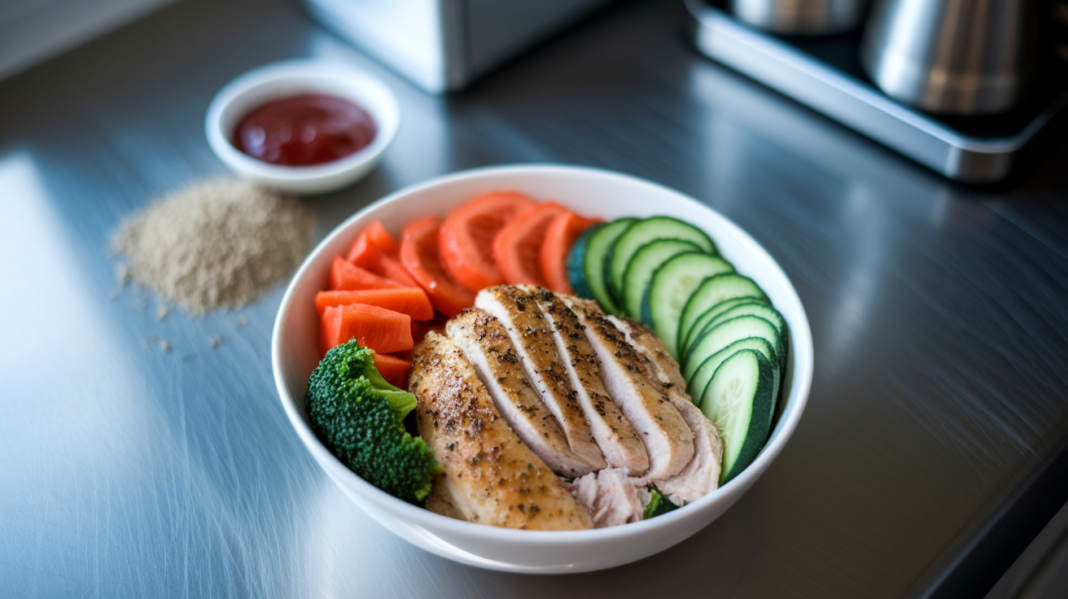
Smoothies made with yogurt, fruit, and a handful of spinach or kale pack in calcium, potassium, and magnesium. Sodium rich foods like pickles, olives, pretzels, or a sandwich help replace salt losses without extra sugar.
Stock your post-workout options with these:
Coconut water (with added salt if needed)
Fruit juices diluted with water (orange, watermelon, pineapple)
Smoothies with yogurt, fruit, and leafy greens
Pickles, olives, or a small handful of pretzels
A sandwich with lean protein and pickles or mustard
Yogurt with granola and a pinch of sea salt
Avoiding Overhydration and Understanding Hyponatremia After Exercise
Drinking too much water, too fast, is just as dangerous as not drinking enough. When you flood your system with plain water without replacing sodium, you dilute the concentration of sodium in your blood. That condition is called hyponatremia, and it can happen faster than you think during or after long, sweaty sessions.
Early symptoms look a lot like dehydration. Nausea, headache, fatigue, confusion. As it gets worse, you might feel bloated, disoriented, or experience muscle weakness. In severe cases, seizures and loss of consciousness can occur.
The confusing part is that these signs overlap with simple dehydration, so people often drink even more plain water, making the problem worse. The fix is sodium. If you’re replacing more than about 50 fluid ounces per hour, add electrolytes. If you see clear urine and you’re still feeling off, stop drinking plain water and switch to an electrolyte drink or eat something salty.
Your kidneys can only process so much fluid at once, and overloading them while sodium is low creates a dangerous imbalance. Sip steadily, add salt when you’ve sweated hard, and listen to your body’s signals beyond just thirst.
Simple Monitoring Tools to Track Hydration and Electrolyte Balance
You don’t need lab tests or expensive gadgets to know if you’re hydrated. A few low tech checks give you all the feedback you need to adjust your plan day to day.
Urine color is the easiest real time indicator. Aim for pale yellow, like lemonade. Dark amber or brown means you’re behind. Completely clear can mean you’re overhydrated, especially if you’re also feeling bloated or off.
Check your first morning urine for your baseline hydration status, and wait at least two hours after taking B vitamins, which can turn urine bright yellow regardless of hydration. Pre and post workout weigh ins give you an exact number. Wear minimal, dry clothing, use the same scale, and record the difference. That’s your fluid debt.
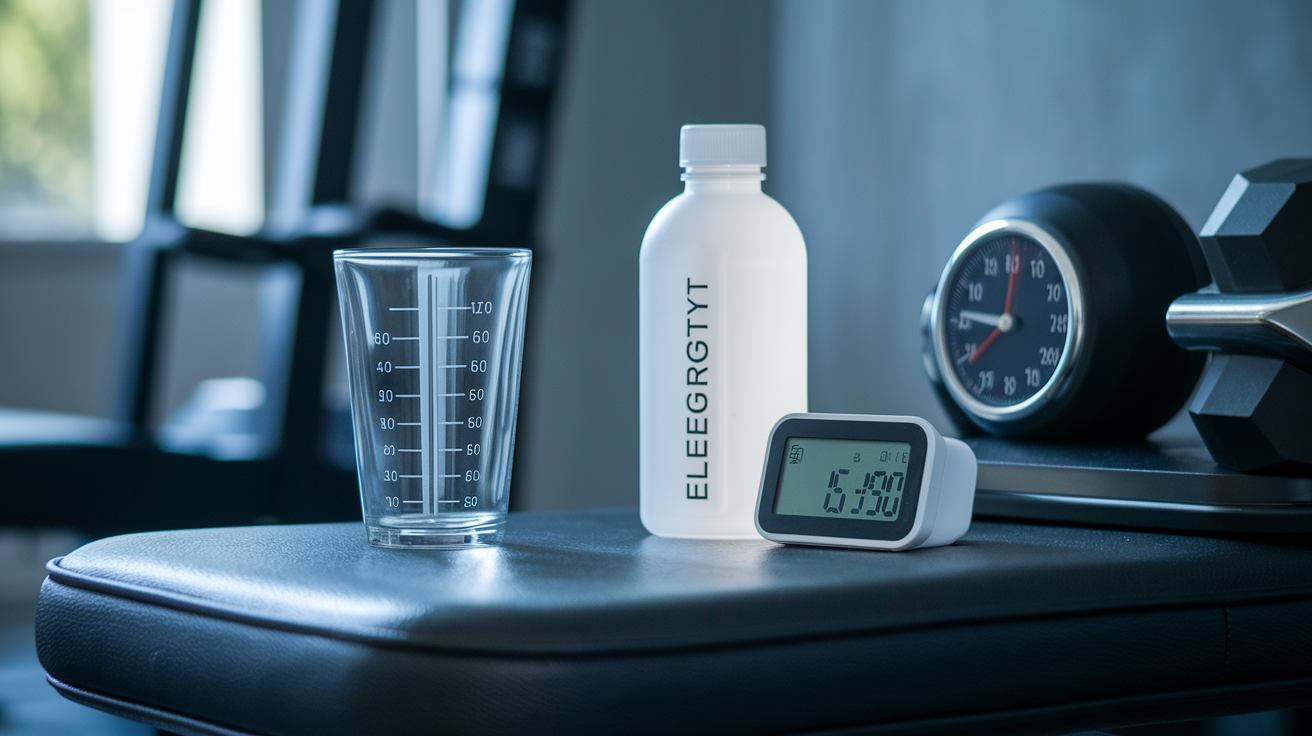
Time marked water bottles or phone reminders help you stay consistent without thinking about it. Set alarms every 20 to 30 minutes in the first few hours post-workout if you tend to forget.
Track hydration with these tools:
Urine color check (pale yellow = good, dark amber = dehydrated, clear = possibly overhydrated)
Pre/post weigh ins to measure exact fluid loss
Time marked water bottles to pace intake visually
Phone reminders or timers to maintain steady sipping intervals
Hydration Adjustments for Hot Weather, Endurance, and High-Intensity Sessions

Not all workouts demand the same hydration strategy. A 30 minute strength session in an air conditioned gym is a different beast than a two hour trail run in July or a cycling race that leaves your jersey soaked. Your environment, duration, and intensity all shift your fluid and electrolyte needs.
Endurance Sessions
Runs, rides, or swims lasting over 60 minutes require active hydration during the workout, not just after. Aim for 7 to 10 fluid ounces every 10 to 20 minutes while you’re moving. Use a sports drink or electrolyte mix that includes sodium and carbohydrates to delay fatigue and maintain blood sugar.
After the session, follow the same post-workout protocol. 16 to 24 fluid ounces per pound lost, spread over several hours. If you’re a heavy sweater or you see salt stains, bump up sodium intake with salty snacks or higher sodium electrolyte products.
Long sessions also benefit from pre-hydration. Drink 17 to 20 fluid ounces of a sports drink 2 to 3 hours before you start.
High-Intensity Workouts
HIIT, heavy lifting, or sprint intervals spike your core temperature fast, even if the session is short. You might not lose as much total fluid as a long run, but the rate of loss is higher.
Start rehydration immediately, and prioritize sodium and fast digesting carbohydrates to stabilize blood sugar and replace what you’ve burned. An 8 ounce serving of a sports drink or a scoop of electrolyte powder in water works well. Pair it with a quick protein source like Greek yogurt or a protein shake to support muscle repair while fluids are being absorbed.
Hot Weather Training
Heat and humidity can double your sweat rate. Even moderate intensity work in 85 degree weather can push losses over 1 liter per hour. In these conditions, drink during your session and increase post-workout sodium aggressively.
Look for electrolyte products with at least 300 to 500 milligrams of sodium per serving, or add a pinch of table salt to your drink. Monitor for signs of heat stress. Dizziness, rapid heart rate, confusion. Stop training if they appear.
Cool your core with a cold towel or a cool shower before rehydrating to help your body regulate temperature and absorb fluids more effectively.
Final Words
Start rehydration within 15–30 minutes. Sip 8 fl oz every 5–7 minutes at first, aiming to replace about 16–24 fl oz per pound you lost. Pick water for short, easy sessions and add electrolytes for long, hot, or hard workouts.
Replace sodium, potassium, magnesium, and calcium if you notice cramps, dizziness, heavy salt stains, or prolonged fatigue. Track weight and urine color to guide you.
Use this post-workout hydration plan electrolytes and water as a simple checklist. Small, consistent steps will get you back to full strength.
FAQ
Q: When should I start rehydrating after exercise?
A: You should start rehydrating within 15–30 minutes after exercise, sipping small amounts (about 8 fl oz every 5–7 minutes) to reduce dizziness and begin fluid recovery.
Q: How much fluid should I drink after a workout?
A: After a workout, plan to replace about 16–24 fl oz per pound of bodyweight lost, using weigh-ins to calculate exact needs and spacing intake over 8–12 hours.
Q: When do I need electrolytes instead of plain water?
A: You need electrolytes when exercise lasts over 60 minutes, was high intensity, happened in heat, or you sweat heavily—visible salt stains or cramps mean add sodium and potassium.
Q: Which electrolytes matter most after training and why?
A: The key electrolytes are sodium (prevents low blood-sodium and holds fluid), potassium (supports muscles and heart rhythm), magnesium (helps energy and eases cramps), and calcium (aids nerve signals and contractions).
Q: How do I calculate my sweat rate and use it to set fluid goals?
A: To calculate sweat rate, weigh before and after a session in dry clothes, add any fluids drank, divide weight change by hours, then use that rate to set hourly and post-workout fluids.
Q: What is a simple step-by-step rehydration protocol?
A: A simple protocol: start within 15–30 minutes, sip 8 fl oz often, replace 16–24 fl oz per pound lost, add electrolytes if needed, spread intake over 8–12 hours, and track urine color.
Q: How long does full rehydration usually take?
A: Full rehydration typically takes 8–12 hours after exercise; initial sipping helps quickly, but complete fluid and electrolyte balance often requires fluids and meals across the day.
Q: What symptoms show I need fluids or electrolytes right away?
A: Symptoms that show you need fluids or electrolytes include dizziness, muscle cramps, heavy fatigue, headache, confusion, and visible salt stains—treat with water plus a sodium-containing drink.
Q: How do I avoid overdrinking and hyponatremia after training?
A: Avoid overdrinking by keeping intake under about 50 fl oz per hour and including sodium for long or heavy sessions; seek medical help if you feel confused, very bloated, or severely nauseous.
Q: What foods and drinks help restore electrolytes after exercise?
A: Helpful options are coconut water, bananas, orange or watermelon juice, pickles or olives, salty crackers, and sports powders; pair fluids with protein to support overall recovery.
Q: How can I monitor hydration simply at home?
A: You can monitor hydration with pre/post weigh-ins, urine color (pale yellow is good), time-marked bottles, and phone reminders to adjust fluids and electrolytes through the day.