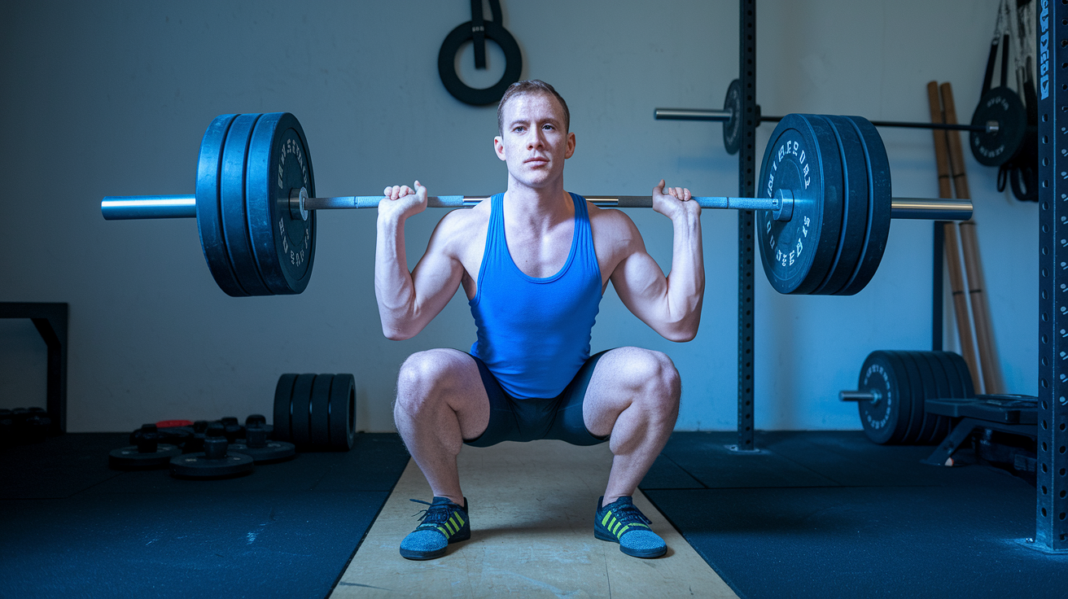

Think rest means doing nothing? Not always.
Active recovery is light movement like walking, easy cycling, or gentle yoga. It boosts blood flow and speeds clean-up.
Passive recovery is full rest, like sleep, massage, or cold immersion, so your nervous system and tissues can rebuild.
Which works better? Neither always.
The best choice depends on how hard you trained, how tired you feel, and what else is going on in life.
This post shows when to move and when to fully rest so you recover faster and get back to training sooner.
Core Comparison of Active and Passive Recovery
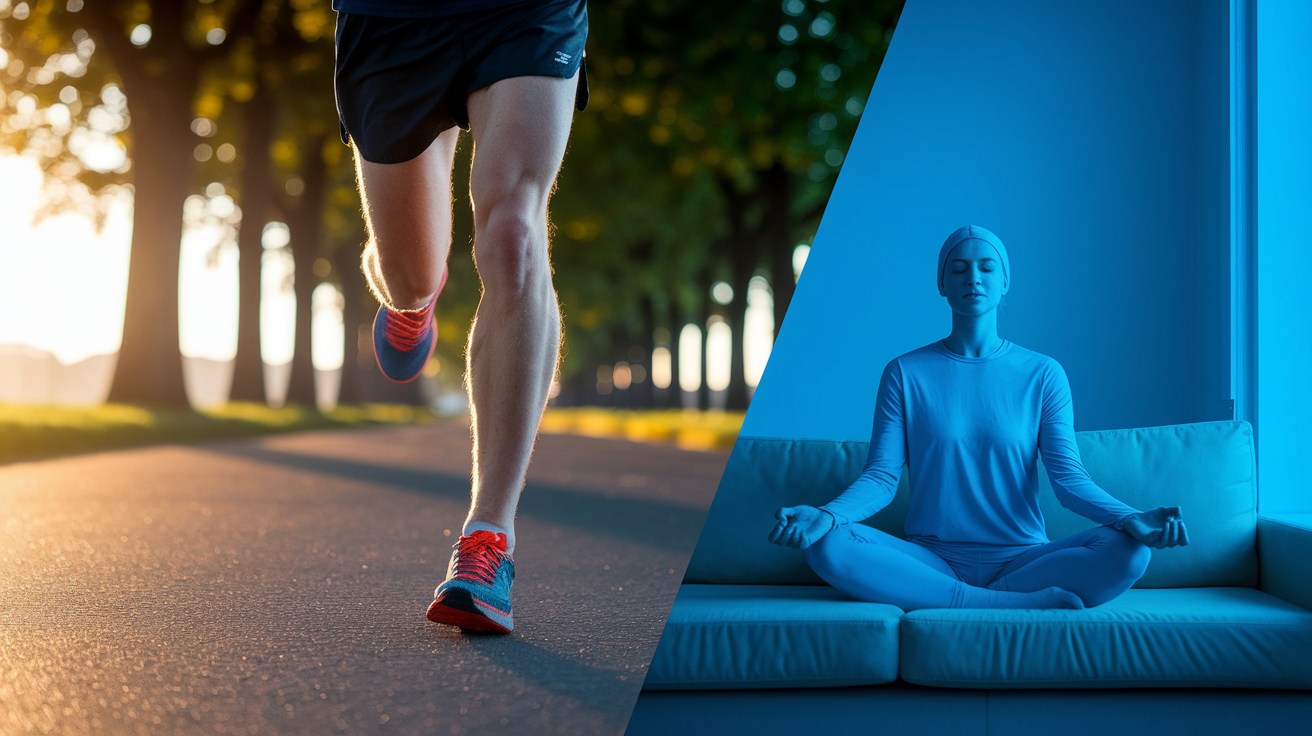
Active recovery means low-intensity movement that supports healing by getting blood flowing to tired muscles. Think light walking after a tough run, easy cycling between intervals, or gentle yoga the day after heavy squats. You’re staying in motion without piling on training stress. It works because movement keeps circulation up, clearing out lactate and hydrogen ions while delivering oxygen and nutrients to beat-up tissue.
Passive recovery is full rest. No physical effort beyond your normal day. You’re sitting, lying down, sleeping, letting your body repair without movement. Passive recovery can include stuff like massage, foam rolling, compression gear, meditation, or cold plunges. These help recovery without requiring you to move. It’s especially useful when your nervous system needs a break or when you’re dealing with injury, illness, or signs you’ve overdone it.
The big difference? Movement. Active recovery uses light activity as a tool. Passive recovery takes activity off the table completely so your body can pour everything into repair. Neither one’s automatically better. What you choose depends on how hard you’ve been training, how tired you are, your experience level, and what else is going on in life (sleep quality, work stress, general health).
Key distinctions:
- Movement level: Active = low-intensity exercise. Passive = rest.
- Blood flow: Active keeps circulation elevated. Passive lets it return to baseline.
- Nervous system: Active keeps some stimulation going. Passive gives your CNS full rest.
- Timing: Active works best 24 to 48 hours post-workout. Passive is for true rest days or when you’re seriously fatigued.
Physiological Mechanisms Behind Each Recovery Type
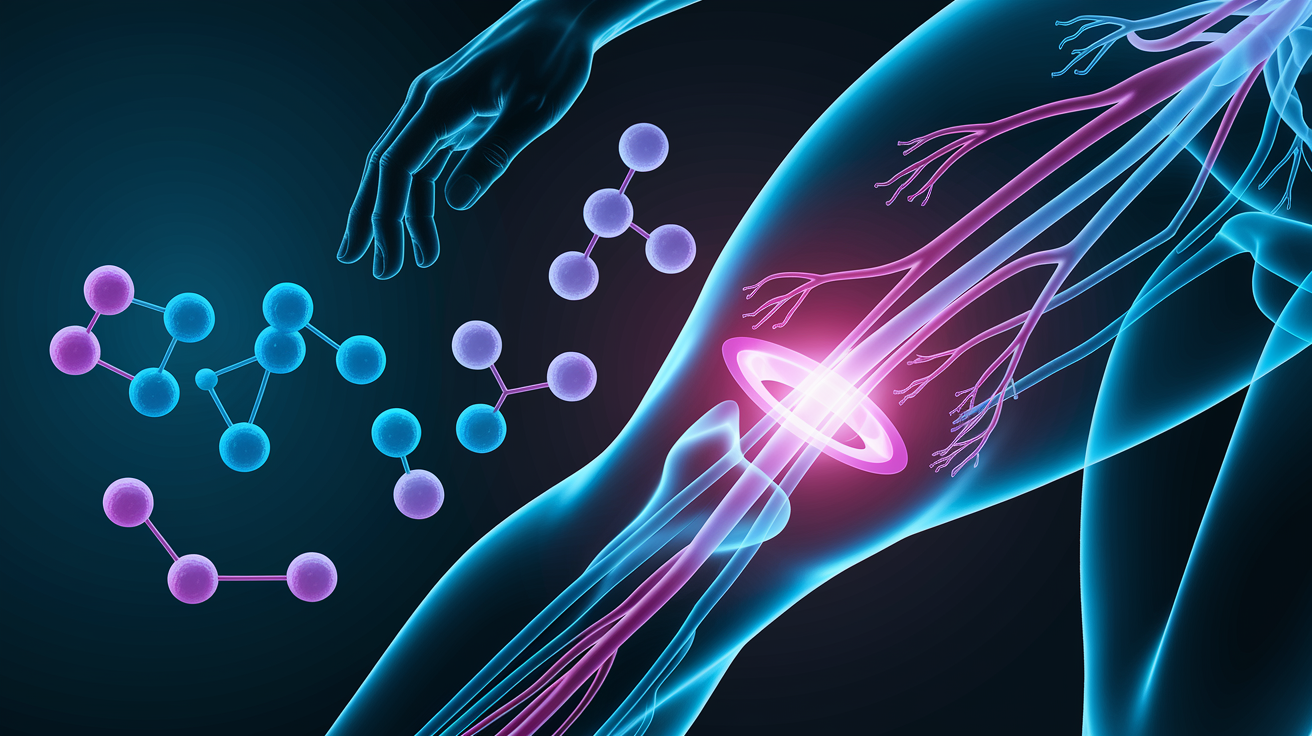
Active recovery boosts blood flow to working muscles, speeding up the removal of lactate and other junk that builds up during hard exercise. One swimming study showed active recovery cleared 68% of blood lactate that would’ve stuck around otherwise. Better circulation also means more oxygen and nutrients reach damaged muscle fibers, supporting faster repair and cutting down inflammation. The gentle movement helps your lymphatic system clear waste, which can reduce soreness and stiffness after workouts.
Passive recovery redirects everything toward tissue repair, glycogen replenishment, and hormonal balance. When you rest completely, your central nervous system can fully recover from intense training demands. Sleep is when growth hormone peaks and deep muscle repair happens. Passive rest also prevents extra mechanical stress on joints and connective tissue, which matters when injury risk is high or you’re recovering from being sick. Stuff like massage and cold immersion can further reduce soreness and inflammation without any physical effort.
Five physiological differences:
- Oxygen delivery: Active keeps oxygen supply elevated to tissues. Passive allows baseline oxygen during rest.
- Hormonal recovery: Passive optimizes growth hormone and cortisol regulation during sleep. Active maintains mild hormonal stimulation.
- Inflammation modulation: Active promotes circulation to clear inflammatory markers. Passive combined with cold or massage directly reduces inflammation.
- Neuromuscular effects: Active keeps motor units lightly engaged. Passive fully disengages the neuromuscular system.
- Metabolic waste clearance: Active speeds lactate and hydrogen ion removal. Passive relies on slower baseline clearance.
Pros and Cons of Active vs Passive Recovery

Active recovery works well for reducing DOMS and stiffness when you keep intensity truly low. A 2022 systematic review found light jogging, aqua exercise, and yoga within 24 to 48 hours of intense sessions help cut muscle soreness. Pool exercise might offer extra benefit because water has a massage-like effect on tissues. Active recovery also helps maintain mobility after long efforts like marathons and supports nutrient delivery to muscles. One running study showed participants using active recovery ran three times longer on their next run compared with those who rested passively. The catch? If intensity creeps up, active recovery becomes another stressor and can actually slow healing or leave you with leftover fatigue. You’ve got to keep effort genuinely low, or it stops being recovery and starts messing with adaptation.
Passive recovery is your best bet when you’re showing signs of overtraining or serious elevated fatigue. It gives you mental rest and full physical rest, which can speed recovery for newer athletes or when you’re dealing with illness, injury, or crappy sleep. A 2018 study of recreational half-marathoners found postrace techniques including cold-water immersion and massage produced better results for muscle soreness, perceived stress, and perceived recovery than total passivity and than active recovery alone. The downside? Sitting around without recovery modalities might be less effective for soreness than some active or mixed strategies. Too many passive days can also reduce training stimulus if you’re experienced and need consistent volume to keep progressing.
| Type | Pros | Cons |
|---|---|---|
| Active Recovery | Cuts DOMS and stiffness, speeds lactate clearance, maintains mobility, improves readiness for next session | Can become a stressor if intensity’s too high, requires discipline to stay truly low-effort |
| Passive Recovery | Best for overtraining or injury, provides full CNS rest, supports deep sleep and hormonal recovery, effective with add-ons (massage, cold) | Sitting around alone may be less effective for soreness, too-frequent use can cut training stimulus |
When to Use Each Recovery Type

Go with active recovery after moderate to high-intensity sessions when you’re tired but not totally wrecked. This includes the day after a long run, a hard interval workout, or a heavy lifting session where soreness is expected but you’re sleeping okay and feel mentally sharp. Active recovery works when you can keep intensity genuinely low. Walking, easy cycling, gentle yoga. It’s also useful between sets or intervals during a workout to keep circulation going without fully stopping. If you can hold a conversation easily and your heart rate stays comfortable, you’re in the right zone. Active recovery isn’t a light training day. It’s a tool to support healing without adding stress.
Passive recovery is the move when you notice red flags. Extreme tiredness, aches that won’t quit, poor sleep quality, elevated resting heart rate, irritability, or performance that’s stalling. Passive recovery’s also necessary when you’re coming off being sick, dealing with an injury, or facing high life stress from work, travel, or personal stuff. In these situations, adding movement (even light movement) can interfere with your body’s ability to repair. If your body’s sending signals it’s overloaded, listen. Take a full rest day and use non-exertional stuff like foam rolling, stretching, or massage if it helps.
Training intensity also guides your choice. After a long endurance effort like a marathon or a multi-hour bike ride, active recovery helps maintain circulation and limit stiffness. After extremely high-intensity work like max-effort lifting or repeated sprint intervals, passive recovery may be smarter because your nervous system needs a full reset. Not sure? Ask yourself two questions: “Do I have clear signs of overreaching?” and “Can I keep this session genuinely easy?” If the first answer’s yes or the second’s no, choose passive recovery.
When active recovery’s ideal:
- Day after moderate to high-intensity training (long run, interval session, strength workout)
- Between sets or intervals during a workout to maintain circulation
- When you feel tired but mentally sharp and sleeping well
- After long endurance efforts to reduce stiffness and maintain mobility
When passive recovery’s needed:
- Extreme fatigue, poor sleep, elevated resting heart rate, or irritability
- Coming off illness or dealing with an injury
- High life stress from work, travel, or personal demands
- After extremely high-intensity sessions that tax the nervous system heavily (max-effort lifts, repeated sprints)
Evidence-Based Insights and Research Highlights

Research consistently shows active recovery speeds up the removal of metabolic byproducts and reduces muscle soreness when intensity stays low. One swimming study documented that active recovery cleared 68% of blood lactate that would’ve stayed in tissues after intense effort. Another running study found participants who used active recovery ran three times longer on their next run compared with those who rested passively. These findings suggest gentle movement supports faster readiness for the next training session. The trick is that the activity must stay genuinely low-effort, or it shifts from recovery to additional training stress.
Passive recovery with add-on modalities can also produce strong improvements. A 2018 study published in PLoS One followed recreational half-marathoners and compared postrace recovery strategies. Participants who used cold-water immersion and massage reported better outcomes for muscle soreness, perceived stress, and perceived recovery than those who relied on total passivity or active recovery alone. A 2022 systematic review from Spain concluded that light jogging, aqua exercise, and yoga within 24 to 48 hours of intense sessions help reduce DOMS, with pool-based exercise offering extra benefit because of water’s massage-like effect. These findings reinforce that both movement and rest-based modalities have roles, and the best approach often mixes elements of both across a training cycle.
Key research outcomes:
- Active recovery removed 68% of blood lactate in swimmers, versus slower clearance with passive rest.
- Runners using active recovery ran three times longer on their next session compared with passive recovery.
- Cold-water immersion and massage postrace produced better soreness, stress, and recovery ratings than passive rest or active recovery alone (2018 PLoS One study of half-marathoners).
Practical Examples of Active and Passive Recovery Techniques
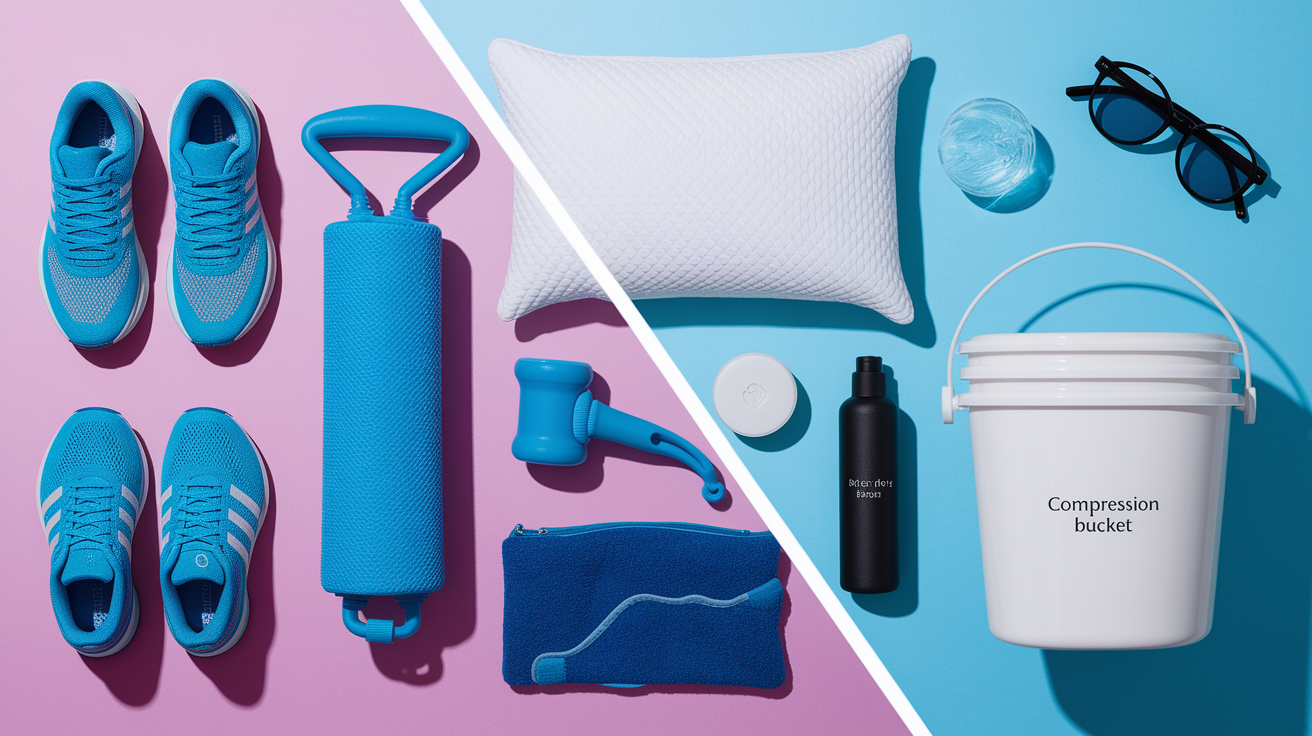
Active Recovery Techniques
- Light walking (10 to 20 minutes at conversational pace, often used the day after a hard run or as a cooldown after intervals)
- Easy cycling (low resistance, comfortable cadence, heart rate in Zone 1 or low Zone 2, typically 20 to 30 minutes)
- Swimming or aqua jogging (gentle laps or water running with minimal intensity, benefits from water’s natural resistance and massage effect)
- Restorative yoga or Pilates (focus on stretching, breathing, and mobility rather than strength or power)
- Foam rolling session (5 to 10 minutes targeting major muscle groups to release tension and support circulation)
- Gentle mobility work (dynamic stretches, joint rotations, and movement prep to maintain range of motion without fatigue)
Passive Recovery Techniques
- Full rest day (stay off your feet when possible, prioritize sitting or lying down, no structured exercise)
- Sleep (7 to 9 hours nightly, the most powerful recovery tool for hormonal balance and tissue repair)
- Sports massage or myofascial release (professional bodywork to reduce muscle tension and improve circulation without effort)
- Compression garments or compression boots (worn during rest to support venous return and reduce swelling)
- Cold-water immersion or ice bath (10 to 15 minutes post-effort to reduce inflammation and perceived soreness)
- Meditation or breathing exercises (calms the nervous system and reduces perceived stress without physical movement)
Recovery Guidance for Different Fitness Levels
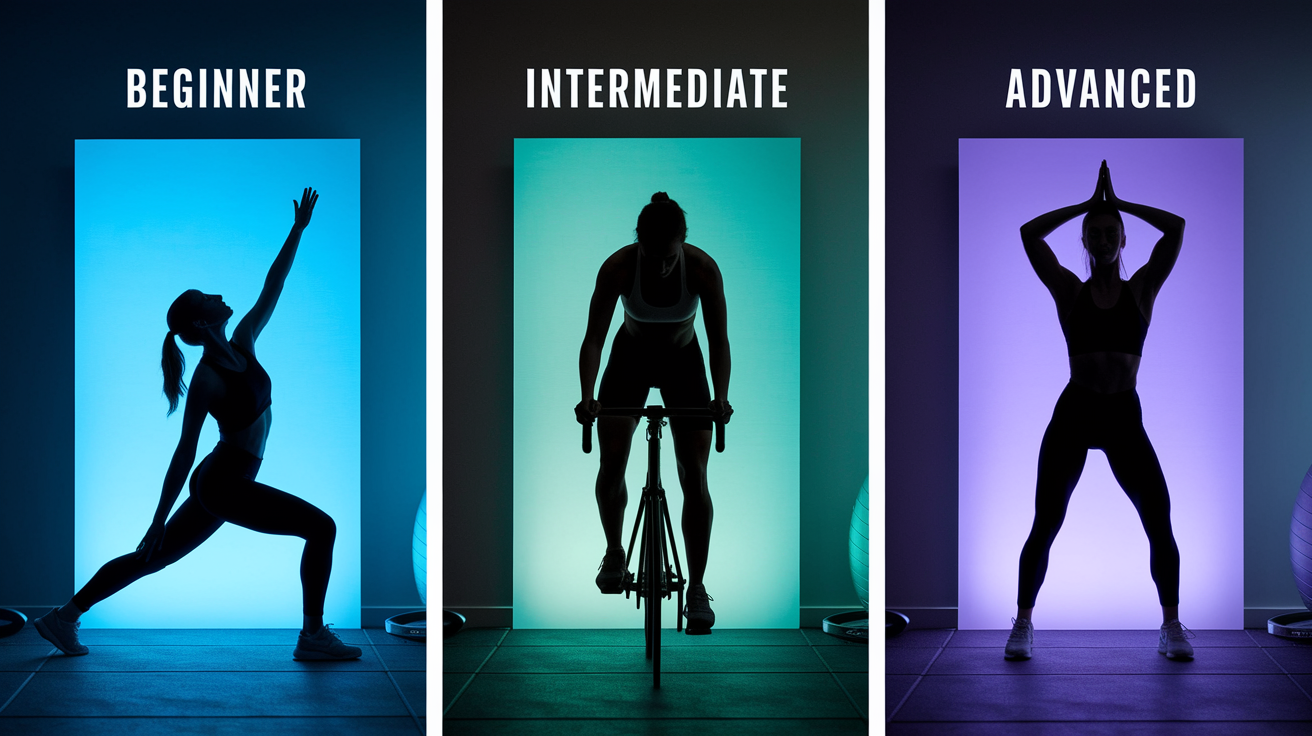
Beginners often need more passive recovery because their bodies are adapting to new training stress. Early in a program, muscles, tendons, and the nervous system are all responding to unfamiliar loads. Soreness is common, and the risk of overdoing it’s high. Start with at least one full rest day every seven to ten days and use mostly passive recovery in the first few weeks. As your body adapts and workload increases gradually, you can begin adding active recovery days. A beginner might use two passive rest days per week and one light active recovery day, like a 15-minute walk or gentle yoga session. Keep intensity very low and check in frequently. If soreness or fatigue lingers, favor passive rest.
Intermediate athletes who’ve trained consistently for several months can handle a higher ratio of active recovery to passive rest. At this level, your body recovers faster and you can use movement as a tool without adding meaningful stress. A typical week might include one passive rest day and one or two active recovery days, like easy cycling or light mobility work. Monitor intensity carefully. Use Rate of Perceived Exertion (RPE) or heart rate to make sure active recovery sessions stay genuinely easy. An RPE of 3 to 4 out of 10 or heart rate in Zone 1 is a good target. If you notice signs of overreaching like poor sleep, elevated resting heart rate, or stagnating performance, add an extra passive day.
Experienced athletes with years of consistent training can use mostly active recovery while still incorporating periodic passive days. At this level, training volume’s high and recovery needs are individualized. You might use active recovery between intense sessions to support circulation and reduce stiffness, and schedule one full passive rest day every 10 to 14 days. Some athletes also plan passive recovery blocks after high-volume training cycles or races. Menstrual cycle, travel, work stress, and sleep quality all influence recovery needs. Advanced athletes benefit from tracking readiness markers like resting heart rate, sleep duration, and subjective energy to decide when to favor passive rest over movement.
| Fitness Level | Recommended Ratio (Active:Passive per Week) | Notes |
|---|---|---|
| Beginner | 1:2 (one active recovery day, two passive rest days) | Prioritize passive rest early; add active recovery gradually as workload increases |
| Intermediate | 2:1 (two active recovery days, one passive rest day) | Monitor intensity closely; add extra passive days if overreaching signs appear |
| Experienced | 3–4:1 (three to four active recovery days, one passive rest day) | Use mostly active recovery; schedule passive days after high-volume cycles, races, or when readiness markers decline |
Final Words
In the action, we compared active and passive recovery side by side. We showed what each is, how they work, and when to choose one over the other.
You saw pros and cons, the key physiology, practical techniques, and who should use which method. Quick research notes gave extra context without extra fuss.
If you remember one thing: match the method to your fatigue and goals. This is active recovery vs passive recovery explained. Keep it simple, stay consistent, and you’ll recover smarter.
FAQ
Q: What is the 3 3 3 rule at the gym?
A: The 3 3 3 rule at the gym is commonly used to mean three sets of three reps for heavy strength work, giving high intensity with manageable volume and easier progress tracking.
Q: What is the number one exercise for seniors?
A: The number one exercise for seniors is the sit-to-stand (chair stand) because it improves leg strength, balance, and everyday function like getting up from chairs and stairs.
Q: When to use passive recovery? What is an example of passive recovery?
A: Passive recovery should be used when you’re very fatigued, injured, or ill; it means resting without exercise. Examples include full rest days, extra sleep, gentle stretching, or a massage.