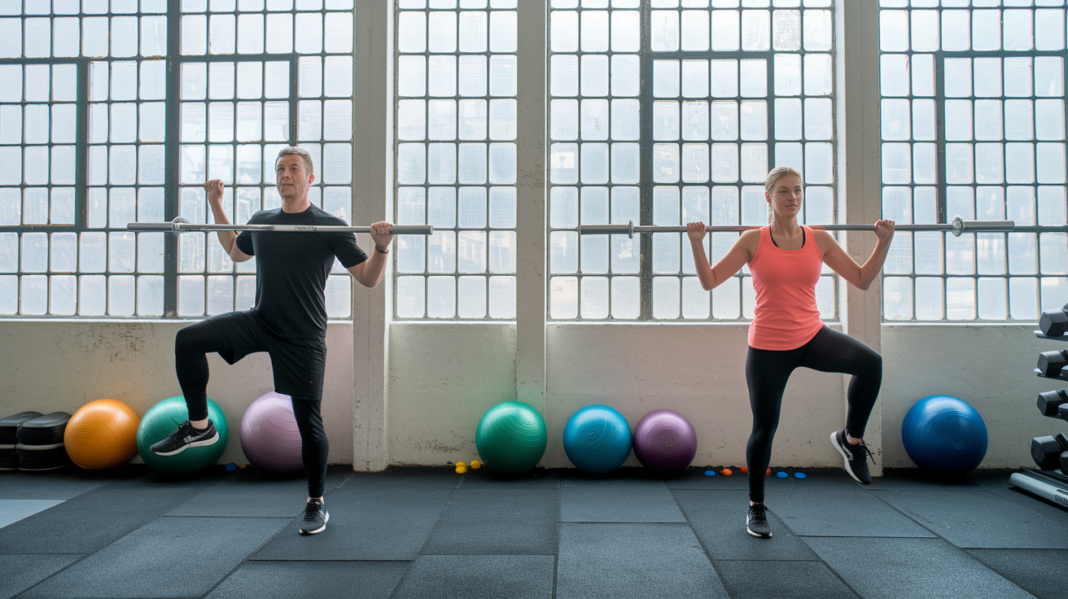
Worried lifting weights will make you bulky?
You’re not alone. But visible bulk takes years and a lot of extra calories.
What beginners see fast is strength, better posture, and a quick boost in confidence.
This post shows a simple, step-by-step start: the key movement patterns, two to three sessions per week, and safe progression rules so you get stronger without guesswork.
If you want clear cues and real progress in eight to twelve weeks, keep reading for a plan you can actually keep.
Getting Started With Strength Training As a Beginner
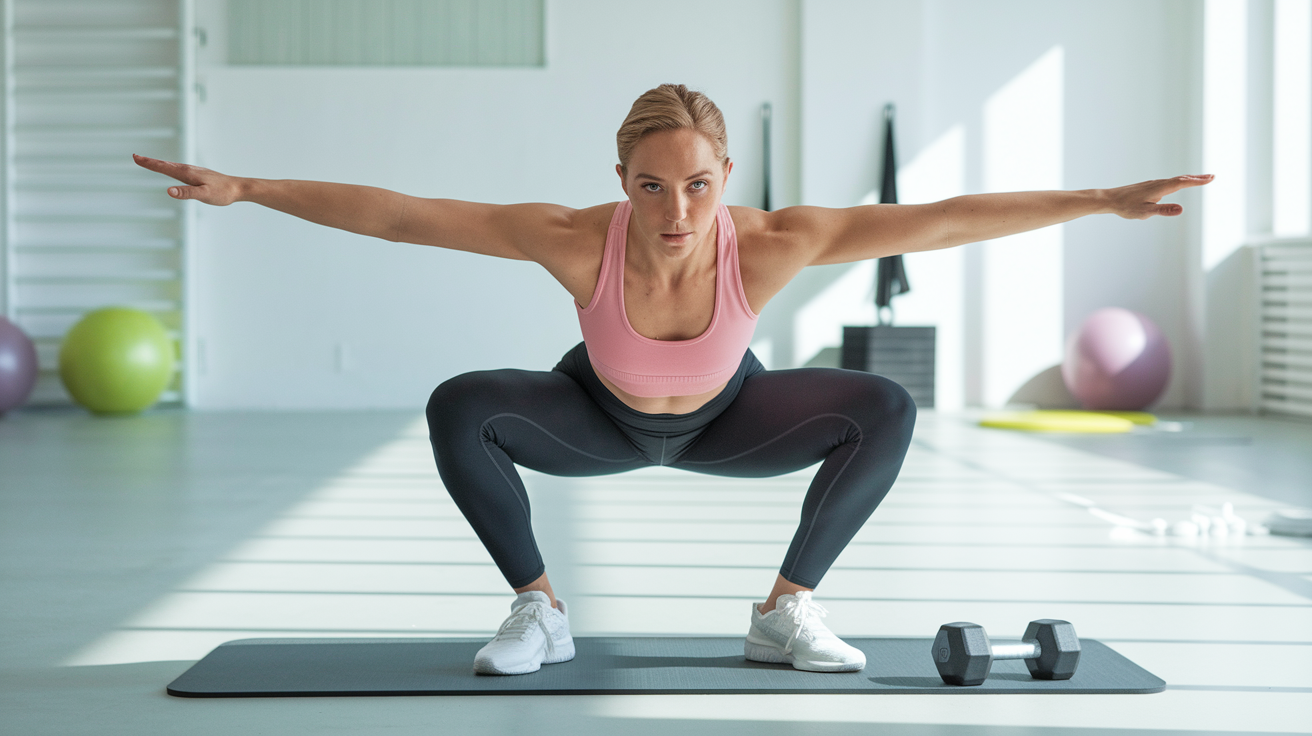
Strength training builds more than muscle. It increases bone density, supports metabolism, improves posture, and makes everyday tasks easier. A lot of women hesitate because they’re worried about looking too muscular or just don’t know where to start. Here’s the thing: gaining visible bulk takes years of specialized training, high volume, and eating way more than most people realize. What you’ll actually see from consistent lifting? Better muscle tone, improved posture, more confidence. Not sudden size jumps.
The best way to start is learning basic movement patterns before you worry about heavy weights. Squats, pushes, pulls, hinges, core work. These form the foundation of every strength program. You can practice them with bodyweight, light dumbbells, or resistance bands. Nail the movement first. That makes progress safer and faster. Start with 2 to 3 sessions per week, giving your body time to adapt between workouts.
Research shows beginners often see rapid improvements in their first 8 to 12 weeks. These early gains? They come from your nervous system learning to activate muscles more efficiently. You’ll feel stronger quickly, even before visible muscle changes appear. Consistency matters way more than perfection. Missed reps, awkward form during week one, a skipped session. None of that ruins your progress. Show up regularly and trust the process.
Key beginner benefits:
- Increases bone density and reduces age-related bone loss
- Supports resting metabolic rate and helps maintain lean muscle
- Improves functional strength for daily tasks like lifting groceries or climbing stairs
- Builds confidence and body awareness
- Requires only 2 to 3 short sessions per week to see real results
Beginner-Friendly Strength Training Exercises
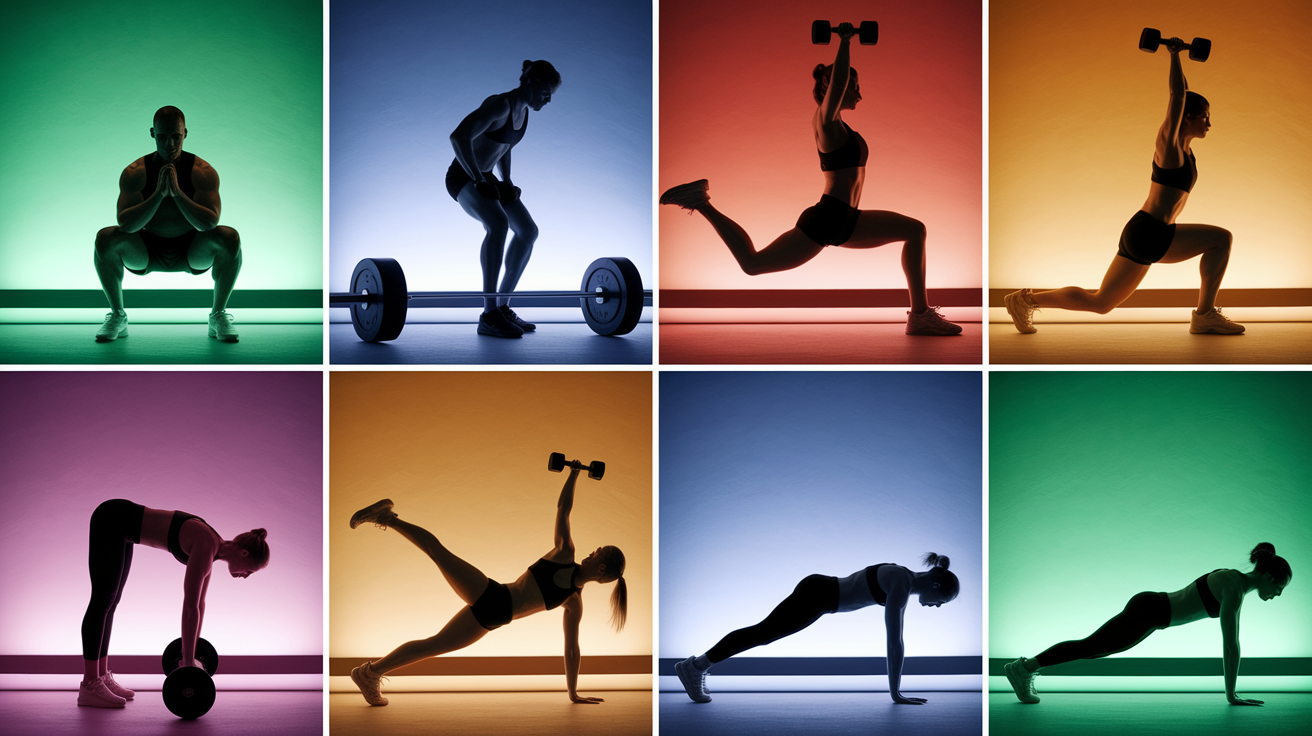
Start with movement patterns that train your whole body. These foundational exercises prepare you for heavier loads later and fit into simple, efficient routines. Each pattern targets major muscle groups and supports real-world movement.
Eight beginner exercises:
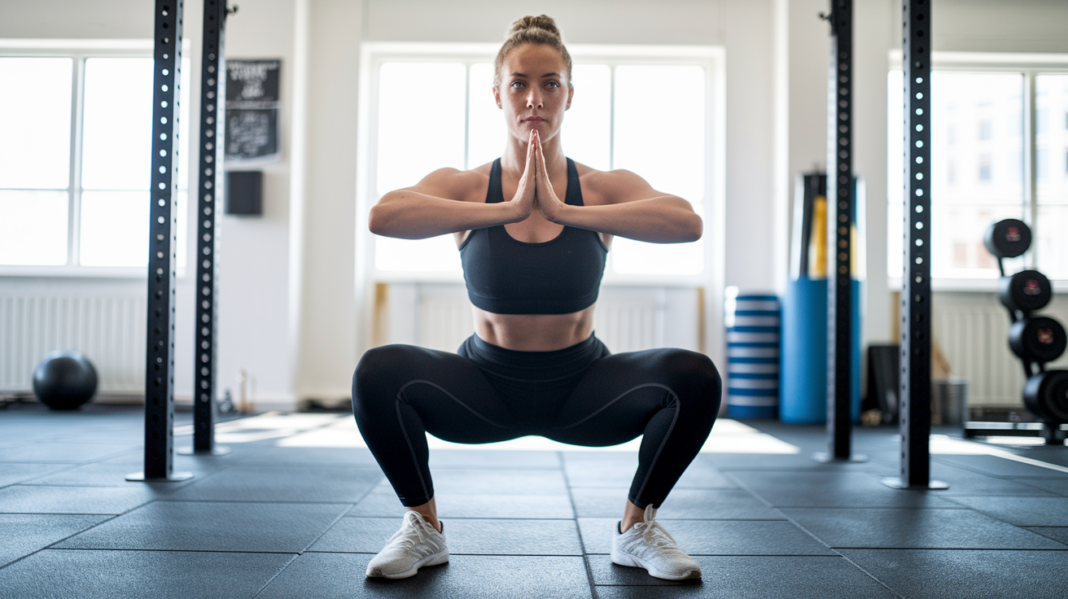
- Goblet squat (or bodyweight squat): Builds leg and glute strength while teaching proper squat mechanics with a light dumbbell held at chest height.
- Romanian deadlift (or hip hinge): Strengthens hamstrings, glutes, and lower back using a controlled hinge at the hips with dumbbells or a kettlebell.
- Reverse lunge (or split squat): Trains single-leg strength and balance with one foot forward, stepping back into a lunge position.
- Push-up (or incline push-up): Develops chest, shoulders, and triceps. Start with hands elevated on a bench or countertop if floor push-ups feel too hard.
- Dumbbell bent-over row (or single-arm row): Targets upper back and biceps by pulling a dumbbell toward your torso while hinging slightly at the hips.
- Overhead press (dumbbell): Strengthens shoulders and core stability by pressing dumbbells overhead from shoulder height.
- Glute bridge (or hip thrust): Activates glutes and hamstrings by lifting your hips off the ground while lying on your back.
- Plank (or dead bug): Builds core stability by holding a rigid body position or alternating limb movements while lying on your back.
You can organize these into a simple 3-day-per-week full-body routine. Pick one squat pattern, one hinge, one push, one pull, one lunge or single-leg move, and one core exercise per session. Perform 2 to 3 sets of 8 to 12 reps for each exercise, resting 60 to 90 seconds between sets. Rotate between two slightly different workouts (A and B) across the week to keep variety without adding complexity. This structure ensures balanced development and gives each muscle group recovery time before the next session.
Correct Form and Technique Essentials
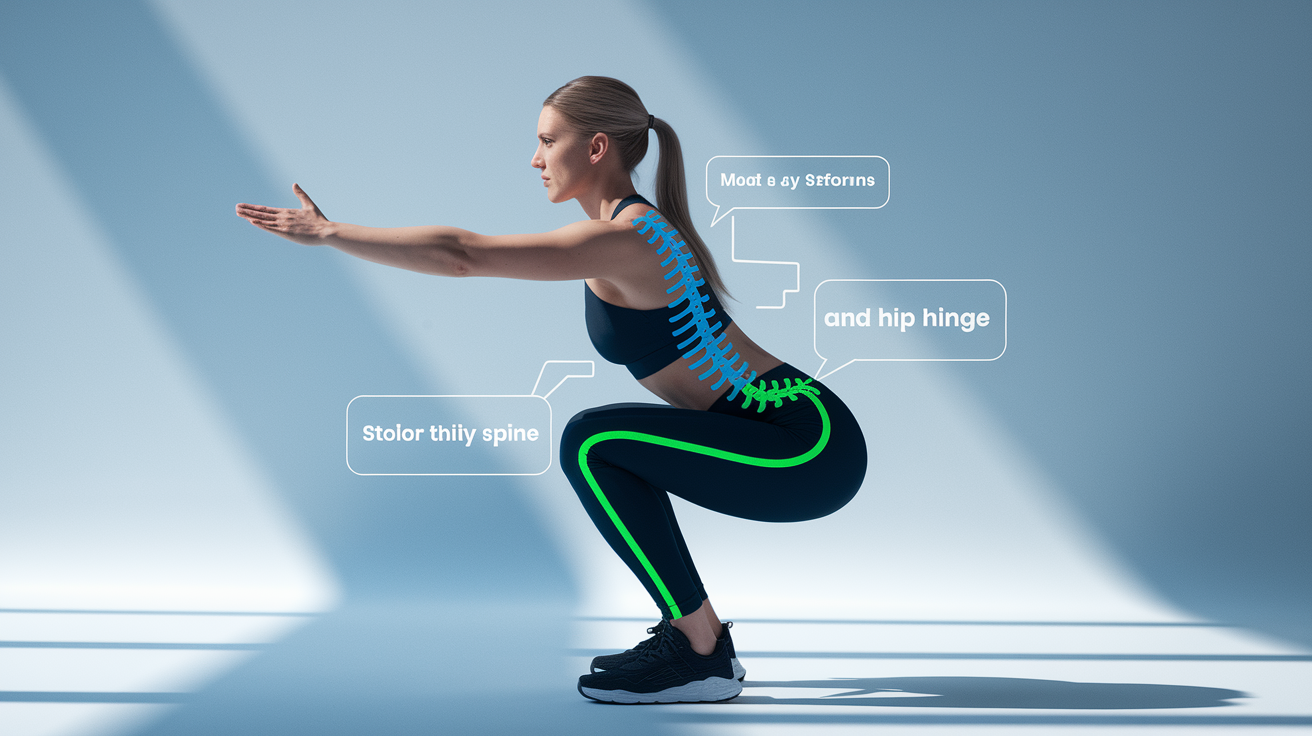
Proper form protects your joints and makes every rep more effective. Most beginners rush into heavier weights before mastering basic positioning, which increases injury risk and slows progress. The goal? Controlled, deliberate movement with good alignment.
Common mistakes include letting your knees collapse inward during squats, rounding your lower back during deadlifts, flaring your elbows too wide during push-ups, and losing core tension during overhead presses. Fix these issues early. Good habits now carry forward as you add load.
Safe positioning starts with a neutral spine, stable core, and even weight distribution. For squats and lunges, keep your chest up and knees tracking in line with your toes. During hinge movements like deadlifts, push your hips back first and keep the weight close to your body. For presses and rows, maintain tension in your shoulder blades. Avoid excessive arching or rounding. Moving slowly and with control, especially during the lowering phase, improves muscle engagement and reduces momentum-based errors.
Universal form cues:
- Keep your spine neutral. Avoid excessive arching or rounding in your lower back.
- Breathe steadily. Exhale during the hardest part of the lift (the push or pull).
- Distribute weight evenly through your feet. Feel stable before each rep.
- Move with control. Tempo matters more than speed, especially when learning.
Equipment Options for Beginners
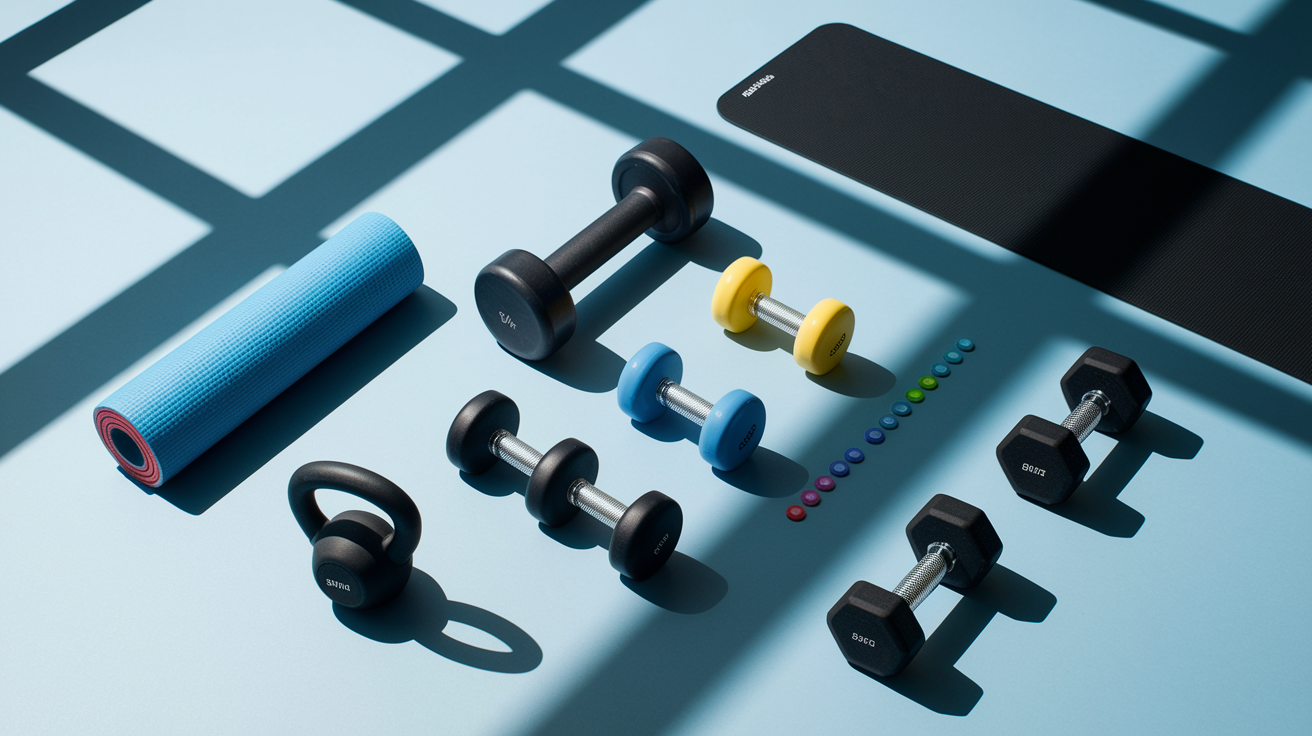
You don’t need a fully stocked gym to start. At home, a set of adjustable dumbbells or a few fixed pairs (5 lb, 10 lb, 15 lb) covers most beginner exercises. Resistance band sets cost $10 to $30 and provide scalable tension for rows, squats, and lateral walks. A single kettlebell in the 15 to 25 lb range works for goblet squats, deadlifts, and carries. Add a yoga mat for floor exercises and optional items like a stable bench or chair for step-ups and incline push-ups. Many beginners start with bodyweight and bands, then add dumbbells as strength improves.
Gym equipment offers more variety and heavier loads as you progress. Machines guide your range of motion and reduce the risk of form breakdown, making them beginner-friendly for exercises like leg presses, chest presses, and lat pulldowns. Free weights (barbells, dumbbells, and kettlebells) require more stability but teach functional movement patterns. Cable machines allow adjustable resistance for rows, presses, and core rotations. Most gyms provide everything you need. The learning curve is figuring out how to adjust seats, pins, and safety bars.
| Equipment Type | Best For | Approx. Cost |
|---|---|---|
| Resistance band set | Portable, joint-friendly exercises; home routines | $10–$30 |
| Adjustable dumbbells | Space-saving; progressive loading for multiple exercises | $50–$300 |
| Kettlebell (single) | Goblet squats, swings, carries, and deadlifts | $20–$100 |
| Gym membership | Access to machines, barbells, racks, and coaching | $10–$100/month |
How to Progress Safely
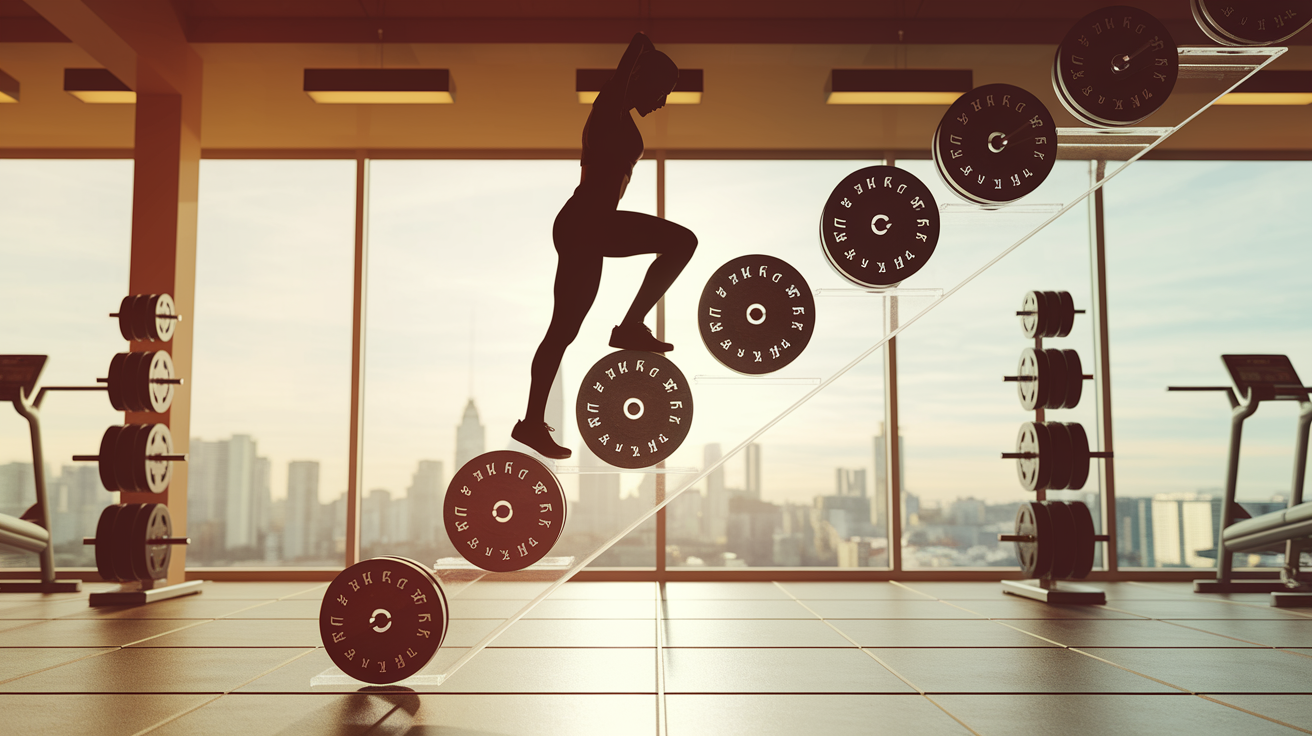
Progressive overload means gradually increasing the challenge your muscles face. This drives strength and muscle development. For beginners, overload can come from adding weight, increasing reps, adding sets, slowing tempo, or simply improving form. You don’t need to change everything at once. Small, consistent adjustments every 1 to 3 weeks keep progress steady without overwhelming your body.
The simplest progression rule? The 2-for-2 method. If you complete 2 extra reps on the top set for two consecutive workouts with good form, increase the load. For upper-body exercises, add 2.5 to 5 lb. For lower-body movements, add 5 to 10 lb. If you can’t add weight yet, increase reps until you hit the top of your range (for example, move from 8 reps to 12), then increase load and reset reps. This approach keeps you moving forward without rushing into weights your body isn’t ready for.
Different progression methods:
- Add 2.5 to 5 lb to dumbbells or barbells when you consistently hit the top rep range.
- Increase reps by 1 to 2 per set each week until you reach the ceiling, then add weight.
- Add an extra set to key exercises (for example, move from 2 sets to 3 sets of squats).
- Slow down the tempo. Take 3 seconds to lower the weight instead of 1 second.
- Reduce rest time between sets by 10 to 15 seconds to increase workout density.
Safety, Recovery, and Injury Prevention

Strength training is safe when you respect your body’s limits and recovery needs. Overuse injuries happen when volume or intensity increases too fast. Gradual progression and mindful form keep your joints healthy. If you feel sharp joint pain, stop the exercise. Muscle soreness is normal, especially in the first few weeks. But pain that lingers or worsens? That’s a red flag.
Recovery starts with rest days. Training 2 to 3 times per week gives muscles time to repair and adapt. Sleep 7 to 9 hours per night to support hormone balance and tissue repair. Hydration matters too. Aim for 2 to 3 liters of water daily, more if you sweat heavily during workouts.
Warm up before every session. Spend 5 to 10 minutes on light movement like marching, arm circles, bodyweight squats, and hip circles. This prepares your nervous system and joints for loaded work. After your workout, spend a few minutes stretching major muscle groups, especially hips, quads, chest, and shoulders. Stretching won’t prevent all injuries, but it helps maintain mobility and signals your body that the session is over. If you’re returning from an injury, start with 50% of your normal volume and follow guidance from a physical therapist or qualified coach.
Nutrition Basics for Strength Training
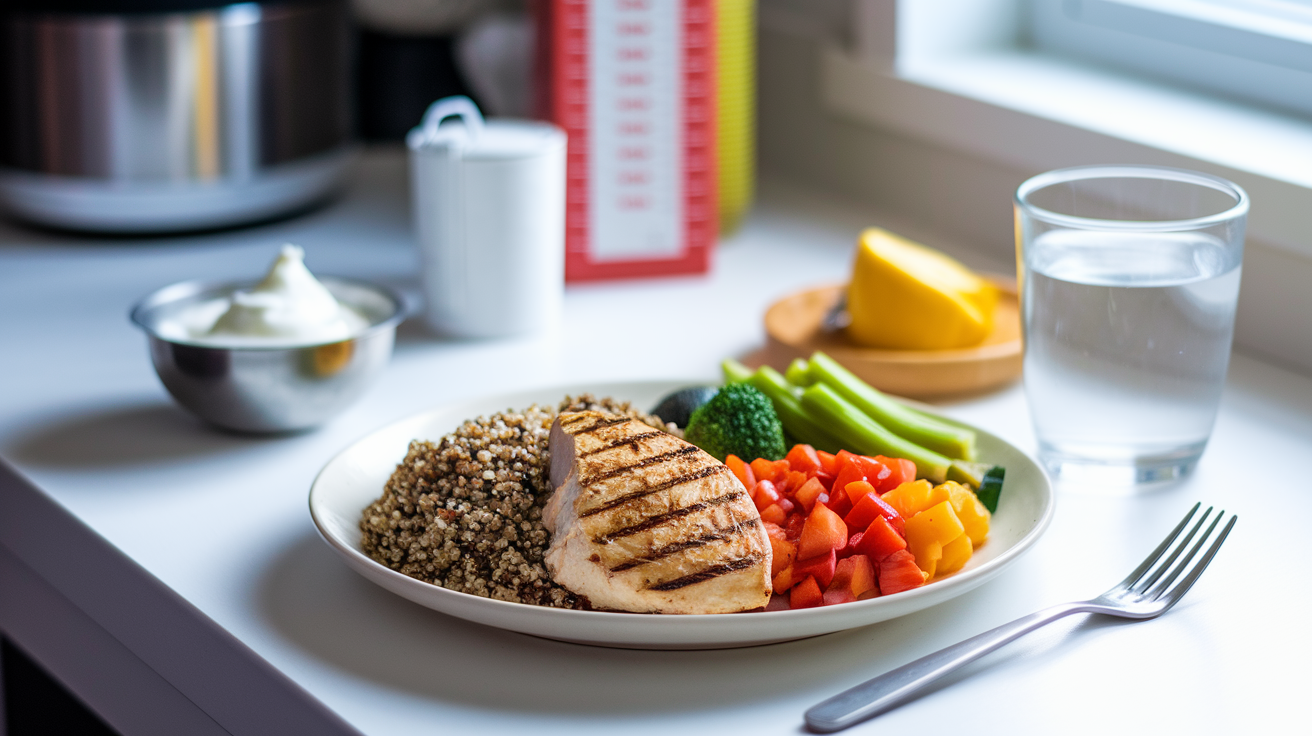
Nutrition fuels your workouts and supports muscle repair. Protein is the most important macronutrient for strength training. Aim for 1.2 to 1.6 grams of protein per kilogram of bodyweight per day. For a 125 lb woman (about 57 kg), that’s roughly 68 to 91 grams daily. Spread protein across 3 to 4 meals to support muscle protein synthesis. Good sources? Chicken, fish, eggs, Greek yogurt, tofu, lentils, and protein powder.
Carbohydrates provide energy for your workouts. Don’t fear carbs. A moderate intake of whole grains, fruits, and starchy vegetables supports performance and recovery. Healthy fats from nuts, seeds, avocado, and olive oil help with hormone production and satiety. If your goal is muscle gain, eat at maintenance calories or a slight surplus (about 200 to 300 extra calories per day). If you’re aiming for fat loss while retaining muscle, maintain a moderate deficit (250 to 500 calories below maintenance) and keep protein high.
Hydration and meal timing also matter. Drink water consistently throughout the day. Having a small carbohydrate and protein snack 1 to 2 hours before training can improve performance. After your session, eat a balanced meal within a few hours to support recovery. You don’t need perfect timing or expensive supplements. Consistency with whole foods beats complicated strategies.
Easy beginner nutrition habits:
- Eat a palm-sized portion of protein with each meal.
- Include a fist-sized portion of vegetables at lunch and dinner.
- Drink a glass of water with every meal and snack.
- Prepare simple, repeatable meals to reduce decision fatigue.
- Track your food for a week to understand portion sizes and protein intake, then adjust as needed.
Common Myths About Women and Strength Training

Misinformation keeps a lot of women from starting. Let’s clear up the most common myths with evidence and practical context.
Five myths and corrections:
-
Myth: Lifting weights makes women bulky. Correction: Women have way lower testosterone levels than men, making significant muscle mass difficult to build without years of specialized training, high volume, and a calorie surplus. Most women see improved muscle tone and definition. Not rapid size increases.
-
Myth: Women should only lift light weights for high reps. Correction: Moderate to heavy loads (where 8 to 12 reps feel challenging) build muscle and strength more effectively than very light weights. “Toning” comes from muscle development and fat loss, both supported by progressive resistance.
-
Myth: Cardio is enough for overall fitness. Correction: Cardio improves cardiovascular health but doesn’t build muscle or bone density the way strength training does. Combining both gives the best overall results for longevity and metabolic health.
-
Myth: You need to train every day to see results. Correction: Beginners see excellent progress with 2 to 3 strength sessions per week. Rest days allow muscles to recover and grow. Overtraining increases injury risk and slows progress.
-
Myth: Strength training isn’t safe for beginners. Correction: When performed with proper form and gradual progression, strength training is one of the safest forms of exercise. Injuries most often occur from doing too much, too soon, or using poor technique. Both preventable with smart programming.
Final Words
Pick one simple move – squat, hinge, or push – and practice it three times this week. We covered why strength matters, basic exercises, form cues, easy equipment options, how to progress, safety and recovery, and simple nutrition tips.
Start light, focus on form, and add a little each week. Remember the common myths were busted so you can train without fear.
Keep at it – beginner strength training for women is about steady, useful progress. You’ll notice the changes.
FAQ
Q: How to start strength training for beginners women?
A: Starting strength training as a beginner woman involves learning basic moves (squat, hinge, push, pull, core), using bodyweight or light weights, training 2–3 times weekly, and prioritizing safe form and steady progress.
Q: What is the 3 3 3 rule of lifting?
A: The 3 3 3 rule of lifting refers to doing three sets of three reps per exercise to build maximal strength, using heavier weight and full rest between sets for low-rep strength work.
Q: Can I lift weights while taking Zepbound?
A: Lifting weights while taking Zepbound is generally safe, but check with your prescriber first; start gently if you notice dizziness, nausea, or low energy, and stop for any concerning side effects.
Q: Is strength training good for bone density?
A: Strength training is good for bone density because weight-bearing and resistance exercises stimulate bone remodeling; aim for 2–3 sessions weekly and include multi-joint moves like squats and presses.