Think skipping your cooldown won’t matter?
Most people assume it’s optional, but stopping hard after exercise can make you lightheaded and slow recovery.
A short, structured cooldown fixes that.
This post gives a simple 5-minute cooldown for beginners you can use after any workout.
It brings your heart rate down, helps clear muscle byproducts, and cuts next-day stiffness.
If your week is chaos, this routine still fits.
Quick and practical.
Try it today.
Essential Beginner Cooldown Routine To Follow After Any Workout
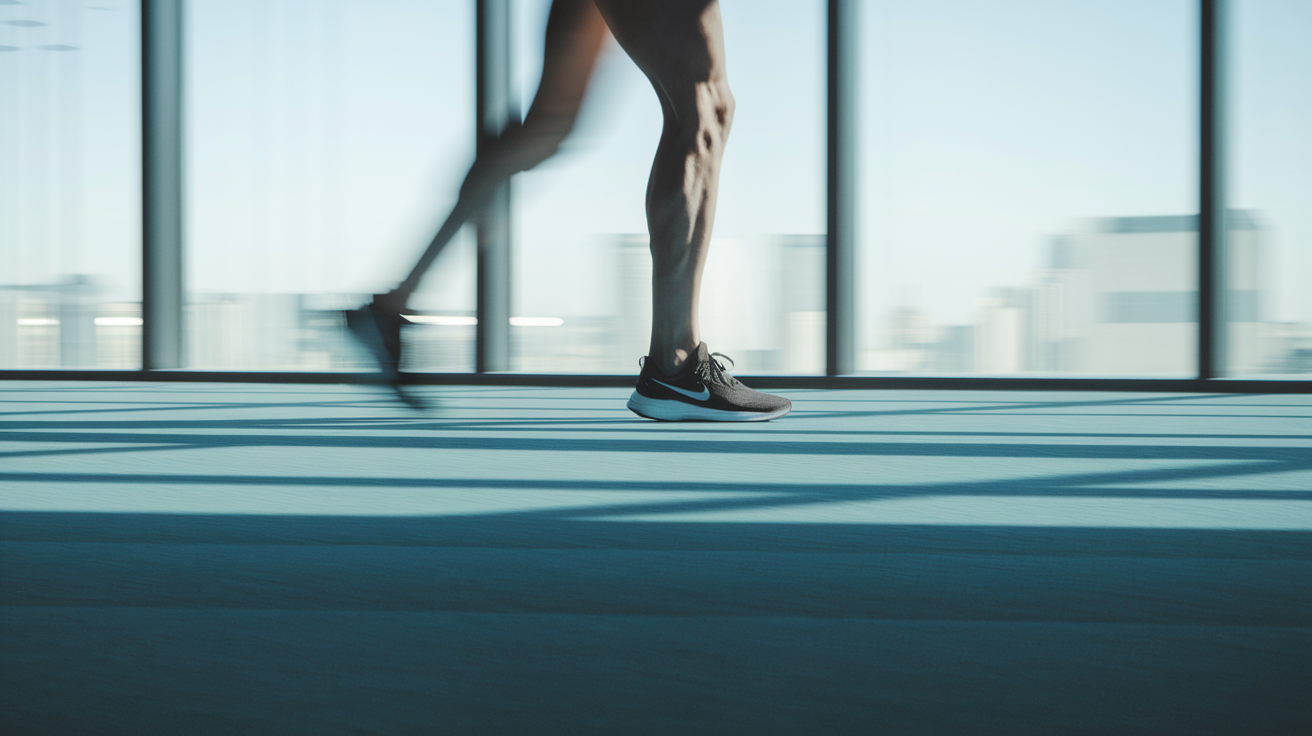
Here’s a simple 5-minute cooldown you can do right now. Walk at a moderate pace for 3 minutes, slowing down every minute. Then do these static stretches: forward fold for your hamstrings (hold 30 seconds), standing quad stretch (hold 30 seconds each leg), and a cross-body shoulder stretch (hold 30 seconds each arm). Breathe slowly through each hold.
A cooldown is the bridge between your workout and rest. It brings your heart rate, body temperature, and blood pressure back to baseline. This matters because if you stop moving suddenly after intense exercise, blood can pool in your legs. That’s what causes dizziness or even fainting. A proper cooldown also helps clear lactic acid and kick-starts muscle repair, which means less stiffness tomorrow.
Beginners do best when the routine is short, structured, and easy to remember. The sequence above hits the major muscle groups and takes less time than checking your notifications. You can use it after any workout, from a brisk walk to a strength session.
Quick Beginner Cooldown (5 Minutes Total)
- Walk at a moderate pace for 3 minutes, reducing speed every minute until you’re barely moving.
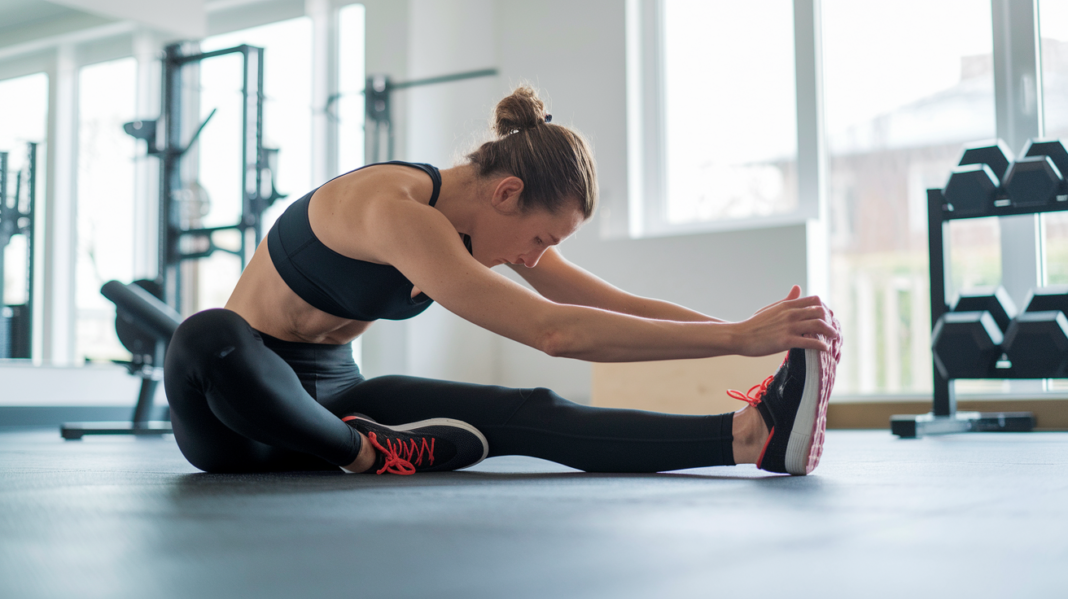
- Forward fold hamstring stretch (hinge at hips, reach toward shins). Hold 30 seconds.
- Standing quad stretch (grab ankle, pull gently toward glutes). Hold 30 seconds each leg.
- Cross-body shoulder stretch (pull arm across chest, press with opposite hand). Hold 30 seconds each arm.
- Deep breathing. Take 5 slow inhales and exhales before moving on.
Key Benefits Of A Post-Workout Cooldown For Beginners
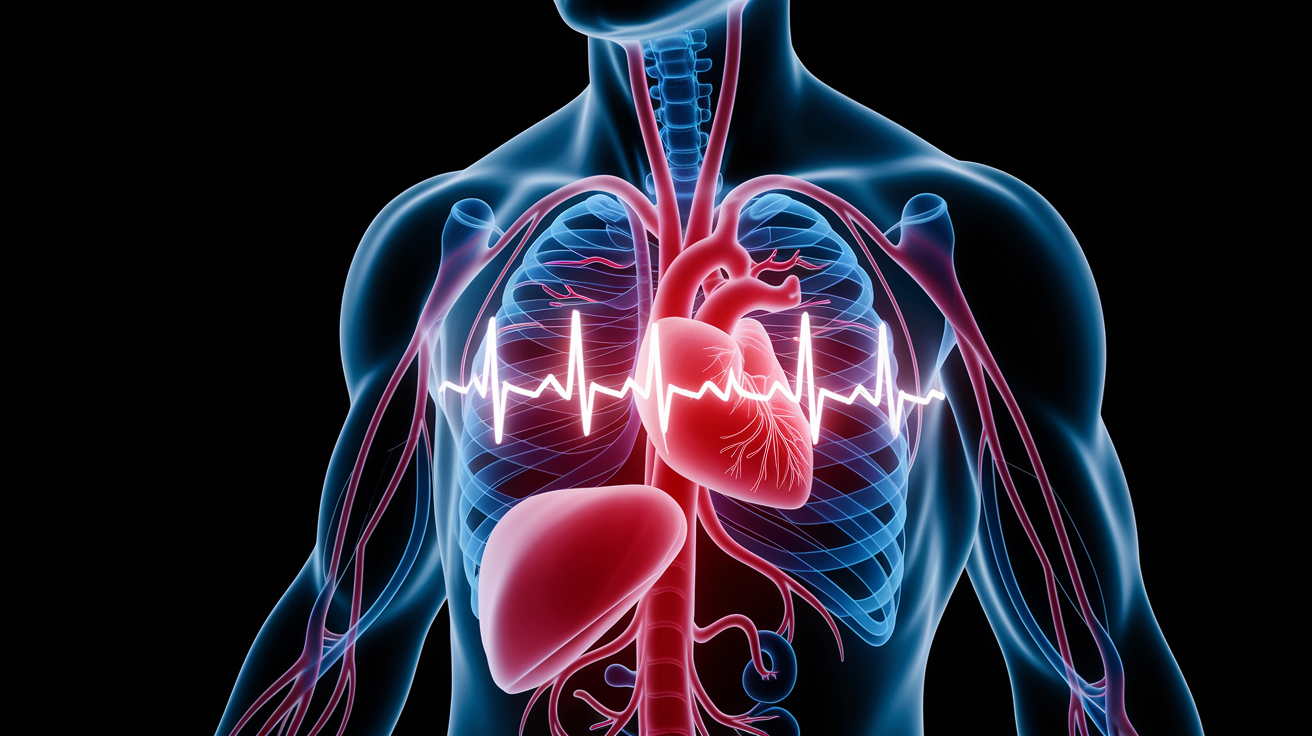
When you finish a hard set or sprint, your heart’s pumping fast and your blood vessels are wide open. A cooldown gives your cardiovascular system time to adjust safely. If you stop suddenly, blood can pool in your lower body instead of circulating back to your heart and brain. That drop in circulation is what makes some people feel lightheaded or see spots after a tough session.
Cooldowns also help with muscle soreness. Your muscles develop tiny micro-tears during resistance training and cardio. Gentle movement and stretching support the delivery of nutrients and oxygen to those areas, which speeds up repair. Static stretching after exercise can reduce the stiffness you feel the next morning, especially if you hold each stretch for at least 20 seconds.
Five Key Benefits
- Brings heart rate and blood pressure down gradually to prevent dizziness or fainting
- Keeps circulation active so blood doesn’t pool in the legs
- Clears lactic acid and metabolic waste from worked muscles
- Cuts down next-day muscle soreness (DOMS) by supporting recovery
- Protects against injury by maintaining flexibility and promoting controlled movement
How Long Should A Cooldown Routine Be For Beginners?
The right length depends on how hard you worked. A moderate session needs less time to recover than an all-out interval workout. Beginners should aim for at least 5 minutes, which includes light movement and a few static stretches. If your workout was intense or longer than 45 minutes, plan for 10 to 15 minutes.
A quick cooldown can be as simple as a 3-minute walk and two or three stretches held for 30 seconds each. A full cooldown includes a longer aerobic taper plus targeted stretching for every major muscle group you used. Both work. Pick the one that fits your schedule and energy level.
| Workout Type | Time | What To Include |
|---|---|---|
| Light or moderate cardio | 5–7 minutes | 3–4 min slow walk + 2–3 static stretches (30s each) |
| Strength training | 7–10 minutes | 3 min light walk + 4–6 static stretches targeting worked muscles (30s each) |
| HIIT or intense cardio | 10–15 minutes | 5–10 min gradual taper (walk or crosstrainer, lower intensity every 2 min) + 3–5 static stretches (30–60s each) |
| Very light session | 3–5 minutes | 2–3 min easy walk + 1–2 stretches (20–30s each) |
Light Cardio Cool-Down Options To Gradually Lower Heart Rate
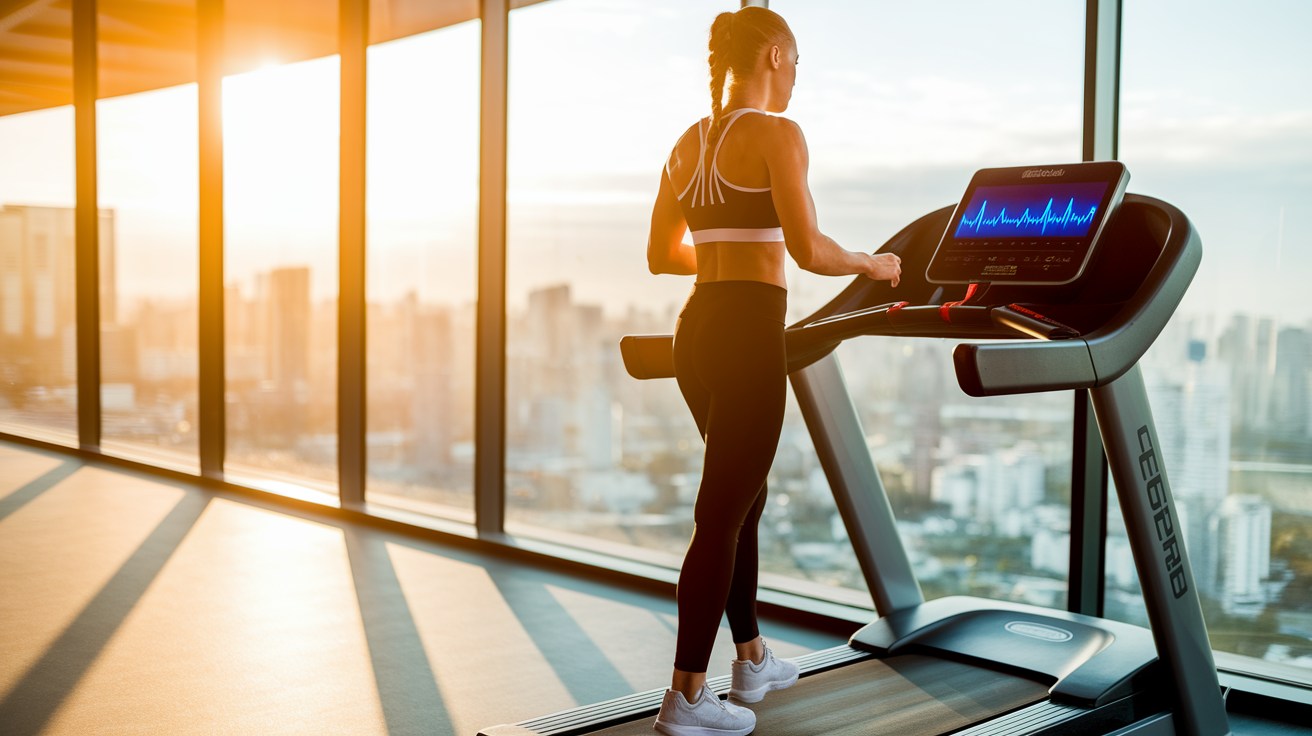
Walking is the simplest way to taper your heart rate. Start at a pace that feels brisk but controlled, then lower your speed every minute or two. If your workout was moderate, 3 to 5 minutes is enough. After an intense session like sprints or heavy lifting circuits, aim for 5 to 10 minutes. By the end, you should be moving so slowly it almost feels like you’re standing still.
A crosstrainer works well if you did a full-body workout and want to keep your upper and lower body moving together. Set the resistance low and decrease the intensity every 2 minutes. Total time should be around 10 minutes. Cycling is another solid option. Pedal at an easy pace and shift to lower gears as your breathing slows.
Progressive Walking Taper (5 Minutes)
- Minute 1: Walk at a moderate pace, roughly the speed you’d use to catch a bus.
- Minute 2: Reduce speed to a comfortable stroll, arms swinging naturally.
- Minute 3: Slow further to a gentle pace, breathing should feel easy.
- Minutes 4–5: Move very slowly, almost a shuffle, until your heart rate feels close to resting.
Static Stretching Basics For A Beginner Cooldown
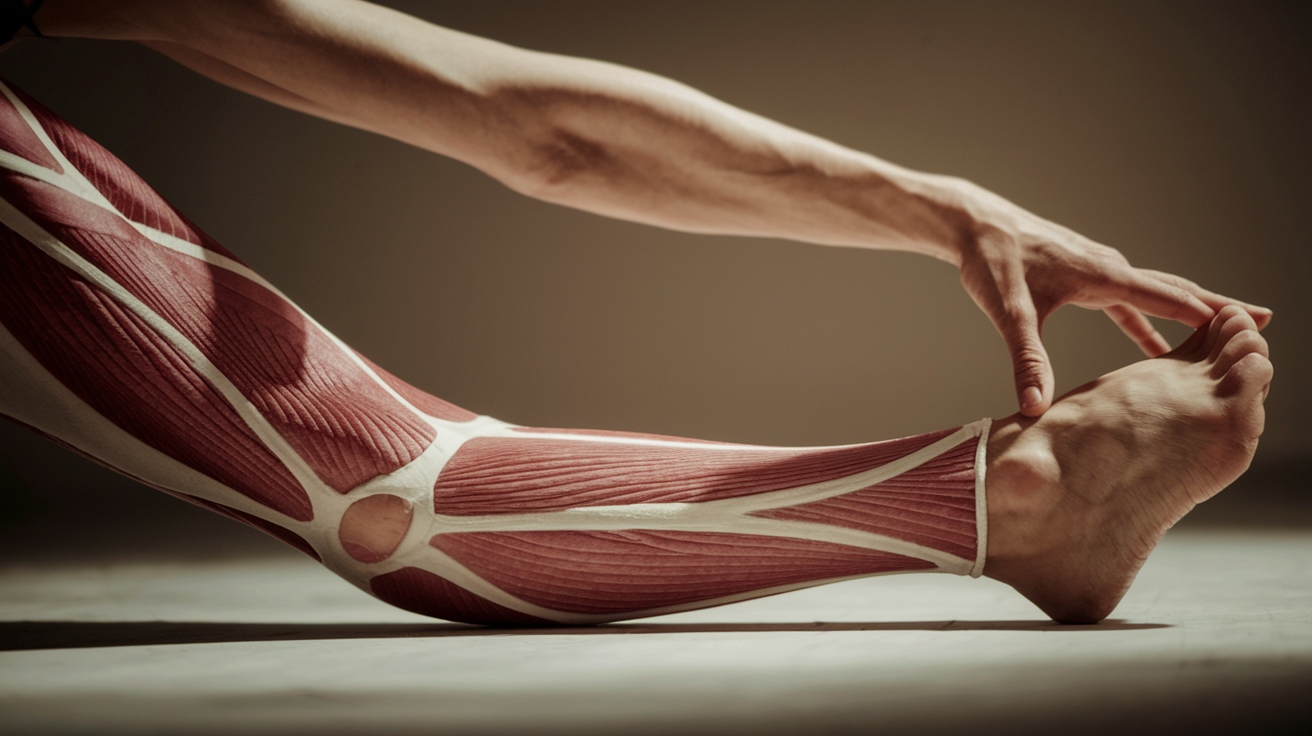
Static stretching works best after exercise because your muscles are warm and pliable. Holding a stretch for 15 to 60 seconds encourages the muscle fibers to relax and lengthen, which can improve flexibility over time. Dynamic stretching, where you move through a range of motion repeatedly, is better suited for warm-ups. Cooldowns need the steady, controlled holds that static stretching provides.
Each stretch should feel like mild tension, not sharp pain. You’ll know you’re in the right zone when you feel a gentle pull that you could hold comfortably for 30 seconds. If you have to hold your breath or grimace, ease off a little. Aim for 30 seconds per hold as a starting point. Beginners can start at 20 seconds and work up. Advanced exercisers sometimes hold for 60 seconds, but that’s not necessary for most people.
Don’t push yourself into extreme ranges right after a hard workout. Your muscles may feel tight, but that doesn’t mean you should force them into a deep stretch immediately. Gentle, consistent pressure is more effective and safer than aggressive pulling.
Optional Full-Body Cooldown Stretch Sequence For A Deeper Routine
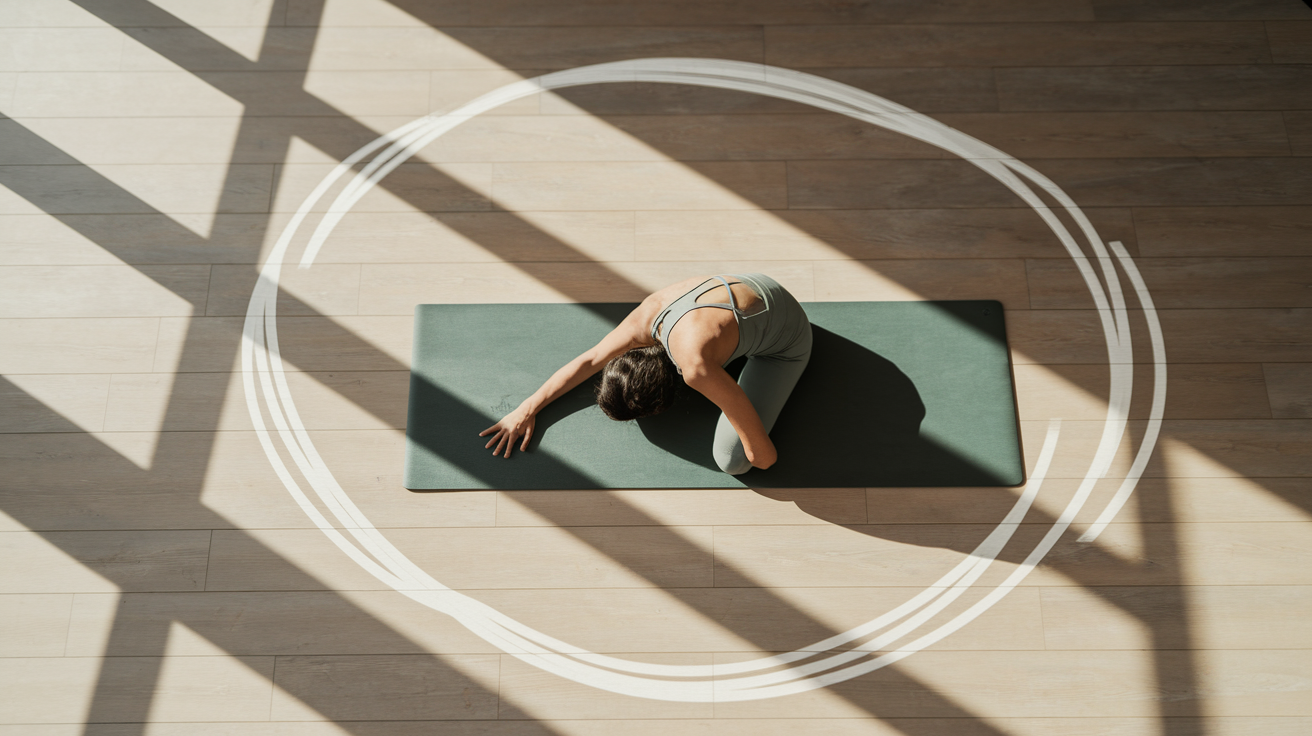
If you have time for a longer cooldown, this sequence covers every major muscle group. Hold each stretch on both sides where noted. Move slowly into each position and breathe steadily.
Extended Cooldown Sequence (8–10 Minutes)
-
Forward fold hamstring stretch: Stand with feet hip-width apart, hinge at your hips, and reach toward your shins, ankles, or the floor. Let your head hang and keep your knees soft if your hamstrings are tight. Hold 30 to 45 seconds.
-
Standing quad stretch: Balance on one leg (use a wall if needed), grab the opposite ankle, and gently pull your heel toward your glutes. Keep your knees together and hips forward. Hold 30 seconds each leg.
-
Low lunge hip flexor stretch: Step into a lunge with your back knee resting on the floor. Sink your hips forward until you feel a stretch in the front of your back hip. Hold 30 seconds each side.
-
Child’s pose: Kneel on the floor, sit back on your heels, and reach your arms forward with your forehead resting on the mat. Let your shoulders relax. Hold 30 to 60 seconds.
-
Wall-assisted chest stretch: Place your forearm on a wall at a 90-degree angle (elbow at shoulder height). Slowly turn your body away from the wall until you feel a stretch across your chest. Hold 30 seconds each side.
-
Cross-body shoulder stretch: Pull one arm across your chest and press gently with your opposite hand. Keep your shoulders down and relaxed. Hold 30 seconds each arm.
Seated Cooldown Options For Beginners And Older Adults

Seated cooldowns work well if you have limited mobility, balance concerns, or you’re just starting out after a long break. A sturdy chair and 5 minutes are all you need. These routines focus on gentle stretching and controlled breathing to bring your body back to rest without standing movements.
Most seated sequences last 5 to 7 minutes. They include breathing work, mobility drills for the neck and shoulders, and simple stretches for the legs and spine. Hold times range from 15 to 60 seconds depending on comfort. If a stretch feels too intense, reduce the hold to 15 or 20 seconds and stop if you feel any sharp pain.
Seated Cooldown Movements (5 Minutes)
- Diaphragmatic breathing: Sit tall, place one hand on your belly, inhale deeply through your nose, exhale slowly. Repeat for 60 seconds.
- Neck tilts and rolls: Tilt your head gently to each side, then roll your head slowly in a half-circle. Total 30 to 60 seconds.
- Shoulder rolls: Roll your shoulders backward in slow circles. Do 10 to 15 rolls over 30 seconds.
- Seated spinal twist: Sit upright, place one hand on the opposite knee, and gently twist your torso. Hold 30 seconds each side.
- Seated hamstring stretch: Extend one leg straight, keep the other foot flat on the floor, and lean forward slightly from your hips. Hold 30 to 45 seconds each leg.
- Seated quad or knee hug: Pull one knee toward your chest and hold, or gently extend your leg and flex your foot. Hold 30 seconds each leg.
- Ankle circles: Lift one foot slightly and draw slow circles with your toes. Do 15 seconds each direction per ankle.
Foam Rolling And Self-Massage Techniques To Add To Your Cooldown
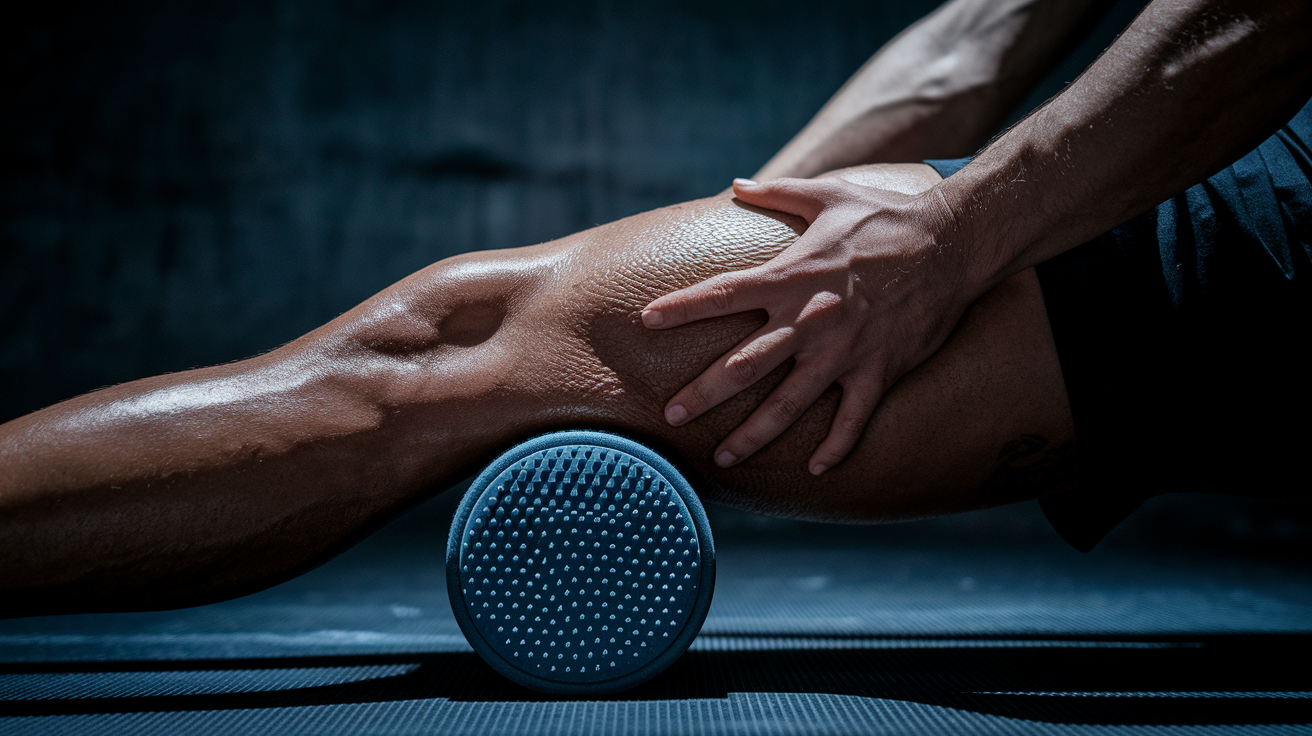
Foam rolling can follow your static stretches or come before them, depending on how tight you feel. Rolling applies gentle pressure to muscle tissue, which can reduce stiffness and improve circulation. Beginners should focus on large muscle groups like the quads, calves, hamstrings, and glutes. Don’t roll directly on joints or bones.
Use slow, controlled movements. Roll over each area for 20 to 30 seconds, pausing on any spots that feel especially tight. The pressure should be firm but tolerable. If it hurts sharply, ease off or skip that area. Foam rolling works best when your muscles are still warm from your workout.
Beginner Foam Rolling Targets
- Quads (front of thighs): lie face down, support your weight on your forearms, roll from hip to just above the knee
- Calves: sit with one calf on the roller, use your hands to lift your hips slightly, roll from ankle to below the knee
- Hamstrings: sit on the roller, hands behind you for support, roll from glutes to just above the knee
- Glutes: sit on the roller, cross one ankle over the opposite knee, lean toward the crossed side and roll slowly
Breathing And Relaxation Techniques To Finish Your Cooldown

Slow breathing helps shift your nervous system from a stressed state to a calm one. At the end of your cooldown, your breathing should feel easy and conversational. If you’re still gasping or can’t talk in full sentences, extend your light movement phase by another minute or two.
Diaphragmatic breathing is simple and effective. Sit or lie down, place one hand on your belly, and breathe in slowly through your nose. Your belly should rise more than your chest. Exhale through your mouth, letting your belly fall. Repeat for 30 to 60 seconds. This type of breathing can deepen your stretches and help you relax.
Progressive muscle relaxation is another option. Tense a muscle group for a few seconds, then release and notice the difference. Start with your feet and work up to your shoulders. This technique takes a few extra minutes but can be helpful if you’re feeling wound up after a hard session.
Modifying A Beginner Cooldown Based On Workout Type
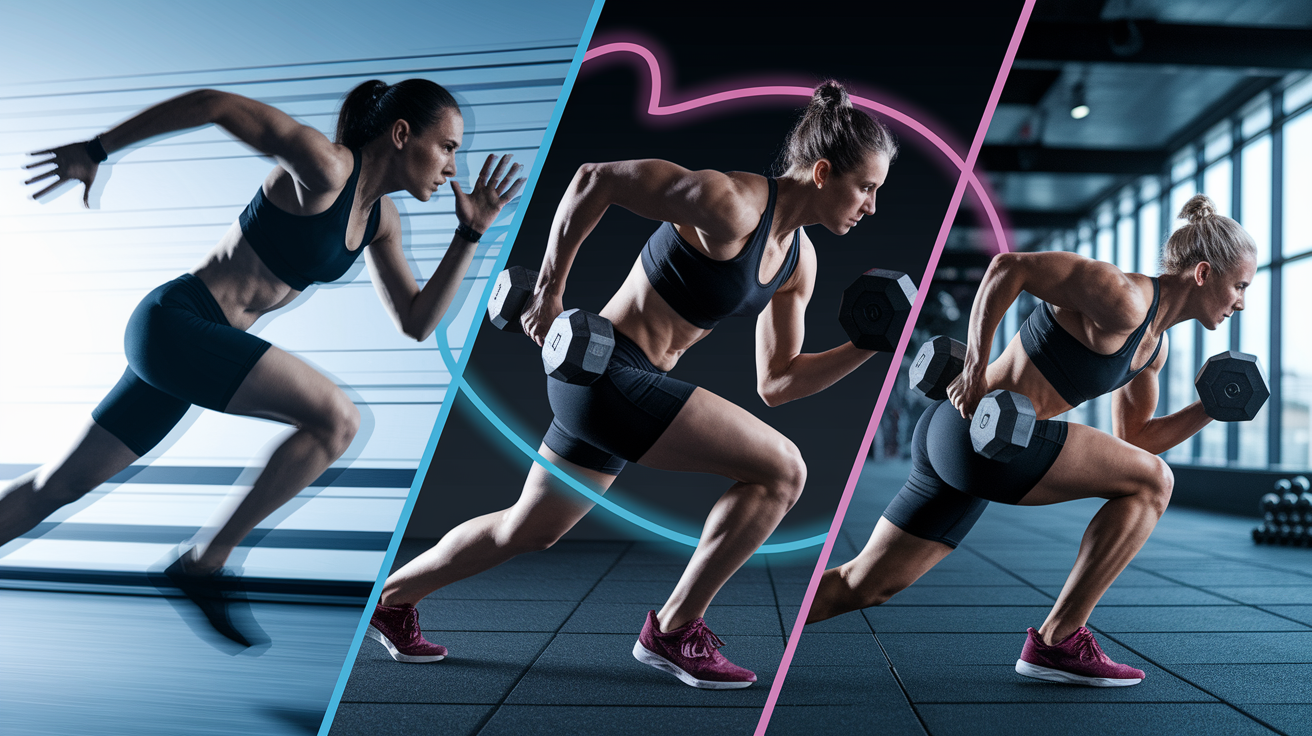
HIIT and cardio sessions need a gradual aerobic taper to avoid sudden drops in heart rate. If you just finished sprints, burpees, or a cycling class, spend at least 5 minutes walking or pedaling slowly. Your heart rate should come down in stages, not all at once. Skipping this step increases your risk of dizziness.
Strength training creates more muscle micro-tears than steady cardio, so post-workout stretching becomes more important. Focus on the muscles you trained. If you did legs, stretch your quads, hamstrings, glutes, and calves. If you did upper body, add chest, shoulder, and triceps stretches. Hold each for 30 seconds and repeat if you have time.
Soreness or limited flexibility may require adjustments. If a stretch feels too intense, reduce the hold time to 15 or 20 seconds. Use a wall, chair, or yoga strap for support. You don’t need to push into discomfort to get results. Consistency over weeks matters more than depth in a single session.
Cooldown Modifications
- For HIIT or running: Focus on a 5–10 minute walk or slow jog taper, then add 3–4 static stretches for the lower body.
- For strength training: Include 1–2 minutes of light movement, then stretch every muscle group you worked for 30–60 seconds each.
- For sore or tight muscles: Shorten holds to 15–20 seconds, use supports like straps or blocks, and don’t force range of motion.
- For limited time: Do a 3-minute walk and pick your two tightest muscle groups to stretch for 30 seconds each.
Beginner Mistakes To Avoid During A Post-Workout Cooldown
The most common mistake is stopping abruptly after a high-intensity workout. If you finish a sprint or a heavy set and immediately sit down, your heart rate drops too fast and blood can pool in your legs. This is what causes that dizzy, lightheaded feeling. Always taper with light movement first.
Relying only on dynamic stretching for your cooldown is another misstep. Dynamic moves are great for warming up, but they don’t give your muscles the steady tension needed to relax and lengthen after exercise. Save the leg swings and arm circles for before your workout. Use static holds after.
Six Cooldown Mistakes
- Stopping movement too quickly after cardio or HIIT (raises risk of dizziness or fainting)
- Using dynamic stretches instead of static holds (limits flexibility gains and relaxation)
- Pushing stretches into sharp pain instead of mild tension (can cause injury)
- Rushing through holds or skipping them entirely (reduces effectiveness)
- Forgetting to stretch muscles you actually worked (leads to imbalanced recovery)
- Ignoring symptoms like faintness, nausea, or sharp pain (stop immediately and get help if these persist)
Final Words
Jump straight into a 3–10 minute light walk, then follow with 4–6 easy static stretches held 20–30 seconds. That’s the quick routine you can use after any session.
The article covered why cooldowns matter, timing options, light cardio tapers, a deeper full-body sequence, seated alternatives, foam rolling, breathing, and simple tweaks for different workouts.
Use this post-workout cooldown routine for beginners as a habit. Start small, stay consistent, and you’ll feel steadier and recover faster.
FAQ
Q: What is the 3 3 3 rule at the gym, the 5-3-1 rule in gym, and the 3 2 1 rule in gym?
A: The 3-3-3, 5-3-1 and 3-2-1 rules at the gym are simple set/rep patterns. 3-3-3 = three sets of three reps (strength focus). 5-3-1 = progressive strength cycle (sets of 5, then 3, then 1 at rising loads). 3-2-1 = a descending rep or countdown format used for circuits or finishers.
Q: What is a good cooldown after a workout?
A: A good cooldown after a workout is 3–10 minutes of light cardio (walk or easy bike) then 3–5 static stretches held 20–30 seconds each, finishing with slow, deep breaths to lower heart rate and relax muscles.