Think you’ve got to slam a protein shake within 20 minutes or your gains vanish?
Science says that myth needs updating.
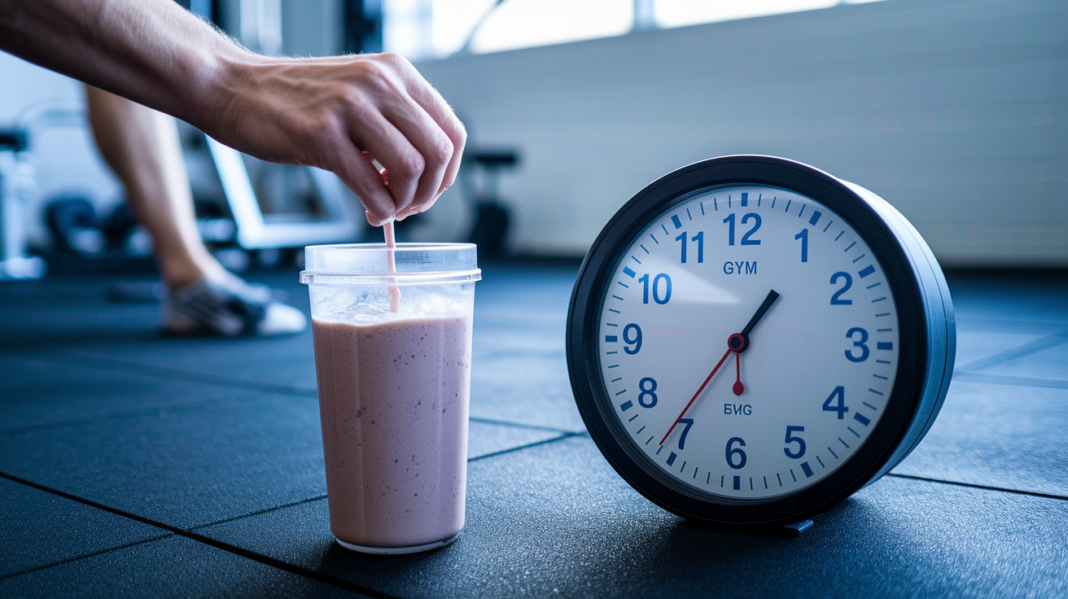
The post-workout “anabolic window” is real but wider—often 30 to 120 minutes, and total daily protein usually matters more than a 20-minute cutoff.
Still, timing matters for fasted sessions, two-a-day workouts, older adults, and women in certain cycle phases.
This article lays out what the research actually shows and gives simple, practical timing rules you can use after your next lift.
Evidence-Based Timing Strategies for Optimal Post-Workout Protein Intake
You don’t need to chug a shake the second you rack the bar. The “anabolic window” exists, but it’s wider than gym folklore suggests. Somewhere between 30 and 120 minutes post-training works for most people. Total daily protein matters more than hitting some mythical 20-minute cutoff. But timing isn’t irrelevant either, especially if you trained fasted, if you’re stacking two sessions in one day, or if you’re a woman training during the luteal phase when hormones shift recovery dynamics.
Sex differences change how urgently you need food after lifting. Women in the luteal phase (higher oestrogen and progesterone) do better when they get 20 to 25 grams of quality protein plus 40 to 60 grams of carbs within an hour of finishing. Progesterone amps up muscle breakdown. Oestrogen can throttle synthesis temporarily. Men have a more forgiving window, sometimes three to four hours, as long as they’re hitting their daily protein across evenly spaced meals.
Timing becomes critical if you trained on an empty stomach, if you’re hitting the gym twice in one day, or if you’re female and tracking your cycle. In those cases, get protein sooner. Everyone else can relax a bit. Meeting your daily target with four or five solid feedings beats obsessing over the clock.
Windows worth remembering:
- Effective range is 30 to 120 minutes post-training for most.
- Women in high-hormone phases should aim for within 60 minutes.
- Men can stretch it to three or four hours without losing ground.
- Fasted training tightens the window—get protein in within 30 to 60 minutes.
- Daily intake (1.6 to 2.2 grams per kilogram) drives growth more than any single meal.
Understanding Muscle Protein Synthesis and How Protein Timing Influences It
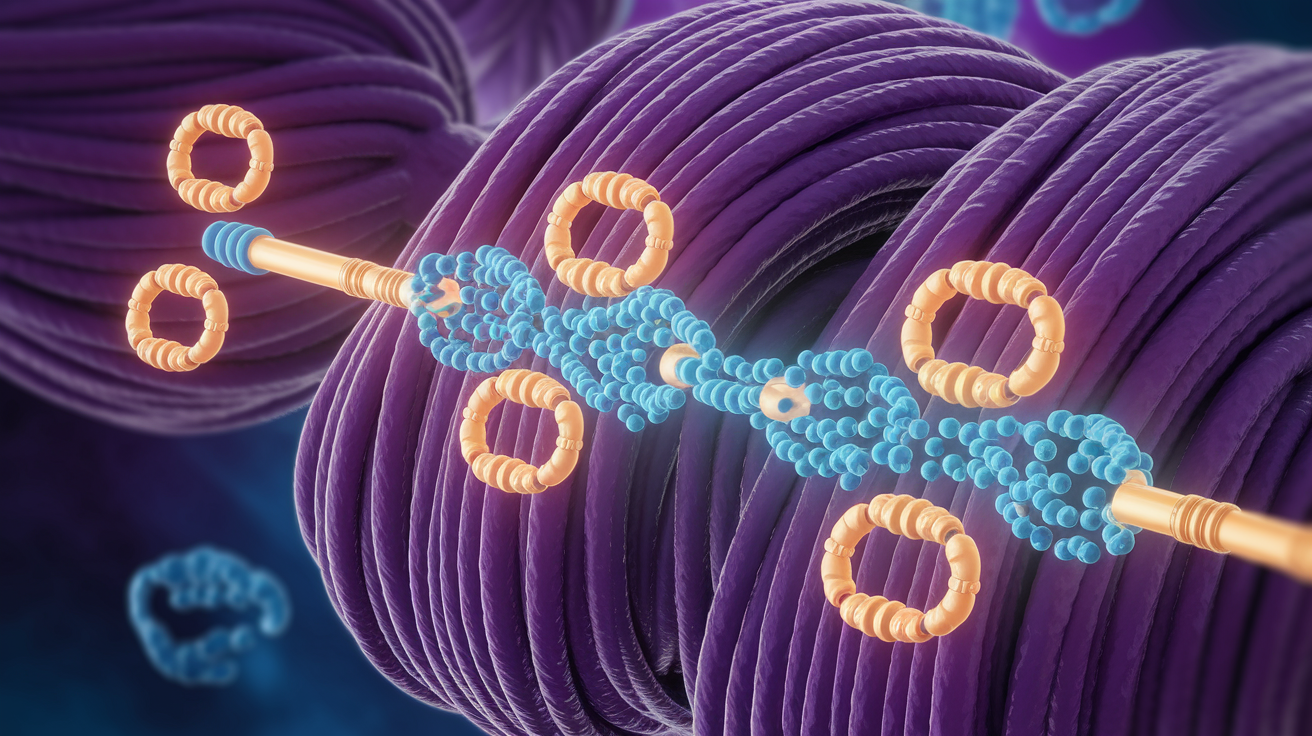
Muscle protein synthesis repairs and rebuilds fibers after you stress them. It kicks in when amino acids, especially leucine, hit your bloodstream and flip the mTOR switch inside muscle cells. Think of mTOR as the ignition. You need at least 2.0 to 2.5 grams of leucine in one sitting to turn the key. Timing matters because the faster leucine and other essential aminos reach your muscles, the sooner synthesis starts and the longer it stays elevated.
Women oxidise less protein and leucine than men. Sounds like a win, but it actually makes timing more sensitive. When your body burns less leucine for fuel, it leans harder on the leucine you eat right after training to trigger synthesis. Delay intake too long during high-hormone phases (when progesterone speeds up breakdown), and you stay catabolic longer than you should. Female athletes often see better outcomes with tighter post-workout nutrition compared to guys.
| Protein Type | Digestion Speed | Leucine Content (Approx) |
|---|---|---|
| Whey | Fast (aminos in blood ~15–20 min) | ~2.5 g per 25 g protein |
| Casein | Slow (digests over hours) | ~2.0 g per 25 g protein |
| Egg | Moderate (~3 g absorbed/hour) | ~1.1 g per 25 g protein |
Evaluating the Anabolic Window: What the Research Actually Shows
Old-school advice said you had exactly 30 minutes or the gains train left without you. That came from early studies on fasted subjects with nothing in their system pre-workout. Reality check: if you ate protein an hour or two before training, amino acids are still floating around for hours afterward. The window doesn’t slam shut at minute 31.
A 2013 meta-analysis in the Journal of the International Society of Sports Nutrition compared total daily protein against precise timing. Total intake won by a mile. A 2017 study in Frontiers in Physiology tested pre-workout versus post-workout protein in trained adults. No meaningful difference in muscle gains between groups. Both built muscle equally when daily protein targets were met and distributed across the day. The window might actually stretch three to six hours, depending on what you ate beforehand.
Timing still matters for specific groups. Older adults show sharper sensitivity to post-exercise protein. A 2001 study by Esmarck and colleagues found that elderly subjects who delayed intake saw weaker hypertrophy compared to immediate consumers. Fasted trainees and athletes doing two-a-days also benefit from tighter timing to speed recovery and cut soreness. Takeaway: the window’s real, but it’s flexible unless you’re in one of those categories.
What the research actually tells us:
- Total daily protein predicts growth more than timing.
- The effective post-workout window stretches three to six hours if you ate beforehand.
- Pre-workout protein can reduce the urgency of immediate post-workout intake.
- Older adults, fasted trainees, and dual-session athletes benefit from eating sooner after training.
Optimal Protein Dosing After Training for Muscle Growth
After resistance training, aim for 20 to 40 grams of quality protein per feeding. Research puts the sweet spot around 0.25 to 0.3 grams per kilogram of body weight. If you weigh 80 kilograms, that’s 20 to 24 grams. Going way higher in one meal doesn’t add extra synthesis. A 2009 study by Symons and colleagues tested 30 grams versus 90 grams in young and older subjects. No added benefit from the bigger dose. The extra aminos just got burned for energy or peed out.
Sex-specific dosing is straightforward. Women typically respond well to around 20 grams per post-workout feeding. Men do better with 25 to 30 grams. These amounts reliably deliver the 2.0 to 2.5 grams of leucine needed to trigger mTOR and start synthesis. If you’re using plant proteins with lower leucine density, you might need a bigger serving to hit that leucine threshold. For example, 17.5 grams of pea protein isolate roughly equals 12 grams of whey in effective amino acid delivery.
| Body Weight (kg) | Recommended Dose (g) | Leucine Target (g) |
|---|---|---|
| 60 | 15–18 | 2.0–2.5 |
| 70 | 18–21 | 2.0–2.5 |
| 80 | 20–24 | 2.0–2.5 |
Comparing Immediate vs Delayed Protein Intake After Resistance Training

If you ate a protein-rich meal one or two hours before training, your bloodstream’s still carrying aminos when you finish your last rep. In that fed state, waiting an hour or two to eat again won’t wreck your results. The pre-workout protein keeps supporting synthesis for hours, giving you room to breathe. Studies comparing immediate versus delayed intake in fed subjects show tiny differences in long-term muscle gains, assuming total daily protein and meal frequency are solid.
Fasted training flips everything. When you train with nothing in your system, breakdown accelerates during and right after the session. Without circulating aminos to offset that breakdown, you’re working against yourself until you eat. In fasted scenarios, get 20 to 25 grams of protein within 30 to 60 minutes of finishing. That quick hit shifts you from catabolic to anabolic faster and protects the lean tissue you just worked for.
Practical rule: if your last meal was within two hours of training, you’ve got a comfortable two to three hour window post-workout. If you trained fasted or it’s been over three hours since you last ate, get protein in sooner—ideally within the first hour. Either way, make sure your next feeding includes both protein and some carbs to refill glycogen and support immune recovery.
Total Daily Protein Intake and Meal Distribution for Maximizing Muscle Hypertrophy
Timing tweaks mean nothing if you’re missing your total daily protein target. For hypertrophy, shoot for 0.8 to 1.2 grams per pound of body weight per day, roughly 1.6 to 2.2 grams per kilogram. A 176-pound athlete should get between 140 and 210 grams daily, spread across multiple meals. That total is the main driver of long-term growth, way more important than whether your post-workout shake lands at minute 25 or minute 90.
Meal frequency and distribution matter almost as much as the total. Eating protein four or five times per day, spaced every three to four hours, keeps synthesis elevated throughout the day and maintains positive nitrogen balance. Each feeding should deliver 20 to 40 grams of protein with at least 2.0 grams of leucine. This pattern prevents long gaps where synthesis drops and breakdown climbs. Think of it as keeping the fire stoked instead of letting it burn out and trying to relight it with one giant meal at night.
Daily intake and distribution rules:
- Target 1.6 to 2.2 grams of protein per kilogram of body weight per day.
- Spread protein across four or five meals or feedings.
- Space protein-rich meals every three to four hours.
- Include 20 to 40 grams of quality protein per feeding.
- Get at least 2.0 to 2.5 grams of leucine at each meal.
- Combine post-workout protein with your overall daily distribution. It’s one piece, not the whole puzzle.
Best Protein Sources to Support Post-Workout Recovery
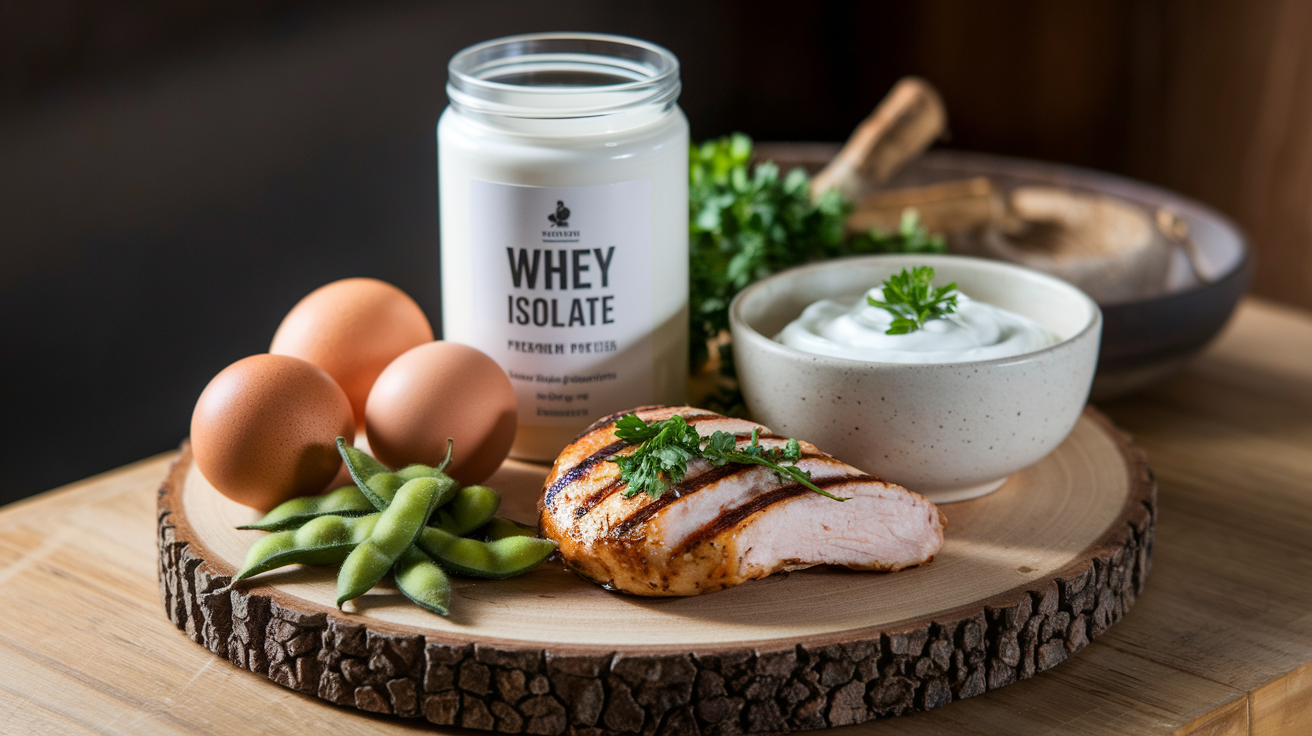
Quality protein sources are defined by their essential amino acid profile, leucine content, and how fast they digest. Whey protein isolate is the gold standard for post-workout use. Fast-digesting, with aminos in your bloodstream within 15 to 20 minutes, delivering roughly 2.5 grams of leucine per 25-gram serving. If you need sustained amino acid release, casein is the slow option. It forms curds in your stomach, releasing aminos over hours. Great before bed, less useful right after training when you want a quick spike in synthesis.
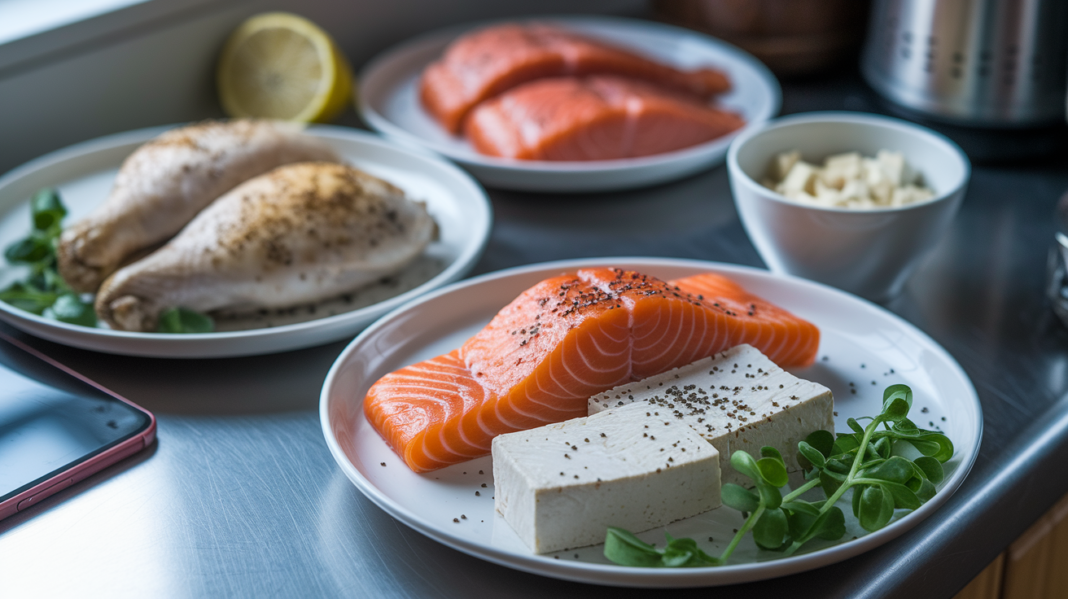
Whole-food options work just as well if you can handle solid food after training. Eggs give you 6 to 7 grams of protein each, with moderate absorption at about 3 grams per hour. Greek yogurt, chicken breast, and fish all deliver complete amino acid profiles with enough leucine. Plant-based athletes should note that pea protein needs a larger serving to match whey’s leucine content. About 17.5 grams of pea isolate equals 12 grams of whey in effective amino acid delivery. Tofu and edamame also work if you prefer whole-plant foods over powders.
Top protein sources for post-workout:
- Whey isolate: fast absorption, high leucine, liquid convenience.
- Eggs: complete aminos, portable, versatile.
- Greek yogurt: quick to eat, pairs well with carbs, high protein per serving.
- Chicken or fish: complete proteins, easy to portion, meal-ready.
- Pea or soy isolate: plant-based, moderate leucine (bump serving size up a bit).
Practical Post-Workout Meal and Shake Strategies for Muscle Growth
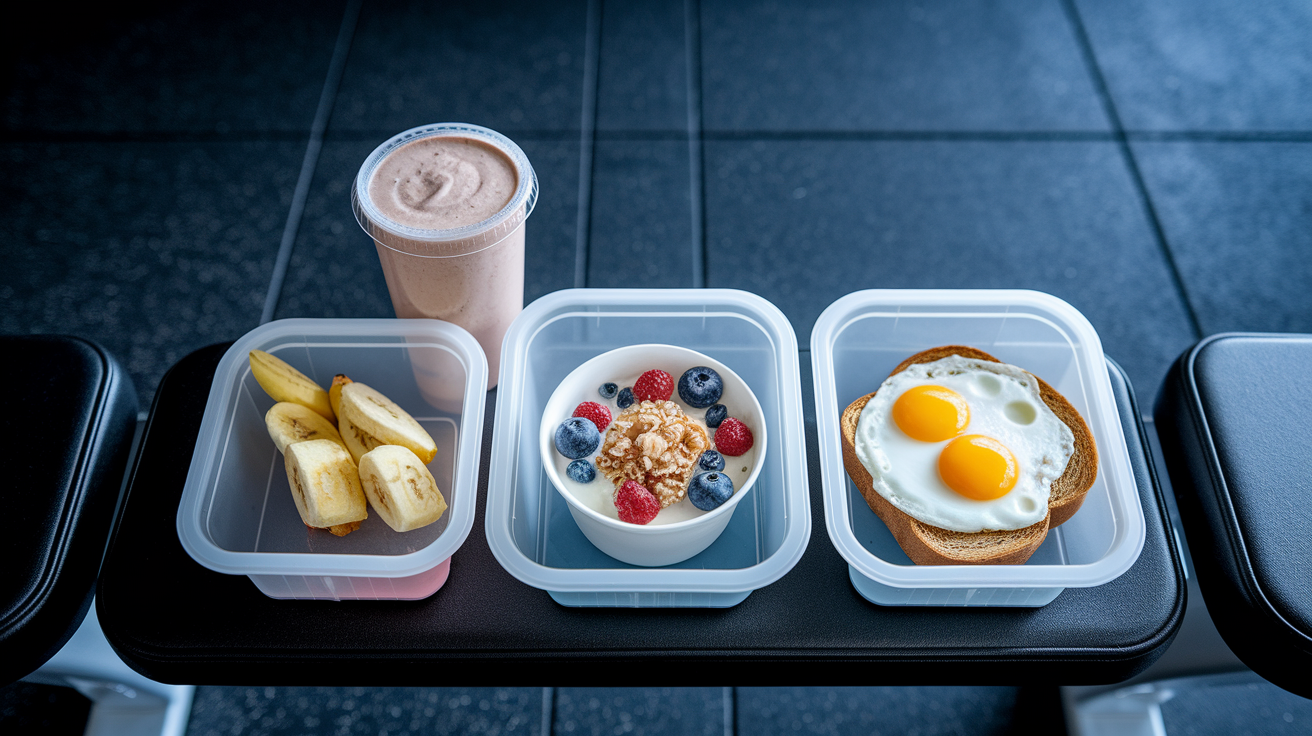
Good post-workout nutrition combines 20 to 25 grams of protein with 40 to 60 grams of carbs. Protein kicks off muscle repair. Carbs refill glycogen stores and support immune function after training stress. Fast-digesting proteins like whey isolate elevate blood aminos rapidly, within 15 to 20 minutes, making them perfect when you want to start recovery quickly. If your next meal is hours away, consider a blended protein (whey plus casein) to cover both immediate and sustained amino acid delivery.
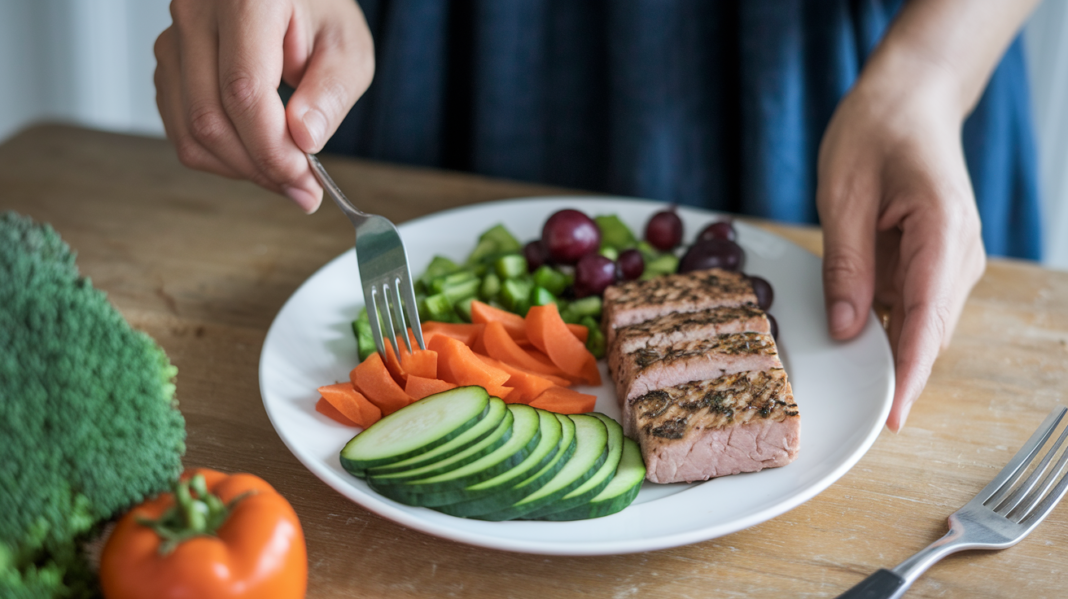
Whole-food options include two scrambled eggs with a bowl of oatmeal and berries, a chicken and rice bowl with veggies, or Greek yogurt mixed with granola and a banana. These meals hit the protein and carb targets while delivering micronutrients that support recovery. If you’re short on time or appetite right after training, a shake made with whey isolate, a scoop of carb powder or a banana, and water gets the job done in under two minutes. Liquid nutrition empties from the stomach faster than solid food, which can be clutch if you trained hard and your appetite’s shot.
Timing and composition depend on your schedule and hunger. If you trained in the morning and breakfast is an hour away, a quick shake bridges the gap. If you finished an evening session and dinner’s ready, eat the meal and skip the shake. Get quality protein and some carbs in within your personal window (30 to 120 minutes for most people) without overthinking it.
| Option | Protein (g) | Carbs (g) | Timing | Notes |
|---|---|---|---|---|
| Whey isolate shake + banana | 25 | 27 | Within 30 min | Fast absorption, minimal prep |
| Greek yogurt + granola | 20 | 45 | Within 60 min | Portable snack, easy on stomach |
| Chicken breast + rice + veggies | 30 | 50 | Within 90 min | Full meal, slower digestion |
Special Situations: Fasted Training, Two-a-Day Workouts, and Women’s Hormonal Cycles

Fasted training speeds up muscle breakdown because there aren’t any circulating aminos to offset the catabolic signals from exercise. If you train first thing in the morning without eating, getting protein within 30 to 60 minutes post-session becomes more important. A fast-digesting source like whey isolate helps you shift from breakdown to synthesis quickly. Waiting two or three hours after a fasted session can blunt your recovery and cut the net muscle-building effect of that workout.
Athletes running two sessions in one day (common in strength sports, CrossFit, and some endurance programs) need protein both before and after each session to speed recovery and reduce soreness. If your second workout is within six hours of the first, get a protein-rich snack or shake between sessions. This dual-feeding approach keeps synthesis elevated and breakdown low across both training bouts. Skipping the between-session protein leaves you playing catch-up and raises the risk of overtraining symptoms.
Women training during the luteal phase of their menstrual cycle (the two weeks before menstruation) face elevated progesterone, which increases breakdown, and elevated oestrogen, which can temporarily throttle synthesis. During this phase, get 20 to 25 grams of protein plus 40 to 60 grams of carbs within 60 minutes of finishing training. Apps like Flo and Wild AI help track your cycle so you can adjust nutrition timing when it matters. In the follicular phase (the two weeks after menstruation starts), timing is less critical and the standard 30 to 120 minute window applies.
Special case recommendations:
- Fasted training: get 20–25 g protein within 30–60 minutes post-session.
- Two-a-day athletes: include protein before and after each session, especially if sessions are under six hours apart.
- Women in luteal phase: get intake within 60 minutes post-workout with both protein and carbs.
- Use cycle-tracking apps to identify high-hormone phases and tighten your timing window when needed.
Common Myths About Protein Timing and Muscle Growth
One stubborn myth claims that missing the 30-minute post-workout window sabotages your gains. Research shows that’s oversimplified. The effective window stretches up to two hours for most people, longer if you ate protein before training. Total daily protein intake and meal distribution predict muscle growth way more reliably than the exact minute you drink your shake. If you’re late getting to your post-workout meal, you haven’t ruined your progress. Just make sure the rest of your day’s protein intake is solid.
Another common belief is that more protein in one sitting equals more muscle growth. Studies consistently show diminishing returns above 20 to 30 grams per meal for stimulating synthesis. A 90-gram protein meal doesn’t build three times the muscle of a 30-gram meal. The extra aminos get burned for energy or converted to glucose. Your body has a ceiling for how much synthesis it can trigger in one feeding, so spreading protein across multiple meals beats loading it all into one or two giant servings.
Three myths corrected:
- Myth: You must eat protein within 30 minutes or lose all benefits. Reality: a 30 to 120 minute window works for most people. Total daily intake matters more.
- Myth: More protein per meal always means more growth. Reality: synthesis plateaus around 20 to 30 grams per feeding. Excess is wasted.
- Myth: BCAAs alone are as effective as complete protein. Reality: BCAAs lack the full spectrum of essential aminos needed to maximize synthesis. Whole protein sources are better.
Final Words
Start by prioritizing total daily protein and simple post-workout habits. This post showed that daily intake drives most gains, yet timing still helps in specific situations.
Practical rules: aim for 20-40 g protein (about 0.25-0.3 g/kg) soon after training. Most people have a 30-120 minute window; men may have 3-4 hour flexibility. Fasted or two-a-day sessions need earlier feeding and extra carbs for recovery.
Keep it practical. Post-workout protein timing for muscle growth is a tool, not a rule. You’ve got this.
FAQ
Q: What is the optimal time to eat protein after a workout?
A: The optimal time to eat protein after a workout is about 30–120 minutes for most people; immediate intake isn’t required unless you trained fasted or have another session soon.
Q: Do I need to have protein immediately after training?
A: You don’t need to have protein immediately after training; total daily protein matters more. Eat within 30–120 minutes unless you trained fasted or have back-to-back sessions, then eat sooner.
Q: How much protein should I have after a workout?
A: The post-workout protein dose should be about 20–40 g (roughly 0.25–0.3 g/kg); women often aim near 20 g and men toward 25–30 g per feeding.
Q: Which protein types digest fastest and matter for timing?
A: Fast-digesting proteins like whey appear in blood within 15–20 minutes, casein digests slowly over hours, and eggs fall between; pick leucine-rich options to trigger muscle protein synthesis.
Q: Does total daily protein intake matter more than timing?
A: Total daily protein intake matters more than exact timing for hypertrophy; timing helps mainly during fasted training or multiple daily workouts, so secure daily grams first.
Q: What should I eat post-workout for recovery—a meal or a shake?
A: A practical post-workout option is 20–25 g protein plus 40–60 g carbs; a whey shake is quick, and a full meal is fine if eaten within the 30–120 minute window.
Q: How does fasted training or two-a-day workouts change timing needs?
A: Fasted training and two-a-day sessions make timing more important: eat protein and carbs soon after fasted workouts and between sessions to speed recovery and limit breakdown.
Q: Are there sex-specific protein timing recommendations?
A: Women, especially in high-hormone phases, may benefit from 20–25 g protein plus carbs within 60 minutes post-workout; men generally have 3–4 hour flexibility unless fasted or training twice daily.
Q: What common myths about protein timing should I ignore?
A: Common myths to ignore are that a strict 30-minute window is required and that huge single meals boost growth—consistent daily protein and reasonable portions matter more.
Q: How should I distribute protein across the day for muscle growth?
A: Distribute protein across 4–5 meals every 3–4 hours to repeatedly stimulate muscle protein synthesis; aim for consistent servings with adequate leucine each time.